Table of Contents
Gatherings with friends and family have evolved far beyond charades and trivia nights. Today’s party hosts are seeking immersive experiences that transform living rooms into mysterious laboratories, ancient temples, or high-stakes heist scenarios. Escape room board games have surged in popularity because they deliver that adrenaline-pumping, collaborative challenge that gets everyone talking, laughing, and working together in ways traditional party games simply can’t match. The beauty lies in their ability to create shared memories through problem-solving, where every solved puzzle becomes a collective victory and every near-miss becomes an inside joke for years to come.
But not all escape room board games are created equal when it comes to entertaining a group. As a host, you’re juggling multiple considerations: the experience level of your players, the size of your space, the amount of time you have, and whether your cousin who gets frustrated easily will throw pieces across the room. This comprehensive guide walks you through everything you need to know about selecting the perfect escape room board games for your next gathering, focusing on the features, mechanics, and considerations that separate memorable experiences from disappointing ones. You’ll learn how to match games to your group’s dynamics, setup tips that enhance immersion, and strategies for keeping everyone engaged from start to finish.
Top 10 Escape Room Board Games for Party
Detailed Product Reviews
1. Escape Room The Game, Version 2 - with 4 Thrilling Escape Rooms | Solve The Mystery Board Game for Adults and Teens
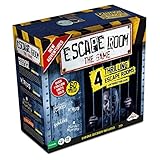
Overview: This comprehensive kit transforms your living room into four distinct escape room experiences, complete with a digital Chrono Decoder that serves as your countdown clock and hint system. Designed for groups of 3-5 players aged 16+, each scenario unfolds across three escalating parts, creating a professional-grade atmosphere through integrated sound effects and a companion app soundtrack.
What Makes It Stand Out: The electronic Chrono Decoder elevates this beyond paper-based competitors, providing real-time audio feedback and a tangible interface for entering solution keys. The four included scenarios—Prison Break, Virus, Nuclear Countdown, and Temple of the Aztec—offer distinct themes and progressive difficulty. The expansion pack ecosystem means the hardware investment pays dividends long after you complete the base scenarios.
Value for Money: Priced comparably to two single-scenario games, you’re effectively getting four experiences plus reusable hardware. The Chrono Decoder alone justifies the premium, as expansion packs cost significantly less than full games. For escape room enthusiasts planning multiple sessions, this modular approach delivers exceptional long-term value.
Strengths and Weaknesses: Pros: Hardware enhances immersion; multiple difficulty levels; professional audio design; expansion ecosystem; clear progression system. Cons: Each scenario is single-use; requires smartphone for full experience; age 16+ limit excludes younger teens; replacement mirror card is just cardboard.
Bottom Line: Ideal for dedicated puzzle groups seeking an authentic, tech-enhanced escape room experience. The initial investment pays off if you’ll explore expansion packs, making it the best choice for ongoing game nights.
2. Escape From the Museum Escape Room Game

Overview: Professor Puzzle’s compact offering locks players in a museum after hours, challenging 1-4 participants to puzzle their way out using pure brainpower. This self-contained, technology-free experience emphasizes traditional cipher-solving and logical deduction across a streamlined 60-minute timeframe, making it an accessible entry point into the escape room genre.
What Makes It Stand Out: The game’s portability and simplicity are its defining traits. Unlike tech-heavy alternatives, this relies entirely on tactile components and paper-based puzzles, eliminating app dependencies or battery concerns. The museum theme integrates naturally with artifact-based riddles, creating a cohesive narrative that doesn’t feel forced. Its lower player count makes it perfect for couples or small families.
Value for Money: Positioned as a budget-friendly option, it costs roughly half of premium electronic kits. While single-use like most escape room games, the quality of puzzles matches pricier competitors. The Professor Puzzle pedigree ensures durable components that can be passed to friends, extending its practical value beyond your initial playthrough.
Strengths and Weaknesses: Pros: No technology required; excellent for small groups; portable design; straightforward rules; high-quality materials. Cons: Limited replayability; less immersive without audio/visual elements; puzzles may feel familiar to veterans; only one scenario included.
Bottom Line: A solid choice for casual gamers or escape room newcomers who value simplicity over spectacle. Best for those wanting a traditional puzzle-solving experience without the complexity of apps or electronic components.
3. Clue Escape: The Midnight Hotel Board Game, Clue Escape Room Game, 1-Time Solve Mystery Games, Family Games for Ages 10+, 1-6 Players, 90 Mins. Avg.

Overview: This innovative fusion extends the classic Clue narrative into cooperative escape room territory, where players unravel a post-murder mystery in a haunted hotel. The dynamic 3D board literally constructs itself as puzzles are solved, revealing new rooms and clues. Supporting 1-6 players ages 10+, it offers a longer, more narrative-driven 90-minute experience than typical escape games.
What Makes It Stand Out: The evolving gameboard is a genuine innovation—physically building the hotel as you progress creates unmatched tension and visual satisfaction. Merging escape room mechanics with Clue’s deductive DNA produces a unique hybrid where you must both escape AND solve a whodunit. The solo mode is robust, making it versatile for different group sizes.
Value for Money: Mid-range pricing reflects the substantial components and extended playtime. While single-use, the 90-minute runtime and narrative depth provide more content than many competitors. The Clue brand premium is justified by quality storytelling and the reusable board mechanism for other scenarios (if released).
Strengths and Weaknesses: Pros: Innovative 3D board; strong narrative integration; flexible 1-6 player count; lower age range (10+); substantial playtime. Cons: One-time use only; longer duration may fatigue some players; requires significant table space; story knowledge helps but isn’t required.
Bottom Line: Perfect for Clue devotees and story-first gamers who value narrative payoff over pure puzzle density. The dynamic board alone makes it worth experiencing, especially for families with mixed-age players.
4. ThinkFun Escape The Room Stargazer’s Manor - A Thrilling Escape Room Game in a Box for Ages 10 and Up | Enhances Logical Reasoning | Perfect for Family Game Night | Ideal Gift for Puzzle Lovers

Overview: From the trusted ThinkFun brand comes a Victorian-era mystery where players investigate the disappearance of an astronomer. Designed for 3-8 players ages 10+, this kit emphasizes educational value alongside entertainment, using sealed envelopes and a solution wheel to progressively reveal the narrative without electronic components.
What Makes It Stand Out: ThinkFun’s pedagogical expertise shines through puzzles that explicitly build logical reasoning and deductive skills. The solution wheel mechanism is elegantly simple, eliminating the need for apps while maintaining mystery. With the highest player capacity in this category, it accommodates large families or parties seamlessly. The scenic card creates immediate visual immersion.
Value for Money: Priced competitively for a single-scenario game, the ThinkFun name assures quality components and puzzle design. While lacking expansions, the reusable nature of the solution wheel and envelopes means you can share it with friends, effectively multiplying its value. It’s an investment in quality over quantity.
Strengths and Weaknesses: Pros: Excellent for skill development; accommodates up to 8 players; clear, comprehensive instructions; no tech needed; trusted brand reliability. Cons: Only one scenario included; puzzles may be too straightforward for experts; no expansion ecosystem; theme is less gripping than horror/thriller options.
Bottom Line: An outstanding educational tool masquerading as entertainment. Best for families with children, teachers, or large groups prioritizing accessible, well-designed puzzles over high-tech gimmicks. A safe, reliable choice.
5. Sneaky Sabotage Party Game - A Team-Puzzle Solving Game with a Traitor | Escape Room and Social Deduction-Style Board Game for Adults and Families by Finders Seekers Mystery
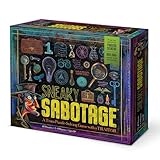
Overview: This genre-bending hybrid merges escape room puzzles with social deduction, introducing a hidden traitor who actively sabotages the team’s progress. Supporting various player counts with 24 distinct challenges, each 30-45 minute session generates unique paranoia-fueled dynamics as players solve codes while questioning each other’s loyalty.
What Makes It Stand Out: The traitor mechanic revolutionizes the typically cooperative escape room formula, creating psychological tension that rivals the puzzles themselves. With 24 challenges offering genuine replayability, it’s the only option here that isn’t single-use. The included dramatic soundtrack and timer amplify the spy-thriller atmosphere, while the Finders Seekers pedigree ensures puzzle quality.
Value for Money: Premium pricing is fully justified by unlimited replayability. Where competitors offer one 60-minute experience, this provides dozens of hours of unique gameplay. The variable difficulty scales from family-friendly to expert, ensuring it won’t sit on your shelf after a single play.
Strengths and Weaknesses: Pros: High replay value (24 challenges); unique traitor mechanic; scalable difficulty; dramatic production value; quick setup. Cons: Requires exactly the right group dynamic; less focused puzzle experience; traitor role can frustrate pure puzzle fans; needs 4+ players for best experience.
Bottom Line: Essential for regular game groups seeking variety and social intrigue. The replayability alone makes it the smartest long-term purchase, especially for those who enjoy Werewolf-style deception alongside their puzzles. Not for purists, but brilliant for adventurous groups.
6. Exit: The Abandoned Cabin - Kennerspiel Des Jahres Winner, Card-Based Family Escape Room Game for 1-4 Players, Ages 12+, Blue

Overview: Exit: The Abandoned Cabin delivers an authentic escape room experience in a compact, affordable package. This award-winning card-based game challenges 1-4 players to solve puzzles and escape a mysterious cabin scenario within 60-120 minutes. As part of Kosmos’ acclaimed Exit series, it transforms your tabletop into an immersive puzzle adventure requiring critical thinking, teamwork, and creative problem-solving.
What Makes It Stand Out: The Kennerspiel Des Jahres award signals exceptional design quality. Unlike digital alternatives, this game’s tactile nature requires physically altering components—folding, cutting, and marking materials—which creates unprecedented immersion. The puzzles integrate seamlessly with the narrative, forcing players to think beyond conventional board game logic. The destructible element generates genuine stakes, mimicking real escape room pressure where you can’t simply reset and retry.
Value for Money: At approximately $15-20, this costs less than a single ticket to a physical escape room ($30+ per person). While single-use limitations prevent resale or replay, the experience quality justifies the price. Comparing to other at-home escape games, the award-winning pedigree ensures superior puzzle design and narrative coherence that rivals more expensive options.
Strengths and Weaknesses: Strengths: Award-winning puzzle design; highly immersive tactile gameplay; excellent value versus real escape rooms; scalable difficulty for different group sizes; compact storage. Weaknesses: Single-use only prevents replay or gifting; some puzzles may feel obscure without hints; requires precise component destruction; limited to 12+ due to complexity.
Bottom Line: Perfect for puzzle enthusiasts seeking authentic escape room thrills without the expense. Accept the disposable nature and you’ll discover one of the finest at-home escape experiences available. Ideal for game nights with teens and adults who appreciate clever, challenging puzzles.
7. No Escape Board Game - Strategy Board Games for Adults, Family Games, Party Games. Unique Strategic Space Sabotage Traitor Maze Game with Tiles - Fun for Kids, Teenagers, Adults. 2 to 8 Players.

Overview: No Escape Board Game combines maze navigation with hidden traitor mechanics in a dynamic space station setting. Supporting 2-8 players, this tile-laying game pits crewmates against a saboteur racing to escape before oxygen depletes. With quick setup and straightforward rules, it positions itself as an accessible party game bridging casual and strategic gameplay for mixed-age groups.
What Makes It Stand Out: The 8-player capacity and dynamic tile construction ensure exceptional replayability. Unlike static board games, each session generates a unique maze layout. The traitor mechanic introduces social deduction elements, creating tension without complex rules overhead. Quick setup (under 5 minutes) maximizes actual playtime, making it ideal for parties where time matters.
Value for Money: Priced competitively with premium party games ($25-35), the high-quality components (dice, meeples, thick tiles) and infinite replayability offer strong value. Compared to single-use escape room games, this provides ongoing entertainment. The broad player range eliminates need for multiple party games, consolidating your collection.
Strengths and Weaknesses: Strengths: Supports up to 8 players; quick setup and teachable rules; high replayability through tile randomization; appeals across age groups 8+; combines strategy with social deduction. Weaknesses: Traitor mechanic can frustrate younger players; luck elements may overshadow strategy; theme feels generic; limited depth for serious gamers; player elimination possible.
Bottom Line: An excellent party game for large gatherings and families with mixed ages. While not a heavyweight strategy game, its accessibility and social dynamics make it a versatile addition to any collection. Best for casual game nights rather than competitive play.
8. Professor Puzzle: Escape from The Aquarium - Escape Room Game, 11 Logic-Number-Observational Puzzles, Co-Op Underwater Adventure, Kids 8+, 1-6 Players

Overview: Escape from The Aquarium transforms children into fish through a magical spell, tasking them with solving 11 puzzles to reverse the curse. Designed for ages 8+ and 1-6 players, this cooperative adventure emphasizes educational value through logic, number, and observation challenges. The 60-minute runtime and colorful underwater theme create an engaging family activity blending entertainment with cognitive development.
What Makes It Stand Out: The kid-focused design distinguishes it from adult-oriented escape games. Puzzles specifically target developing minds without being condescending. The magical narrative framework captivates young imaginations while the three puzzle categories (logic, numbers, observation) build transferable skills. Solo play capability and up to 6-player cooperation offer exceptional flexibility for families and classrooms.
Value for Money: At $15-20, it competes directly with other children’s board games while offering unique educational benefits. Compared to digital learning apps, this provides tangible, screen-free engagement. Though single-use like most escape games, the educational ROI and potential for guided replay (parents facilitating different children) extends value beyond initial playthrough.
Strengths and Weaknesses: Strengths: Age-appropriate challenges for 8+; educational content seamlessly integrated; encourages teamwork and communication; colorful, engaging artwork; flexible 1-6 player count. Weaknesses: Too simple for adult players; single-use materials can’t be reset; limited to one 60-minute session; older kids may find puzzles easy; requires adult supervision for younger players.
Bottom Line: An outstanding choice for families with elementary-age children or teachers seeking educational enrichment tools. While adults won’t find it challenging, it perfectly balances fun and learning for its target audience. Ideal for birthday parties or classroom activities.
9. Buffalo Games - Medical Mysteries: NYC Emergency Room - New Game Night Staple - Escape Room - Cooperative Strategy - Adult Party Game - Ages 14 and Up

Overview: Medical Mysteries: NYC Emergency Room immerses players as ER doctors racing against time to diagnose and treat four critically ill patients. This cooperative strategy game for ages 14+ simulates real medical decision-making through evidence-based puzzles and time-pressure mechanics. The included tutorial case teaches gameplay without requiring medical knowledge, making it accessible while maintaining thematic authenticity.
What Makes It Stand Out: The medical theme offers fresh territory in the escape room genre. Players examine symptoms, review medical histories, and consult specialists—creating narrative depth beyond typical puzzle chains. The four distinct patient cases provide substantial content, while the progressive clock mechanism forces difficult prioritization decisions. This transforms gameplay from simple puzzle-solving into strategic resource management.
Value for Money: At $20-25, four included cases deliver 6-8 hours of gameplay, outperforming single-case escape games. The production quality—patient files, medical records, and intuitive board design—justifies the price point. Compared to other adult strategy games, the unique theme and cooperative depth provide strong differentiation and replayability within the included scenarios.
Strengths and Weaknesses: Strengths: Unique, immersive medical theme; four complete cases extend longevity; tutorial enables easy learning; cooperative decision-making feels meaningful; quality components enhance realism. Weaknesses: Medical theme may not appeal universally; 14+ age limit restricts family play; can feel stressful due to time pressure; limited cases (no expansions yet); some terminology may confuse non-medical players.
Bottom Line: A must-have for fans of medical dramas and cooperative deduction games. While not for everyone, the thematic execution and strategic depth make it a standout party game for adult groups. Perfect for game nights seeking substance beyond light party fare.
10. Clue Escape: The World’s Fair Board Game | Escape Room 1-Time Solve Mystery Games | Ages 10+ | 1 to 6 Players | 90 - 120 Mins.| Family Games

Overview: Clue Escape: The World’s Fair merges classic murder mystery with escape room mechanics in a one-time cinematic experience. Players investigate a scientist’s murder at the 1893 World’s Fair by solving puzzles that unlock new exhibit areas. The dynamic board evolves throughout play, while a secret evidence-collection tool adds tactile novelty. Supporting 1-6 players and 90-120 minutes, it targets families and mystery fans seeking immersive narrative.
What Makes It Stand Out: The Clue brand integration goes beyond licensing—classic characters return with fresh relevance. The secret tool mechanic provides satisfying physical interaction absent in purely card-based games. Puzzle solutions directly reveal WHO, WHERE, and WHAT, creating natural narrative progression. Solo capability and cooperative design modernize the traditionally competitive Clue formula for contemporary audiences.
Value for Money: Priced at $25-30, it commands a premium over generic escape games but delivers brand recognition and component quality. The 90-120 minute runtime offers substantial engagement, while the secret tool adds tangible value. Compared to other one-time solve games, the Clue theme and evolving board provide justification for the slightly higher cost, though replayability remains zero.
Strengths and Weaknesses: Strengths: Strong brand recognition enhances appeal; secret tool adds tactile satisfaction; puzzles integrate seamlessly with narrative; supports solo and group play; dynamic board builds immersion. Weaknesses: Single-use design limits value; longer runtime may exceed attention spans; Clue theme feels forced in places; no reset capability; price point high for disposable game.
Bottom Line: Ideal for Clue enthusiasts and mystery fans wanting a fresh, cooperative take on the franchise. While the one-time nature stings, the polished production and clever puzzles make it worthwhile for a special game night. Best purchased for dedicated mystery-solving groups rather than casual players.
What Makes an Escape Room Board Game Party-Perfect?
The Social Dynamics of Cooperative Play
The best party games create natural conversation and collaboration rather than competition. Escape room board games excel at this by forcing players to share information, delegate tasks, and celebrate discoveries together. Look for games that require constant communication—where one person can’t dominate and quiet players have opportunities to shine. The ideal party game makes everyone feel essential to the solution.
Pacing That Maintains Energy
Party settings demand games that sustain momentum. You want experiences with multiple “aha!” moments throughout rather than one long, frustrating slog. Games that break challenges into distinct phases or rooms help maintain energy, giving players natural points to grab refreshments or take brief mental breaks without losing narrative flow. The best options include built-in tension-release valves that prevent burnout.
Key Features to Consider Before Buying
Complexity vs. Accessibility Balance
Games that are too simple bore experienced puzzlers, while overly complex ones alienate casual players. The sweet spot for parties includes intuitive core mechanics that anyone can grasp quickly, layered with optional depth for seasoned enthusiasts. Look for clear rulebooks, helpful tutorial elements, and logical puzzle progressions that teach players as they go rather than front-loading everything.
Component Quality and Durability
Party games face spills, excited handling, and multiple plays. High-quality components—thick cardstock, sturdy locks, and clear printing—survive repeated use. Consider whether pieces are easily replaceable if lost and whether the game includes organizational systems that prevent setup headaches. Games with destructible elements might offer thrilling one-time experiences but aren’t ideal for hosts who want reusable entertainment.
Story Immersion and Narrative Hooks
Strong storytelling transforms abstract puzzles into meaningful missions. The best party games weave narrative throughout, where each solved puzzle advances the plot and reveals character motivations. Look for games with compelling hooks in the first five minutes and satisfying conclusions that make players feel like protagonists in their own adventure movie.
Understanding Different Game Types
Linear vs. Non-Linear Puzzle Structures
Linear games require solving puzzles in sequence, which works well for smaller groups but can leave larger parties with idle players. Non-linear designs let teams split up and tackle multiple challenges simultaneously, perfect for bigger gatherings where you want everyone actively engaged. Consider your group size when choosing between these structures.
Cooperative vs. Competitive Variations
While most escape room games are cooperative, some introduce competitive elements where teams race or score points. Pure cooperation often works better for mixed-experience parties, eliminating intimidation. However, light competition between two smaller teams can energize larger gatherings, especially when you have enough space to set up separate stations.
App-Integrated Experiences
Modern escape room games increasingly use companion apps for soundtracks, timers, and input verification. These can enhance atmosphere but require reliable device access and charging capabilities. Consider whether your hosting space has good Wi-Fi or cellular service, and whether your guests are comfortable with tech integration versus purely analog experiences.
Setting Up Your Game Night Space
Creating Atmospheric Lighting
Dim lighting adds authenticity but shouldn’t obscure text or small details. Strategic use of floor lamps, battery-powered candles, or colored LED strips can set mood while maintaining functionality. Avoid setups where players need to use phone flashlights constantly, which breaks immersion and distracts from gameplay.
Table Space and Layout Optimization
Most escape room games spread components across a table. Ensure you have enough surface area for all players to reach materials comfortably. Rectangular tables often work better than round ones for these games, allowing players to cluster around different puzzle sections. Have side tables available for completed puzzles or reference materials.
Managing Distractions and Interruptions
Designate a separate area for coats, bags, and phones to minimize clutter. Consider using a “game in progress” sign for your door to prevent mid-puzzle interruptions from other household members. Background music from the game’s app or thematic playlist can mask household noises and signal to players that they’re in a different world.
Group Size Considerations
Small Group Dynamics (2-4 Players)
Intimate groups allow everyone to touch every puzzle, creating shared discovery moments. Games designed for this size often feature deeper, more interconnected puzzles. The downside? Fewer minds mean potentially longer solve times, so budget extra time for smaller parties.
Medium Gatherings (5-7 Players)
This is the sweet spot for most party-oriented escape room games. There’s enough brainpower to tackle complex puzzles but not so many people that anyone gets lost. Look for games that explicitly support this range with mechanics that naturally divide responsibilities without leaving anyone out.
Large Party Challenges (8+ Players)
Bigger groups require games with parallel puzzle tracks or the ability to split into sub-teams. Some games handle large groups by having players rotate through different stations. For very large parties, consider running two copies of the same game simultaneously as a friendly competition, which doubles as a perfect conversation starter during post-game analysis.
Difficulty Levels Explained
Beginner-Friendly Options for Mixed Groups
When hosting parties with varied experience levels, prioritize games rated for newcomers. These typically feature more guidance, clearer connections between puzzles, and forgiving hint systems. They often complete in 60-90 minutes, respecting guests’ time and attention spans.
Intermediate Challenges for Regular Gamers
Groups that play escape room games regularly will appreciate moderate difficulty that introduces novel mechanics without being impenetrable. These games often feature red herrings, multi-step puzzles, and require more abstract thinking. They’re perfect for game nights where puzzling is the main event rather than a prelude to other activities.
Expert-Level Experiences for Enthusiasts
Reserve high-difficulty games for dedicated puzzle fans. These can take 3+ hours and may frustrate casual party guests. If you’re hosting an enthusiast group, these games deliver deep satisfaction but require significant time commitment and mental stamina.
Time Management Strategies
Built-in Timers and Pacing Mechanisms
Most escape room games include a countdown timer, but the best ones use it to enhance drama rather than create anxiety. Look for games where the timer is integrated into the story—perhaps as a bomb countdown or ancient curse activation. Some allow you to pause for breaks, which is crucial for party settings where you might need to handle refreshments or other hosting duties.
Estimated Playtime Accuracy
Manufacturers often underestimate how long groups take, especially first-timers. Add 30-50% to listed times for parties with casual players. Games that advertise 60 minutes often take 90+ minutes with groups that socialize and celebrate each small victory—which is exactly what you want at a party.
Natural Break Points for Hosting
The best party-friendly games include moments where the narrative naturally pauses, allowing you to refresh drinks or serve food without derailing momentum. Avoid games with continuous, unbroken tension if you need to accommodate real-world hosting responsibilities.
Thematic Variations for Different Parties
Horror and Thriller Themes for Adult Gatherings
Mature themes with suspenseful narratives work brilliantly for adult game nights. These games often feature darker artwork and more intense scenarios. Consider your guests’ tolerance for scary content—some horror-themed games are atmospheric rather than genuinely frightening, while others include jump scares or disturbing imagery.
Mystery and Detective Stories for Mixed Ages
Whodunit themes have broad appeal and often avoid controversial content. They encourage logical thinking and note-taking, making players feel like classic detectives. These themes work especially well for intergenerational gatherings where you want to avoid anything too intense or complex.
Adventure and Exploration for Casual Fun
Treasure hunts, archaeological digs, and space missions offer light-hearted excitement without heavy themes. They’re perfect for parties where the goal is laughter and light competition rather than serious puzzling. These games often feature colorful components and upbeat narratives.
Replayability Factors
Resettable vs. Single-Use Designs
Single-use games with destructible components can offer incredible, one-of-a-kind experiences but represent poor value for frequent hosts. Resettable games with reusable components cost more upfront but become reliable entertainment investments. Some hybrid games offer replayable core mechanics with expansion packs for new stories.
Expansion Content and Sequels
Games that support expansions allow you to refresh the experience without learning entirely new systems. This is economical for regular hosts and lets you build a library where players become familiar with the mechanics but enjoy new narratives. Check whether expansions require the base game or stand alone.
Legacy and Campaign Elements
Some modern escape room games feature campaign modes where choices affect future games. These create ongoing narratives perfect for regular gaming groups but may not suit one-off party hosting. They excel when you have a consistent friend group that meets monthly.
Budget Considerations for Hosts
Price Ranges and Value Assessment
Entry-level games typically cost $15-30 and offer 60-90 minutes of entertainment. Mid-range options ($40-60) provide higher production values and longer playtimes. Premium games ($70+) often include elaborate components and expansions. Calculate cost-per-player rather than total price—a $50 game entertaining 6 people costs less than $10 per person.
Hidden Costs and Additional Purchases
Factor in batteries for electronic components, printing costs for downloadable content, and potential app purchases. Some games require you to destroy components, necessitating replacement purchases for replays. Read reviews to identify games requiring unexpected additional investments.
Resale and Trade Value
High-quality, resettable games retain value in secondary markets. Single-use games have zero resale value but might be worth the cost for a truly memorable experience. If you’re budget-conscious, prioritize games with strong community reviews confirming they deliver on their promises.
Age Appropriateness and Family Hosting
Family-Friendly Content and Complexity
Games rated for ages 10+ often work well for mixed-age parties, featuring content accessible to kids but engaging for adults. They typically avoid complex math, obscure knowledge, or mature themes. Look for clear age ratings and read parent reviews to confirm appropriateness.
Teen and Adult-Oriented Experiences
Games designed for older players often include more sophisticated puzzles requiring lateral thinking, specialized knowledge, or mature themes. These create more memorable experiences for adult-only gatherings but may alienate younger or less experienced players.
Cognitive Accessibility Considerations
The best party games accommodate different thinking styles. Look for games that balance visual, verbal, and mathematical puzzles so everyone can contribute. Avoid games requiring extensive reading in low light or tiny text that challenges older players.
Digital vs. Physical Component Balance
App-Enhanced Atmosphere
Companion apps can provide atmospheric soundtracks, voice acting, and automatic timer management. They reduce setup time and ensure you don’t accidentally spoil solutions by reading ahead in physical materials. However, they require device availability and can feel less tactile than purely analog games.
Purely Analog Traditional Experiences
Games without digital components offer timeless appeal and work anywhere without tech concerns. They often encourage more social interaction since players aren’t staring at screens. However, they may lack dynamic elements like sound effects or automated hint systems.
Hybrid Models for Flexibility
Some games use apps for verification but keep puzzles physical. This gives you atmospheric benefits while maintaining tactile satisfaction. Consider whether the app requires constant internet or works offline, crucial for hosting in areas with spotty connectivity.
Hosting Tips for Maximum Enjoyment
Pre-Game Briefing Strategies
Take 5 minutes to explain the premise and basic rules without giving spoilers. Designate a “rules reader” who can clarify mechanics without playing, allowing you to host while others puzzle. Set expectations about hint usage and whether you’ll allow extra time for the sake of fun.
Managing Hint Systems Effectively
Most games include hint systems, but party hosts should control them to prevent spoilers. Consider offering hints after set time intervals rather than on request, maintaining challenge while preventing frustration. Prepare to read hints aloud in character to preserve immersion.
Post-Game Discussion and Debriefing
The best part of escape room parties is reliving moments afterward. Set aside time for players to discuss their favorite puzzles and “how did we miss that?” realizations. This social wrap-up often lasts as long as the game itself and solidifies the experience as a memorable event.
Common Challenges and Solutions
Handling Player Dropout or Distraction
Parties include natural interruptions—someone takes a call, another helps in the kitchen. Choose games where players can easily rejoin without extensive catch-up. Avoid games requiring one person to hold critical information that can’t be quickly shared.
Preventing Quarterbacking
The “alpha gamer” problem occurs when one experienced player dominates, solving everything while others watch. Look for games that physically spread puzzles across different locations or require simultaneous actions that one person can’t control. Implement a house rule where the host occasionally asks quiet players for their thoughts.
Dealing with Time Overruns
If you’re running long, have a plan for graceful endings. Some games include “conclusion envelopes” you can open if time expires, letting you experience the story resolution. Others let you lower difficulty mid-game. Never let a game ruin your party timeline—fun matters more than completion.
Expanding Your Hosting Collection
Building a Diverse Game Library
Variety keeps regular guests excited. Balance quick 30-minute games for warm-ups, 60-minute standard experiences, and epic 2+ hour games for dedicated game nights. Include different themes and difficulty levels so you can match games to specific guest combinations.
Storage and Organization Systems
Proper storage extends game life. Use baggies for components, label everything clearly, and store games vertically to prevent box sagging. Keep a hosting kit with extra batteries, notepads, and pens so you’re always prepared. Consider creating a spreadsheet tracking which guests have played which games to avoid repeats.
Community and Review Resources
Before purchasing, check video playthroughs (stopping before spoilers) and read reviews focusing on hosting experiences rather than just puzzle quality. Join online communities where hosts share tips for specific games and modifications for larger groups.
Frequently Asked Questions
How many escape room board games should I own to be a good party host? Start with two to three varied games covering different player counts and difficulty levels. A quick 30-minute game for warm-ups, a standard 60-minute experience for main events, and one challenging option for enthusiast groups gives you flexibility for any gathering.
Can I replay an escape room board game after I’ve solved it? Resettable games with reusable components can be replayed, though you’ll remember solutions. Single-use games with destructible elements cannot. Some hosts replay solved games as “game masters” guiding new players, which can be equally enjoyable. Expansion packs offer new content using familiar mechanics.
What’s the ideal group size for most escape room board games? Most games are optimized for 4-6 players. Groups smaller than three may struggle with puzzle diversity, while groups larger than seven often experience downtime. For bigger parties, consider running two separate games simultaneously or choosing non-linear games that support parallel puzzle-solving.
How do I introduce escape room games to guests who’ve never played before? Start with a brief, spoiler-free explanation of the premise and basic mechanics. Emphasize that hints are available and that the goal is fun, not just winning. Choose a beginner-friendly game for first-timers and consider playing a quick demo puzzle if available to build confidence.
Are digital app-integrated games better than traditional analog ones? Neither is inherently better—it depends on your group and hosting style. Apps enhance atmosphere and reduce setup but require tech comfort and reliable devices. Analog games offer timeless appeal and work anywhere. Hybrid games provide the best of both worlds for many hosts.
How much time should I budget for a game night including setup and socializing? Plan for setup time (15-30 minutes), gameplay (add 30-50% to the listed time for first-timers), and post-game discussion (30-60 minutes). A game listed as 60 minutes realistically needs 2.5-3 hours total for a complete party experience.
What if my group gets stuck and frustrated? Implement a hint system where you offer help after set intervals rather than waiting for requests. Read hints aloud in character to maintain immersion. Remember, the goal is a fun shared experience—there’s no shame in using hints to keep momentum and enjoyment high.
Can children participate in adult-level escape room games? It depends on the child’s age and the game’s content. Many games rated 12+ can include bright younger players who focus on specific puzzle types. However, adult themes, complex logic, or scary content may be inappropriate. Always check reviews and err on the side of family-friendly options for mixed-age gatherings.
How do I prevent one person from dominating the game? Choose non-linear games that allow simultaneous puzzle-solving. Implement a house rule where you periodically ask quieter players for their input. Physically distribute puzzles across different areas so people must split up. Some hosts appoint a “collaboration captain” who ensures everyone participates.
What should I serve during an escape room game night? Finger foods that don’t require utensils work best—guests need their hands for puzzles. Avoid messy items that could damage components. Serve drinks in covered containers to prevent spills. Consider themed snacks that match your game’s narrative for extra immersion, but keep them simple to avoid distracting from the main event.
See Also
- The 10 Best Escape Room Board Games Every New Player Needs This Year
- 10 Best Escape Room Board Games for Kids Aged 10 and Up This Year
- 10 Best Escape Room Board Games for Beginners This Year
- 10 Essential Deduction Board Games Every Escape Room Player Needs in 2026
- 10 Essential Hidden Object Board Games Every Escape Room Player Needs in 2026