Table of Contents
Cooperative dexterity games have undergone a remarkable transformation, evolving from simple stacking challenges into sophisticated experiences that test both physical skill and strategic teamwork. As we move through 2026, these games are breaking traditional boundaries by integrating innovative mechanics that require players to literally build, balance, and manipulate components together in real-time. The genre has shifted from competitive finger-flicking festivals into collaborative adventures where every steady hand and steady nerve contributes to a shared victory.
What makes this year’s crop of games particularly exciting is how they’ve reimagined the relationship between physical components and cooperative gameplay. Designers are now crafting experiences where the very act of physically handling game pieces becomes a form of communication between players, creating non-verbal bonds and tense moments of collective focus. Whether you’re a seasoned gamer looking for fresh challenges or a family seeking interactive entertainment that gets everyone moving, understanding what defines a truly revolutionary cooperative dexterity game will help you make informed choices for your collection.
Top 10 Cooperative Dexterity Games
Detailed Product Reviews
1. Peaceable Kingdom Feed The Woozle Cooperative Game for 2 to 5 Kids Ages 3+ - Learn Social Skills While Completing Physical Challenges

Overview: Feed the Woozle is a delightfully silly cooperative board game designed specifically for preschoolers aged 3 and up. Players work together to feed a friendly monster twelve zany snacks—from hairy pickles to fuzzy donuts—using a spoon and completing physical challenges along the way. With no reading required and a compact 15-minute runtime, it’s perfectly tailored for short attention spans and early developmental stages.
What Makes It Stand Out: The three-tiered difficulty system is exceptional, allowing the game to evolve alongside your child from ages 3 to 6. The beginner level focuses on simple snack delivery, while advanced stages introduce silly walks and blindfolded feeding. This scalability transforms it from a toddler’s first game into a kindergartener’s favorite. The cooperative nature eliminates competitive tears, instead fostering teamwork and shared celebration.
Value for Money: At its typical price point, this offers excellent value compared to disposable plastic toys. You’re investing in a research-backed educational tool that teaches counting, body awareness, and fine motor skills through laughter. Similar developmental games cost 30-50% more, and few match its replayability across multiple age milestones.
Strengths and Weaknesses: Strengths include its sturdy components, inclusive design for mixed-age siblings, and genuine skill-building disguised as pure fun. The game successfully reduces parental mediation with simple, visual instructions. Weaknesses are limited: older children may age out by 6 or 7, and the snack pieces are small enough to require careful storage. The humor, while perfect for kids, may not charm adults after repeated plays.
Bottom Line: An essential addition to any preschool family’s game collection. Feed the Woozle delivers developmental benefits without sacrificing entertainment, making it one of the rare toddler games that parents won’t dread playing. Highly recommended for its target age group.
2. Flow: The Official Cooperative Board Game | Strategy Game for 1–4 Players Ages 8+ | Based on The Award-Winning Animated Film | Family & Solo Play | Survive The Flood, Rescue Allies
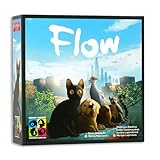
Overview: Flow translates the emotional depth of its award-winning animated source material into a tense, real-time cooperative survival experience. Designed for 1-4 players, the game tasks your group with navigating a dynamically flooding landscape, rescuing stranded animals while water levels relentlessly rise. Modular tiles and eleven scenario cards ensure each session presents fresh tactical challenges.
What Makes It Stand Out: The rising water mechanic creates genuine urgency unlike traditional turn-based games. The dual-layered board physically transforms during play, forcing adaptive strategies and snap decisions. Solo mode isn’t an afterthought—it’s a fully realized puzzle that maintains the game’s emotional resonance. The integration of the film’s themes adds narrative weight rarely seen in family-weight games.
Value for Money: Positioned competitively with premium family games, Flow justifies its cost through exceptional replayability and component quality. The eleven scenarios provide roughly 15-20 hours of unique content before repetition sets in, outpacing many campaign games at similar price points. Its solo capability effectively gives you two games in one.
Strengths and Weaknesses: Strengths include its innovative mechanics, beautiful artwork, and genuine tension that never feels punishing. The real-time element keeps all players engaged simultaneously. Weaknesses: the pressure may overwhelm younger or anxiety-prone players despite the 8+ rating. Setup involves many moving parts, and the rulebook’s translation occasionally falters. Some scenarios feel unbalanced with two players.
Bottom Line: A triumph in cooperative design that respects its source material. Perfect for families seeking substance beyond roll-and-move games, and gamers wanting accessible yet strategic gameplay. The real-time element isn’t for everyone, but for those who embrace it, Flow delivers unforgettable sessions.
3. Tiny Laser Heist – Hilarious 3D Heist Game, Outsmart & Negotiate for The Loot, Fun Cooperative Board Game for Ages 12+, Perfect for Game Nights & Parties, 3-6 Players

Overview: Tiny Laser Heist injects pure chaos into the cooperative heist genre by arming players with absurdly small plastic hands to navigate an increasingly complex laser grid. For 3-6 players aged 12+, this 30-45 minute experience blends dexterity, negotiation, and frantic problem-solving as teams attempt to steal jewels without triggering security measures. The one-hand constraint forces constant communication and creative compromise.
What Makes It Stand Out: The tiny hands aren’t just a gimmick—they fundamentally reshape how players interact with the game space, creating instantly memorable moments of fumbling and sabotage. The negotiation phase adds a delicious layer of semi-cooperative tension where players must agree on loot division while trust frays. The elastic laser system provides tactile feedback that digital adaptations simply cannot replicate.
Value for Money: Priced alongside premium party games, it delivers exceptional entertainment-per-dollar through its emergent storytelling. The 5-minute setup and immediate laughs make it ideal for repeated plays in a single evening, unlike heavier games that tire players. Component quality is sturdy enough to withstand enthusiastic handling, though the tiny hands themselves feel slightly fragile.
Strengths and Weaknesses: Strengths include its accessibility, hysterical player interactions, and scalable difficulty through added lasers. It breaks ice faster than any icebreaker. Weaknesses: the chaos may frustrate serious strategists, and player elimination isn’t handled gracefully. Some negotiation rounds drag with indecisive groups. The 12+ rating is accurate— younger kids lack the patience for the negotiation aspect.
Bottom Line: An absolute must-have for party game enthusiasts who enjoy watching dignified adults reduced to giggling fools. While not a deep strategic experience, its unique premise and flawless execution make it a standout. Perfect for game nights, but skip it for quiet, analytical groups.
4. Horrible Guild: Dungeon Fighter, Strategy Cooperative Board Game, Communicate Quickly and Well, Dexterity is Key, Throw the Dice for Great Success, For 1 to 6 Players, Ages 8 and up

Overview: Dungeon Fighter reimagines the dungeon crawl as a frenetic test of dice-throwing precision and rapid-fire communication. Supporting 1-6 players, this cooperative game demands you physically toss dice onto a target board to defeat monsters and gather treasure. Success requires both strategic planning and genuine physical skill, creating a hybrid experience that engages body and mind simultaneously across 45-60 minute sessions.
What Makes It Stand Out: The dexterity-based combat system eliminates randomness frustration—your success is literally in your hands. The communication pressure is brilliantly implemented; players must call out weaknesses and coordinate attacks in real-time, mimicking actual party dynamics in roleplaying games. The 3.97-pound box contains substantial, high-quality components including detailed miniatures and a satisfyingly sturdy target board.
Value for Money: This sits in the mid-range for dungeon crawlers but offers unique value through its active gameplay. Unlike passive dice-chuckers, the physical engagement justifies the price for families seeking screen-free activities. The 1-6 player range eliminates need for multiple games across different group sizes. However, dedicated dexterity gamers might find the strategic depth slightly shallow for repeated solo play.
Strengths and Weaknesses: Strengths include its innovative fusion of genres, genuine laughter from failed throws, and scalable difficulty that accommodates mixed skill levels. The solo mode is surprisingly robust. Weaknesses: requires significant table space and isn’t suitable for players with mobility limitations. The noise level from dice hitting the board can disturb quiet households. Rule clarifications for edge-case throws could be clearer.
Bottom Line: A breath of fresh air in a crowded genre. Dungeon Fighter succeeds by making failure as fun as success. Ideal for active families and groups who enjoy physical party games with strategic undertones. Just ensure you have the space—and permission—to play vigorously.
5. Buffalo Games - Space Invaders Game - Dexterity Launch Game - Great for Game Night - Cooperative Gameplay - Based on Video Game

Overview: Buffalo Games transforms the iconic arcade shooter into a tactile cooperative dexterity game for 1-4 players. Using a 3D arcade-style launcher, teams flick tokens at descending invader cards while managing limited ammunition and cooperative abilities. The 30-45 minute runtime captures the escalating tension of the source material through clever card mechanics and the satisfying physicality of each shot.
What Makes It Stand Out: The 3D launcher is ingeniously designed, providing authentic arcade feedback while maintaining tabletop practicality. The cooperative twist forces players to coordinate firing lanes and share power-ups, adding strategic depth absent from the original. As an officially licensed Taito product, it respects the IP with faithful enemy patterns and sound-effect-inspired card abilities that trigger nostalgia without relying on electronics.
Value for Money: Priced competitively with family dexterity games, it offers strong value for retro gaming enthusiasts. The 60 invader cards and 12 player cards provide decent variety, though dedicated gamers may wish for more enemy types. Compared to vintage arcade cabinets or even modern miniatures games, it’s an accessible entry point. The components withstand repeated use, though the cardboard invaders show wear after extensive play.
Strengths and Weaknesses: Strengths include immediate accessibility—anyone who’s played the video game understands instantly—the tactile satisfaction of successful shots, and genuine cooperative decision-making. It plays quickly enough for multiple rounds. Weaknesses: the luck factor in launcher accuracy may frustrate precision-seekers. Setup involves careful card arrangement that’s easily disrupted. The 8+ rating feels generous; younger children struggle with the launcher technique. Limited player powers reduce long-term strategic growth.
Bottom Line: A faithful and fun adaptation that captures the spirit of the arcade classic through physical play. Perfect for family game nights with parents who grew up feeding quarters into the original machine. While not the deepest strategic experience, its nostalgic appeal and satisfying mechanics make it a worthwhile addition to casual collections.
6. Nekojima | Avoid Mischievous Cats While Carefully Building a Japanese Power Grid | Stacking and Weaving Dexterity Game | Fun Family Game for Kids and Adults Ages 8 and Up | 1 to 5+ Players | 15 Min

Overview: Nekojima reimagines the stacking genre with a delightful Japanese twist, tasking players with building a power grid while dodging mischievous cats. This 15-minute dexterity game supports 1-5+ players, making it versatile for various group sizes. The wooden components and thematic integration create an engaging tactile experience that bridges classic Jenga-style tension with light strategic planning.
What Makes It Stand Out: The game’s unique power grid construction mechanic sets it apart from pure stacking games. Players aren’t just balancing blocks—they’re strategically weaving components to create a stable network while managing cat-related chaos. The robust solo mode presents genuine puzzles, while cooperative play fosters shared tension. This hybrid approach creates memorable narratives of near-disasters and clever saves that typical dexterity games lack.
Value for Money: Positioned in the mid-range for dexterity games, Nekojima offers substantial value through its replayable scenarios and quality wooden pieces. Comparable to games like Junk Art or Meeple Circus, it holds its own with unique thematic flavor. The quick playtime means it hits the table frequently, maximizing your investment through repeated use across different player counts.
Strengths and Weaknesses:
- Strengths: Excellent accessibility for ages 8+; true solo gameplay; quick setup and play; high-quality components; scales well across player counts.
- Weaknesses: The cat theme may not appeal to everyone; limited strategic depth for serious gamers; some may find 15 minutes too brief for a satisfying session.
Bottom Line: Nekojima is an excellent addition to family game collections, offering just enough strategy to engage adults while remaining accessible to kids.
7. THAMES & KOSMOS The Crew - Quest for Planet Nine | Card Game | Kennerspiel des Jahres Winner | Cooperative | 3-5 Players | Ages 10+ | Trick-Taking | 50 Levels of Difficulty | Endless Replay

Overview: The Crew is a Kennerspiel des Jahres-winning cooperative trick-taking game that revolutionizes a classic mechanic. For 3-5 players aged 10+, it spans 50 missions across a space exploration narrative. Each 5-10 minute mission builds on previous ones, creating a progressive difficulty curve that transforms traditional card play into a tense communication puzzle where every trick matters for collective success.
What Makes It Stand Out: The silent communication constraint is brilliant—players must infer intentions from card play alone without table talk. Fifty unique missions provide staggering variety, each introducing novel challenges that escalate smoothly. The space theme integrates seamlessly with mechanics, making abstract card decisions feel like genuine crew coordination. This isn’t just trick-taking; it’s a sophisticated teamwork exercise that reinvents the genre.
Value for Money: Exceptional value. The 50 missions offer 8+ hours of unique content, with immense replayability through mission randomization. Comparable to premium card games but with campaign-style progression, it delivers hobby-game depth at mass-market pricing. The endless combinations ensure it never leaves your collection and continues challenging players long after initial completion.
Strengths and Weaknesses:
- Strengths: Perfect difficulty progression; brilliant silent communication mechanic; massive content; accessible rules; genuine cooperative tension.
- Weaknesses: Requires exactly 3-5 players; limited appeal for non-trick-taking fans; some missions may frustrate younger players or create quarterbacking.
Bottom Line: An essential masterpiece that belongs in every game collection, transforming trick-taking into an unforgettable cooperative journey.
8. Artipiagames Rush M.D. - Artipia Games Cooperative Board Game, Worker Placement, Strategy, Dexerity, Ages 14+, 1-4 Players, 30-45 Mins

Overview: Rush M.D. is an innovative real-time cooperative game simulating hospital emergency room chaos. For 1-4 players aged 14+, it merges worker placement with dexterity mini-games across 30-45 minute sessions. Players manage staff, treat patients, and perform tactile challenges under relentless time pressure, creating an adrenaline-fueled medical crisis management experience that demands both planning and dexterity.
What Makes It Stand Out: The fusion of thoughtful worker placement with frantic real-time dexterity creates unprecedented tension. Mini-games like syringe balancing or pill sorting aren’t gimmicks—they meaningfully simulate medical urgency. The simultaneous action mechanism ensures constant engagement, eliminating downtime. This hybrid design appeals to gamers seeking novelty beyond traditional turn-based euros and creates uniquely memorable moments.
Value for Money: As a niche hybrid game, Rush M.D. commands a premium price justified by its unique mechanics and high component quality. While more expensive than pure worker placement or dexterity games, it essentially combines two genres into one cohesive experience. For gamers craving innovation, the investment delivers singular experiences unavailable elsewhere, though casual players may find the cost harder to justify.
Strengths and Weaknesses:
- Strengths: Brilliant genre fusion; genuinely thematic real-time pressure; high component quality; strong solo mode; creates memorable cooperative moments.
- Weaknesses: Age 14+ limits family appeal; real-time stress may alienate some players; rule complexity requires careful teaching and first-play patience.
Bottom Line: Rush M.D. rewards adventurous gamers with a fresh, intense experience, though its intensity and complexity may not suit every table.
9. Cat and The Tower by Arcane Wonders | Cooperative Balance Board Game | Ages 6+ | 1-5 Players | 15-30 Minute Family Game with Tower Building
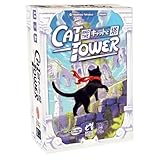
Overview: Cat and The Tower is a cooperative dexterity game where players help Toto the cat ascend a hand-built tower to find his mother. Supporting 1-5 players aged 6+, it combines balance challenges with card-driven decisions across 15-30 minutes. The emotional storytelling and unique tower-building create a heartfelt alternative to competitive stacking games, emphasizing teamwork over individual achievement.
What Makes It Stand Out: The narrative framework transforms abstract stacking into a meaningful journey. Mismatched wall pieces of varying heights create organic instability, while Toto’s Feline Friends introduce tactical rebalancing options. Card choices between building higher or attempting dexterity challenges provide genuine strategic decisions. This emotional engagement is rare in dexterity games and creates surprising depth beneath its family-friendly exterior.
Value for Money: Competitively priced for family games, it offers strong value through high replayability and quality components. The variable tower layouts and card combinations ensure fresh challenges. Compared to simpler stacking games, the added strategic layer and storytelling justify the modest price premium, especially for families seeking meaningful bonding experiences beyond pure entertainment.
Strengths and Weaknesses:
- Strengths: Accessible for ages 6+; emotionally engaging narrative; genuine strategic choices; quality components; excellent scaling from solo to five players.
- Weaknesses: Younger children may struggle with advanced dexterity challenges; story may not appeal to competitive gamers; setup time slightly longer than pure dexterity games.
Bottom Line: A heartwarming blend of strategy and skill that excels as a family bonding experience, particularly for households that appreciate emotional storytelling in their games.
10. Dodo | Kid’s Game | Family Game |Board Games | Co-op | Dexterity | Ages 6+

Overview: Dodo is a fast-paced cooperative dexterity game for ages 6+ that tasks players with saving a dodo egg from a tilting island. Supporting variable player counts and playable in under 10 minutes, it blends memory, dexterity, and tension. This European award-winner delivers squeal-inducing moments through simple rules and escalating physical challenges that scale from toddler-friendly to genuinely difficult.
What Makes It Stand Out: The adjustable difficulty slider transforms it from toddler-friendly to genuinely challenging for adults, a rare feature in kids’ games. The memory component adds cognitive engagement beyond pure motor skills. Its brevity and hilarity make it a perfect icebreaker or palate-cleanser between heavier games, while still offering meaningful cooperative decisions that keep everyone invested.
Value for Money: As an affordable gateway game, Dodo provides exceptional value. The quick playtime ensures repeated plays in a single session, maximizing entertainment per dollar. European award pedigree suggests quality design typically found in pricier titles. For families with young children, it’s a budget-friendly alternative to more elaborate dexterity games that might sit unused due to complexity.
Strengths and Weaknesses:
- Strengths: Instant setup; scalable difficulty; genuine cross-generational appeal; creates joyful moments; compact storage; easy to learn.
- Weaknesses: Limited strategic depth for adult-only sessions; component durability concerns with heavy use; may feel repetitive after extensive play.
Bottom Line: An essential addition to any family game library, Dodo delivers maximum fun with minimal complexity and time investment.
The Evolution of Cooperative Dexterity Gaming
The landscape of dexterity-based entertainment has shifted dramatically from its origins. Today’s games demand more than just steady hands—they require synchronized teamwork, spatial reasoning, and adaptive strategies that evolve as the physical state of the game board changes.
From Solo Skills to Team Triumphs
Early dexterity games typically rewarded individual precision, with players taking turns to showcase their abilities while others watched. The revolutionary shift toward cooperation means every move now impacts the entire team, forcing players to think several steps ahead while physically supporting each other’s actions. This transformation has created a subgenre where success depends on distributing physical tasks according to each player’s strengths, similar to how traditional cooperative games assign tactical roles.
The 2026 Design Philosophy Shift
Modern designers are abandoning the “fail and restart” mentality in favor of progressive challenge systems that scale naturally with player skill. The focus has moved toward creating “physical puzzles” that teams solve together through iterative attempts, with each failure providing tactile feedback that informs the next approach. This philosophy emphasizes learning through touch and movement rather than memorizing rules or optimal moves.
Key Features Defining Revolutionary Games
When evaluating what makes a cooperative dexterity game truly innovative in 2026, several distinguishing characteristics emerge that separate groundbreaking titles from conventional offerings.
Integrated Digital Components
The most forward-thinking games now blend physical pieces with companion apps that track your movements, provide timing challenges, or introduce dynamic objectives mid-game. These digital elements aren’t mere add-ons but integral systems that respond to how you manipulate components, creating reactive scenarios that would be impossible with cardboard alone. Look for games where technology enhances rather than replaces the tactile experience.
Adaptive Difficulty Systems
Revolutionary games feature mechanical or digital systems that adjust complexity based on your team’s performance. Rather than static difficulty levels, these titles might introduce new physical constraints after successful rounds—like requiring non-dominant hand use or limiting communication—ensuring the challenge remains engaging without becoming frustratingly impossible.
Multi-Dimensional Game Boards
Flat surfaces are becoming obsolete as designers create three-dimensional playing spaces that players must navigate vertically and horizontally. These sculptural game states require teams to think in multiple planes simultaneously, with one player stabilizing a structure while another executes a precise placement on a different level. The physical footprint becomes part of the challenge itself.
Sensory Expansion Beyond Touch
While tactile manipulation remains central, 2026’s innovative games incorporate auditory cues, light sensors, and even weight-sensitive components. Players might need to coordinate actions based on sound patterns or maintain pressure on specific points while teammates execute maneuvers elsewhere. This multisensory approach creates immersive experiences that engage more than just hand-eye coordination.
Narrative-Driven Mechanics
The best new games weave storytelling directly into physical actions. Instead of abstract stacking or balancing, you’re collaboratively constructing a tower to reach a trapped character or carefully removing components to “defuse” a tactile puzzle. This narrative integration gives emotional weight to every trembling hand and held breath, transforming mechanical actions into meaningful story moments.
Environmental Interaction Elements
Forward-thinking designs incorporate external factors like adjustable lighting, fan attachments, or even water components that players must contend with while executing dexterity challenges. These environmental variables force teams to adapt their physical techniques mid-game, creating dynamic experiences where the playing conditions evolve alongside the objectives.
Modular Component Systems
Revolutionary games feature pieces that can be reconfigured to create entirely different challenges. Rather than buying multiple games, a single box might contain components that assemble into five distinct physical puzzles, each requiring different cooperative strategies. This modularity extends replayability while teaching transferable physical skills across scenarios.
Time-Based Collaborative Challenges
Modern designs are moving beyond simple turn-based structures toward synchronized timing challenges where all players act simultaneously within compressed time windows. These real-time pressure cookers demand split-second coordination and create exhilarating moments where multiple hands work in concert under deadline stress.
Physical Skill Progression Tracks
Innovative games now include built-in training modes that develop specific dexterity skills progressively. Teams might spend time mastering individual techniques—like controlled dropping, angled placement, or tension balancing—before combining these abilities in complex final challenges. This educational approach makes games accessible to novices while rewarding dedicated practice.
Accessibility-First Design Principles
The most revolutionary titles in 2026 prioritize inclusive design, offering alternative ways to participate for players with different physical abilities. This might include modified components for varied grip strengths, visual-tactile hybrids for low-vision players, or role-variation systems that allow players to contribute through planning rather than precise manipulation.
What to Consider When Choosing Your Next Game
Selecting the right cooperative dexterity game requires evaluating factors beyond just the box art or theme. Understanding your group’s dynamics and physical constraints ensures you invest in experiences that will hit your table repeatedly.
Group Size and Space Requirements
Consider how many players can meaningfully participate simultaneously. Some games accommodate large groups through rotating roles, while others require exactly three or four hands-on participants. Measure your typical playing area too—many revolutionary games need vertical clearance for towers or suspension elements, while others demand wide, flat surfaces free from vibration.
Age Range and Skill Level Matching
Evaluate whether a game’s physical demands align with your youngest and oldest players. Games featuring fine motor precision might frustrate children under ten, while titles requiring sustained arm positions could challenge older players. Look for designs that offer meaningful roles across skill levels, allowing less dextrous players to contribute through strategy or stabilization rather than precision placement.
Replayability Factors
Assess how a game maintains interest after multiple plays. Revolutionary titles achieve this through variable setup configurations, emergent physical properties (where identical setups behave differently due to minute variations), or unlockable components that introduce new mechanics. Avoid games that become predictable once optimal techniques are discovered.
Storage and Component Durability
Dexterity games contain unique, often delicate pieces that require careful storage. Consider whether components nest efficiently, if boxes include custom inserts, and what materials resist wear from repeated handling. Revolutionary games increasingly use silicone, weighted plastics, or memory materials that maintain their properties despite extensive use.
The Future of Cooperative Dexterity Gaming
Looking beyond 2026, the trajectory of this genre suggests even more integration between physical skill and collaborative problem-solving. Understanding emerging patterns helps identify which current games will remain relevant as design trends evolve.
Emerging Trends on the Horizon
Designers are experimenting with biodegradable smart materials that change texture or weight in response to temperature, creating games where players must adapt their techniques as components physically transform. Another frontier involves collaborative VR-adjacent experiences where physical pieces interact with virtual environments, though purists argue this moves beyond true dexterity gaming.
Community and Competitive Scenes
The cooperative nature of these games hasn’t prevented the growth of community challenges and speed-running scenes. Online platforms now host asynchronous team competitions where groups film their attempts at standardized physical puzzles, creating global leaderboards based on completion time and technique elegance. This social layer extends a game’s lifespan far beyond casual home play.
Frequently Asked Questions
What makes a dexterity game “cooperative” rather than competitive?
Cooperative dexterity games require all players to work toward a shared objective where either everyone wins or everyone loses. Unlike competitive titles where you sabotage opponents’ pieces, these games often involve physically supporting structures together, passing components between players under constraints, or dividing precision tasks that all contribute to one final condition.
How much physical space do most revolutionary dexterity games require?
Space requirements vary dramatically, but most 2026 titles need a minimum 3x3 foot stable surface plus vertical clearance equal to the board’s width. Games featuring suspended elements or tall constructions may require up to 5 feet of vertical space. Always check “table footprint” specifications before purchasing.
Can players with limited hand mobility enjoy these games?
Many modern designs include inclusive roles. Some offer planning positions where players direct actions without executing them, while others feature modified components with larger grips or alternative interaction methods like magnetic wands. Look for games advertising “accessibility-inclusive design” in their feature lists.
Are these games suitable for young children?
Age suitability depends on the specific game. While some revolutionary titles are designed for family play with simple rules and chunky components, others demand adult-level patience and precision. Most successful family games include “junior variants” that simplify physical challenges while maintaining cooperative elements.
How do digital companion apps enhance cooperative dexterity games?
Apps typically function as timers, score trackers, or dynamic scenario generators that respond to your physical progress. Advanced integration uses your device’s camera to validate component placements or introduce augmented reality elements that interact with real-world pieces, creating hybrid challenges impossible with physical components alone.
What should I look for to ensure a game has high replayability?
Prioritize games with modular boards, variable setup configurations, or emergent physics where small changes create dramatically different challenges. Titles featuring scenario books with branching paths or community-driven content updates also offer extended value. Avoid games where optimal solutions become obvious after a few plays.
How do I store dexterity games to prevent component damage?
Invest in games with custom foam inserts or magnetic component trays. Store boxes flat to prevent warping, keep pieces away from extreme temperatures, and consider silica gel packets for humidity control. For delicate constructions, photograph assembled setups before disassembly to aid future rebuilding.
Can these games be played solo?
While designed for cooperation, many include official solo variants where one player controls multiple roles or faces streamlined challenges. However, the core appeal—shared tension and synchronized success—diminishes without teammates. Some solo players stream their attempts to simulate the social aspect.
What’s the typical price range for revolutionary cooperative dexterity games?
Expect to invest between $40 and $80 for standard editions, with premium versions featuring metal components or electronic elements reaching $120. Price often correlates with component uniqueness and production complexity rather than just brand name.
How long does it take to learn and teach these games?
Most revolutionary titles feature quick-start tutorials that get players executing basic actions within 10 minutes. However, mastering the nuanced physical techniques and team coordination strategies can require several sessions. The best games teach skills progressively through early scenarios before introducing full complexity.
See Also
- The 10 Most Revolutionary Cooperative Strategy Games of 2026
- The 10 Most Revolutionary Horror Cooperative Board Games of 2026
- The 10 Most Revolutionary Mystery Cooperative Board Games of 2026
- The 10 Most Revolutionary Cooperative Board Games of 2026
- 10 Most Durable Cooperative Board Games Based on Real User Reviews in 2026