Table of Contents
Imagine this: it’s a cozy Friday evening, the dishes are done, and you’re finally sitting down together. Instead of scrolling through endless streams or falling into passive TV watching, you reach for a box that sparks genuine laughter, shared problem-solving, and that warm, connected feeling you’ve been missing. Cooperative board games aren’t just entertainment; they’re悄然 crafted tools for building intimacy, trust, and shared accomplishment between partners. When you work together against the game itself, not against each other, the natural friction of competition melts away, replaced by the pure joy of teamwork. It transforms game night from a casual pastime into a meaningful ritual where communication deepens and memories are built one collaborative victory (or hilarious failure) at a time.
Forget the tension of cutthroat competition where someone inevitably “wins” and someone else “loses.” For couples, the magic truly happens when the focus shifts from “me vs. you” to “us vs. the challenge.” Cooperative games create a safe space to practice active listening, articulate strategies clearly, support each other through setbacks, and celebrate wins as a unified team. This shared struggle and triumph directly translate to stronger relationship skills off the board – patience, empathy, and the ability to navigate obstacles together. It’s not about finding the perfect game; it’s about discovering the right kind of shared experience that resonates with your unique dynamic and strengthens your bond with every play.
Top 10 Two-Player Cooperative Board Games
Detailed Product Reviews
1. Scorpion Masqué Sky Team | Voted Game of The Year 2024 | Best 2 Player Game | Work Together to Land The Plane | Ages 14+ | 20 Minutes

Overview: Sky Team delivers an intensely cooperative experience where two players assume roles as pilot and co-pilot racing to safely land a commercial aircraft before it reaches the runway. Every minute counts as you manage critical systems under immense pressure.
What Makes It Stand Out: Its genius lies in asymmetric dice drafting: each player rolls dice hidden from their partner, then simultaneously assigns them to tasks like speed control or flap deployment. Trust is paramount, as miscommunication causes crashes. The 20+ scenarios, immersive cockpit board, and thematic modules (like kerosene leaks) create escalating, cinematic tension within a tight 20-minute playtime.
Value for Money: Priced competitively for a premium, niche strategy game, Sky Team offers exceptional replayability through varied scenarios and modules. It surpasses similar-priced games in thematic depth and mechanical innovation, justifying its cost for couples or strategy enthusiasts seeking a unique, high-stakes challenge.
Strengths and Weaknesses:
Strengths: Unmatched tension and teamwork; brilliant asymmetric design; highly replayable scenarios; physically immersive components.
Weaknesses: Steep initial learning curve; punishing difficulty may frustrate casual players; limited physical space for dice can feel cramped.
Bottom Line: An essential, award-winning masterpiece for serious 2-player strategy fans, offering unparalleled cooperative intensity and replay value despite its demanding nature.
2. CGE Codenames: Duet Board Game (2nd Edition) The Top Secret Cooperative Word Association Game for Two Players & Couples Game Nights
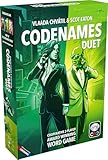
Overview: Codenames: Duet reimagines the classic word-association party game into a pure cooperative challenge for two players. Together, you race against a timer to contact all 15 agents on a shared grid while avoiding deadly assassins and bystanders.
What Makes It Stand Out: Unlike the competitive original, Duet features a unique shared key system where each player sees only half the solution grid, demanding precise, strategic clue-giving. The 400 new words, timer mechanic, and high-risk assassin card create constant, heart-stopping tension. Its elegant design fosters deep communication and mutual reliance.
Value for Money: An outstanding value as a dedicated 2-player word game. The compact box, high-quality components, and immense replayability (with hundreds of word combinations) far exceed its price point compared to larger, less focused party games, making it ideal for couples or word-game aficionados.
Strengths and Weaknesses:
Strengths: Brilliant cooperative twist on Codenames; highly replayable; fast-paced (15 mins); fosters excellent communication; compact and portable.
Weaknesses: Word associations can occasionally feel ambiguous; timer pressure may stress some players; limited physical components for the price.
Bottom Line: A near-perfect, must-have cooperative word game for two, offering clever challenges, intense fun, and exceptional replayability at a very fair price.
3. ALLPLAY Sail Cooperative Strategy 2 Player Board Game for Adults and Family - Unique Trick Taking Card Game - Communication Limits and Challenging Scenarios in Small, Travel Size Box (5" x 5" x 2")

Overview: Sail reinvents trick-taking for two players in a compact pirate-themed package. Partners navigate a ship across treacherous seas by strategically winning and losing tricks, using unique character powers while racing against the Kraken.
What Makes It Stand Out: Its core innovation is the communication restriction—you cannot discuss strategy during play, forcing intuitive teamwork. The need to deliberately lose tricks to control ship movement and the impactful pirate powers create deep, novel strategy within a tiny travel box. The Kraken threat adds urgent, escalating pressure.
Value for Money: Excellent value as a highly strategic, travel-sized 2-player game. The depth of gameplay, unique mechanics, and durable components far outweigh its modest cost, especially compared to larger trick-taking games offering less innovative cooperative play.
Strengths and Weaknesses:
Strengths: Truly innovative cooperative trick-taking; perfect travel size; strong theme integration; communication limits enhance teamwork; high replayability via scenarios.
Weaknesses: Communication rule can feel frustrating initially; limited player count (strictly 2); power balance may vary slightly between pirates.
Bottom Line: A brilliantly compact and innovative cooperative card game that masterfully reimagines trick-taking for two, offering deep strategy and thrilling tension at an exceptional price for travelers.
4. Happy Camper - The Four Doors | Cooperative Game by Pandemic and Forbidden Island Creator | Perfect for Solo Play, Two Players, and Small Groups | Portable Adventure Game
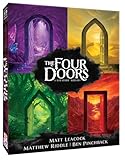
Overview: Created by Matt Leacock (Pandemic), Happy Camper: The Four Doors is a portable cooperative adventure where players explore a mystical tower to retrieve sacred treasures before sinister shadows seal the exits forever.
What Makes It Stand Out: Leacock’s signature accessible-yet-strategic design shines here. The modular door exploration, treasure collection, and shadow threat create elegant tension. Its standout feature is a fully integrated, compelling solo mode alongside 2-5 player support, all packed into a remarkably small, travel-friendly box with beautiful art.
Value for Money: Highly compelling value. For its small footprint and price, it delivers Leacock’s proven cooperative mechanics, strong solo play, and significant replayability through variable setups—surpassing many bulkier games in focused, quality gameplay per dollar.
Strengths and Weaknesses:
Strengths: Excellent solo and cooperative modes; quintessential Leacock accessibility; superb portability; engaging theme; quick setup and play (30 mins).
Weaknesses: Lighter strategic depth than Pandemic; component quality modest for price; treasure retrieval can feel slightly repetitive over many plays.
Bottom Line: A superb, highly portable cooperative adventure offering Leacock’s polished design for solo or small groups, providing immense fun and strategic charm well worth its cost.
5. Gamewright - Forbidden Island - Cooperative Strategy Survival Board Game, 2-4 Players
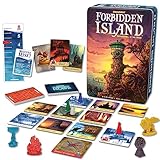
Overview: Forbidden Island, designed by Matt Leacock, is a foundational cooperative adventure where 2-4 players work as a team to retrieve four sacred treasures from a sinking island before it vanishes beneath the waves.
What Makes It Stand Out: Its brilliance is in accessible, family-friendly cooperation: players use unique character abilities to shore up tiles, move efficiently, and collect treasures while the island literally sinks beneath them. The rising water mechanic creates palpable, shared tension, and the stunning artwork immerses players in a perilous paradise.
Value for Money: An outstanding entry-point cooperative game. Its durable components, engaging 30-minute gameplay, and proven ability to foster teamwork for ages 10+ make it a perennial value champion, far exceeding its price compared to less cohesive family games.
Strengths and Weaknesses:
Strengths: Perfect introduction to cooperative play; strong teamwork emphasis; beautiful visuals; quick to learn; high replayability via variable island setup.
Weaknesses: Can feel too easy on first plays; limited strategic depth for hardcore gamers; island layout randomness occasionally leads to unwinnable starts.
Bottom Line: A timeless, essential cooperative game for families and newcomers, offering thrilling, accessible teamwork and adventure at an unbeatable value for game nights.
6. Pandasaurus Cooperative Strategy Card Game - Fun Interactive Family Game for Ages 8+, 1-5 Players, 20 Minute Playtime
Overview:
This card game challenges 1-5 players to collaborate against the game itself, aiming to play all cards from two countdown decks without breaking specific rules. Designed for ages 8+, it emphasizes communication and shared strategy within a tight 20-minute playtime, making it ideal for family game nights.
What Makes It Stand Out:
Its pure cooperative design forces genuine teamwork—players win or lose together. The simple rules (play cards in ascending/descending order per suit) hide surprising depth, as limited communication rules (e.g., no direct card hints) create intense, brain-teasing moments. Its global acclaim (1.3M+ copies sold, Spiel des Jahres winner) underscores its unique appeal.
Value for Money:
Priced mid-range for a card game, it delivers exceptional replayability through emergent strategies and escalating tension. Cheaper than complex board games yet far more engaging than typical party games, it justifies its cost through sheer longevity and broad family appeal.
Strengths and Weaknesses:
Strengths: Incredibly accessible rules; perfect for teaching teamwork; addictive tension; portable; scales well for 1-5 players.
Weaknesses: High reliance on group synergy can frustrate competitive players; limited theme immersion; replay value hinges on group chemistry.
Bottom Line:
A must-have for families seeking collaborative fun. Its clever constraints foster communication and shared triumphs, offering unmatched value for quick, meaningful game sessions. Highly recommended for ages 8+.
7. The Ultimate 2 Player Game

Overview:
Marketed as “The Ultimate 2 Player Game,” this product lacks detailed features or specifications. Based solely on its title, it appears positioned as a dedicated head-to-head experience, though concrete mechanics, theme, or player age range remain undefined.
What Makes It Stand Out:
Without verifiable details, its purported uniqueness is speculative. The title suggests intense 1v1 focus, but absent features prevent assessment of innovative mechanics, theme, or strategic depth compared to established two-player games like 7 Wonders Duel or Patchwork.
Value for Money:
Pricing cannot be evaluated objectively without knowing components, replayability, or production quality. Generic branding risks misleading buyers expecting premium design, potentially offering poor value if execution is shallow.
Strengths and Weaknesses:
Strengths: None identifiable from provided information; title implies streamlined two-player focus.
Weaknesses: Critical lack of details erodes trust; no age guidance, playtime, or mechanics specified; likely overshadowed by proven competitors.
Bottom Line:
Avoid due to insufficient information. Reputable two-player alternatives provide transparent features and tested gameplay. This product’s vagueness fails to justify consideration or purchase.
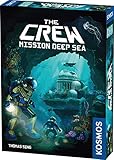
8. The Crew - Mission Deep Sea | Card Game | Cooperative | 2 to 5 Players | Ages 10+ | Trick-Taking | 32 Levels of Difficulty | Endless Replayability
Overview:
A cooperative trick-taking sequel to the Kennerspiel des Jahres winner, The Crew: Mission Deep Sea tasks 2-5 players with completing 50+ missions across 32 difficulty tiers. Players work together to win specific tricks using a standard deck, but communication is restricted by “underwater” signal rules.
What Makes It Stand Out:
It brilliantly reinvents classic trick-taking (like Bridge) with cooperative puzzle-solving. The mission-based campaign structure and escalating challenges (e.g., hidden objectives, special cards) create addictive progression. Limited communication via pre-defined signals adds unique strategic tension.
Value for Money:
At a modest price, it offers extraordinary replayability through its mission deck and variable difficulty. Cheaper than most board games yet deeper than casual card games, it provides exceptional value for trick-taking fans and cooperative enthusiasts.
Strengths and Weaknesses:
Strengths: Innovative twist on trick-taking; highly replayable missions; intuitive learning curve; compact and portable; perfect for small groups.
Weaknesses: Less engaging beyond 4 players; campaign mode requires sequential play; limited physical components.
Bottom Line:
A masterclass in cooperative design. Its clever constraints and mission variety make it essential for card game lovers. Highly recommended for ages 10+ seeking strategic depth in a compact package.
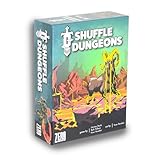
9. Zero Strategy Games Shuffle Dungeons Board Game – Solo and Co-op Dungeon Crawler for 1–4 Players
Overview:
This compact dungeon crawler for 1-4 players uses modular tiles and dual-purpose cards to create ever-changing labyrinths. Players select from 8 unique heroes, combining abilities to defeat monsters and bosses in fast-paced, scalable sessions.
What Makes It Stand Out:
Its ingenious card system—where every card builds the dungeon or powers heroes—forces meaningful decisions with only 3 cards in hand. The double-sided room/gear cards and dynamic tile layout ensure no two adventures repeat, all packed into a travel-friendly box.
Value for Money:
Priced competitively, it delivers dungeon-crawler depth without complex setup or bulky components. Outperforms larger games in replayability and accessibility, making it ideal for casual gamers or travelers seeking substantial solo/co-op action.
Strengths and Weaknesses:
Strengths: Brilliant card dual-use mechanic; seamless solo/co-op integration; quick setup and play; high replayability; portable.
Weaknesses: Limited hero variety compared to mega-dungeons; boss fights can feel repetitive; minimal narrative depth.
Bottom Line:
A near-perfect blend of innovation and accessibility. Its smart design and compact size make dungeon crawling effortless and endlessly fresh. A top recommendation for 1-4 players wanting bite-sized adventures.
10. Spin Master Games, SolidRoots Escaping Extinction, Cooperative Strategy Board Game from The Makers of Mind The Gap, Easter Gift, 1-4 Players, for Ages 12 & Up

Overview:
Players cooperate as dinosaurs racing to build a 3D rocket before a meteor strikes. This 1-4 player game (ages 12+) involves exploring a tile-based prehistoric world, collecting rocket parts, and surviving dynamic threats like earthquake-triggered board shifts.
What Makes It Stand Out:
The whimsical “dinos escaping extinction” theme blends humor with urgency, while earthquake cards randomly alter the board mid-game, adding chaos. Modular tiles ensure layout variability, and the 3D rocket assembly provides tangible endgame satisfaction.
Value for Money:
Mid-priced with decent components, it offers solid family fun but lacks the depth of premium strategy games. Comparable to Forbidden Island, it justifies cost for casual groups but may disappoint hardcore gamers seeking complex mechanics.
Strengths and Weaknesses:
Strengths: Engaging, lighthearted theme; dynamic board changes; accessible rules; good for family nights; 3D rocket element.
Weaknesses: Shallow strategy; luck-heavy earthquakes may frustrate; limited replayability beyond theme novelty; rocket assembly fiddly.
Bottom Line:
A fun, thematic filler for families wanting cooperative chaos. Best suited for casual play; skip if seeking deep strategy. Recommended for ages 12+ seeking lighthearted, thematic game nights.
Why Cooperative Play Strengthens Your Relationship
Moving Beyond Competition
Traditional competitive games can sometimes amplify minor tensions or highlight differences in play styles, turning a relaxing evening into an unintentional contest. Cooperative play fundamentally changes this dynamic. When your goals are perfectly aligned – defeating the game’s mechanisms together – the natural adversarial element disappears. This fosters a supportive environment where partners naturally encourage each other, share ideas freely, and experience the intrinsic reward of mutual success. The focus shifts from individual prowess to collective intelligence, building a foundation of teamwork that feels good and reinforces partnership.
Cultivating Essential Communication Skills
Succeeding in cooperative games demands clear, concise, and often creative communication. You must articulate your observations, propose strategies, listen actively to your partner’s input, and negotiate the best course of action under the game’s pressure. This mirrors real-life relationship dynamics where effective communication is key. Practicing these skills in a low-stakes, fun context helps refine how you express needs, understand perspectives, and solve problems together, making it a subtle yet powerful relationship workout disguised as entertainment.
Building Trust Through Shared Vulnerability
Cooperative games often present situations where one partner might need to rely heavily on the other’s expertise, make a risky move based on shared trust, or recover gracefully from a joint mistake. Navigating these moments fosters vulnerability and interdependence. Trusting your partner’s judgment during a critical game phase, or supporting them after a misstep that affects both of you, builds resilience and deepens emotional connection. It reinforces the understanding that you’re a team, capable of handling challenges – both on the board and in life.
Key Features to Prioritize for Couples
Optimal Complexity Level
Striking the right balance in complexity is crucial. Games that are overly simplistic might feel patronizing and lack engagement, while excessively complex rule sets can lead to frustration and disengagement, especially during initial plays. Look for games offering a “sweet spot” – enough strategic depth to be engaging and offer growth over multiple plays, but with streamlined rules that allow you to grasp the core mechanics quickly. This ensures your focus remains on enjoying each other’s company and the collaborative challenge, not deciphering convoluted instructions.
Realistic Playtime Commitment
Be brutally honest about the time you realistically have and want to dedicate to a single session. Games spanning 90+ minutes might feel daunting on a regular weeknight, while ultra-short games might not provide enough substance for meaningful connection. Prioritize games with a playtime range (e.g., 30-60 minutes) that fits seamlessly into your typical schedule. Consistency in playing shorter, manageable sessions often trumps the occasional marathon game that feels like a chore to set up.
Engaging Theme and Immersion
The theme is far more than just window dressing; it’s the emotional engine of the experience. Does a thrilling adventure through ancient ruins spark your imagination? Does a calming puzzle about restoring a garden resonate with your shared interests? A compelling theme that both partners find intriguing significantly boosts engagement and investment. It transforms abstract mechanics into a shared narrative, making the cooperative effort feel more purposeful and memorable. Choose a theme that genuinely excites both of you.
Replayability Through Variation
The last thing you want is a game that feels stale after three plays. Look for strong replayability factors: modular boards that change the layout, variable player powers or roles that offer different strategic approaches, scenario decks that introduce new objectives or challenges, or legacy elements that evolve the game world over time. High replayability ensures the game remains a fresh and exciting date night option for months or even years, continuously offering new shared experiences to discover.
Understanding Different Cooperative Experiences
Puzzle-Like Logic Challenges
These games function like intricate, multi-layered puzzles where players collaboratively deduce solutions, sequence actions perfectly, or crack codes. Think of them as escape rooms in a box, demanding sharp observation, logical reasoning, and precise coordination. They excel for couples who enjoy cerebral challenges, quiet concentration, and the immense satisfaction of cracking a tough nut together. Success hinges on meticulous planning and shared insight, making the “aha!” moments incredibly rewarding for both partners.
Narrative-Driven Adventures
Step into a shared story where your decisions directly shape the unfolding plot. These games often feature rich storytelling, branching paths, and meaningful choices that create a unique adventure each time you play. They are perfect for couples who love escapism, character development, and discussing the “what ifs” of the narrative. The cooperative element drives the story forward, making you feel like co-authors of your own epic tale, deepening the emotional connection through shared fictional experiences.
Tactical Teamwork Showdowns
Here, the game throws dynamic, often unpredictable challenges at you – think managing resources against a ticking clock, battling waves of threats, or navigating treacherous environments. These experiences emphasize real-time (or near real-time) decision-making, resource allocation under pressure, and adapting strategies on the fly as the game state evolves. Ideal for couples who thrive on adrenaline, enjoy high-energy interaction, and find satisfaction in overcoming intense, shared obstacles through coordinated effort.
Abstract Strategy and Pattern Building
For couples who appreciate elegance and pure strategic depth, abstract cooperative games focus on spatial reasoning, pattern recognition, and optimizing moves within a constrained system. Often minimalist in theme but rich in mechanics, they offer a different kind of mental workout. Success comes from harmonizing your strategic vision and anticipating moves collaboratively. These provide a calming yet deeply engaging experience, perfect for focused connection without narrative distractions.
Setting the Stage for Success
Creating the Ideal Game Night Atmosphere
Don’t underestimate the power of ambiance. Dim the harsh lights, put phones on silent (or better yet, in another room!), and have your favorite drinks and maybe light snacks ready. Dedicate a clear, comfortable space solely for the game. This intentional setup signals that this time is special – it’s about being present with each other, free from daily distractions. A little effort in creating a cozy, distraction-free environment significantly elevates the experience from casual play to a meaningful date.
Managing Expectations and Mindset
Approach the game with the primary goal of connection, not just victory. Understand that losing is part of the process, especially when learning. Frame setbacks as shared learning opportunities (“Wow, that really stumped us! What could we try differently next time?”) rather than failures. The most important win is the quality time and teamwork, regardless of the game’s outcome. Cultivate patience and a spirit of playful experimentation.
Effective In-Game Communication Techniques
Practice clear, constructive communication during play. Use “I” statements (“I think we should save this resource for the next round”) instead of directives (“You should have saved that!”). Actively summarize your partner’s suggestions to ensure understanding (“So you’re saying we focus on the left path first?”). Most importantly, celebrate each other’s contributions, big or small. Positive reinforcement keeps the mood light and collaborative, even when the game throws curveballs.
Knowing When to Pause or Stop
Recognize the signs of fatigue or frustration – furrowed brows, sighs, or clipped responses. It’s perfectly okay, even wise, to pause a game if tension rises or energy dips. Agree beforehand that you can table the game and pick it up later, or simply call it a night. Forcing play through frustration defeats the purpose of cooperative bonding. Prioritizing emotional comfort over finishing the game preserves the positive association with your game nights.
Maximizing the Relationship Benefits
Active Listening as a Core Strategy
Cooperative gaming is a masterclass in active listening. Truly hearing your partner’s proposed strategy, understanding their reasoning, and building upon their ideas is essential for in-game success. Consciously practice this skill: maintain eye contact, nod, paraphrase what you hear (“So your idea is to tackle the monster first?”), and ask clarifying questions. This focused listening directly translates to better communication in everyday conversations, making your partner feel genuinely heard and valued.
Transforming Setbacks into Shared Learning
When the game inevitably throws a wrench in your plans (and it will!), resist the urge to assign blame. Instead, adopt a shared problem-solving mindset: “Okay, the game just did that. How do we adapt together?” Analyze the setback objectively as a team. What caused it? What can you both learn for next time? This collaborative approach to failure builds resilience and reframes obstacles as joint challenges to overcome, strengthening your ability to handle real-life difficulties as a united front.
Celebrating Small Wins and Effort
Victory in the game is fantastic, but don’t overlook the smaller moments of success and the sheer effort of collaboration. Acknowledge smart plays, helpful suggestions, or even just sticking with a tough puzzle. A simple “Great call on using that card!” or “I really appreciate how we figured that out together” goes a long way. Celebrating the process, not just the outcome, reinforces positive teamwork and makes the entire experience more enjoyable and affirming for both partners.
Frequently Asked Questions
What if one of us is a much more experienced board gamer?
Focus on finding accessible games with straightforward core rules but strategic depth. The experienced partner should prioritize teaching patiently, avoiding jargon, and encouraging the other to make key decisions. Frame it as “we’re learning this challenge together,” not “I’m teaching you.” Many great gateway cooperative games are designed specifically for mixed-experience pairs.
How short can a meaningful cooperative game be for a quick date night?
Excellent cooperative experiences can be found in 20-30 minute sessions. Look for games specifically designed for brevity with minimal setup. The key is focused, engaged play during that time. Even a short, intentional collaborative puzzle can provide a strong connection boost without a major time commitment.
Won’t cooperative games get stale if we only play together?
High replayability is key! Prioritize games with variable setups, multiple scenarios, legacy progression, or different roles. Many modern cooperative games offer dozens of unique challenges. You can also implement house rules or thematic variations to keep familiar games feeling fresh over time.
What if we disagree on a strategy during the game?
Disagreements are normal! Treat them as part of the collaborative process. Encourage both partners to briefly explain their reasoning (“I think we should do X because Y”). Then, make a joint decision – perhaps testing one approach, combining ideas, or flipping a coin if truly stuck. The goal is unified action, not “winning” the argument.
Are cooperative games suitable for resolving actual relationship conflicts?
Not directly. While they build communication and teamwork skills, they shouldn’t replace dedicated conversations about real issues. However, the skills practiced – active listening, collaborative problem-solving, managing frustration – absolutely strengthen your ability to navigate real conflicts constructively outside the game.
How important is the theme really? Can we enjoy a game with a theme we don’t love?
Theme significantly impacts engagement. A theme you both dislike can make the mechanics feel dry and unappealing, hindering connection. While mechanics are crucial, a resonant theme provides emotional investment and shared context. It’s worth prioritizing a theme that sparks some interest for both partners to maximize enjoyment.
What’s the biggest mistake couples make with cooperative games?
Turning the game into a competitive “who contributes more” scenario, or getting overly frustrated by losses. Remember the primary goal is connection. If competitiveness or frustration becomes the focus, it defeats the purpose. Choosing overly complex games that lead to rule confusion is another common pitfall.
Can cooperative games help if we feel disconnected in our relationship?
They can be a valuable tool, but not a cure-all. They provide structured, positive interaction focused on teamwork – a great way to reconnect. However, if deep disconnection exists, games should complement, not replace, open communication and potentially professional support. Start small and focus on the positive interaction.
Do we need to win to have a good experience?
Absolutely not. Some of the most memorable and bonding sessions come from epic, collaborative losses where you laughed, strategized intensely, and supported each other through the challenge. The shared effort and connection matter far more than the game’s victory condition. Enjoy the journey together.
How often should we aim to play to see relationship benefits?
Consistency matters more than frequency. Even a dedicated 30-60 minute session once a week can be powerful. The key is making it a reliable, enjoyable ritual where you both feel present and engaged. Forcing it too often can make it feel like an obligation, diminishing the positive effects. Find a sustainable rhythm that works for your relationship.
See Also
- Best Cooperative Board Games for Seniors: 10 Expert Picks for 2026
- Best Cooperative Board Games for Kids: 10 Expert Picks for 2026
- Best Cooperative Board Games for Game Designers: 10 Expert Picks for 2026
- Best Escape Room Board Games for Couples: 10 Expert Picks for 2026
- Best Two-Player Cooperative Board Games: 10 Expert Picks for 2026