Table of Contents
Looking for a way to channel your teen’s love for puzzles and adventure without another night of video games? Escape room board games have exploded onto the scene, transforming living rooms into mysterious laboratories, haunted mansions, and ancient temples. These immersive experiences capture everything teens crave—collaborative problem-solving, narrative-driven challenges, and that rush of adrenaline when the final puzzle piece clicks into place. Unlike traditional board games that rely on luck or simple strategy, these modern puzzles demand critical thinking, creativity, and teamwork, making them the perfect social activity for developing minds.
As we head into 2026, the market for teen-friendly escape room games has never been more exciting—or more overwhelming for parents trying to make the right choice. You want something challenging enough to keep them engaged but not so difficult that they abandon it in frustration. You need games that respect their intelligence while remaining age-appropriate. This comprehensive guide cuts through the noise, focusing on what actually matters when selecting these experiences for teenagers. From understanding difficulty curves to evaluating replayability, we’ll explore every factor that separates a memorable game night from a disappointing purchase.
Top 10 Escape Room Board Games for Teens
Detailed Product Reviews
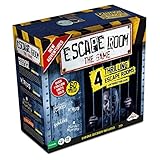
1. Escape Room The Game, Version 2 - with 4 Thrilling Escape Rooms | Solve The Mystery Board Game for Adults and Teens
Overview:
The Escape Room The Game Version 2 delivers a sophisticated at-home escape room experience with four distinct scenarios, each building in complexity. Designed for older teens and adults, this kit transforms your living room into a high-stakes puzzle adventure complete with a 60-minute countdown clock. The system uses physical components and digital integration to create genuine tension as teams work against time to solve multi-part challenges.
What Makes It Stand Out:
The electronic Chrono Decoder serves as both timer and puzzle input device, providing audio feedback that heightens immersion. The companion app adds atmospheric soundtracks tailored to each scenario. Unlike simpler card-based games, this offers four complete adventures with three progressive parts each, creating a substantial 12+ hours of gameplay. The expansion pack compatibility extends its lifespan significantly.
Value for Money:
While pricier than basic escape room card games, this costs far less than a single real-world escape room visit for five people. The four included scenarios provide excellent variety, and expansion packs offer continued value. The reusable electronic components justify the investment for enthusiasts.
Strengths and Weaknesses:
Pros include immersive technology, escalating difficulty, and high-quality production values. The digital integration enhances atmosphere dramatically. Cons are the 16+ age rating limiting family play, one-time-use scenarios without expansions, and requirement for a smartphone. Some puzzles may feel esoteric without hints.
Bottom Line:
Perfect for dedicated escape room fans seeking an authentic experience. The technology integration and difficulty progression make it worth the premium price, though families with younger children should consider other options.
2. Clue Escape: The Midnight Hotel Board Game, Clue Escape Room Game, 1-Time Solve Mystery Games, Family Games for Ages 10+, 1-6 Players, 90 Mins. Avg.

Overview:
Clue Escape: The Midnight Hotel cleverly merges classic Clue’s murder mystery DNA with escape room mechanics, creating a narrative-driven cooperative experience. This single-play game continues the Clue story after Mr. Boddy’s murder, tasking 1-6 players with discovering who attempted to steal blackmail files. The 90-minute runtime allows for deeper puzzle integration and storytelling than typical hour-long escape games.
What Makes It Stand Out:
The dynamic 3D gameboard physically evolves as you solve puzzles, revealing new rooms and clues—a genuinely innovative mechanic. The cooperative deduction element requires players to crack codes to determine the who, where, and what of the crime. Its flexible player count (including solid solo mode) and 10+ age rating make it highly accessible.
Value for Money:
As a licensed product with unique board-building mechanics, it commands a mid-range price point. While single-use like most escape room games, the 90-minute experience and replayability for different player groups provide decent value. It distinguishes itself from cheaper card-only alternatives through its production quality and thematic depth.
Strengths and Weaknesses:
Pros include the inventive expanding board, strong Clue brand integration, and accessible difficulty for families. The cooperative format encourages teamwork. Cons are the one-time-play nature, potentially lengthy setup, and puzzles that may lack complexity for hardcore enthusiasts. The 90-minute duration might test younger players’ attention spans.
Bottom Line:
An excellent choice for families and Clue fans wanting a narrative puzzle experience. The innovative board mechanic and accessible puzzles make it ideal for game nights, though serious escape room veterans may find it too straightforward.
3. ThinkFun Escape The Room Stargazer’s Manor - A Thrilling Escape Room Game in a Box for Ages 10 and Up | Enhances Logical Reasoning | Perfect for Family Game Night | Ideal Gift for Puzzle Lovers

Overview:
ThinkFun’s Stargazer’s Manor brings escape room excitement without electronic complexity, focusing on pure puzzle-solving and logical deduction. Designed for 3-8 players ages 10 and up, this kit emphasizes educational value alongside entertainment. The game transforms any space into a mystery adventure using sealed envelopes, a scenic card, and a manual solution wheel, creating an accessible entry point into escape room gaming.
What Makes It Stand Out:
This game prioritizes skill development, building critical reasoning and logical thinking through its challenges. The wide player range accommodates larger groups than most competitors, while the non-digital format means no batteries or apps required. ThinkFun’s reputation for quality brain games ensures well-designed, fair puzzles that teach while they entertain.
Value for Money:
Typically priced lower than electronic versions, it offers excellent value for families and educators. The reusable solution wheel and high-quality components provide durability. While single-use like most escape games, its focus on skill-building justifies the cost as an educational tool, not just entertainment.
Strengths and Weaknesses:
Pros include strong educational component, no technology requirements, wide age and player range, and trusted brand reliability. The puzzles are methodical and satisfying. Cons include less atmospheric immersion without audio/visual elements, potentially slower pacing, and experienced puzzlers may find it too easy. The manual verification system can interrupt flow.
Bottom Line:
Ideal for families with children, classrooms, or puzzle enthusiasts who prefer traditional logic challenges. While less flashy than electronic versions, its educational focus and accessibility make it a smart, versatile choice for group activities.
4. Identity Games [www.identity games.com] Escape Room The Game, New Family Edition - with 2 New Exciting Escape Rooms | Solve The Mystery Board Game for Family, Kids & Teens (English Version)
![Identity Games [www.identity games.com] Escape Room The Game, New Family Edition - with 2 New Exciting Escape Rooms | Solve The Mystery Board Game for Family, Kids & Teens (English Version)](https://m.media-amazon.com/images/I/61ACHnIffvL._SL160_.jpg)
Overview:
Identity Games’ New Family Edition streamlines the escape room experience for younger players with two family-friendly adventures: Candy Factory and Super Heroes. This edition maintains the core 60-minute race-against-time format but simplifies puzzles for ages presumably younger than the adult version. The electronic Chrono Decoder creates urgency while hint cards provide safety nets for frustrated younger solvers.
What Makes It Stand Out:
The hint system is particularly robust, featuring a dedicated Hint Decoder and 24 hint cards across both adventures, making this forgiving for families new to escape rooms. The cooperative win-or-lose-together philosophy encourages positive teamwork. The themes are specifically chosen to appeal to children while remaining engaging for adults.
Value for Money:
With only two adventures included, this is priced as an entry-level product. The electronic components are reusable, and the family-friendly focus means multiple playthroughs with different child groups. It’s a cost-effective way to test if your family enjoys the genre before investing in more complex versions.
Strengths and Weaknesses:
Pros include excellent hint support, age-appropriate themes, quality electronic timer, and emphasis on teamwork. The simplified puzzles prevent frustration. Cons are limited content (only two scenarios), may be too easy for teens, and shares components with other Identity Games products you might already own. The replay value is low once solved.
Bottom Line:
A perfect starter kit for families with children aged 8-14. The supportive hint system and accessible puzzles create a positive first escape room experience, though puzzle veterans should opt for more challenging editions.
5. Identity Games [www.identity games.com] Escape Room The Game, Family Edition - with 3 Exciting Jungle Escape Rooms | Solve The Mystery Board Game for Family, Kids & Teens (English Version)
![Identity Games [www.identity games.com] Escape Room The Game, Family Edition - with 3 Exciting Jungle Escape Rooms | Solve The Mystery Board Game for Family, Kids & Teens (English Version)](https://m.media-amazon.com/images/I/61oetw6KYWL._SL160_.jpg)
Overview:
Identity Games’ Jungle-themed Family Edition delivers three tropical adventures—Magic Monkey, Snake Bite, and Moon Portal—bringing exotic escape room challenges home. Like other Identity Games products, it features the electronic Chrono Decoder and hint system, but wraps them in lush jungle narratives. Designed for families, it balances accessibility with thematic immersion.
What Makes It Stand Out:
The jungle theme provides distinct atmosphere compared to generic escape rooms, with three scenarios offering more content than the New Family Edition. The adventures promise varied challenges within the tropical motif. However, the note about overlapping with Jumanji version warrants caution for collectors.
Value for Money:
Three adventures provide better content-per-dollar than the two-game Family Edition, though potential overlap with other versions reduces value for brand loyalists. The reusable electronic components and hint infrastructure remain solid. For jungle theme enthusiasts, the specialized content justifies the price.
Strengths and Weaknesses:
Pros include cohesive jungle theme, three full adventures, family-friendly difficulty, and reliable Identity Games mechanics. The hint system prevents frustration. Cons include possible content duplication with Jumanji version, limited replayability, and puzzles may be too simple for experienced players. The theme might not appeal to all families.
Bottom Line:
Best for families seeking themed variety and fans of jungle adventures. Verify you don’t own the overlapping Jumanji version first. It’s a solid mid-tier choice for repeatable family fun, though serious puzzlers will want more challenging options.
6. Thames & Kosmos EXIT: The Enchanted Forest| A Kosmos Escape Room Game in a Box| Family Friendly, Card-Based at-Home Escape Room Experience for 1 to 4 Players, Ages 12+ , Black

Overview: The Enchanted Forest brings the acclaimed EXIT series’ escape room experience home in a compact, card-driven format. Designed for 1-4 players ages 12+, this single-session adventure plunges you into a mysterious woodland where fairy tale creatures obstruct your path home. As part of the 2017 Kennerspiel des Jahres award-winning line, it promises clever puzzles through components you’ll manipulate, fold, and mark up during play.
What Makes It Stand Out: This game’s fairytale theme distinguishes it from typical horror escape rooms, offering family-friendly intrigue without sacrificing challenge. The integrated clue card system provides graduated hints, preventing frustration. The narrative unfolds through inventive puzzles that require tactile interaction with materials, creating discovery that digital alternatives can’t replicate.
Value for Money: Priced around $15-20, it represents exceptional value compared to physical escape rooms costing $30+ per person. While single-use means you can’t replay it, the 1-2 hour experience delivers concentrated entertainment for four people at under $5 each—equivalent to a movie night with collaborative problem-solving benefits.
Strengths and Weaknesses: Strengths include clever puzzle variety, an effective hint system, strong thematic cohesion, and accessible difficulty. The compact packaging travels easily. Weaknesses center on its disposable design—once solved, it’s done. Some puzzles may feel obscure to younger players, and component quality varies, with thin paper elements that tear easily.
Bottom Line: Perfect for families seeking screen-free bonding or puzzle enthusiasts wanting a taste of EXIT’s brilliance. Accept the single-use limitation as part of the experience, and you’ll discover a thoughtfully crafted adventure. Just don’t peek at solutions beforehand—spoilers ruin the magic entirely.
7. Escape Room The Game, Family Edition - with 3 Exciting Time Travel Games | Solve The Mystery Board Game for Family, Kids & Teens (English Version)

Overview: This family edition packages three time-travel adventures—The Present, The Past, and The Future—into one reusable electronic system. The Chrono Decoder counts down 60 minutes while validating solutions through 16 plastic keys. Designed for collaborative play, it accommodates flexible player counts and emphasizes teamwork, making it ideal for family game nights.
What Makes It Stand Out: The electronic Chrono Decoder elevates the experience beyond card-only games, creating urgency as beeps and lights signal dwindling time. The three-in-one format offers immediate variety, while decoder compatibility with expansion packs extends longevity. Unlike single-use alternatives, the core system remains playable. Hint integration through the decoder feels more immersive than paper clues.
Value for Money: At approximately $30-35, three adventures makes this a strong value—roughly $10 per scenario. The reusable decoder means your investment isn’t disposable; expansion packs cost less than full new games. Compared to EXIT’s one-and-done model, families get more replayability from the base purchase, though individual scenarios still offer limited replay once solved.
Strengths and Weaknesses: Strengths include the atmospheric electronic timer, scalable difficulty across three scenarios, and excellent production value. Teamwork mechanics shine with mixed-age groups. Weaknesses involve occasional technical hiccups with key insertion, ambiguous puzzle wording requiring errata, and a linear structure that limits parallel solving. The 60-minute pressure may overwhelm younger children.
Bottom Line: An excellent gateway into at-home escape rooms for families prioritizing replayable hardware. The electronic component adds tangible excitement, and three scenarios provide substantial content. While not as narratively deep as some competitors, it delivers consistent, accessible fun. Keep fresh batteries handy and approach it as a system for maximum satisfaction.
8. Exit: The Abandoned Cabin - Kennerspiel Des Jahres Winner, Card-Based Family Escape Room Game for 1-4 Players, Ages 12+, Blue

Overview: As the game that helped the EXIT series clinch the prestigious 2017 Kennerspiel des Jahres award, The Abandoned Cabin sets the gold standard for at-home escape rooms. Stranded in a mysterious cabin during a hiking trip, 1-4 players must decipher riddles to escape. This 1-2 hour experience follows the EXIT formula: single-use components that players actively destroy, fold, and write on to reveal solutions.
What Makes It Stand Out: Winning gaming’s highest honor validates its exceptional puzzle design and accessibility. The cabin scenario balances familiarity with intrigue, avoiding niche themes that might alienate newcomers. Its puzzles showcase the series’ signature creativity—requiring genuine lateral thinking and tactile manipulation. The difficulty curve feels purposeful, building confidence before challenging players with multi-step revelations that feel earned.
Value for Money: Retailing around $15-18, you’re paying for award-winning design expertise rather than reusable components. For a group of four, that’s under $5 per person for a quality puzzle experience that rivals commercial escape rooms costing 10x more. While you can’t replay or gift it after solving, the craftsmanship justifies the disposable model. It’s an entry fee for a masterclass in escape room design.
Strengths and Weaknesses: Strengths include impeccably balanced puzzles, clear but non-spoiling hint system, and thematic coherence that enhances immersion without extensive setup. The compact box stores easily. Weaknesses mirror the series’ inherent limitations: permanent alteration means no second chances, some puzzles require precise cutting that leaves messy components, and the narrative is thinner than story-driven competitors. Player count can feel restrictive for larger groups.
Bottom Line: The ideal starting point for anyone curious about the EXIT phenomenon. Its award pedigree isn’t hype—it delivers a consistently satisfying, fair challenge that respects your intelligence. Accept the single-use nature and focus on the journey. Perfect for date nights or small family gatherings where collaborative brain-teasing beats passive entertainment.
9. Clue Escape: The World’s Fair Board Game | Escape Room 1-Time Solve Mystery Games | Ages 10+ | 1 to 6 Players | 90 - 120 Mins.| Family Games

Overview: This innovative fusion merges classic Clue’s murder-mystery DNA with modern escape room mechanics. Set against an 1893 World’s Fair backdrop, 1-6 players investigate a scientist’s murder by solving puzzles that reveal the killer, weapon, and location. The dynamic board evolves as you unlock new exhibit halls, while a secret evidence-collection tool adds tactile discovery. At 90-120 minutes, it’s a heftier commitment than typical escape room games.
What Makes It Stand Out: The Clue license provides immediate narrative hook and familiar deduction framework, while the evolving board creates visual progression rarely seen in card-only games. Accommodating up to six players addresses a common pain point for larger families. The secret tool—a clever physical device—adds novelty and interacts with puzzles in surprising ways. Unlike traditional Clue, this is pure cooperative sleuthing with no player elimination.
Value for Money: At roughly $20-25, the expanded player count (6 vs typical 4) increases per-session value, costing under $4 per person. The longer playtime and secret tool justify the slight premium over basic EXIT games. While still single-use, the cinematic scope feels more substantial. Clue fans gain extra thematic satisfaction, though the brand adds little for those indifferent to the classic board game.
Strengths and Weaknesses: Strengths include excellent scalability for larger groups, strong narrative integration with the Clue universe, and the satisfying secret tool mechanism. Puzzle variety keeps all players engaged. Weaknesses involve the extended runtime, which can fatigue younger players despite the 10+ rating. Some puzzle steps feel padded to extend duration, and component quality doesn’t match the ambitious design. Setup is more involved than competitors.
Bottom Line: Best for Clue enthusiasts or groups of five-six players who’ve outgrown smaller escape room games. The expanded capacity and narrative depth reward the longer playtime, but ensure your group enjoys extended puzzle sessions. For smaller groups, lean toward tighter alternatives. It’s a one-time event—plan a dedicated game night and embrace the immersive experience.
10. EXIT: The Professor’s Last Riddle | Escape Room| Brainteasers | Mystery Solving | Treasure Hunt | Kosmos Game | at-Home Escape Room

Overview: This globe-trotting EXIT entry casts players as students of a late archaeology professor, following his cryptic trail through iconic cities like Paris and New York to uncover a mysterious legacy. Supporting 1+ players over 1-2 hours, it maintains the series’ signature single-use design—requiring you to destroy components to progress. The treasure hunt framing adds narrative propulsion beyond simple escape, appealing to fans of adventure and detective stories.
What Makes It Stand Out: The international travel theme provides visual and puzzle variety, leveraging famous landmarks that feel more expansive than confined settings. It leans into treasure hunt tropes, offering a sense of accumulation as you collect clues across “locations.” The Professor’s Last Riddle integrates several physical objects more elaborately than some EXIT titles, enhancing tactile engagement. For solo players, the narrative motivation feels particularly strong.
Value for Money: Positioned at the standard $15-18 EXIT price point, you’re getting the same puzzle density and design quality as award-winning siblings. The theme doesn’t increase cost but may boost perceived value for travel enthusiasts. While fundamentally disposable, the multi-location structure feels slightly more generous in scope. For one or two players, it’s an economical alternative to pricier solo puzzle experiences.
Strengths and Weaknesses: Strengths include the engaging global narrative, varied puzzle types that leverage different cognitive skills, and satisfying object interactions. The hint system remains best-in-class. Weaknesses reflect series-wide constraints: permanent destruction limits sharing, some puzzles require precise cutting that’s irreversible, and the paper quality could be sturdier. The travel theme, while fun, can feel superficial—more postcard than deep cultural immersion.
Bottom Line: A solid mid-tier EXIT game that shines for solo puzzlers or couples who enjoy armchair travel. It doesn’t revolutionize the formula but executes it reliably. Choose it if the theme resonates; otherwise, start with the award-winning Abandoned Cabin. Treat it as a destination event—gather your team, set the mood with travel music, and savor the one-time journey without reservation.
Why Escape Room Board Games Are Perfect for Teen Development
Cognitive Benefits
Escape room games function as mental gyms for teenage brains, strengthening neural pathways through complex problem-solving scenarios. Each puzzle requires players to identify patterns, make connections between seemingly unrelated clues, and apply logic in unconventional ways. These games particularly excel at developing sequential reasoning—the ability to understand that certain actions must happen in a specific order to achieve a desired outcome. For teens whose prefrontal cortexes are still developing, this repeated practice in cause-and-effect thinking builds executive function skills that transfer directly to academic performance and real-world decision-making.
Social Skill Development
In an era where digital communication dominates, escape room games create rare opportunities for face-to-face collaboration. Teens must articulate their observations clearly, listen actively to teammates’ ideas, and negotiate when opinions differ. The time-sensitive nature of these games teaches them to delegate tasks based on individual strengths and to trust others with critical responsibilities. Unlike competitive games that can strain friendships, the cooperative structure of escape rooms reinforces that success is a shared achievement, mirroring the team dynamics they’ll encounter in future workplaces and college group projects.
Screen-Free Entertainment
Parents consistently report that the most valuable aspect of escape room games is their ability to captivate teens for hours without a single glowing rectangle. These games offer the narrative depth and interactive engagement of video games but require physical manipulation of components, reading printed materials, and direct eye contact with fellow players. This tactile element satisfies teens’ need for sensory stimulation while giving their overworked digital devices a much-needed break. The absence of screens also eliminates the passive consumption that characterizes much of teen entertainment, replacing it with active, engaged participation.
Key Features to Look For in Teen-Friendly Escape Room Games
Difficulty Levels and Age Appropriateness
The most crucial factor is finding games with clearly labeled difficulty ratings that align with your teen’s experience level. Look for products that specify recommended ages not just for content appropriateness but for cognitive complexity. Many games offer adjustable difficulty through hint systems or optional expert-level puzzles that can be added later. For teens aged 13-15, seek games rated “intermediate” that challenge without overwhelming. Older teens (16-18) often crave “advanced” experiences that respect their mature reasoning abilities. Always check if the game allows you to dial back the challenge mid-session—a feature that prevents frustration from derailing the entire experience.
Game Duration and Session Length
Teen attention spans vary dramatically, and nothing kills enthusiasm like a game that drags on for four hours. Most successful teen-targeted games run between 60-90 minutes, matching the length of a feature film. This timeframe feels substantial without becoming exhausting. Consider your teen’s schedule—games that can be paused and resumed are gold for busy students juggling homework and extracurriculars. Some experiences are designed as one-shot adventures lasting exactly 60 minutes, while others function as campaign-style experiences with multiple chapters that can be spread across several weekends. The key is matching the time commitment to your family’s rhythm.
Player Count Flexibility
The ideal game adapts to whatever group your teen assembles. Some games shine with exactly four players but feel thin with two or chaotic with six. Look for titles that explicitly state they work well across a range of 2-6 players. Solo-play options are valuable for teens who want to practice before inviting friends or who enjoy independent puzzle-solving. Dynamic player counts—where the game adds complexity as more people join—ensure everyone stays engaged rather than having some players spectate while others dominate the puzzles.
Replayability Value
Many escape room games are single-use experiences where you solve puzzles once and never return. While these can be worthwhile, budget-conscious parents should weigh cost-per-play. Games with replayable mechanics—randomized puzzle elements, multiple solution paths, or modular scenarios—offer better long-term value. Some titles include “reset” instructions allowing you to reassemble components and loan the game to friends, effectively multiplying its value. Consider whether your teen enjoys mastery (replaying to improve speed) or novelty (always wanting fresh content) when evaluating this feature.
Theme and Storyline Appeal
A game’s theme can make or break teen engagement. Horror themes might thrill some teens while terrifying others. Sci-fi adventures often resonate with fans of popular franchises. Mystery and detective stories appeal to analytical minds. The best games weave narrative throughout the experience, making players feel like protagonists rather than mere puzzle-solvers. Check if the storyline evolves based on player choices—this agency dramatically increases investment. Also consider cultural sensitivity; some games draw from mythology or historical events that might require contextual conversation.
Different Types of Escape Room Board Games
Deck-Based Mystery Games
These card-driven experiences simulate escape rooms through illustrated puzzle cards, clue booklets, and decoder wheels. Players progress by solving puzzles that reveal new cards or pages, creating a branching narrative. The format excels at portability—perfect for teens who want to bring games to sleepovers or on vacation. The tactile nature of handling cards and rotating cipher disks feels satisfyingly physical. However, these games sometimes lack the three-dimensional puzzle elements that make real escape rooms memorable. Look for versions that incorporate unusual components like metal puzzle pieces or UV light reveals to enhance the sensory experience.
App-Integrated Hybrid Experiences
Modern games increasingly companion smartphone apps that provide atmospheric soundtracks, countdown timers, and digital puzzle interfaces. The app might reveal hidden messages when you point your camera at game components or provide branching storylines based on your choices. This integration allows for complex, multi-layered puzzles impossible with physical components alone. For tech-savvy teens, this feels natural and enhances immersion. The downside: apps can become outdated, and some parents prefer completely offline experiences. Check app store reviews to ensure the technology works reliably across different devices and that the company commits to long-term app support.
Mechanical Puzzle Boxes
These premium products function as intricate, self-contained puzzle boxes where every panel, drawer, and mechanism hides a clue. Teens physically manipulate locks, gears, and hidden compartments, creating an incredibly tactile experience. The satisfaction of physically unlocking a secret compartment triggers a dopamine rush that digital puzzles can’t replicate. These boxes often feature exceptional craftsmanship with wooden or metal components that feel substantial. The trade-off is typically higher price points and single-use nature, though some designs allow for resetting and replaying. They’re ideal for teens who love engineering, building models, or hands-on problem-solving.
Legacy and Campaign-Style Games
These episodic experiences unfold across multiple sessions, with each completed puzzle revealing new components and evolving storylines. Players might receive sealed envelopes containing future challenges or discover that their earlier decisions impact later scenarios. This format creates anticipation and gives teens something to look forward to each week. The narrative depth rivals television series, fostering emotional investment in characters and outcomes. However, these games require commitment—abandoning mid-campaign feels unsatisfying. Ensure your teen has the attention span and friend group stability to see it through before investing in this format.
Print-and-Play Options
For budget-conscious families, downloadable PDF games offer instant access at a fraction of the cost. Teens can print components at home, often with the ability to customize difficulty or theme. This format encourages creativity—teens might modify puzzles, create their own clues, or design custom scenarios for friends. The quality depends entirely on your printing capabilities and willingness to craft components. While lacking the polished feel of commercial products, print-and-play games democratize access and can be surprisingly sophisticated. They’re perfect for testing whether your teen enjoys the genre before committing to pricier physical games.
Understanding Difficulty Curves for Teen Players
Beginner-Friendly Entry Points
Games designed for escape room novices feature extensive hint systems, straightforward logic puzzles, and clear signposting that prevents players from feeling stuck. These entries typically use recognizable puzzle types—simple ciphers, pattern matching, basic math challenges—that build confidence. For teens new to the genre, starting here prevents the discouragement that comes from banging their heads against obscure riddles. Look for games that explicitly state they’re suitable for first-timers and include tutorial puzzles that teach core concepts without penalty. The best beginner games make players feel smart while still providing satisfying “aha!” moments.
Intermediate Challenges
Once teens have solved a few games, they crave puzzles that require combining multiple clue types and thinking several steps ahead. Intermediate games introduce red herrings, layered puzzles where solving one clue reveals a tool needed for another, and ambiguous instructions that demand interpretation. The difficulty comes not from individual puzzle complexity but from understanding how disparate elements connect. For teens aged 14-16, this level hits the sweet spot—challenging enough to feel accomplished but not so brutal that it requires adult intervention. These games often feature moderate hint systems that nudge without giving away solutions.
Advanced Problem-Solving Experiences
Veteran teen solvers seek games that demand research, pattern recognition across dozens of components, and creative leaps of logic. Advanced titles might require players to take notes, create timelines, or physically alter game components to progress. These experiences respect teen intelligence, offering no hand-holding and minimal hints. The satisfaction comes from conquering genuinely difficult challenges through persistence and teamwork. However, the frustration threshold is high—ensure your teen group has the maturity to handle repeated failure without internal conflict. These games often appeal to teens who enjoy advanced mathematics, computer science, or competitive logic competitions.
Themes That Resonate with Teenage Players
Mystery and Detective Stories
Teens love playing investigator, and detective-themed games tap into this fantasy perfectly. These narratives cast players as junior sleuths unraveling conspiracies, solving murders, or exposing corruption. The logical progression of gathering evidence, interviewing suspects, and connecting motives feels intuitive and rewarding. This theme particularly appeals to teens who enjoy true crime podcasts, mystery novels, or police procedural shows. The best detective games avoid graphic violence while maintaining tension, focusing on intellectual pursuit rather than shock value. They often incorporate realistic investigative tools like fingerprint analysis, codebreaking, and forensic science that feel educational and cool.
Horror and Supernatural Elements
Spooky themes deliver adrenaline without real danger, making them wildly popular with teen audiences. Ghost stories, cursed artifacts, and paranormal investigations create immediate atmosphere. The key is managing intensity—look for games rated “teen horror” rather than “mature horror,” emphasizing suspense over gore. These games use darkness, sound effects, and psychological tension to create scares. For teens who love horror movies but aren’t quite ready for R-rated content, these games offer a safe space to explore fear. Always check your teen’s actual comfort level; some games include “scare intensity” ratings or allow you to tone down frightening elements.
Sci-Fi and Futuristic Adventures
Space exploration, time travel, and dystopian futures resonate with teens raised on popular sci-fi franchises. These themes allow for creative puzzle mechanics involving fictional technology, alien languages, and futuristic gadgets. The speculative nature of sci-fi frees puzzle designers from real-world constraints, enabling truly inventive challenges. Teens interested in STEM fields particularly gravitate toward these games, which often incorporate actual scientific principles wrapped in futuristic packaging. The optimism of “saving the galaxy” or “inventing a solution” appeals to teenage idealism and sense of agency in shaping the future.
Historical and Archaeological Quests
Games set in ancient civilizations, World War II espionage, or lost archaeological sites combine education with adventure. Teens learn about historical periods, cultural practices, and famous figures while solving puzzles. This theme works especially well for teens who enjoy history class or dream of becoming archaeologists. The puzzles often involve translating ancient languages, understanding historical technologies, or navigating period-appropriate social structures. Parents appreciate the educational veneer, while teens enjoy the Indiana Jones fantasy of discovering lost treasures. The best historical games include accurate details without turning into dry textbooks, balancing facts with thrilling narrative.
How to Evaluate Game Quality Before Buying
Component Quality and Durability
Teens aren’t gentle with game components, and escape room games require extensive handling of cards, tiles, and specialty pieces. High-quality games use thick cardstock, linen finishes that resist fingerprints, and sturdy cardboard for puzzle elements. Check reviews specifically mentioning component durability—flimsy pieces that bend or tear ruin the experience and waste your investment. For games with electronic elements or apps, ensure the technology feels polished rather than gimmicky. The best games include storage solutions that keep components organized between sessions, preventing the frustration of lost pieces that can render puzzles unsolvable.
Rulebook Clarity
Nothing deflates excitement faster than a poorly written rulebook. For teens who might be playing without adult supervision, instructions must be crystal clear. Look for games with tutorial scenarios, quick-start guides, and logical organization. The rulebook should anticipate common questions and include a glossary of puzzle terminology. Many modern games now feature video tutorials or interactive rulebooks within their apps—a huge plus for visual learners. Before purchasing, see if you can download the rulebook PDF from the publisher’s website to assess its quality. A well-designed rulebook empowers teens to teach the game to friends independently.
Community Reviews and Ratings
While avoiding specific product recommendations, you can still leverage community wisdom by knowing what to look for in reviews. Focus on feedback from families with teens specifically, paying attention to comments about age appropriateness, actual playtime versus advertised length, and replay value. Look for patterns in reviews—if multiple people mention that a game feels too easy for 16-year-olds or that the hint system is frustrating, take note. Check how publishers respond to criticism; companies that actively support their products post-release often release clarifications, additional content, or improved components based on player feedback.
Expansion Availability
Games with expansion content offer extended value, especially for teens who become passionate about a particular series. Expansions might include new puzzle modules, alternative storylines, or increased difficulty levels. Before buying, check if the publisher has a track record of supporting their titles with additional content. This matters because a successful base game can become a hobby rather than a one-off purchase. However, be wary of games that feel incomplete without expansions—the base experience should feel substantial on its own. The best games use expansions to enhance rather than complete the core experience.
Setting Up the Perfect Game Night Atmosphere
Creating an Immersive Environment
Transform your dining room into an escape room headquarters with simple atmospheric touches. Dim the lights and use battery-powered candles or colored LED strips to create mood lighting. Play thematic background music through a smart speaker—many publishers offer official soundtracks that enhance tension. Remove clocks from the room and use the game’s timer to create authentic pressure. Consider designating a “puzzle station” where players can spread out components without cluttering the main playing area. Some families create simple costumes or props that align with the game’s theme, helping teens get into character and elevating the experience from game to event.
Snack and Break Strategies
Escape room sessions can run long, and hungry teens become frustrated teens. Choose snacks that won’t grease up game components—pre-portioned finger foods like pretzels, vegetable sticks, or wrapped candies work well. Avoid anything requiring utensils or that leaves residue. Set up a separate snack station away from the main playing area to prevent spills on puzzle components. For marathon sessions, schedule a midpoint break where players can step away, discuss theories informally, and return with fresh eyes. Some games include natural pause points; use these to your advantage. Keep water bottles with caps to prevent liquid damage—the worst possible ending to a game night is a soaked puzzle that becomes unsolvable.
Managing Frustration and Keeping It Fun
Even well-designed games can lead to stuck points that test teen patience. Establish a “no shame” rule for using hints—better to progress with help than quit in anger. Designate a “puzzle captain” who rotates, giving each teen leadership experience and preventing one dominant personality from controlling the game. When tension rises, implement a five-minute “walk away” rule where everyone physically leaves the room to reset emotionally. Celebrate small victories loudly—solving individual puzzles deserves recognition. Keep the focus on the journey rather than just escaping; some of the best memories come from the hilarious wrong turns and collective “aha!” moments. If frustration peaks, remind teens that real escape rooms have game masters for a reason—getting help is part of the design.
Making the Most of Your Investment
Organizing Game Components
The moment you open a new game, invest time in organization. Use small plastic bags, craft boxes with dividers, or specialized board game inserts to sort components by puzzle or type. Label everything clearly—masking tape and a permanent marker work wonders. Many teens actually enjoy this setup process, treating it like a pre-game puzzle. Good organization prevents mid-game chaos where crucial pieces get lost in the shuffle. It also enables quick cleanup and makes resetting for future plays or lending to friends infinitely easier. Take photos of the organized setup so you can replicate it after play.
Resetting Games for Replay
Many single-use games can be reset with careful planning. Photograph every component before starting—this provides a reference for proper reassembly. Keep a “reset guide” notepad where you track which pieces were altered, torn, or folded during play. Some games include official reset instructions; follow these meticulously. For games with destructible components, investigate whether the publisher sells “refill packs” that replace consumed materials. Alternatively, some creative families laminate key components or create photocopies to preserve originals. While this requires upfront effort, it transforms a $30 single-play game into a reusable resource that can be shared with friends or saved for younger siblings.
Trading and Sharing with Friends
Escape room games create natural opportunities for social exchange. Teens can host “game swap” parties where groups bring completed games to trade, effectively getting new experiences for free. Establish a community lending library among your teen’s friend group, where each family buys one game and rotates them monthly. This works especially well with games that have high replay value or that function as “escape room kits” for creating custom scenarios. When loaning games, include a simple feedback card so borrowers can note which puzzles were favorites or where they needed hints—this helps future players. Just ensure all components are accounted for before lending, and establish clear agreements about replacement costs for lost pieces.
Common Pitfalls to Avoid
Overly Complex Games for Beginners
The biggest mistake is buying an advanced game for a teen’s first escape room experience. Complex games with minimal guidance can crush enthusiasm before it develops. If your teen is new to the genre, resist the urge to “challenge them” with the hardest option. Start with entry-level experiences that build confidence and teach core puzzle mechanics. You can always graduate to harder titles later. Signs you’ve overshot the difficulty: teens checking phones constantly, one person dominating while others disengage, or the group giving up before the 30-minute mark. Success breeds passion—let them win early, then increase the challenge.
Mismatched Player Counts
Buying a game rated for 4-6 players when your teen usually games with 1-2 friends creates awkward dynamics. Too few players on a large-group game means puzzles designed for simultaneous solving become sequential chores, stretching playtime painfully. Conversely, cramming six players into a game optimized for three leads to bored spectators and component clutter. Honestly assess your teen’s typical gaming group size before purchasing. If their group size varies, prioritize games with scalable difficulty or parallel puzzle tracks that keep everyone occupied regardless of player count. Some games include “solo mode” rules that let a single player experience the full game, valuable for teens who want to practice before hosting friends.
Ignoring Theme Preferences
A parent’s idea of an “interesting” theme (Victorian literature, classical archaeology) might bore a teen to tears. Involve your teen in the selection process by browsing themes together. If they love horror movies, a spooky game will hold their attention far better than a historical drama. Pay attention to their other interests—fans of fantasy novels will gravitate toward magical quests, while STEM enthusiasts prefer sci-fi scenarios. A mismatch here results in a game that collects dust regardless of puzzle quality. The theme is the hook that gets them to the table; the puzzles keep them there. Don’t underestimate its importance in the initial purchase decision.
Frequently Asked Questions
What age is appropriate for escape room board games? Most teen-focused games work well for ages 12 and up, though this depends more on puzzle experience than chronological age. A puzzle-savvy 11-year-old might thrive where a 14-year-old beginner struggles. Look for age ratings that consider both content maturity and cognitive complexity. Games rated 13+ typically offer the sweet spot for teens, avoiding childish simplicity while remaining accessible.
How do I know if a game is too difficult for my teen? Check reviews specifically mentioning playtime—if groups consistently take much longer than the advertised duration, difficulty may be high. Look for games with robust hint systems that allow players to self-adjust challenge. Starting with beginner-rated titles builds confidence. If your teen gives up on other challenging activities quickly, prioritize easier games with clear progression paths.
Can escape room games be played solo? Many modern titles include official solo variants where one player controls multiple characters or has extended time. App-integrated games often work beautifully solo. However, the social element is a huge part of the fun, so consider solo play as practice for group sessions rather than the primary experience. Some games are specifically designed as single-player mysteries.
What if my teen gets frustrated and wants to quit mid-game? This is normal! Establish a “no shame hints” policy from the start. Take a five-minute break for snacks and reset. Remind them that even real escape rooms have game masters. If frustration stems from genuine mismatch between skill and difficulty, put the game away and try an easier title. The goal is fun, not torture. Some nights just aren’t puzzle nights—there’s no harm in stopping and returning later.
Are these games educational or just entertainment? They blend both beautifully. Teens practice logic, pattern recognition, reading comprehension, and teamwork without realizing they’re learning. Many games incorporate real historical facts, scientific principles, or mathematical concepts. Teachers sometimes use them as classroom tools. While primarily entertainment, the cognitive benefits are substantial enough that many parents consider them educational investments.
How much should I expect to spend on a quality game? Prices range from $15 for simple card-based games to $40-50 for premium boxed experiences with elaborate components. Mechanical puzzle boxes can cost $80+. Consider cost-per-play: a $30 single-use game played once costs more per hour than a $50 reusable game played three times. Start mid-range ($25-35) for your first purchase to test the waters.
Can we replay games after solving them? Most narrative-driven games lose surprise value after solving, but many allow resetting for other players. Some include multiple endings or randomized elements for replayability. Deck-based games sometimes offer expansion packs with new scenarios. Mechanical puzzles can be solved repeatedly, though the challenge diminishes. Treat single-use games as shared community resources to maximize value.
Do these games require a smartphone or tablet? Some do, some don’t. App-integrated games use technology for timers, soundtracks, and digital puzzles, but many excellent titles are completely analog. If you prefer screen-free experiences, filter for games that don’t mention app requirements. Hybrid games often work offline once downloaded, making them suitable for travel or areas with poor connectivity.
How many people do we need to play effectively? Most games list 2-6 players, but the sweet spot is usually 3-4. With two players, you lose the benefit of diverse perspectives. With five or six, some players may disengage. Look for games that specifically mention “good with two players” if your teen typically games with one friend. Many families play successfully with one parent and one teen, treating it as a bonding activity.
Where can we find more games after we finish our first one? Once your teen catches the bug, explore online board game communities, local game stores, and library collections. Many libraries now lend escape room games. Online forums offer recommendations based on preferences. Consider game subscription services that deliver new puzzles monthly. Creating a rotation with friends multiplies your access without multiplying costs.
See Also
- Best Escape Room Board Games for Couples: 10 Expert Picks for 2026
- Top 10 Best Escape Room Board Games for Family Game Night in 2026
- 10 Must-Have Themed Board Games for Escape Room Lovers in 2026
- Best Cooperative Board Games for Seniors: 10 Expert Picks for 2026
- 10 Expert-Recommended Escape Room Board Games for Teens in 2026