Table of Contents
Escape room board games have exploded onto the scene, transforming living rooms into mysterious vaults, haunted mansions, and high-stakes laboratories. These clever analog experiences capture the heart-pounding thrill of physical escape rooms while offering the convenience and replay value of traditional tabletop gaming. For newcomers, the genre presents an intoxicating blend of puzzle-solving, storytelling, and social interaction that doesn’t require a degree in cryptography to enjoy.
Finding your footing in this world of ciphers, hidden compartments, and cryptic clues can feel overwhelming when you’re just starting out. The market offers countless options with wildly different mechanics, difficulty levels, and formats. This guide cuts through the noise to help you identify what truly matters when selecting your first escape room board game, ensuring your introduction to the genre is filled with “aha!” moments rather than frustrated sighs.
Top 10 Escape Room Board Games for Beginners
Detailed Product Reviews
1. Exit: The Abandoned Cabin - Kennerspiel Des Jahres Winner, Card-Based Family Escape Room Game for 1-4 Players, Ages 12+, Blue

Overview: Exit: The Abandoned Cabin delivers an authentic escape room experience in a compact card-based format that won the prestigious Kennerspiel Des Jahres award. Designed for 1-4 players aged 12 and up, this immersive puzzle game transforms your living room into a mysterious cabin scenario where you’ll decipher codes, connect clues, and race against a 1-2 hour timeline to make your virtual escape.
What Makes It Stand Out: This game’s destructible design creates unprecedented immersion—you’ll markup, fold, and tear components to reveal hidden layers and solve puzzles. This tangible interaction sets it apart from reusable alternatives, making each discovery feel consequential. The Kennerspiel Des Jahres seal validates its exceptional design quality and family-friendly challenge, while its card-based system keeps the footprint minimal compared to bulky board game versions.
Value for Money: At roughly $15-20, it’s a fraction of a real escape room’s cost per person. While single-use nature might seem limiting, the experience rivals commercial venues. Compared to reusable games you’ll play 2-3 times, this one intense session delivers comparable entertainment value, especially when split among four players.
Strengths and Weaknesses: Strengths include award-winning puzzle design, genuine sense of discovery through destructible components, and accessible difficulty scaling. Weaknesses center on its one-time-only limitation—once solved, it’s unusable—and potential waste for environmentally conscious buyers. Some puzzles may frustrate younger players despite the 12+ rating.
Bottom Line: Perfect for puzzle enthusiasts seeking an authentic, no-holds-barred escape room experience without leaving home. The award pedigree guarantees quality, making it ideal for families and teens ready for a memorable one-shot adventure.
2. Clue Escape: The Midnight Hotel Board Game, Clue Escape Room Game, 1-Time Solve Mystery Games, Family Games for Ages 10+, 1-6 Players, 90 Mins. Avg.

Overview: This innovative hybrid merges classic Clue’s deduction mechanics with escape room puzzle-solving, continuing the story after Mr. Boddy’s murder. Designed for 1-6 players ages 10+, you’ll spend approximately 90 minutes cracking codes to identify who attempted to steal blackmail files while navigating a hotel setting. The cooperative format transforms competitive Clue into a collaborative mystery.
What Makes It Stand Out: The dynamic 3D gameboard physically evolves during play, revealing new rooms and clues as you progress—an impressive innovation that builds suspense. The story integration with beloved Clue characters creates familiarity while offering fresh narrative stakes. Its 1-6 player range and solo mode flexibility accommodate various group sizes better than most escape room games.
Value for Money: Priced around $25-30, it sits mid-range for escape room games. The 3D board components and rich storytelling justify the premium over basic card games. While one-time use limits replayability, the 90-minute cinematic experience and scalable player count deliver strong value for game nights and families.
Strengths and Weaknesses: Strengths include the evolving board design, accessible 10+ age rating, and seamless blend of escape puzzles with classic Clue deduction. Weaknesses involve moderate difficulty that may disappoint veteran puzzlers, and the single-play format feels less justifiable than simpler card alternatives.
Bottom Line: An excellent gateway escape room game for families and Clue fans. The dynamic board creates memorable moments, making it ideal for casual gamers seeking narrative-driven cooperative play rather than hardcore puzzle challenges.
3. Escape Room The Game, Version 2 - with 4 Thrilling Escape Rooms | Solve The Mystery Board Game for Adults and Teens
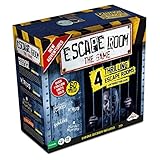
Overview: This comprehensive kit delivers four distinct escape room adventures in one box, complete with an electronic Chrono Decoder that adds atmospheric pressure. Designed for 3-5 players aged 16+, each 60-minute scenario challenges teams to input correct keys into the decoder before time expires. The companion app provides thematic soundtracks, enhancing immersion beyond paper components alone.
What Makes It Stand Out: The Chrono Decoder’s physical key system and audio feedback create tangible urgency unmatched by app-only timers. Four included scenarios with escalating difficulty provide extended replayability within the initial purchase. The expansion pack ecosystem means the decoder and components remain useful, transforming this from a single-use product into a long-term puzzle platform.
Value for Money: At $40-50, the upfront cost exceeds single-experience games, but four adventures reduce the per-game cost to $10-12. When expansion packs are considered, the system’s longevity justifies the investment for committed enthusiasts. Comparable to one real escape room visit but reusable for multiple sessions.
Strengths and Weaknesses: Strengths include the electronic decoder’s immersion, four varied scenarios, app integration, and expansion potential. Weaknesses are the higher 16+ age limit restricting family play, requirement for a smart device, and potential for electronic component failure over time.
Bottom Line: Ideal for serious puzzle fans and adult game groups seeking authentic escape room tension. The tech integration and multi-scenario design make it the best long-term value for those committed to the hobby.
4. Clue Escape: The Illusionist’s Club Board Game | Escape Room Family Game | 1-Time Solve Mystery | Ages 10+ | 1-6 Players | Difficulty 4 | 90-120 Mins. (Amazon Exclusive)

Overview: This Amazon-exclusive entry in the Clue Escape series traps players in a magic club where a famous magician has been sabotaged. Designed for 1-6 players ages 10+, this difficulty level 4 challenge demands 90-120 minutes of puzzle-solving to deduce who committed the crime, where, and with what. The magic theme permeates every component, creating an enchanting mystery experience.
What Makes It Stand Out: The secret “magical” tool adds a tactile, thematic element that elevates puzzle-solving beyond standard logic grids. As an Amazon exclusive, it offers unique content unavailable elsewhere. The difficulty 4 rating targets experienced puzzlers seeking deeper challenge than the Midnight Hotel version, while maintaining the dynamic board mechanism that physically reveals club secrets.
Value for Money: At $30-35, the exclusive status and increased difficulty justify the slight premium over its predecessor. The 90-120 minute runtime delivers extended engagement per dollar. While single-use like others in the series, the sophisticated puzzles provide satisfying complexity for the price.
Strengths and Weaknesses: Strengths include higher difficulty level, immersive magic theme, secret tool innovation, and flexible player count. Weaknesses involve the longer time commitment potentially wearing on younger players, and the one-time format remains environmentally questionable despite premium pricing.
Bottom Line: Best for intermediate puzzlers craving challenge beyond entry-level escape games. The magic theme and exclusive puzzles make it a worthy addition for collectors and families with older children ready for serious deduction.
5. ThinkFun Escape The Room Stargazer’s Manor - A Thrilling Escape Room Game in a Box for Ages 10 and Up | Enhances Logical Reasoning | Perfect for Family Game Night | Ideal Gift for Puzzle Lovers

Overview: From the trusted ThinkFun brand comes this narrative-driven escape room experience set in the mysterious Stargazer’s Manor. Designed for 3-8 players aged 10+, this game emphasizes logical reasoning development while delivering an immersive mystery. The package includes a scenic map, five sealed envelopes containing secrets, and a solution wheel to verify progress without spoilers.
What Makes It Stand Out: ThinkFun’s 50-million-games-sold pedigree ensures exceptional puzzle design and clear instruction quality. The 3-8 player range accommodates larger groups than most competitors, making it ideal for parties. Its educational focus on critical thinking skills provides justification beyond pure entertainment, appealing to parents and educators seeking substantive gameplay.
Value for Money: Priced competitively at $20-25, it offers middle-ground value between budget card games and premium electronic kits. The reusable solution wheel and non-destructive gameplay (though still one-time puzzle solve) preserve component quality. ThinkFun’s reputation guarantees reliable puzzle logic that minimizes frustration and maximizes enjoyment.
Strengths and Weaknesses: Strengths include brand reliability, larger player capacity, skill development emphasis, and clear instructions. Weaknesses involve less immersive components than 3D board alternatives, and experienced puzzlers may find the difficulty moderate rather than challenging. The mystery lacks the narrative depth of some competitors.
Bottom Line: The perfect family-friendly introduction to escape room gaming. ThinkFun’s educational angle and scalable player count make it an excellent gift choice for puzzle lovers who prioritize clear, fair challenges over flashy gimmicks.
6. Thames & Kosmos EXIT: The Enchanted Forest| A Kosmos Escape Room Game in a Box| Family Friendly, Card-Based at-Home Escape Room Experience for 1 to 4 Players, Ages 12+ , Black

Overview:
EXIT: The Enchanted Forest transforms your living room into a mystical puzzle adventure. This card-based escape room experience plunges 1-4 players into a fairy tale forest where strange creatures block your path home. Designed for ages 12 and up, it delivers approximately 1-2 hours of immersive gameplay through interconnected riddles that demand creative thinking and teamwork.
What Makes It Stand Out:
The integrated three-tiered clue system prevents frustrating dead ends without spoiling solutions. As part of the Kennerspiel des Jahres award-winning EXIT series, it maintains exceptional puzzle design standards. The enchanting woodland theme permeates every component, creating a cohesive narrative that feels genuinely magical rather than a simple collection of disconnected puzzles.
Value for Money:
At $15-20, it costs less than a coffee per player—dramatically cheaper than physical escape rooms while delivering comparable mental stimulation. The single-use nature sacrifices replayability, but the memorable experience and quality components justify the investment for a special game night.
Strengths and Weaknesses:
Strengths include clever multi-layered puzzles, excellent hint progression, and strong thematic integration. The physical manipulation of components adds tactile satisfaction. Weaknesses: permanent alteration prevents replay or sharing, occasional translation quirks from the original German, and some puzzles may feel obtuse without hints.
Bottom Line:
Perfect for puzzle enthusiasts seeking an affordable at-home alternative to commercial escape rooms. The Enchanted Forest offers a magical, well-designed experience that shines brightest with curious teens and adults ready to embrace its destructive creativity.
7. Escape From the Museum Escape Room Game

Overview:
Escape From the Museum delivers a compact experience where 1-4 players find themselves trapped after hours in a labyrinth of exhibits. This Professor Puzzle offering challenges participants to decipher brain-busting puzzles to secure virtual freedom. The mini format promises a complete adventure without the sprawling components of larger escape room games.
What Makes It Stand Out:
The game positions itself as an essential games night addition with streamlined design. It emphasizes deductive reasoning through tightly constructed challenges that mimic real escape room pressure. The museum setting provides a logical framework for varied puzzle types, from artifact codes to historical ciphers, creating natural diversity in gameplay.
Value for Money:
Typically priced under $15, it represents one of the most budget-friendly entries in the genre. While components are less lavish than premium alternatives, the focused puzzle density offers solid entertainment value for smaller groups wanting a quick mental workout.
Strengths and Weaknesses:
Strengths include accessible difficulty for beginners, quick setup, and portable design. The puzzles effectively exercise critical thinking without overwhelming complexity. Weaknesses: component quality feels basic, the narrative lacks depth, and experienced escapists may find it too brief at 45-60 minutes. The single-use nature feels less justified with simpler materials.
Bottom Line:
An ideal starter escape room for families and casual gamers. While it won’t satisfy hardcore puzzle veterans, Escape From the Museum provides an affordable, approachable introduction that works perfectly as a warm-up for game night.
8. Clue Escape: The World’s Fair Board Game | Escape Room 1-Time Solve Mystery Games | Ages 10+ | 1 to 6 Players | 90 - 120 Mins.| Family Games

Overview:
Clue Escape: The World’s Fair reimagines the classic franchise as a cinematic one-time escape room. Set against the 1900 Exposition, 1-6 players collaborate to solve a scientist’s murder while navigating a dynamic board that evolves as puzzles are solved. The 90-120 minute runtime promises a substantial investigative journey with dual-phase gameplay.
What Makes It Stand Out:
The innovative board-building mechanic distinguishes it—each solved puzzle literally unlocks new physical areas. The included secret evidence-tracking tool adds tactile detective element bridging traditional Clue deduction with modern escape room interactivity. This sixth installment demonstrates refined puzzle integration and narrative depth.
Value for Money:
At $20-25, it sits at the higher end of at-home escape rooms but delivers superior component quality. The dual-phase structure (escape then solve) effectively provides two games in one narrative, maximizing entertainment per dollar and justifying the premium over card-only alternatives.
Strengths and Weaknesses:
Strengths include the evolving game board, strong thematic ties to Clue lore, and scalable difficulty accommodating solo to six-player groups. The secret tool is genuinely clever. Weaknesses: the murder plot feels secondary to puzzles for some, setup is lengthy, and component density can overwhelm smaller tables.
Bottom Line:
A must-have for Clue fans and escape room enthusiasts seeking narrative depth. The World’s Fair successfully merges classic deduction with modern puzzle design, offering a premium at-home experience that rewards careful investigation and teamwork.
9. EXIT: The Game - Family - 2 Escape Adventures, at-Home Escape Room, Co-Operative Game, Family Activity, Brainteasers, 2-4 Players

Overview:
This family edition packages two distinct adventures—Meanstone Manor and Candy Castle—tailored as a bridge between EXIT Kids and the main series. Designed for 2-4 players, these cooperative mysteries use silly themes about missing animals and candy catastrophes to engage younger participants while retaining signature EXIT mechanics of ripping, folding, and marking components.
What Makes It Stand Out:
The dual-game format provides exceptional value with two complete experiences featuring different difficulty curves. Intentionally whimsical themes avoid darker elements, making them ideal for ages 8-12 while maintaining the tactile, destructive gameplay that defines EXIT. It’s specifically engineered for intergenerational collaboration.
Value for Money:
Retailing around $18-22 for two full games, it’s arguably the best value in the EXIT catalog. Each adventure runs 60-90 minutes, delivering 3+ hours of quality entertainment for less than most single-experience competitors while building skills for more complex challenges.
Strengths and Weaknesses:
Strengths include age-appropriate puzzle complexity, delightful artwork, and flexibility to choose between themes. The family-focused design encourages collaboration over competition. Weaknesses: experienced adults may find puzzles too straightforward, the silliness might not appeal to serious escapists, and the single-use limitation hits harder when losing two games at once.
Bottom Line:
The perfect entry point for families with children aged 8-12. This edition successfully democratizes escape rooms for younger audiences while remaining engaging enough for parents, making it an essential purchase for intergenerational game nights.
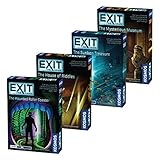
10. EXIT: The Game 4-Pack Escape Room | Beginner Bundle | Haunted Roller Coaster, Sunken Treasure, Mysterious Museum, House of Riddles | Family-Friendly, Cooperative Game | 1- 4 Players, Ages 10+
Overview:
The Beginner Bundle consolidates four adventures—Haunted Roller Coaster, Sunken Treasure, Mysterious Museum, and House of Riddles—into one curated collection. Designed for 1-4 players ages 10+, each 1-2 hour experience introduces core escape room mechanics through varied themes, systematically lowering the barrier to entry for newcomers to the genre.
What Makes It Stand Out:
This bundle curates four entry-level challenges with progressive difficulty and thematic diversity spanning spooky amusement parks to underwater expeditions. As official EXIT products, they maintain consistent puzzle logic while helping players identify preference types. The collection prevents decision paralysis for new enthusiasts.
Value for Money:
At $50-60 for four games, the per-experience cost drops to $12-15, representing significant savings over individual purchases. For families planning multiple game nights, this bundle provides months of entertainment while building confidence and skills for more complex challenges ahead.
Strengths and Weaknesses:
Strengths include curated difficulty scaling, excellent thematic variety, and beginner-friendly design that welcomes novices without overwhelming them. The collection approach eliminates guesswork. Weaknesses: veterans will find puzzles too simple, the single-use nature becomes expensive if binged, and you sacrifice choosing specific titles you might prefer.
Bottom Line:
An unbeatable starter kit for escape room virgins. The Beginner Bundle offers a smart, economical pathway into the EXIT universe, providing varied, approachable adventures that deliver consistent quality and prepare players for more sophisticated experiences.
What Makes an Escape Room Board Game Beginner-Friendly?
Complexity Levels and Learning Curves
Beginner-friendly escape room games distinguish themselves through intuitive design that teaches while you play. Look for games that introduce mechanics gradually, perhaps starting with straightforward lock-and-key puzzles before advancing to multi-layered ciphers. The best entry-level titles avoid overwhelming players with dozens of components and complex rulebooks. Instead, they offer streamlined setups that get you puzzling within minutes of opening the box. Pay attention to games that feature tutorial scenarios or practice puzzles—these built-in learning tools help your group build confidence before tackling the main event.
Cooperative vs Competitive Gameplay
Most escape room board games shine as cooperative experiences, and this is ideal for beginners. When everyone works toward a common goal, the pressure to perform individually drops, creating a supportive environment for learning. Cooperative games encourage knowledge-sharing and collective problem-solving, which means newer players can contribute meaningfully while learning from more experienced teammates. Some games offer optional competitive modes where players split into teams, but these work best after your group has mastered the basics together.
Theme Accessibility for New Players
The theme can make or break a beginner’s experience. While hardcore enthusiasts might love deeply niche historical settings or abstract mathematical puzzles, newcomers typically fare better with universally understood concepts. Mystery, adventure, and light horror themes tend to resonate well because they tap into familiar tropes from movies and books. Avoid games with overly complex lore that requires extensive reading before you can even start playing. The best beginner themes provide instant context—you immediately understand why you’re trapped and what you’re trying to achieve.
Time Commitment Considerations
Entry-level games should respect your time. While some advanced escape room games can consume three or four hours per session, beginner-friendly options typically clock in at 60-90 minutes. This sweet spot feels substantial without becoming exhausting. Look for games with flexible time limits or those that allow you to pause and resume later. Some titles even include shorter “demo” scenarios that let you experience the full game loop in 30 minutes—perfect for weeknight gaming when you don’t have hours to spare.
Essential Features to Look For
Hint Systems and Guidance Mechanics
A robust hint system separates great beginner games from frustrating ones. The best titles integrate hints directly into the gameplay experience, perhaps through a structured hint deck that reveals clues progressively. Some games use app-based hint systems that provide contextual help based on where you’re stuck. Avoid games that punish you for using hints or make you feel like you’re “cheating.” Remember, the goal is to have fun and learn, not to prove you can solve everything unaided. A good hint system teaches you how to think differently about the puzzle rather than just giving away the answer.
Replayability Value
Many escape room games fall into the “one-and-done” category, where once you’ve solved the puzzles, the mystery is gone. For beginners, this can feel like a steep investment for a single session. Look for games that offer replayability through multiple scenarios, modular puzzle components, or randomized elements. Some titles include several distinct adventures in one box, while others let you reset and pass the game along to friends. Consider whether the game offers expansion packs or downloadable content to extend its lifespan after you’ve mastered the base scenarios.
Component Quality and Durability
Physical components directly impact your enjoyment. Beginner games should feature clearly printed cards, sturdy boxes, and well-constructed puzzle pieces. Flimsy materials that tear or wear out after one use create a poor first impression. Pay attention to games with organized storage solutions—dividers, labeled bags, or custom inserts make setup and cleanup painless. Some premium games include 3D elements like locking mechanisms or hidden compartments that add tactile satisfaction, though these aren’t necessary for a great beginner experience.
Player Count Flexibility
The ideal beginner game adapts to your group size. Some titles work beautifully as solo experiences but feel thin with four players, while others require a minimum of three to function properly. Look for games that explicitly support a wide range of player counts (typically 1-6 players) and scale puzzle difficulty accordingly. Solo-playable games are particularly valuable for beginners, letting you practice and learn mechanics at your own pace before introducing the game to friends.
Age Appropriateness
If you’re gaming with family or mixed-age groups, age ratings become crucial. Beginner-friendly doesn’t always mean kid-friendly, and vice versa. Games designed for ages 10+ often hit the sweet spot for adult beginners too—they’re complex enough to be engaging but avoid convoluted logic leaps. Check whether the game requires reading comprehension beyond younger players’ abilities or involves themes that might not suit all ages. Some games offer separate difficulty tracks for younger and older players, making them versatile family investments.
Understanding Different Game Formats
Linear vs Non-Linear Puzzle Paths
Linear games present puzzles in a strict sequence—you must solve Puzzle A to access Puzzle B. This structure helps beginners by providing clear direction and preventing the paralysis of having too many options. Non-linear games, conversely, let you tackle multiple puzzles simultaneously, which can feel overwhelming at first but rewards groups with diverse thinking styles. Many beginner-friendly games offer a hybrid approach: a mostly linear main path with optional side puzzles for extra engagement.
App-Integrated Experiences
Digital integration has revolutionized escape room board games. App-driven titles can include ambient sound effects, countdown timers, and interactive clue reveals that would be impossible with pure cardboard. For beginners, apps often provide guided tutorials and automated hint systems. However, consider your group’s tech comfort level. Some players prefer the tactile purity of analog-only games, while others love the immersive enhancements apps provide. The best app-integrated games work perfectly offline too, ensuring you’re not stranded if your device dies mid-game.
Legacy and Campaign-Style Games
Legacy games feature permanent, campaign-based gameplay where your decisions alter the game state across multiple sessions. While these can be incredible experiences, they represent a significant commitment that might overwhelm true beginners. Campaign-style games without legacy elements (where you can replay scenarios) offer a middle ground—structured progression across several episodes without permanently destroying components. For your first foray, consider whether you’re ready for a multi-session commitment or prefer self-contained adventures.
One-Time Use vs Replayable Games
One-time-use games often deliver more intricate, surprising puzzles since designers don’t need to worry about resettability. They can include destructible elements and shocking reveals. However, for beginners testing the waters, replayable games offer better value and less pressure—you can retry puzzles you struggled with. Some innovative titles bridge this gap by being “resettable” through clever design that doesn’t diminish the puzzle quality. Think about whether your group values the prestige of a single epic experience or the versatility of multiple playthroughs.
Building Your Skills Progression
Starting with Entry-Level Mechanics
Begin your journey with games that emphasize fundamental puzzle types: pattern recognition, simple ciphers, spatial reasoning, and basic logic puzzles. These core skills transfer across virtually all escape room games. Avoid titles that immediately throw advanced concepts like modular arithmetic, complex linguistic puzzles, or obscure historical knowledge at you. The best beginner games include a difficulty progression within the box itself, starting with straightforward challenges and building toward more sophisticated problems.
Recognizing Puzzle Types
As you explore different games, you’ll notice recurring puzzle categories. Code wheels, jigsaw puzzles with hidden information, UV-revealed messages, and sequencing challenges appear frequently. Familiarizing yourself with these archetypes helps you recognize patterns faster. Good beginner games often explicitly label puzzle types in their rulebooks, teaching you the vocabulary of escape room design. This meta-knowledge becomes invaluable as you graduate to more complex titles.
Developing Team Communication
Escape room games live or die by how well your group collaborates. Beginner-friendly titles encourage communication through mechanics that require information sharing. Maybe one player sees a clue that another needs, or perhaps puzzles naturally split into sub-tasks that different players can tackle. Learn to verbalize your thinking process: “I’m seeing a pattern here with these symbols” invites collaboration rather than silent struggle. Games that include roles or special abilities for each player naturally foster this dialogue.
Managing Game Session Expectations
Your first few escape room sessions will involve learning curves. Set realistic expectations: you probably won’t escape on your first try, and that’s perfectly fine. Many beginner games are designed with a 50-70% success rate to provide challenge without frustration. Celebrate partial victories—maybe you didn’t escape but you solved three particularly clever puzzles. Use failed attempts as learning opportunities to understand how the game’s logic works, then apply those insights to your next session.
Common Pitfalls to Avoid
Overlooking Rulebook Clarity
A poorly written rulebook can ruin your first experience before you even start. Before purchasing, check reviews specifically mentioning rulebook quality. The best beginner games include quick-start guides that get you playing in 5-10 minutes, with detailed rules available for reference later. Look for rulebooks with clear examples, visual diagrams, and a logical organization that lets you find answers mid-game without stopping the clock.
Ignoring Group Dynamics
The perfect game for a couple might flop with a family of five. Consider your regular gaming group’s personalities. Do they prefer competitive or cooperative experiences? Are they patient with complex rules, or do they want to jump straight into action? Some groups love narrative-heavy experiences with lots of reading, while others want pure puzzle density. Matching the game to your group’s social dynamics matters more than any objective “best” ranking.
Misjudging Difficulty Ratings
Difficulty ratings are notoriously subjective. A game rated “easy” for experienced puzzlers might feel impossible to true beginners. Look for detailed difficulty breakdowns that explain what makes a challenge hard: is it the complexity of individual puzzles, the number of simultaneous tasks, or the time pressure? Some games offer multiple difficulty modes within the same scenario, letting you adjust the challenge to your group’s skill level.
Forgetting Storage and Organization
After your first exhilarating session, you’ll face the reality of resetting the game. Beginner-friendly titles make this process straightforward with organized components and clear reset instructions. Some games even include “reset checklists” to ensure you don’t accidentally lose crucial pieces. Consider where you’ll store the game between sessions and whether the box fits on your shelf. Poor organization can discourage you from replaying, turning an otherwise great game into a one-time experience.
Frequently Asked Questions
How much should I expect to spend on my first escape room board game? Beginner-friendly escape room games typically range from $15 to $40, with premium titles reaching $50-60. Price doesn’t always correlate with quality for newcomers—many excellent entry-level games sit in the $20-30 range. Focus on games with multiple scenarios or high replayability to maximize your investment while you’re still exploring the genre.
Can I play escape room board games solo, or do I need a group? Many modern escape room games support solo play beautifully, often scaling puzzle difficulty automatically. Solo play lets you learn at your own pace without feeling rushed or letting down a team. That said, the social aspect of collaborative problem-solving is a huge part of the genre’s appeal. Start solo if you’re nervous, then introduce the game to friends once you’re comfortable.
What’s the difference between an escape room game and a puzzle game? Escape room games emphasize narrative progression and multiple interconnected puzzles that simulate the experience of “escaping” a scenario. Puzzle games might offer similar brain-teasers but lack the thematic through-line and time-pressure elements. Escape room games typically include a story, a clear win/lose condition, and puzzles that build upon each other toward a climactic solution.
How long does it take to learn a typical beginner escape room game? Most quality beginner games get you playing within 10-15 minutes of opening the box. They include quick-start guides and tutorial puzzles that teach mechanics as you go. The full rulebook might take 30 minutes to read thoroughly, but you rarely need to absorb everything before starting. App-integrated games often have the shortest learning curves thanks to interactive tutorials.
Are escape room board games suitable for children? Many games cater specifically to families with content appropriate for ages 8-10 and up. Look for age ratings and read reviews about complexity. Kids often excel at pattern recognition and visual puzzles but may struggle with linguistic challenges or abstract logic. The best family-friendly games offer ways for children to contribute meaningfully regardless of their reading level.
What if my group gets stuck on a puzzle for too long? This happens to everyone! Quality beginner games include robust hint systems specifically for this scenario. Use them liberally—getting hints teaches you how the designers think, which helps with future puzzles. If you’re consistently stuck, consider that the game might be too difficult and try something more entry-level. There’s no shame in adjusting the challenge to match your group’s current skill level.
Can I replay a game after I’ve solved it? It depends on the design. Some games are explicitly one-time experiences with destructible components. Others are fully resettable and can be replayed or passed to friends. Many fall in between—you can replay them, but you’ll remember the solutions. For maximum value as a beginner, prioritize games with multiple distinct scenarios or randomized elements that maintain challenge across replays.
Do I need any special equipment or apps to play? Most escape room board games are fully analog, requiring only what’s in the box. However, an increasing number integrate smartphone apps for enhanced experiences. These apps typically provide timers, soundtracks, and hint systems. They’re optional in some games and essential in others. Check product descriptions before buying to ensure you’re comfortable with the tech requirements.
How do I know if my group will enjoy escape room games? Start with a low-cost, highly-rated entry-level title to test the waters. Alternatively, try a free printable escape room game online to gauge interest. Pay attention to whether your group enjoys collaborative problem-solving, mystery narratives, and light time pressure. If they love cooperative games or puzzles in general, they’ll likely embrace escape room games.
What’s the best way to organize components between sessions? Use resealable bags to separate solved and unsolved components. Many games include organizational aids—use them! Take photos of complex setups before disassembling so you can recreate them later. Store rulebooks and hint guides separately to avoid accidental spoilers. Some enthusiasts create custom storage solutions, but for beginners, careful bagging and a small notebook for tracking progress works perfectly.
See Also
- 10 Best Escape Room Board Games for Kids Aged 10 and Up This Year
- The 10 Best Escape Room Board Games Every Party Host Needs This Year
- The 10 Best Escape Room Board Games Every New Player Needs This Year
- Top 10 Best Escape Room Board Games for Family Game Night in 2026
- 10 Must-Have Themed Board Games for Escape Room Lovers in 2026