Table of Contents
Imagine gathering around a table where the goal isn’t to crush your opponents but to lift each other up—where laughter replaces cutthroat competition and every victory feels like a shared triumph. Cooperative board games transform the traditional gaming experience into a collaborative adventure, making them a revelation for newcomers who might feel intimidated by complex strategies or aggressive playstyles. Instead of navigating cutthroat negotiations or solo decision-making marathons, these games invite players to pool their wits, communicate openly, and tackle challenges as a unified team. It’s gaming that mirrors the best parts of friendship: problem-solving together, celebrating small wins, and turning potential frustration into collective “aha!” moments that leave everyone smiling.
For beginners, this shift from competition to cooperation isn’t just refreshing—it’s fundamentally smarter. New players often struggle with rule overload, fear of making mistakes, or the anxiety of “slowing down” experienced gamers. Cooperative mechanics dissolve these barriers by creating a supportive environment where asking questions is encouraged, errors become learning opportunities, and the group’s success hinges on inclusive participation. Whether you’re introducing friends to tabletop gaming for the first time or seeking icebreakers for family game nights, understanding how to choose the right cooperative experience can turn tentative curiosity into lifelong enthusiasm. In this guide, we’ll unpack exactly what makes these games accessible, how to spot hidden pitfalls, and why the right match can spark connections that go far beyond the board.
Top 10 Cooperative Board Games
Detailed Product Reviews
1. Gamewright - Forbidden Island - Cooperative Strategy Survival Board Game, 2-4 Players
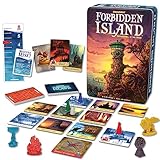
Overview: Forbidden Island, designed by Matt Leacock, is a cooperative board game where 2-4 players race to collect four sacred treasures from a sinking island before it vanishes beneath the waves. Aimed at ages 10+, it emphasizes teamwork over competition, making it ideal for family game nights focused on shared problem-solving. What Makes It Stand Out: Its innovative “sinking island” mechanic, where tiles progressively disappear, creates intense, dynamic challenges. Rich illustrations immerse players in a perilous paradise, while unique character roles with special abilities encourage strategic collaboration and adaptive thinking throughout each 30-minute session. Value for Money: Priced accessibly around $20, it offers exceptional replayability with variable difficulty settings and modular board setups. Compared to similar strategy games, it delivers more depth and thematic engagement at a lower cost, justifying its place as a staple for casual and family gamers. Strengths and Weaknesses: Strengths: Teaches vital teamwork and critical thinking; easy to learn but challenging to master; high-quality components and stunning visuals. Weaknesses: Limited player count (max 4); the island’s sinking pace can feel punishing for younger children; minimal player elimination risk reduces tension for some. Bottom Line: Forbidden Island is a near-perfect entry into cooperative gaming, blending tense strategy with family-friendly fun. Its affordability, educational value, and thrilling mechanics make it a must-buy for new and experienced board game enthusiasts alike.
2. Ravensburger Horrified Games - Greek Monsters - Strategy Board Game - Boost Critical Thinking & Teamwork - Cooperative Gameplay - Unique Monster Challenges - 1 to 5 Players - Adults & Kids 10+

Overview: Horrified: Greek Monsters challenges 1-5 players to cooperate as heroes defending the mythical realm of Elysium from six terrifying Greek monsters, including Medusa and Cerberus. This cooperative strategy game tasks players with unique monster-specific objectives using critical thinking and coordinated tactics. What Makes It Stand Out: The game shines with six distinct monsters, each requiring completely different strategies to defeat—no two games play alike. Exquisite thematic artwork and components, like the Underworld Door and monster lairs, deepen immersion, while the 60-minute playtime ensures tight, engaging sessions full of heroic decision-making. Value for Money: At $30-$35, it provides remarkable variety through its diverse monster challenges, justifying the price against single-mechanic competitors. The 1-5 player range and high replayability offer more long-term value than many niche strategy games in its category. Strengths and Weaknesses: Strengths: Exceptional monster variety ensures fresh gameplay; promotes deep teamwork and tactical planning; visually stunning and easy to set up. Weaknesses: Monster rule variations can complicate initial learning; limited strategic depth for hardcore gamers; some monster mechanics feel unbalanced. Bottom Line: Horrified: Greek Monsters is a standout cooperative experience that masterfully blends theme and gameplay. Its creativity and replayability make it a highly recommended pick for families and casual gamers seeking engaging, monster-slaying adventures.
3. Flow: The Official Cooperative Board Game | Strategy Game for 1–4 Players Ages 8+ | Based on The Award-Winning Animated Film | Family & Solo Play | Survive The Flood, Rescue Allies
Overview: Flow translates the emotional journey of the acclaimed animated film into a real-time cooperative board game for 1–4 players. Players navigate a shifting, flooded landscape to rescue allies before rising waters overwhelm the modular board, capturing the film’s poignant spirit through strategic urgency. What Makes It Stand Out: The dynamic “rising water” mechanic forces rapid, collective decision-making under pressure, while modular tiles create a new map layout each game. Its solo-play compatibility and 11 scenario cards ensure endless variety, all wrapped in artwork faithful to the film’s beautiful aesthetic. Value for Money: Priced around $25, Flow offers impressive versatility—equally compelling solo or with friends—and extraordinary replayability through scenarios and tile combinations. It outperforms many narrative-driven games by delivering deep engagement without excessive complexity or cost. Strengths and Weaknesses: Strengths: Innovative real-time cooperation; seamless solo mode; high replayability with scenarios; accessible rules for ages 8+. Weaknesses: Time pressure may frustrate methodical players; limited strategic depth for veterans; component durability concerns with frequent water-token use. Bottom Line: Flow is a heartfelt, mechanically inventive cooperative gem that honors its source material while standing strong as a game. Its emotional resonance and adaptive challenges make it an easy recommendation for families and solo players seeking meaningful gameplay.
4. Pressman The Oregon Trail Card Game - Cooperative Gameplay Based on The Classic Computer Game, Ages 12 and Up, 2-6 Players

Overview: This card game reimagines the iconic computer game as a cooperative survival experience for 2-6 players aged 12+. Players manage a wagon party navigating hardships like dysentery and river crossings, blending nostalgia with cheeky humor through retro 8-bit art and shared decision-making. What Makes It Stand Out: Its genius lies in distilling Oregon Trail’s essence into a compact card game, using dark humor to make failures (like “you died of dysentery”) entertaining. The cooperative structure—where all succeed or fail together—contrasts sharply with the original’s competitive format, fostering group camaraderie. Value for Money: At $15, it’s a budget-friendly tribute offering 20-30 minute sessions packed with laughter and tension. While simpler than complex strategy games, its nostalgic charm and replayability provide excellent value for fans of the franchise or casual game groups. Strengths and Weaknesses: Strengths: Hilarious, nostalgic theme; quick setup and playtime; strong group interaction; affordable. Weaknesses: Shallow strategy compared to deeper cooperative games; luck-heavy mechanics can frustrate; limited appeal for non-fans of the original game. Bottom Line: The Oregon Trail Card Game is a joyful, accessible homage that turns historical hardship into lighthearted fun. Ideal for nostalgic gamers or family nights, it’s a worthwhile impulse buy despite its strategic simplicity.
5. Pandasaurus Cooperative Strategy Card Game - Fun Interactive Family Game for Ages 8+, 1-5 Players, 20 Minute Playtime
Overview: “The Game” (by Pandasaurus) is a minimalist cooperative card game where 1-5 players race to play all cards from two shared decks in ascending and descending sequences. Despite its simplicity, it demands intense communication and strategic foresight within a tight 20-minute timeframe. What Makes It Stand Out: Its brilliance is in elegant design—using only 98 cards to create a fiendishly challenging puzzle. As a Spiel Des Jahres winner with 1.3M+ copies sold, it excels in fostering non-verbal teamwork; players must interpret subtle cues to avoid breaking sequence rules under mounting pressure. Value for Money: Priced under $15, it delivers extraordinary replayability and depth for its cost. Unlike pricier strategy games, it offers endless sessions with no setup, making it a superior value for quick, brain-teasing fun that appeals to all ages. Strengths and Weaknesses: Strengths: Highly addictive and portable; promotes exceptional teamwork and observation; quick to learn; award-winning accessibility. Weaknesses: Communication restrictions frustrate some players; minimal theme; high difficulty curve may overwhelm young children. Bottom Line: “The Game” is a masterclass in minimalist design that punches far above its weight. Its blend of tension, cooperation, and affordability makes it an essential addition to any family or party game collection.
6. Spin Master Games, SolidRoots Escaping Extinction, Cooperative Strategy Board Game from The Makers of Mind The Gap, for Kids & Family, 1-4 Players, for Ages 12 & Up

Overview: SolidRoots Escaping Extinction is a dynamic cooperative board game where players become clever dinosaurs racing to assemble a 3D rocket before a meteor strikes. Designed for 1-4 players aged 12+, it blends prehistoric adventure with strategic teamwork on a modular tile-based board.
What Makes It Stand Out: The game excels with its ever-changing tile layout, ensuring unique experiences each playthrough. The “earthquake” cards dynamically alter the board mid-game, forcing adaptive strategies. Building the physical 3D rocket from found pieces adds tangible excitement, while the cooperative nature fosters genuine collaboration instead of competition, making it ideal for family strategy sessions.
Value for Money: Priced competitively within the family strategy genre, it offers strong replayability through its modular board and variable objectives. Compared to simpler kids’ games, its strategic depth justifies a slightly higher cost, though alternatives like Pandemic Junior might appeal to younger audiences seeking similar cooperation.
Strengths and Weaknesses: Strengths: Highly replayable modular board; engaging 3D rocket assembly; effective cooperative mechanics; dynamic earthquake events; accessible for ages 12+. Weaknesses: Age recommendation (12+) may exclude younger dinosaur fans; strategy depth might feel light for hardcore board gamers; component durability concerns with smaller rocket pieces.
Bottom Line: SolidRoots delivers a fresh, replayable cooperative experience perfect for families seeking strategic fun beyond typical roll-and-move games. While not the deepest strategy title, its dynamic board and tangible rocket-building create memorable adventures, making it a worthwhile addition for game nights with teens and adults.
7. The Lord of The Rings: Adventure to Mount Doom | Family Game | Cooperative Game | Strategy Game

Overview: Adventure to Mount Doom is a cooperative family board game condensing Frodo’s perilous journey into a concise 50-minute session. Players work together to guide the Fellowship across Middle-earth, rolling dice and drawing cards to evade Ringwraiths and reach Mount Doom before Sauron prevails.
What Makes It Stand Out: Its immersive Tolkien theme is the core appeal, effectively translating the epic quest’s tension into accessible mechanics. The cooperative structure ensures shared investment in Frodo’s success, while the dual focus on movement and card management creates meaningful decisions. Solo playability extends its versatility significantly.
Value for Money: As a thematic entry-point to cooperative gaming, it offers solid value. The production quality (artwork, components) is decent for the price, though not exceptional. It’s more affordable than complex LOTR strategy games like Journeys in Middle-earth, making it ideal for casual fans seeking a quick, narrative-driven experience rather than deep simulation.
Strengths and Weaknesses: Strengths: Strong Tolkien immersion; simple, intuitive rules; excellent solo play option; compact playtime; fosters genuine teamwork. Weaknesses: Limited strategic depth; high luck dependence on dice/cards; component quality is functional but not premium; limited replayability due to fixed objectives.
Bottom Line: Adventure to Mount Doom succeeds as a charming, accessible gateway into cooperative gaming for Tolkien enthusiasts and families. While lacking deep strategy, its faithful theme and quick setup make it a recommendable choice for casual game nights, especially for fans of the saga seeking lighthearted adventure.
8. Castle Panic 2nd Edition | Cooperative Board Game for Adults and Family | Ages 8+ | for 1 to 6 Players | Average Playtime 45 Minutes | Made by Fireside Games

Overview: Castle Panic 2nd Edition is a streamlined tower defense cooperative game where 1-6 players must work as a team to fend off monsters attacking Castle Bravehold from multiple paths. With an easy 15-minute learn time and 45-minute play sessions, it targets family and casual gaming groups aged 8+.
What Makes It Stand Out: Its exceptional scalability (1-6 players) and multiple game modes (Co-op, Solo, competitive Master Slayer, Overlord) provide immense versatility. The 3D cardboard towers add tactile engagement, while constant threats like plagues and boss monsters create escalating, edge-of-your-seat tension. The focus on communication and card trading fosters genuine teamwork.
Value for Money: Offering robust replayability through modular setups and varied modes, it delivers excellent value. Priced moderately, it outperforms many family games in strategic depth without complexity. While component quality is good (vibrant tokens, sturdy board), it lacks the miniatures of premium games like Kingdom Death, making it a smarter buy for frequent family play.
Strengths and Weaknesses: Strengths: Unmatched player count flexibility; multiple engaging game modes; highly accessible yet strategically satisfying; strong replayability; excellent teamwork focus. Weaknesses: Player downtime can occur with larger groups; tower assembly feels fragile over time; limited long-term campaign depth; art style may feel dated to some.
Bottom Line: Castle Panic remains a gold standard for accessible cooperative gaming. Its blend of tense strategy, family-friendly rules, and exceptional scalability makes it a near-essential purchase for any game shelf, easily justifying its price for groups seeking reliable, engaging teamwork.
9. Happy Camper - The Four Doors | New Cooperative Game by Creator of Forbidden Island and Pandemic | Super Portable | Great for Solo Play, Two Players, and Groups
Overview: Happy Camper: The Four Doors is a compact cooperative game from Pandemic’s designer Matt Leacock (with Riddle & Pinchback). Players race to retrieve sacred treasures behind mystical doors before shadows seal them, supporting 1-5 players in just 30 minutes with a focus on portability.
What Makes It Stand Out: Leacock’s signature tight cooperative design shines here, emphasizing deduction and hand management within a minimalist framework. Its super-portable size (small box, light components) is revolutionary for the genre, while maintaining strategic depth. The solo mode is exceptionally well-integrated, and the “shadow” mechanic creates palpable urgency without overwhelming complexity.
Value for Money: Priced accessibly, it offers remarkable value for frequent travelers or those with limited space. While component quality is functional rather than lavish (cardboard tokens), the pure gameplay focus delivers more strategic satisfaction per ounce than bulkier games. It’s cheaper than Pandemic but captures similar cooperative essence in a travel-friendly package.
Strengths and Weaknesses: Strengths: Exceptional portability; brilliant solo/co-op design; quick setup and playtime; high strategic density for its size; strong replayability; easy to learn. Weaknesses: Minimalist components lack visual flair; theme feels generic compared to Leacock’s earlier work; 30-minute runtime may feel too short for some; limited player interaction depth.
Bottom Line: Happy Camper is a masterclass in portable cooperative design. Its ingenious mechanics, travel-ready format, and pedigree make it an indispensable choice for on-the-go gamers and solo enthusiasts, offering substantial strategic fun at an unbeatable footprint.
10. Ravensburger Alien: Fate of The Nostromo Board Game for Ages 10 & Up – A Cooperative Strategy Game of Suspense
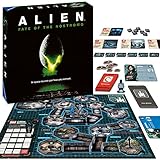
Overview: Alien: Fate of The Nostromo plunges 1-5 players into the iconic sci-fi horror film, where they must work together as Nostromo crew to gather supplies, complete objectives, and escape the ship while evading a deadly Xenomorph. Designed for ages 10+, it emphasizes tension and thematic immersion.
What Makes It Stand Out: The game excels in atmosphere, leveraging stunning miniatures, detailed artwork, and a claustrophobic board layout to recreate the film’s dread. The Alien’s movement via hidden cards generates genuine suspense, while modular objectives and the Ash traitor mechanic enhance replayability. Its focus on narrative-driven objectives over pure mechanics sets it apart.
Value for Money: Positioned as a premium thematic experience, its component quality (detailed miniatures, art) justifies the higher price point compared to simpler co-ops. While less strategically deep than Pandemic, the immersive execution offers unique value for film fans. It’s more expensive than Castle Panic but delivers unmatched thematic fidelity for Alien enthusiasts.
Strengths and Weaknesses: Strengths: Exceptional thematic immersion; beautiful miniatures and artwork; high tension from hidden Alien movement; strong replayability with varied missions; excellent solo play. Weaknesses: Higher price tag; setup can be fiddly; horror elements may unsettle younger players (despite 10+ age); strategy leans heavily on luck mitigation.
Bottom Line: Fate of The Nostromo is a must-have for Alien fans seeking intense, narrative-driven co-op play. Its atmospheric execution and premium components deliver immense thematic value, making it a worthy investment for horror aficionados despite its niche appeal and cost.
Why Cooperative Games Simplify the Learning Curve
Reduced Pressure of Individual Performance
Unlike competitive games where one misstep can spell doom for a single player, cooperative designs distribute responsibility. Beginners thrive when mistakes don’t feel like personal failures but shared puzzles to solve. This psychological safety net encourages experimentation—trying bold moves without fear of judgment—while keeping stress levels low enough to absorb rules organically. Watch how new players relax when the group’s focus shifts from “Who’s winning?” to “How do we beat this together?”
Streamlined Rule Integration Through Play
Top-tier cooperative games introduce mechanics gradually, often using intuitive visual cues or scenario-based tutorials woven into the narrative. Instead of memorizing dense manuals upfront, players learn by doing: placing a token here triggers a story event, flipping a card reveals a new challenge. This “learn-as-you-go” approach prevents overwhelm, letting beginners grasp concepts through immediate cause-and-effect rather than abstract theory.
Natural Communication as a Teaching Tool
When the game requires players to discuss strategies aloud—debating which threat to tackle first or sharing hidden information—you create organic mentoring moments. Experienced gamers instinctively guide newcomers by modeling clear communication (“I see a solution if you handle the left flank”), turning the table into a collaborative classroom. This builds confidence faster than silent observation ever could.
Critical Features for Beginner-Friendly Designs
Rulebook Clarity and Visual Storytelling
A stellar instruction manual uses minimal jargon, step-by-step imagery, and real-game examples instead of hypotheticals. Look for books that teach core concepts in under 10 minutes, with icons that mirror component designs. When rules reference “the green crisis token,” and the token literally has a green crisis icon, beginners connect instructions to physical pieces effortlessly.
Self-Contained Gameplay Loops
The best entry-level cooperative games feature tight, repeatable action sequences: draw card → resolve effect → trigger consequence. Avoid titles where turns involve branching decision trees (e.g., “If X, do Y unless Z”). Instead, prioritize games with a clear “phase rhythm”—like rolling dice to gather resources, then spending them on shared goals—that becomes second nature after one playthrough.
Forgiving Difficulty Scaling
Beginner games should include adjustable challenge knobs: fewer threat levels, simplified enemy behaviors, or built-in “help tokens” that grant temporary advantages. Crucially, these adjustments shouldn’t feel like “cheating” but as natural progression steps. If losing teaches how to win next time (e.g., “We ignored the timer—we’ll prioritize that now”), frustration turns into motivation.
Avoiding Common Beginner Pitfalls
Alpha Gamer Syndrome Prevention
Some players dominate discussions, turning “cooperative” into “solo with audience.” Counter this with games enforcing equal participation: hidden roles requiring secret input, simultaneous planning phases, or mechanics where one player’s turn requires others’ physical involvement (like placing shared tokens). The goal? Ensure every voice shapes the outcome.
Session Length Sweet Spots
Newcomers rarely have the stamina for 90-minute strategic epics. Target games with 20–45 minute playtimes—the Goldilocks zone where attention stays high, rules remain fresh in memory, and the group ends on a high note (“Let’s play again!”). Longer games often backfire by burying beginners under mid-game complexity spikes.
Thematic Resonance Over Abstract Mechanics
A game about defusing bombs or rescuing kittens creates instant emotional investment, making rules feel purposeful. Beginners latch onto narratives: “We fail if the lava rises” is more intuitive than “Lose when the track hits level 5.” Themes act as mnemonic devices, helping players remember why actions matter (“Oh right, the medic heals because she’s a doctor!”).
Evaluating Physical Components for Accessibility
Icon Consistency Across Materials
Check whether symbols for actions, resources, or threats repeat identically on cards, boards, and player aids. Inconsistent iconography (a sword meaning “attack” on one card but “defend” elsewhere) confuses newcomers. Top designs use color-coding + symbols + minimal text for universal readability, even across language barriers.
Tactile Quality That Invites Engagement
Flimsy cards or tiny pieces frustrate new players during setup. Prioritize games with chunky tokens, linen-finish cards, and boards with defined spaces for components. When pieces feel satisfying to handle—like sliding a rescue boat across a textured map—beginners engage more deeply and avoid accidental rule errors from misplacement.
Player Aid Integration
The best beginner games include reference cards showing turn sequences, action options, and win conditions on the table throughout play. These shouldn’t be afterthoughts but central tools: imagine a dial showing current threat levels or a flowchart for resolving conflicts. When players self-serve answers, the group spends less time flipping rulebooks.
Building Confidence Through Progressive Challenges
Scenario-Based Learning Paths
Instead of throwing players into the deep end, great games offer short introductory scenarios that focus on one mechanic at a time. First game: just manage resources. Second: add simple threats. This scaffolding lets beginners master foundations before layering complexity, building competence without cognitive overload.
Visible Progress Tracking
Clear visual indicators—like a rising sun dial for time or a shrinking “safe zone”—help newcomers grasp abstract concepts. When players see the lava creeping toward their base, they intuitively understand urgency without lengthy explanations. Progress bars beat numerical scores for instant feedback.
Post-Game Reflection Prompts
The strongest designs include discussion questions after play: “What strategy surprised you?” or “How did we communicate best?” This transforms losses into growth opportunities, teaching beginners that analysis—not just winning—fuels improvement. It also models constructive feedback for future sessions.
Frequently Asked Questions
What makes cooperative games better for beginners than competitive ones?
Cooperative games eliminate the fear of “letting the team down” in competitive settings. Since everyone wins or loses together, mistakes become shared learning moments rather than personal failures, reducing pressure and encouraging open communication—key for retaining new players.
How do I prevent one person from dominating decisions?
Choose games with mechanics that enforce equal participation, like hidden information requiring input from all players or simultaneous action selection. Set ground rules upfront: “No one declares moves until everyone shares ideas,” and use a talking token to ensure balanced input.
Are shorter games always better for beginners?
Generally yes—20 to 45 minutes is ideal. Longer sessions risk overwhelming newcomers with rule retention demands. Short games allow quick iteration (“Let’s try again!”) and prevent fatigue from derailing focus when absorbing complex mechanics.
What’s the biggest red flag in a beginner cooperative game?
Excessively vague rules or “simulationist” complexity (e.g., 50-page manuals with edge-case scenarios). Beginners need crystal-clear cause-and-effect: “If X happens, do Y.” Avoid games where outcomes rely heavily on group interpretation of ambiguous text.
How important is theme for new players?
Crucial. A strong narrative (saving a city, exploring ruins) makes abstract rules feel meaningful. Beginners remember “the medic heals” because they visualize a doctor, not because they memorized a card effect. Prioritize immersive themes over generic mechanics.
Should I avoid games with variable player powers?
Not necessarily—but ensure powers have distinct, intuitive roles (e.g., “only the engineer fixes bridges”). Avoid powers with overlapping functions that confuse responsibility. For absolute beginners, identical starting roles reduce cognitive load.
What’s a “traitor mechanic,” and is it beginner-friendly?
These games start cooperative but secretly assign one player as a saboteur. They’re generally poor for beginners—they breed distrust, complicate rules, and frustrate players who joined for pure teamwork. Stick to fully collaborative designs initially.
How do I handle repeated losses with new players?
Normalize losing as part of learning. After a loss, facilitate a 2-minute group reflection: “What’s one thing we’ll change next time?” Choose games with adjustable difficulty so early wins build confidence before ramping up challenges.
Can cooperative games work for large groups (5+ players)?
Yes, but only with designs specifically built for scale. Look for games dividing players into sub-teams or using “real-time” elements to prevent downtime. Avoid turn-based games for big groups—newcomers disengage during long waits between actions.
What’s the best way to teach a cooperative game to beginners?
Use the “sandbox method”: set up the board, demo one full turn aloud while others watch, then let players control actions with your guidance. Stop after 10 minutes to reset and replay the opening—hands-on practice beats passive listening every time.
See Also
- The 10 Best Cooperative Board Games for Team Players This Year
- 10 Best Escape Room Board Games for Beginners This Year
- Stop Boring Game Nights with the 10 Best Horror Cooperative Board Games This Year
- Stop Arguing Over Rules with the 10 Best Easy-to-Learn Cooperative Board Games This Year
- The 10 Best Cooperative Board Games Every New Player Needs This Year