Table of Contents
If you’ve ever wanted to experience the heart-pounding thrill of solving puzzles under pressure without leaving your living room, escape room board games deliver that adrenaline rush in a box. These immersive experiences transform your kitchen table into a locked chamber filled with cryptic clues, hidden messages, and brain-bending challenges that demand teamwork, creativity, and sharp thinking. For newcomers, the genre can feel overwhelming with countless options promising everything from haunted mansions to scientific laboratories, but understanding what makes these games tick will help you find your perfect match.
The beauty of modern escape room tabletop games lies in their incredible diversity and accessibility. Whether you’re planning a cozy game night for two or hosting a party for eight puzzle enthusiasts, there’s a format that fits your group size, experience level, and preferred play style. From one-time narrative adventures to reusable puzzle collections, the market has evolved to offer experiences that range from 30-minute quick challenges to epic multi-hour campaigns. This guide will walk you through everything you need to know to make an informed decision, ensuring your first dive into the genre leaves you exhilarated rather than frustrated.
Top 10 Escape Room Board Games for New Players
Detailed Product Reviews
1. EXIT: The Game - Adventures on Catan | Interactive Escape Room Experience| Cooperative | 1-4 Players | 10+ | Kosmos | Game for Kids and Adults

Overview:
EXIT: The Game - Adventures on Catan brilliantly merges the beloved island-settlement theme with escape room puzzle mechanics. This cooperative experience transforms players into explorers leaving their dreary villages to build new lives on Catan’s mysterious shores. Designed for 1-4 participants ages ten and up, the game spans 1-2 hours of resourceful problem-solving. Players physically construct the island while tackling narrative-driven puzzles that integrate seamlessly with the trading and discovery elements that define the Catan universe. The components encourage tactile engagement, making it an accessible entry point for families and board game enthusiasts alike.
What Makes It Stand Out:
The authentic Catan integration distinguishes this from generic escape room kits. Players genuinely trade resources and build the island landscape while solving puzzles, creating a hybrid experience that honors both genres. The mysterious objects hidden within the box serve as tangible puzzle elements, enhancing immersion. Its cooperative nature eliminates alpha-gamer issues, while the 10+ age rating makes it genuinely family-friendly. The storyline about leaving a dreary life for adventure resonates across generations, and the variable player count accommodates solo puzzlers or full family gatherings without sacrificing challenge.
Value for Money:
Priced competitively with other EXIT series games, the Catan branding adds significant thematic value without inflating cost. Comparable standalone escape room games offer similar content volume, but the recognizable universe and quality components justify the investment. Unlike single-use escape room kits, the Catan theme provides lasting appeal even after solving, making it display-worthy for fans. It delivers 2-3 hours of quality entertainment for up to four people, costing less than a physical escape room per person.
Strengths and Weaknesses:
Strengths include seamless Catan theme integration, family-friendly difficulty scaling, high-quality components, and genuine cooperative mechanics. The tactile island-building adds physical engagement. Weaknesses involve limited replayability after puzzle solutions are known, potentially simplistic puzzles for veteran escapists, and Catan purists may find the puzzle elements overshadow traditional gameplay. The 1-2 hour estimate may extend with younger players.
Bottom Line:
This is an excellent choice for Catan fans seeking a narrative puzzle experience or families wanting an accessible entry into escape rooms. The thematic integration feels genuine rather than forced, creating memorable cooperative moments. While experienced puzzlers may find it moderate difficulty, the quality components and clever design make it a worthwhile addition to any collection.
2. Escape Room: Puzzle Adventures - Secret of The Scientist Jigsaw Puzzle & Escape Room Board | 1-2 Players - Games for Family Game Night | for Kids and Adults Ages 16+ | English Version

Overview:
Escape Room: Puzzle Adventures - Secret of The Scientist revolutionizes the genre by combining jigsaw puzzles with escape room mechanics in an innovative advent-calendar format. Designed for 1-2 players ages sixteen and up, this mystery challenges participants to solve riddles that progressively unlock puzzle pieces, ultimately revealing a complete mansion image. The experience unfolds through five interconnected room puzzles, each advancing the narrative. Players control pacing, choosing between timed pressure or leisurely deduction. The story-driven mystery centers on a scientist’s secrets, demanding careful attention to detail and collaborative problem-solving in a compact, self-contained experience.
What Makes It Stand Out:
The dual-layer puzzle structure creates unique engagement—riddles literally build the physical mansion puzzle. The advent-calendar packaging delivers delightful reveal moments as each solved puzzle grants new pieces. Flexibility in timing removes accessibility barriers, accommodating both competitive speed-runners and contemplative solvers. The single-player mode functions flawlessly, making it ideal for solo enthusiasts. The progressive narrative thickens with each room, maintaining momentum through the 5-puzzle arc. This hybrid approach attracts both jigsaw aficionados and escape room veterans seeking fresh mechanics.
Value for Money:
Offering two distinct experiences—riddle-solving and jigsaw assembly—this provides hybrid value unmatched by traditional escape room kits. While single-use nature limits replayability, the 3-4 hour total engagement justifies the price point compared to digital escape rooms or physical venues. The quality puzzle pieces and innovative packaging enhance perceived value. For couples or solo players, the per-hour entertainment cost remains competitive, though groups must consider the 1-2 player limitation.
Strengths and Weaknesses:
Strengths include innovative jigsaw integration, flexible timing options, strong narrative immersion, and excellent solo playability. The advent-calendar design creates anticipation. Weaknesses center on limited player count restricting group play, age 16+ excluding younger families, and permanent puzzle assembly preventing resets. Experienced escapists may find riddles moderately challenging. The hybrid format may disappoint purists preferring traditional escape room elements.
Bottom Line:
Perfect for puzzle enthusiasts who appreciate jigsaw artistry and narrative depth, this excels as a couples or solo activity. The innovative format delivers genuine surprises, though families and larger groups should look elsewhere. If you value process over replayability, this unique hybrid deserves your attention.
3. Identity Games [www.identity games.com] Escape Room The Game, New Family Edition - with 2 New Exciting Escape Rooms | Solve The Mystery Board Game for Family, Kids & Teens (English Version)
![Identity Games [www.identity games.com] Escape Room The Game, New Family Edition - with 2 New Exciting Escape Rooms | Solve The Mystery Board Game for Family, Kids & Teens (English Version)](https://m.media-amazon.com/images/I/61ACHnIffvL._SL160_.jpg)
Overview:
Identity Games’ Escape Room The Game: New Family Edition delivers an accessible at-home escape room experience designed specifically for family participation. This kit includes two distinct adventures—Candy Factory and Super Heroes—supported by an electronic Chrono Decoder that counts down from sixty minutes while providing atmospheric sound effects and hint functionality. Supporting multiple players across age groups, the cooperative design ensures everyone contributes to solving riddles and discovering hidden clues. The integrated hint system prevents frustration, making it an ideal introduction to escape room mechanics for children and teens while retaining enough challenge to engage adults.
What Makes It Stand Out:
The electronic Chrono Decoder elevates immersion beyond paper-based timers, creating authentic urgency through sound effects and visual countdowns. The two family-friendly scenarios offer varied themes appealing to different interests—sweet-toothed puzzlers and superhero enthusiasts alike. The sixteen physical keys provide satisfying tactile feedback when entering solutions. The hint decoder operates smoothly, offering graduated assistance without spoiling solutions. Teamwork receives explicit emphasis in design, preventing dominant players from overshadowing younger participants. The sixty-minute structure matches professional escape room standards.
Value for Money:
The electronic component and two complete adventures deliver solid value for families. While pricier than basic card-only escape rooms, the Chrono Decoder justifies the premium and remains reusable with expansion packs. Compared to visiting a physical escape room, this pays for itself after one family session. The durable components withstand repeated family use, and the English version ensures clear instruction comprehension. For households seeking repeatable entertainment, the base game plus expansions offer extended value.
Strengths and Weaknesses:
Strengths include the immersive electronic decoder, family-appropriate difficulty scaling, excellent hint system, and genuine cooperative mechanics. The dual themes provide variety. Weaknesses involve limited initial content (only two adventures), potential electronic component failure, and puzzles may prove too simple for adult-only groups. The Chrono Decoder requires batteries not included. Experienced escapists might exhaust content quickly.
Bottom Line:
An outstanding entry-level escape room for families with children, this kit balances accessibility with genuine puzzle satisfaction. The electronic components create atmosphere while the hint system prevents frustration. Adult enthusiasts should consider the more challenging Version 2, but for family game night, this edition hits the sweet spot perfectly.
4. Escape Room The Game, Version 2 - with 4 Thrilling Escape Rooms | Solve The Mystery Board Game for Adults and Teens
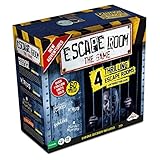
Overview:
Escape Room The Game, Version 2 advances the at-home escapism experience with four sophisticated adventures, each structured in three escalating parts. Designed for 3-5 players ages sixteen and up, this edition targets teens and adults seeking professional-grade challenge. The kit includes the Chrono Decoder plus integrates with a companion app providing thematic soundtracks and enhanced atmosphere. Players must input sixteen physical keys correctly within sixty minutes to triumph. The four scenarios increase progressively in difficulty, testing teamwork, creativity, and attention to detail at expert levels. Expansion packs extend longevity, making this a sustainable hobby investment rather than disposable entertainment.
What Makes It Stand Out:
The companion app integration transforms audio atmosphere, delivering cinematic tension that static timers cannot match. Four distinct adventures with three-part structures provide substantially more content than competitors, while progressive difficulty ensures sustained engagement. The sixteen-key physical input system offers satisfying tactile resolution compared to paper-based answer submission. The Prison Break scenario’s mirror card mechanic demonstrates thoughtful physical puzzle integration. Expansion pack compatibility future-proofs your investment, allowing the base system to host new adventures indefinitely.
Value for Money:
While priced higher than entry-level escape rooms, the four adventures—each effectively three escape rooms in one—deliver exceptional content volume. The reusable Chrono Decoder and app infrastructure amortize across multiple sessions and expansions. Compared to physical escape room costs, this pays for itself within two sessions for a five-person group. The quality components and sophisticated puzzle design warrant the premium for serious enthusiasts seeking challenge over simplicity.
Strengths and Weaknesses:
Strengths include challenging multi-part puzzles, immersive app integration, progressive difficulty scaling, high-quality components, and expansion compatibility. The 3-5 player range encourages true teamwork. Weaknesses involve higher price point, age restriction limiting family play, and difficulty may frustrate beginners. The app dependency requires smartphone access. Some puzzles demand obscure knowledge. The mirror card replacement note suggests component fragility.
Bottom Line:
Ideal for experienced escapists and adult gaming groups craving sophisticated challenges, this version delivers professional-grade puzzle design with atmospheric tech integration. The expansion ecosystem ensures lasting value. Families with younger children should opt for the Family Edition, but puzzle veterans will find this thoroughly satisfying.
5. Clue Escape: The Midnight Hotel Board Game, Clue Escape Room Game, 1-Time Solve Mystery Games, Family Games for Ages 10+, 1-6 Players, 90 Mins. Avg.

Overview:
Clue Escape: The Midnight Hotel reimagines the classic deduction franchise as a cinematic one-time escape room experience. Continuing the story after Boddy’s murder, 1-6 players ages ten and up collaborate to discover which suspect stole blackmail files. The innovative 3D gameboard literally builds upward as puzzles unlock new rooms and details, creating visual progression. Lasting approximately ninety minutes, the experience balances escape room mechanics with classic Clue’s who-where-what deduction. Players collect evidence through puzzle-solving before making final accusations. The flexible design supports solo play for dedicated puzzlers or cooperative groups seeking narrative immersion with strategic depth.
What Makes It Stand Out:
The dynamic 3D board construction provides tangible progress visualization unmatched by static mats or card layouts. Integrating beloved Clue characters deepens narrative investment for franchise fans. The dual-phase structure—escape then solve—adds strategic complexity. Solo mode functions seamlessly, offering genuine single-player satisfaction. The board’s physical transformation creates memorable centerpiece moments. The ninety-minute runtime allows deeper story development than typical hour-long escape rooms. The cooperative deduction twist modernizes Clue’s competitive roots while preserving thematic essence.
Value for Money:
As a one-time solve game, value depends on player count and experience prioritization. For six players, the per-person cost undercuts physical escape rooms significantly. The Clue brand recognition and innovative board components enhance perceived value. While replayability is null after solving, the quality components justify preservation as a collector’s piece. Compared to other single-use narrative games, the 90-minute runtime and 3D board mechanics provide competitive entertainment density.
Strengths and Weaknesses:
Strengths include innovative 3D board construction, strong narrative integration with Clue lore, flexible 1-6 player scaling, and excellent solo functionality. The dual-phase mystery adds depth. Weaknesses involve single-use limitation, longer playtime may exceed attention spans, and Clue theme could feel gimmicky to non-fans. The 90-minute estimate extends with larger groups. Puzzle complexity varies, potentially creating pacing issues.
Bottom Line:
A must-have for Clue enthusiasts and gamers who appreciate narrative-driven experiences with visual innovation. The 3D board mechanic alone makes it memorable. While the one-time nature requires commitment, the cinematic storytelling and flexible player count deliver exceptional group or solo entertainment. Perfect for mystery fans seeking modern twists on classic formulas.
6. EXIT: The Game - Family - 2 Escape Adventures, at-Home Escape Room, Co-Operative Game, Family Activity, Brainteasers, 2-4 Players

Overview: This dual-pack delivers two distinct escape room adventures designed specifically for family play. “The Mystery at Meanstone Manor” and “The Caper at Candy Castle” offer cooperative puzzle-solving that encourages players to physically interact with game materials through tearing, folding, and manipulating components. Each story creates an immersive narrative experience that engages children and adults together.
What Makes It Stand Out: The two-in-one value proposition is exceptional, providing double the content at a modest price point. Unlike standard EXIT games, these scenarios feature intentionally silly, whimsical themes that resonate with younger players while remaining engaging for adults. The family-friendly difficulty curve bridges the gap between EXIT Kids and the more challenging adult versions perfectly, with puzzles that promote teamwork rather than competition.
Value for Money: With two complete adventures included, this set offers tremendous value compared to purchasing separate EXIT titles. Each game provides 60-90 minutes of gameplay, effectively delivering 2-3 hours of entertainment for roughly the price of a single premium board game. The per-hour cost is exceptionally low, making it one of the best values in the escape room category.
Strengths and Weaknesses: Strengths include excellent family-focused puzzle design, high replay value within the box, and tactile engagement that keeps kids interested. The cooperative nature fosters communication. Weaknesses: once completed, the games cannot be reset, and the simpler puzzles may not satisfy experienced escape room enthusiasts. The 2-4 player limit might exclude larger family gatherings.
Bottom Line: An ideal entry point for families into the escape room genre, offering accessible challenges and exceptional value. Perfect for ages 8-12 with adult participation.
7. Clue Escape: The World’s Fair Board Game | Escape Room 1-Time Solve Mystery Games | Ages 10+ | 1 to 6 Players | 90 - 120 Mins.| Family Games

Overview: This innovative fusion transforms classic Clue into a cooperative escape room experience. Set against a 19th-century World’s Fair backdrop, players investigate a scientist’s murder by solving interconnected puzzles that progressively unlock new exhibit halls. The game accommodates 1-6 players and delivers a cinematic narrative experience lasting 90-120 minutes.
What Makes It Stand Out: The dynamic board physically evolves as you play, revealing new rooms and secrets through clever tile placement. A proprietary secret tool adds a tactile dimension to clue collection, distinguishing it from paper-based escape games. The integration of familiar Clue characters into a fresh murder mystery creates nostalgic appeal while the puzzle-first approach modernizes gameplay for contemporary audiences.
Value for Money: At the standard premium board game price point, the one-time nature might seem steep. However, the production quality, secret components, and cinematic experience justify the cost for dedicated mystery fans. Comparable to a family trip to an escape room at a fraction of the price, making it reasonable for special occasions and memorable game nights.
Strengths and Weaknesses: Strengths include high-quality components, engaging narrative progression, and scalable difficulty for different player counts. The solo mode is genuinely satisfying and well-balanced. Weaknesses: single-use design limits replayability, and some puzzles may feel linear. The Clue branding might mislead those expecting traditional roll-and-move gameplay rather than pure puzzle-solving.
Bottom Line: A must-have for mystery enthusiasts seeking a narrative-driven puzzle experience. Best for ages 12+ who appreciate immersive storytelling and cooperative challenges.
8. Clue Escape: The Illusionist’s Club Board Game | Escape Room Family Game | 1-Time Solve Mystery | Ages 10+ | 1-6 Players | Difficulty 4 | 90-120 Mins. (Amazon Exclusive)

Overview: This magic-themed entry in the Clue Escape series casts players as investigators solving a magician’s disappearance at an exclusive club. The dynamic board reveals new rooms as puzzles are solved, creating a sense of discovery and progression. Designed for 1-6 players, it offers a 90-120 minute cooperative or solo experience with a difficulty rating of 4 out of 5.
What Makes It Stand Out: The illusionist theme permeates every puzzle, with classic magic tricks cleverly integrated into the challenges themselves. The included “magical” secret tool is more elaborate than other entries, requiring creative thinking and dexterity. As an Amazon Exclusive, it features premium packaging and unique puzzle mechanics not found in standard retail versions, making it collectible for enthusiasts.
Value for Money: Similar pricing to other Clue Escape titles, the difficulty rating of 4 suggests more complex puzzles per dollar spent. The exclusive content and enhanced components provide slightly better value for serious collectors. Still a one-time experience, but the puzzle density feels higher than easier entries, maximizing engagement time and mental challenge.
Strengths and Weaknesses: Strengths include thematically cohesive puzzles, high-quality secret tool, and excellent solo playability. The magic theme adds freshness to the formula and puzzles feel innovative. Weaknesses: availability limited to Amazon, and the higher difficulty may frustrate younger players or families. Single-use nature remains a drawback for budget-conscious buyers who want repeated play.
Bottom Line: Perfect for puzzle veterans seeking a more challenging experience. Recommended for ages 14+ or experienced escape room enthusiasts who enjoy complex riddles and magical themes.
9. Exit: The Abandoned Cabin - Kennerspiel Des Jahres Winner, Card-Based Family Escape Room Game for 1-4 Players, Ages 12+, Blue

Overview: This award-winning escape room game traps players in a mysterious cabin, requiring them to solve a series of interconnected puzzles to escape. As a Kennerspiel Des Jahres winner, it represents the gold standard in at-home escape experiences for 1-4 players. The 12+ age rating indicates moderate complexity with mature themes, and gameplay runs 1-2 hours.
What Makes It Stand Out: The prestige of the Kennerspiel Des Jahres award signals exceptional design quality and innovation. Its puzzle integration is seamless, requiring players to physically alter components in surprising ways that feel organic to the story. The narrative tension builds effectively through the card-based system, creating genuine urgency without a timer component, focusing on logic over speed.
Value for Money: While single-use, the award-winning design justifies the premium price point. Comparable to a movie ticket plus concessions for 2-3 hours of active engagement. The replay limitation is mitigated by the quality of the “aha!” moments, making it worth sharing with different friend groups over time, spreading the cost per play across multiple sessions.
Strengths and Weaknesses: Strengths include brilliant puzzle design, compact packaging, and scalable difficulty for different player counts. The award pedigree ensures quality and satisfaction. Weaknesses: permanent alteration of materials prevents replay, and the 12+ rating may exclude younger families. Some puzzles require destructive creativity that hesitant players might resist, and hints can be vague.
Bottom Line: A must-play for escape room aficionados. Best for teens and adults seeking a challenging, well-crafted puzzle experience with high production values and clever mechanics.
10. ThinkFun Escape The Room Stargazer’s Manor - A Thrilling Escape Room Game in a Box for Ages 10 and Up | Enhances Logical Reasoning | Perfect for Family Game Night | Ideal Gift for Puzzle Lovers

Overview: ThinkFun’s entry into the escape room market invites 3-8 players to unravel the mystery of a missing astronomer. Designed for ages 10 and up, it emphasizes logical reasoning through a series of sealed envelopes and a solution wheel. The brand’s reputation for educational games shines through in the puzzle design and clear instruction manual.
What Makes It Stand Out: The solution wheel mechanism eliminates the need for app integration or destructive gameplay, allowing non-destructive solving that preserves all materials. The scalable player count (3-8) is unusually generous for the genre, accommodating larger gatherings. ThinkFun’s 50-million-game pedigree ensures polished, tested puzzles that genuinely develop critical thinking skills and deductive reasoning.
Value for Money: With materials that remain intact, the game can be shared with multiple groups, effectively offering unlimited plays. This dramatically improves value compared to single-use competitors. The educational component adds intangible value for parents seeking screen-free cognitive development, making it a worthwhile investment for classrooms or frequent entertainers who host regular game nights.
Strengths and Weaknesses: Strengths include reusability, excellent instruction manual, brand reliability, and strong educational focus. The larger player count suits parties and family gatherings. Weaknesses: puzzles may feel less immersive without physical alteration, and the 3-player minimum excludes couples or solo play. The narrative is somewhat generic compared to thematically rich competitors, and experienced puzzlers may find it less challenging.
Bottom Line: An excellent choice for educators, families, and party hosts prioritizing reusability and educational value over intense theming. Perfect for classroom use or repeated family game nights.
Understanding the Escape Room Board Game Genre
Escape room board games recreate the cooperative puzzle-solving experience of physical escape rooms through cards, booklets, strange components, and digital apps. Unlike traditional board games focused on competition or resource management, these titles prioritize narrative immersion and collaborative problem-solving where everyone wins or loses together.
How These Games Simulate Real Escape Rooms
The best implementations use a combination of physical components and clever mechanics to replicate that authentic escape room feeling. You’ll encounter sealed envelopes you’re not supposed to open until instructed, destructible materials you must cut or fold, and online databases where you enter codes to verify solutions. This multi-layered approach creates tangible tension as you physically manipulate objects while racing against a timer.
Core Mechanics That Define the Experience
Most titles share common DNA: a scenario book outlining your mission, puzzle cards numbered for progressive revelation, a hint system for when you’re stuck, and a solution verification method. Many incorporate companion apps that provide atmospheric soundtracks, track your time, and deliver hints contextually. Understanding these building blocks helps you evaluate whether a game’s structure matches your preferences.
Key Features to Evaluate Before Buying
Not all escape room games are created equal, and recognizing the distinguishing features will prevent disappointment. The component quality, puzzle variety, and narrative depth vary dramatically between publishers and product lines.
Component Quality and Durability
Examine whether a game uses premium cardstock, sturdy boxes, and interesting props that enhance immersion. Some games feature single-use components you’ll physically alter during play, while others offer resettable puzzles for repeated enjoyment. Consider whether you prefer the tactile satisfaction of handling high-quality pieces or don’t mind simpler materials if the puzzles themselves are exceptional.
Puzzle Variety and Complexity Distribution
A well-designed game offers a balanced mix of logic puzzles, spatial reasoning challenges, pattern recognition tasks, and wordplay. Look for descriptions mentioning diverse puzzle types to avoid experiences that lean too heavily on one skill set. The best games accommodate different thinking styles within your group, ensuring everyone contributes.
Matching Difficulty to Your Group’s Experience
Choosing the right challenge level prevents the frustration of impossible puzzles or the boredom of trivial ones. Publishers typically rate difficulty on scales from beginner to expert, but these ratings aren’t standardized across brands.
Beginner-Friendly Characteristics
Entry-level games feature intuitive puzzle logic, generous hint systems, and forgiving time limits. They often include tutorial puzzles that teach common escape room conventions without overwhelming new players. If your group has never attempted an escape room, prioritize titles explicitly marketed for newcomers or families.
Intermediate and Advanced Options
As you gain experience, you’ll crave more sophisticated puzzles with multiple steps, red herrings, and meta-puzzles that require connecting seemingly unrelated clues. Advanced games might feature non-linear puzzle structures where you can tackle multiple challenges simultaneously, demanding excellent team coordination and note-taking.
Player Count Considerations for Optimal Fun
The number of participants dramatically affects your experience, and different games accommodate varying group sizes. A mismatch here can lead to some players feeling left out or others having too little to do.
Best Games for Solo and Two-Player Sessions
Some experiences shine with intimate groups, offering puzzles that benefit from focused attention without requiring extensive delegation. These titles often feature condensed narratives and streamlined puzzle paths that prevent the “too many cooks” problem while still providing satisfying challenges.
Ideal Options for Medium Groups (3-5 Players)
This sweet spot matches most physical escape rooms, allowing natural puzzle distribution and lively discussion. Games designed for this range typically include enough components for simultaneous investigation and mechanics that encourage dividing and conquering before reconvening to share discoveries.
Large Group Adaptations (6+ Players)
Fewer games truly accommodate bigger gatherings effectively. Seek titles with modular puzzle structures where teams can split into sub-groups working on separate challenges that eventually converge. Some games offer “duel” modes where two teams race separately through identical content.
Theme and Narrative Immersion Factors
The story wrapper transforms abstract puzzles into meaningful missions. A compelling narrative provides context for why you’re solving puzzles and emotional stakes that heighten engagement.
Popular Theme Categories
You’ll encounter horror scenarios with supernatural elements, mystery investigations with detective work, adventure stories featuring treasure hunts, and sci-fi missions involving technology. Consider your group’s collective interests and squeamishness thresholds—horror themes can include mature content unsuitable for all audiences.
Narrative Integration Quality
The difference between a good and great escape room game often lies in how seamlessly puzzles weave into the story. Superior designs make each solution feel like a logical story progression rather than arbitrary code-cracking. Read reviews focusing on whether the narrative feels tacked on or genuinely enhances the puzzle-solving experience.
Replayability and Single-Use Designs
A critical distinction exists between games you can play once versus those offering repeated value. This factor significantly impacts cost-per-play calculations and long-term collection value.
Understanding Single-Use Games
Many premium experiences are designed for one playthrough only, with components you’ll cut, fold, or mark permanently. These often deliver the strongest narrative cohesion and surprise moments but represent a higher investment for limited use. Consider them comparable to movie tickets or dinner out—paying for a memorable experience rather than a permanent addition.
Resettable and Replayable Alternatives
Other titles feature puzzles you can solve multiple times or come with multiple scenarios in one box. While these offer better value, they sometimes sacrifice narrative tightness for reusability. Some strike a balance by offering inexpensive refill packs or digital expansions that refresh the content.
Time Commitment and Session Length
Escape room games vary wildly in duration, from quick 30-minute challenges to marathon 4-hour epics. Matching the time investment to your group’s preferences prevents unfinished sessions and fatigue.
Short-Form Experiences (Under 60 Minutes)
These compact adventures fit easily into an evening without dominating it. They’re perfect for weeknight gaming or as appetizers before other activities. The condensed format often means tighter pacing and less filler content.
Standard-Length Games (60-120 Minutes)
This range mirrors most physical escape rooms and provides satisfying narrative arcs with multiple puzzle stages. You’ll need to set aside dedicated time but won’t require an all-day commitment. These represent the genre’s sweet spot for depth versus accessibility.
Epic Campaign-Style Games
Some titles offer interconnected scenarios forming larger campaigns with persistent elements and evolving narratives. These demand regular sessions and note-taking between plays but reward you with deeper investment and character development.
Budget and Value Assessment
Prices span from budget-friendly card games to premium boxed experiences costing as much as a video game. Understanding what you’re paying for helps justify the investment.
Entry-Level Price Points
Affordable options often use simpler components and shorter playtimes but can still deliver excellent puzzle design. These make ideal starting points to test whether your group enjoys the genre before committing to pricier alternatives.
Premium Experiences and What Justifies the Cost
Higher-priced games typically feature elaborate props, higher production values, companion apps with voice acting, and more extensive content. Evaluate whether your group values tactile immersion enough to warrant the premium or if puzzle quality matters more than fancy components.
Digital Integration and Companion Apps
Modern escape room games increasingly blend physical and digital elements. This integration can enhance or hinder the experience depending on execution and your group’s tech comfort level.
Benefits of App-Enhanced Gameplay
Well-designed apps provide atmospheric audio, automatic timers, progressive hint delivery, and input validation without spoiling solutions. They can also enable puzzle mechanics impossible with physical components alone, like sound-based clues or dynamic content that changes based on your choices.
Potential Drawbacks to Consider
Technical issues, device compatibility problems, or poor app design can derail your session. Some players prefer purely analog experiences without screen distractions. Consider your group’s relationship with technology and whether everyone has compatible devices before choosing app-dependent titles.
Physical Space and Setup Requirements
These games often demand more table space and preparation than traditional board games. Understanding setup needs prevents mid-game frustration.
Table Space and Component Management
Many games spread across your table with numerous cards, booklets, and loose items that need organizing. You’ll want adequate lighting and space to spread out without constantly shuffling piles. Some complex scenarios essentially require dedicating a room for the duration.
Pre-Game Preparation Time
Factor in 10-15 minutes for reading rules, organizing components, and launching apps. Games with strong tutorial sequences reduce this burden, while others demand thorough rulebook study before beginning. For impatient groups, seek titles advertising quick setup or providing tutorial videos.
Hint Systems and Player Support
Getting stuck is inevitable, and a well-designed hint system makes the difference between a satisfying challenge and a rage-quit experience.
Progressive Hint Structures
The best systems offer layered hints, starting with gentle nudges and escalating to explicit solutions. This approach lets you preserve pride by taking minimal assistance while ensuring you never remain completely blocked. Look for games where hints are integrated into the narrative rather than separate cheat sheets.
Solution Verification Without Spoilers
Clever verification methods let you confirm answers without accidentally revealing subsequent steps. QR codes, dial-based answer checkers, or app inputs that only confirm correctness protect the experience if you need to validate a single puzzle’s solution.
Social Dynamics and Group Play Styles
Your group’s personality affects which game features will resonate. Consider how your friends typically approach collaborative challenges.
Competitive Versus Cooperative Experiences
While most escape room games are purely cooperative, some offer competitive variants where teams race or score points individually. Cooperative purists should verify that competitive elements are optional rather than core mechanics.
Communication and Role Distribution
Games that naturally encourage dividing puzzles among players based on strengths create inclusive experiences where everyone contributes. Look for mechanics that require information sharing and synthesis rather than solo puzzle-solving while others watch.
Storage, Organization, and Legacy Elements
After playing, you’ll need to decide whether to keep, reset, or dispose of the game. Storage considerations matter for collectors and those with limited space.
Resetting and Reselling Single-Use Games
Some single-use games can be carefully preserved for others by avoiding destructive actions or using photocopies. The resale market for completed games exists, though values drop significantly. Consider whether you’ll want to pass the experience to friends or keep it as a memento.
Legacy and Campaign Game Implications
Campaign-style games with permanent modifications require commitment to complete. They often can’t be reset or resold easily. Ensure your group can maintain regular sessions before investing in these evolving narratives that permanently alter components.
Expansions and Ecosystem Continuity
Many publishers create product lines with shared mechanics, allowing you to graduate to harder scenarios without learning new systems.
Benefits of Sticking With One System
Mastering one game’s rule set and app interface makes subsequent entries instantly accessible. This continuity is valuable for groups who meet irregularly and don’t want to relearn mechanics each session.
Expansion Pack Versus Standalone Value
Some games offer cheaper expansion packs requiring the base game’s components, while others are fully self-contained. Calculate total cost of ownership if you anticipate wanting multiple scenarios, and check whether expansions remain in print.
Where to Start as a Complete Beginner
With countless entry points, beginners benefit from strategic first choices that build confidence and enthusiasm for the genre.
Recommended Starting Characteristics
Begin with shorter, easier-rated games featuring strong hint systems and forgiving time limits. Themes should appeal broadly to your group without controversial content. Consider starting with a two-scenario box where the first adventure acts as an extended tutorial.
Building Skills for Future Challenges
Early wins teach common puzzle conventions and help your group develop communication patterns. Document what puzzle types your group enjoys most to guide future purchases toward your collective strengths.
Progressing to Advanced Challenges
Once you’ve mastered basics, you’ll crave more sophisticated experiences that push your group’s limits and offer greater satisfaction.
Recognizing When You’re Ready for Harder Content
If you consistently finish games with time remaining and rarely use hints, you’ve likely outgrown entry-level content. Advanced games reward pattern recognition from previous experiences and expect you to anticipate certain puzzle structures without hand-holding.
Skills Developed Through Experience
Veteran players become efficient at note-taking, puzzle delegation, and recognizing when to escalate to hints. These meta-skills transfer between games and make advanced titles more approachable than their difficulty ratings suggest.
Community and Online Resources
The escape room board game community shares solutions, reviews, and custom content that extends value beyond the box.
Where to Find Trustworthy Reviews
Board game forums, dedicated escape room websites, and video reviews offer detailed impressions. Focus on reviewers whose group size and preferences match yours, and prioritize recent reviews as publishers iterate on designs.
User-Created Content and Custom Scenarios
Some game systems support fan-made puzzles or official scenario creators. This dramatically extends replayability if your group enjoys the core mechanics enough to explore community content.
Frequently Asked Questions
What makes an escape room board game different from a regular puzzle game?
Escape room board games simulate the timed, collaborative experience of physical escape rooms with narrative context, multiple puzzle types, and progressive revelation mechanics. Unlike standalone puzzles, they create a cohesive mission where solutions advance a story and often require teamwork to connect disparate clues.
How many people can realistically play these games together?
Most games list a player range of 1-6, but the sweet spot is typically 3-4 players. With fewer, puzzles can feel overwhelming; with more, some participants may disengage. Groups larger than six should look for games specifically designed with team-splitting mechanics or consider playing two separate copies simultaneously.
Are escape room board games actually replayable?
It depends entirely on the design. Single-use games with destructible components offer one unforgettable experience. Resettable games with multiple scenarios or randomized elements provide repeated value. Resettable single-scenario games rely on your memory fading between plays, which rarely works perfectly.
What if my group gets stuck on a puzzle for too long?
Quality games include robust hint systems delivering progressively more explicit clues. Use them liberally—spending 30 minutes frustrated on one puzzle ruins the experience. The goal is enjoying the journey, not proving intelligence. Most apps track hint usage separately from your final score if you want to measure “pure” performance.
How long should we plan for a typical game session?
Add 15-20 minutes to the advertised playtime for setup, rule explanation, and post-game discussion. A 90-minute game realistically needs a 2-hour window. Always check estimated playtimes before purchasing to ensure they fit your group’s availability and attention span.
Can children participate in escape room board games?
Many titles are family-friendly, but difficulty varies widely. Look for age recommendations and family-specific editions that simplify puzzles and remove mature themes. Children often excel at spatial and pattern puzzles but may struggle with abstract logic, so mixed-age groups work best when adults handle complex reasoning while kids tackle visual challenges.
Do we need to use the companion app if a game has one?
Typically yes—apps often handle essential functions like timer tracking, hint delivery, and answer verification. However, some games offer manual alternatives for purists or when technology fails. Check product descriptions to understand app dependency before buying if your group prefers analog experiences.
What’s the best way to organize components during play?
Use small bowls or baggies for different card decks, keep a notepad handy for tracking clues, and designate one person as the “game master” who reads cards aloud and manages the hint system. Clear table space is crucial—consider playing on a large dining table or even the floor for sprawling games.
How do I know if my group will like escape room board games?
Start with a lower-priced, shorter game in a universally appealing theme. If your group enjoys cooperative games, puzzles, and story-driven experiences, they’ll likely embrace the genre. The key indicators are patience for thinking through challenges and willingness to communicate ideas without dominating the session.
Can we pause the game if we need a break?
Most physical games can be paused simply by stopping the timer in the app or ignoring the clock. However, the immersive experience suffers from interruptions. Plan sessions when you can commit to the full estimated time. Some apps don’t allow true pausing, so check this feature if breaks might be necessary.
See Also
- The 10 Best Escape Room Board Games Every Party Host Needs This Year
- 10 Essential Deduction Board Games Every Escape Room Player Needs in 2026
- 10 Essential Hidden Object Board Games Every Escape Room Player Needs in 2026
- The 10 Best Cooperative Board Games Every New Player Needs This Year
- 10 Best Escape Room Board Games for Kids Aged 10 and Up This Year