Table of Contents
Ever felt the tension of a game night where one player’s victory feels like another’s crushing defeat? That moment when Monopoly money turns into real-world resentment, or when Risk alliances shatter friendships before dessert is served? Cooperative board games offer a brilliant escape hatch from this cycle of competitive chaos. Instead of pitting players against each other, these experiences unite everyone around a shared mission—whether it’s stopping a global pandemic, escaping a haunted mansion, or solving an ancient mystery. You win together, you lose together, and crucially, you laugh together without the sting of betrayal. For groups tired of bruised egos and post-game sulking, cooperative play isn’t just fun; it’s therapeutic.
Imagine a game night where the loudest sound isn’t groans of defeat but cheers of collective triumph. Cooperative games transform your living room into a war room where every voice matters, strategies are debated collaboratively, and the real antagonist is the game system itself—not your best friend. This shift from “me versus thee” to “us versus the challenge” builds camaraderie, sparks creative problem-solving, and turns game nights into genuine team-building adventures. Whether you’re hosting casual gatherers or seasoned strategists, understanding how to choose the right cooperative experience ensures your next game night isn’t just survived—it’s celebrated. Let’s dive into what makes these games tick and how to pick the perfect one for your crew.
Top 10 Cooperative Board Games
Detailed Product Reviews
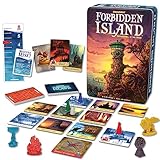
1. Gamewright - Forbidden Island - Cooperative Strategy Survival Board Game, 2-4 Players
Overview:
Forbidden Island, designed by Matt Leacock, is a foundational cooperative board game where players work together as adventurers racing to retrieve four sacred treasures from a sinking island before it vanishes. Aimed at ages 10+, it supports 2–4 players in sessions lasting 20–30 minutes, emphasizing teamwork over competition.
What Makes It Stand Out:
Its innovative tile-based board dynamically floods as the game progresses, creating escalating tension. Rich illustrations immerse players in a perilous paradise, while simple rules mask strategic depth. Unlike competitive games, it forces genuine collaboration—players share actions and discuss plans openly, making it ideal for building communication skills in family settings.
Value for Money:
Priced accessibly under $20, it offers exceptional replayability through variable island layouts and adjustable difficulty. Compared to similar strategy games, it delivers more meaningful interaction per dollar, avoiding expensive miniatures while focusing on smart design. Families gain repeated game-night value without complex expansions.
Strengths and Weaknesses:
Strengths: Intuitive rules for beginners; fosters critical thinking and teamwork; compact and portable; stunning visual design; scales well for 2–4 players. Weaknesses: Limited long-term challenge for experienced gamers; treasure retrieval can feel repetitive after many plays; minimal player agency in advanced difficulty settings.
Bottom Line:
Forbidden Island remains a must-have cooperative gateway game. Its perfect blend of approachability, tense strategy, and family-friendly engagement justifies its enduring popularity. Highly recommended for new and casual gamers seeking meaningful shared experiences.
2. Spin Master Games, SolidRoots Escaping Extinction, Cooperative Strategy Board Game from The Makers of Mind The Gap, Easter Gift, 1-4 Players, for Ages 12 & Up

Overview:
Escaping Extinction casts players as clever dinosaurs racing to assemble a 3D rocket before a meteor strikes. This cooperative game for ages 12+ supports 1–4 players in 30–45 minute sessions, blending prehistoric adventure with survival mechanics on a dynamic tile-based board.
What Makes It Stand Out:
The 3D rocket assembly and earthquake cards—which physically shift the board mid-game—create thrilling unpredictability. Each playthrough features a unique layout, while the “untold story” theme injects humor into the extinction narrative. Unlike static board games, its tactile rocket pieces and evolving terrain keep players invested in collaborative problem-solving.
Value for Money:
At $25–$30, it offers strong replay value through variable setups and high-quality components. While pricier than card-only games, the 3D elements and Spin Master’s durability justify the cost. Families gain a distinctive alternative to typical strategy games, especially as an Easter gift with its thematic novelty.
Strengths and Weaknesses:
Strengths: Highly replayable with modular board; innovative earthquake mechanic; engaging dino theme; 3D rocket assembly adds physical fun; scales smoothly for solo or group play. Weaknesses: Rocket construction can feel fiddly; theme may not resonate with all ages; shorter playtime limits strategic depth compared to heavier games.
Bottom Line:
Escaping Extinction excels as a creative, family-oriented cooperative experience. Its dynamic mechanics and charming premise make it a standout for game nights, though younger players might need guidance. A worthy pick for those seeking fresh, interactive storytelling.
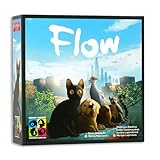
3. Flow: The Official Cooperative Board Game | Strategy Game for 1–4 Players Ages 8+ | Based on The Award-Winning Animated Film | Family & Solo Play | Survive The Flood, Rescue Allies
Overview:
Flow adapts the beloved animated film into a real-time cooperative strategy game where players guide small creatures through a flooding world to rescue allies. Designed for ages 8+ and 1–6 players, it uses a modular board and rising water mechanics to create tense, cinematic survival scenarios in 30-minute sessions.
What Makes It Stand Out:
The real-time pressure—using hourglasses instead of turns—forces quick, collaborative decisions under duress. The modular map floods progressively, altering strategies dynamically, while scenario cards ensure no two games play alike. Its emotional tie to the film and solo-play compatibility deepen its accessibility and rewatchability.
Value for Money:
Priced around $35, it delivers premium components and narrative depth uncommon in family games. Compared to similar cooperative titles, its solo mode and 11 scenarios provide exceptional longevity. The film connection adds nostalgic value, making it a compelling investment for fans and newcomers alike.
Strengths and Weaknesses:
Strengths: Unique real-time tension; high replayability via scenarios; beautiful thematic integration; smooth solo play; easy to learn but strategically rich. Weaknesses: Hourglass timing may frustrate casual players; limited player count in base game (expansions needed for 5–6); art-heavy rules require initial reference.
Bottom Line:
Flow masterfully translates its source material into an urgent, emotionally resonant game. Its innovative mechanics and versatility make it a top recommendation for families and solo gamers seeking immersive, cooperative storytelling.
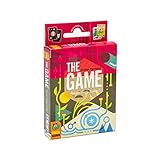
4. Pandasaurus Cooperative Strategy Card Game - Fun Interactive Family Game for Ages 8+, 1-5 Players, 20 Minute Playtime
Overview:
“The Game” is a lightning-fast cooperative card game where players collaboratively play cards from two sequential decks (2–99) while adhering to strict color-free rules. For ages 8+ and 1–5 players, it packs intense strategy into 20-minute sessions, focusing purely on communication and foresight without competitive pressure.
What Makes It Stand Out:
Its genius lies in extreme simplicity: no board, no setup, just two decks. Players must silently strategize to play all cards in ascending/descending order, fostering deep non-verbal teamwork. With 1.3 million copies sold and a Spiel Des Jahres award, it’s a global phenomenon proving that minimalism can drive maximum engagement.
Value for Money:
At $15, it’s arguably the best value in board gaming. The pocket-sized box delivers near-infinite replayability through emergent strategy and player-driven difficulty. Cheaper than most card games yet richer in depth, it outperforms pricier alternatives in pure strategic density per dollar.
Strengths and Weaknesses:
Strengths: Ultra-portable and affordable; quick to learn but endlessly challenging; brilliantly simple rules; fosters intense communication; award-winning design. Weaknesses: Zero theme may deter story-focused players; reliance on player patience (no “takebacks”); high difficulty curve frustrates some beginners.
Bottom Line:
“The Game” is essential for any game collection. Its elegant design, affordability, and brain-teasing cooperation make it a perfect gateway and staple for families and strategy enthusiasts. An unreserved buy.
5. Ravensburger Horrified Games - Greek Monsters - Strategy Board Game - Boost Critical Thinking & Teamwork - Cooperative Gameplay - Unique Monster Challenges - 1 to 5 Players - Adults & Kids 10+

Overview:
Horrified: Greek Monsters tasks players with defeating six distinct mythical foes (like Medusa and Cerberus) on a shared board. This cooperative strategy game for ages 10+ accommodates 1–5 players in 60-minute sessions, blending thematic storytelling with puzzle-like monster-specific challenges.
What Makes It Stand Out:
Each monster has unique victory conditions and behaviors, transforming every playthrough into a fresh tactical puzzle. Stunning artwork and thematic components—from the Underworld Door to lair tokens—immerse players in Greek mythology. Unlike linear cooperative games, it demands adaptive strategies as multiple threats escalate simultaneously.
Value for Money:
Priced at $30–$40, it offers substantial content: a double-sided board, 6 monster figures, and modular scenarios. Compared to narrative-driven games, it provides more strategic variety per dollar. Families gain long-term value through distinct monster matchups, though it lacks the replayability of tile-based systems.
Strengths and Weaknesses:
Strengths: Rich thematic depth; diverse monster mechanics prevent monotony; excellent components and art; strong critical thinking focus; scales well for solitaire or groups. Weaknesses: Setup time increases with player count; some monsters feel unbalanced; limited board reconfiguration reduces variability over time.
Bottom Line:
Horrified: Greek Monsters shines as a thematic, brain-teasing cooperative experience. While not flawless, its creative monster designs and teamwork focus make it a compelling choice for families seeking strategic horror-lite adventures. Highly recommended for mythology fans.
6. Happy Camper - The Four Doors | Cooperative Game by Pandemic and Forbidden Island Creator | Super Portable | Great for Solo Play, Two Players, and Groups
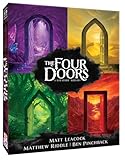
Overview: Designed by Matt Leacock (Pandemic), this compact cooperative game challenges 1-5 players to retrieve four sacred treasures within a mystical tower before sinister shadows seal the doors forever. With a 30-minute playtime and portability as core features, it targets families and travelers seeking accessible, team-based fun for ages 10+. What Makes It Stand Out: Leacock’s signature tense, cooperative design shines in its elegant simplicity. The super-portable box is a major draw, making it ideal for travel or quick game sessions. Its seamless scalability from solo to 5 players and intuitive “explore doors/unite treasures” mechanic ensure consistent engagement without complex rules. Value for Money: Priced competitively for its quality, it offers exceptional value. The streamlined design reduces component costs while maximizing replayability through variable setups. Compared to bulkier co-ops, its portability justifies the cost for on-the-go gamers, though hardcore strategists might find it less deep than Leacock’s Pandemic. Strengths and Weaknesses: Strengths: Highly portable; quick setup/learn; brilliant solo mode; elegant teamwork focus; durable components. Weaknesses: Limited strategic depth for experienced gamers; theme feels generic compared to mechanics; minimal player interaction beyond shared decisions. Bottom Line: An outstanding, travel-friendly co-op that delivers pure, accessible fun. Perfect for casual gamers, families, and newcomers to the genre, though veterans may crave more complexity. Highly recommended for its portability and flawless execution of simple teamwork.
7. The Lord of The Rings: Adventure to Mount Doom | Family Game | Cooperative Game | Strategy Game

Overview: This cooperative strategy game tasks 1-4 players with guiding Frodo across Middle-earth to destroy the One Ring within 50 minutes. Leveraging Tolkien’s iconic lore, it uses dice rolls and card draws to evade Ringwraiths and navigate perils, targeting families and LOTR fans aged 10+. What Makes It Stand Out: The immersive Tolkien theme is its standout feature, weaving narrative tension into every decision. The shared objective to shepherd Frodo past threats captures the saga’s urgency, while variable scenarios (like weather events) enhance replayability. The solo mode is unusually robust for a thematic co-op. Value for Money: It delivers solid value for LOTR enthusiasts, translating the epic journey into manageable gameplay. While components are functional (not lavish), the strong theme justifies the price against generic co-ops. However, non-fans may question costs versus deeper strategy games offering more mechanical innovation. Strengths and Weaknesses: Strengths: Deep thematic immersion; tense, narrative-driven gameplay; excellent solo adaptation; accessible rules; strong fan appeal. Weaknesses: Luck-heavy (dice/card reliance); limited strategic depth; repetitive after multiple plays; component quality is merely adequate. Bottom Line: A must-buy for Tolkien devotees seeking collaborative storytelling, but less compelling for strategy-focused gamers. Its charm lies in theme integration, making it ideal for family game nights—though replay value diminishes without lore passion.
8. Pressman The Oregon Trail Card Game - Cooperative Gameplay Based on The Classic Computer Game, Ages 12 and Up, 2-6 Players

Overview: This card game reimagines the classic computer game as a cooperative survival challenge for 2-6 players. Using retro 8-bit art, teams manage resources, avoid diseases like dysentery, and navigate the trail’s hazards, targeting nostalgic adults and teens (12+) in 30-45 minute sessions. What Makes It Stand Out: Its cheeky humor transforms grim Oregon Trail tropes (e.g., “You have died of dysentery”) into lighthearted fun. The 8-bit art style is a brilliant nostalgic touch, while cooperative card play—balancing resource scarcity and random events—faithfully captures the original’s spirit in a compact format. Value for Money: Excellent value for fans of the source material. The low price point, portability, and high re-playability (thanks to variable event cards) outshine many modern co-ops. Non-fans might find the mechanics shallow, but the humor and nostalgia deliver disproportionate enjoyment for the cost. Strengths and Weaknesses: Strengths: Hilarious theme integration; strong nostalgia factor; highly portable; quick to learn; great group laughter potential. Weaknesses: Light strategy; repetitive after many plays; humor may not land universally; minimal depth for hardcore gamers. Bottom Line: A delightful, humorous homage that punches above its weight. Perfect for casual groups and retro-gaming fans—it’s worth every penny for the laughs alone, though strategy seekers should look elsewhere.
9. The Crew - Mission Deep Sea | Card Game | Cooperative | 2 to 5 Players | Ages 10+ | Trick-Taking | 32 Levels of Difficulty | Endless Replayability
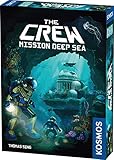
Overview: A sequel to the award-winning The Crew, this cooperative trick-taking game drops players into an underwater adventure. With 32 increasingly complex missions, 2-5 players must win specific tricks using limited communication—testing teamwork and deduction in 15-20 minute sessions for ages 10+. What Makes It Stand Out: Its ingenious twist on classic trick-taking—where players share a common goal but can’t discuss strategy freely—creates unique “aha!” moments. The mission-based campaign (32 difficulty levels) ensures staggering replayability, while the underwater theme adds playful narrative cohesion absent in traditional card games. Value for Money: Exceptional value. The mission structure provides months of fresh challenges, dwarfing one-off co-ops at similar prices. Minimal components (just cards) keep costs low, yet the depth rivals pricier strategy games. Ideal for trick-taking fans or co-op newcomers seeking progression. Strengths and Weaknesses: Strengths: Revolutionary cooperative trick-taking; immense replayability via missions; perfect scalability; sharpens deductive skills; highly portable. Weaknesses: Communication restrictions frustrate some; no free-form play outside missions; minimal theme integration beyond aesthetics. Bottom Line: A masterclass in innovative co-op design. Its campaign format and brain-teasing teamwork make it indispensable for card-game enthusiasts and a brilliant gateway for others—highly recommended for its sheer longevity and cleverness.
10. Castle Panic 2nd Edition | Cooperative Board Game for Adults and Family | Ages 8+ | for 1 to 6 Players | Average Playtime 45 Minutes | Made by Fireside Games

Overview: In this tower-defense co-op, 1-6 players collaboratively defend Castle Bravehold from monster hordes using card-based attacks. With vibrant 3D towers, illustrated boards, and modes for solo or competitive play, it delivers accessible strategy in 45 minutes for ages 8+. What Makes It Stand Out: The physical 3D towers (which crumble when destroyed) create unparalleled tactile immersion. Multiple game modes—including solo, competitive “Master Slayer,” and asymmetric “Overlord”—offer remarkable versatility. The blend of simple card play and emergent teamwork generates infectious table energy. Value for Money: Outstanding value. High-quality components (towers, monster tokens) and extensive replayability across modes justify the price. Compared to co-ops with flimsy parts, its durability and 1-6 player flexibility make it a family-game staple worth the investment. Strengths and Weaknesses: Strengths: Engaging 3D components; versatile play modes; easy to learn; fosters genuine teamwork; thrilling tension; great for mixed-age groups. Weaknesses: 3D towers can be fragile; luck-dependent card draws; competitive modes feel tacked-on; setup/storage slightly cumbersome. Bottom Line: A near-perfect family co-op. Its physicality, accessibility, and replayability make it a top-tier recommendation for groups seeking collaborative excitement—minor flaws can’t overshadow its heartwarming, tower-toppling fun.
Why Cooperative Games Revolutionize Game Nights
The Psychology of Shared Objectives
When players share a common goal, the dynamic shifts from individual triumph to collective investment. This eliminates the “alpha player” syndrome where one dominant strategist dictates moves while others disengage. Instead, cooperative mechanics encourage quieter participants to contribute ideas, knowing their input directly impacts the group’s survival. The psychological safety net of shared responsibility reduces performance anxiety—nobody fears being “the reason we lost” because failure is a team outcome, not a personal indictment. This fosters deeper social bonds and makes repeat plays more appealing.
Escaping the Competition Trap
Traditional competitive games often create emotional whiplash: elation for winners, frustration for losers. Cooperative play sidesteps this by making the game itself the worthy adversary. Instead of resentment toward opponents, players channel energy into analyzing the game’s systems and adapting tactics. This is especially valuable for mixed-skill groups where novices might feel intimidated. Without head-to-head conflict, the focus stays on the narrative and puzzle-solving, turning game nights into inclusive storytelling sessions rather than endurance tests.
Building Real-World Team Skills
Surprisingly, cooperative board games function as stealth team-building exercises. They require active listening, clear communication under pressure, and consensus-building—skills directly transferable to workplaces or community projects. Players learn to delegate based on perceived strengths (“You handle resource management; I’ll track threats”), negotiate trade-offs, and pivot strategies when plans fail. These micro-lessons in collaboration happen organically, far removed from the forced exercises of corporate retreats, making the learning feel rewarding rather than obligatory.
Critical Features to Evaluate Before Buying
Complexity vs. Accessibility Balance
Don’t mistake “cooperative” for “simple.” Games range from 15-minute family-friendly puzzles to sprawling 3-hour epics with intricate subsystems. Assess your group’s patience for rules explanations: a game needing 20 minutes of setup instructions might murder the vibe for casual players. Look for titles with “on-rails” difficulty scaling—where the game dynamically adjusts challenge based on early performance—so newcomers aren’t drowned while veterans stay engaged. The sweet spot? A game teachable in under 10 minutes with depth that reveals itself over multiple plays.
Player Count Flexibility Matters
Many cooperative games suffer from “sweet spot tyranny”—they only shine at 3 or 4 players but fall apart with 2 or 5+. Scrutinize whether the game accommodates your typical group size. Some use variable player powers to balance smaller/larger groups, while others rely on automated systems (like card-driven events) that scale smoothly. Avoid games requiring exact player counts unless your group is consistently that size. Also check if solitaire play is viable; many modern cooperative designs double as excellent solo experiences, adding unexpected replay value.
Thematic Immersion Level
The theme isn’t just window dressing—it’s the engine driving engagement. A weak theme (“place cubes to optimize resource flow”) may fail to sustain interest during complex turns, while a strong narrative (“you’re firefighters racing through a burning building”) creates organic urgency. Consider your group’s preferences: do they crave rich storytelling with character arcs, or prefer abstract puzzles where mechanics take center stage? High immersion often demands more setup (miniatures, multiple boards) but pays off in memorable moments that spark post-game discussion.
Replayability Engines
Since you’re investing in a single purchase for group enjoyment, longevity is non-negotiable. Look for games with modular boards, variable player objectives, or legacy elements that alter the experience permanently after each session. Randomized event decks or scenario books prevent predictability, ensuring the 10th play feels fresh. Crucially, avoid games where optimal strategies become obvious after two plays—true replayability means the path to victory shifts dramatically with each setup, demanding new approaches.
Decoding Cooperative Game Types
Puzzle Box Games
These function like physical escape rooms, where players collectively manipulate components to uncover hidden mechanisms. Success depends on meticulous observation and logical deduction—think deciphering symbols or sequencing actions correctly. They excel with small groups (2-4 players) who enjoy quiet concentration but can frustrate those craving dynamic interaction. The magic lies in that “aha!” moment when disparate clues click together, making victory feel earned through pure intellect rather than luck.
Narrative-Driven Campaigns
Imagine a board game that evolves like a novel, with choices carrying consequences across multiple sessions. These often feature branching story paths, character progression, and persistent world changes. They demand significant commitment but reward groups seeking deep investment. Key considerations include session length (can you finish a chapter in one night?) and whether missed sessions derail continuity. Ideal for book clubs or RPG fans wanting structured storytelling without a game master.
Real-Time Tension Builders
Forget taking turns—these games operate on ticking clocks where players act simultaneously against a shared timer. The controlled chaos forces quick decisions and prioritization under pressure, mimicking the adrenaline of defusing a bomb. While incredibly immersive, they risk overwhelming analytical players who prefer deliberation. Best introduced to groups already comfortable with communication-intensive games; the time pressure magnifies both teamwork strengths and coordination weaknesses.
Optimizing Your Group Dynamics
Mitigating Alpha Gamer Tendencies
The biggest threat to cooperative play is one player dominating decisions. Combat this through game design features like hidden information (where only certain players see critical data) or discussion phases with strict time limits. As a group, establish norms: “No move happens without group consensus” or “Rotate the ’lead strategist’ role each round.” Some games even include built-in anti-alpha mechanics, like requiring majority votes for major actions—seek these out if your group struggles with overbearing personalities.
Onboarding New Players Effectively
Never assume newcomers grasp cooperative nuances. Start with a “demo round” where the group plays against a simplified version of the game, focusing on core mechanics before introducing advanced rules. Assign a “buddy” to explain context without taking over—phrases like “What do you think we should prioritize here?” invite ownership. Crucially, normalize early losses: frame the first play as “learning the system” rather than a win/loss scenario to reduce pressure.
Managing Emotional Investment
High-stakes cooperative games can trigger genuine stress when the group is one misstep from defeat. Watch for tension spikes and build in natural pressure valves: mandatory 2-minute discussion breaks every 20 minutes, or allowing a single “mulligan” per session where the group can rewind a bad decision. Normalize celebrating near-wins (“We contained three outbreaks—that’s progress!”) to keep morale high during learning curves. Remember: the goal is shared enjoyment, not just victory.
Avoiding Common Pitfalls
The “Analysis Paralysis” Trap
When every decision feels critical, groups can freeze debating minor moves. Choose games with inherent time pressure (like sand timers for discussions) or implement house rules: “30 seconds per decision after the first hour.” Games with clear action phases (e.g., “movement phase then combat phase”) also prevent constant reevaluation. If your group chronically stalls, prioritize titles with faster turns or simultaneous action selection.
Overlooking Physical Space Requirements
Cooperative games often sprawl across tables with multiple boards, decks, and trackers. Measure your play area before purchasing—nothing kills momentum like constantly knocking over components. Prioritize games with organized component trays or those designed for compact setups if space is tight. Also consider storage: games requiring 30+ sleeved cards become impractical if your group lacks dedicated storage solutions.
Ignoring Post-Game Debrief Culture
The real magic of cooperative games happens after the final move. Dedicate 10 minutes to discuss what worked, what failed, and funny near-misses. This transforms a simple game into a shared story your group references for months (“Remember when we almost saved Paris?”). Encourage specific feedback: “How did the resource system feel?” rather than “Did you like it?"—this informs future game choices and shows players their input shapes the experience.
Future-Proofing Your Game Night
Embracing Modular Expansion Systems
Rather than buying entirely new games, seek titles with expansion ecosystems that refresh core mechanics. The best cooperative games offer modular add-ons—new villains, scenarios, or rules variants—that integrate seamlessly without overhauling setup. This extends longevity while letting your group tailor difficulty and themes. Prioritize games where expansions address specific feedback (“We need more puzzle variety” or “Harder difficulty options”).
Digital Companions as Force Multipliers
Many modern cooperative games pair with free apps that handle complex automation—tracking hidden objectives, playing atmospheric soundtracks, or managing dynamic events. These reduce cognitive load so players focus on strategy, not bookkeeping. Verify app stability and offline functionality before committing; nothing ruins immersion like a crashing app during a critical round. The right digital tool transforms fiddly mechanics into smooth, cinematic experiences.
Frequently Asked Questions
How do I prevent one person from dominating decisions in cooperative games?
Establish group norms like “no solo moves” and choose games with hidden roles or voting mechanics. Rotate a “facilitator” role who ensures everyone speaks but doesn’t dictate strategy.
Can cooperative games work well with only two players?
Absolutely—many are designed specifically for duos, often using asymmetric roles where each player has unique abilities essential to victory. Look for “2-player optimized” in descriptions.
What if my group loses repeatedly and gets discouraged?
Normalize early losses as part of the learning curve. Start with games featuring adjustable difficulty sliders, and celebrate small wins (“We lasted 5 rounds longer this time!”).
Are cooperative games suitable for young children?
Yes, but prioritize titles with cooperative storytelling elements rather than complex strategy. Look for age-appropriate themes and physical components kids can manipulate easily.
How do I find games that don’t feel like “group solitaire”?
Avoid games where players take isolated turns with minimal interaction. Seek those requiring constant discussion, shared resources, or joint decision points that demand real-time collaboration.
What’s the ideal session length for most groups?
Aim for 60-90 minutes. Games exceeding 2 hours risk fatigue unless they have natural break points. Always confirm playtime estimates match your group’s attention span.
Can cooperative games replace competitive ones entirely in my collection?
While they offer unique benefits, variety prevents burnout. Mix cooperative, competitive, and team-vs-team games to cater to different moods and group dynamics.
How important is physical setup time before playing?
Critical for maintaining energy—games requiring 20+ minutes of setup often kill enthusiasm. Prioritize titles with streamlined organization or “legacy” setups that evolve over multiple sessions.
Do cooperative games work for large groups (5+ players)?
Yes, but only with designs built for scale. Look for games using role specialization or parallel action phases to prevent downtime. Avoid turn-based systems with many players.
What’s the biggest sign a cooperative game isn’t right for my group?
If you consistently finish playing and think “I wish I’d designed my own strategy,” the game likely suffers from excessive quarterbacking or insufficient player agency—time to explore other designs.
See Also
- How to Solve Game Night Conflicts with the 10 Best Cooperative Board Games in 2026
- 10 Expert-Recommended Cooperative Board Games for Game Night Success in 2026
- Top 10 Best Cooperative Board Games for Family Game Night in 2026
- How to Choose the Best Family Cooperative Board Games for Game Night in 2026
- Top 10 Best Escape Room Board Games for Family Game Night in 2026