Table of Contents
Imagine gathering around a table where the goal isn’t to crush your friends but to lift each other up, strategize together, and celebrate collective victories. That’s the magic of cooperative board gaming – a space where competition takes a backseat to shared problem-solving and teamwork. In today’s fast-paced world, these games offer a refreshing antidote to solo screen time, fostering genuine connection and communication as players unite against a common challenge. For newcomers stepping into the board game hobby, cooperative titles are often the perfect gateway, eliminating the intimidation factor of cutthroat competition and creating a welcoming, inclusive atmosphere where everyone learns and wins (or loses) as one.
Why focus on cooperative games specifically for new players in 2026? The landscape of board gaming continues to evolve, with designers prioritizing accessibility and social interaction more than ever. Cooperative mechanics naturally encourage discussion, patience, and collaborative thinking – skills that are not only essential for mastering the game but also translate beautifully to real-world interactions. As the hobby grows beyond traditional niches, these shared-experience games break down barriers, making it easier for diverse groups to jump in without prior expertise. Whether you’re introducing non-gamers, building team dynamics, or simply craving a more harmonious game night, understanding what makes a cooperative game truly beginner-friendly is the key to unlocking countless hours of joyful, stress-free fun.
Top 10 Cooperative Board Games for New Players
Detailed Product Reviews
1. Gamewright - Forbidden Island - Cooperative Strategy Survival Board Game, 2-4 Players
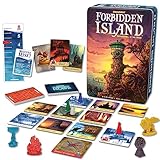
Overview: Forbidden Island is a thrilling cooperative board game where players race against time to retrieve sacred treasures from a sinking island. Designed by Matt Leacock for ages 10+, it challenges 2-4 players to collaborate, strategize, and escape before the island vanishes beneath the waves, fostering teamwork and critical thinking.
What Makes It Stand Out: Its innovative cooperative mechanics eliminate player competition, focusing entirely on collective problem-solving. Rich, immersive artwork brings the perilous island to life, while dynamic tile-based sinking mechanics ensure unpredictable tension. The game excels at teaching strategic planning and communication in an engaging, family-friendly package.
Value for Money: Priced accessibly for its quality, it offers exceptional replayability with variable island setups and difficulty levels. Compared to similar strategy games, its compact design, durable components, and broad age appeal (10+) deliver outstanding longevity for family game nights, justifying its cost as a staple addition.
Strengths and Weaknesses: Strengths: Intuitive rules, promotes genuine teamwork, stunning visuals, scalable difficulty, and strong educational value for decision-making. Weaknesses: Can feel luck-dependent with small groups, and the sinking mechanic may overwhelm younger players despite the 10+ age rating.
Bottom Line: Forbidden Island is a must-have for families seeking cooperative fun. Its blend of strategy, tension, and teamwork creates memorable experiences, making it a highly recommended investment for regular game nights.
2. Scorpion Masqué Sky Team | Voted Game of The Year 2024 | Best 2 Player Game | Work Together to Land The Plane | Ages 14+ | 20 Minutes

Overview: Sky Team is an intense, award-winning cooperative dice game where two players embody a pilot and co-pilot racing to land a plane safely. With a 20-minute playtime, it demands precise communication and trust as players navigate critical landing procedures under mounting pressure.
What Makes It Stand Out: Its genius lies in asymmetric roles—each player handles unique dice-driven tasks (e.g., speed control, wing leveling) with limited mid-action communication. The cockpit-themed components and 20 global airport scenarios (like icy runways or fuel leaks) create unparalleled immersion and replayability, justifying its 2024 Game of the Year title.
Value for Money: At a premium price point, it delivers exceptional value through masterful design and endless variability. The physical tension of the dice-rolling phase and modular scenarios far exceed expectations for a 2-player niche game, outperforming cheaper alternatives in depth and emotional engagement.
Strengths and Weaknesses: Strengths: Brilliant role asymmetry, heart-pounding tension, quick setup, and immense replayability via scenarios/modules. Weaknesses: Steep learning curve for non-gamers, high stress may frustrate some, and the 14+ age rating feels strict due to complexity.
Bottom Line: Sky Team is a near-perfect 2-player experience. Its innovative mechanics and emotional highs make it a worthy splurge for couples or strategy enthusiasts seeking intense, cooperative thrills.
3. ALLPLAY Sail Cooperative Strategy 2 Player Board Game for Adults and Family - Unique Trick Taking Card Game - Communication Limits and Challenging Scenarios in Small, Travel Size Box (5" x 5" x 2")

Overview: Sail reimagines trick-taking for two players, casting partners as pirates navigating treacherous seas. With strict communication limits and strategic “win/lose” trick mechanics, this compact game challenges duos to steer their ship to safety while evading the Kraken—all within a portable 5x5-inch box.
What Makes It Stand Out: The enforced silence during play creates unique tension, forcing players to anticipate each other’s moves through clever card combos and pirate-specific abilities. Its travel-friendly size belies deep strategic layers, and the pirate theme integrates seamlessly with mechanics like escaping the Kraken, offering fresh twists on classic trick-taking.
Value for Money: Exceptional for its portability and niche focus. While light on components, the innovative communication constraints and high replayability (via challenging scenarios) provide more strategic depth than similarly priced travel games, ideal for on-the-go strategy fans.
Strengths and Weaknesses: Strengths: Brilliant communication limits, highly portable, original theme-mechanic fusion, and fast-paced. Weaknesses: Limited player count (only 2), thin card stock, and the silence rule may frustrate those preferring discussion.
Bottom Line: Sail is a standout travel game for duos. Its inventive constraints and compact design make it a top pick for couples or friends seeking a mentally engaging, portable cooperative challenge.
4. Asmodee Pandemic Board Game (Base Game) - A Cooperative Battle to Save Humanity, Strategy Game for Kids and Adults, Ages 8+, 2-4 Players, 45 Minute Playtime

Overview: Pandemic is the iconic cooperative game where players work as a disease-control team racing to cure four deadly outbreaks before infections overwhelm the world. Suitable for ages 8+, it combines strategic role-playing with urgent teamwork in 45-minute sessions that captivate families and seasoned gamers alike.
What Makes It Stand Out: Its perfect “co-op” formula—you either win or lose together—creates unmatched group investment. Unique character roles (like Medic or Scientist) encourage strategic specialization, while the escalating outbreak mechanic generates relentless tension. It’s a masterclass in accessible yet deeply strategic design.
Value for Money: A benchmark for cooperative games, Pandemic justifies its price with near-limitless replayability (random setups, variable difficulty) and robust components. Cheaper alternatives often lack its refined balance, making it a timeless investment that sparks repeated game nights.
Strengths and Weaknesses: Strengths: Seamless teamwork emphasis, perfect difficulty curve, inclusive for young players, and educational for planning skills. Weaknesses: Can suffer from “alpha gamer” syndrome, and the base game’s simplicity may bore hardcore strategists seeking expansions.
Bottom Line: Pandemic remains essential for any game library. Its flawless execution and universal appeal make it the gold standard for cooperative play—a definitive buy for families and strategy fans.
5. Spin Master Games, SolidRoots Escaping Extinction, Cooperative Strategy Board Game from The Makers of Mind The Gap, for Kids & Family, 1-4 Players, for Ages 12 & Up

Overview: Escaping Extinction casts players as dinosaurs racing to build a rocket and flee an asteroid-bound world. This cooperative adventure tasks 1-4 players (ages 12+) with gathering parts across a dynamic prehistoric landscape while surviving earthquakes and evolving threats in 45-60 minute sessions.
What Makes It Stand Out: The modular tile-based board ensures every game unfolds differently, with earthquake cards dynamically reshaping paths. The 3D rocket assembly adds tactile excitement, and the dinosaur theme—rare in co-ops—delivers charming novelty while maintaining strategic depth through mission-based objectives.
Value for Money: Solid for its thematic uniqueness and replayability. Though components are modest, the variable board and multiple win conditions offer strong longevity. It’s competitively priced against similar strategy games, especially as a conversation-starting alternative to Pandemic-style titles.
Strengths and Weaknesses: Strengths: Highly replayable board, engaging 3D element, family-accessible strategy, and creative theme. Weaknesses: Artwork feels less polished than competitors, and the 12+ rating may exclude younger kids due to complex planning.
Bottom Line: Escaping Extinction is a refreshing, replayable co-op with clever mechanics. While not flawless, its dynamic board and unique premise make it a recommended addition for families craving innovative strategy fun.
6. Flow: The Official Cooperative Board Game | Strategy Game for 1–4 Players Ages 8+ | Based on The Award-Winning Animated Film | Family & Solo Play | Survive The Flood, Rescue Allies
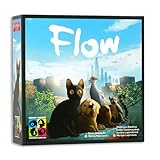
Overview: Flow translates the poignant animated film into a real-time cooperative board game where players work as a team to navigate a beautifully illustrated, modular world threatened by rising floodwaters. Designed for 1-6 players aged 8+, it emphasizes quick decision-making and shared strategy to rescue allies before time runs out. What Makes It Stand Out: The dynamic, shifting game board with its rising water mechanic creates genuine tension and forces constant adaptation, simulating the film’s emotional urgency. Its seamless solo-play integration and strong thematic immersion, directly reflecting the movie’s aesthetic and narrative, are exceptional. The 11 unique scenarios ensure no two games play alike. Value for Money: Priced competitively for a high-quality cooperative experience, Flow offers remarkable replayability through its modular tiles and scenario cards. It surpasses many similarly priced games by including robust solo rules and delivering a deeply thematic, visually stunning package that appeals to both families and strategy gamers. Strengths and Weaknesses: Strengths: Highly immersive theme; innovative real-time pressure; excellent solo mode; beautiful components; strong replayability. Weaknesses: Real-time element may stress younger players; setup can be fiddly with many tiles; limited strategic depth for hardcore gamers compared to heavier euros. Bottom Line: Flow is a captivating, beautifully crafted cooperative gem that successfully adapts its source material. Its unique tension, accessibility for families, and surprising solo viability make it a standout recommendation for thematic gamers and film fans seeking a meaningful shared challenge.
7. Happy Camper - The Four Doors | New Cooperative Game by Creator of Forbidden Island and Pandemic | Super Portable | Great for Solo Play, Two Players, and Groups
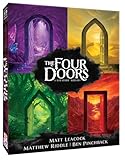
Overview: From Matt Leacock (Pandemic) and team, Happy Camper: The Four Doors is a compact cooperative adventure where players explore a mystical tower, seeking four sacred treasures before sinister shadows seal the doors forever. Designed for 1-5 players aged 10+, it delivers a focused 30-minute experience ideal for quick sessions. What Makes It Stand Out: Leacock’s signature cooperative design shines through in its elegant, accessible mechanics and escalating tension. The super-portable size (perfect for travel) and seamless scalability from solo to 5 players are major highlights. The unique “door” exploration and treasure-unification mechanics offer fresh strategic puzzles within a tight timeframe. Value for Money: Excellent value given its portability, designer pedigree, and consistent quality. It punches above its weight compared to bulkier games, offering a complete, satisfying cooperative challenge at a reasonable price point. The replayability through varied setups justifies the cost for fans of quick, strategic co-ops. Strengths and Weaknesses: Strengths: Extremely portable; masterfully balanced for all player counts; quick setup and playtime; tense yet accessible decision-making; strong solo mode. Weaknesses: Lighter strategic depth than Leacock’s heavier games; limited component variety; theme, while pleasant, is less immersive than some competitors. Bottom Line: Happy Camper: The Four Doors is a near-perfect portable cooperative game. Its ingenious design, flawless scalability, and travel-friendly size make it an essential pick for co-op fans seeking a consistently engaging, bite-sized adventure that works brilliantly solo or with a small group.
8. Avalon Hill Hasbro Gaming Betrayal at The House on The Hill 3rd Edition Cooperative Board Game,Ages 12 and Up,3-6 Players,50 Chilling Scenarios

Overview: Betrayal at House on the Hill 3rd Edition is a narrative-driven, semi-cooperative horror game where players explore a haunted mansion room by room. The twist? Once the haunt begins, one player becomes a traitor, pitting them against the heroes in one of 50 unique scenarios. This refreshed edition targets ages 12+ for 3-6 players. What Makes It Stand Out: The core “haunt” mechanic—where random events trigger a dramatic shift from cooperation to conflict—is brilliantly unpredictable and creates unforgettable moments. The 3rd Edition boasts improved accessibility with clearer rules, better artwork, and 12 new diverse characters, enhancing the already stellar replayability offered by the 50 scenarios. Value for Money: Represents solid value for a highly replayable narrative experience. The inclusion of finely detailed miniatures, diverse scenarios, and quality components justifies its price, especially considering the sheer number of unique stories generated. It outperforms many static narrative games on longevity. Strengths and Weaknesses: Strengths: Unmatched scenario variety and replayability; thrilling traitor mechanic; strong thematic immersion; significant accessibility improvements in 3rd Ed; great miniatures. Weaknesses: Potential for long downtime before the haunt; scenario quality can be uneven; traitor player may dominate post-betrayal; luck-dependent exploration phase. Bottom Line: This 3rd Edition revitalizes a classic with crucial refinements. It remains a top-tier recommendation for groups seeking dynamic, story-rich gaming nights filled with suspense and surprising twists, despite minor pacing issues inherent to its design.
9. Castle Panic 2nd Edition | Cooperative Board Game for Adults and Family | Ages 8+ | for 1 to 6 Players | Average Playtime 45 Minutes | Made by Fireside Games

Overview: Castle Panic 2nd Edition is a cooperative tower-defense game where players work as a team to fend off waves of monsters attacking Castle Bravehold from multiple paths. With 1-6 players (ages 8+) battling for roughly 45 minutes, the goal is simple: protect at least one tower from being destroyed. What Makes It Stand Out: Its brilliant blend of accessibility and strategic depth shines through. The intuitive card-play system, vibrant 3D towers, and multiple game modes (including solo and competitive Overlord) cater to diverse groups. The constant pressure from incoming threats—bosses, boulders, plagues—creates genuine edge-of-your-seat teamwork without overwhelming complexity. Value for Money: Offers exceptional bang for buck. The high-quality components (towers, monster tokens), short playtime, and immense replayability across its four distinct modes provide far more value than its price suggests, especially for families seeking engaging group play. Strengths and Weaknesses: Strengths: Extremely easy to learn; fosters genuine teamwork; tense, fast-paced gameplay; excellent solo and variant modes; great component quality; perfect for mixed-age groups. Weaknesses: Can feel chaotic with max players; limited strategic depth for hardcore gamers; theme is functional but not deeply immersive. Bottom Line: Castle Panic 2nd Edition is a near-perfect family co-op game. Its seamless blend of accessibility, thrilling tension, and replayability makes it a must-have for game nights, effortlessly bringing players together for consistently fun, collaborative defense.
10. Asmodee Choose Your Own Adventure: House of Danger Board Game - Embark on a Perilous Journey in this Cooperative Narrative Adventure, Ages 10+, 1+ Players, 1+ Hour Playtime
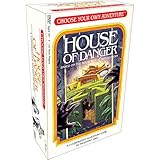
Overview: House of Danger is a cooperative narrative adventure where players become junior detectives infiltrating a haunted mansion to rescue a missing agent. Using a unique app-driven system (replacing the classic book), it guides players through a branching story filled with puzzles, choices, and perilous encounters for 1-5 players aged 10+. What Makes It Stand Out: The seamless integration of a free companion app replaces dice and complex rules, dynamically narrating the story, tracking choices, and adjusting difficulty. This creates a highly immersive, cinematic experience with genuine reactivity—your decisions directly shape the unfolding mystery and outcome, offering significant replay value to uncover all paths. Value for Money: Excellent value as a premium narrative experience. The app-driven design eliminates setup and rulebook dependency, while the high-quality components and substantial content (multiple endings, hidden clues) provide hours of engaging play. It surpasses traditional choose-your-own-adventure books in depth and interactivity. Strengths and Weaknesses: Strengths: Highly immersive app-guided storytelling; accessible rules; strong replayability; perfect for solo play; minimal setup; tense, thematic atmosphere. Weaknesses: Requires device/speaker; app dependency limits play without power; some puzzles can feel trial-and-error; limited physical component interaction. Bottom Line: House of Danger is a masterclass in modern narrative gaming. Its innovative app integration delivers a consistently thrilling, accessible adventure, making it a top recommendation for families and solo players seeking a deeply engaging, story-driven cooperative experience. (Note: Features list player count error; supports 1-5 players).
Understanding Cooperative Game Mechanics for Beginners
Core Principles of True Cooperation
True cooperative games require players to work together against the game system itself, not against each other. This means shared goals, open communication (usually encouraged or required), and collective victory or defeat. Understanding this fundamental shift from competitive play is crucial for new players; it changes the entire mindset from “how do I beat you?” to “how do we solve this puzzle together?”. Look for games where player elimination is rare or non-existent, ensuring everyone stays engaged until the very end.
The Role of the Game System as the “Opponent”
In well-designed cooperative experiences, the game mechanics themselves act as the intelligent adversary. This “opponent” should present escalating challenges that feel dynamic and responsive, not just random chaos. For beginners, it’s vital that this system has clear, predictable patterns or rules that players can learn and strategize against. A good system teaches through play, offering subtle clues about its behavior so new players can gradually grasp how to anticipate and counter its moves without feeling overwhelmed by pure luck.
Managing Information Flow and Shared Knowledge
How information is handled significantly impacts the beginner experience. Some games use “hidden information” mechanics where players have secret roles or knowledge, adding depth but potentially confusion for newcomers. Games ideal for first-timers often feature “open information” – where all relevant game state is visible to everyone. This transparency simplifies decision-making, allows for genuine group discussion (“What do we see? What should we do?”), and prevents frustration caused by critical secrets one player holds but forgets to share.
Essential Features for New Player Accessibility
Streamlined Rules Complexity
The most welcoming cooperative games for beginners present core rules that can be explained in under 10 minutes. Complexity should scale with gameplay, introducing advanced elements only after the foundational mechanics are understood through play. Avoid games with dense rulebooks or numerous exception-based mechanics early on. Look for intuitive action systems – like “take 2 actions from this simple list” – that let players focus on collaboration rather than rule memorization. A smooth learning curve is non-negotiable for a positive first impression.
Intuitive Iconography and Component Design
Visual clarity is paramount. Components should be purposeful and easy to interpret at a glance, with consistent, logical iconography that minimizes text reliance. For new players, a well-designed game board or player mat acts as a constant visual reminder of available actions and game state. Physical components that feel substantial and have clear purposes (e.g., distinct tokens for health vs. resources) reduce cognitive load, allowing players to concentrate on strategy and teamwork instead of deciphering what a piece represents.
Balanced Challenge Level for Learning
The ideal difficulty curve for beginners starts achievable but offers meaningful growth. Early scenarios or introductory modes should be winnable with basic cooperation, providing that crucial first taste of success to build confidence. Crucially, the game should offer clear pathways for adjusting difficulty – perhaps through modular rules, variable setup, or adjustable threat levels – allowing groups to calibrate the challenge as their skills develop. A game that’s consistently too hard leads to frustration; one that’s too easy loses replay value quickly.
Choosing the Right Theme and Immersion
Theme as a Teaching Tool
A strong, cohesive theme isn’t just flavor; it actively aids learning for newcomers. When game mechanics logically connect to the narrative (e.g., “healing” actions make thematic sense in a medical emergency game), players intuitively grasp why certain actions work. This thematic resonance provides natural memory hooks for rules, making it easier to remember what cards or tokens do. For beginners, a theme that clearly frames the problem (“We’re defusing bombs!” or “We’re curing diseases!”) immediately sets the cooperative context and guides initial strategy discussions.
Avoiding Theme Overload
While theme is important, overwhelming sensory input or overly complex backstories can hinder new players. Games with excessively grimdark settings, convoluted lore requiring pre-reading, or miniature-heavy setups demanding assembly can create unnecessary barriers. Prioritize titles with accessible, universally understandable themes (exploration, puzzle-solving, community building) that engage without demanding deep genre knowledge. The theme should enhance, not obscure, the core cooperative gameplay loop.
Replayability Through Thematic Variation
Long-term engagement for new players hinges on feeling like each session offers a fresh experience. Look for cooperative games that achieve replayability through modular boards, variable objectives, randomized events, or branching narratives – all within the established theme. This variety prevents the game from feeling repetitive while allowing players to deepen their understanding of the core mechanics across different scenarios, reinforcing learning through diverse applications.
Optimizing the Group Experience
Ideal Player Count Flexibility
Games accommodating a range of player counts (typically 2-4 or 2-5) are far more practical for beginners whose groups may fluctuate. Crucially, the game should scale intelligently: adding a player shouldn’t just mean adding more tokens, but should adjust the challenge meaningfully. Avoid games where the experience changes drastically (or falls apart) at the minimum or maximum player count. Consistent, enjoyable gameplay across the intended range ensures the game gets played more often, solidifying new players’ interest in the hobby.
Managing Player Downtime and Engagement
“Analysis Paralysis” (AP) – where one player takes excessive time making decisions – is a common cooperative game pitfall that can frustrate newcomers. Beginner-friendly designs incorporate mechanics to keep everyone involved: simultaneous action selection, limited discussion timers, or distinct player roles with ongoing responsibilities. Look for systems where all players have meaningful decisions to make each round, minimizing idle waiting and preventing one dominant player from controlling the entire strategy, which can alienate others.
Fostering Positive Group Dynamics
The best cooperative games for new players subtly encourage healthy communication norms. Mechanics that require players to explain their reasoning, justify predictions, or delegate tasks build constructive dialogue habits. Games that avoid “quarterbacking” (one player dictating all moves) through hidden roles or individual objectives within the shared goal promote more equitable participation. Consider how the game structure supports your group’s social dynamics – does it encourage listening, compromise, and shared ownership of decisions?
Practical Considerations for Long-Term Enjoyment
Setup and Teardown Efficiency
New players are more likely to embrace a game if getting it to the table is effortless. Prioritize cooperative games with intuitive organization – trays, clearly labeled bags, or logical component grouping – that cut setup time to under 5 minutes. Similarly, a teardown process that’s equally swift (under 3 minutes) removes a significant barrier to repeated plays. Games requiring meticulous sorting of dozens of tiny cards or complex board assembly after every session will gather dust, no matter how good the gameplay is.
Durability and Component Longevity
As a new player invests in their first games, component quality matters. Thicker cardstock, sturdy tokens, and resilient boards withstand frequent plays and enthusiastic handling. For cooperative games often played with larger groups or less experienced handlers (including younger players), durability is key to maintaining the game’s condition and playability over time. Avoid titles relying heavily on flimsy materials or easily lost micro-components that diminish the experience on subsequent plays.
Clear Pathways to Mastery
A great beginner cooperative game doesn’t just teach its basics; it lays the groundwork for deeper strategic understanding. Look for designs where initial plays focus on survival and basic mechanics, but subsequent games reveal nuanced tactics, optimal role synergies, or advanced planning opportunities. This layered depth keeps the game engaging as skills improve, transforming it from a simple introductory title into a lasting favorite. The best games offer “aha!” moments that feel earned through group learning.
Future-Proofing Your Cooperative Game Selection
Community Support and Scenario Expansion
Consider the game’s ecosystem beyond the box. Titles with active developer support, readily available (and free) additional scenarios, or a vibrant community creating house rules offer extended value. For new players dipping their toes into the hobby, knowing there’s a roadmap for fresh challenges prevents the game from becoming stale. Check if the publisher has a history of supporting introductory titles with free digital aids or printable content that enhances replayability.
Adaptability to Evolving Group Skills
Your ideal beginner game should grow with your group. Seek designs that include official difficulty sliders, modular complexity modules, or distinct “campaign” modes that gradually introduce new mechanics. This adaptability ensures the game remains challenging and relevant as players move from understanding the rules to mastering sophisticated strategies, eliminating the need to immediately purchase a more complex “next step” game.
Integration with Modern Gaming Habits
In 2026, consider how seamlessly a cooperative game fits into contemporary lifestyles. Does it offer quality short-play variants (under 30 minutes) for busy schedules? Is there robust solo-play capability for practice or when the group can’t gather? Games that respect players’ time and offer flexibility in session length or player count through well-integrated variants demonstrate thoughtful design for today’s realities, increasing the likelihood of consistent play.
Frequently Asked Questions
What makes a cooperative game truly beginner-friendly compared to competitive ones?
Beginner-friendly cooperative games minimize complex rules overhead, eliminate player elimination, encourage open communication, and frame challenges against the game system itself, reducing social pressure and creating a supportive learning environment where everyone succeeds or fails together.
How long should a good introductory cooperative game take to learn and play?
Aim for games where core rules can be explained in 5-10 minutes, with a first playthrough lasting 30-45 minutes. Long setup times, dense rulebooks, or sessions exceeding 60 minutes for beginners often lead to frustration and disengagement.
Can cooperative games work well with just two players?
Yes, many modern cooperative designs scale effectively for two players, often through adjusted difficulty settings or specialized rules. Check the game’s specified player count range and look for explicit “2-player mode” instructions to ensure a balanced experience.
How do I prevent one person from dominating decisions (“quarterbacking”)?
Choose games with mechanics that distribute decision-making, like individual hidden roles, simultaneous action selection, or time pressure. Encourage group norms where players must justify moves and actively solicit input from quieter members during discussions.
Are cooperative games suitable for young children?
Absolutely, but select titles specifically designed for family play with age-appropriate themes, minimal reading, and tactile components. Look for cooperative games with cooperative play recommended for ages 6-8+ that focus on simple pattern recognition or shared dexterity challenges.
What if our group keeps losing? Is the game too hard?
Frequent losses often indicate the difficulty isn’t calibrated for your group’s skill level. Most quality cooperative games include adjustable difficulty sliders, optional rules, or introductory scenarios. Start on the easiest setting and gradually increase challenge as your group masters the fundamentals.
Do cooperative games require a lot of table space?
Not necessarily. Many excellent beginner-friendly cooperative games feature compact boards, card-driven mechanics, or modular setups that adapt to smaller tables. Always check component dimensions before purchasing if space is limited.
How important is theme when choosing a first cooperative game?
Theme is very important for beginners as it provides context that makes rules intuitive and memorable. Choose a theme your group finds engaging and relatable (like exploration or community building), as it significantly lowers the cognitive load of learning mechanics.
Can cooperative games be played solo effectively?
Many modern cooperative games include robust solo variants specifically designed for single players, often adjusting the AI or challenge structure. Check publisher details for official solo rules, as not all cooperative games translate well to solo play without modifications.
What’s the biggest mistake new cooperative game groups make?
The most common pitfall is allowing one player to control all decisions (“alpha gamer” syndrome). Encourage equal participation, use games with mechanics that prevent quarterbacking, and remember the goal is collaborative problem-solving, not one person directing everyone else.
See Also
- 10 Best Budget Cooperative Board Games Under $30 for New Players in 2026
- 10 Cooperative Board Games Recommendations for New Players in 2026
- We Tested 50 Cooperative Board Games - Here are the 10 Best for Two Players in 2026
- 10 Game-Changing Strategy Cooperative Board Games for Brainy Players in 2026
- The 10 Ultimate Best Cooperative Board Games for Two Players in 2026