Table of Contents
Building genuine connections in today’s fast-paced, often remote, work environments feels increasingly challenging. Traditional team-building exercises can sometimes fall flat, leaving participants feeling awkward or disconnected rather than energized and unified. What if the secret to unlocking authentic collaboration wasn’t another trust fall or forced icebreaker, but something genuinely fun and engaging? Cooperative board games offer a surprising yet powerful solution, transforming abstract concepts like communication and strategic planning into tangible, shared experiences where everyone wins or loses together. This shift from individual competition to collective problem-solving creates a unique psychological safety net, allowing teams to experiment, make mistakes, and learn without the fear of personal blame.
Imagine a room buzzing with focused energy: colleagues leaning in, debating strategies, sharing insights, and celebrating small victories as a unified group. This isn’t a rare corporate utopia; it’s the common outcome when teams dive into the right cooperative board game. These games bypass the artificiality of many workplace activities by presenting a compelling, neutral challenge that demands collective intelligence. They reveal natural communication styles, highlight hidden strengths within the group, and foster empathy as players navigate shared obstacles. More than just a fun distraction, the right cooperative game becomes a dynamic microcosm of effective teamwork, providing immediate, observable feedback on group dynamics and offering a low-stakes environment to practice and refine essential collaborative skills crucial for real-world projects.
Top 10 Cooperative Board Games
Detailed Product Reviews
1. Gamewright - Forbidden Island - Cooperative Strategy Survival Board Game, 2-4 Players
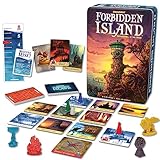
Overview: Forbidden Island is a foundational cooperative board game where 2-4 players race against time to retrieve four sacred treasures from a sinking island before it vanishes. Designed by Matt Leacock for ages 10+, it emphasizes teamwork over competition, making it ideal for family game nights focused on shared problem-solving.
What Makes It Stand Out: Its elegant, accessible mechanics set it apart. The island tiles physically sink as the game progresses, creating tangible tension and dynamic board changes. Rich, thematic artwork immerses players in the perilous adventure, while the cooperative nature—where everyone wins or loses together—fosters genuine collaboration and strategic communication without player elimination.
Value for Money: Priced moderately, it delivers exceptional value through high replayability (variable difficulty levels, random tile setups) and durable components. It outshines many competitive family games by offering meaningful shared experiences, justifying its cost as a long-term staple rather than a one-time play.
Strengths and Weaknesses: Strengths: Intuitive rules (learnable in 5 minutes), strong replay value, excellent teamwork focus, visually engaging. Weaknesses: Can feel luck-dependent on higher difficulties; limited strategic depth for hardcore gamers; player count capped at four.
Bottom Line: A near-essential cooperative gateway game that excels in accessibility, tension, and family bonding. Highly recommended for new board gamers and families seeking collaborative fun, though seasoned strategists might crave more complexity.
2. Ravensburger Horrified Games - Greek Monsters - Strategy Board Game - Boost Critical Thinking & Teamwork - Cooperative Gameplay - Unique Monster Challenges - 1 to 5 Players - Adults & Kids 10+

Overview: Horrified: Greek Monsters challenges 1-5 players to work together as heroes defending the realm of Elysium from six distinct Greek mythological threats like Medusa and Cerberus. This cooperative strategy game blends thematic storytelling with tactical puzzle-solving, targeting families and casual gamers aged 10+.
What Makes It Stand Out: The game shines through its six unique monster mechanics—each requiring completely different strategies to defeat (e.g., avoiding Medusa’s gaze, luring Cerberus). Exquisite, thematic artwork and components deepen immersion, while the modular board ensures varied layouts. The 60-minute playtime balances depth with accessibility.
Value for Money: Competitively priced for its component quality and scope, it offers remarkable replayability due to the six monsters. Unlike many cooperative games, mastering all threats provides significant long-term engagement, making it cost-effective compared to standalone monster-focused alternatives.
Strengths and Weaknesses: Strengths: Exceptional monster variety, strong theme integration, scalable player count (1-5), beautiful art, promotes critical thinking. Weaknesses: Rulebook clarity can be tricky initially; some monster mechanics feel unbalanced; limited strategic depth for advanced gamers.
Bottom Line: A standout thematic cooperative experience that transforms mythological horror into accessible family fun. Highly recommended for groups who enjoy varied challenges and rich storytelling, despite minor rule ambiguities.
3. Flow: The Official Cooperative Board Game | Strategy Game for 1–4 Players Ages 8+ | Based on The Award-Winning Animated Film | Family & Solo Play | Survive The Flood, Rescue Allies
Overview: Flow translates the emotional journey of the acclaimed animated short into a real-time cooperative board game for 1-4 players (ages 8+). Players guide small boats across a modular board representing a rising flood, rescuing animal allies while navigating dynamically shifting terrain under time pressure.
What Makes It Stand Out: The real-time “rising water” mechanic creates intense urgency—players must make rapid decisions without turns. Modular board tiles and 11 scenario cards ensure high replayability, while the film’s serene aesthetic is beautifully captured in the art. Solo mode functions seamlessly, a rarity in narrative-driven games.
Value for Money: Priced accessibly, it offers substantial value through its solo/co-op flexibility and near-infinite scenarios. The emotional resonance of the source material adds intangible worth, outperforming generic flood-themed games by delivering a cohesive, thematic experience that justifies its cost.
Strengths and Weaknesses: Strengths: Innovative real-time pressure, exceptional replayability, strong solo implementation, beautiful thematic art, emotionally engaging. Weaknesses: Real-time element may overwhelm younger players; setup can be fiddly; limited strategic depth beyond immediate reactions.
Bottom Line: A compelling, atmospheric cooperative game that masterfully adapts its source material. Recommended for families and solo gamers seeking tense, thematic play, though the real-time aspect may not suit all groups.
4. Pressman The Oregon Trail Card Game - Cooperative Gameplay Based on The Classic Computer Game, Ages 12 and Up, 2-6 Players

Overview: This card game distills the nostalgia of the iconic computer game into a cooperative 2-6 player experience for ages 12+. Players manage a wagon train heading west, battling dysentery, broken wheels, and river crossings while striving to reach Oregon with supplies intact, all wrapped in retro 8-bit aesthetics.
What Makes It Stand Out: Its cheeky humor transforms grim historical challenges (like “You have died of dysentery”) into lighthearted moments, staying true to the original game’s spirit. The simple card-driven mechanics—drawing hazard cards and playing resource cards to overcome them—create quick, accessible gameplay with strong fan-service appeal.
Value for Money: An affordable entry-point for Oregon Trail fans, it delivers solid value through rapid 20-30 minute sessions and high re-playability driven by randomness. While less complex than modern strategy games, its niche nostalgia and portability make it a worthwhile impulse buy for retro gaming enthusiasts.
Strengths and Weaknesses: Strengths: Strong nostalgic charm, easy rules, fast setup/play, humorous tone, supports up to 6 players. Weaknesses: Shallow strategy; high luck dependency; limited depth for non-fans; retro art may not appeal to all.
Bottom Line: A fun, nostalgic romp perfect for fans of the digital classic or casual game nights, but lacks strategic depth for serious board gamers. Worth buying for the laughs and familiarity alone.
5. Pandasaurus Cooperative Strategy Card Game - Fun Interactive Family Game for Ages 8+, 1-5 Players, 20 Minute Playtime
Overview: “The Game” is an award-winning cooperative card game where 1-5 players work together to play all cards from two shared decks in ascending and descending sequences. Designed for ages 8+, it emphasizes communication and deduction within a tight 20-minute runtime, focusing purely on collective strategy.
What Makes It Stand Out: Its deceptive simplicity hides profound depth—players can only state numerical hints about teammates’ cards, forcing creative communication within strict limits. Winning requires near-perfect synergy, creating intense “aha!” moments. As a Spiel Des Jahres winner with 1.3M+ copies sold, its minimalist design and pure cooperative challenge are unparalleled.
Value for Money: Exceptionally high value; the compact box contains immense replayability through skill mastery. At its price point, it outperforms bulkier games by delivering countless sessions of brain-teasing fun, making it a must-have for fans of deduction and teamwork.
Strengths and Weaknesses: Strengths: Brilliant communication mechanics, highly addictive, short playtime, exceptional replayability, award-winning depth. Weaknesses: Frustrating luck elements in card draws; minimal theme; difficult for young children despite age rating.
Bottom Line: A masterclass in minimalist cooperative design. Highly recommended for groups who relish communication puzzles and strategic depth, though its abstract nature may not suit theme-driven players.
6. Spin Master Games, SolidRoots Escaping Extinction, Cooperative Strategy Board Game from The Makers of Mind The Gap, for Kids & Family, 1-4 Players, for Ages 12 & Up

Overview: SolidRoots Escaping Extinction casts players as clever dinosaurs racing against time to build a 3D rocket and escape an impending meteor strike. This cooperative strategy game tasks families with exploring a dynamic prehistoric world to gather rocket components before catastrophe strikes. What Makes It Stand Out: The game shines with its tile-based modular board, ensuring a unique layout and challenge every playthrough. The innovative “earthquake cards” dynamically shift the board mid-game, introducing thrilling unpredictability and demanding adaptive teamwork. The tangible 3D rocket assembly provides a satisfying physical goal beyond standard board mechanics. Value for Money: Priced competitively within the family strategy segment, it offers strong replayability thanks to the variable board and earthquake mechanics. While the theme might feel niche compared to broader appeal games, the high-quality components and Spin Master’s reputation for family entertainment justify the cost for households seeking engaging, non-competitive strategy. Strengths and Weaknesses: Strengths: Highly replayable layout, exciting earthquake mechanic, tangible 3D rocket goal, promotes genuine cooperation. Weaknesses: Theme may not resonate with all families, component durability of the 3D rocket could be a concern, strategy depth might feel light for hardcore gamers despite the age recommendation. Bottom Line: SolidRoots Escaping Extinction delivers a fun, visually engaging cooperative experience perfect for family game nights seeking light strategy and shared problem-solving, though its niche theme slightly limits universal appeal.
7. The Lord of The Rings: Adventure to Mount Doom | Family Game | Cooperative Game | Strategy Game

Overview: Adventure to Mount Doom transports players into Tolkien’s Middle-earth as they cooperatively guide Frodo Baggins towards Mount Doom to destroy the One Ring. This family-friendly strategy game condenses the epic quest into a focused, dice-and-card-driven race against the encroaching forces of Sauron. What Makes It Stand Out: Its greatest strength is distilling the beloved LOTR narrative into accessible, cooperative gameplay. The focus on evading Ringwraiths through strategic card play and dice rolls creates genuine tension. The ability to play solo adds significant flexibility, making it ideal for fans wanting a quick thematic fix without needing a full group. Value for Money: Offering a solid 50-minute immersive Tolkien experience at a mid-range price point, it provides good value, especially for franchise enthusiasts. While component quality might not match premium LOTR games, the core mechanics deliver the essential cooperative journey effectively and affordably compared to more complex alternatives. Strengths and Weaknesses: Strengths: Strong thematic immersion for LOTR fans, simple yet engaging cooperative mechanics, versatile solo play option, captures the perilous journey feel. Weaknesses: Gameplay mechanics are relatively basic, component quality is functional but not deluxe, may lack strategic depth for experienced board gamers despite the age suggestion. Bottom Line: A charming and accessible entry-point into cooperative LOTR gaming, ideal for families and fans seeking a thematic, moderately challenging adventure, though seasoned gamers might desire more complexity.
8. Castle Panic 2nd Edition | Cooperative Board Game for Adults and Family | Ages 8+ | for 1 to 6 Players | Average Playtime 45 Minutes | Made by Fireside Games

Overview: Castle Panic 2nd Edition is a beloved cooperative tower defense game where players unite to protect the medieval stronghold of Castle Bravehold from relentless monster hordes. With simple rules but escalating tension, it challenges 1-6 players to strategically coordinate card plays to fend off attacks from all sides. What Makes It Stand Out: The game excels with its accessible yet deeply strategic gameplay centered around the iconic 3D cardboard towers. The inclusion of multiple modes (Co-op, Solo, Master Slayer competitive, Overlord) dramatically boosts replayability. Plagues, boulders, and boss monsters introduce chaotic, exciting twists that force dynamic teamwork and tough decisions every turn. Value for Money: Exceptional value is offered through its high player count range (1-6), multiple game modes, durable components including sturdy 3D towers, and consistent 45-minute play sessions packed with action. It outperforms many competitors in replayability and group engagement at its price point. Strengths and Weaknesses: Strengths: Highly accessible rules, superb replayability via multiple modes, excellent for large groups, tense & satisfying cooperative play, durable 3D components. Weaknesses: Can suffer from “alpha player” syndrome in large groups, artwork/theme might feel generic to some, competitive modes slightly disrupt the core cooperative spirit. Bottom Line: Castle Panic 2nd Edition remains a top-tier, must-have cooperative game for families and groups, offering unmatched accessibility, thrilling tension, and immense replay value for its cost – a true board game night staple.
9. Happy Camper - The Four Doors | New Cooperative Game by Creator of Forbidden Island and Pandemic | Super Portable | Great for Solo Play, Two Players, and Groups
Overview: Happy Camper: The Four Doors, designed by Pandemic’s Matt Leacock, is a compact cooperative adventure where players explore a mystical light tower to recover four sacred treasures before sinister shadows seal the doors. Designed for intense, portable gameplay sessions. What Makes It Stand Out: Leacock’s signature cooperative design shines in this super-portable package. The innovative “door” exploration mechanism creates a unique spatial puzzle as players navigate the tower’s quadrants. Its exceptional portability, combined with robust solo and small-group play (1-5 players), makes it a standout travel game without sacrificing strategic depth. Value for Money: While positioned as a premium small-box game, its exceptional portability, Leacock’s pedigree, high replayability through variable setup, and flawless execution for travel or quick sessions justify the price. It fills a specific niche (deep strategy in tiny footprint) better than most alternatives. Strengths and Weaknesses: Strengths: Extremely portable, brilliant Leacock-designed mechanics, excellent solo/small-group play, unique door exploration puzzle, high replayability. Weaknesses: Very niche theme might not excite all, component scale is minimal due to size (though appropriate), limited player count ceiling (5) compared to some co-ops. Bottom Line: Happy Camper: The Four Doors is an essential, masterfully crafted portable cooperative game offering surprising depth and intense teamwork in a pocket-sized box – a perfect travel companion for strategy fans.
10. Ravensburger Alien: Fate of The Nostromo Board Game for Ages 10 & Up – A Cooperative Strategy Game of Suspense
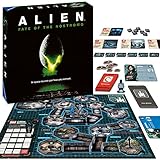
Overview: Alien: Fate of The Nostromo plunges players into the iconic sci-fi horror film as Nostromo crew members desperately working together to complete objectives and escape the derelict ship while evading a deadly Xenomorph. This cooperative game masterfully recreates the film’s mounting tension. What Makes It Stand Out: The game’s standout feature is its exceptional thematic immersion, achieved through detailed miniatures of the crew and Alien, gorgeous atmospheric artwork, and mechanics directly tied to the movie’s plot (e.g., self-destruct sequence, motion tracker). The variable objectives and inclusion of Ash significantly alter difficulty and replayability. Value for Money: Priced as a premium thematic game, it delivers substantial value through its high-quality components, strong narrative integration, multiple scenarios, and the sheer atmosphere it generates. While costlier than simpler co-ops, the production value and faithfulness to the source material make it a worthy investment for fans and suspense lovers. Strengths and Weaknesses: Strengths: Unparalleled thematic immersion & components, tense and suspenseful gameplay, high replayability via scenarios, excellent solo suitability, clear rules/tutorial. Weaknesses: Can feel punishingly difficult, especially with Ash; setup is somewhat involved; niche horror theme won’t appeal to everyone. Bottom Line: A superbly crafted, deeply immersive cooperative experience that faithfully captures Alien’s terror; highly recommended for fans of the film and suspenseful strategy, though its intensity may not suit all players.
Why Cooperative Games Excel at Team Building
The Psychology of Shared Objectives
When a group faces a common external challenge presented by the game, the natural human tendency shifts from internal competition to outward-focused collaboration. This “us versus the game” dynamic reduces defensiveness and encourages open sharing of ideas, as success hinges entirely on the group’s collective effort. Players instinctively understand that hoarding information or dominating decisions harms the entire team’s chance of winning, fostering a genuine sense of interdependence rarely achieved in standard office settings.
Breaking Down Hierarchical Barriers
The structured neutrality of a game board creates a temporary “level playing field.” Titles and reporting structures often dissolve as the junior analyst’s insight proves crucial or the CEO struggles with a specific puzzle mechanic. This democratization allows quieter team members to contribute meaningfully and encourages leadership to emerge organically based on situational needs rather than job descriptions, revealing valuable insights about potential leaders and collaborative styles.
Learning Through Safe Failure
Cooperative games provide a uniquely safe environment to experience and analyze failure. When the team loses the game, the blame rests squarely on the game system or the collective strategy, not on any individual. This removes the stigma of mistakes, allowing groups to dissect what went wrong (“We didn’t communicate the timer properly”) and how to improve next time (“Let’s assign a dedicated timekeeper role”), directly translating to more resilient and adaptive real-world team processes.
Key Features to Evaluate for Maximum Impact
Communication Mechanics Deep Dive
Look for games demanding diverse communication styles beyond simple talking. Some require precise verbal descriptions under pressure, others utilize non-verbal cues or shared visual references. Games incorporating hidden information (where only certain players see specific cards or board elements) force structured information sharing and active listening, mimicking real-world scenarios where team members hold specialized knowledge crucial for the whole.
Strategic Depth and Role Specialization
Effective team-building games often feature asymmetric roles or specialized abilities that players must leverage collectively. This mechanic highlights the importance of understanding individual strengths and weaknesses within the group. Assess whether the game requires long-term strategic planning alongside immediate tactical decisions, as this mirrors the balance many teams need between big-picture thinking and day-to-day execution in the workplace.
Difficulty Scaling and Adaptability
The ideal game should offer adjustable challenge levels or incorporate variable setups. This ensures it remains engaging as the team’s skill improves and prevents frustration during initial plays. Crucially, the difficulty curve should encourage iterative learning – where failure provides clear lessons applicable to the next attempt, reinforcing the growth mindset essential for high-performing teams.
Replayability and Narrative Engagement
A game that tells a compelling story or presents significantly different challenges each time played sustains long-term interest and provides varied learning opportunities. High replayability means the team can return to the same framework repeatedly, observing how their collaborative strategies evolve over time. Avoid games reliant on pure luck; the focus should remain on the team’s decision-making process, not random chance determining outcomes.
Choosing the Right Game for Your Team
Assessing Group Size and Dynamics
Not all cooperative games accommodate the same number of players effectively. Some shine with small, intimate groups of 3-4, fostering intense discussion, while others are specifically designed for larger teams of 6+ where delegation and sub-group coordination become necessary skills. Consider your typical team meeting size and whether the game mechanics can scale appropriately without leaving players feeling marginalized.
Matching Complexity to Experience Level
Introducing an overly complex game to a group unfamiliar with modern board games can lead to confusion and frustration, undermining the team-building goal. Start with accessible entry points featuring streamlined rules and clear objectives. As the team becomes comfortable with cooperative play, gradually introduce games with deeper strategic layers. The learning curve of the game itself should be a manageable collaborative challenge, not an insurmountable barrier.
Considering Time Constraints Realistically
Be brutally honest about the time you can consistently dedicate. Some impactful cooperative experiences require 60-90 minutes, while others offer satisfying 30-minute sessions. Forced time pressure within the game (like countdown timers) can be excellent for simulating workplace urgency, but the overall session length must fit your team’s schedule to ensure regular participation and avoid resentment.
Implementing Games Successfully in Your Workplace
Setting Clear Intentions Beyond Fun
Before playing, explicitly state the team-building objectives. Are you focusing on improving communication during high-pressure moments? Practicing inclusive decision-making? Encouraging quieter voices? Framing the game session around a specific skill helps participants consciously apply and reflect on those behaviors, transforming play into a targeted developmental activity rather than just recreation.
Facilitating Reflection is Non-Negotiable
The true value isn’t just in playing, but in discussing the experience afterward. Dedicate structured time for the team to reflect: “What communication strategy worked best?” “When did we almost fail, and why?” “How did we handle conflicting ideas?” A skilled facilitator (internal or external) can guide this conversation to extract maximum learning and connect game dynamics directly to workplace scenarios.
Integrating Games into Ongoing Culture
One-off sessions have limited impact. The goal is to weave cooperative play into the team’s regular rhythm – perhaps a dedicated 60 minutes bi-weekly or monthly. Consistency allows teams to track their collaborative evolution, build shared language from repeated experiences, and normalize the vulnerability and open communication required for peak performance. Make it a predictable, valued part of the team’s routine.
Managing Potential Pitfalls Proactively
Be aware of common issues: dominant personalities taking over, players disengaging if they feel their role is minor, or frustration during losses. Choose games with mechanics that inherently mitigate these (e.g., requiring轮流 decision-making or ensuring all roles feel vital). Establish ground rules for respectful interaction during play, emphasizing that the focus is on the team’s process, not individual performance within the game.
Maximizing Long-Term Team Development
Tracking Collaborative Growth Over Time
Use the recurring game sessions as informal check-ins on team health. Notice if communication becomes more efficient, if consensus-building happens faster, or if new leaders naturally emerge in different scenarios. Documenting (even informally) observations about collaboration patterns across multiple sessions provides tangible evidence of team development that can be discussed in broader performance contexts.
Connecting Game Lessons to Real Projects
The most powerful step is bridging the gap between the game table and the workplace. When a relevant challenge arises on an actual project (“This feels like when we ran out of time in the game because we didn’t assign a tracker!”), explicitly reference the game experience. This reinforces the applicability of the collaborative skills practiced and cements the game’s lessons into the team’s operational DNA.
Evolving Your Game Library Strategically
As your team masters certain collaborative skills through specific games, intentionally introduce new titles that target emerging development areas. If communication is strong, shift focus to strategic delegation or creative problem-solving under constraints. Continuously refreshing the challenges ensures the team-building remains dynamic and addresses evolving group needs, preventing stagnation.
Frequently Asked Questions
How short can a meaningful team-building game session be?
While deeper games take 60-90 minutes, many excellent options deliver value in 30-45 minutes. The key is ensuring the game has a complete, satisfying arc – clear objective, meaningful decisions, and a definitive win/loss condition – within that timeframe. Shorter sessions are ideal for maintaining focus and fitting into busy schedules consistently.
What if someone on the team dislikes board games?
Focus on the shared experience, not the gaming aspect. Frame it as a collaborative problem-solving exercise using a game as the tool. Choose highly accessible, narrative-driven games with minimal complex rules. Often, the engaging challenge and team focus override initial hesitation, especially when leadership participates actively.
Can cooperative games work effectively for remote or hybrid teams?
Absolutely. Many modern cooperative games have official digital adaptations designed for online play. Alternatively, use physical game streaming tools or dedicated platforms where a facilitator can manipulate the physical components while sharing their screen. The core collaborative dynamics translate well, though clear audio/video is essential.
How do we prevent one person from dominating the game?
Select games with mechanics that distribute control, such as requiring轮流 taking specific actions, having hidden information only certain players can access, or incorporating time pressure that forces delegation. Establish a group norm at the start that all voices should be heard, and use the reflection time to gently address any imbalance observed.
Are more complex games always better for team building?
Not necessarily. Excessive complexity can overwhelm the team, shifting focus to deciphering rules rather than practicing collaboration. Start simple. The ideal complexity level is just beyond the team’s current comfort zone – challenging enough to require teamwork but not so difficult that frustration overshadows the process. Complexity should serve the collaboration, not hinder it.
How often should we play to see real benefits?
Consistency matters more than frequency. Bi-weekly or monthly sessions are often sustainable and effective. The goal is regular reinforcement. Even playing once a quarter can be valuable if followed by strong reflection and application, but more frequent engagement (e.g., every 2-4 weeks) typically yields faster observable improvements in team dynamics.
What’s the biggest mistake teams make when using these games?
Treating it purely as entertainment without intentional reflection. Playing the game is only step one. Skipping the structured discussion about how the team collaborated, what worked, what didn’t, and how it relates to work renders the activity far less impactful. The reflection is where learning solidifies.
How can we justify the cost of buying games to leadership?
Frame it as a low-cost, high-impact team development tool. Compare the cost of a single game ($30-$70) to traditional offsite retreats or training seminars. Highlight the measurable benefits: improved communication observed in sessions, increased psychological safety, better conflict resolution in meetings, and higher engagement – all contributing to productivity and retention.
Do these games work for leadership teams specifically?
Yes, often exceptionally well. Leadership teams, accustomed to decision-making, can gain profound insights into their collective dynamics under pressure. Games revealing communication breakdowns, delegation challenges, or strategic blind spots in a safe space provide invaluable data for improving executive team effectiveness in high-stakes business situations.
Can cooperative games replace other team-building activities?
They shouldn’t replace all other activities but should be a core component of a diverse strategy. They excel at building specific collaborative skills in a structured, repeatable way. Combine them with social events for relationship building and targeted workshops for deep skill development for a comprehensive team health approach.
See Also
- We Tested 50 Cooperative Board Games - Here are the 10 Best for Shared Wins
- We Tested 50 Cooperative Board Games - Here are the 10 Best for Two Players in 2026
- We Tested 50 Cooperative Game Expansions - Here are the 10 Best for Team Building
- We Tested 50 Cooperative Board Games - Here are the 10 Best for Party Play in 2026
- We Tested 50 Cooperative Board Games - Here are the 10 Best for Kids in 2026