Table of Contents
There’s something truly magical about the moment everyone leans in together over the game board, united by a common goal. When competitive banter fades and collective problem-solving takes center stage, family game night transforms from simple entertainment into a powerful bonding experience. Cooperative board games create that unique space where laughter flows easier, communication deepens, and the focus shifts from “beating” each other to overcoming challenges as a team. It’s less about individual trophies and more about sharing the triumph of a shared victory – or even the hilarious chaos of a shared defeat.
Forget the groans that sometimes accompany cutthroat competition; cooperative play cultivates patience, empathy, and genuine collaboration, especially valuable in our increasingly fragmented digital world. These games provide a structured, screen-free environment where parents and kids alike learn to strategize, communicate clearly, and support one another under (friendly) pressure. Whether navigating a perilous journey, solving a complex mystery, or managing scarce resources against a ticking clock, the shared narrative pulls everyone into the same story. This shift from “me vs. you” to “us vs. the game” is the secret sauce that makes cooperative board games an exceptional choice for building stronger family connections night after night.
Top 10 Cooperative Board Games for Family
Detailed Product Reviews
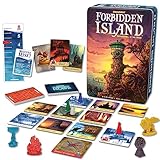
1. Gamewright - Forbidden Island - Cooperative Strategy Survival Board Game, 2-4 Players
Overview:
Forbidden Island challenges 2-4 players (ages 10+) to collaborate as adventurers racing against time to retrieve sacred treasures from a sinking island. Designed by Matt Leacock, this cooperative strategy game emphasizes teamwork over competition, requiring players to strategically navigate tiles while the island physically collapses beneath them.
What Makes It Stand Out:
Its dynamic “sinking island” mechanic—where players must shore up tiles while avoiding floods—creates escalating tension. Rich illustrations immerse players in a perilous paradise, and the game’s focus on shared problem-solving fosters genuine collaboration, making it ideal for developing strategic thinking in family or casual gaming settings.
Value for Money:
Priced moderately for a strategy game, it offers exceptional replayability through variable island layouts and difficulty levels. Compared to similar cooperative titles, its compact design, durable components, and 30-minute playtime provide more strategic depth per dollar than many competitors in the family-game category.
Strengths and Weaknesses:
Strengths: Intuitive rules, strong replay value, promotes critical communication, and visually engaging. Weaknesses: Limited player count (max 4), younger children may struggle with strategy, and component durability (cardboard tiles) can degrade with heavy use.
Bottom Line:
A near-perfect introduction to cooperative strategy gaming, Forbidden Island excels as a family-friendly yet intellectually stimulating experience. Highly recommended for groups seeking teamwork-focused fun without complex setups.
2. Castle Panic 2nd Edition | Cooperative Board Game for Adults and Family | Ages 8+ | for 1 to 6 Players | Average Playtime 45 Minutes | Made by Fireside Games

Overview:
Castle Panic tasks 1–6 players (ages 8+) with defending Castle Bravehold from monster hordes in a cooperative tower-defense game. Players strategically use cards to attack creatures before they destroy towers, blending accessibility with tactical depth in 45-minute sessions ideal for family or mixed-age groups.
What Makes It Stand Out:
The 3D cardboard towers that physically collapse add tactile excitement, while four distinct modes (including solo and competitive Overlord) significantly boost replayability. Unique mechanics like plague cards and boss monsters create unpredictable challenges, keeping gameplay fresh across multiple sessions.
Value for Money:
With components like vibrant monster tokens and sturdy towers, it delivers premium quality at a mid-range price. Its scalability (1–6 players) and versatility across game modes offer better value than niche cooperative games, though some may find the card-driven combat less innovative than newer titles.
Strengths and Weaknesses:
Strengths: Highly accessible rules, exceptional player-count flexibility, engaging theme, and strong replayability. Weaknesses: Card luck can overshadow strategy, tower assembly is time-consuming, and competitive modes disrupt the core cooperative spirit.
Bottom Line:
Castle Panic remains a standout cooperative gateway game, especially for larger groups. Its blend of approachability and tension makes it a worthy investment for families and casual gamers seeking reliable, repeatable fun.
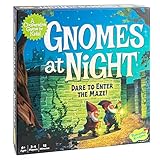
3. Peaceable Kingdom Gnomes at Night A Cooperative Maze Game for 2 to 4 Kids Ages 6+
Overview:
Gnomes at Night is a cooperative communication game for 2–4 children (ages 6+) where teams guide magnetic gnome movers through dual-layer mazes to recover stolen treasures. Players describe paths verbally while racing against a sand timer, fostering teamwork and spatial reasoning in quick 10–15 minute rounds.
What Makes It Stand Out:
The ingenious dual-sided maze system—where teammates manipulate each other’s movers through “invisible” walls—creates unique collaborative challenges. The magnetic movers and vibrant treasure cards captivate younger players, while the timer adds gentle urgency without overwhelming stress.
Value for Money:
Priced affordably for an educational game, it includes robust components like 4 difficulty-level boards and 12 treasure cards. Though simpler than strategy-heavy alternatives, its focus on communication skills offers unmatched developmental value for early elementary ages, justifying the cost for parents.
Strengths and Weaknesses:
Strengths: Exceptional for teaching directional language and cooperation, quick setup, scalable difficulty, and durable parts. Weaknesses: Limited replayability for older kids, timer pressure may frustrate some, and minimal strategic depth for adults.
Bottom Line:
An outstanding tool for nurturing communication and teamwork in young children. Gnomes at Night is a must-have for families with 6–9 year-olds seeking screen-free, skill-building play.
4. Spin Master Games, Jumanji Stampede, 3D Adventure Cooperative Board Game, for Fans of The Jumanji Movies, Face Off Against Jungle Emergencies, 2-4 Players, for Ages 8 & Up

Overview:
Jumanji Stampede immerses 2–4 players (ages 8+) in a cooperative race to collect five crystals before a villain reaches Rhino Mountain. Featuring interactive 3D jungle elements and movie-inspired emergencies (like boulders and leaping leopards), it translates Jumanji’s cinematic chaos into a family-friendly board game.
What Makes It Stand Out:
The towering 7-inch Rhino Mountain and thematic jungle emergencies (e.g., a spinning snake spinner) deliver unparalleled immersion. Unlike abstract strategy games, its tangible 3D components and direct tie-in to the film franchise create an exciting, narrative-driven experience that captivates fans.
Value for Money:
While the premium 3D pieces justify a higher price point, component quality is inconsistent (some plastic feels flimsy). Compared to similar licensed games, it offers decent value for Jumanji enthusiasts but lacks the strategic depth of non-themed cooperatives at this price tier.
Strengths and Weaknesses:
Strengths: Highly thematic, impressive 3D visuals, easy to learn, and strong fan appeal. Weaknesses: Luck-dependent card draws, repetitive gameplay after few plays, and limited strategic depth beyond basic cooperation.
Bottom Line:
A visually thrilling pick for Jumanji fans seeking movie-themed fun, but its shallow mechanics limit longevity. Best for casual play rather than strategy-focused gamers.
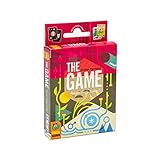
5. Pandasaurus Cooperative Strategy Card Game - Fun Interactive Family Game for Ages 8+, 1-5 Players, 20 Minute Playtime
Overview:
The Game is a cooperative card challenge where 1–5 players (ages 8+) race to play all cards from two ascending/descending decks while adhering to strict communication rules. Award-winning and globally popular, it distills teamwork into a tense, 20-minute puzzle centered around silent coordination.
What Makes It Stand Out:
Its brilliance lies in near-zero setup and profound depth: players must strategize without speaking, relying solely on card placements to convey information. With 1.3+ million copies sold and a Spiel Des Jahres nomination, its minimalist design creates intense, replayable “aha!” moments through pure strategic synergy.
Value for Money:
Exceptional value due to its compact size, portability, and virtually infinite replayability. Priced modestly, it outperforms many boxier games by delivering complex teamwork dynamics without expensive components—ideal for travelers or game-night newcomers.
Strengths and Weaknesses:
Strengths: Brilliantly simple rules, highly portable, deeply strategic despite minimal components, and scales perfectly for 1–5 players. Weaknesses: Frustrating luck variance in card draws, limited visual appeal, and silent-play rule can feel restrictive to some.
Bottom Line:
A masterclass in elegant game design, The Game is an essential, affordable addition for anyone valuing strategic cooperation. Its depth and accessibility make it a near-universal recommendation.
6. Asmodee Pandemic Board Game (Base Game) - A Cooperative Battle to Save Humanity, Strategy Game for Kids and Adults, Ages 8+, 2-4 Players, 45 Minute Playtime

Overview: Pandemic redefined cooperative gaming by pitting players against a global disease outbreak where victory or defeat is shared. As members of a disease-control team, players race to cure four evolving illnesses before cities collapse.
What Makes It Stand Out: Its pure cooperative design—no backstabbing, only collective strategy—remains groundbreaking. Unique character roles with specialized abilities (like the Medic or Scientist) force adaptive teamwork, while the escalating infection deck creates relentless tension. The 45-minute runtime ensures tight, replayable sessions.
Value for Money: Priced around $45, it’s a benchmark for cooperative strategy. Though newer games offer flashier components, Pandemic’s flawless mechanics and enduring popularity justify the cost, outperforming cheaper, less strategic alternatives.
Strengths and Weaknesses: Strengths: Deep yet accessible strategy; exceptional replayability; fosters genuine teamwork; perfect pacing. Weaknesses: High randomness in card draws can frustrate; limited player count (max 4); component quality feels dated.
Bottom Line: An essential purchase for any board game library—Pandemic’s genius lies in making cooperation thrilling, challenging, and profoundly satisfying.
7. Happy Camper - The Four Doors | New Cooperative Game by Creator of Forbidden Island and Pandemic | Super Portable | Great for Solo Play, Two Players, and Groups
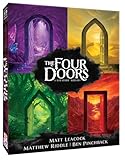
Overview: From Pandemic’s designer Matt Leacock, Happy Camper challenges 1–5 players to retrieve sacred treasures in a mystical tower before shadows seal the doors forever. Its compact size belies intense, strategic cooperation.
What Makes It Stand Out: Leacock’s signature tension shines through a unique “shadow track” mechanic that escalates pressure dynamically. The super-portable box (fits in a pocket) and seamless solo mode set it apart, while the door-exploration system encourages clever risk assessment in just 30 minutes.
Value for Money: At $25, it’s a steal for its portability and depth. While lighter than Pandemic, it delivers more innovation per dollar than bulkier $40+ games, especially for travelers or casual groups.
Strengths and Weaknesses: Strengths: Brilliantly portable; smooth solo/co-op hybrid; intuitive rules; high replayability with variable setups. Weaknesses: Short playtime may feel insubstantial; limited strategic depth for hardcore gamers; minimal component quality.
Bottom Line: A near-perfect travel companion—ideal for quick, engaging sessions that prove profound fun fits in your pocket.
8. Flow: The Official Cooperative Board Game | Strategy Game for 1–4 Players Ages 8+ | Based on The Award-Winning Animated Film | Family & Solo Play | Survive The Flood, Rescue Allies
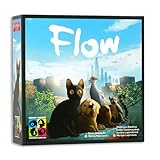
Overview: Flow translates the emotional depth of its animated film into a real-time cooperative race against rising waters. Players guide animal characters across a modular board, rescuing allies before floodwaters trap them—a visually stunning, urgent experience.
What Makes It Stand Out: The real-time “flood gauge” mechanic creates palpable panic as water rises visibly, demanding split-second decisions. Modular tiles and 11 scenarios ensure no two games play alike, while the film’s poignant theme elevates it beyond typical strategy fare.
Value for Money: Priced at $35, it offers exceptional replayability and thematic immersion. Though niche due to its film tie-in, it surpasses generic $30 competitors with its innovative mechanics and emotional resonance.
Strengths and Weaknesses: Strengths: Unique real-time tension; beautiful artwork; strong solo mode; endless scenario variety. Weaknesses: Time pressure may overwhelm younger players; theme limits broad appeal; setup can be fiddly.
Bottom Line: A captivating, tear-jerking adventure—highly recommended for families seeking meaningful, heart-pounding cooperation.
9. Ravensburger Minecraft Heroes of The Village | Cooperative Board Game | Exciting & Unpredictable | Perfect for Families and Minecraft Enthusiasts | Suitable for Kids & Adults
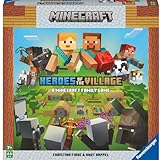
Overview: This family-friendly game drops players into Minecraft’s blocky world to defend a village from mobs. With changing terrain tiles and shared objectives, it captures the game’s creative spirit while emphasizing teamwork for ages 7+.
What Makes It Stand Out: Ravensburger’s premium wooden blocks and inventory boards elevate the tactile experience, while the ever-shifting map ensures unpredictability. The Minecraft theme seamlessly integrates crafting and mob battles into accessible co-op play.
Value for Money: At $30, it’s competitively priced for Ravensburger’s durable components. Though lighter than Pandemic, it outshines cheaper Minecraft clones with its quality and authentic world-building.
Strengths and Weaknesses: Strengths: High-quality, kid-safe components; perfect age-appropriate challenge; strong theme integration; excellent replayability. Weaknesses: Simplistic strategy for adults; limited depth beyond theme; mob mechanics can feel random.
Bottom Line: A joyful entry point for young gamers—ideal for Minecraft fans craving cooperative creativity without complexity.
10. Gamewright - Forbidden Jungle - Cooperative Board Game

Overview: Forbidden Jungle sends 2–5 players on a race to recover ancient artifacts from a collapsing temple, blending exploration with survival. Created by Pandemic’s designer, it emphasizes teamwork against environmental threats in 30–45 minutes.
What Makes It Stand Out: The “sandstorm” mechanic intensifies pressure as terrain tiles sink into quicksand, forcing strategic retreats. Stunning jungle artwork and diverse character roles—like the Botanist or Geologist—create immersive, visually rich gameplay distinct from its predecessor, Forbidden Island.
Value for Money: Priced at $28, it offers remarkable depth for its cost. With 5-player capacity and superior component quality, it outperforms similarly priced games, though Pandemic remains more strategic.
Strengths and Weaknesses: Strengths: Beautiful, thematic design; scalable player count; engaging risk-reward decisions; durable miniatures. Weaknesses: Less innovative than Pandemic; luck-heavy tile draws; shorter replayability than top-tier co-ops.
Bottom Line: A vibrant, accessible adventure—best for families and casual groups wanting beautiful, bite-sized cooperation.
Why Cooperative Games Elevate Family Game Night
Fostering Teamwork and Communication Skills
Cooperative games inherently require players to discuss strategies, share information openly, and make joint decisions. This constant verbal exchange strengthens communication muscles, teaching children to articulate their thoughts clearly and listen actively to others’ perspectives. Families discover how effectively pooling knowledge and diverse ideas leads to better outcomes than going it alone, mirroring real-world collaborative scenarios in a safe, enjoyable setting.
Reducing Competitive Tension and Frustration
Traditional competitive games can sometimes spark arguments or hurt feelings, particularly with younger players or varying skill levels. Cooperative play removes the direct opposition between family members, significantly lowering the stakes of individual mistakes. When the game itself is the “opponent,” setbacks become shared learning opportunities rather than personal failures, creating a more relaxed and inclusive atmosphere where everyone feels valued.
Building Collective Confidence and Shared Joy
Successfully overcoming a challenging scenario together generates a powerful sense of collective accomplishment. Celebrating a hard-won victory as a unit creates lasting positive memories and reinforces the idea that teamwork yields results. Even when the family faces defeat, the shared experience often leads to laughter, constructive analysis (“What could we try differently next time?”), and the motivating desire to tackle the challenge again, strengthening resilience as a group.
Key Features to Prioritize When Choosing
Age Appropriateness Beyond the Box Number
While the manufacturer’s age recommendation is a starting point, look deeper. Consider cognitive development: can your family grasp the core concepts like pattern recognition, simple resource management, or cause-and-effect relationships presented? Assess the required attention span against the game’s typical playtime. Also, evaluate emotional maturity – can players handle the potential frustration of shared loss without blaming each other? Physical dexterity needed for components matters too, especially for younger children.
Complexity Level and Cognitive Load
Cooperative games range from beautifully simple narratives perfect for early readers to intricate strategic puzzles. Honestly assess your family’s current comfort level. Start with games featuring clear, intuitive rules, a manageable number of components, and straightforward win/loss conditions. Avoid overwhelming everyone with excessive rules jargon or multi-layered decision trees on the first try. The goal is engagement, not confusion; complexity can be gradually increased as the family gains experience.
Replayability Through Variable Setup and Narrative
Avoid games that feel identical every single time you play. Seek out mechanisms that ensure fresh challenges: modular boards that change layout, scenario decks offering different objectives or difficulty levels, variable player roles with unique abilities, or random event generators. A strong narrative element that unfolds differently based on choices also significantly boosts replay value, keeping the experience exciting long after the initial novelty wears off.
Playtime Duration Matching Family Energy
Be realistic about your family’s available focus window. A game promising “20-45 minutes” is often far more sustainable for regular family nights than one demanding “60-120 minutes,” especially with younger participants. Consider setup and teardown time too – games with quick, intuitive component organization encourage more frequent play. Consistently finishing a game before energy wanes leads to positive associations, making the next game night something everyone looks forward to.
Understanding Core Cooperative Mechanics
The Shared Goal: Defining “Us vs. The Game”
The heart of any cooperative experience is a clear, compelling objective that the entire group must achieve together to win. This could involve escaping a location before time runs out, curing ailments spreading across a map, gathering specific resources, or solving a sequence of interconnected puzzles. The goal must be tangible enough for all players, regardless of age, to understand their role in pursuing it.
The Antagonist: How the Game Challenges the Team
Effective cooperative games have an intelligent “opponent” – not another player, but a system-driven challenge. This often manifests as a deck of cards that introduces threats, moves adversaries, or triggers events according to specific rules (like a “player” taking its turn). The challenge should escalate meaningfully, creating tension and forcing strategic adaptation without feeling arbitrary or unfairly punishing. A well-designed system provides a dynamic, responsive obstacle.
Player Roles and Asymmetry
Many compelling cooperative games assign unique roles or abilities to each participant. This asymmetry prevents analysis paralysis (where one player dominates decisions) by giving everyone specific responsibilities and strengths they manage. It encourages players to recognize and utilize each other’s contributions, fostering interdependence. Ensure the roles have meaningful impact but aren’t so complex they overwhelm younger or less experienced family members.
Communication Rules: Free Talk vs. Structured Sharing
Games dictate how players can share information. Some allow completely open discussion at all times (“free talk”), which is great for younger families. Others impose restrictions, like only being able to share information about components near your current position on the board, or limiting the number of words you can use to describe something. Consider your family’s communication style and whether structured sharing adds fun challenge or frustrating barriers.
Design Elements That Enhance Family Enjoyment
Component Quality and Tactile Engagement
Durable, well-made components significantly impact the experience, especially with kids involved. Look for chunky, easy-to-handle tokens, thick cardstock that withstands shuffling, and boards that lie flat. Visually appealing, clear iconography is crucial – it reduces reliance on dense text and helps pre-readers participate meaningfully. Components that are satisfying to manipulate (like placing large meeples or flipping illustrated tiles) add sensory enjoyment.
Thematic Immersion and Narrative Flow
A strong, family-friendly theme isn’t just window dressing; it provides context for the mechanics and fuels imagination. Whether exploring ancient temples, managing a bustling farm, or defending a city from mythical creatures, a cohesive theme makes the abstract rules feel meaningful. Games that unfold a story through gameplay – revealing new challenges or narrative beats as you progress – keep players invested and eager to see “what happens next.”
Visual Clarity and Intuitive Layout
A cluttered, confusing board or card layout is the enemy of family fun. Prioritize games where the core information is immediately apparent: clear paths, distinct zones, easily identifiable resources, and logical placement of key elements. Minimize “text walls” on cards; use icons effectively alongside concise wording. When the game state is visually comprehensible at a glance, it speeds up play and reduces arguments over rules interpretation.
Navigating Common Family Game Night Challenges
Managing Differing Skill Levels Effectively
It’s common to have a mix of adults, teens, and young children at the table. Choose games with built-in scalability: adjustable difficulty levels (fewer threats, more starting resources), simplified variants for younger players, or roles specifically designed to be accessible. Encourage mentoring – pair a younger player with an older one for advice – but avoid letting one dominant player make all decisions. The goal is inclusive contribution, not solving the puzzle for others.
Preventing Alpha Gamer Syndrome
This occurs when one player consistently takes control, dictating moves for everyone else. Mitigate this by selecting games with strong role asymmetry (so everyone has essential, independent tasks) or communication restrictions. Explicitly encourage quieter players: “What do you think we should do with the blue resource?” or “You’re the navigator, where should we explore next?” Frame decisions as group votes when appropriate. Remind everyone the win belongs to the team, not the loudest voice.
Handling Emotional Responses to Shared Failure
Losing together can be just as bonding as winning, but it requires the right approach. Normalize setbacks: “Wow, that was tough! The game really challenged us that time.” Focus on the fun moments and lessons learned: “I loved how we worked together to save that city district!” Avoid blame (“If you hadn’t done X…”) and instead ask constructive questions: “What’s one thing we might try differently if we play again?” Keeping a lighthearted attitude turns defeat into motivation.
Setting Up for Cooperative Success
Pre-Game Preparation: Setting Expectations
Before opening the box, briefly discuss the cooperative nature: “Remember, we’re all on the same team trying to beat the game, not each other.” Clarify the win condition simply. For younger kids, emphasize that making mistakes is part of the fun and learning. Setting this positive, collaborative mindset from the outset prevents misunderstandings and competitive impulses from derailing the experience.
During Play: Facilitating Inclusive Participation
Actively draw in quieter family members. Ask specific, low-pressure questions: “What color token should we use for this?” or “Can you read the next event card?” Rotate who handles specific, engaging tasks like shuffling the event deck or moving the central threat marker. Praise contributions, big or small: “Great catch noticing that symbol!” This ensures everyone feels like a vital part of the team effort.
Post-Game Debrief: Celebrating Effort and Learning
Win or lose, take two minutes to reflect together. “What was the most fun part for you?” “What was tricky?” “What strategy worked really well?” This reinforces the shared experience, highlights positive teamwork, and provides gentle feedback for next time. Focusing on the process and enjoyment, rather than just the outcome, builds a love for the collaborative activity itself.
Frequently Asked Questions
Frequently Asked Questions
What’s the biggest advantage of cooperative games over competitive ones for families? Cooperative games eliminate direct player conflict, reducing arguments and hurt feelings, while actively fostering teamwork, communication, and shared problem-solving, leading to a more positive, inclusive, and bonding experience for all ages.
How can I tell if a cooperative game is truly suitable for my young child’s age? Look beyond the box age; assess if the core concepts (like simple matching or cause-effect) match their understanding, if the playtime fits their attention span, if components are easy to handle, and if the theme is non-threatening. Simplified variants offered by the game are a great sign.
My family includes both adults and young kids; how do we avoid the adults dominating play? Choose games with role asymmetry giving everyone unique tasks, use built-in difficulty adjustments, actively encourage quieter players with specific questions, and consciously rotate who handles fun actions like drawing cards or moving pieces to ensure balanced involvement.
What if we keep losing the same cooperative game? Is it too hard for us? Frequent losses often indicate the game’s difficulty level doesn’t match your current group. Check if simpler variants exist, reduce starting threats, or add extra resources. Remember, shared learning is part of the fun – analyze why you lost together to improve next time.
Do cooperative games still have strategic depth for older kids or adults? Absolutely. Many offer layered strategies, complex decision-making under pressure, and high replayability through variable setups or advanced scenarios, providing significant challenge while maintaining the core cooperative teamwork element.
How important is the game’s theme for family enjoyment? A strong, engaging theme significantly enhances immersion and makes abstract rules feel meaningful, especially for children. It fuels imagination and provides context, turning mechanical actions into part of a shared story, which boosts overall enjoyment and investment.
What’s the ideal playtime length for a family cooperative game? Aim for games consistently completable within 30-45 minutes for most family groups, especially with younger players. This ensures the game finishes before energy wanes, leaving everyone positive and eager to play again, rather than frustrated or exhausted.
How can we prevent one person (the “alpha gamer”) from making all the decisions? Select games with communication restrictions or essential independent role actions. Encourage group discussion by asking open questions, explicitly inviting quieter players’ opinions, and framing decisions as team votes to distribute decision-making power.
Are cooperative games good for developing specific social skills in children? Yes, they are excellent for practicing verbal communication, active listening, perspective-taking, patience, giving constructive feedback, managing frustration constructively, and understanding the value of collective effort over individual achievement.
What should we focus on after the game ends, especially if we lost? Focus on celebrating the shared experience: discuss favorite moments, acknowledge good teamwork attempts, and brainstorm one small change to try next time. Emphasize effort, learning, and enjoyment over the win/loss outcome to maintain positive associations.
See Also
- How to Choose the Best Family Cooperative Board Games for Game Night in 2026
- Top 10 Best Escape Room Board Games for Family Game Night in 2026
- Solving Frustration in Family Game Night with Cooperative Board Games for Kids
- How to Solve Game Night Conflicts with the 10 Best Cooperative Board Games in 2026
- 10 Expert-Recommended Cooperative Board Games for Game Night Success in 2026