Table of Contents
Imagine this: you and your friends gathered around a table, the room dimly lit, a mysterious box sitting at the center like a puzzle waiting to unravel. There’s no competition here—no one’s trying to sabotage the other players. Instead, you’re all leaning in, sharing clues, debating theories, and racing against the clock to crack a case together. Cooperative mystery board games have transformed game nights from simple entertainment into immersive, shared adventures where teamwork isn’t just encouraged—it’s essential for survival. In a world where digital interactions often feel fleeting, these games create tangible moments of connection, sparking laughter, tension, and that incredible “aha!” when the solution finally clicks.
What makes these experiences truly revolutionary isn’t just the thrill of solving a whodunit—it’s how they’ve evolved to deepen collaboration, challenge assumptions, and adapt to your group’s unique dynamics. Forget the frustration of one dominant player steering the ship; modern cooperative mysteries are designed to ensure everyone contributes meaningfully, turning passive observers into active detectives. They’ve moved beyond static puzzles into living narratives that respond to your choices, creating stories that feel uniquely yours with every playthrough. Whether you’re a seasoned strategist or a casual player looking for something fresh, understanding what sets these games apart will help you find the perfect experience for your next gathering—where the real victory isn’t just solving the mystery, but how you solve it together.
Top 10 Mystery Cooperative Board Games
Detailed Product Reviews
1. Asmodee Mysterium Board Game - Enigmatic Cooperative Mystery Game with Ghostly Intrigue, Family Fun for Kids & Adults, Ages 10+, 2-7 Players, 42 Minute Playtime

Overview: Mysterium plunges players into a unique cooperative experience where psychics interpret surreal, abstract visions from a ghost to solve a murder mystery. One player acts as the silent ghost, providing illustrated clue cards, while others collaborate to decipher meanings and identify the culprit, location, and weapon. What Makes It Stand Out: Its brilliant asymmetric roles and stunning, dreamlike artwork create unparalleled immersion. The ghost’s inability to speak, relying solely on evocative imagery, fosters deep discussion and creative interpretation, making each deduction session intensely engaging and atmospheric. Value for Money: Priced competitively for a high-quality, component-rich cooperative game, it offers exceptional replayability through countless suspect/location/weapon combinations. It surpasses many deduction games in thematic depth and visual appeal for its cost. Strengths and Weaknesses: Strengths: Highly replayable; fosters teamwork and creative thinking; beautiful, thematic art; adjustable difficulty scales well. Weaknesses: Ghost player can feel passive; interpretation disputes may frustrate some; setup time slightly high for playtime. Bottom Line: A masterclass in cooperative deduction with breathtaking art, Mysterium delivers consistently thrilling, narrative-driven gameplay. Highly recommended for families and groups seeking a uniquely immersive mystery experience.
2. Asmodee Just One Party Game (2025 Refresh) - Cooperative Mystery Word Guessing Fun for Family & Friends, Kids & Adults, Ages 8+, 3-7 Players, 15 Minute Playtime

Overview: Just One is a lightning-fast cooperative word-guessing game where players give single-word clues to help a guesser identify a mystery word. The twist? Duplicate clues cancel out, forcing creative, distinct hints and sparking laughter. What Makes It Stand Out: Its ingenious clue-cancellation mechanic creates hilarious, tension-filled moments as players scramble for unique suggestions. The simplicity ensures instant accessibility, while the cooperative pressure generates genuine group engagement and memorable fun in minimal time. Value for Money: An outstanding value as a compact, endlessly replayable party staple. Its low price point, portability, and ability to entertain diverse groups (kids to adults) make it a superior choice over bulkier or more expensive party games with less consistent fun. Strengths and Weaknesses: Strengths: Effortless to learn; perfect for large groups; incredibly replayable; generates genuine laughter; quick setup/play. Weaknesses: Limited strategic depth; word list may skew complex for younger kids; clue overlap can occasionally frustrate. Bottom Line: Just One is a near-perfect party game—simple, hilarious, and universally appealing. Its clever twist on cooperative clue-giving makes it an essential, high-value addition to any game night collection.
3. Clue Board Game Treachery at Tudor Mansion, Escape Room Game, Cooperative Family Murder Mystery Games, Ages 10 and up, 1-6 Players
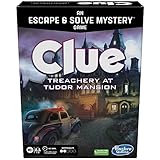
Overview: This Clue variant transforms the classic whodunit into a one-time cooperative escape room adventure. Players work together within Tudor Mansion, solving puzzles to unlock rooms, gather evidence, and escape police custody before identifying the murderer in a cinematic narrative. What Makes It Stand Out: It brilliantly reimagines Clue’s core mystery into a dynamic, story-driven escape experience. The evolving board that physically builds as rooms are unlocked creates tangible excitement, blending puzzle-solving with traditional deduction in a fresh, thematic way. Value for Money: Offers solid value as a premium, immersive experience, though the single-play nature limits longevity. Compared to multi-use games, its cost is justified by the high-quality components, intricate puzzles, and unique narrative depth for dedicated escape room fans. Strengths and Weaknesses: Strengths: Strong narrative immersion; innovative dynamic board; satisfying puzzle integration; true cooperative Clue experience. Weaknesses: One-time play drastically reduces replayability; puzzle difficulty may frustrate casual players; setup is complex. Bottom Line: A thrilling, cinematic twist on Clue that excels as a special-event game. Best for groups seeking a novel, story-rich escape room challenge, but skip if you prioritize long-term replay value.
4. 5-Minute Mystery | A Fast-Paced, Real-Time Cooperative Detective Board Game for Families | Solve The Case Before Time Runs Out | Ages 8+ | 1–6 Players

Overview: 5-Minute Mystery drops players into frantic real-time detective work. Teams race against a sand timer to investigate scene cards, match symbols in their Codex, gather clues, and eliminate suspects to identify the culprit before time expires. What Makes It Stand Out: The relentless 5-minute pressure cooker creates unmatched urgency and teamwork. The unique Codex mechanic—where players privately mark symbols to unlock clues—adds strategic depth and prevents dominant players, ensuring everyone contributes meaningfully. Value for Money: Exceptional value with 19 cases, high component count, and pure replayability. It outperforms many filler games in engagement per dollar, serving perfectly as a quick warm-up, party game, or accessible family challenge without breaking the bank. Strengths and Weaknesses: Strengths: Intense, accessible real-time gameplay; Codex ensures equal participation; high replayability; easy setup/rules; great for mixed ages. Weaknesses: Timer pressure may overwhelm young kids; symbol matching can cause confusion initially; limited strategic depth. Bottom Line: A brilliantly tense, cooperative filler game that delivers massive fun in minimal time. Highly recommended for families and groups wanting quick, replayable detective thrills with no downtime.
5. Gamewright - Forbidden Island - Cooperative Strategy Survival Board Game, 2-4 Players
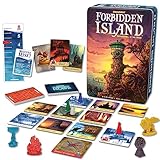
Overview: In Forbidden Island, players are adventurers racing to retrieve four sacred treasures from a sinking island before it collapses into the sea. It’s a pure cooperative strategy game requiring careful planning, role synergy, and shared risk management. What Makes It Stand Out: Matt Leacock’s brilliant design creates escalating tension through a simple yet punishing “flood deck” mechanic. Each player’s unique role powers foster essential teamwork, while the island’s literal disintegration provides a visceral, unforgettable challenge. Value for Money: Offers tremendous value as a gateway cooperative game. Its durable components, strategic depth, and high replayability at a modest price make it a superior investment over cheaper, less engaging family games or pricier strategy titles with steeper learning curves. Strengths and Weaknesses: Strengths: Perfect cooperative learning tool; intuitive yet strategic; beautiful thematic art; short playtime; promotes critical thinking. Weaknesses: Can feel punishing with bad luck; limited player count (max 4); simpler than advanced strategy games. Bottom Line: Forbidden Island remains a cooperative masterpiece—accessible, thrilling, and perfect for fostering teamwork. An essential, high-value cornerstone for any family or beginner strategy game collection.
6. Clue Escape: The World’s Fair Board Game | Escape Room 1-Time Solve Mystery Games | Ages 10+ | 1 to 6 Players | 90 - 120 Mins.| Family Games

Overview: Clue Escape: The World’s Fair reimagines the classic Clue formula as a cooperative escape room experience. Players work together to solve the murder of a scientist at the 1893 World’s Fair, navigating a dynamic board, decoding puzzles, and gathering clues to identify the culprit, location, and weapon within 90-120 minutes. What Makes It Stand Out: It brilliantly merges Clue’s deduction legacy with immersive escape room mechanics. The dynamic board that physically changes as areas unlock, the thematic integration of a World’s Fair brochure for clues, and the inclusion of a unique secret tool for tracking evidence create a highly engaging, cinematic narrative. The return of Clue’s iconic characters adds nostalgic charm. Value for Money: Priced competitively for a premium escape room game, it offers substantial playtime and production quality. While the single-solve nature limits replayability compared to open-ended games, the depth of the puzzle design and thematic execution justify the cost for families or groups seeking a one-off, high-impact mystery adventure. Strengths and Weaknesses: Strengths: Exceptional theme integration; intuitive puzzle flow; dynamic, evolving board; perfect for family teamwork. Weaknesses: Single-use design reduces long-term value; puzzle difficulty might frustrate very young players despite the 10+ rating. Bottom Line: An outstanding fusion of classic deduction and modern escape room thrills, ideal for families or casual gamers seeking a collaborative, story-driven mystery. Its limited replayability is offset by a rich, satisfying one-time experience.
7. Hasbro Gaming Dungeons & Dragons: Bedlam in Neverwinter Board Game, Escape Room, Cooperative Strategy Games for Ages 12+, 2-6 Players, 3 Acts Approx. 90 Mins Each (Amazon Exclusive)

Overview: Bedlam in Neverwinter transports D&D’s magic into a cooperative escape room board game. Players become adventurers investigating disappearances in the iconic city, battling monsters, solving puzzles across three distinct acts (totaling ~270 minutes), and unraveling a cult conspiracy in this Amazon-exclusive title. What Makes It Stand Out: The deep integration of D&D lore is key: character creation (Race/Class/Weapon), monster battles, and loot collection seamlessly blend with escape room puzzle-solving. The three-act structure provides epic narrative progression, while the dynamic, expanding gameboard reveals new locations as puzzles are solved, enhancing immersion. Value for Money: As a substantial, story-rich experience, it offers good value for D&D fans, especially given the included components for multiple sessions (acts). However, the Amazon exclusivity and higher price point may deter some, and non-D&D enthusiasts might find the theme less compelling than the mechanics. Strengths and Weaknesses: Strengths: Authentic D&D role-playing elements; expansive three-act narrative; engaging monster combat integration; high replayability across acts. Weaknesses: Amazon exclusivity limits accessibility; steep learning curve for non-D&D players; lengthy total playtime may not suit all groups. Bottom Line: A must-have for D&D devotees seeking a narrative-driven escape room challenge, delivering authentic fantasy adventure. Less ideal for casual players due to complexity and exclusivity, but invaluable for its target audience.
8. Buffalo Games - Medical Mysteries: NYC Emergency Room - New Game Night Staple - Escape Room - Cooperative Strategy - Adult Party Game - Ages 14 and Up

Overview: Medical Mysteries casts players as NYC ER doctors racing against time to diagnose and treat four unique patients with mysterious conditions. Using intake interviews, medical records, and specialist consultations, teams must work together before the clock runs out on each life-or-death case. What Makes It Stand Out: Its gripping medical emergency theme creates intense urgency. The “race against the clock” mechanic, where every action advances time, is brilliantly executed. The inclusion of four distinct patient files and a comprehensive tutorial ensures accessibility, while the focus on collaborative diagnosis over medical knowledge makes it widely approachable. Value for Money: Excellent value with four replayable mysteries and a thorough tutorial. The thematic depth and tension justify the price, especially compared to single-solve escape games. The 14+ rating feels slightly high, as the intuitive design suits mature teens and adults equally well. Strengths and Weaknesses: Strengths: Highly immersive theme; perfect tutorial lowers entry barrier; strong replayability with four patients; accessible despite complex subject. Weaknesses: Time pressure may cause frustration; limited physical components beyond patient files; minimal strategic depth beyond puzzle-solving. Bottom Line: A standout cooperative game that transforms medical drama into thrilling gameplay. Highly recommended for groups seeking tense, narrative-driven challenges with significant replay value and easy onboarding.
9. Asmodee Mysterium Park Board Game - Uncover Dark Secrets in a Charming Carnival Setting, Cooperative Mystery for Kids & Adults, Ages 10+, 2-7 Players, 28 Minute Playtime

Overview: Mysterium Park offers a bite-sized cooperative mystery set in a charming yet eerie carnival. Players act as psychics interpreting a ghost’s illustrated visions to uncover why the director vanished, identifying culprits and locations across six in-game nights in just 28 minutes. What Makes It Stand Out: Its compact playtime and non-language-dependent mechanics (using evocative art cards) make it incredibly accessible. The carnival theme provides a lighter, family-friendly alternative to the original Mysterium’s haunted mansion, while retaining the core psychic-ghost communication dynamic. As a standalone title, it’s welcoming for newcomers. Value for Money: An excellent entry point into cooperative deduction. The short playtime encourages immediate replays, and the standalone nature means no prior Mysterium ownership is needed. Priced affordably for the quality, it’s ideal for quick game nights or introducing younger players to the genre. Strengths and Weaknesses: Strengths: Superb accessibility and quick setup; beautiful, thematic artwork; perfect blend of simplicity and deduction; great for mixed-age groups. Weaknesses: Very short playtime may disappoint those seeking depth; limited strategic complexity compared to longer games. Bottom Line: A delightful, streamlined mystery experience perfect for families or casual gamers wanting a fast-paced, visually engaging cooperative challenge. Highly recommended for its charm and effortless playability.
10. Asmodee Mysterium Board Game (2025 Refresh) - Cooperative Psychic Mystery Game with Updated Components & New Cards, Family Fun for Kids & Adults, Ages 10+, 3-7 Players, 45 Minute Playtime

Overview: The 2025 Refresh of Mysterium revitalizes the acclaimed cooperative psychic mystery. One player guides others as a ghost, using abstract vision cards to help psychics solve a decades-old murder at Warwick Manor by deducing the killer, weapon, and location within 45 minutes. What Makes It Stand Out: This edition features tangible upgrades: improved tray storage, refreshed art, and new vision cards enhancing replayability. The core mechanic—psychics interpreting the ghost’s non-verbal clues—remains brilliantly unique, fostering teamwork and creative interpretation. Its blend of Dixit-like artistry and deduction creates unmatched narrative immersion. Value for Money: The component upgrades significantly improve the experience over older editions, justifying the refresh. With dozens of combinations ensuring high replayability and broad appeal for families and mystery fans, it offers exceptional longevity per play session. Worth the investment for new buyers or edition-upgraders. Strengths and Weaknesses: Strengths: Gorgeous, evocative vision cards; superb replayability; deeply engaging cooperative communication; component upgrades add durability. Weaknesses: Ghost player can feel passive; interpretation ambiguity may frustrate some; storage tray, while improved, still has fitment quirks. Bottom Line: An essential refresh of a modern classic, delivering refined components and enduring gameplay. Perfect for family game nights or deduction enthusiasts seeking a consistently fresh, imaginative mystery experience. Highly recommended.
Understanding Cooperative Mystery Game Fundamentals
Defining True Cooperation Versus Solo Play
True cooperative games eliminate player elimination and competitive pressure, requiring constant communication and collective decision-making. Unlike semi-cooperative titles where hidden agendas might exist, pure cooperative mysteries demand transparency—every clue, hypothesis, and resource must be shared openly. This structure ensures no single player can “carry” the group, fostering inclusive participation where quieter voices feel empowered to contribute theories or spot overlooked details.
The Critical Role of Asymmetric Roles
Many innovative designs assign unique abilities or information to each player, preventing analysis paralysis and encouraging delegation. One might specialize in decoding ciphers, another in managing time-sensitive tasks, while a third interprets visual clues. This asymmetry not only mirrors real investigative teams but also ensures that rotating roles between playthroughs offers fresh strategic depth, keeping the experience dynamic.
Why Narrative Integration Matters More Than Puzzles Alone
While standalone puzzles can feel satisfying, the most compelling mysteries weave them into a cohesive story where every solved clue advances the plot. Games that fail to connect puzzles to narrative consequences often leave players feeling like they’re completing disconnected homework rather than unraveling a mystery. Look for designs where your choices visibly alter the story’s direction, creating emotional investment beyond mere problem-solving.
Evaluating Core Gameplay Mechanics
Dynamic Difficulty Systems That Adapt to Your Group
Static difficulty settings often lead to frustration—too easy for veterans, overwhelming for newcomers. Revolutionary titles now feature organic scaling: some adjust clue availability based on early-round performance, while others introduce “pressure” mechanics (like escalating time limits) only when players solve challenges efficiently. This ensures the challenge remains engaging without requiring manual setup tweaks.
Physical Component Interaction Beyond Card Flipping
The best designs treat components as active storytelling tools. Think hidden compartments in game boards that reveal only when specific conditions are met, or UV lights exposing invisible ink on documents. Physical engagement transforms abstract deductions into tactile experiences—searching a 3D crime scene model or reconstructing a shattered artifact creates memorable “moments” that digital interfaces can’t replicate.
Time Pressure Mechanics That Enhance Tension, Not Frustration
Countdown timers or event decks that trigger consequences add urgency, but poorly implemented versions punish players unfairly. Look for systems where time pressure rewards smart risk-taking—like allowing extra clue reveals for accepting temporary setbacks—or where pauses for discussion are baked into the structure. The goal is collaborative urgency, not chaotic panic.
Narrative and Immersion Design
Branching Storylines With Meaningful Consequences
Avoid games where “wrong” choices merely reset you to a checkpoint. Truly revolutionary designs feature consequences that permanently alter available paths, evidence, or character relationships. Did you ignore that witness early on? They might disappear later, closing off entire investigative avenues. These choices make replays feel distinct and validate your group’s strategic decisions.
Environmental Storytelling Through Component Design
The game’s physicality should tell part of the story before a single rule is read. Weathered maps, handwritten notes with coffee stains, or道具 that feel authentically “aged” deepen immersion. When components double as narrative tools—like a torn diary page requiring reconstruction—the act of playing becomes synonymous with discovery.
Integrating Digital Companions Without Dependency
While companion apps can enhance atmosphere with soundscapes or video clues, the most resilient designs ensure they’re optional enhancers, not crutches. Games requiring apps for core mechanics risk becoming obsolete if platforms change. Prioritize titles using apps for supplementary immersion (e.g., ambient noise) while keeping rules and clues fully analog-accessible.
Character Development That Reflects Player Actions
Static NPCs diminish replay value. Seek games where non-player characters evolve based on your group’s choices—perhaps a suspect becomes more cooperative if approached with empathy, or a patron turns hostile after a botched interrogation. This responsiveness makes the narrative feel alive and encourages role-playing beyond pure logic.
Replayability and Long-Term Engagement
Modular Scenario Construction Techniques
Avoid linear “campaign” structures where replaying means repeating the same sequence. Innovative games use modular boards, randomized clue decks, or “mystery generator” systems that create structurally unique cases each time. Some even allow players to combine modules for custom difficulty or thematic twists (e.g., adding a supernatural element to a historical murder).
Legacy Mechanics Done Right: Evolution Without Permanence
True legacy systems (where choices permanently alter future sessions) can be thrilling but limit sharing games with others. Look for “legacy-lite” approaches: temporary stickers that peel off, or narrative consequences tracked via app without component destruction. This preserves the evolving story thrill while keeping the game resellable or lendable.
Hidden Objectives and Secret Variants
Replayability soars when the game secretly shifts win conditions or introduces alternate solutions. One playthrough might focus on catching the culprit, while another prioritizes preventing a secondary disaster. These hidden layers, revealed organically through gameplay, make groups eager to “see what else the box holds.”
Accessibility and Group Dynamics
Onboarding New Players Without Downtime
Complex rulebooks kill momentum. The best designs use “staged reveals”—teaching core mechanics during setup, then introducing advanced systems mid-game via natural narrative triggers. Some include dedicated “mentor” roles for experienced players to guide newcomers without spoilers, ensuring no one feels lost during critical moments.
Accommodating Diverse Cognitive Styles
Great cooperative mysteries cater to varied thinking approaches: visual learners benefit from spatial puzzles, verbal processors thrive in dialogue-heavy interrogations, and pattern-seekers excel at code-breaking. Avoid games overly reliant on one skill type (e.g., pure math puzzles), which can alienate players who don’t resonate with that approach.
Managing Playtime Expectations Realistically
Be wary of box claims like “60-minute mysteries” that ignore setup or learning curves. Check community playtime reports for actual session lengths with new groups. Games with adjustable “act” structures (e.g., optional investigation phases) let you tailor length to your schedule without feeling rushed or truncated.
Production Quality Considerations
Component Durability for Frequent Play
Thick cardstock, linen-finished cards, and well-constructed miniatures withstand repeated use. Pay attention to storage solutions—integrated trays prevent lost pieces, while oversized boxes accommodate sleeved cards. Flimsy components that bend or tear during intense sessions undermine immersion and longevity.
Clarity in Visual Design and Iconography
In dim lighting or high-stress moments, ambiguous symbols or cramped text cause mistakes. Prioritize games with intuitive iconography (tested across colorblindness spectrums) and ample negative space on cards. When every second counts during a timed sequence, clear visuals prevent costly misinterpretations.
Frequently Asked Questions
Frequently Asked Questions
What’s the ideal player count for most cooperative mystery games?
Most designs shine with 3–5 players, balancing diverse input without excessive downtime. Groups larger than 6 often struggle with engagement unless roles are highly specialized.
How do I avoid one player dominating the game?
Look for mechanics that enforce turn-taking in clue analysis or require simultaneous action selection. Games with hidden information per player also naturally distribute leadership.
Can these games work for families with younger kids?
Yes—prioritize titles with adjustable difficulty and narrative focus over complex math. Many include “family mode” variants that simplify puzzles while preserving story engagement.
Do I need prior board game experience to enjoy these?
Not necessarily. Games with phased tutorials or “learn-as-you-play” narratives (where rules unfold through the story) are perfect for beginners. Avoid overly dense rulebooks.
How important is physical space for gameplay?
Crucial. These games often require spreading out maps, clues, and evidence. Ensure you have a table surface at least 3x larger than the game box for comfortable play.
Are companion apps essential for modern mystery games?
Increasingly common but rarely mandatory in quality designs. Apps often enhance ambiance (soundtracks, video clues) but core mechanics should remain fully playable without them.
What makes a mystery game replayable beyond solving it once?
Modular setups, hidden alternate solutions, variable starting conditions, and branching narratives—where choices create significantly different experiences—are key replayability drivers.
How long should a typical session last?
Quality titles range from 45–120 minutes. Shorter games (under 60 mins) suit casual groups; deeper narrative experiences often run 90+ minutes. Always check actual player-reported times.
Can solo players enjoy cooperative mystery games?
Many now include robust solo modes that simulate team dynamics through AI-driven systems or timed challenges, though the social thrill of group play is irreplaceable.
What should I prioritize when choosing a first cooperative mystery game?
Start with a mid-weight complexity game featuring strong narrative integration and clear onboarding. Avoid overwhelming newcomers with legacy systems or extreme time pressure.
See Also
- The 10 Most Revolutionary Horror Cooperative Board Games of 2026
- The 10 Most Revolutionary Cooperative Board Games of 2026
- 10 Most Durable Cooperative Board Games Based on Real User Reviews in 2026
- The 10 Most Revolutionary Cooperative Strategy Games of 2026
- 10 Top-Rated Cooperative Board Games According to Experts in 2026