Table of Contents
The landscape of cooperative board gaming has transformed dramatically as we move through 2026, with designers pushing boundaries that seemed impossible just a few years ago. These aren’t your parents’ co-op games where players simply fought against a generic deck of cards or moved pieces around a board following predictable patterns. Today’s revolutionary titles blend physical components with digital intelligence, create deeply personal narratives that adapt to your group’s decisions, and introduce mechanics that make every session genuinely unique.
What makes this year particularly exciting is how these games have evolved beyond simple “players versus game” mechanics into sophisticated ecosystems of collaboration, strategy, and shared storytelling. Whether you’re a seasoned gamer looking for your next challenge or someone who’s just discovered the joy of working together rather than competing, understanding what makes these modern co-ops revolutionary will help you choose experiences that perfectly match your group’s preferences and play style.
Top 10 Cooperative Board Games
Detailed Product Reviews
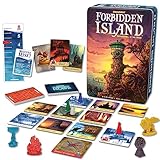
1. Gamewright - Forbidden Island - Cooperative Strategy Survival Board Game, 2-4 Players
Overview:
Gamewright’s Forbidden Island, designed by Pandemic creator Matt Leacock, delivers a thrilling cooperative survival experience where 2-4 players race against time to collect four sacred treasures from a sinking island. This accessible tile-based game challenges teams to strategize as the landscape crumbles beneath them, making every decision critical.
What Makes It Stand Out:
The innovative sinking mechanic creates palpable tension, with tiles physically disappearing as flood cards are drawn. Unlike competitive games, victory is shared, fostering genuine collaboration. Leacock’s signature design shines through the escalating difficulty system and multiple player roles, each offering unique abilities that demand coordinated teamwork.
Value for Money:
Priced competitively in the $15-20 range, Forbidden Island offers exceptional value. It provides a complete cooperative gaming experience comparable to its pricier sibling Pandemic at a fraction of the cost. The high-quality tin box and durable components ensure longevity, making it an affordable entry point into modern board gaming.
Strengths and Weaknesses:
Strengths: Excellent gateway game for cooperative mechanics; teaches strategic thinking without overwhelming complexity; beautiful artwork enhances immersion; scales well across player counts; high replayability with variable setup.
Weaknesses: Experienced gamers may find it less challenging after multiple plays; random card draws can create unwinnable scenarios; limited to four players; shares DNA with Pandemic, potentially feeling derivative for some.
Bottom Line:
Forbidden Island remains a masterclass in accessible cooperative design. Perfect for families and newcomers, it delivers tense, memorable experiences that build lasting gaming bonds, though seasoned players may eventually crave deeper challenges.
2. Pandasaurus Cooperative Strategy Card Game - Fun Interactive Family Game for Ages 8+, 1-5 Players, 20 Minute Playtime
Overview:
Pandasaurus’s award-winning The Game distills cooperative play into its purest form. This deceptively simple card challenge tasks 1-5 players with discarding all cards from two decks onto four piles—two counting up, two counting down—without direct communication. The 20-minute playtime belies its psychological depth.
What Makes It Stand Out:
With over 1.3 million copies sold and a Spiel Des Jahres nomination, its minimalist design creates extraordinary tension. The “no talking” rule transforms the experience into a silent dance of intuition and pattern recognition. Each card played narrows future options, creating a shared mental puzzle that’s both maddening and exhilarating.
Value for Money:
Retailing around $10-15, The Game offers tremendous bang for your buck. Its compact box and simple components make it ideal for travel, while infinite replayability ensures it never grows stale. As a filler game between heavier titles or a quick family diversion, its price-to-entertainment ratio is outstanding.
Strengths and Weaknesses:
Strengths: Lightning-fast setup and play; incredible portability; scales perfectly from solo to five players; creates intense shared experiences; simple rules mask deep strategy; universally accessible theme.
Weaknesses: High frustration potential when teammates misread situations; limited thematic immersion; can feel repetitive after extended sessions; requires players comfortable with silence and implicit cooperation.
Bottom Line:
The Game is essential for any collection needing a quick, brain-burning co-op. While its abstract nature won’t suit everyone, it delivers unmatched tension and satisfaction when your team clicks, making it a modern classic worth every penny.
3. Flow: The Official Cooperative Board Game | Strategy Game for 1–4 Players Ages 8+ | Based on The Award-Winning Animated Film | Family & Solo Play | Survive The Flood, Rescue Allies
Overview:
Based on the award-winning animated film, Flow transforms its flood survival narrative into a real-time cooperative board game for 1-4 players. As rising waters consume a modular world, players must quickly rescue allies and adapt strategies on the fly. The 30-minute sessions deliver heart-pounding urgency that mirrors the movie’s emotional core.
What Makes It Stand Out:
The dynamic board physically floods as water tiles spread across the modular map, creating an ever-shifting battlefield. Real-time decision-making eliminates analysis paralysis, forcing instinctive teamwork. Eleven scenario cards provide distinct challenges, while the solo mode captures the film’s lonely survival atmosphere perfectly.
Value for Money:
At $30-35, Flow sits in the mid-tier price range, justified by its innovative mechanics and thematic integration. The variable setup and multiple scenarios offer substantial replayability, though film familiarity enhances appreciation. For fans of real-time games, the unique flooding system provides fresh experiences worth the investment.
Strengths and Weaknesses:
Strengths: Brilliantly captures source material’s tension; real-time play creates unforgettable moments; excellent solo and multiplayer modes; beautiful, evocative artwork; high replayability with varied scenarios.
Weaknesses: Real-time pressure overwhelms some players; rulebook lacks clarity on edge cases; optimal strategies emerge quickly; requires familiarity with film for full emotional impact; component organization could be better.
Bottom Line:
Flow offers a refreshing, emotionally resonant take on cooperative gaming. While its real-time nature narrows its audience, those who embrace the chaos will find a deeply thematic experience that stands apart from traditional turn-based titles.
4. Pressman The Oregon Trail Card Game - Cooperative Gameplay Based on The Classic Computer Game, Ages 12 and Up, 2-6 Players

Overview:
Pressman’s Oregon Trail Card Game translates the beloved 8-bit computer classic into a cooperative survival experience for 2-6 players. Players navigate a wagon party through historic perils, encountering familiar threats like dysentery and river crossings. The cheeky humor and retro aesthetic celebrate nostalgia while delivering modern tabletop gameplay.
What Makes It Stand Out:
The unapologetically morbid humor transforms historical tragedy into shared laughter, with “You have died of dysentery” cards becoming running jokes. The 8-bit artwork perfectly captures the original’s visual charm, while the cooperative structure ensures everyone survives or perishes together, amplifying both triumph and defeat.
Value for Money:
Priced around $15, this budget title offers decent value for nostalgia seekers. However, the gameplay’s heavy randomness may disappoint strategy-focused gamers. It’s best viewed as a thematic experience rather than a deep mechanical challenge, making it a novelty purchase rather than a staple.
Strengths and Weaknesses:
Strengths: Powerful nostalgia factor; hilarious, lighthearted tone; easy to teach and learn; accommodates up to six players; quick play sessions; genuine laughs from failure states.
Weaknesses: Over-reliance on luck diminishes strategic agency; repetitive after several plays; limited depth for hobby gamers; component quality is merely adequate; can feel like you’re playing against the deck rather than the trail.
Bottom Line:
Oregon Trail succeeds as a nostalgic novelty but stumbles as a strategic game. Purchase it for the memories and laughs, not for complex decision-making. It’s perfect for casual groups who appreciate the source material’s charm over mechanical sophistication.
5. Ravensburger Horrified Games - Greek Monsters - Strategy Board Game - Boost Critical Thinking & Teamwork - Cooperative Gameplay - Unique Monster Challenges - 1 to 5 Players - Adults & Kids 10+

Overview:
Ravensburger’s Horrified: Greek Monsters pits 1-5 players against six legendary beasts in a tactical showdown across a monster-infested island. Each creature—from Medusa’s petrifying gaze to Cerberus’s three-headed fury—presents unique challenges requiring specialized strategies. Players must balance resource management, hero abilities, and monster-specific objectives in tense 60-minute sessions.
What Makes It Stand Out:
The six distinct monsters each introduce radically different win conditions and threats, essentially providing six games in one. The production quality shines with detailed miniatures and atmospheric artwork. Unlike traditional co-ops, players can target specific monsters, creating varied strategic priorities that dramatically shift each playthrough.
Value for Money:
At $35-40, Horrified commands a premium price, but delivers premium content. The eleven included scenarios, high-quality components, and massive replayability justify the cost for serious gamers. Compared to lighter co-ops, its depth and variable difficulty settings offer long-term value that cheaper alternatives can’t match.
Strengths and Weaknesses:
Strengths: Exceptional component quality and artwork; incredible variety with unique monster mechanics; scalable difficulty suits all skill levels; strong thematic immersion; excellent solo play; promotes genuine strategic discussion.
Weaknesses: Complex rules overhead for casual players; lengthy setup with multiple monster mats; some monster combinations feel unbalanced; table space requirements are substantial; can run long with analysis-prone groups.
Bottom Line:
Horrified stands as a top-tier cooperative experience for monster movie fans and strategy gamers alike. While its complexity demands commitment, the rich tactical depth and production value make it a worthy centerpiece for any serious game night rotation.
6. Happy Camper - The Four Doors | Cooperative Game by Pandemic and Forbidden Island Creator | Super Portable | Great for Solo Play, Two Players, and Groups
Overview: Happy Camper - The Four Doors is the latest cooperative design from Matt Leacock, renowned creator of Pandemic and Forbidden Island. This compact adventure tasks 1-5 players with retrieving four sacred treasures from a mystical light tower before encroaching shadows seal the doors forever. With a brisk 30-minute playtime and travel-friendly packaging, it delivers Leacock’s signature tension in a highly accessible format.
What Makes It Stand Out: The game’s super-portable design distinguishes it from bulkier cooperative titles, making it ideal for camping trips and travel. The shadow swarm mechanic creates escalating urgency without the complexity of Pandemic’s outbreak system. Solo mode is seamlessly integrated, offering genuine challenge for single players. The collaboration with Matthew Riddle and Ben Pinchback adds fresh perspective to Leacock’s proven formula, while the light tower theme provides immediate visual appeal.
Value for Money: Positioned in the $25-30 range, Happy Camper offers exceptional value for a Leacock-designed game. The components prioritize durability over extravagance, appropriate for its travel-ready mission. Compared to larger box cooperative games retailing at $40-50, its accessibility and pedigree make it a smart investment for families and gaming groups seeking quality without commitment.
Strengths and Weaknesses: Strengths include masterful design lineage, genuine portability, quick setup, and scalable difficulty. The 30-minute runtime respects busy schedules. Weaknesses: seasoned gamers may find it less complex than Pandemic Legacy, and the compact box means fewer components. The shadow mechanic, while tense, lacks the narrative depth of campaign-based alternatives.
Bottom Line: Happy Camper delivers Leacock’s cooperative magic in a travel-perfect package. Ideal for families, casual gamers, and anyone wanting quality gameplay without table-hogging components. A worthy addition to any collection, especially for fans of the designer’s previous hits.
7. Peaceable Kingdom Gnomes at Night A Cooperative Maze Game for 2 to 4 Kids Ages 6+
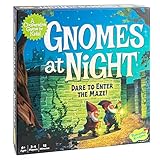
Overview: Peaceable Kingdom’s Gnomes at Night transforms children into collaborative treasure hunters navigating a dual-sided castle maze. Designed for 2-4 players ages 6 and up, this communication-focused game tasks teams with recovering the Queen’s stolen treasures using magnetic gnome movers before time expires. The asymmetric board design creates a unique cooperative challenge where players must verbally guide each other through obstacles they cannot physically see.
What Makes It Stand Out: The ingeniously designed maze, different on each side of the board, forces genuine teamwork and descriptive communication. Magnetic movers that pass through walls for your partner create magical “aha” moments for young players. The sand timer adds gentle pressure without inducing anxiety. With four escalating difficulty levels, the game grows with children’s cognitive development, teaching spatial reasoning and precise language.
Value for Money: At approximately $20-25, Gnomes at Night delivers substantial educational value alongside entertainment. The four reversible boards provide significant replayability for the target age group. Compared to purely competitive children’s games, its focus on cooperation and communication skills justifies every penny for parents prioritizing developmental benefits.
Strengths and Weaknesses: Strengths include brilliant asymmetric design, magnetic component novelty, clear age-appropriate rules, and genuine skill-building. It excels at teaching directional language and patience. Weaknesses: limited appeal for players over age 10, requires exactly 2-4 participants (no solo mode), and the timer may frustrate younger or anxious children. Setup involves careful board alignment.
Bottom Line: An exceptional cooperative introduction to board gaming for young children. Gnomes at Night brilliantly merges fun with fundamental communication skill development. Perfect for families with kids aged 6-9, classrooms, or any setting where collaborative learning is valued. Highly recommended for its target audience.
8. Spin Master Games, SolidRoots Escaping Extinction, Cooperative Strategy Board Game from The Makers of Mind The Gap, Easter Gift, 1-4 Players, for Ages 12 & Up

Overview: Escaping Extinction flips the dinosaur narrative, casting players as ingenious reptiles building a 3D rocket to flee prehistoric catastrophe. This cooperative strategy game for 1-4 players aged 12+ features a dynamic tile-based board that ensures no two games repeat. With earthquake cards dramatically altering the landscape mid-session, teams must balance exploration, resource gathering, and rocket construction before the meteor strikes.
What Makes It Stand Out: The 3D rocket assembly provides tangible progression rarely seen in cooperative games. Earthquake mechanics create genuine board transformation rather than simple card draws. Playing as dinosaurs escaping extinction offers refreshingly original perspective. The tile-based board construction delivers exceptional replayability, while the prehistoric theme avoids fantasy tropes for something scientifically evocative.
Value for Money: Priced around $30-35, the game justifies its cost through high-quality 3D components and modular design. Comparable strategy cooperatives often lack the physical build element. The variable board extends longevity significantly, offering more replay value than static-board alternatives in the same price bracket.
Strengths and Weaknesses: Strengths include innovative theme, tactile 3D building, dynamic board, and strategic depth suitable for teens and adults. The earthquake mechanism creates memorable moments. Weaknesses: the 12+ age rating limits true family cross-generational play, setup time is moderate, and some missions rely heavily on card draw luck. The dinosaur theme may not resonate with all players.
Bottom Line: Escaping Extinction successfully merges strategic cooperation with creative theme execution. Best suited for teen and adult gaming groups who appreciate variable setup and tactile objectives. While not ideal for young families, it carves a unique niche in the cooperative market with its 3D building mechanic and dynamic board.
9. Castle Panic 2nd Edition | Cooperative Board Game for Adults and Family | Ages 8+ | for 1 to 6 Players | Average Playtime 45 Minutes | Made by Fireside Games

Overview: Castle Panic 2nd Edition refines the beloved tower defense cooperative game where 1-6 players defend Castle Bravehold from relentless monster hordes. With a 45-minute playtime and flexible age range starting at 8, this edition enhances the original with improved components and four distinct modes: standard co-op, solo, competitive Master Slayer, and the devious Overlord variant where one player controls the monsters. Card trading and strategic coordination form the core experience.
What Makes It Stand Out: Four gameplay modes in one box offer unmatched versatility. The 3D castle towers provide satisfying tactile destruction. The Overlord mode brilliantly flips the script, giving competitive players an asymmetrical challenge. Trading mechanics foster constant interaction, preventing quarterbacking. The illustrated board and vibrant tokens create strong table presence without overwhelming complexity.
Value for Money: At $35-40, Castle Panic 2nd Edition delivers four games’ worth of content. The component upgrade from the first edition is substantial. Compared to single-mode cooperatives, its replayability justifies the price premium. The broad player count (1-6) eliminates need for multiple titles.
Strengths and Weaknesses: Strengths include exceptional mode variety, accessible rules with strategic depth, excellent player scaling, and family-friendly theme. The Overlord mode extends lifespan for experienced groups. Weaknesses: pure co-op can feel predictable after repeated plays, competitive modes may alienate cooperative purists, and the fantasy theme is generic. Setup involves sorting many tokens.
Bottom Line: Castle Panic 2nd Edition remains the gold standard for versatile family cooperative gaming. Its multiple modes ensure long-term engagement across skill levels. Perfect for households seeking one game that adapts to different player counts and moods. The Overlord mode alone makes this edition worth the upgrade.
10. The Lord of The Rings: Adventure to Mount Doom | Family Game | Cooperative Game | Strategy Game

Overview: The Lord of the Rings: Adventure to Mount Doom distills Tolkien’s epic into a 50-minute cooperative journey for 1-4 players. Participants guide Frodo across Middle-earth using dice rolling and card drawing to evade Ringwraiths while progressing toward Mount Doom. The game balances accessibility with thematic immersion, making it suitable for families and casual fans. Solo play is fully supported, allowing individual players to experience the quest independently.
What Makes It Stand Out: The integrated LOTR theme goes beyond mere artwork, with narrative events and character-specific challenges. The dice-and-card system creates tension without complex rules overhead. Solo mode is seamlessly implemented, a rarity in licensed games. The 50-minute runtime respects the source material’s urgency while remaining practical for family game night. It successfully bridges gateway game mechanics with beloved intellectual property.
Value for Money: Typically priced at $30-35, the game offers reasonable value for a licensed property. While components are standard, the thematic integration elevates it above generic fantasy games. Compared to heavier LOTR titles like War of the Ring, it provides accessible entry at a fraction of cost and complexity.
Strengths and Weaknesses: Strengths include strong thematic immersion, accessible rules, functional solo mode, and family-friendly design. The cooperative nature fits the fellowship concept perfectly. Weaknesses: strategic depth is limited compared to dedicated hobby games, dice reliance introduces luck that may frustrate planners, and Tolkien purists may find the simplification disappointing. Replayability depends on tolerance for repeated narrative.
Bottom Line: Adventure to Mount Doom succeeds as a family-weight LOTR cooperative experience. Ideal for introducing children to Tolkien or providing casual fans an accessible board game entry point. While not satisfying for hardcore gamers or lore purists, it fills a specific niche admirably. Recommended for families seeking thematic cooperation without heavy rules overhead.
The Evolution of Cooperative Gaming
From Competition to Collaboration
The fundamental shift in modern cooperative design centers on meaningful collaboration versus forced cooperation. Early co-op games often created situations where one experienced player could dominate decisions, effectively playing solo while others watched. Revolutionary 2026 designs have dismantled this problem through hidden information mechanics, simultaneous decision-making, and role-specific knowledge that makes every player’s contribution essential. These games create genuine interdependence where communication becomes a strategic resource rather than a formality, and where the group’s success hinges on trusting each teammate’s unique perspective and abilities.
Technology Integration in Modern Games
The integration of smartphone apps and digital components has moved far beyond simple timers or score trackers. In 2026’s most innovative co-ops, technology serves as an intelligent game master that adapts difficulty in real-time, introduces plot twists based on your group’s play patterns, and manages complex state-tracking that would be cumbersome with physical components alone. This digital layer can generate unique scenarios, provide atmospheric sound design, and even incorporate augmented reality elements that bring game boards to life. The key revolution is how seamlessly these digital tools enhance rather than replace the tactile satisfaction of moving physical pieces and gathering around a table with friends.
Narrative-Driven Experiences
Story has become the beating heart of revolutionary cooperative games, but not in the way you might expect. Instead of pre-written scripts that play out the same way each time, 2026’s titles feature branching narratives that remember your group’s decisions across multiple sessions. Your characters develop personal arcs, locations evolve based on your successes and failures, and the world itself transforms according to your collective choices. This creates emotional investment that extends far beyond winning or losing—players become genuinely attached to their shared story and the fictional communities they’re protecting or building together.
Key Features That Define Revolutionary Co-op Games
Asymmetric Player Roles
The most groundbreaking cooperative games of 2026 have perfected asymmetry, giving each player not just different abilities but entirely different game mechanics to master. One player might manage resource allocation while another navigates a mini-dexterity challenge, and a third solves spatial puzzles—all while working toward a common goal. This design ensures everyone has a distinct contribution that matches their personal strengths and preferences, eliminating quarterbacking and making each role feel genuinely special. When choosing a game, consider whether your group enjoys having completely different responsibilities or prefers more uniform gameplay.
Dynamic Difficulty Scaling
Gone are the days of static difficulty levels chosen at the start of a game. Revolutionary co-ops now feature AI-driven systems that analyze your group’s performance and adjust challenge accordingly. If you’re struggling, the game might offer subtle assistance or reduce enemy pressure. If you’re dominating, it introduces new complications that keep you on your toes. This creates a consistent sense of being challenged but not overwhelmed—the “flow state” that keeps players engaged for hours. Look for games that describe “adaptive challenge systems” or “performance-based scaling” when shopping for titles that will grow with your group’s improving skills.
Legacy and Campaign Elements
The legacy format has evolved beyond simple sticker-placing and component destruction. Modern campaign games feature persistent worlds where your decisions ripple across dozens of sessions, but with innovative “reset mechanics” that allow you to revisit earlier scenarios with new strategies or different group compositions. Some titles offer “soft legacy” experiences where changes are tracked through digital apps or reversible board modifications, letting you experience the epic narrative without permanently altering components. Consider your group’s commitment level—do you want a 20-session epic or something that concludes in 5-6 games?
App-Enhanced Gameplay
When evaluating app-integrated games, the revolution lies in how the technology handles the invisible complexity. The best implementations manage hidden enemy movements, generate unexpected events, and provide atmospheric audio that draws players into the world. The app should reduce setup time, eliminate bookkeeping, and allow the physical components to focus on what they do best—tactile strategy and social interaction. Be wary of games where the app becomes the entire experience; the sweet spot is when technology handles the busywork while players stay focused on each other and the board.
Environmental Storytelling
Revolutionary games communicate narrative through their physical components and mechanical systems rather than just text. The board itself might degrade over time, cards could gain wear marks that indicate history, and new rules might emerge from sealed envelopes that arrive at narratively appropriate moments. This environmental storytelling creates immersion because the story lives in the objects you touch, not just words you read. When examining potential purchases, look for games where the components themselves seem to tell a story even before you start playing.
What to Consider When Choosing Your Next Game
Player Count Flexibility
The most versatile cooperative games of 2026 excel across a wide range of player counts without sacrificing experience quality. Some achieve this through scaling mechanisms that change the board size or objective complexity, while others use “automa” systems that simulate additional players when you’re short on participants. Consider your regular gaming group size and whether you need something that works equally well with 2 players as it does with 5. Games with dedicated solo modes that don’t feel like an afterthought represent particularly good value for players whose group size fluctuates.
Session Length and Commitment
Revolutionary doesn’t always mean epic. While some groundbreaking co-ops offer 4-hour sessions with deep strategic complexity, others deliver revolutionary mechanics in tight 45-minute experiences. Assess your group’s attention span and scheduling consistency. Games with “save anywhere” features or clearly defined chapter breaks offer more flexibility for busy groups, while those requiring consistent weekly sessions demand stronger commitment. The revolution in design includes better pacing tools that let you control session length without breaking narrative flow.
Complexity and Learning Curve
The best modern cooperative games teach themselves through progressive disclosure of rules. Rather than front-loading a 30-page rulebook, they introduce core concepts in a tutorial scenario and layer additional mechanics as you advance. This “learn while playing” approach has become a hallmark of revolutionary design. When evaluating complexity, look for games that offer teaching guides or beginner scenarios specifically designed to onboard new players. The goal is finding something that matches your group’s willingness to learn while providing depth that reveals itself over multiple plays.
Theme and Immersion
Theme has evolved from simple window-dressing to a core mechanical driver in 2026’s top co-ops. The most immersive games weave theme into every decision, where mechanical choices feel like natural extensions of the narrative setting. Whether you’re drawn to cosmic horror, ecological survival, political intrigue, or magical academia, revolutionary games make the theme inseparable from the gameplay. Consider what settings resonate with your group emotionally—games that align with your collective interests will see much more table time.
Replayability Factors
True replayability comes not from randomization alone but from emergent complexity. Revolutionary cooperative games generate unique situations through interacting systems rather than just shuffled cards. Look for games with modular boards, variable player powers, branching narrative paths, and systems that create surprising combinations. The best titles feel fresh on your 20th play because the strategic landscape shifts based on earlier decisions, not just luck of the draw. Games that support community-created scenarios or include procedural generation tools offer virtually unlimited replay value.
Emerging Trends in 2026
AI-Driven Game Masters
Artificial intelligence has become sophisticated enough to serve as a responsive dungeon master, creating personalized challenges based on your group’s play style, inside jokes, and skill progression. These systems analyze which puzzles your group solves quickly versus where you struggle, then craft future scenarios that play to your strengths while developing your weaknesses. The AI might remember that Sarah loves deduction puzzles while Mike excels at resource optimization, ensuring both get moments to shine. When exploring games with AI components, consider whether the system requires constant internet connectivity or works offline.
Physical-Digital Hybrid Components
Beyond simple apps, 2026 has seen the rise of NFC-enabled pieces, QR-coded cards that unlock digital content, and boards with embedded sensors that track piece placement automatically. These hybrids create magical moments where moving a physical token triggers digital responses—maybe a light flickers on the board, or your phone announces an unexpected event. The revolution lies in how these technologies fade into the background, feeling natural rather than gimmicky. Evaluate whether the hybrid elements genuinely enhance gameplay or simply add cost and complexity.
Sustainability in Game Production
Environmental consciousness has become a design priority, not just a marketing talking point. Revolutionary publishers are using biodegradable plastics, soy-based inks, and modular component systems that reduce waste. Some games feature “forever components” where expansions add gameplay but don’t require new base pieces, while others use digital components to replace disposable elements. This sustainability extends to gameplay mechanics too—some titles teach ecological principles through their systems. If environmental impact matters to your group, research publishers’ manufacturing practices and component sourcing.
Community-Driven Content
The line between player and designer has blurred as more games embrace user-generated content. Platforms allow players to create and share scenarios, characters, and even entire campaigns through official tools. The most revolutionary titles feature curated community content that’s playtested and officially integrated, giving you access to virtually unlimited adventures. Some games include “creator modes” where your group can build custom challenges together, then export them for other players to experience. This trend dramatically extends a game’s lifespan and creates passionate communities around shared creation.
Cross-Platform Integration
Your board game session might now continue on your phone during your commute, with solo app missions that earn resources for your next tabletop session. Or perhaps your group’s decisions in the board game unlock new story branches in a companion video game. This cross-platform continuity creates unprecedented engagement, making the game world feel alive even when you’re not gathered around the table. When considering such games, evaluate whether the digital extensions feel like essential content or optional bonuses, and whether they require separate purchases.
Building the Perfect Game Night
Group Dynamics and Player Types
Revolutionary cooperative games shine when they match your group’s social dynamic. Consider whether your friends prefer high-stakes tension or relaxed problem-solving, whether they enjoy deep strategic discussions or quick intuitive play. Some groups thrive on games that encourage debate and deliberation, while others prefer clear individual responsibilities that minimize conflict. The best co-ops of 2026 offer multiple play modes that cater to different social preferences, letting you adjust the experience based on who’s at the table and what mood you’re in.
Teaching New Players Effectively
Even the most revolutionary game fails if you can’t onboard new players smoothly. Modern designs include “player aids” that are actually helpful, tutorial setups that teach through doing rather than lecturing, and asymmetric roles where experienced players can take more complex positions while newcomers handle straightforward but crucial tasks. When introducing a new co-op, consider starting with a simplified scenario that captures the game’s essence without overwhelming rules explanations. The best games make first-timers feel competent and impactful within 15 minutes of starting.
Creating the Right Atmosphere
The revolutionary nature of 2026’s co-ops extends to how they transform your physical space. Many games now include ambient soundtracks, lighting recommendations, and even scent suggestions (through optional accessories) that create multi-sensory immersion. The physical setup itself has become part of the ritual—arranging components in specific ways, performing opening ceremonies, or using custom inserts that make setup part of the storytelling. Consider how much atmosphere matters to your group and whether you’re willing to invest in accessories that elevate the experience from game night to event.
Expansions and Customization Options
The revolution in cooperative gaming includes how expansions are designed—not just as “more content” but as transformative modules that fundamentally change how the base game plays. Some add new mechanical systems, others introduce narrative branches that diverge wildly from the original story. The best expansion models let you pick and choose which elements to incorporate, creating a customized experience. When investing in a system, research its expansion philosophy: does it offer meaningful variety or just more of the same? Games with “expansion passes” that deliver content over time can provide ongoing excitement but require continued investment.
Frequently Asked Questions
What makes a cooperative board game “revolutionary” in 2026?
Revolutionary cooperative games feature adaptive systems that respond to your group’s play style, seamless integration of digital tools that enhance rather than replace physical components, and narrative structures that create personalized stories. They eliminate quarterbacking through asymmetric roles, offer genuine replayability through emergent complexity rather than randomization, and often include community-driven content that extends their lifespan indefinitely.
How do I choose between a legacy game and a replayable standalone co-op?
Consider your group’s commitment level and desire for permanence. Legacy games create unforgettable shared histories but require consistent attendance and willingness to permanently alter components. Standalone games with campaign modes offer narrative progression without permanent changes, making them easier to restart or integrate new players. If your group meets irregularly or has rotating members, opt for games with “soft legacy” features that track progress digitally or through reversible methods.
Are app-integrated games worth the extra setup and potential technical issues?
When implemented well, app integration eliminates tedious bookkeeping, creates surprising narrative events, and manages complex hidden information that would be impossible physically. The key is finding games where the app reduces setup time and enhances atmosphere without becoming the sole focus. Read reviews specifically about app reliability and whether the game offers offline functionality. For groups that value tactile purity, many revolutionary 2026 games offer optional app-less modes, though these may sacrifice some dynamic elements.
How many players do I need to enjoy modern cooperative games?
Most revolutionary co-ops of 2026 are designed with robust solo modes that use automa systems or dual-hand mechanics, making them excellent for single players. Two-player experiences have become particularly sophisticated, often feeling just as complete as four-player sessions. Many games now scale dynamically from 1-6 players without losing strategic depth. Check specifically for “true solo” designs where the single-player experience isn’t just a multi-handed variant but a tailored challenge with unique objectives and systems.
What should I look for to ensure a game has lasting replayability?
Prioritize games with modular setups, variable player powers that create different strategic approaches, and systems where components interact in emergent ways. Procedural generation tools, community scenario builders, and AI-driven content creation dramatically extend lifespan. Avoid games where replayability relies solely on random card shuffles—look instead for titles where your previous decisions permanently alter future possibilities, creating a unique strategic landscape each time you play.
How complex are 2026’s revolutionary cooperative games?
Complexity ranges from gateway games that teach revolutionary concepts in under an hour to epic experiences requiring multiple sessions to master. The innovation lies in progressive complexity disclosure—games teach themselves through structured scenarios that layer rules naturally. Many include “complexity ratings” for different play modes, letting you choose simple, standard, or advanced rulesets. Consider your group’s experience level and look for games that offer satisfying depth without requiring a 90-minute rules video.
Can I mix experienced and new players in these modern co-ops?
Absolutely—this is where 2026’s designs truly shine. Asymmetric roles allow veterans to take complex positions while newcomers handle crucial but straightforward tasks. Many games include “advisor” mechanics where experienced players can offer limited guidance without dominating decisions. Progressive tutorial scenarios let new players learn while contributing meaningfully. Look for games that specifically mention “onboarding systems” or “mentor modes” in their descriptions.
What themes are trending in 2026’s cooperative games?
Ecological survival, AI ethics, community building, and magical realism dominate current design spaces. There’s a strong movement toward themes that encourage empathy and systems thinking rather than simple combat. Games explore climate change through resource management, examine social dynamics through political negotiation, and investigate consciousness through puzzles. Choose themes that resonate emotionally with your group—games that align with your collective interests will create stronger engagement and more memorable sessions.
How important is component quality in modern board games?
Component quality has become integral to the experience, not just aesthetic luxury. Weighty, tactile pieces enhance immersion, while custom inserts reduce setup time and protect investments. Many 2026 games use component quality as a gameplay element—NFC chips, embedded sensors, or pieces that physically degrade to show progress. While premium components increase cost, they often correlate with better design and longevity. Consider your budget but recognize that revolutionary mechanics sometimes require innovative components that justify higher prices.
Should I wait for expansions before buying a base game?
Most revolutionary cooperative games of 2026 are designed as complete experiences—expansions genuinely expand rather than complete. The base game should offer dozens of hours of varied play before feeling repetitive. However, some titles have announced expansion roadmaps that add transformative mechanics rather than just content. Research whether a game’s expansions are “more of the same” or “game-changing additions.” If an expansion significantly alters the core loop in ways that appeal to you, waiting for a bundled release might be worthwhile, but generally, the base game alone represents a complete revolutionary experience.
See Also
- The 10 Most Revolutionary Horror Cooperative Board Games of 2026
- The 10 Most Revolutionary Mystery Cooperative Board Games of 2026
- 10 Most Durable Cooperative Board Games Based on Real User Reviews in 2026
- The 10 Most Revolutionary Cooperative Strategy Games of 2026
- 10 Top-Rated Cooperative Board Games According to Experts in 2026