Table of Contents
Imagine a living room where laughter replaces groans, where siblings strategize together instead of arguing over turns, and where the collective sigh of relief when the group just barely succeeds feels more rewarding than any solo victory. This isn’t a utopian fantasy—it’s the tangible magic of cooperative board games played with kids. In today’s world, where screen time often dominates and social interactions can feel fragmented, these games offer a powerful antidote. They transform playtime into a shared mission, fostering connection and teaching invaluable life skills far beyond the board. For parents and educators seeking meaningful, screen-free engagement that builds rather than drains energy, cooperative games are becoming an essential toolkit for nurturing the next generation.
Let’s be honest: traditional competitive games can sometimes amplify frustration, especially with younger children. Tears over lost pieces or sour grapes over losing are common pitfalls. Cooperative games flip this script entirely. They shift the focus from “me versus you” to “us versus the challenge,” creating a safe space where effort is celebrated, mistakes become learning opportunities, and everyone shares in the triumph. As we move further into 2026, understanding how to choose the right cooperative experience—one that genuinely captivates young minds while delivering developmental benefits—is more crucial than ever. This guide cuts through the noise, focusing on the core elements that make cooperative play truly transformative for children, helping you select games that spark joy, build character, and create lasting family memories.
Top 10 Cooperative Games for Kids
Detailed Product Reviews
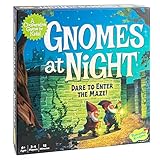
1. Peaceable Kingdom Gnomes at Night A Cooperative Maze Game for 2 to 4 Kids Ages 6+
Overview:
Gnomes at Night is a cooperative search-and-find board game where 2–4 players team up to recover stolen treasures within a dual-layer castle maze before dawn. Players manipulate magnetic gnome movers across interconnected boards, communicating to navigate paths obscured by walls, aiming to collect all 12 treasures shown on cards within a timed challenge.
What Makes It Stand Out:
Its innovative dual-sided board design forces genuine teamwork: players can only move their gnome along visible paths on their side but must verbally guide partners to shift movers through “walls” from the opposite board. This unique spatial communication mechanic—using directional cues like “left” or “up”—builds critical collaboration and descriptive language skills absent in competitive kids’ games. The adjustable difficulty (four board levels) extends replayability.
Value for Money:
Priced competitively against similar cooperative games, it includes 20+ durable components (boards, movers, timers) supporting 4 players. While simpler than strategy-heavy alternatives, its focus on communication over luck justifies the cost for developing foundational social skills, outperforming basic memory or roll-and-move games in educational depth.
Strengths and Weaknesses:
Strengths: Exceptional teamwork demand; no reading required; sand timer adds gentle urgency; sturdy magnetic pieces. Weaknesses: Younger players (age 6) may struggle with spatial concepts; limited visual appeal compared to cartoonish rivals; board setup requires precise alignment.
Bottom Line:
A standout choice for fostering communication and patience in early elementary kids. Its clever dual-board system offers meaningful cooperative play rarely found at this price point, making it a worthy investment for parents prioritizing social skill development over solo competition.
2. Peaceable Kingdom Race to the Treasure! Cooperative Path Building Game for 2 to 4 Kids Ages 5+

Overview:
Race to the Treasure! challenges 2–4 players (age 5+) to collaboratively build a winding path from start to finish before an ogre reaches the treasure. By placing tile pathways and collecting keys, teams race against time to outmaneuver the ogre in this award-winning, strategy-focused cooperative adventure.
What Makes It Stand Out:
The tile-laying path-building mechanic is rare for preschoolers, requiring shared decision-making to optimize routes while blocking the ogre’s advance. Its simplicity—no reading, intuitive icon-based tiles—and quick 15-minute playtime make complex strategy accessible. Winning multiple awards (including Oppenheim Platinum), it bridges luck-based games and advanced strategy titles perfectly for young minds.
Value for Money:
At mid-range kids’ game pricing, its high replayability (randomized tile draws) and exceptional durability justify the cost. It outvalues similar cooperative games by teaching spatial reasoning and forward planning without overwhelming simplicity, though components are less elaborate than premium competitors.
Strengths and Weaknesses:
Strengths: Effortless setup; fosters strategic thinking; minimal frustration with “no loser” design; ogre tracker adds thrilling tension. Weaknesses: Path randomness can occasionally force suboptimal moves; limited player interaction beyond tile placement; less tactile engagement than mover-based games.
Bottom Line:
An essential first strategy game for ages 5+, blending approachable rules with genuine teamwork. Its educational payoff in planning and cooperation far exceeds its cost, earning its award pedigree as a top-tier starter cooperative experience.
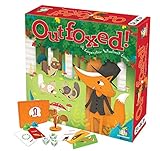
3. OUTFOXED, A CLASSIC WHO DUNNIT GAME FOR PRESCHOOLERS, 4 players
Overview:
Outfoxed! invites 2–4 preschoolers (age 4+) into a cooperative whodunit where players use an evidence scanner to interrogate fox suspects and deduce who stole Mrs. Plumpert’s pot pie before the culprit escapes. This Fox Crime Co. investigation blends deduction with adorable, tactile fun.
What Makes It Stand Out:
The standout feature is the physical evidence scanner—a handheld device that reveals suspect clues through colored filters—transforming abstract deduction into a tangible, engaging process. Its focus on collaborative clue-gathering (e.g., “wearing a hat”) rather than competition makes classic mystery mechanics accessible to preschoolers, a rarity in the genre.
Value for Money:
Priced higher than basic kids’ games, the scanner’s novelty and durability justify the cost. While simpler than older-kid deduction games, it delivers unmatched educational value for ages 4–6 by developing logical reasoning and observation skills, outperforming cheaper memory games in cognitive depth.
Strengths and Weaknesses:
Strengths: Evidence scanner is brilliantly intuitive; charming fox characters; rules explained in 5 minutes; builds critical thinking organically. Weaknesses: Short playtime (10–15 mins); limited replayability once solution patterns are learned; scanner requires careful handling by young kids.
Bottom Line:
A must-have for introducing preschoolers to logical deduction. Despite minor replayability limits, the innovative scanner and cooperative charm make it a superb value for nurturing early problem-solving skills in a stress-free, engaging format.
4. Peaceable Kingdom Mermaid Island Award Winning Cooperative Board Game for 2 to 6 Kids Ages 5+

Overview:
In Mermaid Island, 2–6 players (age 5+) cooperate to guide three mermaids to safety before the Sea Witch reaches the island. Using a spinner to move, players collect wands to repel the witch in this magical, non-competitive race designed for larger groups.
What Makes It Stand Out:
Its capacity for up to six players sets it apart, perfect for classrooms or big families. The spinner-driven simplicity—coupled with wand tokens that let players collectively “defeat” the witch—creates accessible teamwork. Winning Good Housekeeping’s Best Toy Award, it excels at teaching shared decision-making without complex rules or reading.
Value for Money:
Excellent value for group play, as few cooperative games accommodate six players at this price. Components (spinner, mermaid tokens) are sturdy but basic; it trades strategic depth for inclusivity, making it ideal for casual playdates but less engaging for strategy-focused families compared to tile-laying alternatives.
Strengths and Weaknesses:
Strengths: Unmatched for large groups; minimal setup; promotes emotional resilience (no winners/losers); vibrant mermaid theme appeals broadly. Weaknesses: Heavy luck dependence via spinner; limited player agency; Sea Witch movement feels arbitrary; shorter replay value than puzzle-based games.
Bottom Line:
The premier choice for group settings needing quick, inclusive fun. While light on strategy, its ability to unite up to six children in cooperative play makes it indispensable for schools or siblings, justifying its cost through sheer versatility.
5. Peaceable Kingdom Dinosaur Escape Cooperative Memory Game of Logic and Luck for 2 to 4 Kids Ages 4+

Overview:
Dinosaur Escape tasks 2–4 players (age 4+) with cooperatively rescuing lost dinosaurs before a volcano erupts. By flipping fern tokens to match dinosaur symbols and moving pieces to safety, teams race against a five-piece eruption timer in this memory-based adventure.
What Makes It Stand Out:
The reversible fern tokens—featuring dinosaurs on one side and volcanoes on the other—create dynamic tension: matching dinos advances rescue, while matching volcanoes triggers eruptions. This clever twist on classic memory games adds strategic depth, as players must collectively track flips to optimize moves, blending luck with shared recall.
Value for Money:
Offers solid value with durable, dino-themed components (movers, puzzle pieces) at a competitive price. It surpasses standard memory games by integrating cooperative urgency and eruption mechanics, though it lacks the innovative hooks of Outfoxed’s scanner or Gnomes’ dual boards for the same age group.
Strengths and Weaknesses:
Strengths: Perfect intro to memory/logic for ages 4+; eruption timer visually escalates tension; reinforces teamwork without pressure; minimal setup. Weaknesses: Memory element may frustrate younger players; fern tokens can slide easily; limited strategic depth compared to path-building games.
Bottom Line:
A charming, accessible memory game that successfully merges cooperation with cognitive skills. Ideal for preschoolers new to strategy, it’s a reliable, budget-friendly pick—though families seeking deeper mechanics might prefer Race to the Treasure! for slightly older kids.
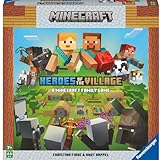
6. Ravensburger Minecraft Heroes of The Village | Cooperative Board Game | Exciting & Unpredictable | Perfect for Families and Minecraft Enthusiasts | Suitable for Kids & Adults
Overview:
Ravensburger’s Minecraft Heroes of The Village translates the beloved sandbox game into a cooperative board experience. Designed for 2–4 players aged 7+, it tasks teams with defending a village from mobs while gathering resources, leveraging Minecraft’s core themes in a family-friendly format. The game emphasizes shared decision-making over competition.
What Makes It Stand Out:
The ever-changing modular map tiles ensure high replayability, with each session presenting unique layouts and challenges. Quality wooden blocks and detailed mob tokens reflect Ravensburger’s 130-year craftsmanship, while the cooperative mechanic—where players collectively strategize to achieve victory—fosters teamwork. Its seamless integration of Minecraft’s aesthetic and accessible rules make it a standout for younger fans.
Value for Money:
Priced moderately for its component quality and brand pedigree, it offers excellent value compared to pricier strategy games. While niche-themed, it justifies cost through durability and replay depth, outperforming generic kids’ games that lack thematic cohesion or strategic nuance.
Strengths and Weaknesses:
Strengths: High replay value from dynamic maps; intuitive rules for ages 7+; premium components; strong family bonding potential.
Weaknesses: Limited depth for hardcore gamers; mob token variety could be expanded; setup time slightly lengthy for quick sessions.
Bottom Line:
An ideal entry-point cooperative game for Minecraft fans and families seeking shared victories. Its engaging theme, quality build, and replayability make it a worthwhile investment for game nights, earning a strong recommendation for its target audience.
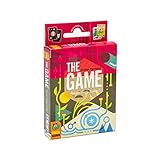
7. Pandasaurus Cooperative Strategy Card Game - Fun Interactive Family Game for Ages 8+, 1-5 Players, 20 Minute Playtime
Overview:
“The Game,” by Pandasaurus, is a globally acclaimed cooperative card game challenging 1–5 players to collaboratively play descending and ascending number sequences from two decks. With a 20-minute runtime and rules simple enough for ages 8+, it focuses on silent teamwork and strategic foresight to “beat the game.”
What Makes It Stand Out:
Its genius lies in minimal rules yielding intense strategic depth: players must communicate indirectly through card plays, creating addictive tension. Awarded Spiel Des Jahres and with 1.3M+ copies sold, its universal appeal stems from quick setup, portability, and the unique challenge of overcoming self-imposed communication limits.
Value for Money:
Exceptional value given its compact size, award-winning design, and near-infinite replayability. At a mid-range price point, it outshines many longer board games by delivering consistent, high-stakes fun without complex components—perfect for casual or seasoned players.
Strengths and Weaknesses:
Strengths: Brilliantly simple yet deep mechanics; highly portable; fosters nonverbal teamwork; short playtime ideal for all schedules.
Weaknesses: Limited physical components (just cards); steep learning curve for young kids; occasional frustration from unavoidable losses.
Bottom Line:
A must-have for families and strategy enthusiasts seeking a quick, brain-teasing cooperative experience. Its award-winning design and addictive gameplay justify its popularity, making it an easy recommendation for game nights of any size.
8. Peaceable Kingdom Space Escape – Cooperative Strategy Space Adventure Game by The Inventor of Pandemic – Use Teamwork to Win! – Great for Families with Kids Ages 7 & up

Overview:
Space Escape, designed by Pandemic’s creator, casts players as mole rats racing to collect gear and reach an escape pod while evading space snakes. This 2–4 player cooperative game for ages 7+ emphasizes communication and shared strategy to overcome time-sensitive challenges on a vibrant space station.
What Makes It Stand Out:
The dual-action card system—where each draw impacts both players and snakes—creates dynamic, unpredictable tension. As a Peaceable Kingdom title, it excels in teaching emotional intelligence and problem-solving, while the “Snakes in Space” theme offers quirky charm absent in typical educational games.
Value for Money:
Priced affordably for its educational value and durable components (including 3D mole rat movers), it outperforms flashier games by prioritizing meaningful skill development. Families gain a tool for nurturing teamwork without the cost of complex strategy games.
Strengths and Weaknesses:
Strengths: Exceptional for teaching communication and planning; engaging theme for kids; scalable difficulty; compact storage.
Weaknesses: Limited strategic depth for adults; snake-movement luck can frustrate; art style may not appeal to all.
Bottom Line:
A superb choice for parents and educators wanting to build kids’ social-emotional skills through play. Its clever design and cooperative spirit make it a top recommendation for families seeking meaningful, screen-free interaction.
9. Peaceable Kingdom Hoot Owl Hoot - Cooperative Matching Game For Kids

Overview:
Hoot Owl Hoot is a gentle cooperative matching game where players team up to guide colorful owls back to their nest before sunrise. Targeted at preschoolers, it uses simple color-matching mechanics to foster early teamwork skills without competitive pressure.
What Makes It Stand Out:
Its brilliance lies in accessibility: children as young as 4 can grasp the rules, learning turn-taking and shared goals through intuitive card play. The absence of reading requirements and emphasis on collective victory (rather than individual wins) make it ideal for nurturing empathy in early childhood.
Value for Money:
An economical investment for foundational social skill development. While physically lightweight (1.15 lbs), its durable cards and focused educational purpose offer superior value over single-player puzzles or apps, especially for classrooms or therapy settings.
Strengths and Weaknesses:
Strengths: Perfect for ages 4–7; teaches cooperation organically; minimal setup; calming gameplay.
Weaknesses: Too simplistic for older kids; limited replay depth; lacks thematic engagement for non-preschoolers.
Bottom Line:
An essential first cooperative game for toddlers and kindergarteners. Its gentle approach to teamwork and emotional growth makes it indispensable for early development, earning a strong nod for parents starting their child’s board game journey.
10. Spin Master Games, Jumanji Stampede, 3D Adventure Cooperative Board Game, for Fans of The Jumanji Movies, Face Off Against Jungle Emergencies, 2-4 Players, for Ages 8 & Up

Overview:
Jumanji Stampede plunges players into a 3D jungle adventure where teams cooperate to collect five magical crystals while evading movie-accurate threats like boulders and leaping leopards. Designed for 2–4 players aged 8+, it merges cinematic nostalgia with hands-on strategy.
What Makes It Stand Out:
The immersive 3D board—featuring a 7-inch Rhino Mountain and interactive obstacles—creates a visually striking centerpiece. Unique “jungle emergencies” (e.g., spinning snakes) introduce unpredictable challenges, while the cooperative race against the villain captures Jumanji’s chaotic spirit better than most movie tie-ins.
Value for Money:
Priced competitively for its elaborate 3D components and brand licensing, it delivers theatrical excitement absent in cheaper games. Though less replayable than strategy-focused titles, the spectacle justifies cost for Jumanji fans seeking immersive family nights.
Strengths and Weaknesses:
Strengths: Stunning 3D visuals; authentic movie integration; thrilling emergency mechanics; great for movie buffs.
Weaknesses: Setup/storage cumbersome; luck-heavy outcomes; limited strategic depth; theme may not resonate with non-fans.
Bottom Line:
A thrilling, visually impressive choice for Jumanji enthusiasts craving cinematic gameplay. While niche, its cooperative chaos and spectacle make it a solid pick for families wanting to step into the jungle—just prioritize theme over replayability.
Why Cooperative Play Matters More Than Ever
The landscape of childhood development is constantly evolving, and cooperative board games have emerged as surprisingly potent tools for nurturing essential skills often underdeveloped in purely digital or highly competitive environments. These games provide a structured yet playful arena for kids to practice real-world social dynamics.
Cultivating Essential Social-Emotional Intelligence
Cooperative gameplay is a masterclass in emotional regulation and empathy. When children work towards a common goal, they naturally encounter situations requiring them to manage disappointment (like a flipped card spoiling plans), express their ideas clearly, and recognize teammates’ feelings. This constant, low-stakes practice in navigating group emotions builds a strong foundation for healthy relationships both on and off the board, teaching kids that acknowledging feelings is part of the solution, not a distraction from winning.
Building Resilience Through Shared Challenges
Life rarely offers solo victories, and cooperative games brilliantly mirror this reality. Facing a tricky puzzle or a looming game threat together teaches children that setbacks are temporary and surmountable with collective effort. Instead of internalizing failure as a personal shortcoming (“I lost”), they learn to analyze the situation objectively (“The dragon got too close; next time we’ll move faster”). This fosters a growth mindset, where obstacles become puzzles to solve collaboratively rather than reasons to quit.
Strengthening Communication as a Core Life Skill
Effective communication isn’t just about talking; it’s about listening, clarifying, and finding common ground. Cooperative games demand this constantly. Kids must articulate their strategies, ask for help, interpret others’ suggestions, and sometimes compromise on the best course of action. This real-time practice in constructive dialogue is invaluable, translating directly to improved classroom participation, better conflict resolution with peers, and stronger family communication.
Decoding Key Features for Lasting Engagement
Not all cooperative games deliver equal value, especially for developing young minds. Identifying the right mechanics and design elements ensures the game remains enjoyable, accessible, and truly beneficial over multiple plays, avoiding the fate of gathering dust in the closet.
Age-Appropriate Complexity is Non-Negotiable
The biggest pitfall is mismatching game complexity to developmental stage. A game requiring intricate long-term strategy will overwhelm a five-year-old, leading to frustration, while overly simplistic mechanics will bore a ten-year-old. Look for clear, minimal rulesets for preschoolers, gradually introducing manageable decision points and light strategy for early elementary, and incorporating more nuanced problem-solving and role specialization for upper elementary ages. The sweet spot is a game where kids feel challenged but not helpless.
Mechanics That Demand Genuine Collaboration
Beware of “multiplayer solitaire” disguised as cooperation. True cooperative play requires interdependence. Seek games where success absolutely depends on players sharing information, combining unique abilities, or physically working together (like arranging tiles). Games where one dominant player can easily take over (" analysis paralysis" or bossing others) undermine the core benefit. Mechanics should encourage input from all participants, making everyone feel essential to the outcome.
Visual Storytelling and Immersive Themes
Children engage deeply with compelling narratives and vivid artwork. A game themed around rescuing forest animals or exploring a magical cityscape captures imagination far more effectively than abstract tokens on a grid. High-quality, expressive illustrations and a simple, clear narrative context (even if just “save the castle from the storm!”) provide crucial scaffolding for understanding rules and staying motivated through challenging moments. The theme should feel inviting, not intimidating or overly complex.
Navigating Age Groups and Developmental Stages
Understanding the cognitive and social capabilities of different age brackets is paramount for selecting a cooperative game that feels like play, not work. What excites a kindergartener will likely fall flat for a pre-teen, and vice versa.
Preschool Power: Simplicity and Sensory Engagement (Ages 3-5)
For the youngest players, focus shifts to basic cooperation, color/shape recognition, and turn-taking within the group effort. Games should feature large, durable components, minimal reading, and very short playtimes (10-15 minutes). Success should feel immediate and visually clear—like physically placing a rescued animal into a boat together. The “win” condition needs to be obvious and celebratory, reinforcing the positive feeling of shared accomplishment without complex strategy.
Early Elementary Exploration: Building Strategy and Negotiation (Ages 6-8)
This age group thrives on games introducing simple planning, light resource management, and defined (but not overwhelming) roles. Playtime can extend to 20-30 minutes. Look for mechanics where players discuss options (“Should we go left for apples or right for medicine?”) and make collective choices. Games often benefit from a gentle “timer” element (like a rising flood level) to create exciting urgency without excessive pressure. Clear cause-and-effect helps them learn from outcomes.
Upper Elementary Challenge: Deepening Strategy and Critical Thinking (Ages 9-12)
Older kids are ready for significant strategic depth, hidden information requiring deduction, and complex problem-solving where each player’s unique role is critical. Games can last 30-45 minutes and involve layered decisions with meaningful consequences. Themes can be more sophisticated (historical, scientific, or complex fantasy). The challenge should feel substantial, requiring genuine teamwork, analysis, and adaptation, making the eventual victory deeply satisfying and fostering advanced critical thinking skills.
Maximizing Educational Value Through Play
Cooperative games are stealth learning powerhouses. When designed well, they seamlessly integrate skill development into the fun, making practice feel like an adventure rather than a lesson.
Integrating Foundational Academic Concepts
Mathematics comes alive through counting resources, managing limited supplies, or calculating movement. Literacy skills are bolstered by reading simple cards, following sequential instructions, and discussing strategies using new vocabulary. Even basic science concepts like cause-and-effect, pattern recognition, and spatial reasoning are constantly exercised as players navigate the game world and solve its puzzles, all within a motivating, low-pressure context.
Developing Executive Function Superpowers
These crucial cognitive skills—planning, working memory, cognitive flexibility, and impulse control—are heavily engaged. Players must remember shared rules and past moves, plan several steps ahead as a group, adapt strategies when the game throws curveballs, and resist the urge to act rashly for the team’s benefit. The cooperative nature reduces the anxiety that can hinder executive function practice in competitive settings, allowing skills to develop more organically.
Fostering Creative Problem-Solving Mindsets
Unlike rigid puzzles, many cooperative games present open-ended challenges with multiple potential solutions. This encourages kids to brainstorm, experiment with different approaches (“What if we try this instead?”), and learn that there’s often more than one right way to succeed. This nurtures flexible thinking and the confidence to tackle unfamiliar problems—a skillset invaluable for future academic and personal challenges.
Practical Considerations for Real-World Play
Beyond the theoretical benefits, the practicalities of bringing a game to life in your home or classroom significantly impact its longevity and effectiveness. Choosing a game that fits your specific context is half the battle.
Setup Time and Component Management
Let’s face it: if setting up a game feels like assembling furniture, it won’t get played often. For busy families or classrooms, quick setup (under 5 minutes) is a major advantage. Consider component durability—wooden tokens might be sturdier than thin cardboard for rough handling. Games with minimal, clearly categorized pieces (e.g., all animal tokens in one bag) streamline cleanup and reduce the frustration of missing components, encouraging repeated plays.
Replayability: Avoiding the One-and-Done Trap
A game’s magic fades if the solution becomes predictable. Look for strong replayability through variable setup (different starting conditions each game), modular boards that change the landscape, or multiple difficulty levels that grow with the players. Games incorporating semi-cooperative elements (where hidden goals add tension without full betrayal) or scenario-based expansions can also significantly extend engagement, keeping the challenge fresh year after year.
Group Size Dynamics and Inclusivity
Consider who will typically play. Does the game shine with just two players, or does it truly require a team of four or five to feel dynamic? Some games scale poorly with smaller groups, becoming too easy, while others feel chaotic with more than four. Also, assess how inclusive the mechanics are for children with varying abilities—can a shy child contribute meaningfully? Are there roles that accommodate different processing speeds? Ensuring everyone feels capable and included is vital for the cooperative spirit to thrive.
Creating the Ideal Play Environment
The game itself is only part of the equation. How you frame and facilitate the experience dramatically influences whether it builds connection or becomes another source of stress.
Setting Expectations and Framing the Experience
Before starting, briefly explain the core cooperative concept: “We’re all on the same team trying to beat the game together. There are no ’losers’ here—only us figuring out how to win!” Emphasize the value of trying, discussing ideas, and helping each other. For first-time players, especially younger ones, consider having an adult actively participate as a supportive teammate to model good cooperative behavior and keep momentum going.
Facilitating, Not Directing: The Adult’s Role
Your job isn’t to solve the puzzle for them, but to guide the process. Ask open-ended questions: “What do you think might happen if we do that?” or “How can we help each other remember the rules?” Gently intervene if frustration rises (“I see you’re feeling stuck; let’s take a breath and look at our options together”), but resist the urge to take over. The goal is for the children to experience the satisfaction of their own collective success.
Processing the Experience: Learning from Every Outcome
Whether the group triumphs or the game wins, take a moment to reflect. “What was the hardest part for us?” “How did we work well together when X happened?” “What might we try differently next time?” This meta-discussion solidifies the learning, transforms setbacks into growth opportunities, and reinforces that the process of cooperation is as valuable as the win itself. Celebrate effort and teamwork explicitly.
Frequently Asked Questions
Frequently Asked Questions
What age is appropriate to start introducing cooperative games to children? Most children as young as 3 or 4 can begin with very simple cooperative games featuring large pieces, minimal rules, and short playtimes, focusing on basic shared goals like collecting items together. The key is matching complexity to attention span and motor skills.
How do I handle it when my child gets frustrated during a cooperative game? Acknowledge their feelings first (“I see this is frustrating you”), then gently reframe the challenge (“The game is tricky right now, but we’re a team—we can figure it out together”). Suggest taking a short break if needed, and focus praise on effort and collaboration rather than just winning.
Can cooperative games work well for just two players? Absolutely. Many excellent cooperative games are specifically designed for two players, often creating a more intimate, strategic partnership. Look for titles explicitly stating 1-2 player suitability, as some team-based games lose dynamics with only two participants.
My child is shy and hesitant to speak up during group decisions. How can I encourage participation? Assign them a specific, manageable role (“You’re our map reader—tell us which path looks safest!”). Use “think-pair-share” by having players discuss ideas with one partner first before the whole group. Praise any contribution, however small, to build confidence.
Are cooperative games less challenging than competitive ones? Not at all. Well-designed cooperative games can offer deep strategic challenges, often requiring more sophisticated planning and communication than simple competitive roll-and-move games. The challenge shifts from outperforming others to collectively overcoming a dynamic game system.
How can I tell if a game is genuinely cooperative or just competitive in disguise? True cooperative games have a shared win/loss condition against the game system itself. If players can win individually regardless of others’ success, or if one player’s gain directly causes another’s loss, it’s not fully cooperative. Check if the rules emphasize collective victory.
Do cooperative games help children who struggle with losing in competitive settings? Yes, significantly. By removing direct player-vs-player competition, they reduce the sting of failure. Setbacks become the game’s fault, not another player’s, allowing children to experience challenge and occasional loss in a much safer, less personal environment, building resilience over time.
What’s a reasonable playtime expectation for different age groups? Ages 3-5: 10-15 minutes. Ages 6-8: 20-30 minutes. Ages 9-12: 30-45 minutes. Consistently exceeding these ranges often leads to waning attention and frustration, especially for younger players. Shorter, positive experiences are better than long, stressful ones.
Can these games be effectively used in classroom settings? Definitely. They are fantastic tools for teaching teamwork, communication, and problem-solving in a structured group activity. Many educators use them for team-building, social-emotional learning (SEL) curriculum integration, or as engaging brain breaks that reinforce academic concepts indirectly.
How important is the theme of the game for a child’s engagement? Extremely important, especially for younger children. A compelling, age-appropriate theme (rescuing animals, building a spaceship, solving a mystery) provides context that makes abstract rules meaningful and fuels imagination, significantly increasing motivation to engage with the game’s mechanics and challenges.
See Also
- 10 Expert-Recommended Cooperative Board Games for Game Night Success in 2026
- 10 Best Cooperative Board Games for Kids That Encourage Teamwork in 2026
- 10 Expert-Recommended Mystery Cooperative Board Games for Sleuths in 2026
- 10 Expert-Recommended Cooperative Board Games for Team Building in 2026
- We Tested 50 Cooperative Board Games - Here are the 10 Best for Kids in 2026