Table of Contents
Imagine watching your child lean across the table, eyes wide with excitement, not because they’re about to win against someone, but because they’re strategizing with their sibling to rescue a stranded penguin or defuse a silly, made-up crisis. Cooperative board games create these magic moments—where the shared victory matters more than individual points, and laughter replaces frustration when the team stumbles together. In a world where kids often face hyper-competitive digital environments, these collaborative tabletop adventures offer a refreshing counterbalance, teaching that success isn’t a solo mission but a group effort built on communication, empathy, and shared problem-solving. They transform playtime into a subtle masterclass in emotional intelligence, where “we” triumphs over “me.”
Why does this matter more than ever? Young children are still developing foundational social skills, and traditional competitive games can sometimes trigger anxiety, arguments, or disengagement—especially for sensitive or younger players. Cooperative games remove that pressure cooker, fostering an environment where mistakes become learning opportunities for the whole team, not just one “loser.” This isn’t about avoiding challenge; it’s about redefining it. When kids work side-by-side against the game itself, they practice active listening, negotiate ideas gently, and celebrate collective wins in a way that competitive play rarely allows. The result? Confident collaborators who understand that asking for help isn’t weakness—it’s strategy.
Top 10 Cooperative Games for Kids
Detailed Product Reviews
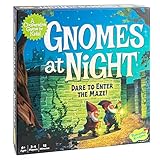
1. Peaceable Kingdom Gnomes at Night A Cooperative Maze Game for 2 to 4 Kids Ages 6+
Overview:
Gnomes at Night is a cooperative search-and-find game where 2-4 players team up to recover stolen treasures in a dynamic magnetic maze before dawn. Players navigate asymmetric board halves, communicating to guide each other’s magnetic gnome movers through shifting paths, all while racing against a sand timer.
What Makes It Stand Out:
The innovative dual-layer board design is its crown jewel: each player sees only their side of the maze, requiring precise directional communication (“left,” “up,” etc.) to maneuver teammates’ pieces through walls. This unique mechanic transforms spatial reasoning into active collaboration, while escalating difficulty across four board levels ensures long-term engagement for ages 6+.
Value for Money:
Priced competitively against solo-play puzzles, it delivers exceptional educational ROI. The 12 treasures, sand timer, and reusable boards justify the cost by fostering communication skills far beyond typical kids’ games. Cheaper alternatives lack this depth of cooperative strategy, making it a smart investment for social development.
Strengths and Weaknesses:
Strengths: Brilliantly teaches teamwork and descriptive language; modular boards extend replayability; zero reading required; sturdy magnetic components. Weaknesses: Sand timer (30 seconds) may frustrate younger kids; setup requires careful board alignment; limited player count caps group fun.
Bottom Line:
An ingenious, skill-building gem that turns communication into thrilling adventure. Ideal for families prioritizing collaborative play over competition, though best suited for ages 7+ due to timing pressure. Highly recommended for classrooms and homes alike.
2. Peaceable Kingdom Race to the Treasure! Cooperative Path Building Game for 2 to 4 Kids Ages 5+

Overview:
Race to the Treasure! challenges 2-4 players (ages 5+) to collaboratively build a path from start to finish before an Ogre reaches the treasure. This award-winning game eliminates competition entirely—players win or lose as a team by strategically placing path tiles to outmaneuver the Ogre.
What Makes It Stand Out:
The path-building mechanic stands out: players draw and place double-sided tiles to create a continuous route, requiring shared foresight to block the Ogre’s advance. With no reading needed and a 15-minute playtime, it masterfully blends strategy and simplicity, making complex decision-making accessible to kindergarteners.
Value for Money:
Its award pedigree (including Oppenheim Platinum) justifies the price. The compact, frustration-free packaging and durable tiles offer more strategic depth than同类 cooperative games at similar price points. While simpler than Gnomes at Night, it’s perfectly pitched for younger kids starting their cooperative gaming journey.
Strengths and Weaknesses:
Strengths: Effortlessly teaches planning and spatial reasoning; inclusive teamwork; quick setup/play; exceptional replayability with variable tile draws. Weaknesses: Ogre movement feels slightly random; limited player interaction beyond tile placement; artwork may not captivate older kids.
Bottom Line:
A near-perfect entry point into cooperative gaming for ages 5-7. Its blend of simplicity and strategic thinking makes it a must-have for early learning environments. Highly recommended as a foundational game for budding strategists.
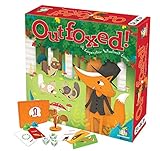
3. OUTFOXED, A CLASSIC WHO DUNNIT GAME FOR PRESCHOOLERS, 4 players
Overview:
Outfoxed! invites 4 players (ages 4+) into a cooperative whodunit where kids work together to identify which fox stole Mrs. Plumpert’s pot pie. Using an evidence scanner and clue cards, players eliminate suspects by deducing the thief’s outfit before the fox escapes.
What Makes It Stand Out:
The physical evidence scanner—a translucent red viewer that reveals hidden clues—is pure genius for preschoolers. It transforms abstract deduction into tactile fun, while the “who/what/where” clue system scaffolds logical reasoning without literacy. Adorable fox suspects keep engagement high during the 15-minute gameplay.
Value for Money:
Priced mid-range for kids’ games, it delivers disproportionate educational value. The scanner and 16 suspects offer richer deduction practice than sticker-based alternatives, justifying the cost for developing early logic skills. Cheaper mystery games lack its hands-on investigative charm.
Strengths and Weaknesses:
Strengths: Scanner mechanic is brilliantly intuitive; fosters critical thinking through elimination; vibrant art; perfect for small groups. Weaknesses: Scanner can feel gimmicky after repeated plays; limited replayability with fixed suspect traits; not ideal for >4 players.
Bottom Line:
A standout preschool deduction game that makes logic tangible. While replay depth is moderate, its unique scanner and cooperative tension make it essential for ages 4-6. Strong recommendation for families seeking screen-free brain-building fun.
4. Peaceable Kingdom Mermaid Island Award Winning Cooperative Board Game for 2 to 6 Kids Ages 5+

Overview:
In Mermaid Island, 2-6 players (ages 5+) race to guide three mermaids to safety before the Sea Witch reaches the island. Using a spinner and collectible wands, kids cooperate to navigate the board, combining luck and strategy in this 15-minute aquatic adventure.
What Makes It Stand Out:
Its scalability for up to 6 players is rare in cooperative games, making it ideal for classrooms or large playdates. The wand-collection mechanic adds strategic depth—players must decide when to use wands to stall the Sea Witch—while the “spin-and-move” simplicity ensures accessibility for young children with no reading required.
Value for Money:
As a Good Housekeeping Best Toy Award winner, it punches above its weight. The inclusive player count and durable components offer better group value than most kids’ games. While simpler than Race to the Treasure!, its social-emotional focus justifies the price for educators prioritizing community-building.
Strengths and Weaknesses:
Strengths: Accommodates large groups seamlessly; cultivates shared decision-making; vibrant mermaid theme appeals broadly; quick to learn. Weaknesses: Spinner reliance reduces strategic control; Sea Witch movement feels arbitrary; wand mechanics underutilized in short plays.
Bottom Line:
An excellent choice for group settings needing inclusive, low-stress cooperation. Though light on strategy, its social-emotional benefits make it a top recommendation for ages 5-8, especially in schools or community centers.
5. Peaceable Kingdom Dinosaur Escape Cooperative Memory Game of Logic and Luck for 2 to 4 Kids Ages 4+

Overview:
Dinosaur Escape challenges 2-4 players (ages 4+) to rescue dinosaurs from a rumbling volcano by matching fern tokens in this cooperative memory game. Players work together to uncover matching dinos, move them to safety, and reassemble the volcano puzzle before eruption.
What Makes It Stand Out:
The dual-layer gameplay—memory matching plus race-against-time puzzle assembly—creates engaging tension. Reversible fern tokens (with dinosaur icons on one side) cleverly scaffold memory skills, while the 3D volcano puzzle offers satisfying tactile feedback as players literally “defuse” the threat.
Value for Money:
Its memory-focused design provides distinct value over path-building alternatives. The 12 tokens and volcano puzzle deliver robust replayability at a fair price, outperforming sticker-based memory games in durability. Ideal for developing concentration where digital alternatives lack physical interaction.
Strengths and Weaknesses:
Strengths: Perfectly blends memory practice with cooperative urgency; volcano puzzle is a standout component; gentle luck element (die rolls) keeps it accessible; strong emotional development focus. Weaknesses: Small tokens pose choking hazards for toddlers; memory demand may overwhelm sensitive kids; limited strategic depth.
Bottom Line:
A charming, skill-rich memory game that turns recall practice into a thrilling rescue mission. Highly recommended for ages 4-6 as a foundational tool for focus and teamwork, though supervision is advised for youngest players.
6. Ravensburger Minecraft Heroes of The Village | Cooperative Board Game | Exciting & Unpredictable | Perfect for Families and Minecraft Enthusiasts | Suitable for Kids & Adults
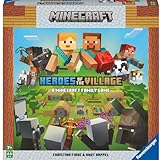
Overview: Ravensburger’s Minecraft Heroes of The Village translates the beloved sandbox game into a cooperative board experience for families. Designed for 2-4 players aged 7+, it tasks teams with defending a village against nightly mob attacks through shared strategy and resource management, capturing Minecraft’s adventurous spirit in physical form. What Makes It Stand Out: The modular world tiles create a uniquely replayable map that shifts with each session, ensuring no two games feel identical. High-quality wooden blocks and detailed mob tokens elevate the tactile experience, while the cooperative mechanic—where victory or defeat is shared—fosters teamwork over competition, perfectly aligning with Minecraft’s collaborative ethos. Value for Money: Priced competitively against family board games, its durable components and immense replayability offer strong longevity. The inclusion of diverse elements (buildings, mobs, inventory boards) provides more content than similarly priced titles, making it a cost-effective choice for Minecraft fans seeking screen-free play. Strengths and Weaknesses: Strengths: Exceptional component quality; highly replayable modular design; age-appropriate challenge; seamless blend of Minecraft theme and gameplay. Weaknesses: Strategy depth may feel light for hardcore gamers; setup time increases with expansions; limited solo-play options. Bottom Line: A must-have for Minecraft-loving families, Heroes of The Village excels as an engaging, cooperative introduction to board gaming. Its charm, replay value, and quality justify the price, though non-fans might prefer more complex strategy games.
7. Pandasaurus Cooperative Strategy Card Game - Fun Interactive Family Game for Ages 8+, 1-5 Players, 20 Minute Playtime
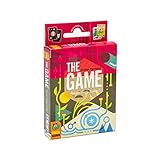
Overview: Pandasaurus’ “The Game” is a streamlined cooperative card challenge where players race against time to play descending or ascending number sequences from shared decks. With a 20-minute runtime and rules digestible in minutes, it’s designed for quick, intense sessions accommodating 1-5 players aged 8+. What Makes It Stand Out: Its brilliance lies in extreme simplicity masking deep strategic tension. Players can’t discuss tactics, forcing nonverbal communication and anticipation of others’ moves—a unique twist that creates palpable excitement. The global phenomenon status (1.3M+ copies sold) and Spiel Des Jahres award underscore its universal appeal. Value for Money: Exceptional for the price, offering near-infinite replayability through its dynamic card interactions. It outperforms many longer, pricier games in pure engagement per minute, making it ideal for game nights seeking quick, high-stakes fun without complex setup. Strengths and Weaknesses: Strengths: Minimal rules, maximum depth; perfect pacing; highly inclusive for mixed ages; award-winning design. Weaknesses: Frustration can spike with unlucky draws; limited thematic immersion; not suitable for players who dislike high-pressure decisions. Bottom Line: A near-perfect filler game that delivers addictive, brain-tickling cooperation. Its accessibility and replay value make it a top-tier investment for families and casual gamers, though patience is required during tough rounds.
8. Peaceable Kingdom Space Escape – Cooperative Strategy Space Adventure Game by The Inventor of Pandemic – Use Teamwork to Win! – Great for Families with Kids Ages 7 & up

Overview: Created by Matt Leacock (designer of Pandemic), Space Escape casts players as mole rats repairing their spaceship while evading space snakes. For 2-4 players aged 7+, it emphasizes communication as teams strategize moves using dual-action cards to gather gear and reach the escape pod before snakes strike. What Makes It Stand Out: Leacock’s signature cooperative design shines with intuitive mechanics that teach strategic planning without complexity. The dual-action cards—one for mole rats, one for snakes—create clever tension, while the “snakes in space” theme adds playful whimsy. It subtly builds emotional intelligence through shared problem-solving. Value for Money: Priced accessibly, it delivers robust educational value for young players, fostering teamwork and communication skills absent in many kids’ games. The included challenge variants extend playlife, offering better developmental ROI than purely luck-based alternatives. Strengths and Weaknesses: Strengths: Excellent skill-building for kids; simple yet strategic; strong replayability via difficulty options; durable components. Weaknesses: Theme feels slightly disjointed (“snakes in space”); limited appeal for older teens; minimal strategic depth for experienced gamers. Bottom Line: A stellar choice for families wanting to nurture cooperation in children. While light for seasoned gamers, its educational focus and smooth gameplay make it a worthwhile addition to any family shelf.
9. Peaceable Kingdom Hoot Owl Hoot - Cooperative Matching Game For Kids

Overview: Hoot Owl Hoot is a gentle cooperative matching game where players help owls fly back to their nest before sunrise. Targeting preschoolers, it uses color-coded cards to move owl tokens along a path, emphasizing teamwork over competition with rules simple enough for ages 4+. What Makes It Stand Out: Its brilliance is in accessibility—children learn matching, colors, and turn-taking without frustration. The shared goal (all win or lose together) reduces rivalry, making it ideal for early social development. Peaceable Kingdom’s focus on emotional growth shines through its conflict-free design. Value for Money: An affordable entry-point into board gaming, costing less than many children’s puzzles. While physically compact, its replayability stems from short, repeatable sessions that hold young attention spans, offering solid value for foundational skill-building. Strengths and Weaknesses: Strengths: Perfect for toddlers/preschoolers; zero reading required; teaches patience and cooperation; portable. Weaknesses: Extremely simplistic for older kids (7+); limited strategic depth; basic components lack longevity for frequent players. Bottom Line: Highly recommended for families with preschoolers seeking a first cooperative game. It excels as a teaching tool but outgrown quickly—prioritize it only for the youngest audiences.
10. Spin Master Games, Jumanji Stampede, 3D Adventure Cooperative Board Game, for Fans of The Jumanji Movies, Face Off Against Jungle Emergencies, 2-4 Players, for Ages 8 & Up

Overview: Jumanji Stampede plunges players into a 3D jungle adventure where teams cooperate to collect five crystals while evading movie-accurate dangers like boulders and leopards. Designed for 2-4 players aged 8+, it combines physical assembly with card-driven challenges to recreate the film’s chaos. What Makes It Stand Out: The towering 7-inch Rhino Mountain and interactive 3D obstacles (spinning snake, rolling boulder) create an immersive, visually striking centerpiece. Jungle emergencies escalate tension uniquely each game, while the cooperative race against a villain adds narrative urgency missing in many family titles. Value for Money: The elaborate 3D components justify a premium price, offering unmatched thematic immersion. However, replayability lags behind competitors due to predictable emergency sequences, making it pricier per play than strategy-focused alternatives like Pandemic. Strengths and Weaknesses: Strengths: Spectacular 3D visuals; strong Jumanji theme integration; engaging emergency mechanics; perfect for movie fans. Weaknesses: Setup/teardown is time-consuming; emergencies feel repetitive; strategy often reduces to luck-based card draws. Bottom Line: A thrilling spectacle for Jumanji devotees, especially with kids who love tactile play. While less replayable than top-tier cooperatives, its wow factor makes it a worthy splurge for movie-themed game nights.
Understanding the Power of Cooperative Play
Why Cooperation Outshines Competition for Young Minds
Cooperative games fundamentally shift the dynamic from “me versus you” to “us versus the challenge.” This reduces performance anxiety, making it safer for shy or hesitant children to participate. Research consistently shows that collaborative play enhances prosocial behaviors like sharing, helping, and empathetic reasoning. Instead of fixating on beating others, kids focus energy on observing teammates, articulating ideas clearly (“What if we try this path?”), and adjusting strategies based on group input—skills directly transferable to classroom group work or playground negotiations.
The Critical Role of Shared Goals in Child Development
When a game presents a unified objective—like rebuilding a broken rainbow bridge or gathering all the magical crystals before time runs out—children instinctively grasp the need for coordination. This shared purpose teaches them that diverse contributions matter: one child might excel at pattern recognition, another at spatial puzzles, and a third at remembering rules. They learn interdependence organically, realizing that the team’s success hinges on leveraging each member’s strengths. This builds intrinsic motivation to support peers, fostering a sense of belonging and mutual respect that competitive frameworks often undermine.
Matching Games to Developmental Stages
Preschool Pioneers: Ages 3-5
Games for this age group prioritize tactile engagement and ultra-simple cause-and-effect. Look for oversized, durable components (chunky tokens, large cards) and objectives requiring minimal reading—like stacking blocks before a sand timer empties or matching colors to “feed” a friendly monster. Turn-taking is often simultaneous (“everyone places a tile now!”), reducing waiting time and frustration. Crucially, the challenge level should be low enough that success feels achievable through basic collaboration, reinforcing the joy of working together without overwhelming cognitive load.
Early Elementary Explorers: Ages 6-8
Children here thrive on slightly more complex narratives and defined roles. Games might involve light strategy, such as assigning each player a unique ability (e.g., “You move fastest on water paths”) that the team must combine to succeed. Rule sets can introduce 2-3 layered mechanics (like drawing cards and moving pieces), but win conditions should remain visually clear (e.g., “Fill all treasure chests”). This age group starts understanding delayed gratification, so games with progressive milestones—like unlocking a new area after completing a task—keep them invested in the collective journey.
Upper Elementary Problem-Solvers: Ages 9-12
Older kids can handle nuanced strategy, variable difficulty settings, and emergent storytelling. Games may include modular boards that change each session, hidden information requiring trust (“I saw the dragon’s location—follow me!”), or resource management elements. The social dynamics deepen here; players negotiate tactics, debate risk-reward scenarios, and experience genuine consequences for miscommunication. Crucially, the challenge should feel surmountable through focused teamwork, avoiding excessive complexity that could lead to group paralysis or frustration.
Essential Features for Effective Team-Building Games
Simplicity in Rules, Depth in Interaction
The best cooperative games for kids have rules explainable in under five minutes. Complexity should emerge from player interaction, not convoluted mechanics. A game requiring only “Place tiles to connect paths” creates rich discussion: “Should we block the lava flow first?” or “Let’s save the kitten before the clock runs out!” This balance ensures cognitive energy goes toward collaboration, not rule-memorization, keeping young minds engaged in the social process.
Tangible, Intuitive Components
Physical pieces should invite touch and spark imagination. Think vibrant, non-intimidating artwork; chunky, easy-to-grasp tokens; and boards with clear visual pathways. Components that directly represent the game’s story (e.g., a literal bridge to rebuild with cardboard segments) help kids intuitively grasp objectives without heavy text reliance. Avoid fiddly miniatures or tiny cards that frustrate small hands and derail cooperative flow.
Balanced Challenge Through Adjustable Difficulty
A game that’s too easy breeds boredom; too hard breeds despair. Look for built-in levers to tweak difficulty, like adding/removing obstacles, changing timer lengths, or modifying rule strictness (“Today, we get one free do-over!”). This adaptability lets the game grow with the child’s skills, ensuring the team feels challenged but never defeated—a key factor in sustaining long-term engagement and confidence.
Inclusive Participation Mechanics
Every player should feel indispensable on every turn. Avoid games where one dominant child “runs the show” while others watch. Effective designs incorporate mechanics like simultaneous action selection (all players choose moves secretly, then reveal together) or role-specific powers that rotate each game. This ensures quieter kids contribute meaningfully and prevents collaboration from becoming one-sided direction.
Narrative Drive and Emotional Resonance
A compelling, kid-friendly story transforms abstract mechanics into memorable experiences. Whether rescuing forest animals or solving a space mystery, the narrative provides context for decisions (“We have to save the baby owl!”). Games with light role-playing elements—like adopting character personas—deepen emotional investment, making teamwork feel purposeful and rewarding beyond mere puzzle-solving.
Maximizing the Teamwork Learning Experience
Facilitating, Not Directing: The Adult’s Role
Your job isn’t to solve the puzzle but to nurture the process. Ask open-ended questions: “What’s our biggest hurdle right now?” or “How can we use Maya’s special power here?” Gently highlight collaborative moments: “I noticed you two combined ideas—that was brilliant teamwork!” Avoid stepping in to “fix” mistakes; let the team experience productive struggle, as overcoming setbacks together builds resilience.
Post-Game Reflection Prompts
Turn debriefing into a ritual. After playing, ask: “What was the hardest part for our team?” or “When did you feel most proud of us?” This metacognition helps kids internalize lessons: “We won because Leo told us about the hidden path!” Connect game experiences to real life: “Remember how we shared clues? That’s like when you helped your friend find the lost pencil at school.”
Integrating Games into Classroom or Group Settings
Teachers can use cooperative games for targeted social-emotional learning. Assign mixed-skill groups to emphasize interdependence, or have teams journal about their communication wins and challenges. Rotate roles (timekeeper, rule-reader, peacekeeper) to build specific competencies. Crucially, normalize “failing” as a team—discussing why a strategy didn’t work reinforces that setbacks are shared learning opportunities, not personal failures.
Troubleshooting Common Teamwork Hurdles
When one child dominates, introduce a “talking stick” (a special token) that must be held to speak during planning phases. For disengaged players, assign them a critical, recurring role (“You’re our timer guardian—shout when 30 seconds are left!”). If frustration spikes, pause for a “reset breath” and reframe: “The game is tricky on purpose so we learn to help each other. What’s one small thing we can try differently?”
Beyond the Game Board: Lasting Social Impact
Transferring Skills to Real-World Scenarios
The magic happens when kids apply in-game collaboration to daily life. A child who practiced negotiating moves in a cooperative game might more readily compromise during a group art project. The patience learned while waiting for teammates to contribute can ease playground conflicts. Explicitly point out these parallels: “You just did what we do in the dragon game—asked for ideas instead of getting upset!”
Building Emotional Vocabulary Through Play
Cooperative games naturally generate discussions about feelings. When the team loses, guide reflection: “I felt disappointed too, but I’m proud we didn’t blame anyone. What word describes how you felt?” This helps kids label complex emotions (frustration, cautious optimism, collective joy) and understand that feelings are temporary and manageable within a supportive group.
Fostering Long-Term Relationship Bonds
Families who regularly play cooperative games often report stronger connections. Shared victories create inside jokes (“Remember when we saved the pandas?”), while overcoming losses together builds mutual respect. Unlike competitive games that might highlight skill gaps, cooperative play equalizes participants—all ages and abilities contribute to the common goal, strengthening family or friendship bonds through joyful, low-stakes teamwork.
Frequently Asked Questions
What if my child prefers competitive games? How do I encourage cooperation?
Start by emphasizing the fun of shared storytelling and problem-solving. Try short, high-engagement cooperative sessions, then pivot to a quick competitive game if needed. Highlight how teamwork unlocks cooler challenges: “In this game, we get to be superheroes together—how awesome is that?”
Can cooperative games still be challenging enough for older kids?
Absolutely. Look for games with modular scenarios, hidden roles, or escalating difficulty levels. Older children enjoy sophisticated narratives and strategic depth where communication directly impacts success, like coordinating multi-step plans under time pressure.
How do I handle a child who “cheats” to help the team win?
Reframe it as rule innovation: “I love that you want us to win! But the rules are our team’s agreement. Let’s brainstorm a fair way to tackle this problem together.” Focus on integrity as part of teamwork—winning feels hollow if the team didn’t uphold its own standards.
Are cooperative games suitable for large groups, like classrooms?
Yes, but choose games designed for 5+ players with mechanics ensuring everyone stays involved (e.g., simultaneous actions or subgroup tasks). Avoid titles where decisions bottleneck through one “leader.” Test shorter playtimes to maintain focus.
What’s the ideal game length for young children?
Ages 3-5: 10-15 minutes. Ages 6-8: 15-25 minutes. Ages 9-12: 20-40 minutes. Prioritize ending on a high note (“Let’s stop after we save this treasure!”) over completing every objective to sustain enthusiasm.
How can I tell if a game is truly cooperative versus “multiplayer solitaire”?
In true cooperative games, players must communicate and combine actions to win—their fates are intertwined. If players make mostly independent decisions with minimal interaction (even if sharing a win condition), it’s multiplayer solitaire, offering fewer teamwork benefits.
Do these games work for children with social anxiety?
Often, yes. The structured, low-pressure environment provides safe practice for communication. Start with 2-player games, use optional non-verbal mechanics (pointing to choices), and celebrate small participatory wins to build confidence gradually.
Can cooperative play replace traditional competitive games entirely?
Balance is key. Both styles offer valuable lessons. Competitive games teach handling loss gracefully; cooperative games teach collective resilience. Aim for variety based on your child’s needs—perhaps alternating game nights by theme.
What’s the biggest mistake parents make with cooperative games?
Taking over to “ensure victory.” Resist solving puzzles for them. Let the team fail safely; the struggle to regroup and retry is where profound teamwork skills develop. Your role is guide, not player.
How do I store or organize components for frequent play?
Use compartmentalized boxes or labeled bags for each game’s pieces. Involve kids in cleanup as part of the ritual—assigning roles (“You gather the tokens, I’ll fold the board”) reinforces ownership and teamwork beyond gameplay.
See Also
- 10 Best Cooperative Board Games for Teaching Teamwork in 2026
- How Two-Player Cooperative Board Games Redefine Teamwork at the Table in 2026
- 10 Best Cooperative Board Games for Building Teamwork Skills in 2026
- The 10 Best Cooperative Board Games for Teamwork and Fun in 2026
- We Tested 50 Cooperative Board Games - Here are the 10 Best for Kids in 2026