Table of Contents
Imagine walking into a team-building session dreading awkward icebreakers or forced trust falls. Now picture your group leaning over a table, completely absorbed in solving a shared puzzle, debating strategies with genuine excitement, and celebrating a hard-won victory together. This isn’t just wishful thinking—it’s the tangible power of cooperative board games transforming stale corporate rituals into dynamic, meaningful collaboration. Unlike competitive games that pit colleagues against each other, cooperative experiences forge real connections by requiring collective problem-solving, open communication, and mutual support toward a common objective. They turn abstract “teamwork” concepts into visceral, memorable experiences where everyone truly has skin in the game.
The magic lies in how these games bypass the artificiality of traditional exercises. There’s no performative vulnerability or staged scenarios; instead, teams navigate authentic challenges where success hinges on leveraging diverse strengths, actively listening, and adapting strategies on the fly. In today’s hybrid and remote-work landscape, where digital fatigue is rampant, the tactile, face-to-face engagement of board games provides a refreshing mental reset. They create psychological safety through structured play, allowing quieter voices to emerge and fostering empathy as teammates witness each other’s thought processes under pressure. For leaders seeking to build resilient, communicative teams in 2026, understanding how to harness this medium is no longer a novelty—it’s a strategic imperative.
Top 10 Cooperative Board Games
Detailed Product Reviews
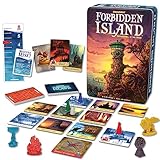
1. Gamewright - Forbidden Island - Cooperative Strategy Survival Board Game, 2-4 Players
Overview:
Forbidden Island, designed by Matt Leacock, is a cooperative board game where 2-4 players race to retrieve sacred treasures from a sinking island before it vanishes. Aimed at ages 10+, it emphasizes teamwork and strategic planning in a thrilling race against time.
What Makes It Stand Out:
Its innovative “sinking tile” mechanic creates dynamic tension as the board physically collapses during play. Rich illustrations immerse players in a perilous paradise, while the cooperative structure—where all win or lose together—fosters genuine collaboration and problem-solving without player elimination.
Value for Money:
Priced accessibly for a high-quality, family-focused strategy game, it outshines competitive alternatives by encouraging positive social interaction. The durable components and replayability (via adjustable difficulty) justify its cost, especially for families seeking educational entertainment.
Strengths and Weaknesses:
Strengths: Excellent teamwork focus; intuitive rules; visually engaging; enhances critical thinking; scalable difficulty. Weaknesses: Limited player count (max 4); younger kids may struggle with strategy; replay value slightly lower than legacy games.
Bottom Line:
A near-perfect entry into cooperative gaming for families and beginners, Forbidden Island delivers tense, collaborative fun that’s both affordable and skill-building—a must-have for game nights prioritizing unity over rivalry.
2. Spin Master Games, SolidRoots Escaping Extinction, Cooperative Strategy Board Game from The Makers of Mind The Gap, Easter Gift, 1-4 Players, for Ages 12 & Up

Overview:
In Escaping Extinction, players become clever dinosaurs racing to build a 3D rocket before a meteor strikes. This cooperative game for 1-4 players (ages 12+) combines tile-based exploration with survival mechanics, challenging teams to gather rocket parts amid evolving dangers.
What Makes It Stand Out:
The earthquake cards dynamically reshape the board mid-game, ensuring no two sessions play alike. The 3D rocket assembly adds tactile engagement, while the prehistoric theme offers a fresh twist on cooperative strategy with high narrative immersion.
Value for Money:
Justified by its modular board and physical rocket components, it provides strong replayability at a mid-range price. It competes well with pricier strategy games by offering unique mechanics absent in classics like Pandemic Junior.
Strengths and Weaknesses:
Strengths: Highly replayable tile layout; innovative 3D element; exciting mid-game disruptions; seamless teamwork focus. Weaknesses: Steeper learning curve for younger players; rocket assembly can feel fiddly; limited player count.
Bottom Line:
A creative, adrenaline-pumping cooperative experience that excels in variability and theme execution. Ideal for families seeking strategic depth with a playful prehistoric hook—worth the investment for dynamic game nights.
3. Flow: The Official Cooperative Board Game | Strategy Game for 1–4 Players Ages 8+ | Based on The Award-Winning Animated Film | Family & Solo Play | Survive The Flood, Rescue Allies
Overview:
Flow adapts the beloved animated film into a real-time cooperative game for 1-6 players (ages 8+). Teams navigate a modular board as rising floodwaters threaten to overwhelm them, requiring swift decisions to rescue allies and survive.
What Makes It Stand Out:
The real-time rising water mechanic creates urgent, pulse-pounding gameplay where players act simultaneously under pressure. Modular boards and 11 scenario cards ensure endless variety, while solo compatibility broadens its accessibility beyond group settings.
Value for Money:
Its robust solo mode and high replayability (via scenarios and variable setups) deliver exceptional value. Priced competitively, it surpasses similar games by merging emotional storytelling with innovative mechanics rarely seen in family-oriented titles.
Strengths and Weaknesses:
Strengths: Thrilling real-time pressure; seamless solo play; stunning thematic integration; high replayability; easy setup. Weaknesses: Time pressure may frustrate casual players; scenario balance inconsistent; component storage could be improved.
Bottom Line:
A masterfully crafted cooperative gem that captures the film’s heart while delivering tense, adaptive strategy. Highly recommended for families and solo gamers seeking immersive, replayable adventures with emotional depth.
4. Pandasaurus Cooperative Strategy Card Game - Fun Interactive Family Game for Ages 8+, 1-5 Players, 20 Minute Playtime
Overview:
The Game is a lightning-fast cooperative card game where 1-5 players race against time to discard all cards from two sequential decks. With a 20-minute playtime and ages 8+ accessibility, it focuses on non-verbal communication and shared strategy.
What Makes It Stand Out:
Its genius lies in silent teamwork—players can’t discuss moves, forcing intuitive coordination. As a global phenomenon (1.3M+ copies sold), it stands out for minimalist rules masking profound strategic depth, earning Spiel Des Jahres recognition.
Value for Money:
An outstanding bargain given its compact size, award-winning design, and near-limitless replayability. It outperforms pricier games by delivering intense, accessible fun in a portable package—ideal for quick game sessions or icebreakers.
Strengths and Weaknesses:
Strengths: Brilliant silent-communication mechanic; ultra-portable; quick setup/play; exceptional replayability; inclusive for all ages. Weaknesses: Limited physical components; high difficulty may frustrate beginners; no solo mode.
Bottom Line:
A minimalist masterpiece that proves depth doesn’t require complexity. Perfect for families or groups wanting a challenging, communication-focused experience that’s easy to learn but tough to master—essential for any game shelf.
5. Ravensburger Horrified Games - Greek Monsters - Strategy Board Game - Boost Critical Thinking & Teamwork - Cooperative Gameplay - Unique Monster Challenges - 1 to 5 Players - Adults & Kids 10+

Overview:
Horrified: Greek Monsters pits 1-5 players against six iconic mythological threats (Medusa, Cerberus, etc.) on a shared board. This cooperative strategy game challenges teams to devise unique tactics for each monster’s defeat, blending lore with critical thinking for ages 10+.
What Makes It Stand Out:
Each monster requires entirely distinct strategies—no two threats play alike—creating remarkable replayability. The thematic integration of Greek mythology with mechanics (e.g., avoiding Medusa’s gaze) elevates it beyond generic cooperative fare.
Value for Money:
With six unique monsters and modular challenges, it offers exceptional longevity per dollar. It justifies its price by transforming familiar myths into fresh puzzles, outperforming single-mechanic competitors in strategic variety.
Strengths and Weaknesses:
Strengths: Diverse monster mechanics; rich thematic artwork; strong teamwork emphasis; scalable difficulty; educational mythological context. Weaknesses: Setup time increases with monsters; some strategies feel luck-dependent; storage organization lacking.
Bottom Line:
A brilliantly inventive cooperative experience that masterfully weaves mythology into engaging strategy. Highly recommended for families seeking thematic depth and varied challenges that test teamwork without overwhelming complexity.
6. Happy Camper - The Four Doors | Cooperative Game by Pandemic and Forbidden Island Creator | Super Portable | Great for Solo Play, Two Players, and Groups
Overview: Happy Camper: The Four Doors is a compact cooperative adventure from Matt Leacock (Pandemic, Forbidden Island), challenging 1-5 players to retrieve sacred treasures before sinister shadows seal the mystical light tower. Designed for ages 10+, it delivers a tense 30-minute experience focused on teamwork and strategic exploration.
What Makes It Stand Out: Leacock’s signature cooperative tension shines through its accessible mechanics and high portability. The innovative “door” exploration system creates dynamic challenges, while seamless scalability makes it equally compelling for solo play or groups. Its travel-friendly design and elegant integration of theme and mechanics set it apart in the small-box genre.
Value for Money: Priced competitively for its niche, it offers exceptional replayability through variable setups and difficulty. Compared to bulkier coop games, its low cost, durability, and solo-mode capability provide superior value for travelers or families seeking quick, meaningful sessions without sacrificing depth.
Strengths and Weaknesses: Strengths: Intuitive rules, brilliant solo adaptation, remarkable portability, and Leacock’s polished design ensure consistent engagement. Weaknesses: Limited player interaction depth for larger groups; theme, while functional, lacks the narrative punch of Leacock’s heavier titles. Component variety is modest.
Bottom Line: An essential portable cooperative experience. Its flawless execution for quick sessions, solo viability, and masterful design make it a standout value for both casual gamers and veterans seeking accessible, tension-filled teamwork on the go.
7. Castle Panic 2nd Edition | Cooperative Board Game for Adults and Family | Ages 8+ | for 1 to 6 Players | Average Playtime 45 Minutes | Made by Fireside Games

Overview: Castle Panic 2nd Edition is a refreshed tower-defense cooperative game where 1-6 players unite to protect Castle Bravehold from encroaching monsters. With a 45-minute playtime and suitability for ages 8+, it emphasizes communication and shared strategy to keep at least one tower standing against waves of threats.
What Makes It Stand Out: Its modular gameplay modes—Co-op, Solo, competitive Master Slayer, and Overlord (where one player controls monsters)—deliver immense replayability. The tactile 3D towers, vibrant monster tokens, and escalating threats like boss monsters create palpable tension, blending accessibility with strategic depth perfect for mixed groups.
Value for Money: The comprehensive 2nd Edition upgrade justifies its price with enhanced components and modes. Compared to similar strategy games, its flexibility for 1-6 players, family-friendly learning curve, and high replay value offer outstanding bang for buck, especially for households with varying player counts.
Strengths and Weaknesses: Strengths: Highly accessible yet strategically rich, exceptional replayability via multiple modes, strong component quality, and fosters genuine teamwork. Weaknesses: Can become chaotic with larger groups; monster AI in solo mode feels simplistic compared to human Overlord.
Bottom Line: A near-perfect family cooperative game. Its blend of tense tower defense, versatile play modes, and inclusive design makes it a top recommendation for game nights seeking collaborative excitement and lasting appeal across ages.
8. The Lord of The Rings: Adventure to Mount Doom | Family Game | Cooperative Game | Strategy Game

Overview: Adventure to Mount Doom casts players as fellowship members guiding Frodo toward Mount Doom in a cooperative race against Ringwraiths. This family-friendly strategy game accommodates 1-4 players (ages unspecified but implied 8+), blending dice rolls and card draws across a 50-minute quest to destroy the One Ring in Tolkien’s iconic world.
What Makes It Stand Out: Strong thematic immersion transports players into Middle-earth through artwork and narrative beats. Its simplicity—focusing on dice-driven movement and evasion—makes it uniquely accessible for younger fans or casual gamers seeking a cooperative Tolkien experience without complex rules.
Value for Money: Positioned as an entry-level cooperative game, it’s reasonably priced for LOTR fans. However, its lighter strategy and shorter component list offer less depth than premium coop titles. Best value for Tolkien devotees seeking a thematic, stress-free family activity rather than deep gameplay.
Strengths and Weaknesses: Strengths: Engaging LOTR theme, straightforward rules ideal for kids, quick setup, and solid solo play option. Weaknesses: Shallow strategy; high luck dependency via dice reduces meaningful decisions. Lacks the tension and replayability of heavier cooperative games.
Bottom Line: A charming thematic gateway for Tolkien fans and families. While not a strategic powerhouse, its accessible design and immersive setting make it a worthwhile pick for casual play, especially with younger players, but seasoned gamers may find it unsatisfying.
9. Gamewright - Forbidden Jungle - Cooperative Board Game

Overview: Forbidden Jungle, designed by Pandemic’s Matt Leacock, plunges 2-5 players (ages 10+) into a 30-45 minute race to recover ancient artifacts from a treacherous rainforest. This cooperative adventure emphasizes teamwork, resource management, and environmental hazards, staying true to Leacock’s acclaimed design philosophy.
What Makes It Stand Out: It innovates within Leacock’s formula using a unique “rising water” mechanic adapted to jungle terrain (landslides, quicksand). Stunning artwork and thematic integration create vivid immersion, while the compact box belies its depth. The focus on specialized roles and shared objectives delivers consistent, tense collaboration.
Value for Money: Excellent value given its high-quality components (miniatures, detailed board), Leacock pedigree, and strong replayability through variable setups. It undercuts pricier strategy games while offering comparable depth and durability, making it a standout for family or casual game nights.
Strengths and Weaknesses: Strengths: Beautiful components, intuitive yet strategic gameplay, superb role differentiation, and flawless scalability for group sizes. Weaknesses: Limited player count range (max 5); some miniatures feel overly fiddly. Less narrative-driven than thematic competitors.
Bottom Line: A masterclass in accessible cooperative design. Forbidden Jungle’s perfect blend of theme, strategy, and portability makes it an essential addition for families and new coop gamers, offering tremendous value and repeatable fun at its price point.
10. The Crew - Mission Deep Sea | Card Game | Cooperative | 2 to 5 Players | Ages 10+ | Trick-Taking | 32 Levels of Difficulty | Endless Replayability
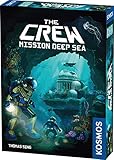
Overview: The Crew: Mission Deep Sea is a cooperative trick-taking card game (2-5 players, ages 10+), sequel to the award-winning The Crew. Players embark on 50 sequential missions as deep-sea explorers, using limited communication to win specific tricks while navigating an underwater narrative over 20-30 minute sessions.
What Makes It Stand Out: It brilliantly subverts traditional trick-taking by making cooperation mandatory. The ingenious mission-based structure, escalating difficulty across 32 levels, and “silent communication” constraints foster intense problem-solving. New mechanics like signal tokens deepen strategy without complicating rules.
Value for Money: Unbeatable replayability per dollar—50 unique missions ensure hundreds of plays. Compared to standalone trick-taking games, its progressive campaign and cooperative twist offer vastly more longevity. The compact size and low price make it a steal for card-game enthusiasts seeking fresh challenges.
Strengths and Weaknesses: Strengths: Revolutionary cooperative twist on trick-taking, exceptional mission variety, quick setup, and perfect difficulty curve. Weaknesses: Campaign mode requires linear progression; minimal components beyond cards may disappoint some. Less engaging as a standalone game after completing missions.
Bottom Line: A genre-defining cooperative card game. Mission Deep Sea’s ingenious design, staggering replayability, and perfect execution make it a must-buy for trick-taking fans and cooperative gamers alike, delivering unmatched value through sheer content depth.
Understanding Cooperative Gameplay Dynamics
Defining True Cooperation vs. Semi-Cooperative Mechanics
True cooperative games demand that all players win or lose together under identical conditions. Every decision impacts the entire group, eliminating individual victory conditions. This differs from semi-cooperative designs where hidden agendas or personal goals might subtly undermine the team effort. For team building, pure cooperation is essential—it ensures alignment, builds genuine trust, and prevents the resentment that can arise from perceived sabotage. Recognizing this distinction helps avoid games that inadvertently foster suspicion rather than unity.
The Role of Shared Narrative and Immersion
A compelling shared story elevates cooperative play beyond abstract puzzles. When teams are invested in a narrative—whether saving a city from disaster or exploring an alien world—they naturally communicate more openly and feel a stronger emotional stake in the outcome. This immersion reduces self-consciousness and encourages creative problem-solving, as the fictional stakes make real-world collaboration feel less forced and more purposeful.
Balancing Individual Agency with Collective Strategy
Effective cooperative games grant each player meaningful, unique responsibilities without creating a single “alpha player” who dominates decisions. This balance ensures everyone feels valued and engaged. Look for mechanics where specialized roles require input from all members, preventing disengagement and teaching teams how to integrate diverse perspectives into a cohesive plan under time pressure.
Essential Features for Effective Team Building
Communication Constraints as Skill Builders
Games that impose communication limits—like restricted vocabulary, time pressure, or partial information—mimic real workplace challenges. These constraints force teams to practice active listening, clarify assumptions, and develop efficient shorthand. Crucially, they reveal communication breakdowns in a low-stakes environment, providing immediate feedback for improvement without real-world consequences.
Scalable Difficulty for Diverse Skill Levels
The best team-building games offer adjustable difficulty settings or modular challenges. This adaptability ensures inclusivity, allowing novices and veterans to contribute meaningfully. A game too easy breeds complacency; one too hard triggers frustration. Scalability lets facilitators match the challenge to the team’s current dynamics, fostering growth without overwhelming participants.
Time Management and Pacing Mechanics
Integrated time pressure—through countdowns, escalating threats, or limited actions—mirrors workplace urgency. Games teaching teams to prioritize tasks, delegate efficiently, and avoid analysis paralysis translate directly to project management. Observe how groups handle time stress: do they panic, or do they develop calm, structured approaches? This reveals critical workflow insights.
Evaluating Game Complexity and Accessibility
Cognitive Load and Learning Curve Considerations
Complex rules can derail team-building sessions before collaboration begins. Prioritize games with intuitive core mechanics that teams can grasp within 10-15 minutes. Steep learning curves shift focus from teamwork to rule mastery, defeating the purpose. Look for “elegant complexity”—simple rules that generate deep strategic possibilities through interaction.
Physical Setup and Space Requirements
Practical logistics matter. Games requiring elaborate setups, large tables, or constant component shuffling disrupt flow and frustrate participants. Opt for designs with clear organization, minimal initial setup, and intuitive component placement. Consider your actual meeting space—can the game accommodate all players comfortably without straining necks or voices?
Replayability Through Variable Scenarios
A single predictable scenario loses its magic after the first play. High replay value comes from randomized elements, modular boards, or multiple win conditions. This encourages repeated sessions where teams refine communication strategies, observe evolving group dynamics, and build on past experiences—key for long-term skill development.
Aligning Games with Team Development Goals
Targeting Specific Soft Skill Development
Identify your primary objective: Is it improving active listening? Enhancing conflict resolution? Fostering innovative thinking? Different games emphasize distinct skills. Some demand precise verbal instructions, others require non-verbal cues or consensus-building under ambiguity. Match the game’s core challenge to your team’s developmental needs for maximum impact.
Facilitating Psychological Safety Through Play
Games where failure is expected, frequent, and consequence-free create safe spaces for experimentation. This reduces fear of judgment when proposing ideas in real work. Observe how teams rebound from setbacks during gameplay—do they blame individuals or analyze systemic causes? This behavior often mirrors workplace patterns, offering teachable moments.
Measuring Progress Beyond Winning or Losing
Success isn’t just about beating the game. Track qualitative shifts: increased participation from quiet members, reduced interruptions, or more constructive feedback. Post-game discussions should focus on how the team collaborated (“What communication tactic worked best?”) rather than the outcome, turning gameplay into actionable reflection.
Practical Implementation Strategies
Integrating Games into Ongoing Development Cycles
Avoid one-off “team-building days.” Weave short cooperative sessions into regular meetings or project milestones. A 20-minute game after sprint planning reinforces collaboration habits incrementally. Consistency turns isolated activities into embedded cultural practices, making teamwork skills second nature.
Facilitation Techniques for Maximum Insight
The facilitator’s role is crucial. Guide reflection without steering conclusions: “What assumptions did we make that slowed us down?” or “How did we decide whose idea to pursue?” Avoid solving puzzles for the team—your job is to observe dynamics and prompt meta-discussion about how they worked together.
Hybrid and Remote Team Adaptations
For distributed teams, prioritize games with digital companions or physical kits designed for remote play. Use video calls with shared screens and dedicated audio channels for subgroups. Ensure remote participants have equal input opportunities—sometimes assigning them specific roles (like timekeeper or note-taker) prevents them from being marginalized.
Avoiding Common Pitfalls
Preventing Dominant Player Syndrome
When one person takes control, collaboration collapses. Counter this by choosing games with hidden information requiring input from all, or enforce “no takebacks” rules where players verbally declare actions before acting. Rotate who sets up the game to subtly shift influence dynamics.
Managing Frustration and Negative Emotions
Escalating difficulty can trigger stress. Build in natural pause points for debriefing. Normalize frustration with phrases like, “This is designed to be tough—we’re learning how we handle pressure.” If emotions flare, pause gameplay immediately to address the dynamic before continuing.
Ensuring Inclusivity Across Diverse Teams
Avoid themes that might alienate (e.g., heavy combat for pacifist groups) or mechanics disadvantaging certain players (e.g., rapid dexterity challenges for those with motor impairments). Prioritize diverse representation in themes and ensure physical components are accessible. Always offer opt-out alternatives for those uncomfortable with group play.
Frequently Asked Questions
What makes a board game truly effective for team building compared to other activities?
Cooperative games create equal-stakes collaboration where success depends on leveraging every member’s input, unlike competitive exercises that can highlight individual weaknesses. They provide immediate, tangible feedback on communication gaps and decision-making processes within a safe, structured environment that feels less artificial than traditional icebreakers.
How do I choose the right complexity level for my team?
Assess your team’s patience and cognitive bandwidth. Start with games featuring a 10-minute teach time and intuitive core mechanics. If members frequently check emails during meetings, opt for lighter engagement. For analytical teams, moderate complexity with strategic depth may be ideal—but always prioritize smooth gameplay over impressive rulebooks.
Can these games work for remote or hybrid teams?
Yes, but select titles designed for digital integration or with streamlined remote play. Use video conferencing with screen sharing for board views, and assign roles ensuring remote participants have active responsibilities. Avoid games requiring constant physical manipulation of components; favor those with clear digital tracking or verbal coordination.
What if my team members dislike games or feel they’re childish?
Reframe the session as a “collaborative problem-solving workshop” using specialized tools. Choose mature themes (e.g., crisis management, scientific research) and emphasize observable outcomes: “We’ll analyze how we communicate under pressure.” Start with very short, low-stakes activities to build comfort before deeper engagement.
How long should a team-building game session last?
Aim for 60-90 minutes including setup, gameplay, and structured reflection. Shorter sessions (20-30 minutes) work for ongoing check-ins but lack depth for new teams. Always end with a focused debrief—this reflection transforms play into learning. Never let sessions overrun, as fatigue breeds negative associations.
How do I handle a team that keeps losing the game?
Normalize failure as part of the process: “Losing reveals how we collaborate better than winning.” Analyze why you lost during debriefs (“Did we misunderstand roles? Rush decisions?”). Adjust difficulty downward temporarily to build confidence, then gradually increase challenge as communication improves.
What’s the biggest mistake teams make when using these games?
Treating the game as the goal rather than the tool. Focusing solely on “beating the game” misses the point. The real objective is observing and improving group dynamics. Always dedicate 25% of session time to discussing how the team worked together, not just the outcome.
How can I measure the actual impact on team performance?
Track qualitative shifts: increased participation in meetings, reduced meeting conflict, or faster consensus-building. Use anonymous pre/post-session surveys asking, “How comfortable are you voicing concerns?” or “Do decisions feel more inclusive?” Correlate these with gameplay observations over multiple sessions.
Are there games suitable for very large groups (15+ people)?
Yes, but prioritize designs with natural sub-teams or parallel actions. Avoid games requiring constant whole-group discussion. Some facilitate better with “table captains” who synthesize input from smaller clusters. Physical space becomes critical—ensure everyone can see components and hear discussions without straining.
How often should we incorporate cooperative games into team development?
For sustained impact, integrate them bi-weekly or monthly as part of regular meetings—not as annual events. Short, frequent sessions (20-30 minutes) build habits, while quarterly deeper dives (60-90 minutes) address specific challenges. Consistency matters more than duration for embedding collaboration skills.
See Also
- The 10 Best Cooperative Board Games for Team Building in 2026
- 10 Best Value Cooperative Board Games for Team Building in 2026
- 10 Expert-Recommended Escape Room Board Games for Team Building in 2026
- The 10 Ultimate Best Cooperative Board Games for Team Building in 2026
- 10 Best Cooperative Board Games for Building Team Communication in 2026