Table of Contents
Imagine gathering around a table where the only competition is against the game itself, not each other. Cooperative board games offer this unique magic—a shared journey where victory or defeat belongs to the whole group. For newcomers stepping into the vibrant world of modern tabletop gaming, this collaborative spirit lowers the intimidation factor significantly. You’re not battling seasoned veterans trying to crush your strategy; instead, you’re pooling brainpower with friends or family, laughing through mistakes and celebrating collective “aha!” moments. It’s the perfect antidote to cutthroat competition, fostering teamwork and communication in a way few other hobbies can. In 2026, as board games continue evolving with innovative mechanics and stunning designs, cooperative play remains a timeless gateway for curious beginners.
Why are co-op games exploding in popularity for new players? They transform gaming from a solo tactical grind into a social adventure. There’s no need to memorize complex rules alone or fear being “ganged up on” by experienced friends. Everyone learns together, making the experience inherently welcoming. Plus, modern co-op designs prioritize intuitive setups and clear visual storytelling—think beautifully illustrated boards that guide you step-by-step, or component trays that organize everything before you even open the rulebook. This thoughtful accessibility means your first session focuses on fun, not frustration. Whether you’re introducing kids to strategic thinking or reuniting with distant relatives over the holidays, cooperative games build bridges. Let’s explore how to find your perfect collaborative match without getting lost in the overwhelming sea of options.
Top 10 Cooperative Board Games for Beginners
Detailed Product Reviews
1. Gamewright - Forbidden Island - Cooperative Strategy Survival Board Game, 2-4 Players
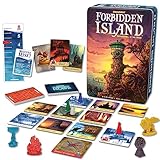
Overview: Forbidden Island, designed by Matt Leacock, is a foundational cooperative board game where players race against time to retrieve four sacred treasures from a sinking island before it vanishes beneath the waves. Aimed at ages 10+, it accommodates 2-4 players in tense, collaborative sessions focused on survival and strategic planning.
What Makes It Stand Out: Its pioneering cooperative design forces genuine teamwork, as players must combine unique character abilities to shore up sinking tiles and navigate the ever-shrinking board. The dynamic flooding mechanic and rich, thematic illustrations create immediate immersion, turning each game into a high-stakes adventure that actively builds problem-solving and communication skills.
Value for Money: Priced accessibly, it delivers exceptional replayability through variable island layouts and adjustable difficulty. Compared to more complex or expensive strategy games, its streamlined rules, durable components, and pure focus on shared decision-making offer significant bang for the buck for families and casual gamers.
Strengths and Weaknesses:
Strengths: Intuitive rules ideal for new co-op players; highly replayable; fosters genuine teamwork; excellent component quality; perfect for family game nights.
Weaknesses: Can feel too simplistic for hardcore strategy gamers; limited player count (max 4); luck-based card draws occasionally dictate outcomes unfairly.
Bottom Line: Forbidden Island remains a near-perfect entry-point into cooperative gaming, offering thrilling, accessible strategy that builds real collaboration. Highly recommended for families and casual groups seeking an engaging, non-competitive experience.
2. Slay The Spire: The Board Game - Cooperative Fantasy Board Game

Overview: Slay The Spire: The Board Game faithfully adapts the beloved roguelike video game into a cooperative tabletop experience. Players (1-4) select unique characters, build powerful decks from over 650 cards, and battle through challenging encounters in a dangerous fantasy realm to reach the Spire’s peak.
What Makes It Stand Out: The game excels with its deep, customizable deckbuilding core, translating the video game’s intricate card synergies and strategic depth flawlessly. High-quality miniatures, dual-layer boards, and a vast card pool create immense tactical variety, while the accessible 45-minute rule explanation lowers the barrier to entry despite the complexity.
Value for Money: The substantial component count (including 112 small cards, 26 large cards, and 4 miniatures) justifies its premium price point. For fans of deckbuilders or the video game, it offers immense strategic depth and replayability that surpasses many similarly priced titles focused solely on theme over mechanics.
Strengths and Weaknesses:
Strengths: Exceptional depth and replayability; faithful adaptation; top-tier components; balanced for both new and experienced gamers; strong solo mode.
Weaknesses: Setup and teardown are time-consuming; card management can feel overwhelming initially; physical space required is substantial.
Bottom Line: A masterful translation of a digital classic, Slay The Spire delivers satisfyingly complex deckbuilding and cooperative strategy. It’s a must-buy for fans of the genre or the original game, offering countless hours of challenging, rewarding play.
3. Flow: The Official Cooperative Board Game | Strategy Game for 1–4 Players Ages 8+ | Based on The Award-Winning Animated Film | Family & Solo Play | Survive The Flood, Rescue Allies
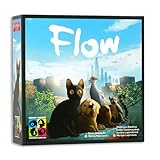
Overview: Flow: The Official Cooperative Board Game immerses players in the serene yet perilous world of the acclaimed animated short. Players work together in real-time to navigate a shifting, modular island board, rescuing animal allies and gathering resources before rising floodwaters claim the land, suitable for ages 8+ and 1-6 players.
What Makes It Stand Out: The innovative real-time “rising water” mechanic creates unique, palpable tension, forcing quick, coordinated decisions. The beautiful modular tile system ensures no two games play alike, while the emotional resonance of the film’s world enhances the cooperative survival experience, making strategy deeply thematic.
Value for Money: With high replayability driven by 11 scenario cards and variable layouts, it offers strong value. Compared to other real-time co-ops, its family-friendly complexity (starting at age 8) and stunning visual design provide a distinctive, accessible experience that justifies the cost for groups seeking something different.
Strengths and Weaknesses:
Strengths: Unique real-time pressure; exceptional theme integration; high replayability; scalable player count (1-6); gorgeous artwork; easy to learn.
Weaknesses: Real-time element can cause player stress/“alpha gamer” issues; component durability concerns with frequent tile movement; limited strategic depth for hardcore gamers.
Bottom Line: Flow delivers a visually stunning, emotionally resonant cooperative experience defined by its innovative real-time flooding. Highly recommended for families and casual gamers wanting thematic, fast-paced teamwork with minimal rules overhead.
4. Spin Master Games, SolidRoots Escaping Extinction, Cooperative Strategy Board Game from The Makers of Mind The Gap, for Kids & Family, 1-4 Players, for Ages 12 & Up

Overview: Escaping Extinction casts players as clever dinosaurs racing to assemble a 3D rocket before a catastrophic meteor strike. This cooperative strategy game challenges teams (1-4 players, ages 12+) to explore a dynamic tile-based prehistoric world, gather rocket parts, and survive disruptive earthquakes, all against a looming deadline.
What Makes It Stand Out: The standout feature is the tangible 3D rocket assembly, adding a satisfying physical goal beyond typical board mechanics. Earthquake cards dynamically reshape the board mid-game, introducing unpredictable challenges and forcing constant strategic adaptation, while the dinosaur theme offers lighthearted fun distinct from standard survival narratives.
Value for Money: The inclusion of the 3D rocket components and variable tile layout enhances replay value significantly. While priced competitively within the family strategy segment, its niche theme and solid Spin Master quality make it a worthwhile investment for families seeking cooperative play with a memorable twist over generic alternatives.
Strengths and Weaknesses:
Strengths: Engaging 3D rocket assembly; dynamic earthquake mechanics; high replayability via modular board; strong family appeal; intuitive cooperative play.
Weaknesses: Theme might not resonate with all older players; 3D pieces require careful handling/storage; strategy depth slightly浅 for dedicated gamers.
Bottom Line: Escaping Extinction offers a charming, mechanically fresh cooperative challenge with its unique rocket-building goal and dynamic board. Recommended for families and casual gamers wanting creative teamwork with a playful prehistoric spin.
5. Wildcraft! Herbal Adventure Cooperative Board Game – Educational Board Game for Kids 4+ & Families – Learn 25 Herbs Through Play – Nature Inspired Learning Game w/Coloring Book & Plant Guide

Overview: Wildcraft! is an educational cooperative board game designed for remarkably young players (ages 4+), where families work together to identify and harvest 25 real-world herbs across a forest path to heal an injured friend. It seamlessly blends nature education with accessible, non-competitive gameplay.
What Makes It Stand Out: Its core strength is making herbal knowledge tangible and fun for preschoolers, using beautiful illustrations and simple, non-reading-dependent mechanics. The inclusion of downloadable printables (storybook, guide, coloring book) significantly extends the learning experience beyond the board, fostering a genuine connection to nature through play.
Value for Money: Priced as an educational tool, it excels. The focus on sustainability (recycled materials, non-toxic inks), combined with the extensive herbal curriculum and bonus printables, offers exceptional value for parents seeking screen-free, meaningful learning. It outperforms many pricier “educational” games in actual knowledge transfer for young children.
Strengths and Weaknesses:
Strengths: Perfectly pitched for ages 4+; truly educational; promotes nature connection; strong cooperative ethos; eco-friendly components; excellent bonus resources.
Weaknesses: Limited strategic depth for older kids/adults; gameplay simplicity may bore beyond early elementary; art style not as vivid as some competitors.
Bottom Line: Wildcraft! is a standout, purpose-driven game that successfully teaches herbal basics to preschoolers through joyful collaboration. An essential, eco-conscious pick for parents and educators prioritizing early nature education and screen-free bonding.
6. Asmodee Pandemic Board Game (Base Game) - A Cooperative Battle to Save Humanity, Strategy Game for Kids and Adults, Ages 8+, 2-4 Players, 45 Minute Playtime

Overview: Pandemic remains the gold standard for cooperative board gaming. Players form a disease-fighting team racing to cure four deadly outbreaks before infections spiral globally. Its tense, collaborative gameplay has defined the genre since its release. What Makes It Stand Out: True cooperation is its core innovation—you win or lose as a team, demanding constant communication and strategic synergy. Unique character roles with special abilities force players to leverage strengths collectively. The escalating infection rate creates relentless pressure, making every decision critical within the tight 45-minute runtime. Value for Money: At its price point, Pandemic offers exceptional replayability and depth. While expansions exist, the base game delivers a complete, endlessly challenging experience that justifies its cost compared to competitive games of similar complexity. It’s a foundational purchase for any strategy enthusiast. Strengths and Weaknesses: Strengths: Deep strategic engagement, seamless teamwork mechanics, high replay value, accessible rules for ages 8+. Weaknesses: Can suffer from “alpha player” syndrome where one dominates strategy; limited player count (2-4); component quality is functional but not premium. Bottom Line: An essential, brilliantly designed cooperative experience that fosters genuine teamwork. Despite minor flaws, it’s a must-own for families and gamers seeking meaningful shared challenges. Highly recommended as a gateway to modern strategy gaming.
7. Spin Master Games, Jumanji Stampede, 3D Adventure Cooperative Board Game, for Fans of The Jumanji Movies, Face Off Against Jungle Emergencies, 2-4 Players, for Ages 8 & Up

Overview: Jumanji Stampede transports players into the movie’s chaotic jungle, tasking them with collecting magical crystals while evading disasters and a villain. It’s a visually driven cooperative race against time, leveraging the franchise’s adventurous spirit for family audiences. What Makes It Stand Out: The standout feature is its immersive 3D board, including a towering Rhino Mountain and interactive jungle obstacles like a boulder track. Thematic emergencies (spinning snakes, leaping leopards) create dynamic, movie-accurate challenges. The risk-reward crystal collection mechanic adds exciting tension. Value for Money: Priced accessibly, it delivers strong thematic value with its elaborate board pieces. However, gameplay depth lags behind Pandemic or Forbidden titles. Best for Jumanji fans seeking spectacle over strategy; casual players get solid entertainment, but hardcore gamers may find it shallow. Strengths and Weaknesses: Strengths: Stunning 3D components, strong movie immersion, intuitive rules for kids, quick setup. Weaknesses: Gameplay is somewhat luck-driven with repetitive objectives; emergencies feel gimmicky; limited strategic depth reduces replayability beyond initial excitement. Bottom Line: A visually impressive, family-friendly adventure perfect for Jumanji enthusiasts and younger players. While light on strategy, its thematic charm and physical engagement make it a fun, occasional game night pick—ideal as a gateway cooperative experience.
8. Gamewright - Forbidden Jungle - Cooperative Board Game

Overview: Forbidden Jungle, designed by Pandemic’s Matt Leacock, challenges teams to escape a treacherous jungle after a crashed airship. Players excavate ruins, collect artifacts, and navigate hazards in this streamlined, family-oriented cooperative adventure. What Makes It Stand Out: It refines Pandemic’s formula with a more accessible, faster-paced structure (30-45 minutes) and stunning illustrated artwork. The modular board tiles create variable layouts, enhancing replayability. Unique character powers and the “flood” mechanic (replacing infections) maintain constant tension without overwhelming complexity. Value for Money: Gamewright packs impressive production quality—durable miniatures, vibrant art, and thoughtful components—into a mid-range price. It offers better longevity than Jumanji Stampede for strategy-focused families, rivaling Pandemic’s base game at a slightly lower cost with comparable depth. Strengths and Weaknesses: Strengths: Beautiful components, quicker playtime than Pandemic, excellent scalability (2-5 players), intuitive yet strategic. Weaknesses: Less thematic weight than Pandemic; artifact collection can feel repetitive; limited player interaction compared to deeper co-ops. Bottom Line: A near-perfect family cooperative game that balances approachability with meaningful choices. Its visual appeal, replayability, and tight design make it an outstanding value and a top recommendation for game nights with kids or casual groups.
9. Castle Panic 2nd Edition | Cooperative Board Game for Adults and Family | Ages 8+ | for 1 to 6 Players | Average Playtime 45 Minutes | Made by Fireside Games

Overview: Castle Panic charges players with defending a medieval fortress from monster hordes advancing from the forest. Using card-driven tactics, teams must strategically target threats across colored rings to save at least one tower before the castle falls. What Makes It Stand Out: Its modular play modes shine—true co-op, solo, competitive “Master Slayer,” and “Overlord” (where one player controls monsters)—offer immense versatility. The 3D cardboard towers and vibrant monster tokens create a visually engaging battlefield, while the ring-based combat system ensures intuitive, tense decision-making. Value for Money: Exceptional for accommodating 1-6 players without compromising depth. The robust component quality and multiple game modes provide far more replay value per dollar than most co-ops. It outperforms similarly priced games in flexibility, justifying its cost for diverse groups. Strengths and Weaknesses: Strengths: Unmatched player count flexibility, high physical production quality, easy to learn but strategically rich, varied game modes. Weaknesses: Boss monsters can feel overly punishing; competitive modes slightly dilute the core co-op focus; storage solutions are subpar. Bottom Line: A versatile, thrilling tower-defense game that excels as both a family staple and a gateway for new gamers. Its adaptability and relentless tension make it a standout purchase—highly recommended for groups seeking inclusive, replayable fun.
10. ALLPLAY Sail Cooperative Strategy 2 Player Board Game for Adults and Family - Unique Trick Taking Card Game - Communication Limits and Challenging Scenarios in Small, Travel Size Box (5" x 5" x 2")

Overview: Sail reimagines trick-taking for two players, casting partners as pirates navigating treacherous seas. With strict communication limits, teams must silently strategize to “win” or “lose” tricks, steering their ship while evading the Kraken—all contained in a tiny travel box. What Makes It Stand Out: The communication constraint (no talking during play) forces ingenious non-verbal teamwork, a rarity in 2-player co-ops. Unique pirate abilities and scenario-based objectives add layers to the trick-taking foundation. Its ultra-portable design defies expectations for strategic depth. Value for Money: Remarkable value given its niche focus: a deep, replayable co-op experience in a pocket-sized package. Priced modestly, it outperforms many larger-box 2-player games in innovation. Ideal for travelers or as an affordable gift, though component durability is modest. Strengths and Weaknesses: Strengths: Brilliant communication mechanic, highly portable, fresh twist on trick-taking, strong replayability via scenarios. Weaknesses: Steep learning curve for trick-taking novices; limited player count (only 2); thin card stock; scenarios lack thematic variety. Bottom Line: A masterclass in compact design that delivers intense, brain-burning cooperation. Despite minor flaws, Sail is essential for 2-player strategy fans and travelers seeking a clever, unconventional challenge—highly recommended for its ingenuity and portability.
Why Cooperative Games Are Ideal for Beginners
Lowering the Competitive Barrier
Traditional competitive games can feel daunting when you’re new. One wrong move might isolate you or hand victory to another player, creating pressure before you even grasp the basics. Cooperative games eliminate this fear entirely. Everyone shares the same goal, so mistakes become group learning opportunities rather than personal failures. This psychological safety net encourages experimentation—trying that risky move because the whole team can troubleshoot together. It’s learning by doing, without judgment, making the steep initial learning curve of board gaming much gentler.
Shared Learning Experience
Nobody enjoys being the rulebook reader while others zone out. In co-op games, understanding the mechanics becomes a group mission. Players naturally discuss interpretations, debate strategies aloud, and collectively decipher symbols or icons. This collaborative rule navigation means nobody feels left behind. A seasoned player might explain a mechanic to three newcomers simultaneously, turning rule clarification into part of the fun. It transforms the often-dreaded “rules explanation phase” into an engaging team puzzle, accelerating everyone’s comfort level with tabletop terminology.
Emotional Investment in Group Success
Winning together creates powerful memories—high-fiving over a narrow escape, groaning in unison at a shared setback, or erupting in cheers when the final challenge is overcome. These emotional highs bond players far more deeply than individual victories. For beginners, this shared narrative makes the experience memorable and motivating. You’re not just learning game rules; you’re part of a story where your contributions mattered. This emotional resonance is why many first-time players return for “just one more game,” building long-term engagement with the hobby.
Key Features to Prioritize for New Players
Streamlined Rulebooks Under 10 Pages
If the rulebook feels like a legal contract, beginners will disengage. Look for games where core mechanics fit on a two-sided reference card or a single, well-illustrated pamphlet. Modern designs often use visual language—icons, color-coding, and example turns—to minimize text. A great sign? Setup diagrams showing exactly where components go. Games achieving this balance make the “how to play” phase take less time than pouring drinks, letting you dive into action immediately. Remember, your first session should spark curiosity, not require a law degree.
Clear Visual Hierarchy on Components
When everyone’s learning, visual clarity is non-negotiable. Boards should use distinct zones with intuitive borders (like a city map divided into neighborhoods). Cards need immediate readability—large fonts, uncluttered icons, and color blocks that group related information. Tokens should be chunky enough to handle without frustration. Games excelling here let players scan the table and instantly grasp “what’s happening.” This reduces constant rulebook checking and lets new players focus on strategic choices instead of deciphering symbols.
Balanced Player Interaction Demands
Some co-ops accidentally create a “quarterback problem,” where one dominant player dictates everyone’s moves. Ideal beginner games encourage equal participation through mechanics like simultaneous action selection or individual role-based decisions that feed into group strategy. Look for designs where each player has meaningful choices on their turn without requiring exhaustive analysis. The sweet spot? Decisions that feel impactful but resolve in under two minutes, keeping momentum alive and preventing analysis paralysis from killing the fun.
Understanding Game Complexity Without Jargon
Decoding “Play Time” Realistically
That “30-minute” estimate? It often assumes experienced players. For beginners, double it. A game truly suitable for newcomers should accommodate 45-60 minutes of playtime for the first session, including setup and rules discussion. Watch for phrases like “teaches in 5 minutes” or “first game setup under 3 minutes” in descriptions—these signal beginner-friendly pacing. Remember, your goal isn’t speed; it’s ensuring everyone feels comfortable before the game concludes. Rushed endings leave beginners confused and unsatisfied.
The Hidden Language of “Player Count” Notes
“Best with 3-4 players” isn’t just a suggestion—it’s a complexity clue. Games scaling well across 1-5 players often simplify mechanics to accommodate solitaire play, making them more accessible. Conversely, titles requiring exactly 4 players might have intricate role dependencies that overwhelm newcomers. For your first co-op, prioritize games flexible at 2-4 players. This allows testing with a partner before involving larger groups and avoids the frustration of needing a “perfect” player count to function properly.
Theme as a Teaching Tool
A strong theme isn’t just window dressing—it’s cognitive scaffolding. Games where mechanics mirror the story (like moving a “medic” token to heal disease cubes on a map) make rules intuitive. Beginners grasp “I’m stopping an outbreak” faster than abstractly “removing cubes per rule 7.3.” In 2026, top-tier designs weave narrative into every component, so choosing a theme that resonates with your group (space exploration, fantasy quests, detective work) makes learning feel effortless. Passion for the story carries players through initial confusion.
Avoiding Common Beginner Pitfalls
Steering Clear of Legacy Mechanics Initially
Legacy games—with permanent stickers, sealed boxes, and evolving storylines—are incredible… but terrible first choices. The pressure of “ruining” the campaign by making a wrong move paralyzes new players. Stick to standalone experiences where you can reset and replay immediately. This allows practicing strategies without consequence. Once your group masters basic co-op dynamics, then explore legacy systems. Your first game shouldn’t feel like defusing a bomb where one misstep destroys months of progress.
The Solo Mode Trap for Groups
Many co-ops now boast “excellent solo modes,” but this can mislead groups. A game optimized for solo play often lacks meaningful interaction points for multiple players, reducing teamwork to taking turns solving individual puzzles. For group beginners, prioritize designs where success requires active discussion and coordinated moves—like combining resources or timing actions across turns. If the solo variant feels identical to multiplayer, it’s a red flag for shallow collaboration.
Component Overload Warning Signs
Beware games shipping with 200+ cards, 50 custom miniatures, or elaborate 3D structures. While impressive, this “component bloat” confuses newcomers during setup and gameplay. A telltale sign? Needing a separate organizer just to store it. Beginner-friendly co-ops use minimal, high-impact components: maybe 40 cards, 10 tokens, and a single double-sided board. Fewer pieces mean less cognitive load, letting players focus on playing rather than inventory management.
Building Confidence Through Progressive Challenges
The Importance of Adjustable Difficulty
Your first game shouldn’t feel impossible… or insultingly easy. Seek out systems with modular difficulty sliders—like adding/removing threat tokens or adjusting timer lengths. This lets groups start on “training wheels” (e.g., extra resources or fewer enemy actions) and gradually crank up tension as skills improve. Games with fixed difficulty often frustrate beginners with early losses or bore them with constant wins. Adjustable tension keeps everyone engaged across multiple sessions, turning learning into a visible progression.
Short Scenarios Over Marathon Campaigns
Long narrative campaigns demand significant time investment before payoff—risky for uncertain newcomers. Instead, choose games offering 15-20 minute micro-scenarios with discrete objectives. Completing “defend the castle for 3 rounds” gives instant gratification, while failed attempts feel less discouraging (“We’ll nail it next time!”). These bite-sized victories build confidence faster than grinding through a 90-minute session where early mistakes doom the group hours later. Quick replayability is key to retention.
Fail-Forward Mechanics for Positive Reinforcement
The best beginner co-ops turn losses into learning tools. Instead of “game over” screens, they use fail-forward design: losing a challenge might grant a temporary advantage (“The escaped monster drops a useful item”) or unlock narrative choices for next time. This frames setbacks as part of the story, not dead ends. New players stay motivated because even failures feel productive—no one wants to quit when the game whispers, “Try this new tactic next round.”
Maximizing Your First Cooperative Experience
Pre-Game Preparation Essentials
Don’t wing it. Before gathering players, watch a single 5-minute “how to play” video from the publisher (not fan-made analyses). Print a quick-reference sheet if available. Most importantly: physically sort components into labeled bags or trays during setup. This “pre-game organization” cuts setup time by 70% and prevents mid-game chaos when searching for that one critical token. A smooth start sets the tone for the entire session—respect your players’ time.
Facilitating Healthy Group Dynamics
Assign a rotating “rules referee” role—someone empowered to make quick judgment calls without derailing play. Encourage “table talk” with phrases like “What’s everyone thinking?” instead of “You should do X.” Ban analysis paralysis by using a 60-second sand timer for individual decisions. Most crucially: normalize saying “I don’t know—let’s check the rules together.” This prevents dominant players from taking over and makes uncertainty feel collaborative, not embarrassing.
Post-Game Reflection for Growth
Spend 5 minutes debriefing before putting the game away. Ask: “What surprised us?” “Where did we communicate well?” “What one rule confused us?” This transforms a simple playthrough into a learning ritual. Note recurring pain points (e.g., “We always forget the end-round cleanup”) to address next time. Reflection builds meta-skills—like recognizing game-state patterns—that accelerate mastery far beyond rote rule memorization. It’s how casual players become confident strategists.
Frequently Asked Questions
Frequently Asked Questions
What’s the absolute minimum setup time I should expect for a beginner co-op game? Look for games advertising sub-3-minute setups with pre-sorted component trays. Truly streamlined designs let you go from box opening to first turn in under five minutes, critical for maintaining new players’ focus.
How do I handle a player who dominates decision-making in co-op games? Implement a “no quarterbacking” rule: require players to make choices without consulting others during their turn. Use games with hidden information or simultaneous actions to naturally prevent one voice controlling the table.
Are cooperative games suitable for young children under 10? Yes, but prioritize titles with cooperative dexterity (like stacking components) or pure pattern-matching. Avoid text-heavy games. Look for age ratings focusing on “cooperative play” rather than reading requirements.
What’s the biggest mistake new co-op groups make? Over-planning. Beginners often spend excessive time debating perfect moves. Set a soft time limit per round using a phone timer to keep energy high and decisions focused.
Can cooperative games work well over video calls? Only with specific designs built for digital play. Avoid games requiring constant physical component manipulation. Choose titles with clear player screens or dedicated apps that sync game states automatically.
How many times should we play the same co-op game before moving to something harder? Aim for 3-5 plays. This allows mastery of rules, exploration of different strategies, and confidence in handling the game’s core challenges before increasing complexity.
Do cooperative games require more table space than competitive ones? Generally no—but avoid titles with sprawling modular boards. Beginner-friendly co-ops often use single, compact boards or card-based play areas fitting standard coffee tables.
Is it okay to modify rules for our first playthrough? Absolutely. Simplify by removing advanced cards, granting extra starting resources, or skipping complex end-game scoring. Customization eases the learning curve without breaking core gameplay.
Why do some co-op games feel “easier” with more players? Many designs scale difficulty linearly (e.g., +1 threat per player), but newer titles use dynamic scaling where the game adjusts threats based on group size. Check for “player count modifiers” in the rules.
How do I know if a co-op game has meaningful player interaction? If players frequently say “What do you need from me?” or “I’ll handle this zone—you focus there,” interaction is strong. Avoid games where players act independently with minimal discussion between turns.
See Also
- 10 Best Budget Cooperative Board Games Under $30 for New Players in 2026
- 10 Best Cooperative Board Games for New Players in 2026
- We Tested 50 Cooperative Board Games - Here are the 10 Best for Two Players in 2026
- 10 Cooperative Board Games Recommendations for Game Cafés in 2026
- 10 Game-Changing Strategy Cooperative Board Games for Brainy Players in 2026