Table of Contents
Gather ‘round the table, because it’s time to ditch the cutthroat competition and build something together. Forget the arguments over who won or lost—imagine an evening where everyone shares the same goal, strategizes as a team, and celebrates collective victories. Cooperative board games offer this magical shift, transforming game night from a potential source of sibling rivalry into a powerful engine for family bonding. These aren’t just games; they’re shared adventures where the real win is seeing your kids communicate, support each other, and tackle challenges side-by-side, creating memories far more valuable than any plastic trophy.
Why does this matter more than ever? In our hyper-connected yet often isolating world, finding genuine, screen-free connection with your family is a precious commodity. Cooperative play fosters empathy, patience, and crucial problem-solving skills in a way solo or competitive games simply can’t replicate. It levels the playing field, allowing younger children to contribute meaningfully alongside adults, and teaches everyone that success is sweeter when it’s earned together. Whether you’re navigating a mysterious forest, saving a kingdom, or outsmarting a common foe, the focus shifts from individual glory to shared accomplishment—a lesson that resonates long after the pieces are put away.
Top 10 Cooperative Board Games for Family
Detailed Product Reviews
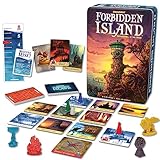
1. Gamewright - Forbidden Island - Cooperative Strategy Survival Board Game, 2-4 Players
Overview:
Forbidden Island, designed by Matt Leacock, is a cooperative strategy board game where players race against time to retrieve four sacred treasures from a sinking island before it collapses. Aimed at ages 10+, it supports 2–4 players and emphasizes teamwork over competition.
What Makes It Stand Out:
Its dynamic “sinking island” mechanic—where tiles flip to submerged sides after repeated visits—creates escalating tension. Rich illustrations immerse players in a perilous paradise, while roles with unique abilities (e.g., Explorer, Diver) encourage strategic synergy. The cooperative focus fosters communication and collective problem-solving, distinguishing it from traditional competitive games.
Value for Money:
Priced moderately, it offers exceptional replayability through variable island layouts and difficulty scaling. Compared to similar strategy games, its durable components, engaging narrative, and skill-building depth justify the cost, especially for families seeking educational yet thrilling gameplay.
Strengths and Weaknesses:
Strengths: Intuitive rules, stunning visuals, promotes critical thinking, and scales well for different group sizes. Weaknesses: Younger players (10+) may struggle with strategic depth; limited player count (max 4) restricts larger gatherings.
Bottom Line:
A masterclass in cooperative design, Forbidden Island delivers tense, replayable adventures that build teamwork. Highly recommended for families and strategy enthusiasts seeking meaningful interaction over cutthroat competition.
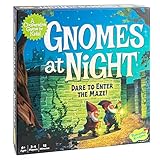
2. Peaceable Kingdom Gnomes at Night A Cooperative Maze Game for 2 to 4 Kids Ages 6+
Overview:
Gnomes at Night is a cooperative maze game for ages 6+ where players work as a team to guide magnetic gnome movers through a double-sided castle maze. The goal: recover 12 stolen treasures before dawn, using communication to navigate hidden paths.
What Makes It Stand Out:
The innovative double-sided board requires players to describe positions (“up,” “left”) while teammates move their gnomes through walls on the opposite side—forcing precise communication. The sand timer adds urgency, and four difficulty levels (A–D) ensure longevity. Magnetic movers provide tactile engagement without complexity.
Value for Money:
Affordably priced, it excels as an early cooperative tool. The included components (boards, movers, treasures) withstand repeated use, and its focus on communication skills offers developmental value rivaling costlier educational toys. Ideal for growing with children’s abilities.
Strengths and Weaknesses:
Strengths: Perfect for teaching spatial reasoning and clear communication; quick setup (5 mins); inclusive for young children. Weaknesses: Magnetic pieces can snag; repetitive after mastering lower levels; limited replayability for older kids.
Bottom Line:
An exceptional starter cooperative game that transforms communication into tangible fun. Essential for families with 6–10-year-olds seeking screen-free teamwork practice with minimal frustration.
3. Castle Panic 2nd Edition | Cooperative Board Game for Adults and Family | Ages 8+ | for 1 to 6 Players | Average Playtime 45 Minutes | Made by Fireside Games

Overview:
Castle Panic pits 1–6 players against waves of monsters attacking a castle’s colored rings and towers. Working together, players use strategy cards to defend structures, with the goal of destroying all monsters before towers fall—a tense tower-defense experience for ages 8+.
What Makes It Stand Out:
Its 3D cardboard towers create immersive visual stakes, while “plague” and “boulder” event cards disrupt plans unpredictably. Four game modes (including competitive Overlord) cater to diverse groups. The ring-based combat system—where card colors target specific zones—ensures intuitive yet strategic depth.
Value for Money:
The 1–6 player range maximizes utility for varying group sizes. Vibrant tokens, sturdy towers, and replayable modes offer better longevity than similar-priced games. At $35–$40, it’s a budget-friendly centerpiece for family game nights.
Strengths and Weaknesses:
Strengths: Highly accessible rules; thrilling 45-minute sessions; inclusive for mixed-age groups; minimal downtime. Weaknesses: Luck-dependent card draws can frustrate strategists; 3D towers require careful storage.
Bottom Line:
A near-perfect blend of simplicity and suspense, Castle Panic delivers consistent, laughter-filled teamwork. Unreservedly recommended for families and casual gamers wanting accessible co-op excitement.
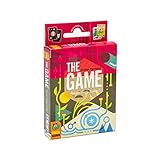
4. Pandasaurus Cooperative Strategy Card Game - Fun Interactive Family Game for Ages 8+, 1-5 Players, 20 Minute Playtime
Overview:
The Game is a minimalist cooperative card challenge where players lay down numbered cards (1–100) in ascending/descending sequences across two piles per suit. With strict communication limits, teams must strategize silently to empty their hands—a pure test of collective foresight for ages 8+.
What Makes It Stand Out:
Its brilliance lies in elegant simplicity: no board, just cards and tension. The “no talking” rule forces nonverbal coordination, while limited special actions (e.g., playing two cards at once) create nail-biting decisions. Winning requires near-perfect synchronization, making victories intensely rewarding.
Value for Money:
At under $15, this award-winning Spiel Des Jahres nominee offers staggering replayability. Compact enough for travel yet deep enough for regular play, it outperforms bulkier games costing twice as much. The 1.3 million copies sold attest to its universal appeal.
Strengths and Weaknesses:
Strengths: Ultra-portable; teaches patience and pattern recognition; thrilling 20-minute sessions; scales perfectly for 1–5 players. Weaknesses: Abstract theme lacks narrative immersion; early losses may frustrate young players.
Bottom Line:
A pocket-sized powerhouse that redefines cooperative play. Essential for families wanting a challenging, conversation-free mental workout that fits in any bag.
5. Spin Master Games, Jumanji Stampede, 3D Adventure Cooperative Board Game, for Fans of The Jumanji Movies, Face Off Against Jungle Emergencies, 2-4 Players, for Ages 8 & Up

Overview:
Jumanji Stampede plunges 2–4 players into a 3D jungle adventure where they race to collect five crystals before the villain reaches Rhino Mountain. Based on the film franchise, it combines cooperative card challenges with physical obstacles for ages 8+.
What Makes It Stand Out:
The 7-inch 3D Rhino Mountain and interactive hazards (e.g., a “bounding baboon” spinner) create cinematic immersion. Jungle Emergency cards introduce dynamic threats like avalanches, while the rotating board mechanic forces constant adaptation. Thematic integration excels beyond typical co-op games.
Value for Money:
Priced higher due to 3D components, it justifies cost through sheer spectacle. The tactile jungle elements and film nostalgia elevate it above abstract strategy games, offering a unique “movie-to-tabletop” experience families will revisit.
Strengths and Weaknesses:
Strengths: Unmatched visual engagement; easy to learn; strong theme integration; perfect for Jumanji fans. Weaknesses: 3D pieces are fragile; luck-heavy emergency cards can overshadow strategy; shorter replayability than pure strategy games.
Bottom Line:
A thrilling, visually stunning entry for families craving thematic adventure. Best for Jumanji enthusiasts—though strategy purists may prefer deeper mechanics—this delivers unforgettable, high-energy game nights.
6. Asmodee Pandemic Board Game (Base Game) - A Cooperative Battle to Save Humanity, Strategy Game for Kids and Adults, Ages 8+, 2-4 Players, 45 Minute Playtime

Overview: Pandemic remains the gold standard for cooperative board gaming. Players assume specialized roles (like Medic or Scientist) racing against time to cure four deadly diseases spreading across a world map before outbreaks trigger global collapse. Victory requires unified strategy, not individual competition. What Makes It Stand Out: Its pure cooperative design is revolutionary—players win or lose as a team, fostering genuine collaboration. The escalating tension from infection cards and epidemic events creates intense, memorable moments. Streamlined rules for ages 8+ make deep strategy accessible without sacrificing complexity. Value for Money: Priced competitively for its legacy status, Pandemic offers exceptional replayability through variable player roles and randomized setups. While expansions exist, the base game delivers a complete, satisfying experience that outlasts many pricier alternatives in longevity and depth. Strengths and Weaknesses: Strengths: Masterful teamwork mechanics, perfect difficulty curve, high replay value, family-friendly runtime. Weaknesses: Can suffer from “quarterbacking” (one player dominating decisions), limited player count (max 4), and artwork may feel dated to some. Bottom Line: An essential, timeless classic that redefined cooperative gaming. Its blend of tension, strategy, and shared triumph makes it a must-own for families and strategy enthusiasts seeking meaningful group engagement.
7. Flow: The Official Cooperative Board Game | Strategy Game for 1–4 Players Ages 8+ | Based on The Award-Winning Animated Film | Family & Solo Play | Survive The Flood, Rescue Allies
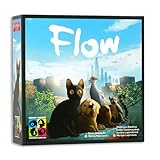
Overview: Flow immerses players in the poignant world of the animated film, tasking them with guiding aquatic creatures through a dynamically flooding environment. As water levels rise, players must rescue allies and navigate shifting terrain in this real-time cooperative adventure for 1-6 players. What Makes It Stand Out: The real-time “rising water” mechanic creates urgent, heart-pounding decisions—no player downtime. Modular board tiles and scenario cards ensure wildly different layouts each game, while the emotional narrative from the film adds unique thematic depth rarely seen in family games. Value for Money: Offers strong value with high-quality components and exceptional replayability via 11 scenarios. Its solo-play viability and scalability (1-6 players) maximize utility per purchase, justifying its price against less flexible cooperative titles. Strengths and Weaknesses: Strengths: Innovative real-time pressure, stunning thematic integration, superb solo mode, vast replayability. Weaknesses: Real-time element may overwhelm younger players, setup can be fiddly, and rulebook clarity could be improved for newcomers. Bottom Line: A beautifully thematic, adrenaline-fueled experience that excels in both solo and group play. Ideal for families seeking dynamic, narrative-driven gameplay with constant tension and high emotional resonance.
8. Happy Camper - The Four Doors | New Cooperative Game by Creator of Forbidden Island and Pandemic | Super Portable | Great for Solo Play, Two Players, and Groups
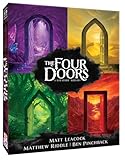
Overview: From Pandemic’s creator Matt Leacock, Happy Camper challenges 1-5 players to recover sacred treasures behind mystical doors before shadows seal them forever. This compact game emphasizes quick, strategic teamwork within a 30-minute runtime, designed for portability and accessibility. What Makes It Stand Out: Its super-portable design (fits in a small box) defies expectations for depth, offering meaningful decisions without sacrificing Leacock’s signature cooperative tension. The elegant “door” mechanism and shadow threat create a unique puzzle-like flow perfect for travel or quick game nights. Value for Money: Priced accessibly, it delivers remarkable value through sheer portability and solo/group versatility. While lighter than Pandemic, its focused design and re-playability (via variable shadow placements) make it an outstanding budget-friendly addition to any collection. Strengths and Weaknesses: Strengths: Ultra-portable, simple yet strategic, excellent solo mode, quick setup/play. Weaknesses: Lighter strategic depth than Leacock’s heavier titles, limited player interaction at max capacity, minimal component variety. Bottom Line: A delightful, travel-ready gem that proves deep cooperative fun doesn’t require bulk. Perfect for casual gamers, families, or as a gateway cooperative game—especially when space or time is limited.
9. Ravensburger Minecraft Heroes of The Village | Cooperative Board Game | Exciting & Unpredictable | Perfect for Families and Minecraft Enthusiasts | Suitable for Kids & Adults
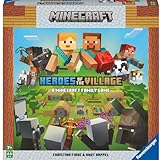
Overview: Ravensburger adapts Minecraft’s blocky charm into a cooperative board game where 2-4 players defend a village from mobs, gather resources, and build structures. With ever-changing terrain tiles, it captures Minecraft’s creative spirit in a structured, family-friendly format for ages 7+. What Makes It Stand Out: The modular village map ensures no two games play alike, mirroring Minecraft’s procedural generation. High-quality wooden blocks and familiar mobs (Creepers, Zombies) authentically translate the digital experience, while the cooperative objective encourages shared problem-solving. Value for Money: Ravensburger’s component quality (wooden blocks, sturdy tiles) justifies its price point. The strong brand appeal for Minecraft fans, combined with high replayability and age-appropriateness, offers solid value compared to less thematic or flimsier alternatives. Strengths and Weaknesses: Strengths: Authentic Minecraft theme, excellent components, high replayability, ideal for younger players. Weaknesses: Strategy can feel simplistic for seasoned gamers, limited player count, and mob mechanics may lack depth. Bottom Line: A vibrant, accessible entry into cooperative gaming for Minecraft fans and families. While not revolutionary, its charm, quality, and faithful adaptation make it a winning choice for casual game nights with kids.
10. Spin Master Games, SolidRoots Escaping Extinction, Cooperative Strategy Board Game from The Makers of Mind The Gap, for Kids & Family, 1-4 Players, for Ages 12 & Up

Overview: In Escaping Extinction, players become clever dinosaurs racing to build a 3D rocket before a meteor strikes. This cooperative game tasks 1-4 players with gathering parts across a tile-based prehistoric world while surviving earthquakes and dynamic board shifts. What Makes It Stand Out: The 3D rocket assembly adds tactile, engaging progression, while “earthquake cards” dynamically alter the board mid-game, forcing adaptive strategies. The dinosaur theme offers playful charm, and the tile layout ensures fresh challenges each session. Value for Money: Spin Master’s quality components (including the 3D rocket) provide good value. Its niche theme and solid mechanics justify the cost for families seeking fresh cooperative experiences, though it may not match the strategic depth of Pandemic at similar price points. Strengths and Weaknesses: Strengths: Creative 3D element, dynamic board changes, strong theme execution, good solo viability. Weaknesses: Theme may not resonate universally, rocket assembly can feel gimmicky, and strategy depth is moderate. Bottom Line: A fun, family-oriented cooperative game with inventive mechanics and solid production. Best for younger teens and families wanting lighthearted strategy with a memorable hook—though hardcore gamers may crave more complexity.
Understanding Cooperative Gameplay
What Truly Defines a Cooperative Game
At its core, a cooperative board game requires all players to work together towards a shared objective. Instead of competing against each other, the group faces a challenge posed by the game system itself—be it a timer, a deck of cards, a set of rules, or an automated antagonist. Victory or defeat is experienced collectively; there are no individual winners or losers within the group. This fundamental shift in dynamic is what creates the unique family-friendly magic.
The Critical Role of Shared Goals
The heart of any successful cooperative experience lies in a clear, compelling, and unifying goal. Every player must understand exactly what the team is striving for—whether it’s curing diseases, escaping a haunted house, or rebuilding a community. This shared purpose eliminates the “us vs. them” mentality common in competitive play and immediately fosters a sense of teamwork and mutual investment in the outcome.
How the Game Itself Becomes the Opponent
Unlike competitive games where players are the primary obstacles, cooperative games design the mechanics as the adversary. This might involve a deck that introduces escalating threats, a timer creating urgency, or an algorithm that dictates enemy movements. The challenge comes from overcoming the system’s hurdles together, not from outmaneuvering your fellow players. This structure inherently reduces frustration and blame-shifting common in family game nights.
The Transformative Benefits for Families
Building Stronger Communication Skills
Cooperative play necessitates constant dialogue. Players must discuss strategies, share information hidden on their individual cards, and negotiate the best course of action. This provides a natural, low-stakes environment for children to practice articulating ideas clearly, listening actively to others, and learning the value of collaborative decision-making—skills that translate directly to school and social settings.
Cultivating Empathy and Patience
When the entire group succeeds or fails together, children learn to see the game from multiple perspectives. They witness how their actions impact the team and understand that supporting a younger sibling’s idea can be just as crucial as executing a complex strategy themselves. This fosters empathy and teaches patience as players work through disagreements to find solutions that leverage everyone’s strengths.
Developing Essential Problem-Solving Strategies
Faced with a common challenge, families engage in real-time critical thinking. They must analyze the situation, weigh risks and benefits, adapt strategies on the fly when the game throws curveballs, and learn from collective mistakes. This collaborative problem-solving builds resilience and demonstrates that complex issues are often best tackled by pooling knowledge and perspectives.
Reducing Frustration and Sibling Rivalry
Let’s be honest: traditional competitive games can sometimes ignite arguments, especially between siblings of different ages or skill levels. Cooperative games remove the direct player-vs-player conflict. While disagreements about strategy might occur, the shared enemy (the game) redirects any potential frustration, making it easier to focus on finding solutions rather than assigning blame. The emphasis shifts to “How do we beat this?” instead of “How do I beat you?”
Key Features to Consider When Choosing
Age Appropriateness and Cognitive Load
This is paramount. Carefully assess the complexity of rules, reading requirements, abstract thinking needed, and the duration of gameplay. A game suitable for tweens might overwhelm younger children, while one too simple for older kids can lead to boredom. Look for games with adjustable difficulty levels or “family modes” that allow the challenge to scale as your children grow and gain experience.
Ideal Player Count and Group Dynamics
Consider how many people typically play together. Some cooperative games shine with 3-4 players but become unwieldy with 5 or 6, while others are specifically designed for larger family gatherings. Also, think about your family’s energy levels—do you prefer quick, focused sessions or longer, immersive adventures? Matching the player count and session length to your reality ensures smoother, more enjoyable play.
Playtime Duration: Finding the Sweet Spot
Respect your family’s attention spans and schedules. Games ranging from 15-20 minutes are fantastic for younger kids or winding down, while 45-60 minute sessions suit older children and deeper strategic engagement. Crucially, avoid games significantly longer than your family’s typical focus window; a game that overstays its welcome can turn cooperation into frustration. Look for clear phases or natural stopping points.
Thematic Appeal and Immersion
The theme isn’t just window dressing—it’s the hook that draws players in. Does your family love adventures in space, solving mysteries in a mansion, building animal habitats, or exploring mythical lands? A compelling theme that resonates with your children’s interests makes the cooperative challenge feel more engaging and meaningful, encouraging deeper participation and imaginative play.
Physical Components and Setup Simplicity
Consider the space you have and the patience for setup. Games with intricate miniatures or complex board assembly might be impressive but can become a barrier to frequent play, especially with younger helpers. Look for games with durable, easy-to-handle components and relatively quick setup/cleanup times. Clear iconography can also reduce reliance on text, aiding younger or less experienced readers.
Replayability Through Variable Setup
A game that plays the same way every time quickly loses its luster. High replay value in cooperative games often comes from variable setups: different map configurations, randomized event decks, modular boards, or multiple scenarios with escalating difficulty. This unpredictability keeps the challenge fresh, encourages repeated plays to master the system, and allows families to grow with the game over time.
Balancing Challenge Level
The game should provide a satisfying challenge—not so easy that victory feels inevitable and boring, nor so difficult that constant failure leads to discouragement. Look for games offering adjustable difficulty sliders (like adding more threat cards or reducing resources) or “cheat” rules for younger players. The sweet spot is where the family feels stretched but confident they can succeed with good teamwork, ideally winning about 50-70% of the time after a few plays.
Matching Games to Your Family’s Unique Needs
Considering Diverse Skill Levels Within the Family
Families often span a wide range of ages and cognitive abilities. Seek games that incorporate asymmetric roles (where each player has unique, complementary abilities suited to their skill level) or allow for “shared brains” where adults can guide younger children through decisions without taking over. Mechanisms like open information or discussion phases ensure everyone can contribute meaningfully, regardless of individual expertise.
Accommodating Different Attention Spans
For families with very young children or short attention spans, prioritize games with clear, immediate actions, tangible progress markers (like filling a shared victory track), and shorter overall playtimes. Games broken into distinct, manageable rounds or phases can also help maintain focus. Avoid games requiring long-term strategic planning that might lose younger players.
Navigating Emotional Sensitivity
Some children are highly sensitive to perceived failure or high-pressure situations. For these families, games with lower stakes within the narrative (e.g., “we’re trying to help the animals, not save the world”) or mechanics that minimize direct “punishment” (like losing life points) can be better. Look for games emphasizing narrative progression (“we learned more about the forest this time!”) even in defeat, making setbacks feel like part of the story rather than pure failure.
Aligning with Family Values and Interests
Does your family prioritize environmental themes, historical exploration, scientific discovery, or pure fantastical fun? Choosing a game whose narrative and mechanics align with your shared values or current interests (dinosaurs! space exploration!) creates a deeper connection and makes the cooperative challenge feel more relevant and motivating for everyone involved.
The Educational Powerhouse Hidden in Plain Sight
Fostering Critical Thinking and Logical Reasoning
Working together to solve the game’s puzzles necessitates analyzing information, identifying patterns, predicting outcomes, and evaluating the consequences of different actions. Players constantly ask “If we do X, what might happen next?” and “How does this clue connect to that problem?” This real-time application of logic is far more engaging than abstract exercises.
Enhancing Collaborative Decision-Making
Cooperative games provide a safe space to practice negotiation and consensus-building. Players learn to weigh different viewpoints, advocate for their ideas respectfully, compromise when necessary, and ultimately make group decisions. This mirrors real-world collaborative scenarios and teaches that the best solution often emerges from diverse input.
Strengthening Communication Precision
Success often hinges on players accurately conveying limited information or describing hidden elements to the team. This hones the ability to be concise, clear, and specific in communication—vital skills for academic and future professional success. Players learn the impact of ambiguous language and the power of effective description.
Building Resilience Through Shared Setbacks
Losing together is a powerful lesson. When the family fails to stop the spreading blight or rescue the trapped explorer, it’s an opportunity to calmly analyze why as a team: “What clue did we miss?” “Should we have saved that resource?” This normalizes failure as part of the learning process, teaching resilience, adaptability, and the importance of iterative problem-solving without personal shame.
Getting the Most Out of Your Cooperative Game Night
Setting the Stage for Success
Before diving in, briefly discuss the shared goal and emphasize the “we” mentality. Agree on ground rules for discussion: respectful listening, no blaming, and the understanding that the game is the opponent. Ensure everyone feels psychologically safe to share ideas, even imperfect ones. A quick “What are we hoping to enjoy tonight?” can set positive expectations.
Facilitating Inclusive Participation
Actively encourage quieter members to share their thoughts. Adults can model good teamwork by explicitly valuing a child’s suggestion: “That’s a great point about the treasure map, Sam—how could we use that?” For very young players, assign simple, crucial tasks (“You’re in charge of moving the rescue helicopter!”). Rotate who reads rules or sets up components to share responsibility.
Managing Dominant Personalities
If one player tends to take over, gently remind the group of the shared goal: “Remember, we all need to work together to crack this code. What does everyone think our next step should be?” Implement discussion structures like going around the table for initial ideas before deep diving. Some games have designated “leader” roles that rotate, naturally distributing control.
Learning from Defeat: The Post-Mortem
After a loss (which is healthy and expected!), take 5 minutes to debrief as a team. Focus on the process, not the outcome: “What strategy worked well?” “Where did we get stuck?” “What would we try differently next time?” This transforms failure into valuable learning and reinforces the growth mindset, making the next attempt even more engaging.
Overcoming Common Cooperative Game Challenges
Avoiding the “Quarterbacking” Trap
This occurs when one overly experienced player dictates everyone else’s moves, reducing others to passive followers. Mitigate this by encouraging open discussion before actions are taken (“What should we do with this clue?”), using games with hidden information that prevents one player from knowing everything, or implementing a rule where the suggested action must be voted on by the group.
Maintaining Engagement During Downtime
Some cooperative games can have lulls while others strategize. Choose games with simultaneous action selection or player-specific roles that keep everyone busy. If downtime occurs, encourage active observation: “While we decide, think about what resources you have that might help.” Keep turns short and focused.
Ensuring Age-Appropriate Challenge
The biggest pitfall is choosing a game too complex for younger players, leading to disengagement. Solution: Utilize “hand management” where an adult helps a young child decide their move, or simplify rules significantly for the first few plays (e.g., ignore a complex mechanic). Many modern cooperative games include explicit “family” or “beginner” rule variants designed for this exact purpose.
Frequently Asked Questions
Frequently Asked Questions
What is the ideal minimum age for cooperative board games? Most quality cooperative games specify a minimum age, typically starting around 5-6 years old for very simple titles. However, the key is assessing your child’s ability to follow basic rules, take turns, handle potential frustration, and engage in simple group discussion, which can vary significantly.
Can cooperative games work well for just two players? Absolutely! Many excellent cooperative games are specifically designed for 1-2 players or scale perfectly down to duos. The dynamic shifts slightly, often requiring deeper strategic discussion, but the core cooperative experience of tackling the challenge together remains powerful and engaging.
How do I handle it when my child gets upset after we lose? Focus on the shared effort and learning: “That was tough! I loved how we worked together on the puzzle. What’s one thing we figured out that will help us next time?” Normalize losing as part of the game (“Even grown-ups lose this one!”) and emphasize the fun of playing together regardless of the outcome.
Are cooperative games less educational than competitive ones? Quite the opposite. Cooperative games often provide richer opportunities for developing communication, negotiation, collaborative problem-solving, and emotional regulation—skills equally, if not more, critical than those honed through competition. They teach strategic thinking within a social context.
How can I tell if a cooperative game has good replay value? Look for mechanisms like variable setup (different board layouts, shuffled decks), multiple scenarios, adjustable difficulty levels, or modular components. Games where the sequence of events feels different each time you play, due to randomness or player choices, inherently offer higher replayability.
Do cooperative games take longer to learn than competitive ones? Not necessarily. Many modern cooperative games prioritize streamlined rulesets focused on the shared experience. While complex strategy co-ops exist, numerous family-friendly options have rules that are often easier to grasp initially than intricate competitive games, as the focus is on teamwork mechanics rather than adversarial tactics.
Can cooperative play help with social anxiety in children? Yes, potentially. The low-pressure, shared-goal environment can be less intimidating than competitive play for some children. Contributing to a team effort without the fear of individual failure can build confidence in social interaction and communication within a safe, structured framework.
What if one family member always wants to play competitive games instead? Acknowledge their preference, but suggest balancing game nights: “How about we play one cooperative adventure to work together, then one of your favorite competitive games?” Highlight the unique fun of teamwork: “Remember how awesome it felt when we all cheered after escaping the temple last time?”
How important is the theme really? For family engagement, theme is crucial—it’s the initial hook that sparks interest. A theme that resonates with your children (dinosaurs, space, animals, magic) makes the abstract mechanics feel meaningful and exciting, encouraging deeper investment in the cooperative challenge and the narrative.
Is it okay for adults to sometimes ‘dumb down’ their play to let kids contribute more? Strategic scaffolding is encouraged! The goal is inclusive fun and learning. Adults can focus on facilitating discussion, asking guiding questions (“What do you think this clue means?”), or deliberately saving a key action for a child to execute, ensuring everyone feels their contribution matters to the team’s success.
See Also
- The Complete Guide to the 10 Best Cooperative Card Games for Families
- The Complete Guide to the 10 Best Cooperative Board Games for Couples
- The Complete Guide to the 10 Best Cooperative Board Games for Kids
- Solving Boredom in the Living Room with Cooperative Board Games for Families
- 10 Best Cooperative Board Games for Building Teamwork in Families in 2026