Table of Contents
Imagine coming home after a long week, ready to unwind with your partner, only to realize that yet another movie night might deepen the rut you’re both trying to escape. You crave connection, a shared challenge that sparks conversation and laughter, not just passive scrolling. Cooperative board games offer that perfect antidote – transforming your living room into a collaborative adventure where you’re not opponents, but allies working towards a common victory. Forget the tension of head-to-head competition; here, the real opponent is the game itself, forcing you to strategize, communicate, and celebrate successes together, strengthening your bond through every shared decision and triumphant high-five.
There’s a unique magic in turning off the screens and leaning into the tangible, tactile experience of a board game designed specifically for two minds to conquer as one. These games move beyond simple entertainment; they become dynamic tools for practicing patience, active listening, and creative problem-solving – skills that resonate far beyond the game board and into the fabric of your relationship. Whether you’re navigating a treacherous fantasy quest, solving intricate mysteries, or building a new world side-by-side, cooperative play fosters a sense of unity and shared accomplishment that competitive games often struggle to replicate. It’s not about who wins; it’s about how you win, together.
Top 10 Cooperative Board Games for Couples
Detailed Product Reviews
1. Gamewright - Forbidden Island - Cooperative Strategy Survival Board Game, 2-4 Players
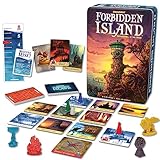
Overview: Forbidden Island is a cooperative board game where players work as a team to retrieve four sacred treasures from a sinking island before it vanishes. Designed by acclaimed creator Matt Leacock, it targets families and strategy enthusiasts aged 10+.
What Makes It Stand Out: Its cooperative nature eliminates player competition, fostering teamwork to solve dynamic challenges. The innovative “sinking tile” mechanic creates escalating tension, while vibrant artwork immerses players in a perilous adventure. Unlike competitive games, shared victory or defeat builds camaraderie.
Value for Money: Priced moderately for a strategy game, it offers exceptional replayability with variable island layouts and difficulty levels. Comparable cooperative games often cost more for less depth, making this a budget-friendly gateway into strategic group play.
Strengths and Weaknesses: Strengths: Encourages critical thinking and communication; intuitive rules; high-quality components; scalable difficulty. Weaknesses: Limited player count (max 4); younger children may struggle with strategy; minimal luck mitigation can frustrate casual players.
Bottom Line: An essential pick for families seeking collaborative fun and budding strategists. Its educational value and thrilling gameplay justify every penny, cementing it as a modern classic for game nights.
2. LOVEOPOLY: Fun Couples Board Game for Date Nights & Conversations – Build Connection with Playful Challenges (2-4 Players)

Overview: LOVEOPOLY reimagines Monopoly as a romantic couples’ game, blending property trading with “Love Adventure Tasks” designed to deepen emotional and physical connection during date nights.
What Makes It Stand Out: Every property purchase triggers unique romantic challenges (e.g., “recreate your first kiss”), transforming traditional gameplay into intimate storytelling. High-quality components and inclusive design cater to diverse relationships, while surprise cards inject humor and spontaneity.
Value for Money: Though pricier than standard Monopoly, its specialized focus on relationship-building justifies the cost. Alternatives often lack depth, but LOVEOPOLY’s premium materials and thoughtfully crafted tasks deliver unmatched experiential value for couples investing in their bond.
Strengths and Weaknesses: Strengths: Strengthens communication; versatile for all relationship stages; elegant design; sparks laughter and vulnerability. Weaknesses: Tasks may feel repetitive after multiple plays; limited replayability for non-romantic contexts; not ideal for shy partners.
Bottom Line: A delightful gift for couples prioritizing connection. While niche, its ability to transform routine nights into memorable adventures makes it a worthwhile splurge for relationship-focused players.
3. Adult Board Game,Couple Adult Opoly Board Game,Adult Couples Board Games,Couples Adults Board Games,Couples Game Cards Board Game Props,Date Night Ideas,Couples Date Night Games

Overview: This adult-focused board game adapts Monopoly mechanics for intimate partner challenges, where purchasing “tasks” compels partners to complete romantic or playful actions, escalating stakes through rent-based exchanges.
What Makes It Stand Out: It uniquely merges strategy with sensual engagement, using property ownership to drive physical interaction. The portable design ensures spontaneity during travel, while tasks prioritize emotional intimacy alongside physical connection, distinguishing it from purely erotic alternatives.
Value for Money: Competitively priced within the adult-game niche, it offers dual utility: structured date-night guidance and relationship enrichment. Cheaper options lack its strategic depth, while premium rivals rarely balance gameplay and intimacy this effectively.
Strengths and Weaknesses: Strengths: Builds trust through guided vulnerability; highly portable; fosters shared memories; adaptable to relationship comfort levels. Weaknesses: Task repetition may occur; ambiguous instructions for some actions; unsuitable for new couples or conservative players.
Bottom Line: Best for established couples seeking to rekindle passion. Its strategic twist on intimacy earns solid value, though cautious players should preview tasks beforehand.
4. The Ultimate Date Night Game by Relatable, Great for Couples Games and Stay at Home Date Night Ideas, From The Makers of Let’s Get Deep Relationship Card Game, Includes 200 Cards & Spinner

Overview: A streamlined card-and-spinner game offering 200 date-night prompts across five categories (e.g., “Fun,” “Deep”), designed to spark meaningful connection during at-home evenings for couples aged 17+.
What Makes It Stand Out: Its simplicity shines—spin, draw, and act—eliminating complex rules. Categories balance lighthearted humor with profound questions, while the 25-card win condition encourages sustained engagement. Created by relationship-game veterans, it avoids gimmicks for authentic bonding.
Value for Money: Exceptional affordability per use, with near-limitless replayability from diverse prompts. Outperforms pricier alternatives by focusing purely on connection without physical components that wear out, making it ideal for budget-conscious couples.
Strengths and Weaknesses: Strengths: Zero setup time; sparks genuine conversation; compact storage; inclusive for varied relationship lengths. Weaknesses: Spinner feels flimsy; some prompts lack depth; no strategic element may bore game enthusiasts.
Bottom Line: A no-fail choice for couples wanting effortless, heartfelt dates. Its minimalist design and emotional payoff offer unbeatable value for everyday use.
5. Happy Camper - The Four Doors | Cooperative Game by Pandemic and Forbidden Island Creator | Super Portable | Great for Solo Play, Two Players, and Groups

Overview: From Matt Leacock (Pandemic), Happy Camper casts players as adventurers retrieving treasures from a mystical tower while evading encroaching shadows in this portable cooperative game for 1–5 players.
What Makes It Stand Out: Its solo- and group-friendly design is rare for cooperative games, with adjustable difficulty accommodating any player count. The compact size (fits in a pocket) and 30-minute playtime make it perfect for travel, retaining Leacock’s signature tension through elegant “door” mechanics.
Value for Money: Slightly premium but justified by versatility—replaces multiple niche games. Portable competitors lack its strategic depth, while family co-ops rarely support solo play, offering unmatched utility per dollar.
Strengths and Weaknesses: Strengths: Exceptional portability; seamless solo mode; intuitive yet challenging; high replayability. Weaknesses: Minimal thematic immersion; component storage could be tighter; max player count dilutes engagement.
Bottom Line: A must-have for on-the-go gamers seeking strategic teamwork. Its adaptability and creator pedigree make it a brilliant investment for travelers and co-op fans alike.
6. Tipsy Date Night Valentine’s Day Game – A Flirty Adult Board Game for Couples, Fun Date Night Games for Adults with 100+ Challenges, Games for Adults Perfect for Anniversary, Weekend or Getaway

Overview: This couples’ board game transforms ordinary nights into playful, intimate experiences through structured prompts and dares. Designed for two players, it includes 100+ challenges across physical components like themed card decks focused on romance and connection, targeting date nights, anniversaries, or spontaneous at-home getaways.
What Makes It Stand Out: Its niche focus on couples-only interaction sets it apart, blending lighthearted icebreakers with deeper emotional prompts via “Love Secrets” and “Bold Dares” decks. Unlike generic party games, it deliberately cultivates vulnerability and laughter, making reconnection feel effortless and organic without requiring alcohol despite the “Tipsy” branding.
Value for Money: Priced moderately for a specialty game, it justifies cost through sheer volume (140+ unique prompts) and longevity—ideal for recurring use. Cheaper than a single restaurant date, it outperforms generic “conversation card” sets by offering tangible structure and escalating intimacy levels, avoiding the superficiality of many alternatives.
Strengths and Weaknesses: Strengths: Thoughtfully tiered prompts suit new or long-term couples; compact, travel-friendly design; sparks genuine conversation beyond small talk. Weaknesses: Some dares may feel too intimate for shy pairs; limited replayability once all cards are used; minimal physical components beyond cards.
Bottom Line: An excellent, affordable tool for couples seeking to deepen bonds through guided play—highly recommended for Valentine’s, anniversaries, or routine date nights, though best suited for partners comfortable with vulnerability.
7. Exploding Kittens Horrible Couple – Extra Horrible Edition – Party Game for 2-8 Players, from The Creators of Horrible Therapist | A Fun Game Night with Friends, Funny Card Game for Adults

Overview: A dark-humor card game for adults (17+), this spin-off from Exploding Kittens tasks players with crafting twisted “love stories” using mismatched question, response, and compromise cards. It thrives on offensive, absurdist takes on romance, playable competitively or cooperatively with 2–8 players.
What Makes It Stand Out: The sheer volume of cards (438 total) and unapologetically crude humor create chaotic, unpredictable scenarios—like pairing “sexy handcuffs” with disastrous compromises. It uniquely targets romantic disillusionment as comedy, distinguishing itself from broader party games like Cards Against Humanity with a tightly themed, niche focus.
Value for Money: Competitive pricing given the card count and reusability, but value hinges entirely on tolerance for offensive content. Cheaper per card than most adult games, yet less versatile—ideal only for groups relishing dark comedy about failed relationships, not general game nights.
Strengths and Weaknesses: Strengths: Massive replayability via card combinations; hilarious for fans of satire; scales perfectly from dates to large groups. Weaknesses: Humor may alienate or offend; zero strategic depth; niche appeal limits audience. Not for sensitive players or traditional couples.
Bottom Line: A must-buy for degenerate humor lovers seeking romantic chaos, but avoid if you prefer wholesome or subtle comedy—it’s a brilliantly executed one-note joke with limited broad appeal.
8. Flow: The Official Cooperative Board Game | Strategy Game for 1–4 Players Ages 8+ | Based on The Award-Winning Animated Film | Family & Solo Play | Survive The Flood, Rescue Allies
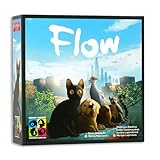
Overview: Based on the acclaimed animated short, this cooperative game challenges 1–4 players to navigate a beautifully illustrated, modular world threatened by rising water. Players work together in real-time to rescue allies and survive floods, blending emotional storytelling with strategic urgency.
What Makes It Stand Out: The dynamic “rising water” mechanic forces constant adaptation as the board floods turn-by-turn, creating intense, shared pressure. Its seamless integration of the film’s serene yet urgent tone—paired with solo compatibility—makes it rare among family co-ops that often lack depth or emotional resonance.
Value for Money: Priced accessibly for a strategy game, it offers exceptional replayability through 11 scenarios and modular tiles. While components are modest, the thoughtful design justifies cost, outperforming many kids’ games by engaging adults without complexity overload.
Strengths and Weaknesses: Strengths: Truly cooperative real-time play; inclusive for ages 8+; stunning thematic cohesion; solo mode works flawlessly. Weaknesses: Limited player count (max 4); minimal character differentiation; water tokens can feel fiddly during rapid floods.
Bottom Line: A beautifully crafted, emotionally engaging co-op that excels for families or solo play—highly recommended for its unique tension and accessibility, though max player count may disappoint larger groups.
9. ALLPLAY Sail Cooperative Strategy 2 Player Board Game for Adults and Family - Unique Trick Taking Card Game - Communication Limits and Challenging Scenarios in Small, Travel Size Box (5" x 5" x 2")

Overview: A compact two-player cooperative card game where partners navigate a pirate ship by strategically winning or losing tricks—without speaking. Players use unique character powers to survive sea monsters and storms within a tiny, portable box ideal for travel.
What Makes It Stand Out: Its strict “no communication” rule revolutionizes trick-taking, forcing silent teamwork through card play alone. The pirate theme integrates cleverly with mechanics (e.g., “losing” tricks to steer), while the 5x5 inch box defies expectations for depth, offering a full strategic experience on the go.
Value for Money: Excellent for the price, packing sophisticated co-op strategy into a minuscule footprint. Outvalues larger games by prioritizing meaningful mechanics over components—perfect as a gift or travel essential, though limited to two players.
Strengths and Weaknesses: Strengths: Brilliant communication constraints deepen partnership; highly portable; unique pirate-themed trick-taking; strong replayability via scenarios. Weaknesses: Steep learning curve for trick-taking newbies; no solo mode; card art feels minimalist.
Bottom Line: An essential purchase for duo strategy fans seeking intense, silent collaboration—a masterclass in elegant design that punches far above its tiny weight class.
10. Asmodee Pandemic Board Game (Base Game) - A Cooperative Battle to Save Humanity, Strategy Game for Kids and Adults, Ages 8+, 2-4 Players, 45 Minute Playtime

Overview: The seminal cooperative strategy game where 2–4 players work as disease-fighting specialists to cure four global outbreaks before time runs out. Combining role-based abilities and urgent decision-making, it’s a race against escalating pandemics threatening humanity.
What Makes It Stand Out: Its pure teamwork ethos—no single player dominates—sets the gold standard for co-ops. The tension of interconnected crises (outbreaks, epidemics) creates emergent storytelling, while accessible rules belie surprising strategic depth, making it universally appealing yet endlessly challenging.
Value for Money: A benchmark for replayability and design; justified by near-perfect balance and 45-minute sessions. Though pricier than simple family games, its legacy status and expansions offer unmatched longevity, outperforming most competitors in educational and social value.
Strengths and Weaknesses: Strengths: Unbeatable teamwork dynamics; scales perfectly for 2–4 players; teaches crisis management; highly replayable. Weaknesses: Can suffer from “alpha player” syndrome; luck-dependent card draws frustrate some; base game lacks variability vs. expansions.
Bottom Line: Still the definitive cooperative board game after 15+ years—essential for families, educators, or strategy fans seeking a tight, meaningful experience where winning together feels genuinely earned.
Why Cooperative Play Resonates Deeply with Couples
The dynamics of playing against each other can sometimes unintentionally amplify everyday stresses or competitive instincts, which isn’t always the vibe for a relaxing or connecting evening. Cooperative games eliminate that friction point entirely. Instead of strategizing to outmaneuver your partner, your focus shifts to combining your unique perspectives and strengths to overcome the game’s challenges. This fundamental shift creates a significantly more supportive and less stressful environment, allowing you both to relax into the experience and truly enjoy each other’s company without the pressure of “beating” the other person.
Building Communication Bridges Through Gameplay
One of the most profound benefits is how these games naturally cultivate essential communication skills. You’re forced to articulate your thoughts clearly, listen actively to your partner’s ideas, and negotiate strategies in real-time. Discussing potential moves, weighing risks, and explaining your reasoning becomes the core activity, mirroring healthy relationship communication patterns. This practice in a low-stakes, fun setting can translate directly to improved dialogue during more serious conversations later.
Shared Problem-Solving as Relationship Glue
Facing a complex puzzle or a looming game threat together creates powerful moments of shared vulnerability and intellectual partnership. You experience the ebb and flow of brainstorming, the frustration of a near-miss, and the exhilarating rush of a hard-won solution – all as a unified team. This shared journey, especially overcoming obstacles collaboratively, builds a strong sense of “us against the problem,” reinforcing partnership and mutual reliance in a deeply satisfying way.
Escaping the Daily Grind Through Immersive Worlds
Stepping into a well-crafted game world provides a much-needed mental vacation from work emails, household chores, and daily worries. Whether exploring ancient ruins, managing a bustling bakery, or defending a city from invasion, these immersive settings allow you both to temporarily inhabit different roles and perspectives. This shared imaginative escape is incredibly potent for reconnection, offering novelty and adventure within the comfort of your own home.
Key Features to Prioritize When Choosing Your Game
Not all cooperative experiences are created equal, especially when tailored for just two players. Understanding the specific elements that make a game shine in a couples’ setting is crucial for avoiding frustration and ensuring maximum enjoyment. It’s less about finding the “best” game universally and more about finding the right game for your unique dynamic and current life stage.
Optimal Player Count: The Two-Player Sweet Spot
While many co-ops support two players, some are truly designed for the duo experience, offering balanced mechanics and appropriate challenge levels specifically calibrated for just you and your partner. Games hastily adapted from larger player counts might feel clunky, overly simplistic, or strangely difficult with only two people. Prioritize titles explicitly highlighted as excellent for two players – the rules will flow smoother, the pacing will feel natural, and the challenge will be appropriately tuned.
Complexity Level: Matching Your Energy and Experience
Honesty about your collective gaming appetite is vital. Are you seasoned strategists craving deep tactical puzzles, or are you newer to the hobby looking for something intuitive and quick to learn? Don’t feel pressured towards overly complex games expecting them to be “better.” A game perfectly matched to your current skill level and mental bandwidth – whether light and breezy or moderately strategic – will provide far more enjoyment and less frustration than one that feels overwhelming or patronizing. Consider your typical weeknight energy versus a relaxed weekend afternoon.
Theme and Narrative: Fueling Your Shared Imagination
The game’s setting isn’t just window dressing; it’s the emotional engine. Does a whimsical fairy-tale adventure spark more joy for you both than a gritty post-apocalyptic struggle? Does a charming art style uplift you more than a dark, brooding aesthetic? Choosing a theme that genuinely resonates with both partners significantly increases engagement and investment. A shared love for the narrative or visual world makes the problem-solving feel more meaningful and the time spent together more delightful.
Playtime Commitment: Respecting Your Precious Time
Be brutally realistic about how much uninterrupted time you can reliably dedicate. A game promising “only 30 minutes” is vastly different in practicality from one requiring 90 minutes, especially on a busy Tuesday night. Consistently choosing games that fit your actual available time slots prevents the game from becoming another chore or source of stress (“We started but can’t finish!”). Shorter games are often perfect for regular play, while longer epics can be special weekend events.
Understanding Cooperative Game Mechanics for Two
Grasping the common mechanics used in these games helps you anticipate the feel and flow, ensuring it aligns with what you both enjoy. Knowing how you’ll be working together is as important as knowing what you’ll be doing.
Hand Management: Strategic Resource Allocation
Many games revolve around the cards or tokens in your hand, representing actions, tools, or knowledge. Effective hand management requires constant communication: “I have the key card, but I need you to clear the path first,” or “Save your special action for the next turn, I see a big threat coming.” This mechanic fosters deep discussion about resource prioritization and timing, making every card play a joint decision.
Action Point Allowance: Maximizing Limited Moves
Games often give you a set number of actions per turn (like move, interact, use an item). Deciding how to best spend those limited actions together – “Do we split up to cover more ground or stick together for safety?” – is a core strategic puzzle. This mechanic naturally encourages weighing short-term gains against long-term goals and understanding each other’s risk tolerance in a tangible way.
Legacy and Campaign Systems: Building Your Shared Story
Some games evolve over multiple sessions, with permanent changes to the board, rules, or components based on your successes and failures. This creates a powerful, unfolding narrative unique to your partnership. Unlocking new elements, facing consequences of past decisions, and building towards a long-term objective together fosters incredible investment and creates lasting memories beyond a single play session.
Variable Player Powers: Complementing Your Strengths
While less common in pure two-player co-ops, some games give each partner distinct abilities or roles. This mechanic encourages you to lean into your individual “strengths” within the game (e.g., one excels at research, the other at combat) and consciously rely on each other’s unique contributions, mirroring how you might naturally complement each other in real life.
Setting the Stage for an Unforgettable Game Night
The environment you create is just as important as the game you choose. Thoughtful preparation transforms a simple activity into a cherished ritual that you both look forward to.
Creating the Perfect Ambiance: Beyond the Board
Dim the harsh overhead lights; opt for warm lamps or even candles (safely away from the game!). Put phones on silent and out of immediate reach – designate a “distraction-free zone.” Maybe pour your favorite drinks or have a small snack within easy reach. This intentional shift signals that this time is special, dedicated solely to your shared experience, making it feel less like a chore and more like an event.
The Pre-Game Ritual: Building Anticipation
Don’t just plop down and start setting up. Take five minutes to connect before diving in. Share one highlight from your day, express appreciation for playing together, or simply take a few deep breaths to transition out of work mode. This small ritual mentally prepares you both to be present and engaged, setting a positive, collaborative tone from the very first move.
Managing Expectations: Embracing the Journey
Go into the game with the mindset that the goal is enjoying the process together, not just achieving victory. Especially with new or complex games, the first play is often about learning and discovery. Laugh off mistakes, celebrate clever moves regardless of the final outcome, and remember that the shared laughter and conversation are the win. This reduces pressure and keeps the focus on connection.
Navigating Common Challenges in Two-Player Co-Ops
Even the best-designed games can present hiccups. Being aware of potential pitfalls and having strategies to overcome them ensures frustration doesn’t derail your fun.
Avoiding the “Quarterbacking” Trap
This happens when one partner consistently dominates the decision-making (“You should do this, then I’ll do that…”). It undermines the cooperative spirit and can leave the other feeling sidelined. Actively combat this by pausing before acting, explicitly asking for your partner’s input (“What do you think our next move should be?”), and taking turns suggesting the primary action for a round. Remember, it’s a partnership, not a solo pilot with a co-pilot.
Handling Frustration and Near-Misses
Games will present tough spots and losses. How you react together matters most. Acknowledge the frustration (“Ugh, that was so close, I’m bummed!”), then quickly pivot to problem-solving for next time (“Okay, what could we have done differently when the threat spiked?”). Avoid blame (“If you hadn’t done X…”) and focus on the game’s challenge, not each other. A shared sigh and a reset can work wonders.
Maintaining Engagement During Downtime
Some mechanics might create moments where one partner feels less involved while the other takes a more active role. Proactively counter this by narrating your thought process aloud (“I’m trying to decide between moving here or using my special ability… what’s your take?”), asking for their assessment of the board state, or even letting them physically handle parts of the setup during your turn. Keep the conversation flowing constantly.
Enhancing Replayability and Long-Term Enjoyment
The best couple’s games aren’t one-and-done experiences. They offer depth and variety that keep you coming back, continually discovering new layers to the challenge and to each other’s gameplay styles.
Embracing Variable Setup and Scenarios
Games that randomize elements (map layouts, objective cards, threat decks) or offer distinct scenarios ensure no two plays feel identical. This randomness injects fresh excitement and forces you to adapt your strategies, preventing the game from becoming predictable or stale. It turns replaying into a new adventure rather than a rerun.
Difficulty Tiers and Adjustable Challenges
The ability to tweak the game’s difficulty is invaluable. Start on an easier setting to learn the ropes and build confidence, then gradually increase the challenge as your teamwork and understanding grow. This scalability allows the game to grow with you, maintaining the right level of tension and preventing it from becoming too easy (boring) or impossibly hard (frustrating) over time.
Discovering New Strategies Through Repeated Plays
With each session, you’ll uncover nuances – a clever card combination, an efficient path, a way to mitigate a common threat. Discussing these discoveries (“Remember last time we tried X? What if we combine it with Y this round?”) deepens your strategic understanding and creates a shared knowledge base. This evolving mastery is incredibly rewarding and strengthens your in-game partnership.
Integrating Gaming into Your Relationship Rhythm
Making cooperative gaming a sustainable part of your life, rather than a sporadic novelty, is where the real relationship benefits blossom. Consistency turns it into a cherished habit.
Scheduling Realistically: Making it Stick
Don’t aim for nightly marathons if that’s unrealistic. Start small – perhaps a dedicated 45-60 minute slot every Sunday evening, or alternating Wednesday nights. Treat it like any important appointment. Consistency, even if infrequent, builds anticipation and makes it a reliable touchpoint in your busy lives. Protect this time fiercely.
Balancing Gaming with Other Date Night Activities
While game nights are fantastic, variety is key. Rotate cooperative gaming with other date ideas – cooking together, a walk, a movie, trying a new restaurant. This prevents gaming from feeling monotonous and ensures your connection is nurtured through multiple avenues. Think of it as one vibrant thread in the tapestry of your dates.
Using Games as Conversation Catalysts
The themes and dilemmas presented in games often spark surprisingly deep discussions. Did a tough moral choice in the game mirror a real-life consideration? Did a near-loss highlight how you handle stress together? Gently bridge the gap after a session: “That part where we had to choose between saving the village or the artifact… how did you feel about that decision?” It leverages the game as a springboard for meaningful connection.
Troubleshooting When Games Don’t Resonate
Sometimes, despite best intentions, a game just doesn’t click. Recognizing this early and knowing how to pivot is crucial to preserving the positive association with game nights.
Identifying Core Mismatches: Theme vs. Mechanics
Was the frustration about the theme (hating the dark setting) or the mechanics (finding the action system too fiddly)? Pinpointing the root cause helps you make better choices next time. Maybe you avoid horror themes altogether, or seek out games with simpler action resolution, rather than abandoning the whole cooperative genre.
Knowing When to Shelf a Game (Temporarily)
Don’t force it. If a game consistently causes more stress than joy after a few honest tries, set it aside. There’s no rule saying you must finish or master every game you own. A game that doesn’t work now might click perfectly in six months when your experience or life circumstances change. Be kind to yourselves and move on to something more enjoyable.
Seeking Feedback and Making Joint Decisions
After a session that wasn’t ideal, have a quick, gentle debrief without blame. “What part felt least fun to you?” or “What kind of challenge would feel better next time?” Use this input collaboratively when choosing your next game. This ensures both voices are heard in shaping the experience, reinforcing partnership even in decision-making.
Beyond the Game: The Lasting Impact of Cooperative Play
The true value of these shared gaming sessions extends far beyond the final score or the cleared board. The skills and connections forged at the table subtly enrich the everyday fabric of your relationship.
Strengthening Real-World Teamwork Dynamics
The communication patterns practiced – active listening, clear articulation of needs, collaborative problem-solving under pressure – directly translate to handling real-life challenges, from planning a vacation to navigating a tough conversation. You learn each other’s thought processes and decision-making styles in a safe, low-stakes environment, building trust in your ability to tackle bigger issues together.
Cultivating Patience and Empathy
Seeing how your partner approaches puzzles, handles setbacks, or reacts to surprises fosters deeper understanding. You witness their patience (or frustration) in action, their creative leaps, their cautious strategies. This builds empathy, helping you appreciate their unique perspective not just in the game, but in daily life. You learn to anticipate their reactions and support their style.
Creating a Shared Repository of Positive Memories
Each game session, especially the funny misplays, the epic comebacks, and the quiet moments of focused teamwork, adds to a unique bank of positive shared experiences. These become your inside jokes, your “remember when we…” stories. This reservoir of joyful connection is a powerful buffer against everyday stressors, reminding you of your strength as a team.
Frequently Asked Questions
Why should couples choose cooperative games over competitive ones?
Cooperative games eliminate direct player-versus-player conflict, reducing potential stress or arguments. They foster teamwork, shared problem-solving, and mutual support, creating a more relaxed and connective atmosphere where the focus is on enjoying the challenge together rather than defeating each other, strengthening partnership dynamics.
How do we avoid one partner dominating the decisions (quarterbacking)?
Actively encourage equal participation by pausing to ask for input before making moves, taking turns suggesting the primary action for a round, and verbally acknowledging each other’s ideas. Frame decisions as joint discussions (“What do you think we should do here?”) rather than directives, ensuring both feel heard and invested.
What’s the ideal playtime for a couple’s game night?
Aim for sessions that realistically fit your schedule, typically 30-60 minutes for weeknights and up to 90 minutes for weekends. Consistently choosing games within your available, uninterrupted time frame prevents frustration from starting but not finishing and makes regular play feasible.
Can cooperative games actually improve our communication?
Absolutely. These games require constant, clear articulation of strategies, active listening to understand your partner’s perspective, and negotiating solutions under shared pressure. Practicing these skills in a fun, low-stakes environment directly translates to improved real-world communication and conflict resolution.
How important is the game’s theme for couples?
Theme is crucial for sustained engagement. Choosing a setting and story that genuinely interests both partners (whether whimsical, adventurous, or mysterious) makes the shared experience more immersive and enjoyable, turning gameplay into a delightful escape you both look forward to.
What if we lose a lot? Does that mean the game isn’t right for us?
Frequent losses often indicate the difficulty level is too high, not that the game is wrong. Most quality cooperative games offer adjustable difficulty settings. Start on the easiest tier to learn mechanics and build confidence, then gradually increase the challenge as your teamwork and understanding improve.
How do we handle disagreements during the game without it getting tense?
Focus disagreements on the game’s challenge, not each other. Use “we” statements (“We’re stuck here, what options do we have?”) and avoid blame. Take a short break if frustration rises, then return to problem-solving together. Remember, the goal is shared enjoyment, not just winning.
Are cooperative games suitable for non-gamers or beginners?
Yes, many are designed with accessibility in mind. Look for games with simple core mechanics, short rulebooks, and intuitive gameplay. Starting with lighter, quicker games builds confidence and familiarity with the cooperative style before potentially moving to more complex experiences.
How can we make game nights feel special and not like a chore?
Create a dedicated ambiance with good lighting, put phones away, have a special drink or snack, and establish a pre-game ritual (like sharing a daily highlight). Treating it as a distinct, valued event rather than just “killing time” significantly boosts enjoyment and anticipation.
Can playing these games help during stressful times in our relationship?
While not a substitute for serious relationship work, cooperative gaming offers a structured, positive shared activity that fosters teamwork and positive interaction. The focus on a common external goal can provide a temporary, healthy distraction from internal tensions and create small moments of connection and success to build upon.
See Also
- How to Choose the Best Two-Player Cooperative Board Games for Couples
- The 10 Best Two-Player Cooperative Board Games for Couples in 2026
- The Complete Guide to the 10 Best Cooperative Board Games for Kids
- 10 Game-Changing Cooperative Board Games for Couples in 2026
- The Complete Guide to the 10 Best Cooperative Board Games for Families