Table of Contents
Imagine a room where colleagues who usually operate in silos suddenly become allies, strategizing not against each other but for a common goal. That’s the magic of well-chosen cooperative board games for team building. Unlike competitive games that can highlight individual strengths (or egos), these collaborative experiences force teams to communicate, delegate, and trust—one roll of the dice at a time. In today’s hybrid work landscape, where genuine connection feels harder than ever, these games aren’t just fun; they’re strategic tools to rebuild the human element often lost in email chains and Zoom grids. They turn abstract “teamwork” into tangible, shared victories (and hilarious shared failures).
Forget forced trust falls or awkward icebreakers. Cooperative board games offer a structured yet organic way to observe how your team actually solves problems under pressure—without the stakes of a real project looming overhead. They reveal communication gaps, hidden leadership styles, and creative sparks you’d never spot in a status meeting. And in 2026, with mental well-being and psychological safety topping corporate priorities, these games deliver something deeper: a safe space to practice vulnerability. When the team loses because someone forgot to share critical intel? That’s not failure—it’s a low-risk lesson in transparency, ready to translate directly to the next client deadline. Let’s unpack how to harness this potential wisely.
Top 10 Cooperative Board Games
Detailed Product Reviews
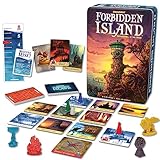
1. Gamewright - Forbidden Island - Cooperative Strategy Survival Board Game, 2-4 Players
Overview:
Forbidden Island, designed by Matt Leacock, is a foundational cooperative board game where players race to retrieve four sacred treasures from a sinking island before it vanishes. Aimed at ages 10+, it supports 2-4 players in a tense, team-based adventure emphasizing shared strategy over competition.
What Makes It Stand Out:
Its innovative “sinking tile” mechanic creates dynamic tension as the board physically shrinks, demanding constant adaptation. Rich thematic artwork immerses players in a perilous paradise, while streamlined rules foster genuine teamwork—no player elimination ensures everyone stays engaged until the final, heart-pounding turn.
Value for Money:
Priced moderately, it delivers exceptional replayability through variable island layouts and difficulty scaling. Compared to similar strategy games, its compact box, durable components, and universal appeal for family or casual gamers make it a benchmark for cooperative value under $25.
Strengths and Weaknesses:
Strengths: Intuitive rules for beginners; promotes critical thinking and communication; high-quality components; accessible in 30-minute sessions. Weaknesses: Limited strategic depth for veteran gamers; repetitive after many plays; treasure-collection objective feels less urgent than later Leacock designs like Pandemic.
Bottom Line:
An essential gateway cooperative game that masterfully balances simplicity with strategic tension. Highly recommended for families and new gamers seeking an engaging, non-competitive experience, though seasoned strategists may crave more complexity.
2. Spin Master Games, SolidRoots Escaping Extinction, Cooperative Strategy Board Game from The Makers of Mind The Gap, Easter Gift, 1-4 Players, for Ages 12 & Up

Overview:
In Escaping Extinction, players become clever dinosaurs racing to assemble a 3D rocket before a meteor strikes. This Spin Master title merges prehistoric charm with cooperative urgency, challenging 1-4 players (ages 12+) to navigate a shifting landscape under escalating pressure.
What Makes It Stand Out:
The standout 3D rocket assembly adds tactile excitement, while “earthquake cards” dynamically alter the tile-based board mid-game, forcing rapid tactical pivots. Its unique theme—dinosaurs building tech to escape extinction—offers fresh narrative appeal distinct from typical survival scenarios.
Value for Money:
At a mid-range price, it justifies cost through high replayability: modular boards ensure no two games mirror each other, and the 3D component elevates immersion beyond flat-board competitors. Spin Master’s quality control guarantees durability, though component complexity slightly inflates the price versus card-only alternatives.
Strengths and Weaknesses:
Strengths: Innovative 3D rocket mechanic; dynamic board changes heighten excitement; strong theme integration; scales well for solo or group play. Weaknesses: Setup is time-consuming due to 3D assembly; younger players may struggle with strategy depth; limited educational value beyond spatial reasoning.
Bottom Line:
A visually inventive and replayable cooperative adventure that excels in thematic immersion and physical engagement. Best for families seeking novelty, though patience with setup is required for optimal enjoyment.
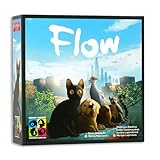
3. Flow: The Official Cooperative Board Game | Strategy Game for 1–4 Players Ages 8+ | Based on The Award-Winning Animated Film | Family & Solo Play | Survive The Flood, Rescue Allies
Overview:
Flow translates the beloved animated film into a real-time cooperative board game where players guide animal characters through a flooding world. Designed for 1-4 players (ages 8+), it emphasizes quick decision-making to rescue allies and survive rising waters in tense, 30-minute sessions.
What Makes It Stand Out:
The real-time pressure mechanic—using sand timers instead of turns—creates unparalleled urgency, forcing split-second teamwork. The modular “rising water” board physically transforms as flood levels increase, while 11 scenario cards ensure diverse objectives tied to the film’s emotional narrative.
Value for Money:
Priced competitively, its film authenticity, solo-play compatibility, and deep replayability (via scenarios and tile layouts) offer superior value. It outshines generic flood-themed games with thematic cohesion and emotional resonance, justifying a slight premium over basic strategy titles.
Strengths and Weaknesses:
Strengths: Thrilling real-time gameplay; strong emotional connection to source material; exceptional solo mode; elegant “flood track” mechanic. Weaknesses: Sand timers can frustrate new players; limited strategic depth for hardcore gamers; scenario variety diminishes after extensive play.
Bottom Line:
A masterfully atmospheric cooperative experience that captures the film’s spirit while delivering heart-pounding gameplay. Highly recommended for fans and families wanting immersive, fast-paced collaboration with genuine emotional stakes.
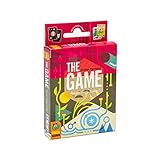
4. Pandasaurus Cooperative Strategy Card Game - Fun Interactive Family Game for Ages 8+, 1-5 Players, 20 Minute Playtime
Overview:
The Game is a minimalist cooperative card challenge where players work together to play all cards from two sequenced decks (1-100) under strict communication constraints. Pandasaurus distills strategy into pure, 20-minute bursts of tension for 1-5 players (ages 8+), focusing entirely on nonverbal teamwork.
What Makes It Stand Out:
Its genius lies in extreme simplicity: no board, just cards and devastatingly tight rules (e.g., “only one card can be played per turn per player”). The “shared hand” mechanic forces profound trust, while the escalating difficulty curve—from early ease to late-game chaos—creates unforgettable “near-win” moments.
Value for Money:
At under $15, it’s a steal. With 1.3 million copies sold and Spiel des Jahres recognition, its replayability dwarfs price tags of bulkier games. The compact box delivers endless sessions, making it arguably the best value in cooperative gaming for casual and veteran groups alike.
Strengths and Weaknesses:
Strengths: Ultra-portable; lightning-fast setup; deeply engaging despite minimal components; scales perfectly for any group size. Weaknesses: Brutal difficulty spikes may frustrate kids; zero thematic immersion; communication restrictions feel arbitrary to some.
Bottom Line:
A revolutionary card game proving depth needs no complexity. Essential for game nights—it’s affordable, universally accessible, and delivers unmatched “one more try” addiction. Ignore the lack of theme; this is cooperative purity perfected.
5. Ravensburger Horrified Games - Greek Monsters - Strategy Board Game - Boost Critical Thinking & Teamwork - Cooperative Gameplay - Unique Monster Challenges - 1 to 5 Players - Adults & Kids 10+

Overview:
Horrified: Greek Monsters pits 1-5 players against six iconic threats (Medusa, Cerberus, etc.) on a mythic island. Ravensburger’s strategy game challenges heroes to banish monsters using unique, lore-accurate tactics—no two creatures fall the same way—blending critical thinking with Greek mythology.
What Makes It Stand Out:
Each monster demands bespoke strategies (e.g., luring Cerberus with meat), transforming replayability. Stunning artwork merges horror and elegance, while modular paths and lair tokens create emergent storytelling. The “Underworld Door” mechanic adds late-game urgency, distinguishing it from static cooperative templates.
Value for Money:
Priced moderately, its six distinct monster modules justify cost through massive variety—effectively six games in one. Compared to standalone monster titles, Horrified offers unparalleled longevity per dollar, especially for families seeking educational myth exposure alongside strategy.
Strengths and Weaknesses:
Strengths: Exceptional monster diversity; beautiful thematic integration; strong educational value; accessible rules with strategic depth. Weaknesses: Setup takes 10+ minutes with multiple monsters; solo play feels unbalanced; younger kids may find themes slightly intense.
Bottom Line:
A near-perfect fusion of education and strategy that revitalizes cooperative play with mythic depth. Highly recommended for families and educators—its replayability and rich theme make it a standout investment for ages 10+.
6. Happy Camper - The Four Doors | Cooperative Game by Pandemic and Forbidden Island Creator | Super Portable | Great for Solo Play, Two Players, and Groups
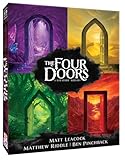
Overview: Happy Camper: The Four Doors is a compact cooperative adventure from Matt Leacock (Pandemic, Forbidden Island), challenging 1-5 players to retrieve sacred treasures within a mystical tower before sinister shadows seal the doors. Designed for ages 10+ with a 30-minute playtime, it prioritizes accessibility and portability. What Makes It Stand Out: Leacock’s signature cooperative tension shines here, demanding strategic teamwork to explore doors and ignite the beacon under time pressure. Its true brilliance lies in seamless scalability—from satisfying solo play to group dynamics—and exceptional portability, fitting travel needs without sacrificing depth. The streamlined ruleset lowers entry barriers while maintaining engaging decision-making. Value for Money: Priced competitively for a well-produced small-box game, it delivers remarkable replayability through variable setups and difficulty adjustments. It outperforms many similarly priced travel games by offering genuine strategic depth and creator pedigree, making it a smarter investment than generic portable titles. Strengths and Weaknesses: Strengths: Effortless portability; intuitive yet challenging Pandemic-style mechanics; excellent solo-to-group flexibility; quick setup/play. Weaknesses: Limited thematic depth compared to Leacock’s bigger titles; component simplicity (cardboard tokens) might disappoint collectors; high difficulty curve for younger players. Bottom Line: An essential travel companion for cooperative game fans, offering brilliant, bite-sized strategy. Its accessibility, portability, and Pandemic creator DNA make it a highly recommended purchase for casual and experienced players alike.
7. The Lord of The Rings: Adventure to Mount Doom | Family Game | Cooperative Game | Strategy Game

Overview: Adventure to Mount Doom immerses 1-4 players in Tolkien’s epic as they cooperatively guide Frodo toward Mount Doom. Using dice rolls and card draws, players navigate threats like Ringwraiths across a 50-minute journey, aiming to destroy the One Ring and save Middle-earth. What Makes It Stand Out: The authentic Tolkien atmosphere is its crown jewel, leveraging iconic locations and lore to create emotional investment. The blend of dice-driven urgency and tactical card management simulates Frodo’s perilous quest effectively. Its solo-play compatibility and moderate complexity make it uniquely accessible for families seeking narrative depth. Value for Money: While priced slightly above entry-level family games, the licensed theme and strong component quality justify the cost. It offers better thematic resonance and strategic nuance than generic cooperative games in its range, though hardcore Tolkien fans might expect more intricate mechanics. Strengths and Weaknesses: Strengths: Compelling Middle-earth immersion; intuitive rules for ages 8+; solid solo/co-op balance; tense, narrative-driven gameplay. Weaknesses: Luck-heavy dice mechanics can frustrate strategy-focused players; limited replayability due to fixed scenarios; component durability concerns (thin cards). Bottom Line: A delightful gateway into cooperative gaming for Tolkien enthusiasts and families. Despite some randomness, its thematic charm and accessible strategy earn a solid recommendation for casual game nights.
8. Pressman The Oregon Trail Card Game - Cooperative Gameplay Based on The Classic Computer Game, Ages 12 and Up, 2-6 Players

Overview: Pressman’s Oregon Trail Card Game reimagines the iconic computer classic as a portable, cooperative survival challenge. For 2-6 players (ages 12+), it tasks wagon parties with managing resources and avoiding disasters like dysentery across the American frontier using cheeky retro 8-bit art. What Makes It Stand Out: The game masterfully translates the computer original’s humor and tension into cards, with gruesome-but-funny disease mechanics and nostalgic pixel art. Its true innovation is making cooperative failure hilarious—dying of cholera becomes a shared laugh, not frustration. The low player count ceiling (6) encourages tight-knit teamwork. Value for Money: An excellent budget-friendly option, especially for fans of the digital game. It delivers disproportionate laughs and strategic lightness for its price, outperforming many generic card games. However, depth-seekers may find it too simplistic compared to premium cooperatives. Strengths and Weaknesses: Strengths: Hilarious thematic execution; strong fan-service nostalgia; quick 20-30 minute plays; fosters lively group interaction. Weaknesses: Shallow strategy; high luck dependency; repetitive after multiple plays; art style won’t appeal to all. Bottom Line: A must-have for Oregon Trail devotees and party-game fans seeking lighthearted fun. Its humor and portability make it a worthwhile, if unsophisticated, recommendation for casual groups.
9. Slay The Spire: The Board Game - Cooperative Fantasy Board Game

Overview: Slay The Spire adapts the beloved digital deckbuilder into a cooperative 1-4 player board game. Players craft unique decks from 650+ cards, battling bizarre creatures across fantasy realms using miniatures and dual boards, targeting ages 12+ with 45-minute setup/learning. What Makes It Stand Out: The staggering card count enables near-infinite deck customization, capturing the digital game’s strategic heart. High-quality components—miniatures, dual-layer boards—elevate immersion, while streamlined rules make complex deckbuilding accessible. The fantasy setting pulses with creative energy, from relics to enemy tactics. Value for Money: Justified by its sheer component volume and replayability, though the price reflects premium production. It’s a better investment than most deckbuilders for fans of the video game, but newcomers might balk at the cost versus simpler alternatives like Dominion. Strengths and Weaknesses: Strengths: Deep, customizable deckbuilding; exceptional components; strong solo/co-op synergy; faithful video-game adaptation. Weaknesses: Steep initial learning curve despite claims; setup/teardown time; potential analysis paralysis with 650 cards. Bottom Line: A triumph for Slay The Spire fans and deckbuilding enthusiasts, offering rich strategic depth. Recommended despite complexity, but best suited for committed gamers willing to invest time.
10. The Crew - Mission Deep Sea | Card Game | Cooperative | 2 to 5 Players | Ages 10+ | Trick-Taking | 32 Levels of Difficulty | Endless Replayability
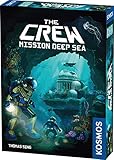
Overview: Mission Deep Sea reinvents classic trick-taking as a cooperative puzzle for 2-5 players (ages 10+). Following the Kennerspiel winner The Crew, it tasks divers with winning specific tricks under communication constraints, escalating through 32 underwater missions in ~20-minute sessions. What Makes It Stand Out: Its genius lies in transforming competitive trick-taking into a silent teamwork challenge—players must deduce partners’ needs through limited signals. The 32 progressive missions offer brilliant replayability, while underwater theming adds subtle narrative flair without complicating rules. Value for Money: Unbeatable for mission-based replayability at its price point. Far exceeds traditional card games in longevity, making it superior to one-off trick-takers like The Crew: Quest for Planet Nine. The low component count (just cards) keeps costs reasonable. Strengths and Weaknesses: Strengths: Incredibly innovative cooperative twist; addictive mission structure; quick plays; scales perfectly for 2-5 players. Weaknesses: Minimal thematic integration; physical card quality is average; solo mode lacks depth of group play. Bottom Line: A masterclass in cooperative card design. With near-perfect replayability and clever mechanics, it’s an essential recommendation for trick-taking fans and puzzle lovers alike.
Why Cooperative Games Outperform Traditional Team Building
Cooperative board games create a unique psychological environment where success hinges entirely on group cohesion. Unlike competitive formats that can amplify individual anxieties or reinforce hierarchies, these games establish a level playing field where every voice contributes to a shared objective. This shift in dynamic encourages quieter team members to step forward and dominant personalities to listen—a crucial reset for dysfunctional communication patterns. The absence of “winners and losers” within the group reduces defensiveness, making post-game debriefs more honest and actionable.
Shifting From Competition to Collective Problem-Solving
Traditional team-building exercises often lean on competition—trivia contests, scavenger hunts, or sports—which can inadvertently pit departments against each other or highlight skill disparities. Cooperative games eliminate this tension by framing the game itself as the opponent. When the team battles a ticking clock, limited resources, or an unpredictable scenario, the focus shifts from “beating Jane from Accounting” to “solving this puzzle together.” This mirrors real-world project challenges where departments must align toward a common business goal, making the lessons directly transferable.
Building Psychological Safety Through Shared Vulnerability
Psychological safety—the belief that you won’t be punished for speaking up—is foundational for innovation. Cooperative games naturally foster this by normalizing mistakes as part of the process. If the group fails because someone misread a rule or overlooked a clue, the blame lands on the game’s design, not the individual. This shared vulnerability (“We all missed that!”) reduces fear of judgment and encourages risk-taking. Over time, teams learn that asking “What did I miss?” is safer than pretending to know everything—a mindset that spills into daily workflows.
Creating Tangible Moments for Feedback
Unlike vague personality assessments, cooperative games generate concrete moments to discuss communication. Did the team hoard information? Did one person dominate strategy while others disengaged? These behaviors manifest visibly during gameplay, providing specific, non-personalized examples for reflection. A facilitator can pause the game to ask, “How might we share updates faster next time?” turning abstract feedback into actionable, real-time learning.
Essential Mechanics That Foster Genuine Collaboration
Not all cooperative games deliver equal team-building value. The most effective ones feature mechanics that require interdependence, making solo heroics impossible. Look for systems where roles are asymmetric, information is distributed, or time pressure forces rapid consensus. These elements mimic workplace dynamics where specialists must integrate their knowledge under deadlines. Avoid games where one “alpha player” can dictate moves; true collaboration means every participant feels indispensable.
Asymmetric Roles and Specialized Expertise
Games where each player controls a unique character with distinct abilities force specialization and reliance on others. One person might manage resources while another deciphers clues, mirroring how marketing, engineering, and sales must combine strengths in real projects. This mechanic highlights how diverse skills create collective capability—and teaches teams to leverage individual strengths without siloing. Crucially, it prevents decision paralysis; when only you can perform a key action, hesitation has immediate consequences.
Distributed Information and Communication Challenges
Some games deliberately fragment critical information, requiring players to share insights verbally to succeed. Imagine one person seeing location data another can’t access, or holding puzzle pieces only others can interpret. This mirrors workplace scenarios where departments guard data or misunderstand context. The tension between “I need to tell them this” and “I’m overwhelmed explaining” becomes a teachable moment for active listening and concise communication—skills vital for cross-functional projects.
Time Pressure and Resource Scarcity Dynamics
Artificial constraints like countdown timers or limited action points simulate high-stakes work environments. Teams must prioritize ruthlessly: “Do we fix the server crash now or prep the client presentation?” These mechanics reveal how groups allocate attention under stress—do they panic, over-delegate, or calmly triage? Resource scarcity (e.g., only three communication tokens per round) further trains teams to make trade-offs transparently, a direct parallel to budget or bandwidth limitations in business.
Adaptive Difficulty and Failure States
The best team-building games adjust challenge levels based on group size or skill, ensuring frustration never outweighs engagement. More importantly, they feature “near-win” failure states where teams lose just as victory seems possible—highlighting how small communication breakdowns cascade. This sparks powerful debriefs: “Where did we get overconfident?” or “Which misstep cost us most?"—questions that resonate far beyond the game board.
Maximizing Value: Beyond the Price Tag
“Value” in cooperative board games extends far beyond the purchase price. True worth lies in replayability, scalability across team sizes, and adaptability to different group dynamics. A $50 game used quarterly for meaningful development outperforms a $120 “one-and-done” experience. Prioritize games with modular scenarios, variable setups, or difficulty sliders that keep sessions fresh. Also, consider storage footprint and setup time—bulky games gathering dust on a shelf deliver zero ROI.
Long-Term Engagement Through Variable Setup
Games that randomize objectives, obstacles, or maps ensure no two sessions play identically. This prevents teams from “solving” the game and losing interest after three plays. Variable setups mimic real-world unpredictability, training adaptability—the skill most future-focused companies prioritize. A game reused 20 times across departments generates exponentially more value than a novelty item used once, justifying a higher initial investment.
Scalability for Hybrid and Growing Teams
With remote and hybrid work persisting, value includes compatibility with digital platforms or physical setups that bridge distances. Some games offer official virtual tabletop integrations, while others work via shared screens with minimal adaptation. Equally important is scalability for group size: a game accommodating 3–8 players avoids splitting larger teams into awkward subgroups. This flexibility ensures consistent use as your organization evolves.
Low Barrier to Entry for Diverse Skill Levels
The most valuable games minimize “rules overhead”—complex setups or lengthy tutorials that eat into session time. Look for intuitive mechanics where new players grasp core concepts in 5 minutes. Universal appeal matters too; avoid themes requiring niche knowledge (e.g., advanced physics) that might exclude non-experts. When everyone engages immediately, the focus stays on collaboration, not deciphering instructions.
Durability and Maintenance Costs
Fragile components or games requiring frequent replacement parts (like app-dependent titles) erode long-term value. Prioritize sturdy boards, thick cards, and minimal tech reliance. Consider storage ease—games that pack into a single box encourage regular use. Also, check if expansions exist to extend lifespan, but treat them as optional; core value should stand without add-ons.
Implementing Games for Real Organizational Impact
Selecting the right game is only step one. To transform play into performance, integrate sessions thoughtfully into your team’s rhythm. Avoid one-off “fun Fridays” with no follow-up. Instead, align game choices with specific development goals—like improving remote communication or decision speed—and structure debriefs that bridge game lessons to real projects. Treat these sessions as workshops, not entertainment.
Aligning Game Mechanics With Team Development Goals
Map your team’s current challenges to game mechanics. Struggling with siloed information? Choose a game requiring constant intel sharing. Need faster consensus-building? Pick one with tight time limits. Before playing, state the objective: “Today we’re practicing concise updates—limit each share to 15 seconds.” This focus turns abstract practice into targeted skill-building, making outcomes measurable.
Facilitation Techniques for Deeper Learning
A skilled facilitator transforms gameplay into insight. Avoid passive observation; pause at critical moments to ask, “What’s our biggest risk right now?” Post-game, guide discussions with neutral questions: “When did communication break down?” not “Why did you miss that clue?” Focus on process (“How did we decide?”) over outcomes (“Why did we lose?”). This prevents defensiveness and extracts universal lessons.
Measuring Beyond Smiles: Tracking Behavioral Shifts
Don’t rely solely on post-session enthusiasm. Track if game-derived behaviors surface in meetings: Are quieter members speaking up more? Is decision-making faster? Use pre- and post-game surveys asking, “How comfortable are you challenging ideas?” (1–5 scale). Over 3–6 months, correlate shifts with session frequency. Real value shows when “remember how we handled the supply chain crisis in that game?” becomes team shorthand for effective collaboration.
Common Pitfalls to Avoid
Even well-intentioned game sessions can backfire without foresight. Forcing participation breeds resentment; ignoring cultural nuances alienates global teams; and skipping debriefs wastes learning opportunities. Recognize these traps early. A game meant to build trust can damage it if players feel mocked for mistakes. Proactive planning prevents play from feeling like corporate theater.
Forcing Engagement Instead of Inviting Participation
Mandatory fun often feels like punishment. Always frame sessions as optional development opportunities, not obligatory events. For hesitant participants, clarify the purpose: “This helps us practice crisis comms—no gaming skill needed.” Provide alternatives for those who prefer not to play (e.g., observing and noting communication patterns). Voluntary engagement yields authentic interaction.
Overlooking Cultural and Accessibility Barriers
Games heavy on verbal speed or Western cultural references may exclude non-native speakers or neurodivergent colleagues. Choose titles with visual cues over text-heavy cards, and allow extra thinking time. Avoid themes involving conflict or high-stakes gambling that might discomfort some. When in doubt, pilot-test with a diverse small group first. Inclusivity isn’t optional—it’s core to psychological safety.
Neglecting Post-Game Integration
The biggest missed opportunity? Letting insights vanish after the box closes. Dedicate 10 minutes post-game to note one actionable takeaway (“Next week, we’ll use the ‘shared update’ technique from today”). Revisit these in weekly check-ins: “Did our ‘resource token’ system improve meeting focus?” Without this bridge, games remain novelty activities, not development tools.
Frequently Asked Questions
What group size works best for cooperative board games in team building?
Most effective cooperative games accommodate 3–6 players. Groups larger than 8 often require splitting into teams, which dilutes the shared experience. For very large teams (20+), consider simultaneous play with multiple game sets and a unified debrief.
How much time should we allocate for a session?
Plan for 60–90 minutes total: 10 minutes for rules, 30–45 minutes of gameplay, and 15–20 minutes for structured debrief. Avoid sessions exceeding 2 hours, as fatigue reduces engagement and learning retention.
Can these games work for fully remote teams?
Yes, but choose titles with digital adaptations or use virtual tabletop platforms. Prioritize games with clear visual components (like card-based systems) over those requiring physical manipulation. Ensure all participants have equal access to shared screens.
How often should we run these sessions?
Quarterly sessions maintain momentum without fatigue. Use each to target a specific skill (e.g., Q1: communication, Q2: prioritization). Sporadic “fun days” yield less impact than consistent, goal-oriented practice.
Are simpler games better for beginners?
Not necessarily. Games with intuitive core mechanics but layered depth (e.g., starting with basic rules, adding complexity later) engage both novices and experienced players. Avoid oversimplified games that bore analytical thinkers.
How do we handle dominant personalities who “take over”?
Assign a rotating “rules keeper” role to distribute authority. Use games with forced discussion phases (e.g., “Everyone must speak before we act”). Privately coach dominant players on listening techniques pre-session.
What if the team loses the game repeatedly?
Adjust difficulty settings immediately—frustration kills engagement. Frame losses as data: “Our third loss shows we rush decisions. Let’s try pausing for 10 seconds after each turn.” Celebrate how they improved, not just winning.
Can these replace professional team development workshops?
No—they’re complementary tools. Use games to practice skills taught in workshops (e.g., active listening), but rely on certified facilitators for deep behavioral change. Games are practice fields, not classrooms.
How do we choose themes that resonate with our industry?
Prioritize universal challenges (resource management, crisis response) over niche themes. A healthcare team shouldn’t play a “hospital simulation” game—it’s too close to daily stress. Opt for abstract or fantastical settings that create psychological distance.
What’s the biggest sign a game isn’t working for our team?
If post-game discussions focus solely on the game (“That rule was stupid!”) instead of team dynamics (“We kept interrupting each other”), the debrief failed. Redirect immediately: “How did that rule frustration mirror our last project?”
See Also
- The 10 Best Cooperative Board Games for Team Building in 2026
- 10 Expert-Recommended Cooperative Board Games for Team Building in 2026
- The 10 Ultimate Best Cooperative Board Games for Team Building in 2026
- 10 Best Cooperative Board Games for Building Team Communication in 2026
- We Tested 50 Cooperative Board Games - Here are the 10 Best for Team Building