Table of Contents
Imagine walking into a bustling community game library, only to find shelves overflowing with unplayed board games—titles that looked exciting on the box but gathered dust after one lukewarm attempt. This “shelf of shame” is a common frustration for librarians, educators, and game group organizers who invest precious budget and space into collections meant to foster connection. Cooperative board games, where players work together toward a shared goal rather than competing, hold immense potential to solve this problem. They naturally encourage teamwork, reduce player elimination anxiety, and often create memorable, inclusive experiences that bring people back to the table time after time. But with new releases flooding the market each year, how do you spot the true gems that deliver lasting value beyond the initial hype?
Value in cooperative gaming isn’t just about the lowest price tag—it’s a dynamic equation of durability, replayability, accessibility, and the sheer joy of shared problem-solving. A truly valuable cooperative game becomes a workhorse in your collection: one that newcomers can grasp quickly, veterans still find challenging, and groups of varying sizes can enjoy without constant rulebook consultations. As we move into 2026, factors like streamlined setup, minimal component sprawl, and thoughtful scalability are becoming non-negotiable for libraries and groups wanting maximum engagement without burnout. This guide cuts through the noise, focusing on the concrete features and design philosophies that transform a cooperative board game from a fleeting novelty into a cornerstone of your collection—one that consistently fills seats, sparks laughter, and builds community, ensuring every dollar and every square inch of shelf space earns its keep.
Top 10 Cooperative Board Games
Detailed Product Reviews
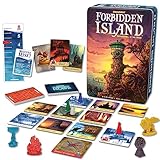
1. Gamewright - Forbidden Island - Cooperative Strategy Survival Board Game, 2-4 Players
Overview:
Forbidden Island, designed by Matt Leacock, is a foundational cooperative board game where players race against sinking tiles to retrieve sacred treasures before the island vanishes. Targeted at ages 10+, it blends strategic planning with urgent teamwork, making it a staple for family game nights seeking collaborative challenges.
What Makes It Stand Out:
Its innovative “rising water” mechanic dynamically alters the board, forcing adaptive strategies. Rich thematic illustrations immerse players in a perilous paradise, while the shared objective eliminates player elimination, fostering true cooperation. The focus on problem-solving and communication sets it apart from competitive alternatives.
Value for Money:
Priced accessibly, it offers exceptional replayability through variable island layouts and adjustable difficulty. Compared to similar-priced games, its durable components and timeless design justify the cost, especially for families prioritizing skill development over disposable entertainment.
Strengths and Weaknesses:
Strengths: Intuitive rules ideal for beginners; promotes critical thinking; high replay value; compact and portable. Weaknesses: Limited player count (max 4); thematic depth may feel shallow for veteran gamers; tile setup can be fiddly.
Bottom Line:
A near-perfect entry into cooperative gaming that balances tension and accessibility. Highly recommended for families and educators seeking to nurture teamwork and strategic foresight without overwhelming complexity.
2. Ravensburger Horrified Games - Greek Monsters - Strategy Board Game - Boost Critical Thinking & Teamwork - Cooperative Gameplay - Unique Monster Challenges - 1 to 5 Players - Adults & Kids 10+

Overview:
Horrified: Greek Monsters challenges 1–5 players to save the mythical realm of Elysium from six iconic Greek monsters, including Medusa and Cerberus. This cooperative strategy game merges thematic storytelling with tactical gameplay, targeting families and casual gamers seeking collaborative thrills.
What Makes It Stand Out:
Each monster operates under unique mechanics, ensuring no two games play alike. The modular board and distinct victory conditions per creature drive exceptional replayability. Stunning artwork and thematic components deepen immersion, while the 60-minute runtime suits modern attention spans.
Value for Money:
With 6 monsters, diverse scenarios, and high-quality miniatures, it delivers substantial content for its price. Though slightly pricier than entry-level cooperatives, the depth and versatility offer better long-term value than single-mechanic alternatives like Forbidden Island.
Strengths and Weaknesses:
Strengths: Incredible monster variety; seamless integration of theme and mechanics; accommodates solo play; visually arresting. Weaknesses: Rulebook clarity issues for first-time players; setup time increases with multiple monsters; limited strategic depth for hardcore gamers.
Bottom Line:
A standout cooperative experience that excels in theme integration and replayability. Essential for mythology fans and families wanting adaptable, narratively rich game nights with meaningful teamwork.
3. Flow: The Official Cooperative Board Game | Strategy Game for 1–4 Players Ages 8+ | Based on The Award-Winning Animated Film | Family & Solo Play | Survive The Flood, Rescue Allies
Overview:
Flow translates the poignant animated short into a real-time cooperative strategy game where players guide animal characters through a flooding landscape. Designed for 1–6 players aged 8+, it emphasizes urgency, empathy, and adaptive decision-making in a beautifully thematic package.
What Makes It Stand Out:
The dynamic “rising water” mechanic and modular board create evolving challenges, while real-time pressure (tracked via sand timer) heightens tension. Eleven scenario cards and unique character abilities ensure high replayability. Its emotional storytelling, rare in strategy games, deepens player investment.
Value for Money:
Though niche due to its film tie-in, the game’s depth justifies its cost. Compared to similar-priced cooperatives, its solo-play viability and scenario variety offer better longevity. The emotional resonance adds intangible value for families valuing narrative-driven play.
Strengths and Weaknesses:
Strengths: Compelling real-time mechanics; strong solo mode; exceptional replayability; emotionally engaging theme. Weaknesses: Short playtime may feel insubstantial; obscure source material limits broad appeal; timer-dependent stress isn’t for all players.
Bottom Line:
A beautifully crafted, innovative cooperative game that masterfully blends narrative and mechanics. Recommended for players seeking heartfelt, dynamic challenges—especially fans of the film or real-time strategy.
4. Pressman The Oregon Trail Card Game - Cooperative Gameplay Based on The Classic Computer Game, Ages 12 and Up, 2-6 Players

Overview:
This card game adaptation captures the essence of the legendary computer franchise, tasking 2–6 players with guiding a wagon party across perilous 19th-century terrain. Blending dark humor with cooperative strategy, it targets nostalgic adults and teens (12+) seeking lighthearted, thematic fun.
What Makes It Stand Out:
Its cheeky 8-bit art style and unapologetic embrace of historical mishaps (like dysentery) create a uniquely humorous tone. Players manage resources while battling random events, staying true to the computer game’s spirit. The cooperative-but-chaotic dynamic encourages memorable group interactions.
Value for Money:
As a compact, low-component card game, it’s affordably priced. While lacking the depth of heavyweight board games, its niche appeal for Oregon Trail fans and quick 30-minute sessions offer solid value for casual game nights focused on laughter over strategy.
Strengths and Weaknesses:
Strengths: Nostalgic charm; simple, fast-paced rules; hilarious thematic moments; great for larger groups. Weaknesses: Minimal strategic depth; luck-heavy outcomes; theme may not resonate with younger players unfamiliar with the original game.
Bottom Line:
A delightful, humorous tribute to a gaming classic. Best for groups prioritizing shared laughs and nostalgia over deep strategy—ideal for reunions or as a gateway cooperative game.
5. Pandasaurus Cooperative Strategy Card Game - Fun Interactive Family Game for Ages 8+, 1-5 Players, 20 Minute Playtime
Overview:
The Game is a minimalist cooperative card challenge where 1–5 players work together to play sequential number cards from 1–100 across four piles. Despite its simplicity, this award-winning game demands intense communication and strategic foresight, appealing to families and casual gamers aged 8+.
What Makes It Stand Out:
Its elegant “no-talking” rule (with limited exceptions) creates silent tension, forcing players to interpret subtle cues. The 20-minute playtime and near-zero setup make it incredibly accessible, while the escalating difficulty ensures consistent engagement. Over 1.3 million copies sold attest to its addictive design.
Value for Money:
Exceptional value given its compact size, replayability, and broad age appeal. At a modest price point, it outperforms many pricier games in fostering genuine teamwork. The Spiel Des Jahres recognition underscores its quality-to-cost ratio for families seeking quick, meaningful interactions.
Strengths and Weaknesses:
Strengths: Ultra-portable; perfect length for busy schedules; promotes nonverbal communication; highly replayable; award-winning accessibility. Weaknesses: Minimal components; repetitive after extended play; limited thematic immersion.
Bottom Line:
A masterclass in minimalist game design that delivers profound teamwork challenges in a tiny package. Highly recommended for anyone wanting a quick, brain-teasing cooperative experience with universal appeal.
6. Spin Master Games, SolidRoots Escaping Extinction, Cooperative Strategy Board Game from The Makers of Mind The Gap, for Kids & Family, 1-4 Players, for Ages 12 & Up

Overview: SolidRoots Escaping Extinction casts players as clever dinosaurs racing to assemble a 3D rocket before a meteor strike. This cooperative tile-based strategy game tasks families with navigating a dynamic prehistoric board, collecting rocket parts, and surviving disruptive earthquakes to escape extinction together. What Makes It Stand Out: The game excels with its ever-changing tile-based board, ensuring unique layouts each session, and the thrilling “earthquake” mechanic that reshuffles pathways mid-game. The tactile 3D rocket assembly adds a satisfying physical goal, while the dinosaur theme offers fresh, non-violent storytelling distinct from typical cooperative fare. Value for Money: Priced mid-range for family strategy games, it delivers strong replayability through variable setups and cooperative tension. It justifies its cost with high engagement for ages 12+, though younger players might find strategy depth challenging. Competitors often lack its physical rocket component and dynamic board shifts. Strengths and Weaknesses: Strengths: High replay value, innovative earthquake twists, accessible rules, and excellent family teamwork focus. Weaknesses: Rocket assembly can feel fiddly, theme may not resonate with all kids, and limited strategic depth for hardcore gamers. Age recommendation (12+) feels slightly high for mechanics. Bottom Line: A vibrant, inventive choice for family game nights seeking cooperative adventure. Its dynamic board and unique theme overcome minor fiddliness, making it a worthwhile investment for households wanting replayable, non-competitive fun.
7. The Lord of The Rings: Adventure to Mount Doom | Family Game | Cooperative Game | Strategy Game

Overview: Adventure to Mount Doom immerses players in Tolkien’s world as they cooperatively guide Frodo toward Mount Doom. Using dice rolls and card draws, teams must evade Ringwraiths, manage resources, and complete quests to destroy the One Ring before Sauron’s forces overwhelm Middle-earth in this accessible 50-minute journey. What Makes It Stand Out: Its authentic Tolkien atmosphere and streamlined mechanics make epic storytelling approachable. The dual focus on dice-driven movement and strategic card management creates constant tension, while the scalable difficulty (including solo play) ensures broad accessibility without sacrificing thematic depth. Value for Money: A budget-friendly gateway into cooperative gaming, it offers solid value for casual fans. While components are functional rather than lavish, the tight 50-minute playtime and strong theme maximize enjoyment per dollar. Pricier Tolkien games exist, but this excels as an affordable entry point. Strengths and Weaknesses: Strengths: Strong theme integration, quick setup, intuitive rules ideal for newcomers, and effective solo/co-op flexibility. Weaknesses: Limited strategic depth for veterans, component quality is modest, and repetitive dice mechanics may frustrate some. Lacks narrative branching found in premium titles. Bottom Line: An excellent introductory cooperative game for Tolkien enthusiasts and families. Its simplicity, thematic charm, and short playtime make it a highly recommendable first step into strategy gaming, though seasoned players may crave more complexity.
8. Castle Panic 2nd Edition | Cooperative Board Game for Adults and Family | Ages 8+ | for 1 to 6 Players | Average Playtime 45 Minutes | Made by Fireside Games

Overview: Castle Panic 2nd Edition charges players with defending the medieval stronghold of Castle Bravehold from relentless monster sieges. As a cooperative tower-defense game, teams must strategically deploy cards to eliminate threats, repair crumbling towers, and coordinate defenses before the castle falls—blending accessibility with tense decision-making in 45 minutes. What Makes It Stand Out: The game shines with its 3D cardboard towers (adding tactile immersion), multiple play modes (including competitive “Overlord”), and exceptional scalability for 1-6 players. The “plague” and “boulder” mechanics introduce chaotic twists, while vibrant monster tokens enhance visual appeal during frantic battles. Value for Money: Outstanding replayability justifies its price point, with four distinct modes and variable monster waves ensuring longevity. The physical components (towers, tokens) feel substantial, and supporting 6 players without complexity bloat is rare at this cost—surpassing many pricier strategy games in versatility. Strengths and Weaknesses: Strengths: Highly accessible rules, thrilling player interaction, modular difficulty, and fantastic group cohesion. Weaknesses: Tower assembly can be fragile, art style isn’t to all tastes, and experienced gamers might desire deeper tactics. Some find boss monsters overly punishing. Bottom Line: A near-perfect family-friendly cooperative game that balances simplicity with strategic urgency. Its re-playability, inclusive design, and physical charm make it an essential addition to any game shelf—highly recommended for groups seeking shared triumphs.
9. Happy Camper - The Four Doors | New Cooperative Game by Creator of Forbidden Island and Pandemic | Super Portable | Great for Solo Play, Two Players, and Groups
Overview: Happy Camper: The Four Doors, designed by Pandemic’s Matt Leacock, challenges 1-5 players to retrieve sacred treasures from a mystical light tower before sinister shadows seal its doors forever. This compact cooperative game emphasizes swift communication and strategic planning within a tight 30-minute playtime. What Makes It Stand Out: Its super-portable design (fits in a jacket pocket) and solo-play optimization are revolutionary for a Leacock-tier strategy game. The “door exploration” mechanic creates elegant tension, while the shadow threat escalates organically—proving depth needn’t require bulk. The creator’s pedigree promises polished, intuitive design. Value for Money: An exceptional value given its portability, solo suitability, and Leacock’s renowned design quality. While component count is minimal (cards/tokens), the sheer replayability and travel convenience far outweigh the modest investment—outperforming larger games in niche utility for on-the-go gaming. Strengths and Weaknesses: Strengths: Unbeatable portability, seamless solo/co-op integration, quick yet strategic gameplay, and expert-level design. Weaknesses: Lacks physical immersion (no miniatures/board), theme feels generic compared to Pandemic, and limited player count scaling. Minimalist art may disappoint some. Bottom Line: A masterclass in portable cooperative gaming. Ideal for travelers or casual game nights, its brilliance lies in delivering Leacock’s signature tension in a pocket-sized package—highly recommended for fans of accessible, replayable strategy.
10. Ravensburger Alien: Fate of The Nostromo Board Game for Ages 10 & Up – A Cooperative Strategy Game of Suspense
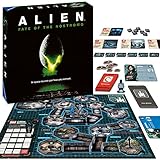
Overview: Alien: Fate of The Nostromo plunges players into the claustrophobic terror of the Nostromo spaceship as they cooperatively evade a hidden Alien while completing objectives. With detailed miniatures and tense mechanics, teams must gather supplies, craft tools, and survive until escape—or self-destruct—within 60 minutes of heart-pounding suspense. What Makes It Stand Out: The game masterfully replicates the film’s atmosphere through hidden movement (Alien’s location is secret), thematic objectives, and high-stakes morale management. Ravensburger’s production quality—featuring gorgeous miniatures, a modular board, and five distinct final missions—creates unparalleled cinematic immersion for a cooperative game. Value for Money: Positioned at a premium price, it justifies cost with exceptional components (sculpted miniatures, art-heavy cards) and deep replayability via variable missions and the treacherous Ash mechanic. While pricier than entry-level co-ops, its niche appeal to Alien fans and production value deliver strong thematic ROI. Strengths and Weaknesses: Strengths: Stunning components, intense thematic tension, variable scenarios, and excellent solo/tutorial support. Weaknesses: Setup is time-consuming, hidden Alien mechanic can feel unfair, and complexity may overwhelm casual players. Self-destruct sequence can drag. Bottom Line: A must-have for Alien devotees and cooperative veterans seeking immersive horror. Despite minor pacing flaws, its production quality and nail-biting suspense make it a worthy investment—recommended for mature audiences craving cinematic thrills.
Defining Value Beyond the Price Tag
Understanding what constitutes “value” for cooperative games requires looking far deeper than the initial purchase cost. It’s about the long-term return on investment through frequent, satisfying plays. A higher-priced game that sees weekly action for years often costs less per play than a cheaper title abandoned after two sessions. Value also encompasses emotional ROI: how effectively a game builds camaraderie, reduces barriers for new players, and creates positive, repeatable social experiences. For libraries and community spaces, this translates directly into higher utilization rates and patron satisfaction.
The Cost-Per-Play Calculation
The most objective measure of value is calculating the cost-per-play. Divide the game’s purchase price by the estimated number of times it will be played over its lifespan in your collection. Games with simple, durable components, minimal upkeep, and broad appeal naturally achieve lower cost-per-play ratios. Prioritize titles where setup and teardown are quick, reducing staff or volunteer time investment per session—this hidden factor significantly impacts long-term value for busy libraries.
Durability and Component Quality
Flimsy cards, tiny tokens, or complex miniatures can turn a promising game into a maintenance headache. Truly valuable cooperative games feature robust, easily replaceable components. Thick cardstock, chunky tokens, and minimal reliance on fragile elements ensure the game withstands repeated plays and occasional rough handling by diverse age groups. Consider how easily components can be sorted, stored, and repaired—games needing constant fixing drain resources and frustrate players.
Player Count Flexibility is Non-Negotiable
Rigid player count requirements are a major barrier to consistent play. Games locked into a narrow range (e.g., “exactly 3 players”) often sit unused when groups don’t match that exact size. High-value cooperative games seamlessly accommodate fluctuations in attendance without sacrificing the core experience or requiring rule modifications.
Scaling Mechanisms That Work
Look for intelligent scaling systems where the game’s difficulty or mechanics automatically adjust based on player count. This isn’t just adding or removing tokens—it’s integrated design where player numbers influence strategy organically. Games that maintain meaningful roles and engagement whether played with two players or five demonstrate superior design and maximize your collection’s usability across different group sizes.
Solo and Two-Player Viability
The ability to play effectively with minimal players dramatically increases a game’s utility. Solo modes aren’t just a bonus; they’re essential for libraries where small groups or individuals seek engagement. Evaluate how well the cooperative experience translates to solo or two-player sessions—does it retain tension and strategic depth, or feel like a compromised shell of the full experience? Strong solo rules significantly boost replay value and accessibility.
Session Length and Pacing Sweet Spots
Marathon sessions have their place, but for library circulation or group rotations, games demanding 90+ minutes become scheduling nightmares. The most valuable cooperative titles fit neatly into common time slots—think 30-60 minutes—allowing for multiple play sessions in an evening or fitting comfortably into a lunch break or after-school program.
Streamlined Setup and Reset Times
Value evaporates if 15 minutes of a 45-minute session is spent setting up or resetting components. Prioritize games with intuitive organization, minimal shuffling, and clever storage solutions within the box. Games where the state resets quickly between plays (or even better, during play) encourage back-to-back sessions and reduce staff burden. A game that’s ready to play in under 3 minutes is a library curator’s dream.
Pacing That Maintains Engagement
Even shorter games can feel long if pacing drags. High-value cooperative games minimize downtime through simultaneous action resolution, intuitive player turns, or shared decision-making that keeps everyone invested. Avoid games where players disengage during others’ lengthy turns—constant participation is key to sustained enjoyment and repeat plays, especially for newer or younger participants.
Accessibility and Ease of Learning
The steepest barrier to play isn’t cost—it’s complexity. Games requiring lengthy rule explanations or dense strategy guides before the first move will frustrate newcomers and intimidate potential players. Truly valuable cooperative games feature intuitive mechanics, clear iconography, and a gentle learning curve that allows groups to grasp core concepts within the first few minutes of play.
First-Play Friendliness
The ideal cooperative game teaches itself through the initial experience. Look for systems where the first scenario or round acts as a built-in tutorial, introducing mechanics organically as players encounter them. Minimal upfront rule dumping (“You win by doing X, avoid Y”) followed by learning-by-doing creates a welcoming environment. Games that spark immediate engagement during the learning phase are far more likely to become collection staples.
Clear Communication of Goals and Threats
Frustration mounts quickly if players don’t understand why they’re losing or what they should prioritize. High-value designs present objectives and looming threats with absolute clarity. Visual cues, simple status trackers, and unambiguous win/loss conditions prevent analysis paralysis and keep the group focused on collaborative problem-solving rather than deciphering the game state.
Replayability Through Dynamic Systems
A cooperative game that plays identically every time becomes stale fast. The hallmark of long-term value is a design that generates fresh, unpredictable challenges session after session, encouraging groups to return and refine their strategies.
Variable Setup and Scenario Design
Randomized elements—like shuffled decks, modular boards, or scenario cards—are crucial, but true replayability comes from meaningful variation. The best systems ensure each shuffle or module combination creates a genuinely different strategic landscape, not just superficial changes. Look for multiple distinct scenarios or campaigns that alter objectives and mechanics, providing a clear reason to replay beyond “we got lucky last time.”
Player-Driven Narrative and Emergent Stories
The most replayable cooperative games foster emergent storytelling. When player choices significantly impact the unfolding narrative or the path to victory (even within a single session), each playthrough generates unique anecdotes and memorable moments. This organic storytelling—born from shared triumphs and hilarious near-disasters—fuels word-of-mouth promotion and repeat plays far more effectively than static scenarios.
Minimal Table Footprint and Storage Efficiency
In space-constrained libraries or community centers, games demanding massive table real estate are impractical. High-value cooperative games maximize engagement without sprawling boards or excessive component sprawl. Compact designs that fit comfortably on standard library tables or even in a classroom corner ensure the game can be played anywhere, anytime.
Integrated and Intuitive Storage
Box organization isn’t an afterthought—it’s a core component of value. Games with thoughtfully designed trays, labeled compartments, or component segregation that mirrors the setup process save immense time and prevent lost pieces. Avoid titles where setup involves hunting through a “component soup”; efficient storage directly correlates with how often staff or patrons will feel motivated to pull the game off the shelf.
Low Maintenance and Repair Friendliness
Games requiring frequent component replacement, complex maintenance, or specialized repairs quickly become liabilities. Valuable cooperative games use standardized components (like common token sizes or standard card backs) that are easy to source or replace if damaged. Games where critical elements are printed on cardboard sheets (prone to tearing) instead of durable cards often create hidden long-term costs.
Rule Clarity and Common Sense Resolutions
Ambiguous rules lead to frustrated arguments and abandoned games. High-value designs feature rulebooks with clear examples, visual aids, and logical resolutions for edge cases. When rules are intuitive and consistently applied, groups spend less time debating interpretations and more time enjoying the collaborative challenge, reducing the need for staff mediation.
Balancing Challenge and Approachability
A cooperative game that’s too easy feels pointless; one that’s brutally difficult becomes demoralizing after repeated failures. The sweet spot lies in adjustable or dynamic difficulty that provides a satisfying “tightrope walk” between success and failure, keeping players engaged without constant frustration.
Meaningful Difficulty Tiers
Look for games offering more than just “easy/medium/hard” sliders. The best systems integrate difficulty adjustments that change how the game plays—altering AI behavior, threat escalation, or available resources—to provide distinct strategic experiences at each level. This allows groups to calibrate the challenge to their skill and desired intensity, extending the game’s lifespan as players grow.
The “Just One More Try” Factor
Truly valuable cooperative games master the art of creating near-misses that feel like learning opportunities, not dead ends. When players lose but immediately identify what they’ll do differently next time, the game generates intrinsic motivation for another session. This hinges on clear cause-and-effect between player decisions and outcomes, avoiding randomness that feels unfair or unmanageable.
Community and Support Longevity
A game’s value is amplified when it exists within a vibrant community. Titles with active player bases often benefit from user-generated content (like custom scenarios), robust online forums for troubleshooting, and developer responsiveness to feedback. While not essential, this ecosystem can breathe new life into a game years after release, offering fresh challenges without additional cost.
Future-Proof Design Principles
Consider how the game’s core mechanics align with emerging trends in cooperative play. Designs emphasizing physical dexterity, app integration, or complex legacy systems might offer intense initial experiences but could become obsolete or cumbersome faster than more timeless, analog-focused systems. Prioritize elegance and mechanical clarity that withstands shifting fads.
Frequently Asked Questions
Frequently Asked Questions
How do I assess replayability before purchasing a game?
Focus on the game’s core systems: Does it use modular boards, scenario decks, or variable player powers that create meaningful differences between plays? Avoid games relying solely on random card draws without strategic impact—look for structured variability that changes decision-making.
Can cooperative games work well for solo play?
Absolutely, but not all do. Prioritize titles explicitly designed with robust solo modes that adjust mechanics intelligently, not just adding an “autopilot” player. Strong solo play often involves unique win conditions or pacing tailored to one person.
What’s the biggest red flag for low value in cooperative games?
Excessive setup time relative to playtime (e.g., 10 minutes setup for a 20-minute game) or rigid player count requirements (e.g., “exactly 4 players”) are major warning signs. Also, avoid games where player elimination is possible—even in cooperative formats.
How important is physical component quality for library use?
Critical. Prioritize thick cardstock, durable tokens, and minimal small parts. Flimsy components lead to frequent replacements and frustrated players. Games with compartmentalized storage also reduce wear and tear during handling.
Do shorter games (under 45 minutes) offer better value for libraries?
Generally yes, as they fit more easily into programming schedules and encourage multiple plays. However, ensure shorter games maintain strategic depth—avoid overly simplistic “children’s game” mechanics unless targeting that specific audience.
How can I judge if a game’s difficulty is well-balanced?
Look for reviews mentioning “adjustable tension” or “scalable challenge.” Avoid descriptions like “brutally hard” or “too easy” without nuance. Games with multiple, thoughtful difficulty settings that alter strategy (not just hit points) usually strike the best balance.
Are legacy-style cooperative games good value for libraries?
Proceed with caution. While offering incredible narrative depth, legacy games are single-use per campaign, making per-play cost high. They work best for dedicated groups, not general circulation where components can’t be altered.
What role does theme play in long-term value?
Theme should enhance, not complicate, the mechanics. Strong thematic integration makes rules more intuitive (e.g., “this card represents fire, so it spreads to adjacent spaces”). Avoid overly complex lore that requires constant reference—simple, clear themes aid accessibility.
How do I handle games needing frequent rule clarifications?
Prioritize titles with exceptional rulebooks featuring visual examples and quick-reference sheets. Check publisher websites for official FAQs before purchasing; a well-maintained support page signals developer commitment to longevity.
Can cooperative games effectively engage mixed-age groups?
Yes, but only with careful selection. Look for games with adjustable complexity—simple core rules with optional advanced layers. Avoid heavy text reliance or fiddly dexterity demands. Games where older players can mentor younger ones without carrying the game foster the best intergenerational play.
See Also
- 10 Best Value Cooperative Board Games for Game Clubs in 2026
- 10 Essential Cooperative Strategy Games Every Board Game Group Needs in 2026
- How to Solve Game Night Conflicts with the 10 Best Cooperative Board Games in 2026
- 10 Expert-Recommended Cooperative Board Games for Game Night Success in 2026
- How to Choose the 10 Best Strategy Cooperative Board Games for Game Nights in 2026