Table of Contents
Gathering the whole crew for game night should be a highlight, not a headache. Picture this: teenagers slumped in corners, younger kids bored after five minutes, and adults arguing over rules that seem designed for a solo experience. For large families, finding a board game that actually works for seven, eight, or even ten players often feels like searching for a mythical creature. Traditional competitive games frequently crumble under the weight of too many participants, leading to long waits, disengagement, and that all-too-familiar sigh of “Can we just watch TV instead?” The magic ingredient for transforming chaotic family gatherings into genuinely enjoyable, inclusive experiences often lies in a powerful shift: moving from competition to cooperation.
Cooperative board games offer a revolutionary solution, turning potential friction into shared triumph. Instead of battling each other, everyone bands together against the game itself, working as a unified team towards a common goal. This simple switch is transformative for large families. It eliminates the frustration of lengthy downtime, fosters genuine communication and teamwork across generations, and creates a collective sense of accomplishment – or at least, shared, good-natured groaning when the game inevitably thwarts your plans (because it will!). Choosing the right cooperative experience, however, hinges on understanding what truly delivers value for your unique, bustling household, especially when juggling diverse ages, attention spans, and budgets. It’s not just about the lowest price tag; it’s about maximizing long-term enjoyment, replayability, and seamless integration into your family’s rhythm.
Top 10 Cooperative Board Games
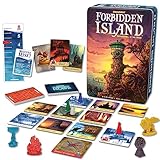






Detailed Product Reviews
Defining True Cooperative Play for Big Groups
Understanding the core mechanics of cooperation is the essential first step. True cooperative games require players to work together, sharing information freely and making collective decisions to overcome the game’s challenges. Unlike semi-cooperative or competitive games disguised as teamwork, there should be no hidden agendas, backstabbing, or individual winners. For large families, this transparency is non-negotiable – everyone needs to feel equally invested and informed to stay engaged.
The Critical Distinction from Competitive Mechanics
It’s vital to differentiate genuine cooperation from games where players merely take turns individually against a system. In a true co-op, success or failure is shared by all. There are no “points” for individuals; the team either wins together or loses together. This shared fate is what builds the camaraderie crucial for large family dynamics, preventing the resentment that can build when one person dominates a competitive game while others wait passively.
Why Shared Goals Matter for Family Dynamics
Shared goals inherently reduce conflict. When the family is united against the game, arguments about “your turn” or “my points” vanish, replaced by collaborative problem-solving. This is particularly valuable for large families where personalities and ages vary widely. A grandparent, a pre-teen, and a young child can all contribute meaningfully to the team strategy, fostering respect and connection across generations in a way few other activities can.
Assessing Player Count Compatibility
Not all cooperative games handle large numbers gracefully. A game designed for 2-4 players often becomes unwieldy, slow, or unbalanced when stretched to accommodate six or more. Value for large families starts with finding games explicitly engineered for higher player counts right out of the box, without requiring expensive expansions just to include everyone.
Identifying Games Built for Scale
Look for games that list a maximum player count of 6 or higher as a standard feature. These titles typically incorporate mechanics that streamline turns, minimize downtime (like simultaneous action selection), or divide responsibilities logically among the group. Avoid games where player count significantly increases setup complexity or playtime disproportionately – the goal is inclusion, not exhaustion.
The Dangers of Overcrowding
Forcing too many players into a game not designed for it leads to frustration. Players may feel their individual contributions are negligible, leading to disengagement. Turn lengths can become interminable, causing younger players or those with shorter attention spans to lose interest entirely. True value means the game thrives with your family size, not merely survives it.
Maximizing Replay Value on a Budget
“Value” extends far beyond the initial purchase price. For large families playing frequently, the cost per play becomes a critical metric. Games that offer high replayability – through variable setups, modular boards, different difficulty levels, or scenario packs – deliver exponentially more enjoyment over time, making the initial investment significantly smarter.
Variable Setup and Scenario Diversity
Games incorporating random elements, modular boards, or distinct scenarios ensure that no two playthroughs feel identical. This unpredictability is key to keeping experienced players challenged and engaged over multiple sessions. For large families, this variety prevents the game from becoming stale after just a few plays, a common pitfall with simpler titles.
Difficulty Tiers and Scalable Challenges
Built-in difficulty settings are invaluable. They allow the family to start with a more manageable challenge to learn the ropes and gradually increase the complexity as their skills improve. This scalability ensures the game remains relevant and challenging for years, adapting as younger players grow more competent, rather than being outgrown quickly or becoming too frustrating for beginners.
Legacy Elements vs. Standalone Replays
While legacy-style games (which change permanently over multiple sessions) offer incredible narrative depth, they represent a significant time and financial commitment. For maximum value in a large family setting, consider whether the long-term investment aligns with your group’s consistency. Games offering numerous standalone, high-replay sessions often provide more flexible and accessible value for households with varying schedules and commitment levels.
The Importance of Theme and Engagement
A compelling theme isn’t just window dressing; it’s a powerful engine for immersion and sustained interest, especially for younger players or those less familiar with complex mechanics. The right theme can bridge age gaps, sparking imagination and making abstract strategy feel meaningful and exciting for the whole group.
Choosing Themes That Resonate Across Generations
Consider themes with broad appeal: adventure, mystery, exploration, or saving the world. Avoid overly niche or potentially divisive themes. A theme that excites both grandparents and teenagers – like restoring a magical forest or navigating a perilous sea voyage – creates a shared imaginative space that enhances the cooperative experience and keeps everyone invested in the outcome.
How Theme Integrates with Mechanics
The best games weave theme and mechanics together seamlessly. Actions players take should feel like part of the narrative (e.g., gathering specific resources to build a bridge, solving a puzzle to defuse a trap). This integration makes learning rules more intuitive and the gameplay more emotionally engaging, turning abstract decisions into meaningful story moments that large families can connect with.
Balancing Complexity and Accessibility
Striking the right balance between strategic depth and ease of learning is paramount for large family groups. A game that’s too simplistic bores older kids and adults, while one that’s overly complex frustrates younger participants and turns setup into a chore. True value lies in accessible depth – easy to grasp initially but offering layers to master over time.
The Sweet Spot for Multi-Generational Play
Aim for games with straightforward core rules that can be explained in 10-15 minutes, but which reveal deeper strategic possibilities as players gain experience. Look for “family weight” complexity – enough to engage adults and teens without overwhelming younger children who can contribute meaningfully with guidance. Clear, intuitive iconography and well-designed player aids are essential for smoothing this learning curve.
Managing Cognitive Load for Diverse Ages
Consider how the game distributes mental effort. Games that allow for “shared thinking” – where players can openly discuss strategy and help each other – are ideal. Avoid games with excessive hidden information or highly individualized roles that require intense solo concentration for long periods. The goal is collective problem-solving, not isolated puzzles, ensuring even younger or less experienced players feel capable of contributing.
Evaluating Component Quality and Durability
With multiple hands handling pieces, especially younger ones, component quality directly impacts longevity and, therefore, value. Flimsy cards that bend, tiny tokens that get lost, or thin boards that warp after a few plays turn a promising game into a frustrating, short-lived investment. Durability isn’t a luxury; it’s a necessity for frequent family use.
Prioritizing Sturdy, Practical Components
Focus on thick, linen-finish cards, solid cardboard tokens, and boards made from substantial chipboard. Consider component size – pieces that are too small are easily lost or pose a choking hazard for younger children. Well-considered storage solutions within the box (or clear organization methods) are also crucial for large families to avoid the dreaded “where are all the red cubes?” scramble before every game.
The Long-Term Cost of Cheap Materials
While a game with inferior components might have a lower sticker price, its rapid deterioration means you’ll either stop playing it quickly or need to replace it sooner. Investing in well-made components ensures the game withstands the enthusiastic handling of a large family, providing countless more play sessions and ultimately a much lower cost per hour of enjoyment.
Managing Playtime Realistically
For large families, lengthy games are often impractical. Between dinner schedules, bedtimes, and waning attention spans, a game that consistently runs over two hours can become a source of stress rather than fun. Value includes respecting your family’s time, offering satisfying experiences within a manageable timeframe.
Targeting the Ideal Session Length
Aim for games with a realistic playtime of 60-90 minutes for your group size. Be wary of box times; they often assume experienced players. For large families, especially with mixed ages, add 20-30% to the listed time. Games with clear phases or natural stopping points can also be valuable, allowing you to pause and resume if needed without losing momentum.
Mechanics That Streamline Gameplay
Look for features that actively reduce downtime: simultaneous action resolution, clear player roles that define turn structure, or timers/challenges that keep the pace energetic. Games where players can act while others are thinking prevent the long waits that kill engagement in big groups. Efficient mechanics are a direct contributor to the game’s practical value for your household.
Ensuring Age Inclusivity and Skill Balance
A game’s true value shines when everyone can participate meaningfully. This means designing or selecting experiences where contributions from younger players are valid and encouraged, not just tolerated. The goal is to create moments where the 8-year-old’s idea saves the day as often as the adult’s strategic move.
Designing for Varied Contribution Styles
Value comes from mechanics that allow different types of input. Some players might excel at spatial puzzles, others at resource management, and younger kids might have a knack for spotting pattern matches or remembering key information. Games that offer multiple pathways to contribute ensure no one feels sidelined, leveraging the diverse strengths within your large family.
Mitigating the “Alpha Gamer” Problem
A common pitfall in co-ops, especially with large groups, is one dominant player taking over (“alpha gaming”). Look for games with mechanics that naturally discourage this: hidden information requiring group deduction, simultaneous planning phases, or roles that distribute critical decision-making power. Games fostering genuine discussion and consensus, rather than one voice dictating moves, maximize engagement and value for every participant.
Smart Budgeting Strategies for Family Gaming
Large families often face budget constraints, making strategic purchasing essential. Value isn’t just about the cheapest game; it’s about prioritizing purchases that offer the highest potential for repeated, inclusive fun. Smart budgeting involves looking beyond the storefront and planning for the long haul.
Prioritizing Core Experiences Over Expansions
Focus first on acquiring a strong base game known for high replayability with its core components. Resist the urge to buy expansions immediately. Many base games offer enough variety to last months or years. Only consider expansions once the core game is thoroughly loved and its replayability is genuinely maxed out – this ensures your limited funds deliver the most significant initial impact.
Leveraging Libraries and Game Cafes
Before committing to a purchase, utilize local libraries (which increasingly have game collections) or visit board game cafes. This allows your large family to experience a game firsthand, assessing its suitability for your group dynamics, playtime, and engagement levels without the financial risk. It’s the ultimate value-testing strategy.
Considering Second-Hand Markets Carefully
The second-hand market can offer significant savings, but inspect listings meticulously for large family use. Prioritize games with minimal small components (easier to replace if lost) and check for completeness of cards and tokens. Reputable sellers often note wear; avoid games with heavily marked cards or damaged boards, as these won’t withstand frequent plays with many hands.
The Role of Setup and Takedown Efficiency
When managing a large group, especially with younger children, the time and effort required to set up and put away a game significantly impact its perceived value and likelihood of being played. A game with a 20-minute setup becomes a chore, while one ready in 5 minutes invites spontaneous play.
Streamlined Setup for Spontaneous Fun
Games with minimal sorting, clear component organization (ideally with trays or labeled bags), and intuitive board assembly are gold for large families. Look for setups that can be delegated – “You handle the cards, I’ll set the board, kids sort the tokens” – turning preparation into a quick, shared activity rather than a bottleneck.
Storage Solutions for Longevity
Consider how easily the game packs back up. Games with poor internal organization lead to lost pieces and frustration. Value includes thoughtful storage design or the feasibility of adding affordable community-made organizers. Keeping the game intact and playable session after session directly contributes to its long-term worth.
Conflict Resolution Within the Team
Cooperative games aren’t conflict-free; disagreements on strategy are natural. The best games for large families incorporate mechanics or foster an environment where debate is constructive and decisions are made collaboratively, turning potential arguments into moments of shared problem-solving.
Mechanics Encouraging Consensus Building
Games that require majority vote on key actions, or where players propose plans that need group approval, build valuable discussion skills. Avoid games with a single “leader” role that can stifle input; instead, seek those where leadership is fluid or distributed. This ensures quieter voices are heard and decisions feel collectively owned.
Fostering a Positive Team Culture
The game’s structure should make failed strategies feel like the team’s learning opportunity, not an individual’s fault. Games with clear, objective threats (the timer running out, a tracker advancing) help deflect blame inward (“We need a better plan”) rather than outward (“You messed up”). This positive reinforcement is crucial for maintaining enjoyment across repeated plays with a large, diverse group.
Educational Value as Part of the Package
While fun is paramount, cooperative games inherently cultivate valuable skills – critical thinking, communication, problem-solving, and emotional regulation. Recognizing and leveraging these subtle benefits adds another layer of value, especially for parents seeking enriching activities for their large family.
Developing Soft Skills Through Play
Working together under pressure teaches negotiation, active listening, and giving/receiving constructive feedback. Managing shared resources builds planning and foresight. Dealing with the game’s setbacks fosters resilience and graceful loss management – all practiced in a low-stakes, enjoyable environment. Highlighting these aspects subtly can increase buy-in from skeptical older kids or teens.
Age-Appropriate Learning Integration
For younger children in large families, look for games that reinforce basic skills like color/shape matching, simple math, or reading comprehension through gameplay, without feeling like homework. The cooperative framework makes practicing these skills less intimidating and more engaging than traditional drills, offering hidden educational value within the fun.
Future-Proofing Your Game Choice
Selecting a game with longevity means considering how it will hold up as your family evolves. Kids grow, new dynamics emerge, and interests shift. Value includes choosing games adaptable enough to remain relevant and enjoyable for years to come.
Scalability as Family Members Grow
Games with adjustable difficulty or modular complexity allow younger players to start with simplified roles and gradually take on more strategic responsibilities as they mature. This prevents the game from becoming obsolete as children develop their skills, extending its useful life significantly within your large family unit.
Timeless Themes and Mechanics
Prioritize games with themes and core mechanics that aren’t tied to fleeting trends. A game about exploration, mystery, or overcoming natural challenges often has broader, longer-lasting appeal than one overly reliant on current pop culture references. Solid, well-designed mechanics also age better than gimmicks, ensuring the gameplay itself remains satisfying regardless of passing fads.
Frequently Asked Questions
How many players is considered “large” for cooperative board games?
Most cooperative games define “large” as 5 or more players. Truly value-focused games for families will explicitly support 6-8 players comfortably out of the box, with some accommodating up to 10 or more without requiring expansions. Always check the maximum player count listed by the publisher for the base game.
What’s the ideal age range for co-op games in big families?
Look for games with a minimum age around 8-10 years old, as this often indicates mechanics accessible to younger players while still engaging teens and adults. The key is adjustable difficulty – younger kids can handle simpler tasks (matching symbols, moving pieces) while older players manage complex strategy, allowing ages 8-15+ (and adults) to play meaningfully together.
How long should a game session last for a large family?
Aim for 60-90 minutes as a realistic sweet spot for large families. Games significantly longer often struggle with attention spans across diverse ages. Be cautious of box times; add 20-30% for large groups, especially when learning. Games with clear phases allow natural pauses if needed.
Can cooperative games be too complex for younger kids in a large group?
Yes, complexity is a major factor. Avoid games with intricate rulebooks or requiring intense solo concentration. Seek “family weight” games: simple core rules learned quickly (10-15 mins), intuitive actions, and mechanics where players can openly discuss strategy and help each other. Shared thinking is essential.
How can we save money when buying games for many people?
Prioritize base games with high core replayability over expansions. Utilize library game collections or visit board game cafes to test before buying. Consider the second-hand market carefully (check completeness!). Focus on durability – investing in well-made components ensures the game lasts through frequent plays, lowering cost per use.
Do cooperative games work well for solo play if the whole family can’t gather?
Some do, but many cooperative games are specifically designed for group interaction and lose their magic (or become unbalanced) with fewer players. If solo/light-player count flexibility is important, research this before purchasing; it’s not a universal feature of co-op games intended for large groups.
Should we prioritize theme over mechanics for family engagement?
Theme is crucial for initial buy-in, especially for kids, but mechanics are king for long-term value. Choose a broadly appealing theme (adventure, mystery, saving the world), but ensure the underlying mechanics are engaging, minimize downtime, and allow meaningful contributions from all ages. A great theme with clunky mechanics won’t last.
How important is setup time for a game played by many people?
Extremely important. Games requiring 15+ minutes to set up become a barrier to frequent play with large families. Prioritize games with streamlined setup: minimal sorting, clear organization (trays/bags), and intuitive board assembly. Delegating setup tasks (“you do cards, I do board”) helps, but the base process should be quick.
What if one person always tries to take control of the game (alpha gaming)?
This is common. Seek games with mechanics that naturally discourage it: simultaneous action selection, hidden information requiring group input, distributed roles, or consensus-based decisions. Foster a team culture where all ideas are heard; frame mistakes as the team’s learning opportunity, not an individual’s fault.
How can we tell if a game has high replay value before buying?
Look for key indicators: variable setup (random boards/cards), multiple distinct scenarios or missions, adjustable difficulty levels, and modular components. Games relying solely on player skill improvement (no inherent variability) often have lower replayability. Reviews specifically mentioning “replay value” or “different each time” are strong signals.
See Also
- 10 Best Value Cooperative Board Games for Game Libraries in 2026
- 10 Best Value Cooperative Board Games for Team Building in 2026
- 10 Best Value Cooperative Board Games for Game Clubs in 2026
- 10 Best Cooperative Board Games for Building Teamwork in Families in 2026
- 10 Best Value Cooperative Board Games for Kids in 2026