Table of Contents
Imagine a room where strangers become allies within minutes, where miscommunication sparks laughter instead of frustration, and complex problems unravel through shared whispers and high-fives. This isn’t a corporate retreat fantasy—it’s the magic happening at kitchen tables and virtual lobbies worldwide through cooperative strategy games. In our hyper-connected yet often isolating digital age, the ability to truly collaborate isn’t just nice to have; it’s the bedrock of success in workplaces, classrooms, and communities. Games designed around collective victory transform abstract teamwork theories into visceral, memorable experiences, offering a unique sandbox where trust is built one shared decision at a time.
Why does this matter more than ever? As remote and hybrid work models solidify their place in 2026, the subtle art of reading virtual cues, synchronizing efforts across time zones, and fostering psychological safety without face-to-face interaction has become a critical, yet often underdeveloped, skill. Cooperative strategy games cut through the noise of endless video calls by creating structured, engaging environments where communication is mandatory, not optional, and where failure feels like a learning opportunity, not a career risk. They provide the rare opportunity to practice navigating ambiguity, leveraging diverse strengths, and making high-stakes decisions together—all within the safe, low-pressure confines of a game. Ready to unlock this powerful tool for your team or group?
Top 10 Cooperative Strategy Games
Detailed Product Reviews
1. Gamewright - Forbidden Island - Cooperative Strategy Survival Board Game, 2-4 Players
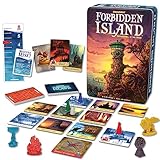
Overview: Forbidden Island, designed by Matt Leacock, is a cooperative board game where players race against time to retrieve sacred treasures from a sinking island before it vanishes beneath the waves. Aimed at ages 10+, it emphasizes teamwork over competition. What Makes It Stand Out: Its genius lies in the physically shifting board; as players move, tiles representing the island are removed, dynamically altering the landscape and raising tension. Rich thematic visuals and accessible mechanics make complex strategy feel intuitive, while the cooperative nature fosters genuine collaboration and shared problem-solving. Value for Money: Priced moderately, it offers exceptional replayability through variable island layouts and adjustable difficulty levels. Compared to competitive games, its focus on collective success provides unique family bonding value, justifying the cost as a staple for game nights without needing expansions for core enjoyment. Strengths and Weaknesses: Strengths: Highly engaging theme, easy to learn but challenging to master, promotes communication and strategic planning, durable components. Weaknesses: Limited player count (max 4), replay value can diminish without expansions, younger children might find the sinking mechanic frustrating initially. Bottom Line: Forbidden Island remains a near-perfect entry into cooperative gaming—thrilling, accessible, and deeply rewarding. It’s a must-have for families seeking meaningful interaction and strategic depth, offering exceptional value for its price point.
2. Pandasaurus Cooperative Strategy Card Game - Fun Interactive Family Game for Ages 8+, 1-5 Players, 20 Minute Playtime
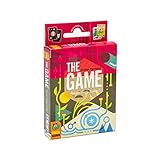
Overview: “The Game” is a lightning-fast cooperative card game where players work together to play ascending and descending number sequences from two shared decks, racing against the inevitable depletion of cards. Its simplicity belies surprising strategic depth for ages 8+. What Makes It Stand Out: The game’s brilliance is its elegant ruleset—players can only communicate restrictions, not intentions—forcing intense non-verbal teamwork and clever deduction. With a blistering 20-minute playtime and support for up to 5 players, it’s incredibly accessible and replayable, backed by its Spiel Des Jahres award and global popularity. Value for Money: At a modest price, it delivers extraordinary longevity; the pure card-based design ensures endless variability. Compared to bulkier board games, it offers immense strategic engagement in a compact, portable package, making it superb value for quick, high-stakes family or group sessions. Strengths and Weaknesses: Strengths: Minimal setup, rapid gameplay, exceptional replayability, fosters communication under pressure, scales perfectly for 1-5 players. Weaknesses: Limited thematic immersion, luck can occasionally dominate strategy, the core mechanic might feel too abstract for some. Bottom Line: “The Game” is a masterclass in minimalist design—addictive, clever, and universally appealing. It’s an outstanding investment for anyone wanting a quick, brain-teasing cooperative experience that shines in diverse group sizes.
3. Hasbro Gaming Dungeons & Dragons: Bedlam in Neverwinter Board Game, Escape Room, Cooperative Strategy Games for Ages 12+, 2-6 Players, 3 Acts Approx. 90 Mins Each (Amazon Exclusive)

Overview: Bedlam in Neverwinter is a narrative-driven, escape room-style board game set in the Dungeons & Dragons universe. Players cooperatively solve multi-act mysteries across 90-minute sessions, battling monsters and deciphering puzzles to thwart a cult’s sinister plot in the city of Neverwinter. What Makes It Stand Out: It uniquely blends D&D’s rich roleplaying elements—character creation, loot collection, and monster combat—with physical escape room puzzles. The dynamic, expanding gameboard that reveals new areas as puzzles are solved creates immersive, evolving challenges, offering a tangible D&D adventure without a Dungeon Master. Value for Money: As a premium Amazon-exclusive experience with high-quality components, its price reflects the substantial content: three distinct acts totaling ~3 hours of gameplay. While costly, it delivers unparalleled D&D immersion compared to standalone escape room games, justifying the investment for fans. Strengths and Weaknesses: Strengths: Deep D&D integration, thrilling narrative progression, innovative puzzle variety, impressive component quality, supports up to 6 players. Weaknesses: High price point, lengthy playtime per act may deter casual players, puzzles can occasionally feel opaque without hints. Bottom Line: An exceptional, immersive gateway into D&D for board gamers. Despite its cost and commitment, Bedlam in Neverwinter is a must-play for fantasy enthusiasts seeking a cooperative adventure packed with authentic lore and challenging puzzles.
4. Spin Master Games, SolidRoots Escaping Extinction, Cooperative Strategy Board Game from The Makers of Mind The Gap, for Kids & Family, 1-4 Players, for Ages 12 & Up

Overview: In Escaping Extinction, players cooperate as clever dinosaurs racing to assemble a 3D rocket before a meteor strikes. This tile-based strategy game tasks families with gathering rocket parts across a shifting prehistoric landscape, blending theme with tactical planning for ages 12+. What Makes It Stand Out: The standout feature is its dynamic tile-laying board, ensuring no two games play alike, coupled with “earthquake cards” that dramatically alter pathways mid-game. The charming dinosaur theme and tangible 3D rocket assembly inject playful creativity into cooperative strategy, differentiating it from more serious contemporaries. Value for Money: Priced accessibly, it offers strong replayability through variable setups and the earthquake mechanic. While the 12+ age recommendation feels slightly high given simpler mechanics, it provides solid family entertainment value, though expansion options are limited compared to genre giants like Pandemic. Strengths and Weaknesses: Strengths: Highly replayable board layout, engaging 3D rocket component, family-friendly theme, straightforward rules, compact design. Weaknesses: Theme may not appeal to all strategy gamers, limited depth for hardcore enthusiasts, rocket assembly can feel gimmicky to some. Bottom Line: Escaping Extinction is a delightfully inventive, replayable cooperative game perfect for families wanting lighthearted strategy. Its dynamic board and unique theme make it a worthwhile addition to any collection, especially for younger or casual players.
5. Asmodee Pandemic Board Game (Base Game) - A Cooperative Battle to Save Humanity, Strategy Game for Kids and Adults, Ages 8+, 2-4 Players, 45 Minute Playtime

Overview: Pandemic revolutionized cooperative gaming by tasking players as disease-fighting specialists racing to cure four deadly outbreaks before they spiral out of control. This foundational strategy game demands teamwork to save humanity within a tight 45-minute timeframe, suitable for ages 8+. What Makes It Stand Out: Its legacy-defining mechanic—shared victory or defeat—creates intense, unifying pressure. Players leverage unique roles with specialized abilities, requiring strategic coordination to manage infections, build research stations, and discover cures. The tense, ever-escalating outbreaks deliver unmatched collaborative urgency. Value for Money: As the genre pioneer, its base game offers immense strategic depth at a reasonable price. While expansions enhance replayability, the core experience remains profoundly engaging and cost-effective compared to competitive games of similar complexity, providing years of challenging play. Strengths and Weaknesses: Strengths: Revolutionary cooperative design, high replayability, perfect role synergy, accessible yet deep strategy, compact and portable. Weaknesses: Can suffer from “alpha player” syndrome, outbreaks may feel punishingly random to new players, limited player count (max 4). Bottom Line: Pandemic is an essential, masterfully crafted cooperative experience that sets the gold standard. Despite minor flaws, its blend of tension, strategy, and shared triumph makes it an indispensable investment for any board game library.
6. The Night Cage by Smirk and Dagger | Cooperative Candlelit Horror Strategy Game | Tile Laying Labyrinth Escape Adventure for 1 to 5 Players Ages 14 Plus

Overview:
The Night Cage delivers a uniquely immersive cooperative horror experience where players navigate a shifting tile-based labyrinth using a literal candle for illumination. As the candle burns, its light reveals paths while darkness consumes previously explored areas, forcing constant adaptation against lurking Wax Eaters. Designed for 1-5 players aged 14+, it transforms tabletop sessions into tense, atmospheric escape adventures.
What Makes It Stand Out:
Its groundbreaking use of a physical candle as a gameplay mechanic creates unparalleled tension—light literally dictates strategy, with shadows swallowing paths and monsters emerging from the dark. Award-winning tile design ensures dynamic mazes, while adjustable difficulty and advanced modes (adding new threats) amplify replayability. This tangible interplay of light and fear sets it far apart from digital or static board games.
Value for Money:
Priced competitively for premium components and innovative design, it offers exceptional value. The included candle, detailed miniatures, and modular tiles justify its cost, especially compared to simpler cooperative games. Extended replayability via difficulty settings and expansions ensures long-term engagement, making it a worthy investment for horror and strategy enthusiasts.
Strengths and Weaknesses:
Strengths: Unmatched atmospheric tension; intuitive yet deep strategy; highly replayable with adjustable challenges; fosters intense teamwork. Weaknesses: Candle management can feel gimmicky if overused; setup is slightly time-consuming; limited player interaction beyond shared planning may disappoint some.
Bottom Line:
A masterclass in thematic immersion and cooperative strategy, The Night Cage justifies its price with unforgettable, candlelit suspense. Highly recommended for horror fans seeking innovative gameplay, though casual players might prefer lighter alternatives.
7. ito – Cooperative Strategy Card Game for Ages 8+ | 2–10 Players | Party Game with Secret Clues & Category Challenges | Family, Group & Game Night Fun

Overview:
ito is a lightning-fast cooperative card game where players arrange secret number cards in order using only category-based clues—never stating numbers outright. Designed for 2-10 players aged 8+, it thrives as a versatile party or family game, blending deduction with lighthearted chaos in sessions under 10 minutes.
What Makes It Stand Out:
Its genius lies in simplicity: three category decks (Family, Everyone, Action) let groups tailor gameplay from gentle to energetic (e.g., singing clues). The “no numbers” rule sparks creativity, while 100 illustrated cards enable endless combinations. Seamless scalability for tiny duos or boisterous groups of ten is rare in party games.
Value for Money:
An outstanding value at its price point. The compact box packs massive replayability through diverse categories and card art, outperforming pricier games with similar player counts. Ideal as a warm-up or standalone filler, it pays for itself in repeated game nights.
Strengths and Weaknesses:
Strengths: Effortless to learn; scales perfectly for any group size; encourages clever communication; high replayability; compact and travel-friendly. Weaknesses: Minimal strategic depth may bore hardcore gamers; clue ambiguity can frustrate younger players; short rounds might feel insubstantial for some.
Bottom Line:
ito is a near-perfect party game that delivers quick, inclusive fun for all ages. Its ingenious design and adaptability make it a must-have for families and social gamers—highly recommended for effortless, laughter-filled sessions.
8. Ravensburger Horrified Games - Greek Monsters - Strategy Board Game - Boost Critical Thinking & Teamwork - Cooperative Gameplay - Unique Monster Challenges - 1 to 5 Players - Adults & Kids 10+

Overview:
Horrified: Greek Monsters pits 1-5 players against six iconic Greek beasts like Medusa and Cerberus in a cooperative strategy battle across the Isle of Elysium. Players must deploy unique hero abilities to outmaneuver each monster’s distinct mechanics, blending mythology with tactical problem-solving for ages 10+.
What Makes It Stand Out:
Each monster requires a completely different victory strategy—Medusa demands avoiding her gaze, while Cerberus needs all three heads subdued. Stunning thematic artwork and modular board sections create a visually rich world. The focus on adapting tactics per monster offers remarkable variety within one box.
Value for Money:
Excellent value given the 60-minute playtime, high-quality components (including detailed miniatures), and replayability from six unique challenges. It outshines many cooperative games in its price tier by delivering distinct scenarios that refresh gameplay repeatedly.
Strengths and Weaknesses:
Strengths: Highly thematic and engaging; diverse monster mechanics prevent monotony; beautiful artwork; promotes critical thinking and teamwork; accessible rules for families. Weaknesses: Setup is complex with multiple monster mats; some monsters feel unbalanced; limited player interaction beyond shared strategy.
Bottom Line:
A visually stunning, strategically rich cooperative game that successfully marries Greek mythology with engaging puzzles. Highly recommended for families and casual gamers seeking thematic depth without overwhelming complexity.
9. Pressman The Oregon Trail Card Game - Cooperative Gameplay Based on The Classic Computer Game, Ages 12 and Up, 2-6 Players

Overview:
Pressman’s Oregon Trail card game resurrects the beloved ’90s computer classic as a cheeky cooperative survival challenge. Players manage a wagon train heading west, battling dysentery, river crossings, and resource scarcity—all wrapped in retro 8-bit art. Designed for 2-6 players aged 12+, it embraces the franchise’s dark humor with card-driven strategy.
What Makes It Stand Out:
The nostalgic pixel-art aesthetic turns grim events (like cholera outbreaks) into darkly comic moments. Resource management focuses on balancing food, health, and morale, while event cards recreate iconic Trail mishaps. Its lighthearted tone makes cooperative failure fun—a rarity in survival games.
Value for Money:
Solid value for fans of the original game or retro-themed card games. The compact design and quick playtime offer decent replayability, though component quality is modest. It’s a niche purchase best suited for Oregon Trail devotees rather than strategy purists.
Strengths and Weaknesses:
Strengths: Strong nostalgic appeal; humorous take on survival mechanics; simple rules; perfect for casual game nights; efficiently captures the Trail’s spirit. Weaknesses: Shallow strategy; limited replayability beyond novelty; minimal player interaction; art may not resonate with non-fans.
Bottom Line:
A fun, faithful homage to the computer classic that excels as a lighthearted party game. Recommended for Oregon Trail fans seeking nostalgia, but less compelling for those unfamiliar with the source material.
10. Flow: The Official Cooperative Board Game | Strategy Game for 1–4 Players Ages 8+ | Based on The Award-Winning Animated Film | Family & Solo Play | Survive The Flood, Rescue Allies
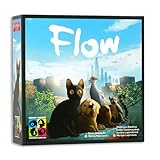
Overview:
Flow adapts the poignant animated film into a real-time cooperative board game where players guide characters through a rising flood to rescue allies. With modular tiles and a “rising water” tracker, it challenges 1-4 players (ages 8+) to make urgent decisions on a dynamically shifting map, blending emotional storytelling with tactical urgency.
What Makes It Stand Out:
The real-time pressure mechanic—where players act simultaneously under a countdown—creates palpable tension. Modular boards and 11 scenarios ensure no two games play alike, while solo mode integrates seamlessly. The thematic resonance with the film’s message of hope elevates it beyond typical strategy fare.
Value for Money:
Offers strong value with deep replayability from scenario variety and modular components. High-quality art and accessible rules justify its cost, especially given robust solo/co-op flexibility. It outperforms similar-priced games in emotional engagement and strategic nuance.
Strengths and Weaknesses:
Strengths: Innovative real-time mechanics; emotionally resonant theme; exceptional replayability; smooth solo play; beautiful art; easy to learn. Weaknesses: Real-time pressure may overwhelm young kids; scenario setup requires attention; limited physical components beyond tiles/cards.
Bottom Line:
A beautifully crafted, emotionally engaging cooperative experience that honors its source material while delivering fresh strategic challenges. Highly recommended for families and solo players seeking meaningful, replayable gameplay.
Understanding Cooperative Strategy Games: Beyond Solo Play
Defining the Cooperative Gameplay Loop
Cooperative strategy games fundamentally shift the player dynamic from competition against each other to a unified front against the game system itself. Instead of vying for individual points or territory, players work interdependently towards a single, shared objective. The core tension arises not from outmaneuvering teammates, but from collectively overcoming challenging mechanics, unpredictable scenarios, and escalating obstacles designed by the game. Success hinges entirely on how effectively the group pools knowledge, allocates roles, and adapts strategies in real-time.
Key Distinctions from Competitive and Solo Experiences
It’s crucial to differentiate these from competitive strategy games where players might form temporary alliances, or solo-play experiences where teamwork is simulated through AI companions. True cooperative strategy demands active, continuous collaboration where every participant’s input directly influences the group’s trajectory. Unlike puzzle apps played individually, these experiences thrive on verbal negotiation, non-verbal cue reading, and the dynamic flow of ideas that only emerges when humans engage directly with a common, complex challenge.
The Unique Value Proposition for Team Development
The true power of these games for building teamwork lies in their ability to create “failure-safe” learning environments. Mistakes made while navigating a fictional crisis carry no real-world consequences, yet the lessons in communication breakdowns, assumption pitfalls, and role clarity are profoundly real. The structured pressure of the game mechanics forces groups to confront how they actually operate under stress, revealing hidden dynamics and providing immediate, tangible feedback on collaborative effectiveness.
Essential Mechanics That Foster Genuine Collaboration
Shared Information and Asymmetric Knowledge Systems
Games that intentionally distribute critical information unevenly among players are potent teamwork catalysts. When no single person possesses the full picture—perhaps one holds location clues while another understands resource constraints—the group must actively share and synthesize data. This mechanic eliminates passive participation, forcing players to articulate what they know, listen carefully to others, and collectively piece together solutions, mirroring real-world scenarios where expertise is specialized.
Interdependent Action and Resource Management
Look for systems where players’ actions are deeply intertwined, such as requiring one person to set up a condition another can then utilize, or where shared resources (time, tokens, energy) must be collectively budgeted. This creates natural dependencies; a player cannot succeed in isolation. Managing these interdependencies teaches crucial lessons in prioritization, sacrifice for the greater good, and understanding how individual choices ripple through the entire team structure, fostering strategic empathy.
Dynamic Threats and Evolving Challenges
Static puzzles rarely build robust teamwork. The most effective games introduce threats that escalate, change behavior, or present unexpected twists based on player actions or random elements. This constant evolution prevents rote memorization and demands continuous group reassessment. Teams learn agility—how to pivot strategies mid-crisis, communicate changing priorities swiftly, and maintain cohesion when the original plan becomes obsolete, reflecting the volatility of modern projects.
Critical Teamwork Skills Developed Through Play
Active Listening and Clear Communication Under Pressure
When the game timer is ticking down or a looming threat requires immediate action, vague statements like “Do something over there!” become useless. Players quickly learn that precise, concise communication (“I need two wood tokens to build the bridge before the flood marker reaches space 3”) is non-negotiable. This pressure-cooker environment hones the ability to listen actively for key details, ask clarifying questions efficiently, and articulate needs without jargon, directly translating to high-stakes workplace scenarios.
Role Identification and Leveraging Diverse Strengths
Many cooperative games assign or encourage players to adopt distinct roles with unique capabilities (e.g., strategist, resource gatherer, crisis manager). This naturally surfaces how teams identify and utilize individual strengths. Observing who gravitates towards certain tasks, how roles complement each other, and when flexibility is needed provides invaluable insight into team dynamics. It moves beyond abstract discussions of “diversity” to practical, experiential understanding of how varied perspectives solve complex problems.
Building Trust Through Shared Vulnerability
True collaboration requires vulnerability—admitting uncertainty, proposing risky ideas, or acknowledging mistakes. Cooperative games create safe spaces for this. When a player’s error leads to a near-loss, the group’s response (blame vs. constructive problem-solving) is immediately visible. Successfully navigating these moments builds psychological safety, teaching teams that trust is forged not through perfection, but through how they recover and support each other when things go wrong.
Strategic Consensus Building and Conflict Resolution
Reaching agreement on the best course of action is rarely straightforward. Games present scenarios where players have valid but conflicting strategies. Navigating this requires negotiation, evidence-based persuasion, and sometimes compromise. Witnessing how a group debates options, weighs risks, and ultimately unites behind a single plan offers a real-time masterclass in healthy conflict resolution and democratic decision-making, skills vital for any high-functioning team.
Choosing the Right Game for Your Group’s Needs
Assessing Your Team’s Current Collaboration Level
Honest self-assessment is key. Is your group prone to one dominant voice? Look for games demanding equal participation through mechanics like timed discussion rounds or individual decision points. Do members struggle with ambiguity? Start with games featuring clearer objectives and simpler mechanics before progressing to open-ended strategic challenges. Matching the game’s complexity to your team’s current collaborative maturity prevents frustration and ensures positive, productive experiences.
Considering Group Size and Composition Dynamics
Not all cooperative games scale effectively. Some shine with exactly four players but falter with five or six, leading to downtime or diluted participation. Consider your typical group size and seek games explicitly designed for that range. Also, factor in the group’s familiarity; newer teams might benefit from lighter, more social games that build rapport before tackling intensely strategic titles requiring deep coordination. Remote teams need mechanics that translate smoothly to video calls.
Evaluating Time Commitment and Session Structure
Be realistic about available time. Some cooperative experiences deliver a complete, impactful session in 30 minutes, ideal for a tight workshop slot, while others unfold over multiple 90-minute sessions, better suited for ongoing team development. Consider whether you need a quick icebreaker effect or a deeper, sustained engagement. Games with modular scenarios or adjustable difficulty offer flexibility to fit varying schedules without sacrificing the core collaborative experience.
Matching Game Themes to Relevance and Engagement
While mechanics are paramount, theme matters for buy-in. A group of engineers might resonate more with a logistics or infrastructure-themed game, while educators might prefer something tied to exploration or community building. The right theme lowers resistance, increases immersion, and can subtly reinforce real-world contexts. However, avoid forcing relevance; sometimes a fantastical theme provides the necessary psychological distance for teams to engage more openly without real-world baggage.
Maximizing the Teamwork Learning Experience
Structuring the Pre-Game Briefing for Success
Don’t just dive in. Set clear intentions: “Today, we’re focusing on how we share information under time pressure.” Briefly explain the core collaborative mechanic you want them to notice (e.g., “Pay attention to how we decide whose idea to try first”). Establish ground rules for respectful communication during play. This primes the group to be mindful participants, not just passive players, turning the game into an intentional development exercise.
Facilitating Debriefs That Drive Real Insight
The magic happens after the game ends, win or lose. Move beyond “That was fun!” Ask targeted questions: “When did we communicate most effectively? What caused the biggest confusion? How did we handle that disagreement about the resource allocation?” Guide the discussion to connect in-game behaviors to workplace situations. A skilled facilitator helps the team extract actionable lessons, transforming gameplay into tangible behavioral change.
Integrating Games into Ongoing Development Programs
One-off sessions have value, but sustained impact comes from integration. Use a progression: start with simpler games focusing on communication, then layer in titles emphasizing strategic planning or conflict resolution. Schedule regular sessions, perhaps quarterly, to track evolving dynamics. Pair gameplay with related workshops—e.g., a communication-focused game followed by active listening training—to reinforce concepts across different learning modalities.
Adapting for Remote and Hybrid Team Environments
Remote play requires specific considerations. Prioritize games with digital platforms designed for smooth virtual interaction or physical games that translate well via video call (clear boards, minimal fiddly components). Use dedicated communication channels (like Discord alongside video) for specific game actions. Explicitly set norms for virtual participation: “Use the ‘raise hand’ feature,” “Mute when not speaking.” Test tech beforehand to avoid frustrating delays that undermine the collaborative flow.
The Evolving Landscape of Cooperative Strategy in 2026
Rise of Adaptive AI Opponents and Dynamic Difficulty
Gone are the days of static difficulty levels. Cutting-edge games now feature AI systems that analyze the group’s real-time performance—communication speed, decision accuracy, resource management—and subtly adjust challenge intensity. This ensures teams are consistently operating in the optimal “learning zone,” neither overwhelmed nor bored, providing a personalized collaborative workout that evolves with the group’s growing competence.
Enhanced Digital Integration for Blended Experiences
The line between physical and digital play continues to blur. Expect more games utilizing companion apps not just for rules enforcement, but to create dynamic narrative elements, track complex group metrics (like communication balance), or unlock new scenarios based on collective achievements. This integration provides richer feedback and deeper data on team dynamics, making the debrief process even more insightful and actionable.
Focus on Measurable Skill Development Metrics
Games are increasingly designed with built-in analytics dashboards (for facilitators) tracking quantifiable teamwork indicators: speaking time distribution, frequency of consensus decisions, speed of information sharing after key events. This moves beyond subjective feelings to provide concrete data on collaboration health, allowing teams to set specific improvement goals and measure progress over time, aligning gameplay directly with professional development objectives.
Emphasis on Inclusive Design Principles
2026 sees a stronger push for accessibility and inclusivity in design. This means clearer visual language for neurodiverse players, mechanics accommodating varying cognitive loads, and themes that resonate across diverse cultural backgrounds. Truly effective teamwork games must be accessible to all potential participants, ensuring everyone can contribute meaningfully and benefit from the collaborative experience, reflecting modern workplace values.
Frequently Asked Questions
Frequently Asked Questions
What age range are cooperative strategy games suitable for? These games cater to a vast spectrum, from simplified family-friendly versions for ages 8+ focusing on basic communication, to highly complex strategic titles designed for teens and adults. Always check the manufacturer’s age and complexity ratings, but prioritize the group’s cognitive maturity and attention span over strict age limits.
How long should a typical cooperative strategy game session last for team building? Ideal session length varies, but 45-90 minutes is often optimal for focused team development. This allows time for setup, meaningful gameplay, and a substantive debrief without causing fatigue. Shorter sessions (20-30 mins) work for quick icebreakers, while deeper strategic dives might span multiple sessions.
Can these games effectively work with fully remote teams? Absolutely. Many modern cooperative games are designed specifically for digital platforms (apps, online services), and physical games can be adapted via video calls using shared screens or dedicated virtual tabletops. Success hinges on choosing games with clear remote-play mechanics and establishing strong communication protocols beforehand.
What if our team loses the game frequently? Is that counterproductive? Losing is often more valuable than winning for teamwork development. It highlights communication breakdowns, strategic flaws, and conflict points in a safe space. The key is focusing the debrief on how the loss happened and what can be improved, turning setbacks into powerful learning opportunities rather than discouragement.
How do I convince skeptical team members to participate? Frame it as a practical skill-building exercise, not “just playing games.” Highlight specific, relevant benefits like improved meeting efficiency or conflict resolution. Start with a short, low-stakes game and emphasize the debrief’s connection to real work challenges. Participation in the debrief discussion is often voluntary initially.
Are there cooperative games suitable for very large groups (10+ people)? While most traditional board games max out around 6 players, several strategies exist: use “team captain” structures where smaller subgroups make decisions reported by a leader, choose games specifically designed for large groups (often involving simultaneous action selection), or leverage digital platforms that scale better to larger participant numbers.
How much time should we dedicate to the debrief compared to gameplay? Aim for a debrief that’s at least 25-50% of the total session time. For a 60-minute game, spend 15-30 minutes debriefing. Rushing this critical phase wastes the learning potential. Quality questions and focused discussion are more important than duration, but sufficient time is essential for reflection and insight generation.
Can cooperative games address specific teamwork weaknesses like poor listening or dominant personalities? Yes, deliberately. Choose games that force the targeted behavior: for poor listening, pick titles requiring precise information relay; for dominant personalities, select games with mechanics ensuring equal speaking time or requiring consensus where one voice can’t override others. The game acts as a structured intervention.
Is prior gaming experience necessary for participants? Not at all. Many modern cooperative games feature intuitive, teachable-in-minutes mechanics specifically designed for newcomers. Start with lighter, more narrative-driven titles that focus on communication over complex rules. The facilitator’s role in clear instruction is key to ensuring accessibility for non-gamers.
How frequently should teams play cooperative strategy games for sustained impact? Consistency matters more than frequency. Integrating a session every 4-8 weeks allows time for teams to practice observed skills in real work and notice changes. Quarterly sessions often fit well within development calendars, supplemented by brief reflections on teamwork during regular meetings to maintain momentum.
See Also
- 10 Best Cooperative Board Games for Building Teamwork Skills in 2026
- 10 Must-Have Cooperative Board Games for Building Teamwork in 2026
- 10 Best Cooperative Board Games for Building Teamwork in Families in 2026
- 10 Game-Changing Cooperative Strategy Games for Team Building in 2026
- The 10 Most Revolutionary Cooperative Strategy Games of 2026