Table of Contents
Team building activities often feel like obligatory corporate rituals—forced icebreakers or awkward trust falls that leave everyone checking their watches. But what if collaboration could feel less like a chore and more like an adventure? Cooperative board games transform abstract “teamwork” into tangible, engaging challenges where success hinges on genuine communication, shared strategy, and collective problem-solving. Unlike competitive games that pit colleagues against each other, these experiences create common ground where everyone wins or loses together, dissolving hierarchy and fostering authentic connection through play.
Imagine your team huddled around a table, deciphering cryptic clues in a high-stakes scenario where one person’s insight unlocks another’s idea, and silent observers become vocal contributors. This isn’t just fun—it’s strategic synergy in action. As workplaces evolve with hybrid models and diverse teams, the demand for meaningful, inclusive bonding has never been higher. Cooperative board games offer a dynamic solution: structured yet flexible, challenging yet accessible, and crucially, human-centered. They turn theoretical collaboration into practiced skill, revealing strengths, smoothing communication kinks, and building trust through shared purpose—all while feeling refreshingly unlike work. Ready to discover how to harness this power? Let’s explore what makes these games transformative team-building tools.
Top 10 Cooperative Board Games
Detailed Product Reviews
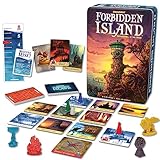
1. Gamewright - Forbidden Island - Cooperative Strategy Survival Board Game, 2-4 Players
Overview:
Forbidden Island, designed by Matt Leacock, is a foundational cooperative board game where 2-4 players race to recover sacred treasures from a sinking island before it vanishes. Aimed at ages 10+, it blends strategy, teamwork, and rising tension as the island tiles gradually submerge.
What Makes It Stand Out:
Its innovative “sinking island” mechanic creates dynamic, ever-changing challenges that demand adaptive planning. Rich illustrations immerse players in a perilous paradise, while the pure cooperative structure—no player elimination—fosters genuine collaboration. The focus on shared problem-solving and strategic resource management sets it apart from competitive games.
Value for Money:
Priced accessibly for a high-quality board game, it offers exceptional replayability through variable treasure placements and adjustable difficulty. Compared to similarly complex strategy games, its durability, engaging theme, and family-friendly depth make it a standout investment for game nights.
Strengths and Weaknesses:
Strengths: Simple rules for quick setup; visually stunning components; excellent for teaching teamwork; scales well for 2-4 players. Weaknesses: Limited player count; artwork can be overwhelming for young children; replay value diminishes slightly after mastering strategies.
Bottom Line:
A must-have cooperative classic that brilliantly balances accessibility with strategic depth, perfect for families and casual gamers seeking collaborative fun. Highly recommended for ages 10+.
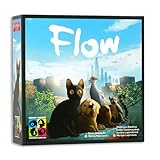
2. Flow: The Official Cooperative Board Game | Strategy Game for 1–4 Players Ages 8+ | Based on The Award-Winning Animated Film | Family & Solo Play | Survive The Flood, Rescue Allies
Overview:
Flow translates the emotional animated film into a real-time cooperative board game for 1-6 players (ages 8+). Players navigate a modular, flooding island, rescuing allies while managing rising waters—a thematic, tense race against time.
What Makes It Stand Out:
The dynamic “rising water” mechanic and modular board ensure no two games play alike, forcing adaptive strategies under pressure. Its real-time element (using a sand timer) heightens urgency, while the film’s artistic aesthetic enhances immersion. Solo-play compatibility is a rare, valuable feature.
Value for Money:
With components supporting 1-6 players and 11 scenario cards extending replayability, it justifies its price point. Competing cooperative games rarely offer this flexibility; Flow’s unique theme and real-time tension provide richer engagement than generic alternatives at similar costs.
Strengths and Weaknesses:
Strengths: Exceptional solo mode; high replayability via scenarios; intuitive rules; beautiful art direction. Weaknesses: Real-time pressure may frustrate younger players; component quality is functional but not premium; timer reliance can cause analysis paralysis.
Bottom Line:
An emotionally resonant, mechanically innovative game that excels in solo and group play. Ideal for families seeking thematic depth and replayable challenges—strongly recommended for ages 8+.
3. Pandasaurus Cooperative Strategy Card Game - Fun Interactive Family Game for Ages 8+, 1-5 Players, 20 Minute Playtime
Overview:
“The Game” is a minimalist cooperative card game where 1-5 players work together to play cards in ascending/descending sequences across four piles, battling strict communication limits. Award-winning and globally popular, it fits in 20 minutes.
What Makes It Stand Out:
Its genius lies in extreme simplicity masking profound strategic depth. Players cannot discuss strategies, forcing nonverbal teamwork and clever card management. The “beat the game” premise—where victory feels earned—is intensely addictive, explaining its 1.3M+ sales and Spiel Des Jahres win.
Value for Money:
Exceptional for its low cost and portability. Unlike bulky board games, this compact card set delivers endless sessions with near-zero setup. It outperforms pricier strategy games in replayability and accessibility, making it a budget-friendly staple for casual and seasoned gamers alike.
Strengths and Weaknesses:
Strengths: Blazing-fast setup; wildly replayable; perfect for all ages; fosters silent teamwork. Weaknesses: Communication restrictions frustrate some; lacks thematic immersion; limited player interaction beyond shared tension.
Bottom Line:
A masterclass in elegant design that transforms simple cards into heart-pounding collaboration. An essential, affordable addition to any game collection—highly recommended for ages 8+.
4. Pressman The Oregon Trail Card Game - Cooperative Gameplay Based on The Classic Computer Game, Ages 12 and Up, 2-6 Players

Overview:
This card game revives the iconic computer classic, challenging 2-6 players (ages 12+) to cooperatively navigate the Oregon Trail’s perils—from dysentery to river crossings—using retro 8-bit art and cheeky humor.
What Makes It Stand Out:
Its nostalgic 8-bit aesthetic and darkly comedic tone (“dying of dysentery, retro-style”) brilliantly honor the original while freshening the experience. The cooperative survival mechanics—managing limited resources like food and oxen—capture the Trail’s brutal unpredictability with lighthearted wit.
Value for Money:
Affordable and compact, it offers solid replayability through variable event cards. While lighter than strategy-heavy cooperatives, its unique theme and humor justify the price for fans of the franchise or casual game groups seeking quick, thematic fun.
Strengths and Weaknesses:
Strengths: Hilarious, nostalgic theme; easy to learn; great for larger groups; charming retro art. Weaknesses: Shallow strategy; luck-heavy outcomes; less engaging for non-fans of the original game.
Bottom Line:
A fun, faithful adaptation that shines for nostalgic players and groups valuing humor over deep tactics. Worthwhile for Oregon Trail devotees—but skip if seeking strategic depth.
5. Castle Panic 2nd Edition | Cooperative Board Game for Adults and Family | Ages 8+ | for 1 to 6 Players | Average Playtime 45 Minutes | Made by Fireside Games

Overview:
Castle Panic 2nd Edition tasks 1-6 players (ages 8+) with defending Castle Bravehold from monster hordes using card-based tower defense. With 45-minute sessions, it blends accessibility with strategic urgency as players coordinate to save at least one tower.
What Makes It Stand Out:
The 3D cardboard towers and vibrant monster tokens create immediate visual appeal, while the four distinct modes (including competitive Overlord) dramatically extend replayability. Its “tense teamwork” focus—requiring constant communication and sacrifice—makes every decision impactful.
Value for Money:
Priced competitively for its component quality and versatility, it outshines similar games with modes for solo, competitive, and co-op play. The 45-minute runtime ensures consistent engagement without fatigue, offering better longevity than many family games at this price.
Strengths and Weaknesses:
Strengths: Highly replayable with multiple modes; inclusive for mixed-skill groups; tactile 3D elements; easy to learn. Weaknesses: Tower assembly required; competitive modes feel tacked on; boss monsters can overwhelm new players.
Bottom Line:
A visually striking, endlessly replayable cooperative gem that excels in group cohesion and strategic fun. A top-tier choice for families and game nights—enthusiastically recommended.
6. The Lord of The Rings: Adventure to Mount Doom | Family Game | Cooperative Game | Strategy Game

Overview: This cooperative strategy game immerses players in J.R.R. Tolkien’s Middle-earth, tasking them with guiding Frodo safely to Mount Doom to destroy the One Ring. Designed for 1-4 players, it blends dice rolling and card draws to navigate challenges like Ringwraith encounters within a roughly 50-minute playtime. What Makes It Stand Out: Its authentic Tolkien atmosphere is the key draw, translating the epic narrative into accessible mechanics. The cooperative nature ensures players share the tension of Frodo’s perilous journey, avoiding competitive conflict while fostering teamwork against the game’s inherent threats. Value for Money: Priced competitively for a licensed thematic game, it offers solid replayability through variable setups and challenges. While niche, it provides significant value for Tolkien fans seeking a family-friendly, non-competitive strategy experience compared to generic board games. Strengths and Weaknesses: Strengths: Strong thematic immersion; simple, engaging mechanics suitable for families; genuine cooperative tension; scales well for solo or small groups. Weaknesses: Luck-dependent dice/card draws may frustrate strategy purists; limited depth for hardcore gamers; artwork/component quality might not match premium price points. Bottom Line: An excellent, thematic gateway into cooperative play for Tolkien enthusiasts and families. It effectively captures the saga’s spirit despite some luck elements, making it a worthwhile investment for fans seeking shared adventure.
7. Peaceable Kingdom Race to the Treasure! Cooperative Path Building Game for 2 to 4 Kids Ages 5+

Overview: This award-winning cooperative game challenges 2-4 children (ages 5+) to work together, building a path from start to finish to reach treasure before the Ogre does. It emphasizes teamwork over competition, requiring no reading and fostering crucial early development skills. What Makes It Stand Out: Its brilliance lies in simplicity and genuine cooperation for young children. Players collectively win or lose, eliminating early competitive pressure. The frustration-free packaging and focus on path-building strategy make it uniquely accessible for preschoolers and early elementary ages. Value for Money: Exceptional value for its target age group. The durable components, multiple prestigious awards (Oppenheim Platinum, PAL Seal), and focus on social/emotional learning justify its price, outperforming many cheaper, competitive kids’ games in educational depth. Strengths and Weaknesses: Strengths: Perfectly introduces cooperation and basic strategy; zero reading required; builds communication and planning skills; award-winning design; frustration-free packaging. Weaknesses: Limited replayability for older kids; strategy depth is very basic; Ogre mechanic might feel arbitrary to some adults. Bottom Line: An essential, highly recommended first cooperative game for young children. It successfully teaches teamwork and simple strategy in a fun, pressure-free way, offering outstanding educational value and family bonding potential.
8. Slay The Spire: The Board Game - Cooperative Fantasy Board Game

Overview: Translating the popular video game into a physical format, this cooperative board game (1-4 players, ages 12+) tasks teams with deckbuilding to conquer challenging runs. Players customize unique decks from over 650 cards, facing bizarre creatures and relics in a high-stakes fantasy adventure. What Makes It Stand Out: The sheer depth of deck customization is unparalleled in cooperative board games. The high-quality components (miniatures, dual boards, card variety) deliver a rich, tactile experience that faithfully captures the video game’s strategic essence and replayability. Value for Money: Represents strong value given the component volume (650+ cards, miniatures, multiple boards) and strategic depth. While priced higher than entry-level games, it competes favorably with other premium strategy/coop titles by offering significant long-term engagement for deckbuilding fans. Strengths and Weaknesses: Strengths: Deep, rewarding deckbuilding strategy; exceptional component quality; faithful adaptation with high replayability; scales well for solo to group play; accessible rules despite complexity. Weaknesses: Steep learning curve despite 45-min claim; analysis paralysis possible; niche appeal limited to deckbuilding enthusiasts. Bottom Line: A must-have for fans of Slay the Spire and cooperative deckbuilders. Its depth, quality, and faithfulness justify the investment, though its complexity makes it less suitable for casual or young gamers.
9. Happy Camper - The Four Doors | New Cooperative Game by Creator of Forbidden Island and Pandemic | Super Portable | Great for Solo Play, Two Players, and Groups
Overview: Created by Matt Leacock (Pandemic, Forbidden Island), this super-portable cooperative game (1-5 players, ages 10+, 30 mins) challenges adventurers to retrieve four sacred treasures behind mystical doors before shadows seal them forever. Its compact design makes it ideal for travel. What Makes It Stand Out: Leacock’s pedigree guarantees tight, accessible cooperative design. The extreme portability is its defining feature, packing significant strategic depth and variable setup into a tiny box. It excels across player counts, especially shining in solo and 2-player modes, a rarity for coop games. Value for Money: Excellent value due to its portability-to-depth ratio. The low price point typical of travel games is justified by Leacock’s proven design, high replayability through modular doors/treasures, and versatility for any group size, outperforming many bulkier, less flexible games. Strengths and Weaknesses: Strengths: Unmatched portability; Leacock’s refined cooperative mechanics; scales perfectly for 1-5 players; quick setup/playtime; high replayability; intuitive rules. Weaknesses: Limited thematic depth compared to heavier games; component size may feel flimsy to some; treasures lack strong narrative integration. Bottom Line: A near-perfect travel cooperative game. Leacock delivers another winner with brilliant mechanics packed into a pocket-sized box, making it an essential addition for on-the-go gamers seeking quality teamwork.
10. The Night Cage by Smirk and Dagger | Cooperative Candlelit Horror Strategy Game | Tile Laying Labyrinth Escape Adventure for 1 to 5 Players Ages 14 Plus

Overview: This award-winning cooperative game plunges 1-5 players (ages 14+) into a terrifying candlelit labyrinth. Using a real candle to illuminate the shifting tile maze, teams must collect keys and escape before Wax Eaters in the darkness seal their fate, creating intense shared tension. What Makes It Stand Out: The innovative use of a physical candle is revolutionary, dynamically controlling visibility and generating unparalleled atmospheric tension. The tile-laying mechanic, where paths vanish behind you into darkness, creates a uniquely immersive, emotionally charged horror experience unlike any other board game. Value for Money: High value for horror and strategy enthusiasts. The award-winning components, adjustable difficulty, advanced mode, and sheer novelty of the candle mechanic provide exceptional replayability and thematic depth, justifying its price against less innovative cooperative games. Strengths and Weaknesses: Strengths: Groundbreaking candle mechanic creates unmatched atmosphere; deeply immersive horror experience; strong strategic depth with tile management; excellent replayability; award-winning design. Weaknesses: Candle use requires fire safety awareness; setup/teardown is slower; theme may be too intense for some; limited physical space can cause player crowding. Bottom Line: A must-play masterpiece for horror and cooperative game fans. The Night Cage delivers a uniquely terrifying and strategic experience through its brilliant candle mechanic, offering phenomenal value for those seeking deep, atmospheric gameplay.
Understanding Cooperative Gameplay Mechanics
How Shared Objectives Drive Team Synergy
Unlike traditional board games where players compete for individual victory, cooperative designs require groups to unite against a common challenge. This flips the script on workplace dynamics—suddenly, the “boss” needs the intern’s fresh perspective to solve a puzzle, and quiet team members find their voice when their unique observation cracks a critical code. The shared objective creates psychological safety; mistakes become collective learning opportunities rather than personal failures. This mirrors real-world projects where siloed efforts doom outcomes, teaching teams that transparency and interdependence aren’t just buzzwords—they’re survival tactics.
The Role of Variable Difficulty in Skill Development
Effective cooperative games scale challenge intensity to match team capabilities. Beginner modes offer gentle introductions to collaborative thinking, while advanced settings introduce time pressure, hidden information, or escalating obstacles. This progression mirrors professional growth—teams start by mastering basic communication patterns before tackling complex, layered problems. Crucially, adjustable difficulty prevents frustration; a sales team new to strategic planning won’t drown in complexity, while seasoned engineers can push their problem-solving limits. The right game meets your team where they are and grows with them.
Integrating Time Constraints for Real-World Pressure
Many cooperative games inject urgency through sand timers, countdown tracks, or event decks that trigger consequences. This simulates workplace deadlines without real-world stakes, letting teams practice prioritization under stress. Will they rush a half-baked solution or take precious moments to align? Observing how groups allocate time reveals decision-making bottlenecks and encourages deliberate pacing. Unlike artificial corporate simulations, this pressure feels organic—making practiced composure directly transferable to high-stakes meetings or project crunch periods.
Selecting Games for Diverse Team Dynamics
Matching Game Complexity to Team Experience Levels
Choosing a game that aligns with your team’s familiarity with strategic play is non-negotiable. Overly complex mechanics can alienate newcomers, turning collaboration into confusion, while oversimplified games frustrate analytical thinkers. Look for titles with modular rules—core concepts accessible in 10 minutes, with optional layers for depth. A finance team comfortable with data modeling might thrive with intricate resource management, whereas a creative department could prefer narrative-driven puzzles. The sweet spot? A game where everyone contributes meaningfully within the first round.
Accommodating Hybrid and Remote Team Configurations
With distributed teams becoming the norm, prioritize games with robust digital companions or physical components designed for virtual play. Some include apps that sync across devices, handle rule enforcement, or provide immersive soundscapes for remote participants. Others use simple card-based systems that translate seamlessly to video calls. Avoid games reliant on physical dexterity or hidden information that’s hard to share digitally. The goal is parity—whether someone’s in the office or on a beach, they should feel equally invested in the team’s success.
Considering Physical Space and Session Duration
Practical constraints matter. A game requiring a 6x6 foot table won’t work in cramped meeting rooms, and 90-minute sessions derail packed schedules. Opt for compact setups with portable components for impromptu team huddles. Time-boxed games (aim for 30-60 minutes) fit lunch breaks or post-meeting wind-downs, while lengthier campaigns suit offsites. Crucially, the game should end while energy is high—leaving teams energized, not exhausted. Think “spark conversation,” not “marathon endurance test.”
Core Features That Amplify Team Development
Hidden Information Mechanics for Trust Building
Games where players hold unique, partial knowledge force deliberate information sharing. One person might see map details others can’t, or possess critical data locked behind role-specific abilities. This mirrors workplace scenarios where departments hoard insights—breaking those barriers requires clear, concise communication. Teams learn to ask targeted questions (“What’s the left corridor like?”) instead of vague demands (“Tell me everything!”). Over time, this builds active listening skills and reduces assumptions, directly combating real-office silos.
Asymmetric Roles to Highlight Diverse Strengths
When each player has distinct abilities or responsibilities, it celebrates varied skill sets rather than demanding uniformity. The detail-oriented analyst might manage resources, while the big-picture thinker drives strategy. This prevents dominant personalities from taking over—everyone becomes indispensable. Observing how teams navigate these asymmetries reveals natural leaders, supportive players, and hidden talents, offering managers organic insights for project role allocation beyond the game.
Narrative Depth for Emotional Investment
Games with compelling stories—solving a heist, surviving a storm, or curing a pandemic—create emotional stakes that dry corporate exercises lack. Teams care about the outcome, fueling passionate debate and creative risk-taking. This emotional investment translates to real projects; when people feel connected to a mission, they invest more authentically. Look for scenarios with moral dilemmas or branching paths that spark discussion about values and priorities, mirroring strategic business decisions.
Avoiding Common Implementation Pitfalls
Steering Clear of Forced Participation Traps
Mandatory fun backfires. Instead of decreeing “game time,” frame sessions as voluntary skill-building opportunities with clear relevance (“Let’s practice rapid consensus-building for Q3 planning”). Offer brief demos so skeptics see the value. Never punish non-participants—enthusiasm is contagious, but pressure breeds resentment. The best teams organically recruit reluctant colleagues after seeing genuine engagement.
Balancing Guidance and Autonomy for Facilitators
As a facilitator, your role isn’t to solve puzzles but to observe dynamics and gently redirect. Avoid stepping in during natural lulls—those pauses are where breakthrough ideas form. Instead, ask open questions: “What’s one thing we haven’t tried?” or “How could we leverage Alex’s idea differently?” Post-game, focus feedback on process (“How did we handle that disagreement?”) not outcomes (“Why did we lose?”).
Measuring Impact Beyond the Game Session
Don’t judge success solely by “winning.” Track subtle shifts: Did quieter members speak up? Did the team adjust strategies mid-game? Follow up with specific, actionable takeaways: “Next sprint, let’s use the color-coding system we tried during the resource challenge.” Link game insights to real workflows—like adopting a “round-robin” idea-sharing technique from a communication-heavy scenario—to cement learning.
Optimizing Games for Long-Term Team Growth
Creating Rituals Through Repeat Play
One-off sessions offer fleeting benefits. Schedule recurring 30-minute slots—biweekly or monthly—to build continuity. Replaying the same game reveals progression: teams solve earlier roadblocks faster, refine communication shorthand, and tackle higher difficulty tiers. This mirrors professional development, making growth visible and motivating. Bonus: rotating facilitation duties distributes leadership practice.
Adapting Games to Reflect Current Team Challenges
The most powerful sessions mirror real work hurdles. If your team struggles with deadline management, choose a game emphasizing time allocation. Facing communication gaps? Pick one requiring precise verbal cues without visuals. Before playing, explicitly connect the game’s mechanics to your current projects (“This resource tracker is like our budget dashboard—how do we optimize it together?”).
Integrating Cross-Departmental Play Strategically
Break down organizational silos by mixing teams from different functions. Pair engineers with marketers in a game requiring both technical precision and creative storytelling. The shared struggle fosters empathy—developers see how sales navigates ambiguity, while designers grasp engineering constraints. Crucially, debrief by comparing departmental approaches: “How did your usual workflows shape how you played?”
Frequently Asked Questions
How do I convince skeptical leadership that cooperative games aren’t just “playing around”?
Focus on ROI: cite studies linking game-based collaboration to faster project delivery and reduced miscommunication costs. Frame sessions as low-risk simulations for high-stakes scenarios—e.g., “practicing crisis response without real fallout.” Track pre/post-game metrics like meeting efficiency or conflict resolution speed.
Can these games work for fully remote teams without feeling disconnected?
Absolutely. Prioritize titles with integrated apps that sync player actions, provide ambient audio, and display shared visuals. Games using simple card-based systems (like deduction or pattern-matching) translate exceptionally well via screen share. Avoid physical dexterity elements—opt for conversation-driven challenges instead.
What’s the ideal team size for maximum engagement?
Most cooperative games shine with 3-6 players. Smaller groups (2-3) risk uneven contribution; larger ones (7+) dilute individual impact. For bigger teams, split into smaller squads tackling parallel challenges, then compare strategies. Never force 10+ people into one game—fragmentation kills synergy.
How do I handle dominant personalities who try to control the game?
Use asymmetric roles that mandate shared authority—e.g., a “resource manager” who can’t move pieces alone. As facilitator, gently redirect: “Sam, you’ve led the last two rounds. Let’s hear from Maria first.” Post-game, discuss “decision fatigue” and how rotating leadership prevents burnout.
Are shorter games (under 30 minutes) effective for team building?
Yes—brief sessions fit busy schedules and sustain energy. Micro-games focusing on one skill (e.g., rapid consensus or active listening) deliver targeted practice. Think of them as “collaboration sprints” that build habits for longer projects. Avoid cramming complex games into short slots, though—simplicity is key.
How often should we play to see real team development?
Biweekly 30-45 minute sessions yield noticeable shifts in 2-3 months. Monthly play maintains skills but slows progress. Consistency trumps duration—regular micro-sessions embed new communication patterns faster than quarterly marathons. Adjust based on team stress levels; ramp up during high-pressure projects.
Can these games replace traditional team-building workshops?
They’re complementary, not replacements. Games excel at practicing skills like communication under pressure; workshops better address theory or deep conflict resolution. Use games for hands-on application after conceptual training—they turn abstract principles into lived experience.
What should we do if the team consistently loses the game?
Reframe “losing” as data gathering. Analyze why: Was communication fragmented? Did roles clash? Use debriefs to extract lessons: “When we ignored the timer, we panicked. How does that mirror our sprint deadlines?” Adjust difficulty downward temporarily to build confidence before scaling up.
How do I choose between narrative-driven vs. abstract strategy games?
Match the game to your team’s current needs. Use story-rich games for empathy building or creative brainstorming; opt for abstract strategy (resource management, pattern optimization) for analytical teams needing structured decision practice. Observe which style sparks more organic discussion post-game.
Are there accessibility considerations for physical or neurodiverse team members?
Always. Prioritize games with minimal fine motor demands, clear visual contrast, and optional rule simplifications. For neurodiverse members, avoid sensory overload (loud apps, flashing lights) and allow alternative communication modes (writing moves instead of speaking). Many modern games offer official accessibility guides—check publisher resources first.
See Also
- 10 Best Value Cooperative Board Games for Team Building in 2026
- 10 Expert-Recommended Cooperative Board Games for Team Building in 2026
- The 10 Ultimate Best Cooperative Board Games for Team Building in 2026
- 10 Best Cooperative Board Games for Building Team Communication in 2026
- We Tested 50 Cooperative Board Games - Here are the 10 Best for Team Building