Table of Contents
Imagine gathering around the table where the only competition is against the game itself, not each other. Picture your family leaning in, strategizing together, sharing a collective “aha!” moment when a clever solution emerges from your combined efforts. Cooperative board games transform game night from a series of individual wins and losses into a shared adventure where everyone succeeds or fails as one unit. In today’s world, where screen time often dominates family interaction, these collaborative experiences offer a vital antidote – fostering genuine connection, active listening, and the powerful lesson that working together often yields the most rewarding outcomes. It’s about building bridges, not just board pieces.
Moving beyond the simple thrill of victory, cooperative play cultivates essential life skills in a joyful, low-pressure environment. Children learn to articulate ideas clearly, consider different perspectives, and understand that diverse strengths contribute to a common goal. Parents get a unique window into their kids’ problem-solving approaches, while siblings discover the satisfaction of supporting one another. This isn’t just entertainment; it’s stealthy skill-building disguised as fun. As we move further into 2026, the demand for games that nurture these collaborative muscles continues to grow, making it more important than ever to understand what truly makes a co-op game shine for family dynamics. Choosing the right one can turn a routine evening into a cherished memory built on teamwork.
Top 10 Cooperative Board Games
Detailed Product Reviews
1. Gamewright - Forbidden Island - Cooperative Strategy Survival Board Game, 2-4 Players
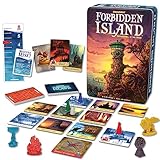
Overview: Forbidden Island, designed by Matt Leacock, is a foundational cooperative board game where 2-4 players work together as adventurers racing to retrieve four sacred treasures from a sinking island before it disappears. Targeted at ages 10+, it emphasizes teamwork over competition. What Makes It Stand Out: Its innovative sinking-tile mechanic creates escalating tension as the island literally shrinks during play. The game excels in teaching cooperative strategy through accessible rules, stunning thematic artwork, and a clear win/loss condition that hinges entirely on collective decision-making and resource management. Value for Money: Priced accessibly, it offers exceptional replayability through variable treasure locations and difficulty levels. Compared to more complex co-ops, it provides a perfect entry point for families and beginners without sacrificing strategic depth, making it a cost-effective gateway game. Strengths and Weaknesses: Strengths: Intuitive rules, high engagement, beautiful components, promotes critical thinking and communication. Weaknesses: Limited to 4 players, replayability diminishes slightly after mastering core strategies, and the random tile layout can occasionally lead to unwinnable starts. Bottom Line: Forbidden Island remains a near-perfect introductory cooperative game. Its blend of accessible strategy, thematic tension, and family-friendly design makes it a must-have for game nights, offering immense value and consistent fun at its price point.
2. Ravensburger Horrified Games - Greek Monsters - Strategy Board Game - Boost Critical Thinking & Teamwork - Cooperative Gameplay - Unique Monster Challenges - 1 to 5 Players - Adults & Kids 10+

Overview: Horrified: Greek Monsters challenges 1-5 players to cooperatively banish six distinct mythical threats, including Medusa and Cerberus, from the island of Elysium. Aimed at ages 10+, it combines tactical movement with unique monster-hunting mechanics. What Makes It Stand Out: Each monster requires a completely different strategy to defeat, ensuring high replayability. The game shines with its thematic depth, stunning Greek mythology-inspired artwork, and the clever integration of specific tools and locations needed to overcome each unique horror, demanding adaptive teamwork. Value for Money: With substantial components (6 detailed monster figures, modular board sections) and immense variety due to the six distinct monsters, it justifies its cost. It offers significantly more strategic diversity per playthrough than many co-ops in its class, especially for larger groups. Strengths and Weaknesses: Strengths: Exceptional monster variety, beautiful thematic components, scales well for 1-5 players, strong critical thinking demands. Weaknesses: Setup can be complex initially, monster rule variations require careful reference, and the board can feel cramped with 5 players. Bottom Line: Horrified: Greek Monsters delivers a rich, varied, and visually captivating cooperative experience. Its unique monster challenges and high replayability make it a standout investment for families and strategy fans seeking deeper, thematic teamwork.
3. Flow: The Official Cooperative Board Game | Strategy Game for 1–4 Players Ages 8+ | Based on The Award-Winning Animated Film | Family & Solo Play | Survive The Flood, Rescue Allies
Overview: Flow translates the emotional animated film into a real-time cooperative board game where 1-4 players guide animal characters across a dynamically flooding modular board to rescue allies before rising waters overwhelm them. Designed for ages 8+. What Makes It Stand Out: The real-time pressure mechanic, requiring simultaneous action planning with sand timers, creates intense, immersive moments. The modular board and rising water track force constant adaptation, while the film’s poignant theme adds emotional weight to the strategic survival challenge. Value for Money: Its strong thematic connection to the beloved film, combined with high replayability from scenario cards and variable setups, offers good value. The real-time element provides a unique experience often missing in slower-paced co-ops, justifying the price for families seeking dynamic gameplay. Strengths and Weaknesses: Strengths: Unique real-time tension, beautiful thematic integration, excellent replayability with scenarios, works well solo. Weaknesses: Real-time pressure may frustrate younger players, setup is moderately complex, and component quality feels functional rather than premium. Bottom Line: Flow successfully captures its source material’s heart while delivering thrilling, fast-paced cooperative strategy. It’s a compelling choice for families and film fans wanting an emotionally resonant, replayable game that stands out from traditional turn-based co-ops.
4. Pressman The Oregon Trail Card Game - Cooperative Gameplay Based on The Classic Computer Game, Ages 12 and Up, 2-6 Players

Overview: This card game adaptation of the iconic computer game tasks 2-6 players (ages 12+) with cooperatively managing a wagon train’s journey to Oregon, battling dysentery, river crossings, and scarce resources with dark humor. What Makes It Stand Out: It masterfully translates the nostalgic computer game’s essence—particularly its infamous diseases and random misfortunes—into a physical card format. The 8-bit art style and cheeky humor (“You have died of dysentery… again!”) make grim outcomes genuinely funny, fostering lighthearted teamwork. Value for Money: As a compact, fast-playing card game, it offers solid value for nostalgia seekers. While less complex than full board games, its humor and quick sessions (20-30 mins) provide excellent entertainment per dollar, especially compared to pricier, heavier strategy games. Strengths and Weaknesses: Strengths: Hilarious nostalgic theme, simple rules, quick setup/playtime, great group interaction. Weaknesses: Strategy depth is light, luck plays a significant role, and the humor may wear thin after many plays for non-fans of the original. Bottom Line: The Oregon Trail Card Game is a brilliantly humorous, accessible homage that captures the spirit of the classic. It’s a fantastic, affordable choice for fans seeking a quick, laugh-filled cooperative experience, though not for deep strategists.
5. Pandasaurus Cooperative Strategy Card Game - Fun Interactive Family Game for Ages 8+, 1-5 Players, 20 Minute Playtime
Overview: “The Game” is a minimalist, highly addictive cooperative card game where 1-5 players silently work together to play down two separate number decks (2-99) in sequence, under strict communication constraints. Designed for ages 8+ with 20-minute play sessions. What Makes It Stand Out: Its genius lies in enforced silence; players can only state numbers they can play, creating intense non-verbal communication and deduction. This unique constraint fosters incredible focus, teamwork, and “aha!” moments, distinguishing it from chattier co-ops. Value for Money: Extremely high replayability in a tiny box makes it exceptional value. Award-winning (Spiel des Jahres nominee) and globally popular (1.3M+ copies), it delivers profound strategic depth and family fun at a low price point, outperforming many bulkier games. Strengths and Weaknesses: Strengths: Brilliant silent-communication mechanic, lightning-fast setup/teardown, huge replayability, works perfectly solo or in groups. Weaknesses: Very abstract theme, communication rules can frustrate some, and the minimal components lack visual flair. Bottom Line: “The Game” is a near-flawless exercise in cooperative deduction. Its ingenious silent-play mechanic, portability, and endless challenge make it an essential, budget-friendly addition to any family or strategy gamer’s collection.
6. Spin Master Games, SolidRoots Escaping Extinction, Cooperative Strategy Board Game from The Makers of Mind The Gap, for Kids & Family, 1-4 Players, for Ages 12 & Up

Overview: SolidRoots Escaping Extinction casts players as clever dinosaurs racing to assemble a 3D rocket before a meteor strike. This cooperative strategy game tasks teams with exploring a dynamic tile-based prehistoric world, collecting rocket parts while navigating earthquakes and surprises. Designed for 1-4 players aged 12+, it aims to blend educational themes with family-friendly adventure. What Makes It Stand Out: The game’s standout feature is its modular tile board, ensuring a unique layout each playthrough, combined with disruptive “earthquake cards” that dynamically alter the board state. The tactile 3D rocket assembly adds tangible satisfaction, while the cooperative dinosaur theme offers a fresh, engaging narrative distinct from typical survival scenarios. Value for Money: Priced competitively within the family strategy genre, it delivers strong replayability through its variable setup and cooperative mechanics. While the age recommendation (12+) feels slightly high for the core mechanics, the durable components and Spin Master’s reputation justify the cost compared to simpler alternatives. Strengths and Weaknesses: Strengths: Highly replayable modular board; intuitive cooperative play; excellent theme integration; sturdy 3D rocket pieces. Weaknesses: Age recommendation may exclude younger capable players; strategy depth might feel light for experienced gamers; limited player count (max 4) for family gatherings. Bottom Line: A vibrant, accessible cooperative game that excels in replayability and thematic charm. Ideal for families seeking strategic yet approachable game nights, though slightly overpriced for its complexity level. Recommended for dinosaur enthusiasts and casual strategy fans.
7. The Lord of The Rings: Adventure to Mount Doom | Family Game | Cooperative Game | Strategy Game

Overview: Adventure to Mount Doom condenses Frodo’s perilous journey into a cooperative dice-and-card strategy game. Players work together to guide the Fellowship toward Mount Doom, evading Ringwraiths through dice rolls and card draws. Designed for 1-4 players with a 50-minute runtime, it captures Tolkien’s epic stakes in a streamlined family experience. What Makes It Stand Out: Its greatest strength is distilling Middle-earth’s tension into accessible mechanics, leveraging iconic lore without overwhelming rules. The balance between luck (dice/card draws) and strategic planning creates constant urgency, while solo-play compatibility broadens its appeal beyond typical group settings. Value for Money: Offers solid value for Tolkien fans, providing immersive thematic depth at a mid-range price point. Compared to heavier LOTR strategy games, it’s more affordable and quicker to learn, though less complex—ideal for casual play rather than deep strategic investment. Strengths and Weaknesses: Strengths: Strong thematic immersion; perfect length for family sessions; easy to learn; excellent solo-play option. Weaknesses: High luck dependency may frustrate strategy purists; minimal player interaction beyond shared objectives; artwork quality inconsistent with premium LOTR titles. Bottom Line: A charming, accessible gateway into Tolkien’s world that prioritizes atmosphere over depth. Best for LOTR newcomers or families wanting a quick, cooperative adventure. Not recommended for those seeking complex strategy, but a worthy addition for franchise fans.
8. Castle Panic 2nd Edition | Cooperative Board Game for Adults and Family | Ages 8+ | for 1 to 6 Players | Average Playtime 45 Minutes | Made by Fireside Games

Overview: Castle Panic 2nd Edition is a tower-defense cooperative game where 1-6 players defend Castle Bravehold from encroaching monsters. Using card-driven tactics, teams must strategically coordinate attacks, manage resources, and prevent tower collapses before the horde overwhelms them. Its 45-minute runtime and age-8+ accessibility make it a family game-night staple. What Makes It Stand Out: The game shines with its flexible player count (1-6) and multiple modes, including competitive “Master Slayer” and asymmetric “Overlord.” Vibrant 3D towers and thematic boss monsters elevate tension, while the intuitive card-based combat ensures quick learning without sacrificing strategic depth. Value for Money: Exceptional value given its scalability and replayability. The robust component quality (detailed monster tokens, sturdy towers) justifies the price, outperforming similar games in durability and versatility. A cost-effective choice for large or mixed-age groups. Strengths and Weaknesses: Strengths: Unmatched player count flexibility; engaging multiple game modes; high-quality 3D components; easy to teach; perfect pacing. Weaknesses: 3D towers can be fragile; luck-based card draws occasionally override strategy; competitive modes feel less polished than co-op. Bottom Line: A near-perfect family cooperative game that balances simplicity with strategic richness. Its adaptability for groups of any size and age makes it a must-own for game nights. Highly recommended for both casual and experienced players seeking inclusive, thrilling teamwork.
9. Happy Camper - The Four Doors | New Cooperative Game by Creator of Forbidden Island and Pandemic | Super Portable | Great for Solo Play, Two Players, and Groups
Overview: Happy Camper tasks 1-5 players with retrieving sacred treasures behind four mystical doors before shadows seal them forever. Designed by Pandemic’s Matt Leacock, this 30-minute portable game emphasizes tight cooperation, deduction, and resource management within a compact, travel-friendly package for ages 10+. What Makes It Stand Out: Leacock’s signature “ticking clock” tension is distilled into a highly portable format, with elegant mechanics for treasure collection and shadow management. Its super-portable design (fits in a large pocket) and seamless scalability from solo to 5 players set it apart in the travel-game market. Value for Money: Priced fairly for its portability and pedigree, though component simplicity (cardboard tokens) reflects its budget focus. Surpasses similar travel games in strategic depth, but hardcore fans might expect more lavish production than Leacock’s usual standard. Strengths and Weaknesses: Strengths: Extremely portable; brilliant solo/co-op flexibility; accessible yet thoughtful strategy; strong Pandemic-esque tension. Weaknesses: Minimalist components feel cheap; limited thematic depth; shorter playtime may disappoint strategy veterans. Bottom Line: A masterclass in portable cooperative design that delivers Leacock’s genius on the go. Ideal for travelers or quick game sessions, though not his most innovative work. Highly recommended for fans of compact, strategic co-ops—just temper expectations for premium materials.
10. Ravensburger Alien: Fate of The Nostromo Board Game for Ages 10 & Up – A Cooperative Strategy Game of Suspense
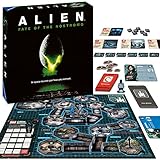
Overview: Alien: Fate of The Nostromo plunges 1-5 players into the claustrophobic horror of the Nostromo, where crewmates must gather supplies and evade the Xenomorph to escape. This cooperative game merges suspenseful theme integration with strategic item crafting, targeting ages 10+ with a 60-minute playtime steeped in cinematic tension. What Makes It Stand Out: Ravensburger excels in thematic immersion: detailed miniatures, moody art, and mechanics like the “Concealed” token system replicate the film’s dread. Variable objectives and the treacherous Ash character add replayability, while the self-destruct countdown creates relentless pressure. Value for Money: Premium-priced but justified by exceptional components (miniatures, art) and high rewatch value via multiple missions. More expensive than basic co-ops, yet cheaper than deluxe LOTR games—ideal for Alien fans prioritizing atmosphere over pure strategy depth. Strengths and Weaknesses: Strengths: Unparalleled thematic execution; gorgeous miniatures/art; tense, cinematic pacing; strong replayability with varied objectives. Weaknesses: Steep learning curve for new players; miniature assembly required; Alien AI can feel overly punishing. Bottom Line: A must-have for Alien enthusiasts seeking immersive horror, though its difficulty may overwhelm casual gamers. Ravensburger delivers a faithful, adrenaline-fueled experience worth every penny for franchise devotees. Highly recommended for mature co-op fans craving intense, thematic gameplay.
Understanding the Core Appeal of Cooperative Gameplay
Defining True Collaboration vs. Multiplayer Solitaire
True cooperative games require players to work together towards a shared objective. It’s crucial to distinguish this from “multiplayer solitaire,” where players might occupy the same space but pursue individual goals with minimal interaction. In genuine co-ops, communication is not just allowed; it’s often essential. Players share information openly, pool resources strategically, and make joint decisions. This shared agency is the heartbeat of the experience, creating that unique sense of collective accomplishment when the final challenge is overcome through combined effort.
The Psychological Shift: From “Me” to “We”
Stepping into a cooperative game triggers a fundamental psychological shift. Players move away from the instinct to hoard advantages or undermine opponents and instead focus on leveraging the group’s collective intelligence. This “we” mindset reduces frustration associated with losing (since the game is the adversary, not a sibling), encourages patience, and makes the experience inherently more inclusive. Everyone feels valued for their contribution, regardless of age or experience level, fostering a supportive atmosphere perfect for family bonding.
Why Families Specifically Benefit from Team-Based Mechanics
Families present a unique dynamic with varying ages, attention spans, and strategic abilities. Cooperative games are uniquely suited to bridge these gaps. Older players can gently guide younger ones without condescension, framing advice as “How can we solve this?” rather than “Do it my way.” Younger participants feel empowered to contribute ideas, knowing their input directly impacts the group’s success. This structure minimizes sibling rivalry and creates a positive feedback loop where helping others leads directly to shared victory.
Essential Features for Family-Friendly Cooperative Games
Age-Appropriate Complexity and Cognitive Load
The sweet spot lies in matching the game’s mental demands to the youngest regular player’s capabilities, while still offering enough depth to engage adults. Look for mechanics that are easy to grasp initially but reveal subtle strategic layers over multiple plays. Avoid games requiring complex simultaneous actions or overwhelming rule sets that cause confusion before play even begins. Clear, intuitive iconography and well-structured rulebooks are non-negotiable for smooth family adoption.
Manageable Playtime: Respecting Attention Spans
In 2026, with countless digital distractions, respecting the family’s time is paramount. Ideal family co-ops typically clock in between 20-45 minutes. Games significantly longer risk frustration, especially with younger children whose focus wanes. Crucially, the game should feel complete within this timeframe – no rushed endings or necessary “we’ll finish next time” scenarios that dilute the sense of accomplishment. Shorter, satisfying sessions encourage repeat plays and build positive associations.
Balanced Player Contribution: Ensuring Everyone Matters
A common pitfall is the “quarterbacking” problem, where one dominant player dictates all moves, reducing others to passive dice-rollers. The best family co-ops incorporate mechanics that require diverse input. This might involve unique roles with specialized abilities that only one player controls, simultaneous action selection forcing independent decisions, or information that is deliberately distributed so no single person has the full picture. Everyone needs a meaningful reason to stay engaged.
Visual Clarity and Thematic Immersion
Strong, uncluttered visuals are critical for quick comprehension, especially for younger players. Boards, cards, and components should tell a visual story that aids understanding without constant rulebook checks. Coupled with an engaging theme – whether exploring a jungle, saving a kingdom, or solving a mystery – this visual clarity pulls the whole family into the narrative. A compelling, age-respectful theme makes the collaborative effort feel purposeful and exciting, not like abstract problem-solving.
Forgiving Mechanics and Positive Reinforcement
Family game nights should build confidence, not frustration. Look for games with built-in “forgiveness” – mechanics that allow for recovery from mistakes, clear progression markers showing the team is making headway, and consequences that feel challenging but not devastatingly punitive. Games that celebrate small victories along the way (“We contained the fire in Sector 3!”) or offer multiple paths to success help maintain morale and encourage perseverance through difficult moments.
Minimal Setup and Cleanup Hassle
The barrier to actually playing is often the time and effort required to get the game on the table. Family favorites are those that transition smoothly from shelf to play in under five minutes. Think compartmentalized components, minimal shuffling, and clear setup diagrams. Similarly, quick cleanup (under 3 minutes) ensures the game gets put away properly and remains inviting for the next session. Complexity hidden in setup/cleanup is a major deterrent to regular play.
Navigating Age and Skill Diversity Within Your Family
Matching Mechanics to Developmental Stages
Consider the cognitive and social skills of your youngest player. Games for ages 5-7 often rely on simple pattern matching, memory, or cooperative dexterity. Ages 8-10 can handle light strategy, basic resource management, and clearer role differentiation. Tweens and teens (11+) can engage with deeper strategic planning, deduction elements, and more complex narrative choices. The ideal game presents a challenge that feels achievable together but slightly beyond any single player’s solo capability at their age.
The Role of Variable Difficulty Settings
A game’s longevity hinges on its ability to grow with your family. Built-in difficulty sliders are invaluable. These might involve adjusting the number of threats, modifying action limits, changing starting resources, or introducing advanced rules modules. Starting on “Easy” builds confidence, while “Hard” mode provides a satisfying challenge years later. This adaptability ensures the game remains relevant and engaging as children’s strategic thinking matures, offering maximum value for your investment.
Facilitating Communication Without Over-Directing
Parents often struggle with how much to guide. The best co-op games naturally structure communication. Some provide discussion phases explicitly, while others force players to share limited information under pressure. Encourage phrases like “What do you think we should do with the blue token?” or “I see a problem near the castle, can someone help?” rather than “You should move there.” The goal is to foster the family’s collaborative process, not have one person (adult or child) become the sole strategist.
Building Lasting Skills Through Play
Developing Critical Soft Skills in Action
Cooperative games are unparalleled laboratories for soft skill development. Players practice active listening as they absorb teammates’ suggestions. They learn constructive debate – negotiating the best plan without personal attacks. Negotiation skills emerge when resources are scarce. Empathy grows as players consider how their actions affect the team’s overall chance of success. These aren’t abstract lessons; they’re practiced and reinforced in real-time during the excitement of the game, making the learning stick.
Problem-Solving Under Gentle Pressure
The shared challenge creates a safe space to experience and manage mild stress. Players learn to assess situations, weigh options, make decisions with imperfect information, and adapt when plans go awry – all core problem-solving competencies. The presence of teammates provides emotional support during setbacks, teaching resilience. Crucially, the “failure” state (losing to the game) is framed positively as a learning opportunity for the next attempt, reducing fear of making mistakes.
Fostering Patience and Perspective-Taking
Waiting for turns is easier when you’re invested in the group’s success. Cooperative play inherently encourages players to see the board state from multiple angles. A younger child might spot a solution an adult overlooked because they’re focusing on a different element. This cultivates patience as players wait to hear others’ ideas and develop the ability to understand viewpoints different from their own, a cornerstone of healthy family and social dynamics.
Practical Considerations for Sustainable Family Game Nights
Physical Space and Component Durability
Be realistic about your play space. Games requiring large table areas or frequent component shuffling might not suit cramped living rooms. Prioritize sturdy components – thick cardboard tokens, durable cards, and non-tiny pieces that won’t get lost on the carpet. Families need games that can withstand enthusiastic (if slightly clumsy) handling by younger members and quick resets between plays. Consider storage solutions that keep everything together and accessible.
Replay Value: Beyond the First Win
A game that’s “solved” after one or two plays loses its magic. Seek out co-ops with significant variability. This comes from modular boards that change layout, random event decks, variable player powers that create different team dynamics, or legacy elements that evolve the story over multiple sessions (though true legacy games require more commitment). High replayability ensures the game remains a go-to choice, not a one-time novelty.
Integrating Co-op Games into Your Routine
Success hinges on consistency. Start small – a dedicated 30-minute slot once a week. Let children have input on which co-op to play. Keep initial sessions positive; avoid overly complex games for the first attempt. Focus on the fun of playing together rather than winning. Celebrate the collaborative process: “Great job working together to figure out that puzzle!” This builds anticipation and makes cooperative play a natural, enjoyable part of family life, not a chore.
Frequently Asked Questions
Frequently Asked Questions
How do I stop one person from dominating all the decisions in a co-op game? Look for games with mechanics that force distributed decision-making, like unique player roles where only one person can perform certain actions, or simultaneous planning phases. Gently encourage discussion by asking quieter players directly, “What’s your take on this?” and set a family norm that major decisions require group consensus.
Can cooperative games still be challenging and fun for adults? Absolutely. Many modern co-ops offer significant strategic depth and high difficulty settings. The challenge shifts from outmaneuvering opponents to efficiently solving complex puzzles or managing escalating threats as a team. The shared intellectual challenge and emergent group dynamics create a uniquely satisfying adult experience.
What if we lose the game? Won’t that be discouraging for kids? Losing is part of the fun! Frame it positively: “The game was too tough this time – let’s figure out how to beat it next time!” Choose games with forgiving mechanics where losses feel like near-misses with clear learning opportunities. Celebrate small victories during the game to build confidence regardless of the final outcome.
How do I explain complex co-op rules to a 6-year-old without overwhelming them? Focus on the immediate goal for the first round only. Use the theme to explain actions (“We need to gather berries to feed the hungry bear cubs!”). Have them help set up specific components. Let them make low-risk decisions initially. Simplify rules verbally on the fly (“For now, just match these colors”) and gradually introduce more as they grasp the basics.
Are cooperative games suitable for mixed-age groups, like siblings aged 5, 8, and 12? Yes, this is where they excel! Choose games with adjustable difficulty and roles that cater to different skill levels. The 5-year-old might handle simple matching or token placement, the 8-year-old manages resources, and the 12-year-old tackles planning. The shared goal keeps everyone invested in helping each other succeed.
Do cooperative games take longer to play than competitive family games? Not necessarily. Many are designed for tight playtimes (20-45 mins). While some complex co-ops can run longer, the key is selecting games matching your family’s attention span. The lack of player negotiation or “take-backs” common in competitive games can sometimes make co-ops flow more smoothly and feel quicker.
How can I encourage shy children to participate more actively in discussions? Assign them a specific, manageable role (“You’re our map reader!”). Use “think-pair-share”: have everyone think quietly, then discuss with one partner, then share with the group. Ask open-ended but simple questions directed at them (“What color path looks safest to you?”). Praise contributions sincerely.
Is “quarterbacking” (one person directing all moves) always bad in co-op games? While some guidance is natural, constant quarterbacking removes agency and fun for others. It becomes problematic when one player makes all decisions without input. Mitigate it by choosing games with mechanics preventing it (like hidden information or simultaneous actions) and gently reminding the group that everyone’s ideas are valuable.
Can cooperative board games genuinely improve real-world teamwork skills? Research and anecdotal evidence strongly suggest yes. The structured environment provides safe practice for communication, active listening, negotiation, perspective-taking, and shared problem-solving – all core teamwork competencies. Families often report these skills transferring to household chores or school projects.
Where’s the best place to learn about new cooperative games without getting overwhelmed by reviews? Focus on trusted family-oriented board game review sites or YouTube channels known for clear, practical assessments of gameplay, complexity, and family fit. Look for reviews specifically mentioning “family gameplay” or “mixed-age groups.” Local game stores with knowledgeable staff are also invaluable resources for hands-on advice.
See Also
- 10 Best Cooperative Board Games for Kids That Encourage Teamwork in 2026
- 10 Best Cooperative Board Games for Building Teamwork in Families in 2026
- 10 Best Cooperative Board Games for Teaching Teamwork in 2026
- How Two-Player Cooperative Board Games Redefine Teamwork at the Table in 2026
- 10 Best Cooperative Board Games for Building Teamwork Skills in 2026