Table of Contents
Stepping into the world of tabletop role-playing games can feel like opening a door to infinite possibilities—and also a slightly intimidating library of rulebooks, accessories, and lore deep enough to drown in. That’s where starter sets become your best ally, offering a curated entry point that distills the magic of RPGs into a manageable, beginner-friendly package. These boxed introductions have evolved from simple pamphlets into comprehensive experiences that teach rules through play rather than lecturing.
For first-time gamers, the right starter set can mean the difference between a lifelong hobby and a single confusing evening. This year’s market offers more options than ever across every genre imaginable, each promising to be the perfect gateway. But what actually makes a starter set valuable? How do you separate genuine teaching tools from mere merchandise? Let’s explore the essential features, hidden gems, and critical considerations that will help you choose the ideal launchpad for your gaming group’s adventures.
Top 10 Role-Playing Game Starter Sets
Detailed Product Reviews
1. Dungeons & Dragons - Starter Set: Heroes of The Borderlands

Overview: The Dungeons & Dragons Starter Set: Heroes of the Borderlands represents Wizards of the Coast’s most accessible entry point yet. This streamlined box distills the quintessential D&D experience into digestible, hour-long sessions designed specifically for newcomers and families. Unlike previous starter sets, it emphasizes bite-sized adventures that fit modern schedules, removing the intimidation factor that often accompanies tabletop roleplaying.
What Makes It Stand Out: The three included adventure booklets offer remarkable flexibility, presenting scenarios where players can fight, negotiate, or sneak past challenges. This “choose your approach” design teaches core RPG principles organically. The learn-as-you-play components eliminate the need for extensive rule memorization, while speedy character creation gets groups started within minutes rather than hours.
Value for Money: Priced competitively with other entry-level RPG products, this set delivers exceptional value for absolute beginners. It contains everything needed for 5-6 players and provides months of content through its three adventures. While veteran players might find the simplified rules limiting, the target audience gains tremendous bang for their buck compared to purchasing core rulebooks separately.
Strengths and Weaknesses: Strengths include unparalleled accessibility, family-friendly content, quick setup, and flexible play sessions. The physical components are high-quality and the progression feels natural. Weaknesses are the lack of character advancement beyond basic levels, minimal customization options, and content that may feel shallow for experienced players seeking tactical depth.
Bottom Line: This is the definitive starting point for families and complete beginners. If you’ve been curious about D&D but felt overwhelmed, Heroes of the Borderlands removes every barrier to entry while preserving the magic that makes roleplaying special.
2. Dungeons & Dragons Stranger Things: Welcome to The Hellfire Club Adventure Game

Overview: Merging the cultural juggernaut of Stranger Things with D&D’s iconic gameplay, Welcome to the Hellfire Club delivers a nostalgia-soaked adventure that completes Eddie Munson’s unfinished campaign. This collaborative 3-5 player game captures the 1980s aesthetic while remaining approachable for all skill levels, from complete novices to seasoned dungeon crawlers.
What Makes It Stand Out: The immersive theming extends far beyond surface-level branding. Four distinct adventures featuring Demogorgons, Demodogs, and the Vale of Shadows feel authentically tied to the show’s mythology. The retro collectibles—including vibrant character sheets and a period-appropriate DM screen—create a time capsule experience. Eddie Munson’s “tips and tricks” add narrative flavor that fans will adore.
Value for Money: As a licensed product, it commands a slight premium, but the production quality justifies the cost. The four complete adventures, quality components, and unique collectibles offer substantial content. For Stranger Things enthusiasts, the thematic value is immeasurable. However, those indifferent to the show may find better value in standard D&D starter sets.
Strengths and Weaknesses: Strengths include pitch-perfect 80’s theming, accessible rules, strong narrative hooks, and high-quality collectibles. The game brilliantly introduces RPG concepts through a familiar lens. Weaknesses are its niche appeal—non-fans may find the references tiresome—and limited replayability once adventures are completed. The player count restriction (3-5) also lacks flexibility.
Bottom Line: An essential purchase for Stranger Things fans and an excellent, if specialized, entry point for newcomers. The Hellfire Club burns brightest when players embrace its nostalgic premise, making it perfect for themed game nights.
3. Asmodee Dungeons and Kittens Roleplaying Game Starter Set - Animal Fantasy RPG in a Wholesome Post-Apocalyptic Medieval World, Family Fun for Kids & Adults, Ages 8+, 2-6 Players, 90 Min Playtime

Overview: Dungeons and Kittens transforms the tabletop RPG landscape by casting players as magical feline adventurers in a whimsical post-apocalyptic world. This Asmodee creation prioritizes wholesome, cooperative storytelling over tactical complexity, making it an ideal introduction to roleplaying for children ages 8 and up while remaining engaging for adult participants.
What Makes It Stand Out: The “meowgic” system and animal-centric worldbuilding create an utterly unique setting that stands apart from traditional fantasy. The post-apocalyptic medieval backdrop—where cats and dogs wield ancient technology—sparks imagination without the grim darkness typical of the genre. The rulebook’s step-by-step instructions and beginner-friendly design ensure even the youngest players can grasp core concepts.
Value for Money: Positioned competitively in the family game market, this set includes everything needed for 2-6 players with a 90-minute playtime. Compared to other kid-focused RPGs like No Thank You, Evil!, it offers superior component quality and more substantial adventures. The replayability through character creation and open-ended storytelling provides excellent long-term value for families.
Strengths and Weaknesses: Strengths include exceptional accessibility for ages 8+, creative animal fantasy theming, emphasis on cooperation, and high-quality family-friendly content. The game encourages creativity and problem-solving. Weaknesses are its limited appeal for serious gamers seeking mechanical depth, and the cutesy theme may deter players wanting traditional fantasy. Advanced roleplayers will find the mechanics simplistic.
Bottom Line: The perfect gateway RPG for families with children. Dungeons and Kittens delivers exactly what it promises—wholesome, imaginative fun that introduces tabletop roleplaying without violence or complexity. A must-have for animal-loving families.
4. Daggerheart Core Set

Overview: Daggerheart represents Darrington Press’s ambitious entry into the fantasy TTRPG market, positioning itself as a narrative-driven alternative to traditional systems. This core set introduces a fresh d12-based ruleset designed to emphasize collaborative storytelling and character agency, making it particularly appealing to experienced players seeking mechanical innovation beyond the d20 paradigm.
What Makes It Stand Out: The system’s signature hope/despair mechanic creates dynamic narrative consequences that extend far beyond binary success and failure. Developed with extensive community feedback, Daggerheart reflects actual player priorities rather than top-down design. The strong emphasis on character-driven stories and flexible Game Master tools distinguishes it from more rigid, combat-focused systems.
Value for Money: Priced similarly to premium starter sets, Daggerheart’s value lies in its innovative mechanics rather than volume of content. Early adopters invest in an evolving system that promises ongoing community support and free updates. However, the relative scarcity of published adventures compared to established systems means more preparation work for GMs, potentially offsetting initial savings.
Strengths and Weaknesses: Strengths include refreshing narrative mechanics, responsive community-driven development, and freedom for homebrew creativity. The system excels at emotional, character-focused campaigns. Weaknesses involve a learning curve for players accustomed to d20 systems, limited third-party support, and untested long-term campaign viability. The minimalist design may feel incomplete to those expecting extensive lore.
Bottom Line: Ideal for experienced roleplayers ready to experiment with narrative-first design. Daggerheart doesn’t replace D&D but offers a compelling alternative for groups prioritizing story over simulation. Worth exploring if you seek collaborative worldbuilding and mechanical novelty.
5. Cosmere RPG - Stormlight Starter Set, Complete Tabletop RPG Kit by Brotherwise Games | Ages 13+ | 1-6 Players | Complete Beginner-Friendly Introduction to Roshar

Overview: Brotherwise Games brings Brandon Sanderson’s epic Stormlight Archive to tabletop gaming with this comprehensive starter set. Designed for 1-6 players aged 13+, it immerses groups in the richly detailed world of Roshar, complete with its unique magic systems, political intrigue, and massive scope. The set provides a complete introduction to the Cosmere RPG system.
What Makes It Stand Out: The 60-page condensed rulebook masterfully distills complex lore into playable mechanics without sacrificing the source material’s depth. The “Bridge Nine” adventure offers a cinematic entry point with included battlemaps and tokens for every creature. The custom plot die introduces unique narrative twists reflective of Sanderson’s storytelling style. Six pregenerated characters showcase the system’s versatility.
Value for Money: Positioned as a premium product, the set justifies its price through exceptional production values and intellectual property depth. For Cosmere fans, this is invaluable. Compared to generic fantasy starters, you’re paying for licensed content, but the quality matches the cost. The included components eliminate the need for additional purchases to begin playing.
Strengths and Weaknesses: Strengths include breathtaking worldbuilding fidelity, high-quality components, unique mechanics like the plot die, and comprehensive beginner support. The lore density creates immediate immersion. Weaknesses involve the steep learning curve for non-fans unfamiliar with Sanderson’s work, and the complexity may overwhelm true RPG beginners. The age 13+ recommendation is warranted due to thematic weight.
Bottom Line: An essential purchase for Cosmere devotees and a strong contender for fans of epic fantasy. While newcomers may find the lore daunting, the Stormlight Starter Set delivers an uncompromising, premium introduction to one of fantasy’s most intricate universes.
6. Chaosium Inc Call of Cthulhu Starter Set

Overview: Call of Cthulhu is the premier tabletop RPG for cosmic horror enthusiasts. This starter set thrusts players into the role of 1920s investigators confronting eldritch mysteries and sanity-shattering truths. Unlike combat-focused games, it emphasizes research, deduction, and psychological tension, making it perfect for groups who enjoy cerebral storytelling and atmospheric dread. The system uses percentile dice to resolve actions, creating a gritty, unpredictable experience where failure often proves more interesting than success.
What Makes It Stand Out: The sanity mechanic distinguishes this from other RPGs—characters don’t just risk death, but their very minds. The starter set includes pre-generated investigators, a solo adventure for learning the rules, and “Paper Chase,” an excellent introductory scenario. Chaosium’s decades of refinement show in the streamlined rules presentation that captures the essence of Lovecraft’s universe without overwhelming newcomers.
Value for Money: At approximately $30, this set provides the core rulebook, dice, character sheets, and three complete scenarios. Purchasing the Keeper’s Rulebook alone costs nearly twice as much, making this an economical entry point. The included adventures offer 15-20 hours of gameplay with high replayability.
Strengths and Weaknesses: Strengths include unparalleled atmosphere, accessible mechanics, and a mature narrative focus. The system excels at investigative scenarios and rewards creative problem-solving. Weaknesses involve niche appeal—combat-heavy players may find it unsatisfying. The horror themes aren’t suitable for all ages or groups.
Bottom Line: This is the definitive entry point for horror RPGs. Ideal for storytellers and mystery lovers, it delivers an authentic Lovecraftian experience that will leave players questioning what they truly know.
7. The Walking Dead Universe RPG: Starter Set - Boxed Set - Everything You Need To Get Started, Roleplaying, Horror, Free League Publishing

Overview: The Walking Dead Universe RPG translates the franchise’s survival horror to tabletop using Free League’s proven Year Zero Engine. Players navigate a post-apocalyptic world where the living pose as much threat as the undead. This starter set drops you into immediate crisis management, balancing resource scarcity, community trust, and walker threats. The system emphasizes brutal choices and psychological pressure over tactical combat.
What Makes It Stand Out: The Threat Meter is a brilliant innovation—a physical tracker that escalates danger dynamically, creating genuine tension. Playing as canon characters like Carol and Michonne provides instant investment for fans, while the scenario “The Wolves’ Den” forces difficult moral decisions. The Year Zero Engine’s push mechanic, where you risk stress for better outcomes, perfectly mirrors the setting’s desperation.
Value for Money: Retailing around $40, you receive custom Base and Stress dice, the Threat Meter, maps, and a complete adventure. Comparable starter sets offer less thematic integration. The components feel purposeful rather than generic, justifying the premium over basic rulebook PDFs.
Strengths and Weaknesses: Strengths include strong IP integration, innovative threat mechanics, and streamlined survival rules. The system captures the show’s tone exceptionally well. Weaknesses involve limited long-term content—veterans will need the core rulebook quickly. The 16-page scenario, while dense, provides only 2-3 sessions.
Bottom Line: Essential for Walking Dead fans and excellent for survival horror newcomers. The Threat Meter alone makes it worth considering, delivering authentic tension that few RPGs replicate.
8. CMON Marvel Multiverse RPG: Escape from Planet Hulk Starter Set - Action-Packed Superhero Roleplaying Game, Strategy Game for Kids & Adults, Ages 12+, 2-7 Players, 4 Hour Playtime

Overview: CMON’s Marvel Multiverse RPG starter set delivers cinematic superhero action in a polished package. Designed for 2-7 players and featuring a four-hour adventure, it lets you embody icons like Captain America and Miles Morales battling Ultron and Nebula. The system balances narrative flexibility with structured combat, making it accessible to newcomers while engaging for veterans seeking heroic escapism.
What Makes It Stand Out: Marco Checchetto’s Marvel Studios-quality artwork elevates every component from functional to collectible. The Power Reference system allows dynamic ability combinations without complex math. The giant double-sided map and 50 tokens create a tactile, board-game-like experience that grounds the abstract RPG concepts, while character standees add visual flair to the tabletop.
Value for Money: At roughly $35-40, the production values rival premium board games. The custom dice, thick tokens, and professional art justify the cost compared to slimmer starters. You’re paying for a premium unboxing experience that matches Marvel’s cinematic brand.
Strengths and Weaknesses: Strengths include exceptional component quality, recognizable characters, and streamlined rules that capture superhero power fantasy. The system handles power scaling better than many generic supers RPGs. Weaknesses involve limited scope—only one adventure and six characters restrict long-term play. The narrative simplicity may disappoint groups wanting gritty complexity.
Bottom Line: Perfect for Marvel fans and RPG newcomers wanting flashy, accessible superhero action. The production quality alone makes it a standout gift, though groups seeking depth will need the core rules.
9. Free League The One Ring™ Over Hill and Under Hill Starter Set - Beginner RPG Adventure in Eriador
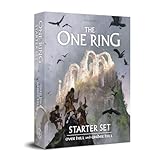
Overview: Free League’s The One Ring starter set captures Tolkien’s Middle-earth with reverent authenticity. Set in Eriador between The Hobbit and LOTR, it emphasizes journey, fellowship, and the struggle against encroaching shadow. The system uses unique D12 Feat Dice and D6 Success Dice bearing the Rune of Gandalf and Eye of Sauron, making every roll thematically resonant. This isn’t just D&D with Hobbits—it’s a distinct experience built around Tolkien’s themes.
What Makes It Stand Out: The journey mechanics transform travel into a compelling gameplay phase with its own risks and storytelling opportunities. The dice system elegantly balances narrative control with chance, while the pre-generated characters feel true to the lore. Free League’s award-winning design shines in the streamlined rules that capture Middle-earth’s unique tone—heroic but grounded, hopeful yet melancholic.
Value for Money: Priced around $45-50, this premium starter includes high-quality maps, standees, and the custom dice set. Comparable to other Free League starters, you’re paying for authentic theming and professional production. For Tolkien devotees, the fidelity to source material justifies every penny.
Strengths and Weaknesses: Strengths include unparalleled Middle-earth authenticity, innovative journey mechanics, and stunning visual design. The system perfectly captures the fellowship dynamic. Weaknesses involve niche appeal—the setting’s specific tone restricts campaign flexibility. The simplified rules may feel limiting for players wanting D&D-level complexity.
Bottom Line: The definitive Tolkien RPG experience. Essential for LOTR fans and superb for groups wanting narrative depth over tactical crunch. A premium product that honors its source material beautifully.
10. Dungeons & Dragons Starter Set

Overview: The Dungeons & Dragons Starter Set remains the default entry point into tabletop roleplaying for good reason. Designed for 4-6 players, it packages the world’s most popular RPG into an accessible, affordable box containing basic rules, pre-generated characters, dice, and the excellent Lost Mine of Phandelver adventure. This is the lingua franca of RPGs—learning D&D opens doors to the largest player community and most extensive content ecosystem.
What Makes It Stand Out: Lost Mine of Phandelver is arguably the best introductory adventure ever written, offering 20-30 hours of classic fantasy gameplay with a perfect learning curve. The unprecedented support network—online tools, countless YouTube tutorials, millions of players—means help is always available. D&D’s fifth edition rules strike an ideal balance between accessibility and depth for newcomers.
Value for Money: At $20-25, this is the budget champion. No starter set offers more hours-per-dollar or easier entry. The free Basic Rules PDF complements the physical components, making this genuinely everything needed to start. Competing products cost more while offering less content.
Strengths and Weaknesses: Strengths include unbeatable price, perfect tutorial adventure, massive community support, and universal familiarity. The system handles heroic fantasy exceptionally well. Weaknesses involve generic presentation compared to themed starters and occasional rule ambiguity that requires online clarification. The included dice set is basic.
Bottom Line: The undisputed best value for new RPG players. If you’re unsure where to start, start here. Lost Mine of Phandelver alone justifies the purchase, providing a masterclass in adventure design that remains enjoyable years after release.
Understanding RPG Starter Sets
What Makes a Great Starter Set?
A truly exceptional starter set functions like a patient dungeon master in a box. It anticipates beginner questions before they’re asked and provides answers through clear examples, visual aids, and structured learning. The best sets introduce mechanics gradually, letting players learn by doing rather than memorizing. They include a complete, satisfying adventure that showcases the game’s unique flavor while providing enough content for multiple sessions. Quality starter sets also contain physical components that make the abstract concrete—dice, maps, tokens, and character sheets that transform rules into tangible tools.
Core Components to Look For
Every worthwhile starter set should include several non-negotiable elements. The rulebook must be a streamlined version of the full game, not a confusing excerpt. Pre-generated characters save hours of preparation and let players jump straight into the action. A ready-to-run adventure module provides structure while demonstrating how campaigns typically flow. Physical dice are essential—even in our digital age, the tactile experience of rolling polyhedrals is fundamental to the hobby. Many sets also include reference cards, maps, and tokens that reduce the need for constant rulebook consultation.
Why Starter Sets Matter for Beginners
Starter sets eliminate the paradox of choice that paralyzes many newcomers. Instead of wondering which rulebook to buy first or how to build a balanced adventure, beginners receive a proven template for fun. These sets are designed to create a positive first impression, often including solo learning scenarios that let the prospective game master practice before the group arrives. They also represent a smaller financial commitment than buying core rulebooks, supplements, and accessories separately, making the hobby more accessible to curious players.
Key Features to Evaluate
Rulebook Clarity and Accessibility
The included rulebook should read more like an engaging tutorial than a technical manual. Look for conversational language, plentiful examples, and a logical progression from basic concepts to more complex mechanics. Visual learners benefit from diagrams, flowcharts, and annotated character sheets that illustrate how rules work in practice. The best rulebooks include a “quick start” section that gets you playing within minutes, with deeper rules explained as they become relevant during the adventure.
Pre-Generated Characters
Quality pre-gens do more than save time—they teach game mechanics through design. Each character should highlight different aspects of the system, from combat prowess to social skills to magical abilities. Good starter sets provide character backgrounds that hook into the included adventure, giving players immediate motivation and role-playing prompts. The sheets themselves should be annotated with helpful reminders about what each number means and when to use specific abilities.
Adventure Module Quality
The included adventure serves as your masterclass in game design. It should be structured to introduce rules naturally, with early encounters teaching combat basics and later scenes exploring advanced mechanics. Look for clear maps, helpful sidebars with game master tips, and flexibility to accommodate different player choices. The story needs to be compelling enough to engage veterans yet simple enough that newcomers can follow along without getting lost in complex plot threads.
Dice and Physical Components
Physical components transform learning into a multi-sensory experience. Beyond standard polyhedral dice, quality sets include specialty dice unique to their system. Cardstock reference sheets, initiative trackers, and condition markers reduce cognitive load during play. Maps should be dry-erase compatible or printed on sturdy material that survives repeated use. These tangible elements make the game feel real and reduce the abstract nature of rules mathematics.
Solo Learning Options
The best starter sets acknowledge that many first-time game masters will be learning alone before teaching others. Solo scenarios or “learn-as-you-play” modules let you experience both sides of the screen, understanding player needs while grasping game master responsibilities. These self-guided tutorials often include “what would you do?” moments that prepare you for actual player unpredictability.
Genre Considerations
Fantasy Adventures
Fantasy remains the gateway genre for most RPG newcomers, offering familiar tropes from literature and film. Starter sets in this category should provide classic experiences—heroic quests, magical treasures, and monstrous foes—while adding unique twists that distinguish them from competitors. Look for settings that balance familiar comfort with fresh creativity, and systems that handle both combat and social encounters with equal care.
Sci-Fi Expeditions
Science fiction starter sets face the challenge of explaining technology that might be more complex than magic. The best ones ground their setting in relatable concepts before introducing advanced tech rules. They should include tools for handling space travel, futuristic combat, and alien interactions without overwhelming players with hard science. The included adventure often works best when it starts planetside before expanding to cosmic scales.
Horror and Mystery
Horror RPGs require a delicate touch in starter format. The set must teach mechanics for building tension, handling investigation, and managing character sanity or fear without spoiling the atmosphere. Look for adventures that emphasize mood and pacing over combat, with tools for creating suspense that work even when players know they’re learning a game. The best horror starters include safety tools discussions, crucial for this emotionally intense genre.
Superhero Action
Superhero games need to capture the power fantasy while providing structure for creative abilities. Starter sets should include flexible power-creation guidelines that let players feel unique without requiring exhaustive rules knowledge. The adventure needs to balance civilian life with heroic action, teaching players when to use powers and when subtlety serves better. Look for systems that handle power scaling elegantly, letting beginners feel mighty without becoming overwhelmed by options.
Historical Settings
Historical RPGs offer educational value alongside entertainment, but starter sets must balance accuracy with playability. The best ones provide enough historical context to set the scene without turning into textbooks. They should highlight how the era’s technology and social structures create different challenges than fantasy settings. Adventures often work best when they blend real historical events with fictional excitement, teaching both history and game mechanics simultaneously.
Group Dynamics and Player Count
Finding the Right Fit for Your Party Size
Different systems shine with different group sizes. Some starter sets explicitly design their included adventure for exactly four players plus a game master, while others offer scaling advice for smaller or larger groups. Consider your actual gaming circle when evaluating sets—a product perfect for duet play won’t serve a party of six, and vice versa. The best sets include guidance on adjusting difficulty and spotlight time based on player count.
Age Appropriateness
Starter sets exist for every age group, from young children to adult-only horror experiences. Evaluate the reading level required for rulebooks, the complexity of character decisions, and the maturity of adventure themes. Family-friendly sets should include safety tools appropriate for younger players and clear guidance for parents running games. Adult-oriented sets need to clearly communicate their content warnings while still being accessible to RPG newcomers.
Game Master Experience Requirements
Some starter sets assume zero experience, providing hand-holding tutorials for first-time GMs. Others work better if someone at the table has basic RPG knowledge to guide the group. Be honest about your group’s experience level—choosing a set that matches your learning curve prevents frustration. Look for products that explicitly state their target audience, whether that’s “absolute beginners” or “new to this system but familiar with RPGs.”
Budget and Value Assessment
Price vs. Content Ratio
Starter sets range from budget-friendly introductions to premium experiences that could serve as complete games. Calculate the cost per session—the best values provide months of entertainment before requiring additional purchases. Compare what’s included against buying components separately; sometimes a set saves money, while other times you’re paying for convenience. Consider whether digital components or online tools add value beyond the physical contents.
Expandability and Longevity
A great starter set should feel like a beginning, not a dead end. Investigate whether the set includes a clear path to the full game, with rules that transition smoothly rather than requiring complete relearning. Some sets function as complete standalone experiences, perfect for groups who want a contained campaign. Others serve as loss leaders, designed to hook you into a larger product line. Neither approach is inherently better, but know which you’re buying.
Digital vs. Physical Copies
Many modern starter sets offer digital components or codes for online platforms. These can provide incredible value through interactive character sheets, digital dice rollers, and virtual tabletops. However, physical components create a different, often more memorable first experience. Consider your group’s preferences and playing environment—online play might necessitate digital tools, while in-person gatherings benefit from tangible elements.
Getting Started Tips
Setting Up Your First Session
Preparation determines first impression success. Read through the entire adventure before gathering players, noting where rules are introduced and what materials you’ll need. Prepare a comfortable playing space with good lighting and minimal distractions. Set expectations clearly—explain that everyone is learning together and that mistakes are part of the fun. Have snacks ready and plan for a slightly longer session than the adventure suggests, as learning takes time.
Learning the Rules Together
The most successful first sessions treat rule learning as a collaborative activity. Start with a brief explanation of core concepts, then learn finer points as they arise during play. Encourage players to ask questions, but keep answers brief to maintain momentum. Use the starter set’s reference materials actively—pass around condition cards or ability reference sheets so everyone participates in finding answers. Consider running a short, low-stakes combat or skill challenge before the main adventure begins.
Creating the Right Atmosphere
Starter sets provide the rules, but atmosphere transforms a game into an experience. Use background music that fits your genre, dim lights for horror or light candles for fantasy. Encourage players to speak in character, but don’t pressure anyone uncomfortable with performance. Take breaks when energy lags, and end sessions at exciting moments to build anticipation. Remember that the starter set is a tool, not a constraint—feel free to add personal touches that make the story yours.
Frequently Asked Questions
What’s the difference between a starter set and the full game?
Starter sets include streamlined rules, pre-made characters, and a complete adventure designed for beginners. They teach through play rather than requiring upfront rule mastery. Full games offer complete rulebooks with all options, character creation systems, and open-ended campaigns requiring more preparation.
How many people do I need to play an RPG starter set?
Most starter sets work best with one game master and three to five players. Many include specific advice for adjusting the adventure for different group sizes. Some sets even support solo play or one-on-one sessions, though the experience differs from traditional group play.
Can I create my own characters with a starter set?
Most starter sets focus on pre-generated characters to get you playing immediately. Some include basic character creation rules, while others reserve that for the full game. Pre-gens let you learn the system before tackling the complexity of building characters from scratch.
How long does a typical starter set adventure take?
Most included adventures provide three to five sessions of play, each lasting three to four hours. Some offer shorter one-shot experiences, while others provide enough content for months of weekly games. The product description usually estimates playtime.
Do I need to be good at math to play these games?
Modern RPGs minimize complex math, and starter sets simplify calculations even further. Most require only basic addition and subtraction. Many include reference tables and ability cards that do the heavy lifting. The focus is on storytelling rather than number crunching.
What if my group has mixed experience levels?
Choose a starter set designed for absolute beginners. Experienced players can enjoy the included adventure while helping newcomers learn. Many sets include “advanced” options that let veterans add complexity without overwhelming new players.
Are digital or physical starter sets better?
This depends on your playing style. Physical sets create a tangible, memorable first experience and work without electricity. Digital sets often cost less, include interactive tools, and integrate with online play platforms. Many modern sets offer both.
How much should I expect to spend?
Quality starter sets typically range from $20 to $50, with premium sets costing more. This usually represents significant savings over buying components separately. Consider it an investment in a hobby that provides dozens of hours of entertainment.
Can I run a starter set adventure multiple times?
Yes, though the experience changes. The game master can modify encounters, adjust story elements, and create new challenges. However, the core surprises and plot twists lose impact after the first playthrough. Many groups use starter sets to learn, then move to full games.
What happens after we finish the starter set?
Most sets include guidance on transitioning to the full game rules. You can continue the story using expanded rules, create new characters in the same world, or start fresh with a different system. The best starter sets leave you excited for more adventures, not abandoned at the end.
See Also
- 10 Best Role-Playing Game Starter Sets for Beginners This Year
- 10 Best Value Role-Playing Game Dice Sets for Gamers on a Budget in 2026
- The 10 Most Revolutionary Role-Playing Game Starter Sets of 2026
- 10 Essential Role-Playing Game Starter Sets Every New Group Needs in 2026
- 10 Best Budget Role-Playing Game Starter Sets Under $30 for New Players