Table of Contents
The thrill of cracking a complex cipher under pressure, the satisfaction of connecting seemingly unrelated clues, and the collective gasp when your team finally unlocks the solution—these moments define the escape room experience. But what happens when you want to recreate that adrenaline-fueled collaboration without booking another expensive session or traveling to a physical location? The tabletop gaming world has evolved dramatically to capture that same magic, transforming living rooms into immersive puzzle chambers where every card flip and dice roll could be the key to your collective victory.
As we look toward 2026, the intersection between escape room enthusiasm and cooperative board gaming has never been more exciting. Game designers are pushing boundaries with innovative mechanics that mirror the best aspects of physical escape rooms while leveraging the unique advantages of tabletop play. Whether you’re a seasoned escapologist seeking new challenges or a board game newcomer drawn to the genre’s social problem-solving appeal, understanding what makes these games tick will help you build a collection that delivers endless “aha!” moments without ever needing to reset a physical lock.
Top 10 Cooperative Board Games
Detailed Product Reviews
1. Gamewright - Forbidden Island - Cooperative Strategy Survival Board Game, 2-4 Players
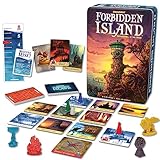
Overview: Forbidden Island is Matt Leacock’s gateway cooperative game where 2-4 players race against time to collect four sacred treasures from a sinking island. Players work together to shore up flooded tiles, trade cards, and escape via helicopter before the island vanishes beneath the waves. It’s designed for ages 10+ and serves as an excellent introduction to cooperative gaming.
What Makes It Stand Out: The innovative sinking island mechanic creates rising tension as tiles physically disappear from the board. Unlike competitive games, Forbidden Island fosters genuine teamwork through its card-collection and action-point system. The beautifully illustrated tiles and treasures make each session visually engaging, while the adjustable difficulty levels ensure it grows with your group’s experience.
Value for Money: Priced under $20, Forbidden Island delivers exceptional value. The quality of components—including thick cardboard tiles, plastic figurines, and metal treasures—rivals games twice its price. Compared to pricier co-ops like Pandemic, it offers 80% of the strategic depth at half the cost, making it an unbeatable entry point.
Strengths and Weaknesses: Strengths: Easy-to-learn rules (10-minute teach), quick 30-minute playtime, high replayability through difficulty scaling, fosters genuine collaboration, and serves as a perfect stepping stone to heavier co-ops. The physical sinking mechanic creates memorable moments. Weaknesses: Can feel repetitive after 20+ plays, luck of the draw heavily influences difficulty, and experienced gamers may outgrow its strategic depth quickly. The treasure cards can feel abstracted from the theme.
Bottom Line: Forbidden Island remains the gold standard for gateway cooperative games. It’s an essential purchase for families and newcomers, offering tense, collaborative gameplay that consistently delivers memorable experiences.
2. Pandasaurus Cooperative Strategy Card Game - Fun Interactive Family Game for Ages 8+, 1-5 Players, 20 Minute Playtime
Overview: “The Game” is a deceptively simple cooperative card game where 1-5 players must discard all cards from two decks onto four piles in ascending and descending order. With strict communication limits, players must intuitively synchronize strategies to prevent being unable to play. Its 20-minute playtime and universal appeal make it an instant table staple.
What Makes It Stand Out: The genius lies in its communication restrictions—players cannot explicitly state their cards, creating delicious tension and non-verbal teamwork. This Spiel Des Jahres-nominated design transforms simple card play into a psychological puzzle. The game’s addictive “just one more round” quality and scalable difficulty make it infinitely replayable.
Value for Money: At around $10-15, “The Game” is a steal. Its compact box and minimal components belie tremendous replay value. With over 1.3 million copies sold, it’s proven its worth across countless sessions. Compared to larger box games, it delivers more plays per dollar than nearly any competitor.
Strengths and Weaknesses: Strengths: Lightning-fast setup, truly portable, works brilliantly from 1-5 players, scales perfectly with age groups, and creates intense cooperative moments. The silent communication mechanic is innovative and fosters unique player dynamics. Weaknesses: Minimal theme and artwork may underwhelm some players, high frustration potential when sequences fail, and the base game can feel limited without expansions. Some groups may struggle with the communication constraints.
Bottom Line: An essential filler game that belongs in every collection. Perfect for travel, quick sessions, and building non-verbal teamwork skills. Simple rules, profound depth.
3. Ravensburger Horrified Games - Greek Monsters - Strategy Board Game - Boost Critical Thinking & Teamwork - Cooperative Gameplay - Unique Monster Challenges - 1 to 5 Players - Adults & Kids 10+

Overview: Horrified: Greek Monsters pits 1-5 heroes against six legendary beasts—Medusa, Cerberus, Chimera, and more—in a 60-minute tactical battle. Players navigate the monster-infested isle, completing unique objectives to defeat each creature while managing resources and time. The game blends mythology with strategic depth for ages 10+.
What Makes It Stand Out: Each monster features completely distinct victory conditions and behaviors, creating six games in one. The variable setup allows mixing monsters for fresh challenges every session. Stunning artwork and detailed miniatures immerse players in Greek mythology, while the Labyrinth and Underworld Door mechanics add spatial puzzle elements rarely seen in co-ops.
Value for Money: At $35-40, Horrified Greek Monsters justifies its price through exceptional production values and content variety. The six monster mats, detailed figures, and modular board offer more scenarios than many $50+ games. It matches its Universal Monsters predecessor while adding deeper strategic layers.
Strengths and Weaknesses: Strengths: Incredible thematic integration, high replayability through monster combinations, excellent solo mode, teaches critical thinking and teamwork, and components are museum-quality. The unique monster challenges prevent gameplay staleness. Weaknesses: Complex setup with many moving parts, longer playtime may not suit casual groups, requires significant table space, and rulebook can be dense for younger players. Some monsters feel harder to balance than others.
Bottom Line: A premium co-op that rewards strategic thinking and mythology fans. Best for groups seeking depth beyond gateway games. Beautiful, challenging, and endlessly replayable.
4. Happy Camper - The Four Doors | Cooperative Game by Pandemic and Forbidden Island Creator | Super Portable | Great for Solo Play, Two Players, and Groups
Overview: From Matt Leacock comes Happy Camper: The Four Doors, a 30-minute portable co-op for 1-5 players ages 10+. Adventurers explore a mystical light tower, rolling dice to unlock four doors and retrieve treasures before shadows seal them forever. Its compact design makes it ideal for travel, camping, or quick game nights.
What Makes It Stand Out: The super-portable tin box fits in a pocket, yet contains a full co-op experience. The dice-driven exploration creates push-your-luck tension, while the four unique doors require different strategies to unlock. It’s one of the few travel games that doesn’t compromise on meaningful decisions, maintaining Leacock’s signature escalating threat system in a micro package.
Value for Money: At $25-30, you’re paying a slight premium for portability, but it’s justified. Unlike most travel games that are filler-quality, Happy Camper delivers genuine strategic depth. It replaces several lighter travel games in one package, making it cost-effective for frequent travelers.
Strengths and Weaknesses: Strengths: Unmatched portability, quick 30-minute playtime, excellent solo mode, easy to teach, dice mitigation offers strategic choices, and the tin packaging is durable. Perfect for hotels, camping, and cafes. Weaknesses: Lighter than Leacock’s heavier titles, dice luck can frustrate strategists, small components are easy to lose, and the shadow track can feel abstract. Not a replacement for Pandemic-level depth.
Bottom Line: The ultimate travel co-op. While lighter than its siblings, it delivers authentic collaborative tension in a package you can take anywhere. Essential for gamers on the move.
5. Flow: The Official Cooperative Board Game | Strategy Game for 1–4 Players Ages 8+ | Based on The Award-Winning Animated Film | Family & Solo Play | Survive The Flood, Rescue Allies
Overview: Based on the acclaimed animated film, Flow is a real-time cooperative game for 1-6 players ages 8+. As a great flood engulfs the world, players must quickly navigate a modular board, rescue animal allies, and survive rising waters. Scenarios create unique challenges in this 45-minute test of teamwork under pressure.
What Makes It Stand Out: The real-time mechanic with a sand timer creates genuine urgency, forcing snap decisions and constant communication. The dynamic flooding system physically alters the board each turn, while 11 scenario cards provide distinct objectives. This transforms each session into a frantic, emotional journey that mirrors the film’s themes of adaptation and cooperation.
Value for Money: At $40-45, Flow sits in the premium tier, but delivers unique value. The real-time innovation, 11 scenarios, and high-quality tiles justify the cost. There’s simply no other co-op that blends this film’s artistic vision with such intense, time-pressured gameplay.
Strengths and Weaknesses: Strengths: Innovative real-time tension, strong thematic connection to the film, excellent solo mode, high replayability through scenarios, beautiful artwork, and teaches adaptive thinking. The rising water mechanic is mechanically brilliant. Weaknesses: Real-time pressure isn’t for everyone, can cause analysis paralysis despite timer, setup is involved for a timed game, and requires engaged players. Some scenarios feel significantly harder than others.
Bottom Line: A unique, emotionally resonant co-op that shines with groups who thrive under pressure. Not for the timid, but unforgettable for the right players. Film fans and co-op enthusiasts should not miss it.
6. Spin Master Games, SolidRoots Escaping Extinction, Cooperative Strategy Board Game from The Makers of Mind The Gap, Easter Gift, 1-4 Players, for Ages 12 & Up

Overview: Escaping Extinction puts players in the scaly feet of dinosaurs racing against time to build a 3D rocket and flee Earth before a meteor strikes. This cooperative strategy game from Spin Master supports 1-4 players aged twelve and up, combining tile-laying exploration with mission-based objectives. Players must work together to navigate a prehistoric landscape, complete missions, and collect rocket components while the clock ticks down.
What Makes It Stand Out: The dinosaur survival theme offers a refreshing twist on cooperative gameplay, moving beyond typical zombie or fantasy scenarios. The 3D rocket construction provides a tangible sense of progression, while earthquake cards dynamically alter the board mid-game, forcing strategic adaptation. The tile-based board ensures exceptional replayability with unique layouts each session. As a product from the makers of Mind The Gap, it carries pedigree for family-friendly yet engaging design.
Value for Money: Priced competitively with mid-range hobby games, Escaping Extinction delivers substantial value through its variable board, quality components, and multiple difficulty levels. It offers more replayability than many gateway co-op games, making it a smarter long-term investment than cheaper, linear alternatives. The Easter gift positioning adds seasonal appeal without premium pricing.
Strengths and Weaknesses: Strengths include innovative theme, high replayability, scalable difficulty, and strong component quality. The solo mode adds versatility. Weaknesses involve potential analysis paralysis with earthquake events, moderate complexity that may challenge younger players despite the age rating, and theme specificity that might not appeal to all groups.
Bottom Line: Escaping Extinction is an excellent choice for families seeking a cooperative game with personality and depth. Its dynamic mechanics and unique premise make it a worthy addition to any board game collection, particularly for dinosaur enthusiasts.
7. Peaceable Kingdom Race to the Treasure! Cooperative Path Building Game for 2 to 4 Kids Ages 5+

Overview: Race to the Treasure! is an award-winning cooperative path-building game designed specifically for young children ages five and up. Two to four players collaborate to construct a path from start to finish, racing against an Ogre to reach the treasure first. The game requires no reading, making it accessible to pre-literate players while introducing basic strategy and social development skills through teamwork.
What Makes It Stand Out: This game excels in its developmental design, winning the Oppenheim Toy Portfolio Platinum Award and PAL Seal of Approval. The frustration-free packaging demonstrates thoughtful consideration for young users and parents alike. Its core mechanic of collective path-building rather than competition fosters positive social interaction. The simple dice and grid system teaches spatial reasoning and planning without overwhelming complexity.
Value for Money: As an entry-level children’s game, it offers excellent value for money. The price point is comparable to quality educational toys rather than hobby board games, making it an affordable investment in developmental play. Its durable components withstand repeated use by young children, extending its value beyond many disposable entertainment options.
Strengths and Weaknesses: Strengths include accessibility for non-readers, proven educational value, quick setup, and positive cooperative messaging. The frustration-free packaging is a practical bonus. Weaknesses are limited replayability for older children, simplicity that may not engage adults, and a luck-based system that offers minimal strategic depth for advanced young gamers.
Bottom Line: Race to the Treasure! is the ideal gateway cooperative game for preschool and early elementary children. It successfully balances education with entertainment, making it a must-have for families with young kids learning to play together.
8. Castle Panic 2nd Edition | Cooperative Board Game for Adults and Family | Ages 8+ | for 1 to 6 Players | Average Playtime 45 Minutes | Made by Fireside Games

Overview: Castle Panic 2nd Edition is a tower defense board game where 1-6 players collaborate to defend Castle Bravehold from encroaching monsters. With a 45-minute playtime and age rating of eight and up, it combines accessible mechanics with strategic depth. Players trade cards, coordinate defenses, and adapt to plagues, boulders, and boss monsters attacking from all sides, with at least one tower required to survive.
What Makes It Stand Out: Four distinct game modes—Co-op, Solo, competitive Master Slayer, and asymmetric Overlord—provide exceptional versatility in a single box. The 3D towers and vibrant monster tokens enhance table presence, while the variable monster deck ensures unpredictable challenges. This edition refines the original with improved components and balances, making it ideal for mixed-experience groups seeking both accessibility and replayability.
Value for Money: The multiple gameplay modes effectively deliver several games in one package, offering superior value compared to single-mode co-op games. Its broad player count (1-6) eliminates the need for separate solo or small-group titles. Component quality and the 45-minute runtime maximize engagement without overstaying its welcome, justifying its mid-range price point.
Strengths and Weaknesses: Strengths include versatile player count, multiple modes, easy-to-learn rules, and satisfying strategic decisions. The solo mode is robust. Weaknesses involve potential quarterbacking in co-op mode, luck of card draws affecting difficulty, and base gameplay that may feel repetitive after numerous sessions without expansions.
Bottom Line: Castle Panic 2nd Edition is a reliable, flexible choice for family game nights. Its varied modes and scalable complexity make it particularly valuable for households with diverse ages and gaming experience levels.
9. The Lord of The Rings: Adventure to Mount Doom | Family Game | Cooperative Game | Strategy Game

Overview: The Lord of the Rings: Adventure to Mount Doom translates Tolkien’s epic journey into a cooperative strategy game for up to four players or solo play. Participants guide Frodo across Middle-earth, rolling dice and drawing cards to evade Ringwraiths while completing the quest to destroy the One Ring. With approximately 50 minutes of playtime, it offers a streamlined, thematic experience that immerses players in the beloved fantasy universe.
What Makes It Stand Out: The game captures LOTR’s narrative essence through its journey-based structure, making it more story-driven than many abstract co-op games. Solo capability is seamlessly integrated, appealing to fans seeking solitary Middle-earth adventures. The dice-and-card system creates tension without complex rules, prioritizing thematic immersion over mechanical heaviness. Its accessibility makes it suitable for families with mixed familiarity with the source material.
Value for Money: As a licensed property, it delivers fair value by combining recognizable IP with functional gameplay. While not as deep as premium hobby games, its price reflects family-game positioning rather than hardcore strategy. For Tolkien fans, the thematic authenticity alone justifies the cost, though non-fans may find better mechanical depth elsewhere at similar prices.
Strengths and Weaknesses: Strengths include strong thematic integration, accessible rules, effective solo mode, and quality artwork. It’s an excellent introduction to cooperative gaming. Weaknesses are high luck dependency, limited strategic depth for experienced gamers, and a constrained player count that excludes larger groups.
Bottom Line: Adventure to Mount Doom serves LOTR fans and families seeking light cooperative play admirably. While it won’t satisfy strategy purists, its narrative charm and accessibility make it a worthy addition for thematic gaming nights.
10. Pressman The Oregon Trail Card Game - Cooperative Gameplay Based on The Classic Computer Game, Ages 12 and Up, 2-6 Players

Overview: Pressman’s Oregon Trail Card Game revives the beloved 8-bit computer classic as a cooperative survival card game for 2-6 players aged twelve and up. Players form a wagon party, working together to endure the perilous journey westward. The game embraces its source material’s notorious difficulty through gruesome diseases and calamities, presenting them with retro artwork and cheeky humor that transforms potential frustration into shared laughter.
What Makes It Stand Out: The nostalgia factor is unparalleled for anyone who experienced the original computer game. The 8-bit art style authentically captures the retro aesthetic, while the cheeky humor surrounding dysentery and other grim fates creates a uniquely dark comedic tone. Cooperative gameplay emphasizes collective survival rather than individual victory, perfectly mirroring the wagon party concept. The simple card-driven system makes it instantly accessible.
Value for Money: As an affordable card game, it offers excellent value for nostalgic gamers and those seeking light, humorous co-op experiences. The price point is comparable to party games rather than heavy strategy titles, making it a low-risk purchase. While component simplicity keeps costs down, the thematic experience delivers memorable sessions that justify the investment.
Strengths and Weaknesses: Strengths include powerful nostalgia, humorous presentation, broad player count, and quick setup. The brutal difficulty creates memorable moments. Weaknesses involve high randomness that can feel unfair, potential frustration from unavoidable deaths, and limited strategic depth beyond hand management. Dark humor may not suit all audiences.
Bottom Line: The Oregon Trail Card Game is a delightful tribute that succeeds through humor and nostalgia. Perfect for fans of the original or groups who enjoy challenging, lighthearted cooperative games with a retro twist.
Understanding the Escape Room Board Game Appeal
The Psychology of Puzzle-Solving Satisfaction
Escape room enthusiasts share a unique psychological profile—they crave tangible progress, immediate feedback, and narrative closure. Cooperative board games designed for this audience tap into the same dopamine triggers that make physical escape rooms addictive. The best titles create what psychologists call “flow state” opportunities, where challenge level perfectly matches player skill, creating those magical hours where time seems to vanish. These games reward pattern recognition, lateral thinking, and collaborative communication, activating multiple cognitive pathways simultaneously.
Key Overlapping Elements Between Escape Rooms and Tabletop Games
The most successful escape room board games replicate core elements that fans expect: a clear objective with stakes that escalate, multiple puzzles running concurrently, and a sense of urgency that keeps everyone engaged. Unlike competitive games where players might disengage when falling behind, cooperative designs maintain tension through shared jeopardy. The tabletop format actually enhances certain aspects—puzzles can be more complex without physical space limitations, hint systems can be more sophisticated, and the experience becomes infinitely replayable for different groups.
Why Cooperative Play Matters for This Genre
Competitive puzzle-solving often devolves into solo players hoarding information, but cooperative mechanics force constant communication and collective decision-making. This mirrors the essential dynamic of physical escape rooms, where success depends on sharing discoveries in real-time. The social contract of cooperative play also reduces quarterbacking (one player dominating) through clever design elements like limited communication rules or simultaneous action phases that require independent thinking within a team framework.
Essential Features to Evaluate Before Buying
Complexity Level and Learning Curve Considerations
The sweet spot for escape room enthusiasts typically falls in the medium-weight complexity range—games that require 15-20 minutes to teach but offer depth that reveals itself over multiple sessions. Overly simple games feel like children’s activities, while excessively complex rulebooks kill momentum before the first puzzle appears. Look for titles with tutorial scenarios or progressive rule introduction that let your group learn while playing rather than sitting through lengthy explanations.
Game Duration and Session Length Management
Physical escape rooms typically run 60 minutes, creating an intense, focused experience. Board games offer more flexibility, but the best ones for this audience respect that timeframe. Consider your group’s stamina—some games deliver complete experiences in 45-90 minutes, while others offer campaign-style play with 30-minute episodes. The key is matching the game’s arc to your available time; nothing deflates excitement like a three-hour session that should have ended after 90 minutes.
Player Count Flexibility and Scalability
Escape rooms typically accommodate 4-8 players, and your board game collection should offer similar versatility. The ideal titles scale gracefully from 2-6 players without losing puzzle integrity. Some games achieve this through parallel puzzle tracks that activate at different player counts, while others use adjustable difficulty modules. Be wary of games that claim to work for 1-6 players but really shine only at a specific number—versatility ensures your collection works for intimate date nights and larger party gatherings.
Replayability Value and Content Longevity
A common concern with puzzle games is the “one-and-done” problem. The best escape room board games combat this through procedural generation, multiple scenario paths, or component-based puzzles that change solutions each playthrough. Consider whether a game offers expansion content, community-created scenarios, or legacy-style campaigns that evolve with your group. A game’s value proposition increases exponentially when you can reset it for new players or discover fresh challenges on subsequent plays.
Physical Components and Tactile Experience
Escape room fans love manipulating physical objects—keys, locks, strange devices. The tactile quality of board game components can either enhance or break immersion. Games with high-quality, app-integrated, or three-dimensional pieces often deliver stronger experiences than card-only affairs. Weighty tiles, custom dice with symbols, or interactive game boards that physically change create the hands-on satisfaction that digital escape rooms can’t replicate. However, component density should serve gameplay, not just sit as eye candy.
Popular Mechanics That Resonate with Escape Room Fans
Deduction and Logic Puzzle Integration
Pure logic puzzles form the backbone of most escape room experiences, and board games translate these beautifully through deduction grids, pattern-matching challenges, and information synthesis tasks. The key difference is how information gets revealed—through card draws, dice results, or app interactions. Effective games layer multiple deduction threads simultaneously, allowing different players to own different puzzle lines before connecting them in a climactic revelation. This prevents the downtime that plagues slower deductive games.
Narrative-Driven Campaign Structures
Modern escape room enthusiasts expect stories, not just puzzle collections. Campaign games deliver episodic narratives where each session builds on previous discoveries, creating investment beyond individual puzzles. These structures allow for character development, plot twists, and world-building that single-session games can’t achieve. The narrative thread also provides natural hint integration—story characters can “help” players without breaking immersion, and plot momentum keeps groups returning to see what happens next.
Progressive Hint Systems and Accessibility
Nothing kills escape room momentum like getting stuck. Sophisticated board games implement tiered hint systems that preserve the “aha!” moment while preventing frustration. Some use app-based hints that adapt to your group’s progress, while others embed clues within the game components themselves. The best systems offer multiple hint levels—nudges that point you in the right direction versus full solutions—letting groups control their difficulty and maintain dignity when stumped.
Time-Based Pressure Mechanics
While not all escape room board games use literal timers, effective ones create temporal pressure through escalating threats, resource depletion, or advancing enemy tracks. This mimics the adrenaline of a ticking clock without the sometimes-artificial feel of a sand timer. Some games use soundtracks with audio cues, others have turn limits that create natural urgency. The pressure should feel motivating, not punishing—good design makes every decision feel consequential without causing analysis paralysis.
Hidden Information and Discovery Elements
The joy of finding a secret compartment or hidden message drives escape room excitement. Board games replicate this through envelope systems, card compartments, or components that reveal themselves mid-game. Some titles use “search” mechanics where players physically examine game boards for clues, while others have modular boards where flipping a tile changes the entire puzzle landscape. This element of surprise keeps even seasoned players on their toes and rewards thorough exploration over rushing to solutions.
Creating the Ultimate Game Night Atmosphere
Environmental Setup and Immersion Techniques
Transforming your dining room into a puzzle chamber amplifies the experience dramatically. Dim lighting, thematic background music, and even simple costume accessories signal to your brain that this is special. Some groups designate a “game master” who reads narrative sections dramatically, while others ban phones to maintain focus. The physical arrangement matters too—circular seating promotes discussion, while having a central table space for shared components encourages collaboration over individual hoarding.
Snack and Beverage Strategies for Extended Play
Escape room sessions demand mental stamina, and the right refreshments can maintain energy without creating sticky components. Avoid greasy finger foods that damage cards; instead opt for toothpick-friendly appetizers, pre-portioned snacks in cups, or beverages with secure lids. Some enthusiasts create thematic menus—“laboratory” drinks in beakers or “ancient temple” snacks. The key is minimizing game disruption while keeping brains fueled for complex problem-solving.
Post-Game Debrief and Discussion Practices
The debrief is sacred in escape room culture, and board games deserve the same treatment. Allocating 15-20 minutes after gameplay for group analysis strengthens social bonds and improves future performance. Discuss which puzzles felt satisfying, where communication broke down, and what strategies worked. This reflection transforms a fun activity into a learning experience and helps groups identify which game types to pursue next. Some groups keep a journal of their sessions, tracking progress and memorable moments.
Common Pitfalls to Avoid When Building Your Collection
Overlooking Rule Clarity and Instruction Quality
A gorgeous game with ambiguous rules creates more frustration than fun. Before purchasing, research how clearly the rulebook explains complex interactions and whether tutorial videos exist. Games with active online communities often have fan-created resources that clarify official instructions. Poor rulebooks lead to mid-game arguments and broken immersion—exactly what escape room fans want to avoid. Look for publishers known for iterative rule improvements and responsive FAQ support.
Ignoring Storage and Organization Challenges
Escape room board games often contain dozens of cards, tokens, and unique components. Without thoughtful storage, setup becomes a chore that discourages play. Evaluate whether a game includes adequate inserts or if the community has created third-party solutions. Some games require extensive sorting between sessions; others reset automatically. Consider your tolerance for organization work—a game that takes 30 minutes to sort may never hit your table, no matter how brilliant its puzzles.
Misjudging Your Group’s Preferences and Skill Levels
The most common collection mistake is buying games that match your personal skill level but alienate your regular group. A game that’s perfect for two expert puzzlers might completely stump a casual family gathering. Assess your core players’ patience for complexity, their tolerance for failure, and their interest in theme versus pure mechanics. Building a diverse collection that scales across skill levels ensures you’ll always have something appropriate, rather than a shelf of intimidating boxes that never get opened.
Frequently Asked Questions
What makes a board game feel like an escape room experience?
The essential elements include cooperative puzzle-solving, a clear objective with progressive revelation, time pressure or escalating stakes, and narrative immersion. The best games create moments where disparate clues suddenly connect, triggering that signature “aha!” feeling escape room fans crave.
How do I choose between a one-shot game and a campaign-style game?
One-shot games work best for groups with irregular schedules or who enjoy variety, while campaign games suit consistent groups who value ongoing narrative and character progression. Many enthusiasts maintain both types—one-shots for game nights with mixed company, campaigns for their core puzzle team.
Are app-integrated board games worth the extra setup?
App integration can enhance immersion through sound effects, timer mechanics, and adaptive hint systems, but it adds a technology dependency. The best app-enhanced games use digital tools to streamline bookkeeping while keeping physical puzzles central. Consider your group’s comfort with screens at the table.
Can these games be played solo effectively?
Many escape room board games include solo variants, but the experience fundamentally changes without collaborative discussion. Solo play suits methodical puzzlers who enjoy contemplative problem-solving, while groups benefit from diverse thinking approaches. Some games offer true solo experiences; others feel like a diminished version of the multiplayer game.
How do I prevent one dominant player from solving everything?
Look for games with limited communication rules, simultaneous action phases, or hidden information that forces independent thinking. Rotating the “team leader” role or implementing house rules about discussing solutions before proposing them can also distribute agency more evenly.
What’s the ideal group size for these types of games?
Most shine with 3-4 players—enough for diverse perspectives without overwhelming decision-making. Two-player sessions can feel intense and intimate, while five or six players risk downtime and diluted participation. Many games include scaling mechanisms that activate different content at various player counts.
How important is replayability in escape room board games?
High replayability significantly increases value, especially for games in the $40-60 range. Procedural generation, multiple scenarios, or community-created content extend lifespan. However, some one-play experiences deliver such memorable moments that they justify the cost, particularly if you plan to share them with multiple friend groups.
Should I start with simpler games or jump into complex ones?
Begin with medium-complexity titles that teach core mechanics through play. Overly simple games may disappoint, while brutal complexity can discourage future attempts. Many successful groups start with a “gateway” game that builds confidence, then graduate to more intricate systems once they’ve developed shared problem-solving language.
How do I store games with lots of spoilers and hidden content?
Use opaque bags, numbered envelopes, or dedicated storage boxes to separate revealed from unrevealed components. Some players create “reset kits” with checklists for returning games to their original state. Digital photography of initial setups can help you reconstruct the unspoiled configuration for future plays or new groups.
What’s the best way to introduce these games to non-gamers?
Frame it as a social activity rather than a “game night.” Start with a strong thematic hook that matches their interests, and emphasize cooperation over competition. Play the first session with open information and unlimited hints to build confidence. The goal is creating a positive association with collaborative problem-solving, not winning or achieving a perfect score.
See Also
- The 10 Best Cooperative Board Games for Escape Room Enthusiasts in 2026
- Top 10 Best Escape Room Board Games for Family Game Night in 2026
- 10 Must-Have Themed Board Games for Escape Room Lovers in 2026
- 10 Premium Escape Room Board Games for True Enthusiasts (Worth the Investment)
- 10 Expert-Recommended Escape Room Board Games for Teens in 2026