Table of Contents
There’s something uniquely magical about gathering around a table, maps unfurled and dice at the ready, knowing your collective wits are the only thing standing between your team and utter disaster. Cooperative board games transform players from competitors into comrades, forging shared stories of narrow escapes, brilliant strategies, and the occasional hilarious misstep that becomes legend. For explorers—those who crave the thrill of uncharted territories, ancient mysteries, and collaborative problem-solving—these games offer a sanctuary where teamwork isn’t just encouraged; it’s the entire point. Forget solo heroics; here, victory is sweeter when it’s earned together, hand-in-hand with friends who become your lifeline in fictional jungles, polar wastes, or alien worlds.
But with the cooperative genre exploding in creativity and complexity, how do you cut through the noise to find the right adventure for your group? It’s not just about flashy components or a catchy theme; the perfect game must balance challenge with fairness, foster genuine communication, and adapt to your crew’s unique dynamics. Choosing poorly can lead to frustration, arguments, or worse—games gathering dust while everyone defaults to the same old favorites. This guide cuts through the hype to focus on the essential elements that make an adventure cooperative game truly shine for explorers. We’ll explore what to prioritize, how mechanics serve the theme, and why replayability isn’t just a buzzword—it’s the lifeblood of your gaming shelf.
Top 10 Adventure Cooperative Board Games
Detailed Product Reviews
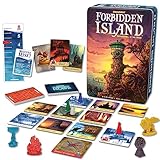
1. Gamewright - Forbidden Island - Cooperative Strategy Survival Board Game, 2-4 Players
Overview:
Forbidden Island, designed by Matt Leacock, is a cooperative strategy board game where 2-4 players race to retrieve sacred treasures from a sinking island before it vanishes. Aimed at ages 10+, it emphasizes teamwork and quick decision-making as players navigate flooded tiles and shifting terrain.
What Makes It Stand Out:
Its ingenious cooperative mechanics eliminate player elimination, ensuring constant engagement. The dynamic board—where tiles sink progressively—creates escalating tension, while rich thematic artwork immerses players in the perilous adventure. Unlike competitive games, success hinges entirely on collective strategy and communication.
Value for Money:
Priced accessibly for a high-quality strategy game, it outperforms many competitors with its durable components and replayability. The 30-minute playtime suits busy schedules, offering substantial entertainment without overwhelming complexity—ideal for families seeking meaningful interaction over passive screen time.
Strengths and Weaknesses:
Strengths: Intuitive rules, strong replay value with variable difficulty, exceptional teamwork focus, and stunning visual design. Weaknesses: Limited player count (max 4), may feel too simplistic for hardcore strategy gamers, and the board’s physical setup can be fiddly for younger children.
Bottom Line:
A near-perfect gateway cooperative game that balances challenge and accessibility. Highly recommended for families and casual gamers seeking an engaging, skill-building experience that fosters genuine collaboration without frustration.
2. Wildcraft! Herbal Adventure Cooperative Board Game – Educational Board Game for Kids 4+ & Families – Learn 25 Herbs Through Play – Nature Inspired Learning Game w/Coloring Book & Plant Guide

Overview:
Wildcraft! is a nature-themed cooperative board game designed for children as young as 4, where players work together to identify 25 medicinal herbs while navigating a forest path. It prioritizes educational value through hands-on exploration of edible and healing plants.
What Makes It Stand Out:
The integration of real botanical knowledge into simple, non-reading gameplay is exceptional. Bonus printables—like a coloring book and plant guide—extend learning beyond the board. Its cooperative structure avoids competition, nurturing patience and shared problem-solving in preschoolers.
Value for Money:
At its price point, it delivers remarkable educational depth with sustainable, non-toxic components. The included digital resources add lasting value, making it more cost-effective than many “educational” games that lack substantive content or reusable elements.
Strengths and Weaknesses:
Strengths: Truly age-appropriate for preschoolers, strong STEM/nature education, eco-conscious materials, and zero reading required. Weaknesses: Limited strategic depth for older kids (8+), repetitive gameplay after multiple plays, and herb identification may feel too abstract without adult guidance.
Bottom Line:
An outstanding introductory educational game that makes herbal learning tangible and fun for young children. Essential for eco-conscious families prioritizing nature literacy, though best suited for ages 4–7.
3. Spin Master Games, Jumanji Stampede, 3D Adventure Cooperative Board Game, for Fans of The Jumanji Movies, Face Off Against Jungle Emergencies, 2-4 Players, for Ages 8 & Up

Overview:
Jumanji Stampede transports players into the film’s jungle with a cooperative 3D board game where 2-4 adventurers race to collect crystals before a villain reaches Rhino Mountain. Targeted at ages 8+, it features interactive obstacles inspired by iconic movie moments.
What Makes It Stand Out:
The standout 7-inch 3D Rhino Mountain and dynamic “jungle emergencies” (e.g., rolling boulders, leaping leopards) create thrilling physical engagement. Unlike static boards, its modular terrain and hazard mechanisms deliver cinematic excitement that mirrors Jumanji’s adventurous spirit.
Value for Money:
While premium-priced due to 3D components, it justifies cost through immersive spectacle and family-wide appeal. However, replayability lags behind strategy-focused cooperatives like Forbidden Island, as outcomes rely more on luck than evolving tactics.
Strengths and Weaknesses:
Strengths: Visually spectacular 3D elements, strong movie-themed immersion, accessible rules for kids, and effective teamwork emphasis. Weaknesses: Luck-dependent mechanics reduce strategic depth, setup/storage is cumbersome, and jungle emergencies may frustrate younger players with unpredictable outcomes.
Bottom Line:
A must-have for Jumanji fans craving thematic thrills, but less ideal for strategy purists. Best for families valuing experiential play over deep replayability—prioritize if movie magic outweighs nuanced gameplay.
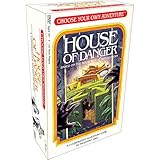
4. Asmodee Choose Your Own Adventure: House of Danger Board Game - Embark on a Perilous Journey in this Cooperative Narrative Adventure, Ages 10+, 1+ Players, 1+ Hour Playtime
Overview:
House of Danger is a cooperative narrative adventure where 1+ players unravel mysteries in a haunted mansion through branching storylines. Based on classic “Choose Your Own Adventure” books, it merges book-driven decisions with board game mechanics for ages 10+.
What Makes It Stand Out:
Its solo/co-op flexibility and book-based storytelling offer unparalleled narrative depth. Players flip to numbered paragraphs based on choices, creating personalized horror-lite adventures. The 1+ hour playtime and high replayability (via divergent paths) set it apart from linear board games.
Value for Money:
Excellent value given its solo viability and near-infinite replay potential—each playthrough yields unique outcomes. While lacking physical components beyond cards and a book, the focus on storytelling maximizes engagement per dollar compared to component-heavy alternatives.
Strengths and Weaknesses:
Strengths: Exceptional replayability, seamless solo/co-op transition, rich narrative immersion, and no player elimination. Weaknesses: Minimal physical interaction (mostly card/book management), limited strategic depth, and story coherence occasionally suffers from abrupt branching.
Bottom Line:
A groundbreaking narrative experience that revitalizes classic adventure books. Highly recommended for story-driven gamers, though less suitable for those seeking tactile or competitive gameplay.
5. Gamewright - Forbidden Desert Cooperative Survival Adventure Board Game for 2-5 Players – Family Strategy for Ages 10+

Overview:
Forbidden Desert challenges 2-5 players to excavate a buried airship in a scorching desert, working cooperatively against sandstorms and dehydration. Designed for ages 10+, it builds on Forbidden Island’s foundation with heightened complexity and expanded player capacity.
What Makes It Stand Out:
The sandstorm mechanic—where tiles shift and bury equipment—adds relentless pressure. With up to 5 players accommodated and role-specific abilities, it enhances teamwork dynamics. Vibrant components and a 45-minute playtime make it ideal for group strategy sessions.
Value for Money:
Slightly pricier than Forbidden Island but justifies cost through broader player inclusion and refined mechanics. Its durability and replayability outshine many mid-tier strategy games, offering substantial value for families or gaming groups seeking scalable challenges.
Strengths and Weaknesses:
Strengths: Supports larger groups (2-5 players), deeper strategic layers, intuitive rules, and high-quality components. Weaknesses: Can overwhelm new players with simultaneous mechanics, and the sandstorm tracker adds complexity that may frustrate younger participants.
Bottom Line:
A superior evolution of the cooperative survival formula that excels with larger groups. Essential for Forbidden Island fans and highly recommended for families ready for a more demanding—but deeply rewarding—adventure.
6. The Lord of The Rings: Adventure to Mount Doom | Family Game | Cooperative Game | Strategy Game

Overview: This cooperative strategy game tasks players with guiding Frodo across Middle-earth to destroy the One Ring. Designed for 1-4 players, it captures Tolkien’s epic through dice rolls, card draws, and encounters with Ringwraiths, aiming for a 50-minute playtime that immerses families in the saga.
What Makes It Stand Out: Its strong narrative integration sets it apart, weaving iconic locations and threats directly into mechanics. The cooperative nature eliminates player conflict, fostering teamwork to overcome shared obstacles like evading Nazgûl. High thematic resonance through art and card text deepens the Middle-earth experience without complex rules.
Value for Money: Priced competitively for a niche licensed game, it offers solid replayability via variable setups and card-driven events. While simpler than heavy strategy games, it delivers excellent value for LOTR fans seeking accessible, story-driven play compared to pricier or less thematic alternatives.
Strengths and Weaknesses: Strengths: Engaging theme, intuitive rules for families, strong cooperative focus, manageable playtime. Weaknesses: Limited strategic depth for experienced gamers, potential luck dependency with dice, component quality may not match premium titles.
Bottom Line: An ideal entry point for LOTR enthusiasts and families wanting cooperative fun; recommended for casual players but less so for hardcore strategists seeking complexity.
7. Hasbro Gaming Dungeons & Dragons Adventure Begins, Cooperative Fantasy Board Game, Fast Entry to The World of D&D, Family Game for 2-4 Players, 10 and Up

Overview: Adventure Begins serves as a streamlined gateway into D&D, casting 2-4 players as heroes battling iconic monsters in Neverwinter. With customizable heroes, pre-painted miniatures, and modular boss encounters (like a Green Dragon), it promises quick setup and fresh adventures in under an hour.
What Makes It Stand Out: Its brilliance lies in distilling D&D’s essence—heroic teamwork, monster clashes, and narrative choices—into a tight board game. Choosing different bosses (Kraken, Beholder) significantly alters strategy, while the included miniatures enhance immersion without requiring assembly or painting.
Value for Money: Excellent for new D&D fans, offering robust replayability at a mid-tier price. Though lighter than full D&D campaigns, it outperforms many family games in thematic depth. Cheaper than miniatures-heavy alternatives but may feel shallow for veteran RPG players.
Strengths and Weaknesses: Strengths: Effortless D&D introduction, high replay value via boss selection, quality miniatures, cooperative problem-solving. Weaknesses: Simplified mechanics lack RPG depth, limited character customization, artwork may feel generic to D&D purists.
Bottom Line: A near-perfect starter for families and young players; highly recommended to ignite D&D curiosity, though seasoned gamers might crave more complexity.
8. Baby Bears Adventure Cooperative Board Game for Kids Ages 4+ – Take The Animals on an Exciting National Park Adventure – Fun Family Game That Builds Skills – Easy to Learn Educational Gift

Overview: Geared toward ages 4+, this cooperative game has players helping baby bears gather snacks and reach their cave before Park Ranger Pete. Using image-based cards on a colorful board, 2-4 participants work together—no reading required—making it ideal for preschoolers and early learners.
What Makes It Stand Out: Its visual, non-linguistic design is revolutionary for young kids, fostering inclusion regardless of literacy. Beyond cuteness, it subtly builds matching, communication, and planning skills. The focus on cooperative urgency (escaping the ranger) creates gentle, screen-free excitement perfect for short attention spans.
Value for Money: Exceptional for its educational impact and durability in the $20-$25 range. Outshines flashier digital toys by promoting social interaction and cognitive growth. Supporting a small business adds ethical value, though component simplicity reflects the modest price.
Strengths and Weaknesses: Strengths: Truly accessible for pre-readers, strong skill development, engaging theme for toddlers, promotes teamwork. Weaknesses: Short playtime may bore older kids, limited strategic depth, board art could be more durable.
Bottom Line: An essential early-learning tool; unreservedly recommended for parents and educators seeking meaningful, cooperative play for ages 4-7.
9. Peaceable Kingdom Space Escape – Cooperative Strategy Space Adventure Game by The Inventor of Pandemic – Use Teamwork to Win! – Great for Families with Kids Ages 7 & up

Overview: From Pandemic’s creator, this game challenges 2-4 players (ages 7+) to rescue Mole Rats from snake-infested space stations. Drawing dual-action cards—moving mole rats or snakes—teams must strategize collectively to reach the escape pod before time runs out, blending urgency with teamwork.
What Makes It Stand Out: The dual-action card mechanic is ingeniously simple yet strategic, forcing tough choices each turn. As a “Games that Grow” title, it evolves with players via challenge modes. Its focus on shared decision-making cultivates emotional intelligence, distinguishing it from competitive kids’ games.
Value for Money: Priced affordably (~$25), it offers remarkable depth for young strategists. Components (movers, tokens) are sturdy, and replayability through variable setups beats many disposable kids’ games. Worthwhile investment for classrooms or families prioritizing cooperative learning.
Strengths and Weaknesses: Strengths: Clever dual-action system, strong emotional/social skill development, scalable difficulty, vibrant art. Weaknesses: Snakes-as-antagonists may confuse thematic immersion, limited player count (max 4), minimal narrative depth.
Bottom Line: A standout cooperative primer for kids; highly recommended to build teamwork and critical thinking in a fun, accessible package.
10. Lord of The Rings Adventure Book Game | Immersive Cooperative Gameplay | Innovative Chapter Book Format | Unique Corruption Track for Ages 10 and Up

Overview: This narrative-driven game uses a chapter book format to guide players through Frodo’s journey via sequential boards and story cards. With miniatures for key characters, a corruption track, and 52+ counters, it transforms LOTR’s epic quest into a cooperative adventure for ages 10+, playable in sessions or marathon mode.
What Makes It Stand Out: The innovative “game book” is revolutionary—turning pages reveals new boards/scenarios, creating cinematic pacing. The corruption mechanic, where the Ring tempts players via Eye of Sauron cards, adds tense moral stakes absent in most board games, deepening thematic engagement.
Value for Money: Premium components (detailed miniatures, artwork-rich cards) justify a higher price point. It delivers exceptional immersion for LOTR fans, outperforming cheaper, less thematic games. While niche, its re-playability through branching paths offers solid long-term value.
Strengths and Weaknesses: Strengths: Unmatched narrative immersion, stunning components, innovative book format, meaningful corruption system. Weaknesses: High price, setup/storage complexity, steep learning curve for casual players.
Bottom Line: A must-have for dedicated LOTR fans seeking deep storytelling; recommended despite cost, but less ideal for casual or budget-focused gamers.
Understanding Cooperative Adventure Games for Explorers
Defining the Explorer Mindset in Gaming
Explorers seek immersion in unknown worlds, craving discovery and meaningful choices that shape their journey. A great cooperative adventure game taps into this by making every decision feel consequential, whether deciphering a cryptic map fragment or deciding which team member ventures into the dark cave. The thrill lies not just in winning, but in the shared narrative forged through collective risk-taking and problem-solving.
Why Cooperation Elevates the Adventure Experience
True cooperative design eliminates player elimination and minimizes kingmaking, ensuring everyone remains engaged until the final roll. This structure mirrors real exploration, where survival hinges on pooling knowledge and resources. Games that succeed here turn individual strengths—like spatial reasoning or quick thinking—into team assets, creating moments where the group collectively gasps or cheers as a plan unfolds.
Distinguishing Mechanics from Theme
While a jungle expedition theme might draw you in, the underlying mechanics determine if the game delivers. Strong adventure cooperatives weave mechanics and theme seamlessly; for instance, a time-pressure system might represent dwindling oxygen supplies, not just a generic countdown. Prioritize games where rules actively reinforce the explorer fantasy, making actions feel authentic to the setting.
Critical Features for the Discerning Explorer
Seamless Integration of Narrative and Gameplay
The best experiences blur the line between story and mechanics. Look for games where narrative choices directly impact gameplay—like altering the board layout based on story decisions or unlocking new abilities through discovered lore. This integration transforms abstract strategy into a living, breathing expedition where every move feels narratively justified.
Dynamic Difficulty Systems That Adapt to Your Group
Rigid difficulty scales often frustrate experienced players or overwhelm newcomers. Seek out games with intelligent scaling: adjustable threat levels based on player count, modular scenarios that increase complexity, or self-balancing mechanics where the game subtly tunes challenges based on team performance. This ensures the adventure remains thrilling, never trivial or impossible.
Communication Rules That Foster Teamwork
Some games restrict how players share information, simulating real-world exploration constraints (e.g., limited radio contact or obscured vision). These rules—like hidden roles or restricted card sharing—can deepen immersion but must be well-designed. Poorly implemented restrictions lead to frustration; elegant ones create tense, memorable moments where communication itself becomes a strategic puzzle.
Evaluating Gameplay Mechanics for Longevity
Replayability Through Modular Design
A single static scenario grows stale quickly. Games with highly modular boards, randomized event decks, or branching narrative paths offer near-infinite replay value. Each session should feel distinct, with variable setups ensuring that mastering one expedition doesn’t spoil the next. This modularity is non-negotiable for explorers seeking enduring adventures.
Meaningful Player Roles and Specializations
Roles should offer unique, impactful abilities that encourage interdependence—not just cosmetic differences. When one player’s navigation skill unlocks a critical path while another manages dwindling supplies, specialization creates organic teamwork. Avoid games where roles feel redundant or where one player can dominate decision-making for the group.
Pacing and Tension Management
An explorer’s adventure needs rhythm: moments of calm strategy punctuated by heart-pounding crises. Games that master pacing avoid “analysis paralysis” through timed rounds or escalating threats, while preventing burnout with clear breathing room between major challenges. The tension should feel earned, not arbitrary or overwhelming.
Assessing Physical Components and Accessibility
Component Quality That Withstands Repeated Expeditions
Flimsy cards or poorly painted miniatures break immersion and durability. Prioritize games with thick, textured boards, durable cardstock, and components that resist wear—even if they cost slightly more. Storage solutions matter too; integrated organizers prevent the dreaded “component avalanche” during setup, keeping focus on the adventure.
Accessibility for Diverse Player Groups
The best cooperative adventures welcome varied skill levels and physical abilities. Consider color-blind friendly design, adjustable text sizes, intuitive iconography, and rules that accommodate different cognitive loads. Games with clear teaching paths or solo variants also broaden who can join the expedition, making inclusivity part of the design.
Setup and Cleanup Efficiency
Nothing kills momentum like a 20-minute setup for a 60-minute game. Streamlined assembly—using trays, clear labeling, or smart board divisions—gets players into the action faster. Similarly, cleanup should be intuitive; games where components nest neatly together respect your time and encourage more frequent play.
Maximizing Replay Value and Strategic Depth
Variable Objectives and Hidden Agendas
Static win conditions grow predictable. Games that randomize primary goals, introduce hidden traitors (with balanced mechanics), or shift victory requirements mid-game keep strategies fresh. This variability ensures no two expeditions play alike, challenging teams to adapt their approach dynamically.
Legacy and Campaign Systems Done Right
Campaign modes that evolve the game world over multiple sessions can deepen investment—but only if changes feel significant and irreversible. Avoid superficial “legacy-lite” systems; seek meaningful progression where choices permanently alter rules, unlock new content, or reshape the narrative landscape based on past successes or failures.
Community-Driven Content and Expansion Potential
A vibrant player community often extends a game’s life through house rules, fan-made scenarios, or official expansions. Check if the publisher supports ongoing content and if the core system is flexible enough for meaningful additions. This ecosystem can transform a great game into a decade-long expedition.
Avoiding Common Pitfalls in Game Selection
Steering Clear of “Quarterbacking” Traps
Some games unintentionally encourage one dominant player to dictate moves for everyone, sidelining others. Mitigate this by choosing titles with simultaneous action selection, hidden information per player, or phases where individuals work semi-independently before reconvening. True cooperation means shared agency, not passive following.
Balancing Complexity with Approachability
While depth is desirable, excessive rules can overwhelm. The ideal game has a “sweet spot” where core mechanics are teachable in 15 minutes, but strategic nuances reveal themselves over multiple plays. Look for clear reference sheets and intuitive rulebooks—complexity should enhance, not obscure, the adventure.
Recognizing Artificial Difficulty vs. Meaningful Challenge
Avoid games that rely on luck spikes or opaque rules for difficulty. Real challenge comes from elegant systems where setbacks feel fair and surmountable through smart play. If frustration stems from random card draws rather than tactical missteps, the design likely prioritizes punishment over engagement.
Frequently Asked Questions
How do cooperative adventure games differ from competitive board games?
Cooperative games require players to work together against the game system itself, eliminating direct player competition. Success or failure is shared, fostering teamwork and collective problem-solving rather than individual victory.
What player count works best for most cooperative adventure games?
Most are optimized for 3-5 players. Smaller groups increase individual responsibility (risking burnout), while larger groups can lead to disengagement. Always check the designer’s recommended count, as some scale surprisingly well beyond typical ranges.
Can cooperative games be too difficult to win fairly?
Yes. Poorly balanced games create “impossible mode” scenarios through rigid rules or excessive randomness. Look for systems with adjustable difficulty dials or built-in catch-up mechanics to ensure challenges feel surmountable with smart play.
How important is theme versus mechanics in these games?
Both are crucial, but mechanics must serve the theme. A compelling jungle adventure falls flat if the rules feel disconnected from exploration—like arbitrary dice rolls replacing meaningful navigation choices. Prioritize seamless integration.
What makes a cooperative game replayable?
Key factors include modular boards, randomized elements (events, objectives), variable player roles, and campaign systems that evolve based on past sessions. Avoid games with a single fixed scenario path.
How can I prevent one player from dominating decisions (“quarterbacking”)?
Choose games with hidden information per player, simultaneous action phases, or restricted communication rules. Alternatively, enforce social solutions like轮流 facilitation or using a sand timer for discussion rounds.
Are cooperative games suitable for families with young children?
Many are! Look for titles labeled for families with clear iconography, shorter playtimes (under 45 minutes), and minimal reading. Avoid complex legacy systems or games with high stress levels for younger explorers.
What role does physical component quality play in the experience?
High-quality components (thick boards, durable cards) enhance immersion and longevity. Flimsy parts break easily and distract from the adventure, while well-designed storage solutions reduce setup/cleanup friction significantly.
How do I know if a game scales well for different group sizes?
Check if the rulebook includes specific adjustments for player count (e.g., variable threat levels or resource pools). Games with modular difficulty systems often scale better than those using simple +/- token methods.
Can cooperative adventures work for solo play?
Many modern titles include robust solo modes designed from the ground up, not afterthoughts. Look for systems where the AI opponent has clear, thematic behaviors that mimic team dynamics, creating a satisfying single-player expedition.
See Also
- The 10 Ultimate Best Thematic Cooperative Board Games for Immersive Play in 2026
- 10 Top-Rated Adventure Cooperative Board Games According to Experts in 2026
- The 10 Ultimate Best Fantasy Cooperative Board Games for Epic Adventures in 2026
- 10 Must-Have Adventure Cooperative Board Games for Epic Storytelling in 2026
- The 10 Ultimate Best Cooperative Board Games for Team Building in 2026