Table of Contents
Imagine a room filled with intense focus, not competition, but shared determination. Players lean over a complex board, eyes scanning interconnected systems, voices low as they debate probabilities and long-term consequences. This isn’t a corporate war room; it’s a living room where cooperative strategy board games reign supreme. For critical thinkers, these aren’t mere diversions—they’re dynamic training grounds for the mind, demanding foresight, systems analysis, and collective problem-solving under pressure. As we move into 2026, the genre has matured beyond simple “beat the game” mechanics, evolving into sophisticated platforms that challenge our cognitive limits and reward collaborative intellect in profound ways.
The appeal lies in the unique mental dance these games orchestrate. Unlike competitive titles where outmaneuvering opponents is key, cooperative strategy shifts the focus inward—to the group’s ability to communicate effectively, manage uncertainty, and optimize limited resources against a shared, often adaptive, challenge. For those who relish dissecting complex problems, weighing trade-offs, and seeing how small decisions cascade into significant outcomes, these games offer an unparalleled blend of intellectual stimulation and social connection. They transform abstract critical thinking concepts into tangible, urgent puzzles, making the development of these vital skills not just educational, but deeply engaging and rewarding.
Top 10 Strategy Cooperative Board Games
Detailed Product Reviews
1. Gamewright - Forbidden Island - Cooperative Strategy Survival Board Game, 2-4 Players
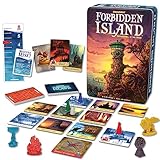
Overview: Forbidden Island, designed by Matt Leacock, is a foundational cooperative board game where players work together as adventurers racing to retrieve sacred treasures from a sinking island before it vanishes. Aimed at ages 10+, it masterfully introduces teamwork and strategic planning in a tense, accessible package.
What Makes It Stand Out: Its innovative tile-laying mechanic, where the island literally shrinks as players move, creates escalating tension and forces dynamic decision-making. The stunning thematic artwork immerses players in the perilous setting, while the pure cooperative nature—no player elimination—ensures everyone remains engaged until the dramatic conclusion, fostering genuine collaboration.
Value for Money: Priced accessibly, it offers exceptional replayability through adjustable difficulty levels and varied treasure combinations. Compared to similar entry-level strategy games, its compact size, durable components, and timeless gameplay provide outstanding longevity, making it a cornerstone for family game nights without breaking the bank.
Strengths and Weaknesses: Strengths: Intuitive rules, perfect 30-minute playtime, beautiful visuals, and exceptional team-building focus. Weaknesses: Limited player count (max 4), and the theme, while engaging, lacks deep narrative immersion compared to newer titles. Difficulty scaling can feel abrupt for younger players.
Bottom Line: Forbidden Island remains a near-perfect gateway cooperative game. Its elegant design, constant tension, and emphasis on collective problem-solving make it an essential, budget-friendly purchase for families and new gamers seeking meaningful shared experiences.
2. Ravensburger Horrified Games – Dungeons & Dragons – Strategy Board Game – Boost Critical Thinking & Teamwork – Cooperative Gameplay – Unique Monster Challenges – 1 to 5 Players – Adults & Kids 10+

Overview: Horrified: Dungeons & Dragons plunges players into the iconic Undermountain dungeon to defend Waterdeep from four legendary D&D monsters. This cooperative strategy game tasks 1-5 heroes with unique abilities to outmaneuver the Beholder, Red Dragon, and others using thematic mechanics true to the franchise.
What Makes It Stand Out: The game shines with its distinct monster behaviors—each requires entirely different tactics to defeat, ensuring varied gameplay. High-quality sculpted miniatures and rich board art deliver immersive D&D authenticity. The custom d20 and citizen-rescue mechanics deepen strategic layers beyond typical cooperative fare.
Value for Money: At its price point, it offers significant value through exceptional component quality and high replayability. Each monster’s unique challenge mechanics mean mastering one doesn’t spoil others, providing dozens of hours of content. It outperforms generic cooperative games with its licensed depth and physical presentation.
Strengths and Weaknesses: Strengths: Brilliant monster variety, stunning miniatures, seamless 60-minute sessions, and strong family accessibility. Weaknesses: Setup can be fiddly with numerous tokens, and the core strategy may feel repetitive after extensive play. Limited player interaction beyond shared tactics.
Bottom Line: Horrified: D&D is a must-have for fans and a standout cooperative experience for families. Its thematic richness, strategic diversity, and premium components justify the cost, delivering thrilling, replayable adventures that celebrate the D&D legacy.
3. Spin Master Games, SolidRoots Escaping Extinction, Cooperative Strategy Board Game from The Makers of Mind The Gap, for Kids & Family, 1-4 Players, for Ages 12 & Up

Overview: Escaping Extinction casts players as clever dinosaurs racing to build a 3D rocket before a meteor strikes. This cooperative game combines exploration, resource gathering, and survival mechanics on a dynamically shifting prehistoric island, targeting families and older kids seeking strategic fun.
What Makes It Stand Out: The earthquake mechanic—randomly rearranging the tile-based board mid-game—creates unpredictable challenges and ensures no two plays are identical. The physical 3D rocket assembly adds tactile excitement, while the unique dino-vs-meteor theme offers fresh narrative appeal compared to standard cooperative fare.
Value for Money: While the 3D rocket component is novel, it slightly inflates the price. However, the high replayability from modular boards and variable objectives justifies the cost for families prioritizing longevity. It’s competitively priced against similar strategy games but may feel niche for non-dino enthusiasts.
Strengths and Weaknesses: Strengths: Highly replayable board layout, engaging theme, promotes adaptive planning, and accessible rules. Weaknesses: Rocket construction can frustrate younger players, component durability (especially cardboard rockets) is questionable, and strategy depth lags behind heavier games.
Bottom Line: Escaping Extinction delivers inventive, family-friendly fun with its dynamic board and charming premise. Despite minor component concerns, its replay value and cooperative spirit make it a worthwhile addition for casual game nights, especially for dino-loving households.
4. Asmodee Mysterium Board Game - Enigmatic Cooperative Mystery Game with Ghostly Intrigue, Family Fun for Kids & Adults, Ages 10+, 2-7 Players, 42 Minute Playtime

Overview: Mysterium immerses 2-7 players in a supernatural mystery where psychics interpret symbolic visions from a ghost to solve a murder. This cooperative deduction game, blending storytelling and abstract clue-giving, excels in atmospheric tension and player interaction for ages 10+.
What Makes It Stand Out: The ghost’s role—communicating only through surreal, beautifully illustrated dream cards—creates a unique asymmetric dynamic absent in most cooperative games. Adjustable difficulty modes and stunning, painterly artwork elevate every session into a visually captivating narrative experience that sparks creativity and discussion.
Value for Money: Priced moderately, it offers exceptional replayability through countless suspect/location/weapon combinations and variable ghost visions. The art alone justifies the cost, and its 42-minute runtime ensures high session frequency. It outshines comparable mystery games with its artistic depth and inclusive player count.
Strengths and Weaknesses: Strengths: Breathtaking artwork, innovative clue system, scales perfectly for large groups, and encourages imaginative thinking. Weaknesses: Ghost’s influence can lead to imbalance, and new players may struggle with abstract interpretation, slowing early games.
Bottom Line: Mysterium is a masterpiece of thematic design and cooperative deduction. Its artistic brilliance, flexible gameplay, and unique ghost-communicator mechanic make it an essential, highly replayable investment for families and game groups seeking immersive storytelling.
5. Ravensburger Alien: Fate of The Nostromo Board Game for Ages 10 & Up – A Cooperative Strategy Game of Suspense
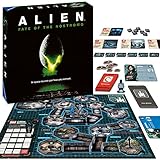
Overview: Alien: Fate of The Nostromo pits 1-5 players as Nostromo crew members evading a hidden Alien while completing objectives to escape the doomed ship. This tense cooperative game masterfully recreates the film’s suspense through hidden movement and strategic resource management.
What Makes It Stand Out: The Alien’s hidden movement mechanic—tracked via a secret log—generates unparalleled dread and replayability. Thematic components, including detailed miniatures and the ship’s claustrophobic board layout, immerse players in the sci-fi horror. Variable final missions ensure no two escapes feel identical.
Value for Money: Premium components (notably the miniatures and artwork) command a higher price, but the intense, cinematic experience delivers strong value. Compared to other licensed games, its focus on atmosphere over complexity justifies cost for fans, though casual gamers might find it niche.
Strengths and Weaknesses: Strengths: Unmatched tension, exceptional thematic integration, high-quality miniatures, and strong replayability with modular objectives. Weaknesses: Setup is time-consuming, “alpha gamer” issues can arise, and the hidden Alien mechanic may frustrate players seeking direct control.
Bottom Line: Alien: Fate of The Nostromo is a must-play for fans and a triumph in thematic cooperative design. Its immersive suspense and premium build make it worth the investment for groups seeking a thrilling, narrative-driven challenge.
6. Scorpion Masqué Sky Team | Voted Game of The Year 2024 | Best 2 Player Game | Work Together to Land The Plane | Ages 14+ | 20 Minutes

Overview: Sky Team is an intensely focused cooperative dice game where two players assume the roles of pilot and co-pilot racing to land a commercial airliner safely before time runs out. Voted 2024’s Game of the Year, it masterfully translates high-stakes aviation into a compact, 20-minute experience. What Makes It Stand Out: Its brilliance lies in asymmetric roles and real-time tension. Players strategize between dice rolls but must execute critical landing sequences—managing speed, altitude, flaps, and brakes—independently once dice are rolled, fostering immense trust and communication. Immersive cockpit components and twenty unique global airport scenarios significantly enhance replayability and thematic depth. Value for Money: Priced competitively for a premium, award-winning game, Sky Team offers exceptional value. Its high-quality components, immense replayability through scenarios and optional modules (like kerosene leaks), and pure, distilled cooperative fun far exceed alternatives in the 2-player niche, justifying its cost. Strengths and Weaknesses: Strengths: Unparalleled tension and communication; innovative asymmetric dice mechanics; stunning thematic integration; highly replayable; compact and portable. Weaknesses: Very narrow player count (only 2); steep learning curve for non-gamers; high difficulty can frustrate some. Bottom Line: Sky Team is a masterpiece of cooperative design, earning its Game of the Year title through unique, nerve-wracking teamwork. Highly recommended for couples or dedicated duos seeking a challenging, immersive, and unforgettable 20-minute adventure.
7. Pandasaurus Cooperative Strategy Card Game - Fun Interactive Family Game for Ages 8+, 1-5 Players, 20 Minute Playtime
Overview: “The Game” is a deceptively simple cooperative card game where players work together to play down numbered cards in specific sequences from two shared decks, aiming to empty both before drawing forces a loss. Its minimal rules belie deep strategic engagement for 1-5 players. What Makes It Stand Out: Its global phenomenon status (1.3M+ copies sold) stems from elegant simplicity meeting profound challenge. Players must communicate limitations without revealing exact cards, creating intense deduction and trust dynamics. The 20-minute playtime and accessibility for ages 8+ make it uniquely approachable yet endlessly replayable. Value for Money: An outstanding value proposition. For its low price point, it delivers award-winning (Spiel des Jahres) design, high-quality components, and near-infinite replayability through pure card-based strategy. It outperforms many pricier games in fostering genuine interaction and family fun. Strengths and Weaknesses: Strengths: Extremely easy to learn; perfect for families and mixed ages; highly portable; fosters communication and deduction; exceptional replayability; award-winning design. Weaknesses: Highly luck-dependent due to card draws; limited strategic depth for hardcore gamers; minimal theme. Bottom Line: “The Game” is a near-perfect gateway cooperative experience, offering brilliant, accessible fun for virtually any group. Its simplicity, depth, and proven mass appeal make it an essential, high-value addition to any family or casual gamer’s collection.
8. Happy Camper - The Four Doors | New Cooperative Game by Creator of Forbidden Island and Pandemic | Super Portable | Great for Solo Play, Two Players, and Groups
Overview: Designed by Pandemic’s Matt Leacock, Happy Camper: The Four Doors is a compact cooperative adventure where 1-5 players explore a mystical tower, seeking four treasures behind sealed doors before shadows engulf them. It delivers strategic depth in a highly portable package. What Makes It Stand Out: Leacock’s signature cooperative design shines through accessible rules and escalating tension. The unique “door” exploration mechanic, combined with variable player roles and shadow threat, creates engaging puzzles. Its super-portable size (perfect for travel) and strong solo/co-op flexibility are major differentiators. Value for Money: Offers excellent value given its pedigree, portability, and robust cooperative design. While the component count is modest for the price, the strategic depth, Leacock’s proven track record (Pandemic, Forbidden Island), and versatility across player counts justify the cost for fans of streamlined cooperative challenges. Strengths and Weaknesses: Strengths: Incredibly portable; accessible yet strategic; excellent solo and group play; strong thematic adventure; Leacock’s reliable design; quick 30-minute sessions. Weaknesses: Component quality feels basic; theme less immersive than Leacock’s bigger games; limited replayability per scenario without expansions. Bottom Line: Happy Camper: The Four Doors is a stellar portable cooperative game, ideal for travel or quick sessions. Leacock’s expertise ensures a satisfying, accessible challenge, making it a worthwhile purchase for fans of compact, strategic teamwork.
9. Asmodee Choose Your Own Adventure: House of Danger Board Game - Embark on a Perilous Journey in this Cooperative Narrative Adventure, Ages 10+, 1+ Players, 1+ Hour Playtime
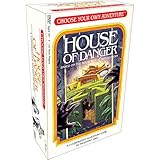
Overview: House of Danger is a cooperative narrative board game where players explore a haunted mansion, making story-driven choices via a companion app, aiming to uncover secrets and survive supernatural threats in a single session lasting over an hour. What Makes It Stand Out: It brilliantly adapts the classic “Choose Your Own Adventure” books into a physical board game with seamless app integration. The branching narrative, driven by player decisions and dice rolls, creates a highly replayable, personalized horror story experience. Its strong solo suitability is a key advantage in the genre. Value for Money: Represents solid value for a narrative-driven experience. The physical components (board, tokens, cards) combined with the free app deliver a rich, cinematic adventure comparable to pricier story games. The high replayability through multiple paths justifies the investment for fans of interactive storytelling. Strengths and Weaknesses: Strengths: Compelling, app-driven narrative; excellent replayability; strong solo/co-op flexibility; accessible rules; captures classic adventure book feel; immersive theme. Weaknesses: Requires device/app (potential tech hiccup); physical components feel secondary to app; story depth varies by path; not strategic for hardcore gamers. Bottom Line: House of Danger is a fantastic entry point into narrative board gaming, offering a thrilling, accessible adventure perfect for families or solo players seeking story-driven fun. Highly recommended for its unique blend of physical and digital storytelling.
10. Ravensburger Horrified Games - Greek Monsters - Strategy Board Game - Boost Critical Thinking & Teamwork - Cooperative Gameplay - Unique Monster Challenges - 1 to 5 Players - Adults & Kids 10+

Overview: Horrified: Greek Monsters challenges 1-5 players to cooperatively defeat six iconic Greek mythological threats (Medusa, Cerberus, etc.) on the Isle of Elysium before they overwhelm the realm, blending thematic storytelling with strategic puzzle-solving in 60-minute sessions. What Makes It Stand Out: Each monster presents a uniquely designed, thematic challenge requiring distinct strategies (e.g., avoiding Medusa’s gaze, luring Cerberus). The game excels in visual storytelling with stunning artwork and components, transforming abstract mechanics into a cohesive, immersive mythological battle demanding critical thinking and teamwork. Value for Money: Excellent value for a high-quality, thematic cooperative game. The production value (detailed miniatures, artwork), significant replayability from mastering six different monsters, and strong family appeal make it competitive with pricier strategy titles, especially for groups valuing theme and teamwork. Strengths and Weaknesses: Strengths: Highly thematic and immersive; six unique monster challenges enhance replayability; beautiful components; promotes critical thinking & teamwork; accessible rules; great family co-op. Weaknesses: Can feel repetitive after mastering all monsters; limited strategic depth for veterans; monster miniatures may be small. Bottom Line: Horrified: Greek Monsters delivers a visually stunning, engaging cooperative experience that successfully marries Greek mythology with strategic gameplay. It’s a top recommendation for families and groups seeking thematic, teamwork-focused challenges with strong replay value.
Understanding the Core Appeal for Critical Thinkers
The Intrigue of Shared Intellectual Challenges
Cooperative strategy games uniquely position players as a unified intellectual force against the game system itself. This eliminates adversarial tension, allowing critical thinkers to fully engage with the puzzle’s structure without the distraction of player conflict. The focus shifts entirely to analyzing mechanics, identifying leverage points, and developing a cohesive strategy where every participant’s analytical contribution is vital. It’s pure problem-solving, demanding that players articulate their reasoning clearly and build consensus around complex tactical decisions.
Systems Thinking as the Foundation
At their heart, the most compelling cooperative strategy experiences are intricate systems. Players must grasp how various components—resource flows, event triggers, spatial relationships, and time constraints—interact dynamically. Critical thinkers excel here, as success hinges on understanding emergent properties: how changing one variable ripples through the entire system. This mirrors real-world strategic analysis, where isolating single factors is rarely sufficient; true insight comes from seeing the interconnected web and anticipating second- and third-order effects of potential actions.
Managing Uncertainty and Probabilistic Reasoning
Few real-world decisions come with perfect information, and top-tier cooperative games reflect this truth. They deliberately introduce uncertainty through hidden information, random event decks, or opponent AI that adapts unpredictably. Critical thinkers thrive in this environment, moving beyond simple “if-then” logic to robust probabilistic reasoning. Calculating risk versus reward, estimating the likelihood of various outcomes, and developing contingency plans for low-probability/high-impact events become essential survival skills within the game, directly translating to enhanced decision-making capabilities off the board.
Key Features Elevating the Strategic Experience
Depth Through Layered Mechanics
Superficial puzzles quickly lose appeal for analytical minds. The most satisfying cooperative games offer layered mechanics where initial strategies evolve significantly as players gain mastery. Look for titles where understanding the first few turns is just the beginning; true depth emerges in how mechanics interact over extended play sessions. This layered complexity ensures the game remains a cognitive challenge long after the initial learning curve, providing sustained engagement as players uncover new strategic avenues and optimize their approach through repeated analysis.
Meaningful Player Agency and Impactful Choices
Critical thinkers need to feel their decisions genuinely matter. Games that offer choices with clear, significant consequences—where one misstep can unravel the entire strategy or a clever insight can pivot the game—are essential. Avoid experiences where player actions feel inconsequential or where the solution path is overly linear. Seek out designs where every decision point forces a tangible trade-off, requiring careful evaluation of short-term gains versus long-term stability, resource allocation, or risk exposure. This agency is crucial for maintaining intellectual investment.
Adaptive and Responsive Game Systems
A static challenge quickly becomes solvable, then boring. The most strategically rich cooperative games feature systems that dynamically respond to player actions. This could be an AI that escalates threats based on player success, event decks that shift focus based on current board state, or environmental mechanics that change unpredictably. This adaptability forces players to continuously reassess their strategy, preventing rote memorization and demanding flexible, on-the-fly critical analysis. It transforms the game from a puzzle to solve into a dynamic opponent requiring constant strategic adjustment.
Evaluating Cognitive Demands and Skill Development
Fostering Collaborative Critical Analysis
The true test lies in how the game facilitates group problem-solving. Does it encourage players to dissect the situation methodically, challenge assumptions respectfully, and synthesize diverse perspectives into a unified plan? Games that require players to explain their reasoning—not just state an action—build stronger critical thinking muscles. Look for mechanics that necessitate pooling information, debating interpretations of ambiguous data, and collectively validating hypotheses before committing resources. This mirrors effective real-world collaborative decision-making processes.
Balancing Analysis Paralysis with Urgency
While deep thought is valuable, excessive hesitation (“analysis paralysis”) can cripple group momentum. The best strategic cooperative games introduce meaningful time pressure or escalating consequences that necessitate timely decisions. This tension between thorough analysis and decisive action is a critical skill for thinkers to develop. Games that master this balance teach players to identify when “good enough now” outweighs “perfect later,” a crucial judgment call in both game strategy and professional life, refining their ability to operate effectively under constraints.
Building Resilience Through Strategic Failure
Critical thinking isn’t just about getting it right; it’s about learning from being wrong. High-quality cooperative strategy games design failure states that are instructive, not merely punitive. When the group loses, the mechanics should make it relatively clear why—was it a miscalculation of risk, a failure to prioritize correctly, or an inability to adapt to an emergent threat? This clarity transforms failure into a powerful learning opportunity, encouraging post-game analysis that strengthens strategic thinking for the next attempt, fostering intellectual resilience and iterative improvement.
Practical Considerations for Selecting Your Next Challenge
Matching Complexity to Your Group’s Capacity
Honesty about your group’s collective stamina and analytical bandwidth is crucial. Some games demand intense focus for three hours; others offer complex but modular sessions. Consider the cognitive load: Does your group enjoy deep dives into intricate systems, or do they prefer sharper, more focused strategic puzzles? Assessing not just the listed playtime but the sustained mental effort required prevents frustration. A game slightly below your theoretical maximum complexity might yield richer, more enjoyable strategic discussions than one that consistently pushes you into overwhelming territory.
Component Quality and Functional Clarity
For critical thinkers, components aren’t just pieces—they’re data points. Clear iconography, intuitive spatial layouts, and components that functionally represent their in-game role (e.g., resource tokens that are easy to count and track) reduce cognitive load spent deciphering the game state. Poorly designed components or ambiguous symbols force unnecessary mental energy away from strategic analysis. Prioritize games where the physical design supports, rather than hinders, the rapid assimilation and processing of critical information during play.
Scalability and Player Count Dynamics
How a game scales with player count significantly impacts the strategic experience. Some designs become diluted or chaotic with more players, turning strategic discussion into chaos. Others thrive on diverse perspectives, especially in larger groups where specialized roles can deepen analysis. Consider whether the game encourages parallel thinking (players analyzing different aspects simultaneously) or requires intense group consensus on every move. Ensure the recommended player count aligns with your typical group size to maintain the optimal strategic density and collaborative flow.
Beyond the Game: Lasting Intellectual Benefits
Transferring Skills to Real-World Scenarios
The strategic frameworks honed in cooperative play—systems thinking, probabilistic forecasting, resource optimization under uncertainty—aren’t confined to the board. Critical thinkers often find these skills directly applicable to project management, risk assessment in business, or navigating complex personal decisions. The safe, contained environment of the game allows for practicing high-stakes decision-making without real-world consequences, building confidence and refining analytical approaches that translate seamlessly to professional and personal challenges.
Enhancing Communication Through Structured Debate
Effective strategy requires more than individual brilliance; it demands clear communication of complex ideas. These games naturally foster environments where players must articulate nuanced reasoning, actively listen to counterpoints, and synthesize arguments into actionable plans. Critical thinkers develop the ability to present data persuasively, challenge ideas constructively, and find common ground—skills invaluable in any collaborative professional setting. The game becomes a low-risk training ground for high-impact communication.
Cultivating Long-Term Strategic Patience
In an age of instant gratification, cooperative strategy games teach the value of delayed payoff. Success often hinges on resisting tempting short-term gains to secure a more stable long-term position. Critical thinkers learn to model future states, understand the compounding effects of early decisions, and maintain discipline towards a distant objective. This cultivated patience and future-oriented thinking are powerful assets in any complex, long-horizon endeavor, from financial planning to career development.
Frequently Asked Questions
How do cooperative strategy games specifically improve critical thinking compared to solo puzzles?
They add the crucial layer of collaborative analysis, requiring players to justify reasoning, integrate diverse perspectives, and build consensus under pressure—mimicking real-world decision-making dynamics that solo puzzles cannot replicate.
What’s the biggest mistake critical thinkers make when starting a new cooperative strategy game?
Often, they dive too deep into optimizing minute details too early, neglecting the fundamental systems and overarching objectives. Focusing first on understanding core interactions and win/loss conditions is paramount before fine-tuning tactics.
Can these games be too complex for effective critical thinking development?
Yes. Excessive rules overhead or opaque mechanics can create unnecessary cognitive noise, diverting mental energy from strategic analysis to simple rule recall. Optimal complexity provides a challenging puzzle without overwhelming the player with procedural confusion.
How important is theme in a cooperative strategy game for critical thinkers?
While secondary to mechanics, a well-integrated theme can provide intuitive scaffolding for complex systems, making abstract concepts easier to grasp and reason about, thereby enhancing the strategic learning process.
What role does “downtime” play in the strategic experience for analytical players?
Minimal downtime is generally preferred, as critical thinkers want continuous engagement with the evolving puzzle. Games where all players are actively involved in analysis and planning, even when not taking a formal turn, maintain higher strategic intensity.
How can I assess if a game’s difficulty curve suits my group’s critical thinking level?
Look for reviews or breakdowns focusing on the type of challenge (e.g., spatial reasoning, resource logistics, probabilistic forecasting) rather than just “hard/easy.” Does the escalating difficulty introduce new strategic dimensions, or just more of the same?
Are legacy or campaign systems beneficial for critical thinkers in cooperative games?
Often yes, as they allow strategies to evolve over time, forcing adaptation to persistent consequences and long-term planning. However, ensure the campaign mechanics deepen strategic choices rather than just adding arbitrary new rules.
What’s a key indicator that a cooperative game fosters genuine collaboration versus “quarterbacking”?
Games that distribute essential information or unique capabilities among players, making individual contributions indispensable, prevent one dominant strategist from taking over and encourage true shared analysis.
How does replayability impact the critical thinking value of a cooperative game?
High replayability through variable setups, modular systems, or emergent gameplay ensures the strategic puzzle remains fresh, preventing rote solutions and continually demanding new analytical approaches and adaptations.
Can cooperative strategy games help develop critical thinking in younger players?
Absolutely, when complexity is age-appropriate. Starting with simpler cooperative games builds foundational skills like identifying cause/effect, evaluating options, and collaborative discussion, creating a strong base for more advanced strategic thinking later.
See Also
- 2026’s Top 10 Strategy Cooperative Board Games for Deep Gameplay
- How to Choose the 10 Best Strategy Cooperative Board Games for Game Nights in 2026
- 2026’s Top 10 Cooperative Board Games for Team Building at Parties
- We Tested 50 Cooperative Board Games - Here are the 10 Best for Shared Wins
- 10 Most Durable Cooperative Board Games Based on Real User Reviews in 2026