Table of Contents
Imagine this: you and your friends are gathered around the table, not as rivals competing for victory points, but as a united team facing a common challenge. The tension builds as you collectively strategize, make tough decisions under pressure, and celebrate hard-won successes together. This is the unique magic of cooperative board gaming – an experience that transforms the tabletop into a space for shared problem-solving, communication, and genuine camaraderie. Unlike traditional competitive games, the true opponent isn’t the person next to you; it’s the game system itself, pitting your combined wits against cleverly designed obstacles and narratives. It’s a dynamic that fosters connection, reduces cutthroat competition, and creates memorable stories you build together, one dice roll or card play at a time.
Why has cooperative play surged in popularity? For many, it solves the “alpha player” problem or the frustration of lopsided competitive matches. It opens the door for groups with mixed gaming experience to play on equal footing, encourages quieter participants to contribute ideas, and creates a fundamentally more social and supportive atmosphere. Whether you’re introducing non-gamers to the hobby, seeking a meaningful family activity, or just craving a different kind of strategic challenge with your regular group, understanding what makes a cooperative game truly shine is essential. Choosing the right one isn’t just about the theme; it’s about finding mechanics that foster genuine teamwork and deliver a satisfying, balanced challenge for your specific group. Let’s dive into the critical factors that separate forgettable group puzzles from exceptional cooperative experiences.
Top 10 Cooperative Board Games
Detailed Product Reviews
1. Gamewright - Forbidden Island - Cooperative Strategy Survival Board Game, 2-4 Players
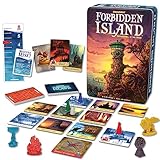
Overview: Forbidden Island, designed by Matt Leacock, is a cooperative board game where 2-4 players race to retrieve four sacred treasures from a sinking island before it vanishes. Aimed at ages 10+, it emphasizes teamwork over competition, making it ideal for family game nights focused on shared problem-solving and strategic planning. What Makes It Stand Out: Its innovative “sinking tile” mechanic creates dynamic tension as the board physically shrinks during play. Rich thematic illustrations immerse players in a perilous paradise, while the structured roles (like Pilot or Engineer) encourage complementary strategies. The balance between accessibility and meaningful decisions enhances replayability without overwhelming complexity. Value for Money: Priced mid-range for a family board game, it delivers exceptional value with durable components, clear rules, and high replayability through variable setups. It outperforms many competitors by fostering genuine collaboration instead of luck-based outcomes, justifying its cost for frequent game-night households. Strengths and Weaknesses: Strengths: Engaging cooperative mechanics; intuitive rules; promotes critical thinking; high-quality art and components. Weaknesses: Limited to 4 players; difficulty scaling can feel inconsistent; some roles may seem underpowered to new players. Replayability is strong but not infinite without expansions. Bottom Line: A near-perfect entry into cooperative gaming for families and casual players, Forbidden Island excels as an educational, tension-filled adventure. Highly recommended for building teamwork skills, though larger groups may need alternatives.
2. Flow: The Official Cooperative Board Game | Strategy Game for 1–4 Players Ages 8+ | Based on The Award-Winning Animated Film | Family & Solo Play | Survive The Flood, Rescue Allies
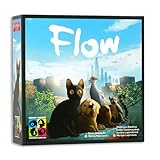
Overview: Flow translates the emotional depth of the animated film into a real-time cooperative board game for 1-6 players (ages 8+). Players navigate a modular island map under rising floodwaters, rescuing animal allies while managing limited actions—a race against time that captures the film’s serene yet urgent spirit. What Makes It Stand Out: The dynamic “rising water” mechanic forces adaptive strategies as the board physically floods each round. Its solo-play compatibility and 11 scenario cards ensure immense replayability, while the tile-laying system creates unique layouts every session. The real-time pressure elevates tension beyond typical turn-based games. Value for Money: At a competitive price point, Flow offers remarkable depth with minimal setup. The scenario-driven design and solo mode maximize longevity, outshining many cooperative games that lack replay variety. Its emotional resonance from the film adds intangible value for fans. Strengths and Weaknesses: Strengths: Brilliant real-time mechanics; exceptional replayability; seamless solo/family play; beautiful thematic integration. Weaknesses: Real-time element may frustrate casual players; scenario balance can vary; component durability (thin tiles) feels modest for the price. Bottom Line: Flow is a masterclass in atmospheric, replayable cooperative design. Its emotional weight and adaptive challenges make it a standout for film fans and strategy enthusiasts alike—highly recommended for immersive, ever-changing gameplay.
3. Pandasaurus Cooperative Strategy Card Game - Fun Interactive Family Game for Ages 8+, 1-5 Players, 20 Minute Playtime
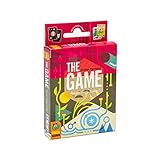
Overview: “The Game” is a minimalist cooperative card game where 1-5 players race to play descending (1-50) and ascending (50-100) card sequences simultaneously under strict communication limits. With a 20-minute runtime and universal appeal, it transforms simple mechanics into a tense, brain-teasing group challenge. What Makes It Stand Out: Its genius lies in enforced silence—players can only share numerical ranges, demanding profound non-verbal teamwork. The “no takebacks” rule and escalating difficulty create addictive tension. As a Spiel Des Jahres winner, it proves depth emerges from constraints, not complexity. Value for Money: Extremely cost-effective given its award-winning status, compact size, and endless replayability. Outperforms pricier strategy games by delivering intense, repeatable sessions with just 98 cards. Ideal for travelers or quick game nights where space and time are limited. Strengths and Weaknesses: Strengths: Brilliant communication mechanics; lightning-fast setup/play; highly portable; exceptional replay value; accessible to kids yet challenging for adults. Weaknesses: Minimal components feel sparse; strict rules may frustrate younger players; victory/loss variance feels high initially. Bottom Line: A near-flawless cooperative gem that turns silence into thrilling strategy. Its low barrier to entry and profound depth make it essential for families and game groups—unreservedly recommended for bite-sized, brain-bending fun.
4. Pressman The Oregon Trail Card Game - Cooperative Gameplay Based on The Classic Computer Game, Ages 12 and Up, 2-6 Players

Overview: This card game revives the iconic computer classic, tasking 2-6 players (ages 12+) with cooperatively managing a wagon train across the Oregon Trail. Players hunt, trade, and battle diseases like dysentery while racing to reach Oregon before supplies run out—a nostalgic, humorous survival challenge. What Makes It Stand Out: Its cheeky retro 8-bit art style injects dark humor into historically grim scenarios (e.g., “You died of dysentery” cards). The cooperative-but-competitive tension—where players share goals but hoard resources—cleverly mirrors the original game’s brutal trade-offs, creating memorable, laugh-out-loud moments. Value for Money: Priced affordably, it leverages nostalgia powerfully with minimal components. While less mechanically deep than premium board games, its quick playtime (20-30 mins) and humor maximize replay value for casual groups, outperforming similar party games in thematic cohesion. Strengths and Weaknesses: Strengths: Hilarious theme execution; fast-paced and accessible; strong nostalgia factor; easy to learn. Weaknesses: Light strategy; component quality is basic (thin cards); replayability wanes after initial novelty; luck-heavy disease mechanics frustrate some. Bottom Line: A charming, humorous tribute to a gaming legend—best for nostalgic groups seeking lighthearted, cooperative fun. Recommended for fans of the original, though strategy purists may find it too simplistic.
5. Castle Panic 2nd Edition | Cooperative Board Game for Adults and Family | Ages 8+ | for 1 to 6 Players | Average Playtime 45 Minutes | Made by Fireside Games

Overview: Castle Panic 2nd Edition is a cooperative tower-defense game where 1-6 players defend Castle Bravehold from advancing monsters across forest, path, and castle rings. With 45-minute sessions and adjustable difficulty, it merges accessibility with strategic depth for families and casual gamers. What Makes It Stand Out: Its 3D cardboard towers (which crumble when destroyed) create visceral, memorable moments. Four distinct play modes—especially the competitive “Overlord” variant—massively boost replayability. The modular threat system (plagues, boulders, boss monsters) ensures no two sieges feel identical. Value for Money: Packed with high-quality components (vibrant tokens, sturdy board), it justifies its price through exceptional longevity. Outshines competitors by supporting up to 6 players without complexity bloat, making it a versatile investment for large game nights. Strengths and Weaknesses: Strengths: Engaging 3D towers; scalable difficulty; diverse play modes; intuitive rules; thrives with mixed-age groups. Weaknesses: Tower assembly is time-consuming; artwork can feel cluttered; solo mode lacks depth compared to co-op. Bottom Line: A near-perfect family cooperative game that balances excitement and strategy. Highly recommended for groups seeking accessible, replayable teamwork—with its tower-crumbling drama, it’s a standout for game-night staples.
6. The Lord of The Rings: Adventure to Mount Doom | Family Game | Cooperative Game | Strategy Game

Overview: This cooperative board game transports players to Middle-earth, where up to four participants team up to guide Frodo toward Mount Doom. Using dice rolls and card draws, players navigate hazards while evading Ringwraiths in a race to destroy the One Ring. With a 50-minute playtime, it aims to capture Tolkien’s epic atmosphere for families and casual gamers.
What Makes It Stand Out: Its immersive Tolkien theme is the standout feature, leveraging iconic lore to drive gameplay. The cooperative structure—where players win or lose together—fosters teamwork, while the blend of dice mechanics and card strategy creates accessible tension. Solo playability adds versatility, making it rare for family-oriented strategy games.
Value for Money: Priced competitively for a themed strategy game, it offers solid replayability through variable scenarios and player count flexibility. While deeper Tolkien fans might crave more complexity, it outperforms generic family games in thematic depth without demanding a premium investment.
Strengths and Weaknesses: Strengths: Engaging theme execution; intuitive rules for ages 8+; promotes collaboration; decent solo mode. Weaknesses: Dice reliance can feel luck-heavy; limited strategic depth for hardcore gamers; component quality is functional but not premium.
Bottom Line: An excellent entry-point for Tolkien enthusiasts and families seeking cooperative fun. Its charm and accessibility justify the price, though veterans may desire more complexity.
7. Peaceable Kingdom Race to the Treasure! Cooperative Path Building Game for 2 to 4 Kids Ages 5+

Overview: Designed for children aged 5+, this award-winning cooperative game tasks 2–4 players with building a path to treasure before an Ogre reaches it. With no reading required, kids collaboratively place path tiles to connect start and finish points, fostering early strategic thinking in a vibrant, frustration-free package.
What Makes It Stand Out: Its pure cooperative design—where all win or lose together—teaches teamwork without competition. The path-building mechanic subtly develops spatial reasoning and planning skills, while award-winning credentials (including Oppenheim Platinum) validate its educational merit. Minimalist, eco-friendly packaging enhances accessibility.
Value for Money: Exceptional for its target age group. At a modest price, it delivers durable components, replayability through variable setups, and tangible social-development benefits. It outperforms competitive kids’ games by eliminating exclusionary dynamics, offering lifelong skill-building value.
Strengths and Weaknesses: Strengths: Perfect for preschoolers; zero reading needed; builds cooperation and strategy; eco-conscious packaging; award-validated. Weaknesses: Short play sessions may bore older kids; limited depth for repeat plays beyond age 7; simplistic for family game nights.
Bottom Line: A must-have for early childhood development. Its focus on cooperative learning and ease of use makes it a worthy investment for parents and educators.
8. Slay The Spire: The Board Game - Cooperative Fantasy Board Game

Overview: Adapting the acclaimed digital roguelike, this 1–4 player cooperative game challenges teams to build decks, defeat monsters, and conquer a spire using strategic card combos. Featuring high-quality miniatures, dual boards, and over 650 cards, it targets ages 12+ with 45-minute setup and immersive fantasy combat.
What Makes It Stand Out: The staggering card count (650+) enables near-limitless deck customization, while detailed miniatures and dual boards elevate the tactile experience. Its faithful translation of the video game’s deckbuilding depth into physical form—without app reliance—is a technical marvel for strategy enthusiasts.
Value for Money: Priced mid-to-high for board games, it justifies cost through component richness and exceptional replayability. The sheer volume of cards and strategic layers surpasses most cooperative games in its range, though casual players may find setup time prohibitive.
Strengths and Weaknesses: Strengths: Deep, customizable deckbuilding; premium components; strong solo/group balance; accessible rules for complex strategy. Weaknesses: Long setup/teardown; steep learning curve despite “accessible” claims; card organization can be cumbersome.
Bottom Line: A triumph for deckbuilding fans seeking physical gameplay. Worth the investment for strategic depth, but best suited for dedicated gamers.
9. Happy Camper - The Four Doors | New Cooperative Game by Creator of Forbidden Island and Pandemic | Super Portable | Great for Solo Play, Two Players, and Groups
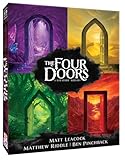
Overview: From Pandemic’s creator Matt Leacock, this portable cooperative game challenges 1–5 players to retrieve sacred treasures behind four tower doors before shadows seal them. With 30-minute sessions, it emphasizes quick setup, strategic teamwork, and travel-friendly design for ages 10+.
What Makes It Stand Out: Its super-portable size (near-pocketable) and flawless solo/co-op flexibility are unmatched. Leacock’s signature tension—balancing risk and collaboration—shines here, while the “mystical light tower” theme offers fresh narrative stakes without complex rules. The 30-minute runtime suits tight schedules.
Value for Money: Highly efficient for its portability and designer pedigree. It delivers Pandemic-level strategy in a fraction of the space, outperforming bulkier games for travelers. The $30–$40 price point is justified by reusability across solo to group play.
Strengths and Weaknesses: Strengths: Ultra-portable; seamless solo-to-5-player scaling; tight gameplay loop; Leacock’s polished design. Weaknesses: Limited theme immersion; minimal component variety; replayability hinges on strategy variation.
Bottom Line: An essential travel game. Its portability and design brilliance make it a standout for on-the-go strategic fun.
10. The Night Cage by Smirk and Dagger | Cooperative Candlelit Horror Strategy Game | Tile Laying Labyrinth Escape Adventure for 1 to 5 Players Ages 14 Plus

Overview: This innovative horror game uses a real candle to light a shifting tile-laid labyrinth, where 1–5 players race to escape before Wax Eaters or darkness trap them. With adjustable difficulty and advanced modes, it merges physical tension with strategic pathfinding for ages 14+.
What Makes It Stand Out: The candle mechanic is revolutionary—light literally diminishes as wax burns, altering visibility and strategy in real time. Award-winning atmosphere leverages primal fear of darkness, while dynamic tile shifts and horror elements create unparalleled emotional immersion unmatched by digital alternatives.
Value for Money: Premium-priced but justified by unique components (candle, specialized tiles) and multi-layered replayability. The candle’s consumable nature adds novelty, though replacement costs marginally reduce long-term value versus standard games.
Strengths and Weaknesses: Strengths: Unforgettable candle-driven tension; award-winning thematic depth; scalable difficulty; exceptional teamwork focus. Weaknesses: Candle logistics (safety, replacement); limited playtime per candle; not ideal for bright environments.
Bottom Line: A genre-defining experience. Worth every penny for horror and strategy fans seeking visceral, innovative gameplay.
Understanding Cooperative Gameplay Dynamics
Defining True Cooperation vs. Semi-Cooperative Mechanics
True cooperative games require all players to win or lose together based on shared objectives. Every decision impacts the collective outcome, demanding genuine collaboration. Be cautious of semi-cooperative designs, where hidden roles or individual win conditions can introduce betrayal mechanics, fundamentally altering the dynamic. While sometimes exciting, these shift the focus away from pure teamwork towards suspicion and hidden agendas, which might not be the experience your group seeks. Understanding this distinction upfront prevents disappointment when the game unfolds.
The Critical Role of Communication Rules
How the game governs player discussion is paramount. Some enforce strict “no talking” rules during specific phases, simulating communication breakdowns under pressure (like in a disaster scenario), while others encourage open deliberation. Consider your group’s preference: enforced silence creates intense, high-stakes moments but can frustrate players who enjoy brainstorming. Open communication fosters deeper strategic planning but risks analysis paralysis. The best games integrate communication rules seamlessly into the theme, making restrictions feel logical and enhancing immersion rather than hindering it.
Avoiding the Alpha Player Pitfall
A common cooperative game flaw is the emergence of a single dominant “alpha player” who dictates all moves, reducing others to passive followers. Look for mechanics that actively distribute agency: asymmetric player roles with unique abilities, simultaneous action selection, or phases where specific players have designated decision-making authority for certain tasks. Games that force players to specialize and rely on each other’s unique contributions naturally mitigate alpha player dominance, ensuring everyone feels essential to the team’s success.
Essential Features for an Engaging Cooperative Experience
Meaningful Player Roles and Asymmetry
Generic, interchangeable roles often lead to disengagement. The most compelling cooperative games feature distinct, asymmetric roles where each player has unique powers, responsibilities, or information crucial to overcoming the challenge. This asymmetry isn’t just thematic fluff; it creates interdependence. One player might manage resources, another handles combat, and a third deciphers clues – forcing constant negotiation and leveraging individual strengths, making every participant feel indispensable to the collective effort.
Dynamic Difficulty and Scalability
A game that’s too easy becomes boring; one that’s impossibly hard leads to frustration and quitting. Seek out cooperative games with intelligent difficulty scaling. This isn’t just about adding more enemies; it should involve modular rules, adjustable scenario parameters, or variable setup options that meaningfully change the challenge curve based on player count or desired intensity. The best systems allow groups to calibrate the experience, ensuring the game remains a thrilling test of teamwork without feeling unfair or trivial, session after session.
Integration of Theme and Mechanics
Cooperative games truly excel when the mechanics are the theme. Avoid titles where the cooperative element feels tacked on. Does the rulebook simulate the panic of containing a spreading infection? Does the action system reflect the coordination needed to navigate a spaceship through an asteroid field? When the rules directly embody the narrative struggle – like limited actions representing time pressure or shared resources mirroring scarce supplies – immersion deepens, and strategic decisions carry genuine emotional weight, making victories feel earned and losses narratively compelling.
Practical Considerations for Your Group
Optimizing for Your Player Count Range
Cooperative games often behave drastically differently depending on how many people are playing. A game designed primarily for 3-4 players might become unmanageably slow with 5 or lack sufficient challenge with only 2. Conversely, some excel at larger counts but feel sparse with fewer. Pay close attention to the manufacturer’s recommended range and read detailed player count analyses. Consider your typical group size: if you usually play with 2, prioritize two-player optimized designs; for family game nights with fluctuating numbers, seek games renowned for flexibility across 3-6 players.
Managing Game Length and Session Commitment
Be realistic about your group’s attention spans and available time. Cooperative games can range from quick 20-minute puzzles to epic 3-hour campaigns. Evaluate the typical playtime for your intended player count – it often increases significantly with more participants. Consider whether the game supports pausing (some narrative-driven co-ops do, while others rely on constant tension). A game that consistently overruns its listed time or demands marathon sessions will quickly gather dust, no matter how brilliant its design.
Accessibility for Mixed Experience Levels
Introducing new players to cooperative gaming is a fantastic gateway, but the game must accommodate varying skill levels. Look for accessible entry points: clear initial scenarios, intuitive core mechanics that ramp up in complexity, and rulebooks that effectively teach the game through play. Games with heavy rule density or obscure terminology upfront can overwhelm newcomers, hindering the collaborative spirit. The ideal cooperative title allows experienced gamers to dive deep into strategy while giving novices straightforward, impactful actions they can contribute meaningfully from the very first game.
Building Long-Term Replay Value
Variable Setup and Scenario Design
Predictability kills replayability. The hallmark of a lasting cooperative game is significant variability between plays. This goes beyond a simple random card draw. Look for modular boards, randomized objective decks, multiple distinct scenarios with unique win/loss conditions, or branching narrative paths. Games where the central challenge fundamentally shifts – perhaps altering the enemy behavior, the map layout, or the primary threat – ensure that each session presents a fresh puzzle, demanding new strategies and preventing the group from simply memorizing an optimal solution.
Legacy and Campaign Systems Done Right
Campaign-driven cooperative games, where choices and outcomes persist across multiple sessions, offer incredible depth and narrative investment. However, not all legacy systems are equal. Prioritize those where player decisions genuinely shape the evolving story and game state, introducing meaningful new mechanics, components, and challenges organically. Avoid systems that feel like arbitrary unlocks or diminish player agency. A well-crafted campaign transforms the game from a single puzzle into an evolving epic, fostering deep investment in the shared journey, but requires a significant time commitment from the group.
Modular Expansions vs. Core Game Depth
While expansions can extend a game’s life, never rely on them to fix a shallow core experience. A strong cooperative foundation should offer robust replayability without additional purchases. Evaluate the base game’s inherent variability first. When considering expansions, look for those that introduce substantial new mechanics, scenarios, or challenges that integrate seamlessly, rather than just adding more of the same content. The best expansions feel like essential chapters, not mere filler, significantly altering the strategic landscape and providing genuinely new cooperative hurdles to overcome.
Ensuring a Smooth and Enjoyable Experience
Physical Component Quality and Table Presence
Cooperative games often involve constant reference to boards, cards, and tokens by multiple players simultaneously. Durable components are non-negotiable: thin cards that warp, flimsy miniatures, or confusing iconography will frustrate during tense moments. Consider table space – sprawling boards with intricate setups can become unwieldy. Good component design enhances play: clear iconography speeds up decision-making, distinct token colors prevent confusion, and thematic art deepens immersion. A game that feels solid and looks inviting in play significantly boosts the overall enjoyment and reduces setup/cleanup friction.
Streamlined Rules and Intuitive Design
Nothing kills cooperative momentum like constant rulebook lookups for edge cases. Prioritize games with elegantly designed rule sets where the core interactions feel logical and intuitive within the theme. Look for strong visual design that minimizes text dependency – well-crafted icons, clear player aids, and a logical flow of gameplay phases. A game that teaches itself through the first scenario, minimizing upfront rule explanations, allows your group to dive into the collaborative challenge much faster, preserving precious game night energy for actual play, not arbitration.
Balancing Challenge with Player Agency
The most frustrating cooperative games are those where loss feels inevitable due to random chance or opaque mechanics, rather than a result of team decisions. Seek designs where player choices demonstrably impact the outcome. Even when facing tough odds, players should feel their strategies mattered – that a loss was due to a misjudged risk or a failed coordination, not just a string of bad dice rolls with no recourse. Games offering meaningful “tough choices” (sacrifice one objective to save another, divert resources unexpectedly) create dramatic moments where agency is clear, making victories sweeter and losses feel like valuable learning experiences for the next attempt.
Frequently Asked Questions
How do I know if a cooperative game is right for my group?
Consider your group’s dynamics: do you enjoy shared problem-solving more than direct competition? Are you open to potentially losing together? If your group values collaboration, communication, and collective storytelling over individual victory, cooperative games are likely an excellent fit, especially for mixed-skill groups or family settings.
Can cooperative games still be challenging and strategic?
Absolutely. The best cooperative games present deep strategic puzzles requiring careful planning, resource management, risk assessment, and adaptation. The challenge comes from mastering the game system’s mechanics and working effectively as a team, often leading to more intense and memorable strategic moments than traditional competitive play.
What’s the biggest mistake new cooperative game players make?
Often, it’s falling into the “quarterbacking” trap – one player taking control and directing everyone else’s moves. This undermines the cooperative spirit. Encourage all players to actively participate in discussion, make their own decisions within the team framework, and leverage their unique roles. The game master should facilitate, not dictate.
How important is theme in choosing a cooperative game?
Theme is crucial for immersion and engagement. A strong thematic integration makes the mechanics feel purposeful and the challenges more compelling. Choose a theme your group genuinely connects with (space exploration, fantasy quest, historical event) as it significantly enhances the shared narrative experience and motivation to overcome the obstacles.
Are cooperative games suitable for children?
Many are excellent for families! Look for titles specifically designed with younger players in mind, featuring simpler rules, shorter playtimes, bright components, and age-appropriate themes. Cooperative play is often ideal for kids as it reduces frustration from losing and encourages teamwork and communication skills in a supportive environment.
What does “legacy” mean in cooperative board games?
Legacy games feature a campaign where the game physically changes over multiple sessions based on your group’s choices and outcomes. You might unlock new components,贴 seals to the board, or modify rules permanently. This creates a unique, evolving narrative experience specific to your group, but requires a significant commitment to play through the entire campaign.
How can I prevent analysis paralysis in cooperative games?
Set gentle time limits for discussions, use a timer for critical phases, and encourage players to propose concrete plans rather than endless hypotheticals. Games with simultaneous action selection or phases where players act independently before resolving collectively can also naturally reduce over-analysis by limiting constant group deliberation.
Do cooperative games work well with only two players?
Yes, but not all do! Many cooperative games are optimized for 3-4 players and feel clunky or too easy with just two. Seek out titles explicitly designed or highly recommended for two-player play. These often feature mechanics that create meaningful interaction and challenge specifically for a duo, such as alternating initiative or shared responsibility mechanics.
Can cooperative games become too difficult and frustrating?
They certainly can. Look for games with adjustable difficulty settings or modular rules that let you tailor the challenge. If a game consistently feels impossible, it might be poorly balanced for your group size or experience level. Don’t be afraid to house-rule minor adjustments (like giving an extra resource) to keep the experience fun and focused on teamwork rather than pure frustration.
Is there such a thing as “too much” cooperation where the game feels like solo play?
Yes, this happens in poorly designed co-ops where players have minimal meaningful interaction, essentially solving individual puzzles on the same board. True cooperative play should require constant communication, negotiation, and interdependent actions. If players rarely need to consult each other or their actions don’t significantly impact teammates’ options, the game lacks genuine cooperative depth.
See Also
- 10 Top-Rated Adventure Cooperative Board Games According to Experts in 2026
- 10 Top-Rated Survival Cooperative Games According to Experts in 2026
- 10 Top-Rated Escape Room Board Games According to Experts in 2026
- 10 Most Durable Cooperative Board Games Based on Real User Reviews in 2026
- The 10 Most Revolutionary Horror Cooperative Board Games of 2026