Table of Contents
Cooperative gaming has evolved from a niche hobby into a dominant force in tabletop entertainment, and 2026 marks a fascinating turning point where expansions are no longer just add-ons—they’re transformative experiences that redefine how teams interact around the table. The modern expansion doesn’t simply tack on new cards or characters; it architects entirely new layers of communication, strategy, and shared triumph that can breathe fresh life into familiar favorites. Whether your group has been playing together for years or you’re building a new regular game night crew, understanding what makes these team-focused additions valuable has never been more crucial.
This comprehensive guide cuts through the marketing noise to explore the essential elements that separate meaningful cooperative expansions from mere shelf-fillers. We’ll examine the mechanical innovations that strengthen group dynamics, the structural considerations that impact long-term enjoyment, and the practical factors every team should evaluate before investing. Rather than handing you a simplistic ranked list that might not fit your group’s unique chemistry, we’re diving deep into the DNA of what makes cooperative expansions truly enhance team play—empowering you to make informed decisions based on your specific player count, skill level, and social dynamics.
Top 10 Cooperative Game Expansions
Detailed Product Reviews
1. Scorpion Masqué Sky Team Turbulence Expansion | Cooperative Dice Game | Ages 12+ | 2 Players | 20 Minutes

Overview: Sky Team Turbulence Expansion thrusts the intense two-player cooperative dice game into even more perilous territory. This essential add-on requires the base Sky Team game and introduces ten new international destinations and twenty fresh scenarios that test your piloting partnership to the absolute limit. Weather degrades, systems fail, and communication becomes paramount as you battle through alarms and low visibility conditions. The expansion ingeniously fits inside the original box, making storage seamless for dedicated fans.
What Makes It Stand Out: The turbulence mechanic fundamentally alters the core experience by introducing chaotic, unpredictable elements that mirror real-world aviation crises. Each new scenario feels distinct, from navigating Beijing’s smog to Antarctica’s whiteout conditions. The expansion’s smart packaging solution demonstrates thoughtful design, while the destination variety—spanning from Düsseldorf to Cape Town—provides genuine thematic diversity without bloating the game.
Value for Money: For an expansion that essentially doubles your scenario count and adds significant mechanical depth, Turbulence offers exceptional value. Comparable board game expansions often cost more while delivering less content. The replayability injection justifies every penny, especially for couples or dedicated pairs who’ve mastered the base game.
Strengths and Weaknesses: Pros include seamless integration, thematic richness, and genuinely challenging new content. The compact storage solution is brilliant. Cons: requires the base game, significantly increases difficulty which may frustrate some players, and remains limited to two players only.
Bottom Line: If you own Sky Team and crave more white-knuckle coordination challenges, Turbulence is mandatory. It transforms a great game into an essential one for cooperative gaming duos.
2. Asmodee Pandemic Board Game (Base Game) - A Cooperative Battle to Save Humanity, Strategy Game for Kids and Adults, Ages 8+, 2-4 Players, 45 Minute Playtime

Overview: Pandemic revolutionized cooperative gaming when it launched, creating a tense race against time as 2-4 players work as disease-fighting specialists. Four deadly viruses spread across a world map, and your team must balance treating infections, researching cures, and preventing global outbreaks. With a 45-minute playtime and accessible rules, it’s become the gateway cooperative game for families and strategy gamers alike, spawning an entire franchise of expansions and spinoffs.
What Makes It Stand Out: The genius lies in its elegant simplicity combined with escalating tension. Each player’s unique role creates genuine interdependence, while the infection deck’s unpredictability generates memorable moments. The game’s difficulty scales brilliantly, and the core loop of strategic planning shattered by sudden outbreaks never feels unfair. It’s a masterclass in cooperative design that avoids alpha-player issues better than most.
Value for Money: As one of the best-value propositions in modern gaming, Pandemic delivers hundreds of plays before feeling repetitive. At its price point, it outperforms many heavier strategy games in replayability. The extensive expansion ecosystem means you can refresh the experience without replacing the core investment.
Strengths and Weaknesses: Pros: accessible teaching, perfect pacing, strong theme, scalable difficulty, and excellent production quality. Cons: potential for experienced players to quarterback newer ones, some luck dependency, and can feel puzzle-like after extensive play. The base game alone may feel limited for veteran gamers.
Bottom Line: Every board game collection needs Pandemic. It’s the definitive cooperative gateway game that remains engaging years after purchase, perfect for families and gaming groups alike.
3. 5-Minute Dungeon: Curses! Foiled Again! Expansion | Real-Time Cooperative Board Game Add-On | New Heroes, Curses, Artifacts | 1-6 Players, Ages 8+ | Wiggles 3D

Overview: Curses! Foiled Again! injects fresh chaos into the frantic real-time dungeon crawler 5-Minute Dungeon. This expansion adds two new heroes—the Druid and Shaman—enabling play for up to six adventurers. More significantly, it introduces the game-changing Curse cards that dynamically alter rules mid-battle, plus boss-specific decks and six single-use artifacts. Each dungeon becomes uniquely treacherous as curses linger to vex your party throughout the encounter.
What Makes It Stand Out: The Curse mechanic brilliantly subverts the base game’s established rhythms, forcing teams to adapt on the fly. Each boss’s tailored card set creates thematic variety previously lacking, while the artifacts provide clutch decision points. Expanding to six players transforms it into a true party game, and the Druid/Shaman offer genuinely new playstyles rather than simple reskins.
Value for Money: For fans of the base game, this expansion offers tremendous bang for your buck. The content significantly refreshes the experience at a fraction of the original’s cost. Comparable real-time game expansions rarely add this many mechanical layers while maintaining the core identity.
Strengths and Weaknesses: Pros: increased player count, curses add hilarious unpredictability, boss variety enhances replayability, and artifacts create strategic depth. Cons: makes an already chaotic game more overwhelming, requires base game, and curses may frustrate players seeking pure speed. Six-player games can become too frenetic.
Bottom Line: If you enjoy 5-Minute Dungeon’s manic energy, this expansion is essential. It deepens the experience without slowing it down, making it perfect for groups craving more variety.
4. Talisman Alliances: Fate Beckons Board Game | Talisman Expansion | Cooperative Fantasy Adventure Games | Ages 12+ | 2 to 6 Players
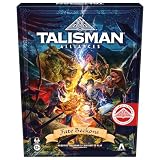
Overview: Talisman Alliances: Fate Beckons represents a radical departure for the venerable fantasy adventure series by introducing cooperative play to the traditionally competitive 5th Edition. This first expansion requires the base game and transforms 2-6 players into a unified force against evil. You’ll tackle five sequential Trials, each demanding you place Talismans on Places of Power, unseal the Portal of Power, and defeat a unique adversary. Legacy-style envelopes unlock mystery figures and cards as you progress.
What Makes It Stand Out: The cooperative overhaul fundamentally reimagines Talisman’s DNA, creating shared objectives where resource pooling and joint planning become essential. The five Trials offer distinct challenges with progressive unlocking that adds campaign-style continuity. Mystery components revealed through gameplay provide genuine excitement, while the doom tracker adds urgent tension missing from the base game’s often-meandering pace.
Value for Money: While requiring a significant base game investment, Alliances delivers a transformative experience that essentially provides a second game mode. The amount of new cards, figures, and the innovative trial system justify the cost better than many cosmetic expansions.
Strengths and Weaknesses: Pros: fresh cooperative twist, campaign structure adds purpose, mystery unlocks create engagement, and addresses base game’s length issues. Cons: requires Talisman 5th Edition, may alienate competitive purists, can still run long, and needs consistent player group for best experience.
Bottom Line: For Talisman owners seeking cooperative adventure, this is revolutionary. It preserves the franchise’s charm while fixing its biggest weaknesses, making it a must-have expansion.
5. Pandasaurus Cooperative Strategy Card Game - Fun Interactive Family Game for Ages 8+, 1-5 Players, 20 Minute Playtime

Overview: The Game, from Pandasaurus, distills cooperative tension into a deceptively simple card game where 1-5 players attempt to discard all cards from two decks representing time’s passage. With over 1.3 million copies sold and a Spiel Des Jahres award, this 20-minute experience challenges teams to play cards in sequential order without traditional communication. It’s abstract yet intensely psychological, as you must deduce teammates’ strategies while managing your own hand.
What Makes It Stand Out: The restriction on communication creates a unique silent partnership dynamic. Players must read intentions through card placement alone, generating moments of triumph and frustration. Its minimal ruleset belies surprising depth, and the solo mode provides genuine challenge. The game’s universal appeal spans ages 8+ without feeling watered down.
Value for Money: As one of the most affordable award-winning games available, The Game offers exceptional value. Its portability and quick playtime make it perfect for travel, filler sessions, or family gatherings. Few games deliver this much strategic depth at such a low price point.
Strengths and Weaknesses: Pros: lightning-fast setup, intense cooperation, true all-ages appeal, portable, and endlessly replayable. Cons: abstract theme may disappoint some, communication restrictions can feel arbitrary, and luck of the draw heavily influences difficulty. Player scaling works but shines best at 3-4 players.
Bottom Line: The Game belongs in every collection as the perfect filler. It proves that complexity isn’t required for engagement, making it ideal for families and gamers seeking quick, thoughtful cooperation.
6. Stellar Factory Ravine: A Crafty and Cooperative Card Game
Overview:
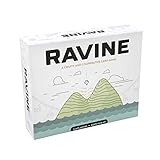
Stellar Factory Ravine is a cooperative party game for 3-6 players that ditches competitive backstabbing for shared survival. Players work together to navigate a treacherous ravine using 193 casino-quality cards and custom wood tokens. The game promises an accessible entry point for ages 12 and up, with rules designed to get groups playing within minutes. The tactile components include 36 screen-printed health tokens and a large fire token, emphasizing physical presence over flimsy chits.
What Makes It Stand Out:
The production quality immediately distinguishes Ravine from typical party games. The casino-grade cards and screen-printed wood tokens feel substantial and durable. Its cooperative nature is genuinely unique in the party game space, where betrayal mechanics often dominate. The game scales tension through its card-driven survival narrative rather than player-versus-player conflict, making it refreshing for groups tired of social deduction.
Value for Money:
At its price point, Ravine competes with entry-level hobby games. The component quality justifies the cost—wood tokens and premium cards rarely appear in mass-market party games. While cheaper options exist, few match this level of craftsmanship. For groups seeking a reusable, durable party experience, the investment pays off over multiple sessions.
Strengths and Weaknesses:
Strengths include exceptional component quality, genuine cooperative gameplay, and quick teach time. The 3-6 player range covers most gatherings. Weaknesses: The 12+ age rating may exclude younger families, and cooperative party games can suffer from “quarterbacking” where one player dominates decisions. Replayability depends on group dynamics rather than mechanical depth.
Bottom Line:
Ravine is a premium cooperative party game perfect for casual gaming groups valuing quality components and shared experiences over cutthroat competition. It’s an excellent alternative to mainstream party games, though strategists may crave more complexity.
7. The Wizard’s Tower ⎸Castle Panic Expansion ⎸Board Game for Adults and Family ⎸Cooperative Board Game ⎸Ages 8+ ⎸for 1 to 6 Players

Overview:
The Wizard’s Tower transforms the solid Castle Panic base into a magical inferno. This expansion requires the original game and injects it with a spell-casting wizard, flying monsters, fire tokens, and mega boss creatures. Designed for 1-6 players ages 10+, it maintains the 60-minute playtime while significantly escalating the challenge. The addition of a Wizard’s deck and flame mechanics creates new layers of strategic defense.
What Makes It Stand Out:
The spell system is the star—players now wield powerful magic to complement their archery, swordplay, and tar-throwing. Flying monsters ignore traditional ring-based movement, forcing completely new defensive formations. Fire spreads dynamically across the board, creating urgent tactical crises. The mega boss monsters serve as climactic threats that demand coordinated planning.
Value for Money:
As an expansion, it breathes substantial new life into Castle Panic. The amount of content—new cards, monsters, tokens, and a tower—offers excellent return on investment for base game owners. Compared to purchasing a new standalone game, this economically extends your existing collection’s replay value. However, the base game requirement is a hidden cost for newcomers.
Strengths and Weaknesses:
Strengths include dramatically increased variety, thematic immersion, and maintained accessibility. The new mechanics integrate seamlessly without bloating rules. Weaknesses: It requires Castle Panic, limiting its audience. The added complexity may slightly alienate pure casual players, and fire management can feel punishing. Some may find the wizard’s power overshadows base game roles.
Bottom Line:
Essential for Castle Panic owners seeking to elevate their experience. It adds meaningful depth while preserving the cooperative charm. Skip if you don’t own the base game or prefer lighter tower defense.
8. Asmodee The Lord of The Rings The Card Game The Two Towers SAGA Expansion - Cooperative Adventure Game, Strategy Game, Ages 14+, 1-4 Players, 30-90 Min Playtime

Overview:
This Saga Expansion continues the epic journey in The Lord of the Rings: The Card Game, covering the trilogy’s second act. It combines two previous expansions into one package, offering six scenarios that split the Fellowship and test heroes with new challenges. For 1-4 players ages 14+, it includes over 50 player cards and requires the core set. The 30-90 minute playtime varies by scenario complexity, delivering a narrative-driven campaign experience.
What Makes It Stand Out:
This is narrative-driven gameplay at its finest, faithfully recreating iconic moments. The campaign structure carries consequences between scenarios, creating genuine investment. Over 50 new cards allow deep deck customization, while six scenarios provide tremendous variety. Combining two expansions into one release offers exceptional convenience and value for players catching up on the saga.
Value for Money:
For LOTR LCG fans, this is a no-brainer—it’s essentially two expansions in one box. The content density rivals standalone games at a fraction of the cumulative cost. However, the hidden expense lies in needing the core set and potentially other expansions for optimal deckbuilding. Casual players may find the investment steep compared to complete games.
Strengths and Weaknesses:
Strengths include thematic richness, campaign continuity, and extensive card pool. The narrative weight is unmatched in cooperative card games. Weaknesses: The 14+ age rating and complexity barrier exclude younger gamers. It requires substantial ownership of the base game and possibly other expansions. Scenario difficulty can be brutally unforgiving, potentially frustrating less experienced players.
Bottom Line:
A must-own for devoted Lord of the Rings card game enthusiasts. It delivers an immersive narrative experience but demands commitment to the system. Not for casual players or those without the core set.
9. The Dark Titan ⎸Castle Panic Expansion ⎸Board Game for Adults and Family ⎸Cooperative Board Game ⎸Ages 8+ ⎸for 1 to 6 Players

Overview:
The Dark Titan brings an apocalyptic threat to Castle Panic in the form of Agranok, an 8-point monster leading elite forces. This expansion requires the base game and introduces a Cavalier unit, Boiling Oil defense, and Support tokens alongside 17 new monsters. Playable by 1-6 players ages 10+, it offers five difficulty levels for the titular Titan. The 60-minute runtime maintains the base game’s pacing while escalating tension dramatically.
What Makes It Stand Out:
Agranok is a game-changer—a massive boss that demands focused fire and strategic sacrifice. The five difficulty tiers allow groups to tailor the challenge precisely. Elite monsters bring new abilities that subvert established tactics, while the Cavalier and Boiling Oil provide fresh defensive options. Support tokens create interesting resource allocation decisions between players.
Value for Money:
Like the Wizard’s Tower, this expansion offers substantial content for Castle Panic owners. The variable difficulty extends its lifespan across skill levels, making it economical for diverse gaming groups. While similar in price to other expansions, the boss-focused design provides a different experience than spell-casting. The requirement of owning Castle Panic remains the primary cost barrier.
Strengths and Weaknesses:
Strengths include the imposing boss monster, scalable difficulty, and tactical variety. Components integrate smoothly with existing content. Weaknesses: Requires base game and may overlap thematically with Wizard’s Tower for budget-conscious buyers. The difficulty spike can overwhelm casual groups on higher tiers. Some monsters feel like retreads of base game concepts.
Bottom Line:
An excellent alternative to Wizard’s Tower for players wanting brute-force challenges over magical complexity. Perfect for Castle Panic veterans seeking fresh strategic depth. Avoid if you don’t own the base game.
10. Corps of Discovery: Insecta Expansion – Giant Insect Encounter for The Cooperative Board Game | 1–4 Players

Overview:
Insecta Expansion introduces a terrifying new threat to Corps of Discovery: giant insects that swarm and overwhelm players. This expansion requires the base game and adds a new enemy type, fresh Gear and Destiny cards, a unique frog-like boss monster named Ranaidae, and 10 replayable scenario maps. Designed for 1-4 players, it expands campaign options while maintaining the core survival horror cooperative experience that defines the base game.
What Makes It Stand Out:
The insect theme provides a distinct flavor from base game threats, with swarm mechanics that force different tactical responses. The Ranaidae boss near shorelines creates memorable set-piece battles. New Gear and Destiny cards meaningfully expand deck-building strategies without power creep. The 10 additional maps significantly extend campaign replayability, addressing a common criticism of the base game’s limited scenarios.
Value for Money:
For Corps of Discovery owners, this expansion doubles the content at a fraction of a new game’s cost. The new enemy type and campaign maps provide genuine variety rather than superficial additions. However, the base game’s niche status means this expansion serves a small audience. The price is fair for dedicated players but poor value if you don’t already own and love the core experience.
Strengths and Weaknesses:
Strengths include thematic enemy variety, expanded campaign content, and balanced new cards. The insect mechanics feel fresh and threatening. Weaknesses: Requires an already-niche base game, limiting accessibility. The expansion doesn’t fix base game flaws for those who disliked it. Component quality may not match the core set if produced separately.
Bottom Line:
Essential for Corps of Discovery fans wanting more variety and challenge. It delivers meaningful content that enhances the core experience. Irrelevant for anyone without the base game or those who didn’t enjoy the original.
Understanding the Expansion Landscape
What Expansions Actually Add to Base Games
Modern cooperative expansions operate on multiple levels simultaneously. They introduce fresh content like scenarios and components, but more importantly, they often rewire the fundamental decision-making architecture of the original game. The most impactful additions create new vectors for player interaction, forcing teams to communicate differently rather than just more frequently. Look for expansions that add strategic depth without bloating the rules overhead—those that integrate seamlessly into the base game’s flow while creating novel team challenges that couldn’t exist in the original framework.
Core Expansions vs. Modular Additions
The industry has largely split into two philosophies: core expansions that feel like missing chapters of the base game, and modular additions that function like plug-and-play toolkits. Core expansions typically expand narrative campaigns or add essential mechanics that many players consider indispensable for the full experience. Modular systems, conversely, offer buffet-style customization where groups can cherry-pick elements that match their current mood. For team play, modular designs often provide better long-term value because they let you adjust complexity based on who’s at the table, preventing the “we’re not ready for that” problem that can sideline enthusiastic but less experienced players.
The Team-Focused Design Revolution
Game designers in 2026 have shifted their mindset from “more content” to “better collaboration.” This means expansions now frequently address specific social dynamics that emerge during cooperative play. You’ll find mechanics that combat quarterbacking by distributing hidden information asymmetrically, systems that reward synchronized timing between players, and structures that create meaningful individual contributions while maintaining group cohesion. The best team-focused expansions don’t just give you more to do—they give you better ways to depend on each other.
Key Features That Enhance Group Dynamics
Communication-Building Mechanics
The most valuable expansions for team play introduce controlled communication constraints that mirror real-world crisis management. These aren’t arbitrary restrictions but carefully calibrated systems that force players to prioritize information, interpret non-verbal cues, and develop shorthand communication protocols. Look for mechanics that limit what you can say during critical moments or require you to convey complex strategies through limited channels. These features transform casual chat into high-stakes negotiation and turn every word into a precious resource.
Asymmetric Role Specialization
Expansions that deepen role differentiation create stronger team identity and reduce the alpha-player problem that plagues many cooperative games. The key is meaningful asymmetry—not just different abilities, but fundamentally different responsibilities that create interdependency. One player might manage long-term resource forecasting while another handles immediate crisis response, with neither able to succeed alone. This specialization fosters genuine expertise within your group and makes each member’s contribution feel irreplaceable, which is the cornerstone of satisfying team play.
Dynamic Difficulty Scaling Systems
Static difficulty levels are becoming obsolete in top-tier expansions. Modern systems use adaptive algorithms that respond to your team’s performance in real-time, creating a “just right” challenge curve that prevents both demoralizing losses and hollow victories. These scaling mechanisms often work by modulating the game’s pressure points based on how efficiently your team coordinates, effectively measuring your group’s synergy and adjusting the challenge accordingly. For mixed-experience groups, this feature is non-negotiable—it keeps everyone engaged without patronizing veterans or overwhelming newcomers.
Narrative Continuity and Campaign Structures
Story-driven expansions have evolved beyond simple branching paths to create persistent team narratives where decisions ripple across multiple sessions. The best implementations treat your group as a single entity with collective memory and shared consequences. This continuity builds inside jokes, references past heroics and failures, and creates a team identity that transcends individual players. When evaluating campaign expansions, examine how the narrative weaves player actions into the story rather than just presenting a predetermined plot with occasional decision points.
Compatibility and Integration Factors
Base Game Dependency and Version Control
Before any purchase, map the expansion’s dependency tree. Some additions require specific base game editions, prior expansions, or even promotional content. This complexity multiplies with legacy-style games where save states and permanent modifications matter. The best expansions for team play minimize these friction points, offering clear compatibility matrices and upgrade paths. Watch out for expansions that require you to own multiple other products to access the full experience—this can fragment your group if members own different versions.
Rules Complexity vs. Cognitive Load
Expansion bloat is the silent killer of cooperative enjoyment. Every new rule adds not just individual learning burden but group coordination overhead. Evaluate how expansions introduce complexity: do they add new phases that extend downtime, or do they layer onto existing structures? The most elegant expansions teach their rules through gameplay rather than reference sheets, and they reduce mental load by automating book-keeping tasks while adding strategic depth. For team play, prefer expansions that make the game feel richer without making it feel heavier.
Component Integration and Table Space
Physical practicality matters more than many realize. Expansions that require significant table space reorganization mid-game can kill momentum and create setup friction that discourages play. Examine how new components integrate with existing ones: do they use the same board spaces, or do they require side boards and satellite displays? The best team-focused expansions maintain a compact footprint while delivering expanded gameplay, often through clever component layering or digital companion apps that reduce physical sprawl.
Evaluating Long-Term Value for Groups
Player Count Flexibility
Group composition changes—tonight’s five-player session might be tomorrow’s three-player crisis. Premium expansions accommodate this variability without creating “optimal” player counts that leave people out. Look for scaling mechanisms that preserve the game’s core tension across different group sizes rather than just adding placeholder roles. The sweet spot is expansions that feel complete at their minimum player count but gain strategic richness with more participants, ensuring no one feels like they’re just watching.
Replayability Through Modular Scenarios
Randomized setup is table stakes; true replayability comes from modular systems that recombine mechanics in surprising ways. The most valuable expansions for regular groups offer scenario builders, challenge decks, or emergent threat systems that create novel situations from familiar components. These systems should be more than cosmetic variation—each configuration should demand different team strategies and communication patterns, preventing the “we’ve solved this” stagnation that ends many cooperative games’ lifespans.
Session Length Control
Time is the ultimate constraint for adult gaming groups. Expansions that offer explicit session length controls—like checkpoint saves, variable scenario lengths, or “episodic” structures—provide crucial flexibility. The best implementations let you choose your commitment level before starting, with clear breakpoints that feel like natural conclusions rather than arbitrary stopping points. This respect for your group’s schedule often determines whether an expansion gets played regularly or collects dust.
Mechanics That Transform Team Dynamics
Crisis Escalation Systems
Top-tier expansions don’t just add more threats—they create threat ecosystems where dangers compound and interact. These systems force teams to make excruciating triage decisions, allocating limited resources across multiple time-sensitive crises. The magic happens when threats aren’t just parallel problems but interconnected challenges where solving one might exacerbate another. This creates the delicious tension of “who do we save?” that defines memorable cooperative moments.
Resource Network Expansion
Instead of simply adding more resource types, innovative expansions transform how resources flow between players. They might create supply chains requiring handoffs, introduce shared pools with collective management rules, or add conversion mechanics that let teammates transform each other’s resources. These networks make resource management a dialogue rather than a solo optimization puzzle, turning every transaction into a negotiation and reinforcing interdependence.
Hidden Information and Deduction Layers
Strategic ambiguity is a powerful tool for preventing alpha gaming. Expansions that distribute incomplete information asymmetrically—where each player holds different puzzle pieces—necessitate information sharing without allowing any single player to see the full picture. The best implementations balance this so that withholding information is as strategic as sharing it, creating a metagame of trust and selective disclosure that mirrors real team dynamics.
Timed Challenge Modules
Not all groups enjoy real-time pressure, but well-designed timed modules create urgency without inducing panic. The key is variable timing mechanisms—sand timers, soundtrack cues, or app-based countdowns that teams can influence through clever play. These systems should create rhythm and tempo rather than pure chaos, forcing quick consensus-building and intuitive trust. For teams that communicate well, these moments become exhilarating showcases of synergy; for struggling groups, they reveal friction points constructively.
Practical Purchase Considerations
Assessing Your Group’s Skill Trajectory
Be honest about where your team is and where they’re heading. An expansion that’s perfect for your current skill level might feel restrictive six months from now as your group masters its nuances. Conversely, an expansion designed for expert coordination will gather dust if your group plays monthly. Look for expansions with skill gates—optional advanced modules that you can integrate gradually—or those that offer “learning scenarios” that teach deeper mechanics organically.
Storage and Longevity Solutions
Expansions can transform a sleek base game into an organizational nightmare. Evaluate the physical longevity of your investment: does the expansion include storage solutions, or will you need third-party inserts? Are components durable enough for frequent handling by multiple players? For team play, consider how setup and teardown time affects group enthusiasm—expansions that require 20 minutes of sorting before play often get vetoed by the group, regardless of gameplay quality.
Print-and-Play vs. Commercial Quality
The DIY expansion market has exploded, offering innovative mechanics at fraction of the cost. For established groups willing to invest assembly time, print-and-play expansions can provide incredible value and unique customization. However, commercial expansions offer professional balance testing, component quality, and official rules support that matters for groups who play regularly. The decision often hinges on your group’s tolerance for prototyping and whether you value polish over experimental mechanics.
Future-Proofing Your Cooperative Collection
Legacy and Campaign Expansion Models
The line between expansion and standalone experience continues to blur. Some modern expansions function as “season passes” that deliver content over months, while others are self-contained campaigns that happen to use base game components. For team play, consider how these models affect commitment: does the expansion require regular attendance, or can players drop in and out? The best models create persistent team progress while accommodating real-life scheduling realities.
Community and Fan Content Ecosystems
The lifespan of an expansion increasingly depends on its surrounding community. Products that embrace fan scenarios, official modding support, or integrated content sharing platforms offer exponentially more value than closed systems. Examine whether the publisher supports organized play, community events, or content creation tools. An expansion with an active community effectively grows over time, providing fresh challenges long after you’ve exhausted the official content.
Frequently Asked Questions
How do I know if my group is ready for an expansion? Look for consistent mastery of base game rules, signs of strategic stagnation, and most importantly, unanimous group enthusiasm. If even one player is still learning fundamentals, wait. The best indicator is when your team starts inventing “house rules” to increase challenge—that’s your cue that you’re ready for official advanced content.
Should we buy one big expansion or several small ones? This depends on your group’s play frequency and appetite for change. A single comprehensive expansion often provides better value for weekly groups, creating a coherent evolved experience. Occasional players benefit more from modular mini-expansions that can be mixed and matched to create novelty without overwhelming rule density.
How can we prevent expansions from overwhelming new players? Implement a “phased integration” approach where new players learn the base game first, then observe one advanced mechanic per session. Many expansions include “training wheels” scenarios specifically for this purpose. The key is making expansion content feel like earned expertise rather than required knowledge.
Do expansions usually increase game length significantly? Quality expansions maintain similar playtimes by streamlining base game processes while adding decision depth. However, expect a 15-25% increase during the first 2-3 plays as your group learns new systems. Look for expansions with explicit “quick start” variants if session length is a primary concern.
What’s the best way to store combined base games and expansions? Invest in unified storage solutions immediately. Mixed components become unplayable if you can’t efficiently set up the correct configuration. Many groups use labeled plano boxes or custom inserts, while others maintain separate storage and only pull specific modules. The critical factor is agreeing on one system that everyone can navigate.
Can expansions fix a base game our group doesn’t enjoy? Generally, no. Expansions amplify the base game’s core experience; they can’t rewrite fundamental design issues. If your group dislikes the base game’s central mechanism, an expansion will likely intensify that frustration. Address core game fit before investing in additions.
How do we handle expansions when players miss sessions in a campaign? Choose expansions with “catch-up” mechanics or narrative synopses that bring returning players up to speed without requiring make-up sessions. Some systems include “ghost player” rules that let absent participants contribute minimally. The best solution is often selecting expansions with episodic rather than continuous narratives.
Are digital companion apps worth the extra complexity? When well-integrated, apps reduce book-keeping and create dynamic scenarios impossible with physical components alone. However, they can also create technical friction and distract from face-to-face interaction. For team play, apps work best when they handle hidden information and timing, leaving strategic decisions firmly in players’ hands.
What’s the typical price-to-value ratio for quality expansions? Expect to pay 40-60% of the base game’s cost for a substantial expansion. Value isn’t measured in component count but in replayability enhancement. An expansion that transforms a game from 10 plays to 30+ plays offers exceptional value, while one that adds only 2-3 new scenarios rarely justifies the price for regular groups.
How can we test an expansion before buying? Many publishers offer demo modules at conventions or through board game cafes. Digital implementations on platforms like Tabletop Simulator often include expansion content for testing. Additionally, watch full playthrough videos with your group and pause to discuss whether the new mechanics would enhance or complicate your specific dynamic. Community forums often have detailed “pros and cons for groups” threads that provide practical insights beyond reviews.
See Also
- We Tested 50 Cooperative Game Expansions - Here are the 10 Best for Team Building
- 10 Must-Have Cooperative Game Expansions for Team Play in 2026
- We Tested 50 Cooperative Board Games - Here are the 10 Best for Party Play in 2026
- We Tested 50 Cooperative Board Games - Here are the 10 Best for Team Building
- 10 Must-Have Cooperative Game Expansions for Team Building in 2026