Table of Contents
Picture this: a group of people huddled around a table, brows furrowed in concentration, not competing for individual glory, but leaning in together, whispering strategies, sharing crucial information, and ultimately celebrating a hard-won victory as one. In an era increasingly defined by digital isolation and fragmented communication, this simple act of shared focus and collective problem-solving feels almost revolutionary. Cooperative board games have surged beyond mere entertainment; they’ve become vital social laboratories where trust is built, communication skills are forged, and the very essence of teamwork is practiced in a safe, engaging space. As we navigate the complexities of 2026, the need for these tangible, human-centered connection points has never been more acute.
Why are these shared tabletop experiences resonating so deeply now? It’s because they address a fundamental human need that technology often overlooks: the visceral satisfaction of achieving something meaningful together. Unlike digital interactions, cooperative board games demand presence – reading body language, hearing the urgency in a teammate’s voice, feeling the collective sigh of relief or groan of near-defeat. They transform abstract concepts like “collaboration” and “strategic planning” into concrete actions with immediate, shared consequences. In a world craving authentic connection and practical skill-building, these games aren’t just pastimes; they’re essential tools for fostering the resilient, adaptable teams our workplaces, communities, and families need to thrive.
Top 10 Cooperative Board Games
Detailed Product Reviews
1. Gamewright - Forbidden Island - Cooperative Strategy Survival Board Game, 2-4 Players
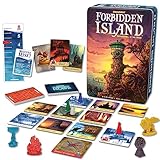
Overview: Forbidden Island, designed by Matt Leacock, is a foundational cooperative board game where players race against rising waters to retrieve four sacred treasures from a sinking island. Aimed at ages 10+, it accommodates 2-4 players in intense 30-minute sessions focused on teamwork and strategic planning. What Makes It Stand Out: Its innovative shared-goal mechanic sets it apart, requiring genuine collaboration rather than multi-player solitaire. Rich thematic artwork immerses players in the perilous island setting, while adjustable difficulty levels and unique character roles with special abilities provide significant replayability and cater to varying skill levels. Value for Money: Priced accessibly for a strategy board game, it offers exceptional longevity through modular board setup and difficulty scaling. Compared to similar-priced competitive games, its focus on cooperative problem-solving delivers unique family bonding value, making it a cost-effective staple for game nights. Strengths and Weaknesses: Strengths: Simple rules for quick setup, promotes critical thinking and communication, highly replayable, excellent family-friendly tension. Weaknesses: Can feel luck-dependent with unfavorable tile draws, limited player count (max 4), components are functional but not premium. Bottom Line: Forbidden Island remains a must-have cooperative classic, brilliantly balancing accessibility with strategic depth. Its enduring popularity and educational benefits make it an outstanding investment for families seeking meaningful shared experiences.
2. Scorpion Masqué Sky Team | Voted Game of The Year 2024 | Best 2 Player Game | Work Together to Land The Plane | Ages 14+ | 20 Minutes

Overview: Sky Team, the 2024 Game of the Year winner, thrusts two players into the high-stakes cockpit of a passenger jet during landing. Players assume distinct roles (Pilot and Co-Pilot) with unique dice-driven responsibilities, racing against a timer to safely land the plane across diverse global airports. What Makes It Stand Out: Its ingenious asymmetric role design creates unparalleled tension and interdependence; success hinges entirely on precise communication and trust during critical dice-rolling phases. The thematic immersion is deepened by optional modules (like kerosene leaks), 20 distinct airport scenarios, and physical cockpit components that heighten the realism within its tight 20-minute playtime. Value for Money: As a premium-priced 2-player specialist game, its exceptional production quality, award-winning design, and immense replayability (via scenarios/modules) justify the cost. It outperforms similarly priced games by delivering an intense, uniquely cooperative experience impossible to replicate with apps or solo games. Strengths and Weaknesses: Strengths: Unmatched 2-player synergy, incredibly tense and thematic, high replay value with scenarios, beautiful components. Weaknesses: Steep learning curve for non-gamers, reliance on precise communication can frustrate some pairs, limited to exactly two players. Bottom Line: Sky Team is a masterclass in cooperative design and a definitive recommendation for couples or dedicated gaming duos seeking an emotionally charged, unforgettable tabletop experience that fully earned its Game of the Year title.
3. Pandasaurus Cooperative Strategy Card Game - Fun Interactive Family Game for Ages 8+, 1-5 Players, 20 Minute Playtime
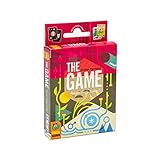
Overview: “The Game” is a deceptively simple, award-winning cooperative card game challenging 1-5 players to strategically play down two shared number sequences (ascending and descending) using limited hand resources. Its minimalist design belies deep tactical puzzles within a mere 20-minute runtime for ages 8+. What Makes It Stand Out: Its pure cooperative essence—where players openly discuss strategy but cannot dictate moves—creates intense, silent communication challenges. The game’s genius lies in its punishing simplicity: strict rules (no taking cards back, limited discards) force constant risk assessment, fostering remarkable teamwork under pressure with just two decks of numbered cards. Value for Money: Offering incredible depth at a modest price point, it surpasses flashier games through sheer replayability and portability. With over 1.3 million copies sold and Spiel des Jahres recognition, it provides unmatched value for families or groups seeking a consistently engaging, travel-friendly brain teaser. Strengths and Weaknesses: Strengths: Extremely portable, easy to learn, deeply strategic despite simple rules, scales perfectly for 1-5 players, highly replayable. Weaknesses: Can feel overly punishing due to luck of the draw, lacks physical components beyond cards, limited thematic engagement. Bottom Line: “The Game” is an essential, brilliantly designed cooperative puzzle. Its perfect blend of accessibility, strategic depth, and pure teamwork makes it a resounding recommendation for anyone wanting a quick, challenging, and genuinely collaborative card game.
4. Happy Camper - The Four Doors | Cooperative Game by Pandemic and Forbidden Island Creator | Perfect for Solo Play, Two Players, and Small Groups | Portable Adventure Game
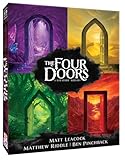
Overview: Created by Matt Leacock (Pandemic, Forbidden Island) with Riddle & Pinchback, Happy Camper: The Four Doors is a portable cooperative adventure for 1-5 players. Players explore mysterious doors in a light tower to recover sacred treasures before shadows seal them away, completing games in roughly 30 minutes for ages 10+. What Makes It Stand Out: Its exceptional portability (fits in a small box) and robust solo mode are major highlights, rare for a game with such thematic depth. The unique “light beam” mechanic, where players manipulate a shared light source to reveal paths and treasures while fending off encroaching shadows, creates dynamic, spatial puzzle-solving unlike other cooperative titles. Value for Money: Priced competitively, it delivers outstanding value through its compact size, strong solo functionality, and high-quality components. For travelers or small-space gamers, its portability and Leacock’s proven cooperative design offer superior utility compared to bulkier games with similar depth. Strengths and Weaknesses: Strengths: Highly portable, excellent solo play integration, innovative light-beam mechanic, quick setup and playtime, accessible rules. Weaknesses: Theme feels slightly thin compared to Leacock’s earlier works, limited player interaction depth, shadow mechanics can sometimes dominate strategy. Bottom Line: Happy Camper: The Four Doors is a superb portable cooperative experience, especially for solo gamers. While not Leacock’s most complex game, its clever mechanics and travel-ready design make it an easy recommendation for on-the-go strategic fun.
5. Castle Panic 2nd Edition | Cooperative Board Game for Adults and Family | Ages 8+ | for 1 to 6 Players | Average Playtime 45 Minutes | Made by Fireside Games

Overview: Castle Panic 2nd Edition is a cooperative tower-defense board game where 1-6 players strategically use cards to fend off waves of monsters (orcs, trolls, giants) advancing from the forest toward six castle towers. Protect at least one tower within 45 minutes to claim victory. What Makes It Stand Out: Its vibrant 3D cardboard towers and colorful monster tokens create immediate visual appeal and tangible stakes. The game shines with multiple play modes (true co-op, solo, competitive Master Slayer, and Overlord), offering vastly different experiences. The accessible “cards as actions” system—where players discuss optimal defense placements—makes complex strategy intuitive for families. Value for Money: With components built to last and support for up to six players, it provides exceptional group value. Compared to similar strategy games, its blend of physical engagement (defending towers), multiple modes, and family-friendly depth justifies the price, especially for larger households or game groups. Strengths and Weaknesses: Strengths: Highly accessible yet strategically rich, excellent for large groups (1-6 players), satisfying 3D components, multiple engaging game modes, great replayability. Weaknesses: Setup can be fiddly with many monsters, luck-based card draws occasionally dominate, competitive modes disrupt the core co-op charm for some. Bottom Line: Castle Panic 2nd Edition is a near-perfect family cooperative game, blending approachable rules with tense, collaborative decision-making. Its versatility, physical charm, and consistent fun make it a top recommendation for groups seeking inclusive, exciting tabletop battles.
6. The Night Cage by Smirk and Dagger | Cooperative Candlelit Horror Strategy Game | Tile Laying Labyrinth Escape Adventure | for 1 to 5 Players | Ages 14+

Overview:
The Night Cage delivers a uniquely tense cooperative experience where players navigate a shifting labyrinth using only the light from a single physical candle. As you lay tiles to reveal paths, darkness reclaims explored areas, forcing constant adaptation while evading shadowy Wax Eaters. Designed for 1-5 players aged 14+, it masterfully blends physical components with psychological horror.
What Makes It Stand Out:
Its revolutionary candlelit mechanic creates unparalleled immersion—light genuinely dictates visibility and strategy, with the flame’s flicker heightening anxiety. The award-winning tile system ensures no two mazes feel alike, while adjustable difficulty and Advanced Game modes introduce new monsters and collapsing paths, sustaining long-term engagement through evolving threats.
Value for Money:
Priced moderately for a premium board game, it justifies cost through exceptional atmosphere and replayability. Unlike static horror games, the candle’s organic unpredictability and multiple difficulty layers offer far more strategic depth than competitors at similar price points, making it a standout investment for horror enthusiasts.
Strengths and Weaknesses:
Strengths: Unmatched thematic immersion; brilliant tension from limited visibility; high replay value via modular design; fosters intense teamwork. Weaknesses: Candle maintenance (wax drips, replacement); setup time increases with player count; darkness mechanics may frustrate players preferring clear visibility.
Bottom Line:
A must-buy for cooperative horror fans seeking visceral, innovative gameplay. Its candle-driven tension and award-winning design deliver a truly unforgettable experience, though candle upkeep demands patience.
7. Flow: The Official Cooperative Board Game | Strategy Game for 1–4 Players Ages 8+ | Based on The Award-Winning Animated Film | Family & Solo Play | Survive The Flood, Rescue Allies
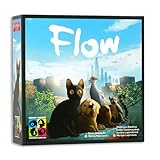
Overview:
Flow translates the emotional depth of the animated film into a real-time cooperative board game where players guide characters across a modular map while escaping encroaching floodwaters. Designed for 1–4 players (ages 8+), it emphasizes quick decision-making and shared survival against a rising tide mechanic.
What Makes It Stand Out:
The dynamic “rising water” system physically reshapes the board each round, creating urgent, adaptive challenges that mirror the film’s narrative. Eleven scenario cards and variable tile setups ensure no two games play alike, while real-time pressure fosters genuine teamwork without player elimination.
Value for Money:
An excellent value for families, offering film-themed immersion at an accessible price. The blend of solo/co-op versatility, high replayability, and durable components surpasses many entry-level strategy games, though component simplicity reflects its modest cost.
Strengths and Weaknesses:
Strengths: Intuitive real-time gameplay; strong film integration; exceptional replayability via scenarios; perfect for young strategists. Weaknesses: Limited strategic depth for veteran gamers; flood mechanic can feel overly punishing; solo mode lacks narrative cohesion.
Bottom Line:
Highly recommended for families and film fans seeking an engaging, cooperative introduction to strategy gaming. Its emotional resonance and replayability outweigh minor depth limitations.
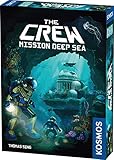
8. The Crew - Mission Deep Sea | Card Game | Cooperative | 2 to 5 Players | Ages 10+ | Trick-Taking | 32 Levels of Difficulty | Endless Replayability
Overview:
Mission Deep Sea reinvents trick-taking with a cooperative underwater adventure where players tackle 32 escalating missions. Building on its Kennerspiel des Jahres-winning predecessor, it challenges 2–5 players (ages 10+) to win specific tricks using limited communication—mimicking the constraints of deep-sea exploration.
What Makes It Stand Out:
Its ingenious “no free talk” rule forces creative signaling through subtle card plays, transforming traditional trick-taking into a collaborative puzzle. The mission-based campaign structure, with increasing complexity and underwater surprises like signal-jamming events, offers unmatched progressive storytelling in the genre.
Value for Money:
Outstanding value given its replayability and mission depth. At a mid-range price, it delivers hundreds of minutes of content through 32 unique levels—far exceeding standard card games. Ideal for trick-taking veterans and newcomers seeking structured, evolving challenges.
Strengths and Weaknesses:
Strengths: Brilliant communication constraints; highly replayable mission structure; smooth learning curve; perfect for both casual and hardcore gamers. Weaknesses: Limited physical components; some missions feel overly rigid; trick-taking familiarity aids accessibility.
Bottom Line:
An essential purchase for cooperative card game lovers. Mission Deep Sea’s inventive design and campaign depth make it a genre-defining experience worth every penny.
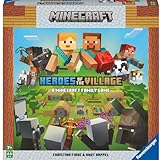
9. Ravensburger Minecraft Heroes of The Village | Cooperative Board Game | Exciting & Unpredictable | Perfect for Families and Minecraft Enthusiasts | Suitable for Kids & Adults
Overview:
Ravensburger brings Minecraft’s blocky charm to life in this cooperative board game where 2–4 players (ages 7+) defend a village from mobs. Using modular world tiles and wooden blocks, teams strategize together to build structures, gather resources, and survive the night in ever-changing landscapes.
What Makes It Stand Out:
Faithful Minecraft aesthetics merge with accessible coop mechanics, featuring high-quality wooden blocks and mob tokens that kids adore. The modular map ensures unpredictable scenarios each playthrough, while Ravensburger’s craftsmanship guarantees durability—critical for young players.
Value for Money:
Exceptional for families, offering robust components and genuine Minecraft immersion at a family-friendly price. The replay value and educational social skills development (teamwork, planning) far exceed typical children’s games, though depth may not satisfy hardcore strategists.
Strengths and Weaknesses:
Strengths: Authentic Minecraft theme; durable, tactile components; promotes collaboration; easy to learn; ideal for young children. Weaknesses: Strategy leans simplistic for adults; mob interactions lack depth; limited long-term challenge for older kids.
Bottom Line:
A top-tier choice for Minecraft-loving families. Ravensburger’s quality and cooperative focus make it a joyful, repeatable game night staple for ages 7+.
10. Peaceable Kingdom Race to the Treasure! Cooperative Path Building Game for 2 to 4 Kids Ages 5+

Overview:
Race to the Treasure! is a charming cooperative game where kids (ages 5+) work together to build a path from start to finish before the Ogre claims the treasure. With no reading required, 2–4 players flip tiles to create routes, collect keys, and outsmart the Ogre in this award-winning family classic.
What Makes It Stand Out:
Its pure cooperation—where victory or defeat is shared—teaches teamwork without competition. The simple tile-flipping mechanic is intuitive for preschoolers, while adjustable Ogre movement introduces gentle strategy, making it ideal for early social development.
Value for Money:
Unbeatable value for young children. Priced accessibly, it delivers frustration-free gameplay (thanks to thoughtful packaging), multiple award-winning design, and critical social skill development. Outlasts most kids’ games through sheer replayability and emotional engagement.
Strengths and Weaknesses:
Strengths: Zero reading needed; fosters empathy and shared problem-solving; quick setup/playtime; award-winning simplicity; inclusive for all skill levels. Weaknesses: Limited strategic depth for older kids; repetitive after many plays; Ogre mechanic feels random.
Bottom Line:
A must-have for ages 5–8. Race to the Treasure! perfectly introduces cooperative play, making it an essential, heartwarming addition to any family game library.
Understanding the Power of Cooperative Play
Why Teamwork Takes Center Stage in Modern Gaming
The shift towards cooperative mechanics isn’t a fleeting trend; it reflects a deeper societal shift. People increasingly seek experiences that counteract the hyper-competitive nature of online interactions and the isolating effects of remote work. Cooperative games provide a structured yet organic environment where success is inherently collective. Players quickly realize that individual brilliance is often insufficient against the game’s designed challenges; true victory hinges on leveraging diverse perspectives, sharing limited resources wisely, and making decisions that benefit the group, even at personal cost. This mirrors real-world scenarios where siloed thinking leads to failure, making these games powerful microcosms for developing essential 21st-century skills.
Beyond Winning: The Real Goals of Cooperative Design
While the stated objective might be “defeat the dragon” or “cure the diseases,” the true victory in cooperative play lies in the quality of the collaboration itself. Modern game design intentionally crafts scenarios where communication is paramount, where information is deliberately fragmented among players, and where the path to success requires constant negotiation and adjustment. The game master – often the game system itself – presents escalating challenges that force the group to prioritize, delegate, and adapt their strategy on the fly. Success isn’t just about the endpoint; it’s about the journey of learning how to function effectively as a unit under pressure, building resilience through shared setbacks and triumphs.
Key Features That Make Cooperative Games Shine
The Critical Role of Asymmetric Information
One of the most powerful engines driving meaningful teamwork is the deliberate distribution of incomplete or unique information among players. Imagine a scenario where only one player can see the full map, another holds the key to deciphering clues, and a third knows the weaknesses of the impending threat. This design element forces communication. Players must learn to articulate what they know clearly, ask the right questions to uncover hidden knowledge, and trust that their teammates are sharing vital details. It prevents dominant players from taking over and ensures every participant feels indispensable, fostering active listening and precise verbal exchange – skills directly transferable to any team environment.
Communication Mechanics: More Than Just Talking
Effective cooperative games go beyond simply allowing communication; they often structure it in meaningful ways. Some impose strict communication limits (like timed discussions or restricted vocabulary), simulating real-world constraints like noisy environments or urgent deadlines. Others might use physical components that require players to point, gesture, or manipulate shared elements together, adding a non-verbal layer to interaction. The most sophisticated designs create situations where how information is shared is as crucial as the information itself, teaching players to be concise, relevant, and mindful of their audience under pressure, directly enhancing real-world meeting and project dynamics.
Variable Difficulty and Scalable Challenges
A game that’s perpetually easy breeds complacency; one that’s constantly impossible breeds frustration. The best cooperative experiences offer intelligent difficulty curves, often adjustable through modular rules or scenario selection. This scalability is vital for team building. Newer groups can start with manageable hurdles to build confidence and establish communication patterns. As the team gels, increasing the challenge level pushes them to refine their strategies, deepen their understanding of each other’s strengths, and develop more sophisticated problem-solving approaches. This mirrors professional growth, where teams progressively tackle more complex projects as their collaborative skills mature.
Meaningful Player Roles and Specialized Abilities
Assigning distinct roles with unique capabilities prevents the “alpha player” syndrome and ensures everyone has a vital contribution. These roles shouldn’t just be cosmetic; they need to offer genuinely different strategic value and require active interdependence. A role focused on resource management might be useless without the scout role finding those resources, and the strategist role depends on both for data. This design teaches players to recognize and value diverse skill sets within the team, understand complementary strengths, and practice the humility of relying on others’ expertise – a cornerstone of high-performing real-world teams.
Building Essential Skills Through Gameplay
Cultivating Active Listening and Clear Articulation
In the heat of a challenging scenario, players quickly learn that half-heard instructions or vague suggestions lead directly to failure. Cooperative games create a safe space to practice the fundamentals of effective communication: truly hearing what others say, asking clarifying questions without judgment, and expressing complex ideas simply and accurately. The immediate feedback loop (did the team succeed or fail based on that communication?) makes the lessons stick. Players internalize that successful collaboration starts with understanding, not just being heard, a skill invaluable in any professional or personal relationship.
Developing Strategic Consensus and Decision-Making
Reaching a group decision under time pressure is a universal challenge. Cooperative games excel at simulating this. Teams must weigh options presented by different players, consider the implications of each choice on the shared goal, and ultimately commit to a unified path forward, even if it wasn’t everyone’s first preference. This process teaches negotiation, compromise, understanding risk tolerance within the group, and the importance of decisive action once consensus is reached. It moves teams beyond endless debate towards actionable solutions, a critical skill for project management and leadership.
Learning from Failure as a Collective Experience
Unlike competitive games where failure often means individual defeat, cooperative games reframe failure as a shared learning opportunity. When the team loses, the blame isn’t placed on one person; the focus shifts to analyzing why the collective strategy failed. “Did we misinterpret the clues?” “Did we allocate resources poorly?” “Did we fail to communicate a critical change?” This safe-space debriefing fosters psychological safety, encourages honest reflection without fear of recrimination, and builds resilience. Teams learn to view setbacks not as endpoints but as essential data points for refining their approach, a mindset crucial for innovation and continuous improvement.
Fostering Empathy and Understanding Diverse Perspectives
Stepping into specialized roles often requires players to see the game world through a different lens. The medic might prioritize saving tokens others see as expendable; the engineer might focus on structural integrity others overlook. Navigating these differing priorities to find common ground builds empathy. Players learn to appreciate how individual viewpoints, shaped by unique responsibilities and information, contribute to the bigger picture. This translates directly to workplace dynamics, where understanding colleagues’ departmental pressures and goals is fundamental to breaking down silos and achieving organizational objectives.
Design Elements That Enhance the Teamwork Experience
Shared Resources and Strategic Allocation
Games that force teams to manage a common pool of limited resources – time tokens, action points, healing items – create immediate, tangible dilemmas requiring collective prioritization. Deciding whether to spend that last resource on immediate defense or save it for a future critical phase demands discussion, justification of viewpoints, and ultimately, a group choice. This mechanic powerfully illustrates opportunity cost and the necessity of aligning resource use with the team’s overarching strategy, mirroring real-world budgeting, scheduling, and capacity planning challenges.
The Tension of Time Pressure and Countdowns
Many cooperative games incorporate a relentless timer – a sand timer, a deck of escalating threat cards, a track moving towards doom. This artificial pressure simulates real-world deadlines and urgency, forcing teams to move beyond theoretical discussion into decisive action. It highlights communication breakdowns under stress and teaches teams to streamline their decision-making processes, delegate sub-tasks efficiently, and maintain focus on the highest-impact actions. Learning to function effectively when the clock is ticking is a universally valuable teamwork skill.
Dynamic Game States and Adaptability
Static challenges are poor teamwork trainers. The best cooperative games feature evolving scenarios where the “rules of engagement” shift unexpectedly. A solved problem might create a new vulnerability; a successful strategy might be rendered obsolete by a new event card. This constant flux demands that teams stay agile, continuously reassess their situation, and be willing to pivot their strategy collectively. It combats groupthink and ingrained habits, teaching resilience and the ability to innovate together when the unexpected happens – a critical competency in today’s volatile world.
Physical Component Interaction and Spatial Awareness
Games that require players to physically manipulate shared boards, move tokens in concert, or build structures together add a layer of non-verbal coordination. Coordinating movements around a shared space, ensuring everyone has access to necessary components, and working together on a physical task foster spatial awareness and embodied collaboration. This tactile element strengthens the sense of shared purpose and can be particularly effective in breaking the ice or engaging participants who might be less verbally expressive, building a more holistic team dynamic.
Narrative Integration and Shared Purpose
A compelling story woven into the game mechanics isn’t just flavor; it’s a powerful glue for the team. When players are invested in a shared narrative goal – saving a city, solving a mystery, surviving a journey – the abstract challenge gains emotional weight. This shared purpose fuels motivation, encourages players to go the extra mile for the team, and makes the collaborative effort feel meaningful. The narrative creates context for decisions, making the teamwork feel less like an exercise and more like a genuine shared endeavor, deepening engagement and commitment.
Choosing the Right Game for Your Team
Assessing Group Size and Dynamics
Not all cooperative games scale equally. Some are designed for tight-knit duos, fostering deep communication, while others shine with larger groups of 5-6, encouraging delegation and subgroup coordination. Consider your typical team size and dynamics. A game requiring constant input from every player might overwhelm a large group, while one relying on deep role specialization could feel restrictive for just two people. Matching the game’s optimal player count to your team ensures a smooth experience where everyone feels actively involved, not sidelined or drowned out.
Evaluating Complexity and Learning Curve
Honesty about your team’s experience level is crucial. Throwing a highly complex game with intricate rules at newcomers can lead to frustration and hinder the teamwork focus. Start with streamlined designs that prioritize clear communication and shared decision-making over rule mastery. As your team becomes comfortable with cooperative dynamics, you can gradually introduce games with deeper strategic layers, asymmetric roles, or more complex systems. The goal is to keep the cognitive load on collaboration, not on deciphering confusing mechanics, ensuring the teamwork skills remain the central lesson.
Considering Time Commitment and Session Length
Respect your team’s time. Games range from quick 20-minute challenges perfect for a meeting icebreaker to epic 2-hour+ campaigns. Align the game’s duration with your available time slot and the team’s energy level. A short, focused game can be ideal for a lunch-and-learn, while a longer session might suit a dedicated team-building retreat. Consistently choosing games that fit the allotted time prevents rushed play or stressful cut-offs, ensuring the experience ends on a positive, reflective note that reinforces the teamwork lessons.
Matching Themes to Team Interests and Goals
While mechanics drive the teamwork, theme influences engagement. A tech team might resonate more with a futuristic crisis scenario, while a creative group could connect with a fantasy adventure. More importantly, consider the skills you want to emphasize. Need better communication under pressure? Prioritize games with strict time limits or communication constraints. Working on strategic planning? Choose games with multi-stage objectives and resource management. Aligning the game’s core challenges with your team’s developmental goals makes the learning more relevant and impactful.
Maximizing the Team Building Impact
Setting Clear Intentions Before Play
Don’t assume the teamwork benefits will automatically transfer. Start the session by explicitly stating the collaborative skills you hope to practice – “Today, let’s focus on active listening and building consensus before acting.” This frames the game not just as fun, but as a deliberate exercise. It gives participants specific behaviors to observe in themselves and others, making the subsequent debrief far more focused and actionable. It shifts the mindset from “winning the game” to “practicing how we work together.”
Facilitating a Structured Post-Game Debrief
The real learning happens after the final move. Dedicate 10-15 minutes to a guided discussion. Ask open-ended questions: “What communication strategy worked best for us today?” “When did we struggle to make a decision, and why?” “How did we handle that unexpected setback?” Encourage specific examples from the game. Focus on the process (“How did we work together?”) rather than just the outcome (“Did we win?”). This reflection cements the lessons and bridges the gap between the game table and the workplace.
Encouraging Role Rotation and Perspective Taking
For recurring team sessions, rotate specialized roles between players. This prevents individuals from getting stuck in a single mindset and allows everyone to experience different responsibilities and challenges. After playing a role, discuss: “What was difficult about that role?” “What information did you wish others had shared?” “How did this role change your view of the team’s overall challenge?” This practice builds empathy and a deeper understanding of how diverse contributions interconnect to achieve the shared goal.
Frequently Asked Questions
Frequently Asked Questions
What age range are cooperative board games best suited for building teamwork? Cooperative games span a wide age range. Many excellent options exist for children as young as 6-8, focusing on simple communication and shared goals. For teens and adults, complexity increases significantly, tackling nuanced strategic planning and sophisticated communication dynamics. The key is matching the game’s cognitive demands and theme to the group’s maturity and experience level.
How do cooperative games differ from competitive team games for building collaboration? While competitive team games foster intra-team cooperation against an external opponent, cooperative games eliminate the internal competition entirely. Everyone wins or loses together against the game system. This removes the pressure of outperforming teammates, fostering a purer focus on collective problem-solving, shared vulnerability, and mutual support without the distraction of internal rivalry.
Can cooperative board games realistically improve workplace teamwork? Absolutely. They provide a low-stakes, engaging environment to practice core collaboration skills: active listening, clear articulation under pressure, consensus building, strategic resource allocation, and learning from shared failure. The immediate feedback and structured scenarios make abstract teamwork concepts tangible, and the lessons learned translate directly to meeting dynamics, project execution, and conflict resolution in professional settings.
How long does a typical cooperative board game session last for effective team building? Sessions can range from 20-30 minutes for light, introductory games ideal for meeting icebreakers, to 60-90 minutes for more strategic experiences suitable for dedicated team-building activities. The most effective sessions are long enough to present meaningful challenges and allow for reflection (at least 45 minutes), but not so long as to cause fatigue that hinders the debrief.
What if our team loses most of the time? Is it still beneficial? Losing is often more valuable than winning in cooperative games for team building. Failure provides rich material for the debrief: analyzing communication breakdowns, identifying flawed assumptions, and discussing how to improve. Consistent loss might indicate the game is too difficult for the group’s current skill level, but the process of learning why you lost together is where the deepest teamwork lessons are forged.
Are there cooperative games suitable for virtual or hybrid team settings? Yes, the market has responded strongly to remote work. Many cooperative games now have official digital adaptations (apps or online platforms) that replicate the shared experience. Some analog games can also be played remotely using video calls and shared digital boards (like Tabletop Simulator), though the tactile element is lost. The core communication and strategy challenges remain effective for virtual teams.
How do I choose a game that avoids one person dominating the decisions? Look for games with strong asymmetric roles or mechanics that deliberately fragment information, making it impossible for one person to know everything. Games with communication restrictions (e.g., limited talking time, specific communication rules) also prevent domination. Reading detailed descriptions of the gameplay loop, focusing on how information is shared and decisions are made, is key to finding titles that enforce true collaboration.
Can cooperative games help with specific issues like poor communication or lack of trust? They are particularly effective for these challenges. Games requiring precise information sharing under pressure directly target communication gaps. The shared vulnerability of facing the game’s challenges together, especially when navigating failure as a unit, is a powerful trust-builder. The structured, rule-bound environment provides a safe space to practice new communication patterns and rebuild trust incrementally.
How often should a team play cooperative games to see tangible benefits? Consistency matters more than frequency. Integrating a short cooperative game (20-30 mins) into a regular team meeting (e.g., monthly) can maintain and gradually build skills. For targeted development, a dedicated 60-90 minute session every 4-6 weeks, followed by a focused debrief, allows time for reflection and applying lessons learned to real work. The key is intentional play with reflection, not just repetition.
Is there a risk of cooperative games feeling childish or unprofessional in a work context? Choosing a game with a theme and complexity level appropriate for adults is crucial. Many modern cooperative games feature sophisticated mechanics, engaging narratives (thematic or abstract), and strategic depth that feel intellectually stimulating, not juvenile. Framing the activity clearly as a professional development exercise focused on specific, relevant skills (communication, strategic planning) helps establish its legitimacy and value within the workplace.
See Also
- How Two-Player Cooperative Board Games Redefine Teamwork at the Table in 2026
- 10 Must-Have Adventure Cooperative Board Games for Epic Storytelling in 2026
- The 10 Ultimate Best Cooperative Board Games for Team Building in 2026
- 10 Must-Have Cooperative Board Games for Two-Player Teams in 2026
- 10 Must-Have Thematic Cooperative Board Games for Immersive Play in 2026