Table of Contents
Gatherings in 2026 demand more than just music and drinks—they need genuine connection and unscripted energy. We’ve all been to parties where the vibe flatlines after the initial greetings, leaving guests glued to their phones or awkwardly orbiting the snack table. The secret weapon? The right game. Forget stale icebreakers or overly complex setups; today’s adult parties thrive on experiences that spark laughter, foster interaction, and create memorable moments without forcing participation. Choosing the perfect game isn’t just about fun; it’s strategic social engineering for a night that truly clicks.
The landscape of party entertainment has evolved dramatically. Gone are the days of relying solely on a single deck of cards or a tired charades routine. Modern hosts need adaptable tools that cater to diverse groups, varying energy levels, and even tech-savvy expectations. Whether you’re hosting a cozy rooftop get-together or a sprawling backyard bash, the ideal game should seamlessly integrate, elevate the mood, and feel fresh in 2026. This guide cuts through the noise, focusing on the essential types of games and features to prioritize, ensuring your next gathering avoids the dreaded lull and becomes the talk of the town.
Top 10 Adult Party Games
Detailed Product Reviews
1. CMYK Wavelength: The Mind Reading Party Game

Overview:
CMYK Wavelength is a cooperative party game where players work together to pinpoint a clue on a spectrum between two opposing concepts (e.g., “Hot” to “Cold”). Designed for 2–12+ players, it promises instant setup (5 seconds) and a quick 30-minute playtime, making it ideal for parties, team offsites, or family gatherings. Its core mechanic hinges on shared intuition and non-verbal communication.
What Makes It Stand Out:
The game’s genius lies in its simplicity and universal appeal. Unlike competitive party games, Wavelength fosters collaboration, reducing pressure while sparking laughter through misaligned guesses. Its acclaimed design (featured by NYT Wirecutter and POLYGON) ensures accessibility—anyone can jump in after a 1-minute rules explanation. The spectrum-based challenges adapt seamlessly to diverse group sizes and dynamics.
Value for Money:
Priced competitively against similar party games, Wavelength delivers exceptional replayability with minimal components. Its ability to engage large crowds without complex rules or expansions justifies the cost, especially compared to games requiring frequent add-ons. For groups prioritizing inclusive, low-prep fun, it’s a strategic investment.
Strengths and Weaknesses:
Strengths: Effortless setup; encourages teamwork over rivalry; scales perfectly for big groups; universally accessible. Weaknesses: Limited depth for strategy-focused gamers; spectrum interpretations can feel subjective; minimal physical components may disappoint collectors.
Bottom Line:
A masterclass in accessible, collaborative fun, Wavelength is essential for social gatherings. Its seamless blend of simplicity and engagement makes it a top-tier recommendation for players seeking connection over competition.
2. WHAT DO YOU MEME? Incohearent, The Guess The Gibberish Party Game by Relatable, A Funny Card Game for Adults, Great for Bachelorette Party Games or Game Night Games, Includes 300 Cards

Overview:
Incohearent is a viral card game where players decode phrases written in deliberate gibberish (e.g., “Wuddup Duddup”) within a time limit. Targeting adults (17+), it leverages meme culture and social media fame (750M+ views) for fast-paced, 3–8 player sessions centered on pronunciation chaos and quick thinking.
What Makes It Stand Out:
Its TikTok-driven popularity and “gibberish decoding” mechanic create instant, raucous fun. The triple-category card system (Party, Spicy, Pop Culture) ensures varied humor, while the 300-card deck offers fresh content. Unlike static word games, Incohearent thrives on spontaneous vocal interpretations, making every round unpredictable.
Value for Money:
At its price point, the 300-card deck provides substantial replay value, especially given its social media buzz. It outshines pricier board games by delivering hours of low-effort entertainment. However, the niche focus on phonetic humor may limit longevity compared to versatile classics like Codenames.
Strengths and Weaknesses:
Strengths: Hilarious, accessible gameplay; massive social proof; compact and travel-friendly; great icebreaker. Weaknesses: Humor leans heavily on meme trends (may date quickly); “Spicy” cards feel underdeveloped; limited strategic depth beyond quick reflexes.
Bottom Line:
A reliably uproarious pick for casual game nights, Incohearent earns its viral status. Best suited for trend-savvy groups, it’s a worthy buy—but prioritize if your crowd adores internet culture.
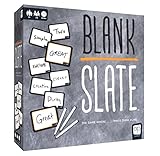
3. USAOPOLY BLANK SLATE, Where Great Minds Think Alike, Fun Family-Friendly Board Game, Word Association Party Game, Easy to Learn, Fun to Play Family Game Night, 3-8 Players, Ages 8+
Overview:
Blank Slate is a family-friendly word association game for 3–8 players (ages 8+). Players write single words to complete phrase prompts (e.g., “______ mind”), then score points by matching others’ anonymous answers. Its dry-erase slates and cue cards enable quick, screen-free fun for all ages.
What Makes It Stand Out:
The game brilliantly captures group psychology—predicting common associations sparks surprise and laughter. Unlike trivia-heavy alternatives, it relies on universal language intuition, making it equally engaging for kids and adults. The physical slates encourage participation without elimination, fostering inclusivity.
Value for Money:
Priced affordably, the kit includes robust components (250 cue cards, 8 slates) for long-term use. It outperforms digital games in social cohesion and avoids subscription traps. While less flashy than app-dependent rivals, its durability and replayability offer superior cost efficiency for families.
Strengths and Weaknesses:
Strengths: Truly inclusive for mixed-age groups; zero setup time; encourages creative thinking; high replay value. Weaknesses: Limited strategic depth; phrase prompts can feel repetitive after extended play; slates may smudge if not cleaned properly.
Bottom Line:
A standout for family game nights, Blank Slate excels in simplicity and shared joy. Highly recommended for households seeking wholesome, laughter-filled bonding without complexity.
4. Fofeadm Drinking Board Games for Adults, Rubber Mat Drinking Board Game, Funny Party Interactive Drinking Games for Game Night, Birthday, Family Play or Any Occasion, Age 21+, 2-8 Players

Overview:
This rubber mat-based drinking game transforms classic board mechanics into a beverage-fueled challenge for 2–8 players (21+). Roll dice to navigate the mat, completing dares, answering questions, or facing penalties—ideal for birthdays, bachelorette parties, or casual hangs where alcohol is central to the theme.
What Makes It Stand Out:
Its portability and all-in-one design (mat, dice, tokens) eliminate setup hassles, while the flexible “drink when you land” mechanic adapts to any group’s rules. Unlike rigid drinking games, it fosters organic interaction through customizable challenges, making it a versatile party anchor.
Value for Money:
The compact kit offers decent value for one-time party use, though material quality (thin rubber mat) feels budget-conscious. It’s cheaper than bar-hopping but less replayable than non-alcohol games. Worthwhile as a novelty gift, but not a long-term staple.
Strengths and Weaknesses:
Strengths: Ultra-portable; instantly sets party tone; highly customizable rules; great conversation starter. Weaknesses: Flimsy mat material; limited depth beyond drinking; excludes non-drinkers; novelty wears off after few plays.
Bottom Line:
A functional, fun-focused novelty for alcohol-centric events, but its niche appeal and disposable feel make it a situational buy—ideal for gifting, less so for serious collectors.
5. What Do You Meme? After Hours by Relatable, The Explicit Expansion Pack for Game Night, Board Games, Adult Games, and Party Games, Includes 100 Caption Cards to Play with Full-Sized Game
Overview:
This explicit expansion pack adds 100 uncensored caption cards to the base What Do You Meme? game, targeting adults (18+) with edgy, NSFW humor. Players compete to pair raunchy captions with photo cards, judged for maximum comedic impact during late-night sessions.
What Makes It Stand Out:
It transforms the family-friendly base game into a bold, boundary-pushing experience with unapologetically topical content. The “After Hours” theme caters perfectly to close-knit groups comfortable with adult humor, elevating meme creation to daring new heights.
Value for Money:
As a focused 100-card expansion, it’s reasonably priced for fans craving mature content. However, it’s useless without the core game—effectively doubling the entry cost. For existing owners, it’s a high-impact add-on; newcomers should prioritize the base set first.
Strengths and Weaknesses:
Strengths: Unleashes the game’s full comedic potential; ideal for bold, trusted groups; seamless integration with core mechanics. Weaknesses: Niche appeal (excludes conservative players); requires base game purchase; humor may alienate some.
Bottom Line:
A riotous upgrade for What Do You Meme? veterans seeking unfiltered fun. Highly recommended for mature game nights—but only if your group embraces risqué humor.
6. Put A Finger Down Party Game by Hunch Games | Viral Prompt and Challenge Card Game for Adults, Teens, and College Groups | Hilarious Social Icebreaker with 400 Cards for 2+ Players

Overview: This card game translates the viral social media trend into a physical, interactive party experience. Players start with five fingers raised and react to prompts by putting fingers down based on personal experiences, fostering instant connection and laughter among groups of 2+. What Makes It Stand Out: Its genius lies in simplicity and relatability. The 400 curated prompts spark genuine, often hilarious, storytelling without complex rules. Unique “Up and Down” twist cards introduce playful penalties and unexpected moments, ensuring dynamic, expressive interactions that feel fresh even after multiple rounds. Value for Money: Priced competitively for a high-quality card stock set with 400 prompts, it offers exceptional replayability. It outshines pricier, rule-heavy board games by delivering immediate, accessible fun for diverse group sizes—ideal for students or casual gatherings where setup time matters. Strengths and Weaknesses: Strengths: Effortless to learn, highly inclusive for new players, perfect icebreaker, compact travel size, and consistently generates authentic laughter. Weaknesses: Limited strategic depth may disappoint gamers seeking competition; prompt relevance can vary slightly by demographic; requires a minimum of 3-4 players for optimal energy. Bottom Line: An outstanding, low-barrier social catalyst that excels as an icebreaker for teens and adults. Its viral charm, thoughtful design, and sheer replayability make it a must-have for parties seeking genuine connection and non-stop laughter—highly recommended.
7. It’s Bananas! The Monkey Tail Game – Funny Family & Party Game for Kids & Adults | Hilarious Gift for Birthday, Christmas, Bachelorette, Thanksgiving, White Elephant

Overview: A physically engaging party game where players mimic increasingly absurd monkey poses using a tail attachment, aiming to be the last one standing without dropping it. Designed for all ages, it transforms any gathering into a laughter-filled spectacle. What Makes It Stand Out: Its viral TikTok fame (250M+ views) and celebrity endorsements highlight its unique, high-energy comedy. The carbon-neutral production adds eco-appeal, while the simple “monkey thrust” mechanics create instant, universal hilarity—no reading or strategy required, making it truly multi-generational. Value for Money: Justifying its price through massive entertainment density, it replaces screen time with pure physical comedy. Compared to similar active games, its award-winning status (People of Play, Toy Insider), eco-credentials, and ability to engage 4-20 players offer superior group value per dollar. Strengths and Weaknesses: Strengths: Unmatched belly-laugh potential, effortless setup, inclusive for kids/adults, eco-conscious packaging, and exceptional replayability via random pose combinations. Weaknesses: Physical exertion may exclude mobility-limited players; tail durability concerns with rough handling; limited appeal for quiet or strategy-focused groups. Bottom Line: A near-perfect party catalyst for active, laughter-seeking crowds. Its viral success is well-earned, offering accessible, eco-friendly fun that builds memories—ideal for holidays or gifts. A top-tier recommendation for groups prioritizing joy over complexity.
8. Cards Against Humanity

Overview: A deliberately offensive, fill-in-the-blank party game where players compete to create the most absurd, darkly humorous combinations using black question cards and white answer cards. Marketed as “for horrible people,” it thrives on provocative, boundary-pushing comedy. What Makes It Stand Out: Its cultural ubiquity and unapologetic edginess set it apart. Version 2.0’s 600-card count (500 white, 100 black) ensures vast replayability, while the rulebook’s “preposterous alternate rules” encourage chaotic customization, cementing its status as a modern party staple. Value for Money: While premium-priced, its near-limitless recombination potential and widespread expansions justify cost. It’s cheaper per hour of play than many board games, especially for recurring game nights. However, its niche humor offers less universal value than family-friendly alternatives. Strengths and Weaknesses: Strengths: Unrivaled replayability, strong community-driven expansions, empowers outrageous creativity, and excels with like-minded adult groups. Weaknesses: Humor alienates many (not for kids/families); quality varies by group chemistry; basic components feel sparse for the price; risks offending if players aren’t aligned on boundaries. Bottom Line: A definitive cult classic for mature, open-minded players seeking irreverent fun. Its strengths shine only with the right crowd—avoid for sensitive or mixed-age groups. For its target audience, it’s essential, but not universally recommended.
9. Lucky Egg Official Grab The Mic – Family Karaoke Board Game w/Foam Mic, 8+ Ages, 2-10 Players - Games for Bad Singers w/ 240 Lyrics (120 Cards) (First Edition)

Overview: A fast-paced karaoke game where players race to grab a foam mic and sing song lyrics containing a revealed keyword. Designed for “bad singers,” it prioritizes speed and humor over vocal talent, making music nights accessible and uproariously fun for ages 8+. What Makes It Stand Out: It uniquely democratizes karaoke by removing performance pressure. The keyword-based lyric scramble creates frantic, inclusive moments where forgetting words is part of the fun. Multiple game modes and the physical mic add tactile excitement, turning musical knowledge into competitive comedy. Value for Money: Excellent for the price, offering durable components (foam mic, board, tokens) and 240 lyric prompts. It outperforms costly karaoke machines by eliminating setup/song costs while guaranteeing engagement—ideal for families seeking affordable, screen-free entertainment. Strengths and Weaknesses: Strengths: Incredibly inclusive for non-singers, rapid gameplay, sparks hilarious improvisation, scales perfectly from 2-10 players, and requires zero musical skill. Weaknesses: Relies heavily on pop-culture knowledge; younger kids may struggle with obscure lyrics; replayability dips if group knows all prompts. Bottom Line: A brilliantly conceived party game that makes everyone a star—even tone-deaf players. Its focus on speed over skill delivers consistent, accessible fun, making it a top recommendation for family game nights and casual gatherings.
10. Cards Against Humanity: Nasty Bundle • 6 Nasty Themed Packs + 10 All-New Cards
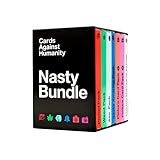
Overview: An expansion pack for Cards Against Humanity, bundling six intensely themed card sets (Period, Weed, Ass, Saves America, and two Picture Card packs) plus 10 exclusive “extra-nasty” cards. Designed to escalate the base game’s offensiveness. What Makes It Stand Out: It doubles down on CAH’s edgy identity with hyper-specific, boundary-pushing content. The themed packs (like Period or Picture Cards) introduce visual gags and niche humor absent in the base game, catering to players craving even darker, more provocative comedy. Value for Money: Reasonable for dedicated CAH fans seeking fresh material, but only valuable if you already own the base game. The 6-packs + exclusives offer significant content depth, yet its niche appeal means it’s poor value for casual players or those uncomfortable with extreme themes. Strengths and Weaknesses: Strengths: Massive replayability boost for CAH veterans, thematically cohesive expansions, and the 10 new cards add novelty. Weaknesses: Requires base game; humor is overwhelmingly crude (alienating many); picture cards can feel gimmicky; redundant if you own individual packs. Bottom Line: A must-buy only for hardcore CAH enthusiasts craving maximum shock value. For newcomers or groups with moderation preferences, it’s unnecessary—and potentially disastrous. Strictly recommend for existing fans seeking to intensify their experience.
Understanding the Modern Party Game Landscape
Why Generic Lists Fail in 2026
Simply listing popular titles without context is obsolete. Group dynamics, space constraints, and guest comfort levels vary wildly. What works for a group of extroverted colleagues flops with a mix of shy relatives and new friends. The key is understanding categories of play and matching them to your specific gathering’s unique energy and goals, not chasing fleeting trends.
The Shift from Passive to Active Participation
Today’s successful games move beyond spectators. They encourage everyone to contribute, react, and co-create the experience. Passive observation leads to disengagement; active involvement, even in small ways, builds investment and shared laughter. Look for mechanics that naturally pull quieter guests in without spotlight pressure.
Essential Game Categories for Dynamic Gatherings
Tech-Enhanced Social Experiences
Leveraging smartphones thoughtfully is no longer optional. The best modern games use apps not as distractions, but as seamless facilitators—handling scoring, generating unique prompts, or enabling augmented reality overlays that turn your living room into a playful arena. Crucially, the tech should enhance human interaction, not replace it.
Seamless App Integration Features
Prioritize games where the app setup is intuitive (think QR codes, not manual logins) and the interface is minimalist. The focus must remain on the people, not the screen. Look for systems that minimize “admin time” during play, allowing the group to stay immersed.
Augmented Reality Play Potential
Beyond simple filters, AR can create shared physical challenges or visual puzzles. Imagine pointing your phone to reveal hidden clues in the room or seeing virtual objects interact with real spaces. The magic happens when the tech prompts real-world movement and collaboration among guests.
Physical & Movement-Based Engagement
In a world saturated with screens, games that get people moving are gold. These aren’t necessarily high-energy dance-offs (though those have their place!), but activities encouraging gentle motion, spatial awareness, or playful physical interaction that breaks the “standing in a circle” monotony.
Low-Pressure Movement Mechanics
The goal isn’t athleticism. Think games involving miming across the room, gentle relay challenges with everyday objects, or navigating simple obstacle courses. Success hinges on accessibility—ensuring guests of varying mobility can participate meaningfully without feeling self-conscious.
Space Utilization Strategies
Clever games use your environment. Does the game work in a cramped apartment or require a backyard? Can it adapt to furniture layout? The best designs turn existing spaces into playing fields, using couches as barriers or hallways as race tracks, maximizing fun without needing extra room.
Creative Expression & Improv Focus
Games tapping into imagination and spontaneous storytelling foster incredible connection. They move beyond trivia or memorization, allowing personalities to shine through humor, creativity, and unexpected plot twists born from group input.
Open-Ended Prompt Systems
Rigid questions kill improv. Seek games with adaptable prompt structures—picture prompts, abstract concepts, or “what if” scenarios—that spark diverse interpretations. The vaguer the starting point (within reason), the wilder and more personal the stories become.
Collaborative Narrative Building
The most engaging versions involve building a story together, sentence by sentence or scene by scene. This shared creation fosters listening, quick thinking, and a sense of collective ownership over the hilarious (or bizarre) outcome, making everyone a co-author of the night’s memory.
Critical Features to Evaluate Before Choosing
Inclusivity as a Core Design Principle
A game that alienates even one guest ruins the vibe. Scrutinize for cultural sensitivity in prompts, avoid heavy reliance on niche knowledge, and ensure participation mechanics allow quieter individuals to engage at their comfort level—perhaps through written input or small-group sharing before full-group reveals.
Accessibility Across Abilities
Consider physical requirements: does it demand quick reflexes, specific dexterity, or prolonged standing? Check cognitive load: are complex rules explained simply? True inclusivity means designing pathways for diverse guests to contribute meaningfully, not just “participating.”
Navigating Sensitive Topics Gracefully
Modern games need built-in safeguards. Look for systems allowing easy skipping of uncomfortable prompts, clear boundaries on off-limits subjects, and mechanics that steer clear of potentially hurtful stereotypes or assumptions. Safety fosters genuine openness.
Setup & Flow: Minimizing Friction
The moment you spend 15 minutes explaining rules or hunting for components, momentum dies. Prioritize games with intuitive, visual instructions (icons over text!), minimal required components, and a clear natural flow that guides the group from one round to the next without constant host intervention.
The Crucial First 5 Minutes
How quickly does the group grasp the core action? The best games have a “learn as you play” structure or a demo round embedded in the first steps. If guests aren’t actively playing within 5 minutes of starting, the setup is too cumbersome for a modern party.
Scaling Seamlessly with Group Size
Does the game feel equally dynamic with 6 people or 14? Avoid those that bog down with larger groups or feel pointless with fewer. Look for modular rules—adjustable round lengths, team variations, or mechanics that naturally accommodate fluctuating numbers without restarting.
Alcohol Integration (Without Reliance)
Many parties involve drinks, but games shouldn’t require them to be fun (or safe). The ideal game works brilliantly sober but has optional “enhancement” layers for groups enjoying beverages—like mild dares or bonus challenges that amplify, not dictate, the experience.
Balancing Fun and Responsibility
Games pushing excessive drinking or risky behavior are outdated and exclusionary. Focus on those where any alcohol element is purely optional, consequence-free (beyond a laugh), and never targets individuals uncomfortably. The fun should stem from interaction, not intoxication.
Adapting to Your Specific Gathering
Reading the Room’s Energy
Is the crowd wound up and ready for chaos, or settling in for relaxed conversation? Choose accordingly. High-energy groups might crave physical challenges, while a calmer vibe suits storytelling or strategic deduction. Be prepared to pivot—have a simpler backup game if the initial choice isn’t landing.
The Pre-Game Pulse Check
A quick, casual “Feeling energetic or more chilled tonight?” as guests arrive provides invaluable intel. Observe natural groupings; are people mingling freely or sticking with known pals? This informs whether you need a mixer game or something to deepen existing connections.
Indoor vs. Outdoor Dynamics
Wind steals cards, grass stains components, and echoing spaces muddle verbal games. Outdoor games need sturdier materials, simpler audio cues, and mechanics resilient to environmental noise. Indoor games can leverage confined spaces for tension but need to avoid fragile objects or overly loud components.
Weather-Proofing Your Play
For patios or gardens, prioritize games with weighted components, minimal small pieces, or digital alternatives. Have a clear “rain plan” game ready—something compact and table-based that can move indoors instantly without killing the mood.
Navigating Mixed-Interest Groups
When gamers mingle with non-gamers, complexity is the enemy. Choose gateway games with near-instant understanding but surprising depth. Avoid niche jargon or overly strategic layers that leave half the group confused. The sweet spot is simple rules enabling emergent, hilarious complexity through player interaction.
The Universal Appeal Factor
Look for games centered on universal human experiences: storytelling, creativity, light strategy, or physical comedy. Shared laughter over a funny prompt or collaborative puzzle transcends gaming expertise, making everyone feel included in the fun.
Frequently Asked Questions
Frequently Asked Questions
What’s the #1 mistake new hosts make with party games? Overcomplicating the choice. Starting with a game requiring lengthy rules explanation or perfect conditions guarantees a slow start. Begin ultra-simple.
How do I include guests who seem shy or hesitant? Choose games with non-verbal participation options (like drawing or pointing) or small-group rounds first. Never force the spotlight; let them engage at their pace.
Can a great party game work for mixed ages (e.g., 20s to 60s)? Absolutely, but avoid overly youth-culture references or physical intensity. Focus on timeless humor, creativity, and light strategy that spans generations.
What if my space is really small, like a studio apartment? Prioritize card-based or app-driven games needing minimal movement. Seated storytelling games or deduction games using only a phone are ideal space-savers.
How crucial is it for the host to play versus facilitate? Playing with guests (not just running it) is vital for early buy-in. Once the flow is established, you can step back slightly, but initial participation sets the tone.
Are there games that genuinely help people connect deeper? Yes! Collaborative storytelling and games revealing personal (but light) preferences through creative choices foster unexpected connections better than forced Q&As.
What’s a red flag that a game might flop at my party? If the core mechanic relies on a very specific group dynamic (e.g., intense competitiveness) that doesn’t match your crowd’s usual vibe, it will likely fall flat.
How long should a game session last ideally? Aim for 20-45 minutes max for most games. Watch for energy dips—ending on a high note leaves people wanting more, not checking the time.
Can I successfully mix multiple game types in one night? Strategically, yes. Start with a light icebreaker, move to a core engagement game, then perhaps a quick wind-down activity. Avoid abrupt genre shifts (e.g., high-energy dance to quiet strategy).
What’s the best way to know if a game is truly inclusive? Read independent reviews focusing on accessibility, check the publisher’s stated inclusivity guidelines, and critically assess sample prompts for potential bias before purchasing.
See Also
- 10 Must-Have Party Trivia Games for Epic Gatherings in 2026
- 10 Must-Have Party Trivia Games for Unforgettable Gatherings in 2026
- 10 Premium Adult Party Games for Sophisticated Gatherings (Worth the Investment)
- 10 Premium Adult Party Games for Wild Nights (Worth the Investment)
- The Ultimate Guide to Party Board Games for Large Gatherings in 2026