Table of Contents
The cooperative board gaming revolution shows no signs of slowing down as we head into 2026, with expansion content becoming increasingly sophisticated at transforming base experiences into rich, evolving adventures. Whether your game group thrives on crisis management, strategic planning, or narrative immersion, the right expansion can breathe new life into familiar favorites while deepening the collaborative elements that make these games special. Today’s expansion designers are crafting content that doesn’t just add more of the same—they’re reimagining core mechanics, introducing innovative team dynamics, and creating persistent worlds that grow with your group’s expertise.
Selecting the perfect cooperative expansions requires looking beyond flashy components and promised content volume. The most valuable additions to your collection in 2026 will be those that respect your table time, integrate seamlessly with existing rules, and provide meaningful choices that enhance rather than complicate the team experience. This guide explores the essential expansion categories worth considering, focusing on the specific features that elevate cooperative gameplay and ensure your investment continues delivering memorable sessions throughout the year.
Top 10 Cooperative Game Expansions
Detailed Product Reviews
1. Scorpion Masqué Sky Team Turbulence Expansion | Cooperative Dice Game | Ages 12+ | 2 Players | 20 Minutes

Overview: Turbulence Expansion transforms the already intense two-player aviation experience of Sky Team into a white-knuckle survival challenge. This expansion introduces hazardous weather patterns and cascading technical malfunctions that test even the most synchronized piloting duos. Players must now land commercial aircraft under brutal conditions while maintaining the game’s signature radio silence about their dice rolls, creating moments of genuine tension.
What Makes It Stand Out: The expansion delivers ten diverse international destinations—from icy Antarctica to bustling Beijing—each with unique approach challenges. Twenty scenarios introduce game-altering mechanics like turbulence dice that disrupt planning, low visibility that restricts communication, and alarm systems that demand immediate attention. Remarkably, all content fits inside the original base game box, a thoughtful design choice that respects shelf space.
Value for Money: Positioned as a mid-priced expansion, Turbulence offers exceptional content density. It effectively doubles the base game’s scenario count while introducing mechanical depth that rivals standalone titles costing twice as much. For dedicated Sky Team players, the replayability injection justifies every penny.
Strengths and Weaknesses: Pros: Seamless integration; dramatically increases strategic depth; compact storage; thematic immersion. Cons: Requires base game; difficulty spike may alienate casual players; limited to two-player format only.
Bottom Line: A must-have for Sky Team veterans craving elevated stakes. The expansion’s weather and technical challenges create memorable crisis moments, though newcomers should master the base game first to avoid overwhelming frustration.
2. Asmodee Pandemic Board Game (Base Game) - A Cooperative Battle to Save Humanity, Strategy Game for Kids and Adults, Ages 8+, 2-4 Players, 45 Minute Playtime

Overview: Pandemic remains the gold standard for gateway cooperative games, tasking 2-4 players with containing four deadly diseases threatening global annihilation. Each player assumes a unique role with special abilities, traveling the world to treat infections, research cures, and prevent catastrophic outbreaks before time runs out. Its elegant design makes complex strategy accessible to ages eight and up.
What Makes It Stand Out: The game’s brilliance lies in its escalating tension and true cooperative nature—everyone wins or loses together. Variable player powers ensure each session feels distinct, while the infection deck’s unpredictability creates dramatic, memorable moments. The 45-minute playtime delivers a complete narrative arc without overstaying its welcome.
Value for Money: As a cornerstone of modern board gaming, Pandemic offers extraordinary value. The base game provides dozens of hours of replayability, with numerous official expansions and spin-offs available for those wanting more. Its build quality and enduring popularity make it a safer investment than many flash-in-the-pan titles.
Strengths and Weaknesses: Pros: Intuitive rules with strategic depth; excellent player scaling; promotes genuine teamwork; high replayability. Cons: Susceptible to “quarterbacking” where one player dominates decisions; can feel repetitive after extensive play; luck factor may frustrate pure strategists.
Bottom Line: An essential addition to any game collection. Pandemic’s perfect balance of accessibility and challenge makes it ideal for families, casual gamers, and seasoned strategists alike. Start here before exploring its expansive universe of expansions.
3. 5-Minute Dungeon: Curses! Foiled Again! Expansion | Real-Time Cooperative Board Game Add-On | New Heroes, Curses, Artifacts | 1-6 Players, Ages 8+ | Wiggles 3D

Overview: This expansion injects fresh chaos into the frantic real-time dungeon-crawling of 5-Minute Dungeon. Adding two new hero classes—the Druid and Shaman—it expands player count to six while introducing persistent Curse cards that dynamically alter rules mid-battle. Players race against a five-minute timer to defeat bosses using symbol-matching, now with added layers of strategic complication.
What Makes It Stand Out: The Curse mechanic is genuinely innovative, creating lingering rule changes that vex your party throughout a dungeon run. Each boss now wields unique Boss Cards for thematic flavor. Six single-use Artifacts provide powerful emergency options, forcing teams to debate precisely when to deploy these game-changing abilities.
Value for Money: As an affordable expansion pack, Curses! Foiled Again! delivers substantial mechanical variety. The increased player count alone extends the base game’s utility for larger groups, while the curse system provides replayability that far exceeds its modest price point. It’s essentially a content multiplier.
Strengths and Weaknesses: Pros: Enables 6-player games; Curses add hilarious unpredictability; Artifacts create strategic depth; integrates seamlessly. Cons: Requires base game; real-time pressure plus curses may overwhelm younger players; limited new hero variety.
Bottom Line: Perfect for 5-Minute Dungeon fans seeking variety. The Curse system breathes new life into the formula, though the added complexity best suits groups already comfortable with the base game’s breakneck pace. Larger gaming groups will appreciate the expanded player count most.
4. Talisman Alliances: Fate Beckons Board Game | Talisman Expansion | Cooperative Fantasy Adventure Games | Ages 12+ | 2 to 6 Players
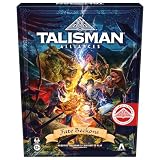
Overview: Talisman Alliances revolutionizes the classic competitive fantasy adventure by introducing cooperative play for the first time in the 5th edition. Players unite against external threats, tackling five sequential Trials that require collective strategy rather than cutthroat competition. This expansion transforms the traditionally luck-driven race for the Crown of Command into a collaborative campaign against overwhelming evil forces.
What Makes It Stand Out: The five-Trial campaign structure provides a compelling narrative arc, with mystery envelopes and figures unlocking as you progress. Players share resources and plan battles together, fundamentally changing Talisman’s DNA. The doom tracker creates genuine urgency, while cooperative spellcasting and movement coordination add tactical depth previously absent from the series.
Value for Money: While requiring the base game, this expansion essentially delivers a completely new game experience. The campaign’s five distinct scenarios, unlockable content, and radical mechanical shift offer value comparable to standalone titles. For Talisman owners tired of player elimination and kingmaking, it’s a transformative investment.
Strengths and Weaknesses: Pros: Innovative cooperative twist; campaign progression with unlockables; maintains Talisman charm; solves competitive issues. Cons: Requires base game; luck dependency still frustrates some; lengthy setup between trials; rulebook could be clearer.
Bottom Line: A bold reinvention that breathes new life into Talisman. Perfect for fans wanting cooperative adventure without abandoning the beloved fantasy theme. The unlockable campaign structure provides compelling reasons to return, though purists may miss the competitive edge.
5. Pandasaurus Cooperative Strategy Card Game - Fun Interactive Family Game for Ages 8+, 1-5 Players, 20 Minute Playtime
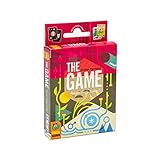
Overview: Simply titled “The Game,” this award-winning cooperative card game challenges 1-5 players to discard all cards from two decks representing time’s passage. Players must communicate strategically without explicitly stating card numbers, working together to play cards in ascending or descending sequences across four piles. Its deceptive simplicity hides surprising strategic depth in just 20 minutes.
What Makes It Stand Out: With over 1.3 million copies sold and a Spiel Des Jahres nomination, its pedigree is undeniable. The Game creates tension through restriction—you know what your teammates hold but can’t say it directly. This forces creative communication and shared intuition. The solo mode plays identically to multiplayer, a rare achievement in cooperative design.
Value for Money: Priced competitively for a card game, The Game delivers exceptional quality. Its global success ensures ongoing support and availability. The minimalist design means you’re paying for refined, proven gameplay rather than flashy components, representing smart value for budget-conscious gamers.
Strengths and Weaknesses: Pros: Brilliantly simple rules with deep strategy; excellent at all player counts; quick setup and playtime; promotes non-verbal communication. Cons: Abstract theme lacks narrative hook; can be frustrating when communication fails; limited component variety; may feel repetitive.
Bottom Line: A modern cooperative classic that belongs in every collection. Its accessibility and depth create that rare “just one more round” addiction. While the theme is thin, the gameplay is razor-sharp. Perfect for families, casual gamers, and hardcore strategists seeking a quick, challenging cooperative fix.
6. Stellar Factory Ravine: A Crafty and Cooperative Card Game
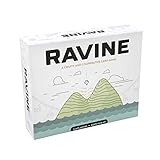
Overview: Ravine is a cooperative party game that strands 3-6 players (ages 12+) in a mysterious wilderness where survival depends on collective decision-making. The game centers on 193 casino-quality cards that drive narrative encounters, supported by 36 screen-printed wooden health tokens and a substantial fire token. Players must manage resources, craft tools, and navigate treacherous events while maintaining their health and sanity in this accessible, story-driven experience.
What Makes It Stand Out: The production quality immediately distinguishes Ravine from typical party games. Casino-grade cards ensure durability through countless sessions, while the wooden tokens provide satisfying tactile feedback absent in cardboard-heavy competitors. The “crafty” designation manifests through innovative card-combination mechanics that let players build creative solutions to emergent challenges, fostering memorable shared narratives. Its cooperative structure encourages genuine teamwork rather than superficial alliances.
Value for Money: Positioned in the premium party game tier, Ravine justifies its cost through exceptional component quality and substantial replayability. The 193 encounter cards generate numerous narrative combinations, while the wooden tokens feel substantial compared to flimsier alternatives. Unlike joke-based party games that lose novelty quickly, Ravine’s emergent storytelling provides lasting entertainment value across dozens of plays.
Strengths and Weaknesses: Strengths include outstanding component quality, intuitive rules enabling immediate play, and meaningful cooperative engagement that strengthens group dynamics. The 12+ rating ensures sufficient strategic depth without overwhelming complexity. Weaknesses include a somewhat generic wilderness theme that lacks licensed IP appeal, and a luck-dependent encounter system that may frustrate strategy purists. The three-player minimum excludes couples or solo gamers entirely.
Bottom Line: Ravine excels as a gateway cooperative experience with production values that shame many pricier titles. Ideal for casual gaming groups prioritizing shared adventure over cutthroat competition, it delivers consistent collaborative fun that encourages creative problem-solving and strengthens friendships through shared virtual adversity.
7. The Wizard’s Tower ⎸Castle Panic Expansion ⎸Board Game for Adults and Family ⎸Cooperative Board Game ⎸Ages 8+ ⎸for 1 to 6 Players

Overview: The Wizard’s Tower expansion fundamentally elevates Castle Panic by introducing arcane warfare against dramatically enhanced threats. Requiring the base game, it adds a powerful spell deck, flying monsters that ignore traditional defenses, formidable Mega Boss enemies, and dynamic fire-spreading mechanics. Designed for 1-6 players with a 60-minute playtime, it maintains the core’s accessibility while significantly deepening strategic complexity for veterans seeking fresh challenges.
What Makes It Stand Out: The spell deck provides game-changing one-time abilities that demand precise timing and coordination, transforming defensive planning. Flying monsters revolutionize spatial strategy by bypassing wall defenses entirely, forcing complete tactical reevaluation. Mega Boss monsters deliver epic climactic battles, while flame tokens create spreading environmental hazards that require constant management. These additions refresh the base experience without sacrificing the intuitive appeal that made Castle Panic successful.
Value for Money: With 49 new monsters, additional Castle cards, a complete Wizard’s spell deck, flame tokens, a replacement tower, and a monster draw bag, this expansion offers substantial content. At approximately $25, it essentially provides a new gameplay experience for a fraction of a standalone game’s cost. For groups who’ve mastered base strategies, this investment delivers renewed excitement and extended lifespan.
Strengths and Weaknesses: Strengths include seamless rules integration, dramatically increased variety, maintained accessibility, and enhanced narrative drama. New mechanics add depth without rules bloat. Weaknesses: absolute requirement of the base game limits accessibility; fire tokens can be fiddly to track; and some spells may feel overpowered until players adjust to correspondingly tougher monsters. The expansion slightly increases setup complexity.
Bottom Line: An essential evolution for Castle Panic enthusiasts that successfully balances innovation with familiarity. The Wizard’s Tower preserves the cooperative spirit while providing the challenge and variety needed for sustained engagement, making it mandatory for groups seeking to extend their siege defense adventures beyond the base game’s limitations.
8. Asmodee The Lord of The Rings The Card Game The Two Towers SAGA Expansion - Cooperative Adventure Game, Strategy Game, Ages 14+, 1-4 Players, 30-90 Min Playtime

Overview: This saga expansion continues the epic narrative campaign for The Lord of the Rings: The Card Game, meticulously covering The Two Towers’ pivotal events. By combining two previously separate releases, it delivers six scenarios following the fractured Fellowship. With 50+ new hero and player cards, it provides extensive deck-building options while maintaining the challenging cooperative gameplay that defines this living card game system.
What Makes It Stand Out: The expansion brilliantly captures the novel’s narrative tension through mechanics that mirror story developments—party splitting creates genuine parallel challenges requiring strategic resource allocation. Players relive Helm’s Deep and other iconic moments with scenario-specific rules that enhance thematic immersion. Consolidating two expansions into one package provides exceptional value while delivering the complete second-book experience without narrative gaps.
Value for Money: For saga campaign players, this represents significant savings compared to purchasing original separate expansions. Six scenarios provide 15-20 hours of gameplay, while 50+ player cards enhance any deck-building strategy. However, value is contingent on owning the base game and prior saga expansions, representing a substantial cumulative investment that may deter newcomers.
Strengths and Weaknesses: Strengths include impeccable thematic integration, sophisticated scenario design, comprehensive content consolidation, and narrative continuity unmatched in cooperative card games. Weaknesses: the 14+ rating and rules complexity exclude younger families; setup/teardown remain time-consuming; and new players face prohibitive barriers without the complete saga collection. The 30-90 minute playtime varies dramatically by scenario.
Bottom Line: Indispensable for dedicated LOTR LCG players pursuing the complete narrative journey. This expansion delivers the thematic depth and mechanical sophistication that fans expect. While casual players should approach cautiously due to required investment, saga devotees will find it perfectly captures the epic’s middle chapter with challenging, memorable scenarios that honor Tolkien’s masterpiece.
9. The Dark Titan ⎸Castle Panic Expansion ⎸Board Game for Adults and Family ⎸Cooperative Board Game ⎸Ages 8+ ⎸for 1 to 6 Players

Overview: The Dark Titan expansion introduces Agranok, an 8-point monstrosity that redefines Castle Panic’s threat landscape. Requiring the base game, it adds elite monsters with specialized abilities, a Cavalier defender unit, Boiling Oil defensive tactics, and Support tokens. Offering five scalable difficulty levels for Agranok, it targets 1-6 players seeking heightened challenge while maintaining the 60-minute playtime and accessible core mechanics of the original.
What Makes It Stand Out: Agranok operates as a campaign-ending boss rather than a standard monster, demanding coordinated strategy and resource hoarding. Five difficulty settings provide genuine progression from manageable to brutally punishing. Elite monsters introduce unique abilities that disrupt standard tactics, while the Cavalier and Boiling Oil create fresh defensive dimensions. This focused approach deepens challenge without bloating rules or diluting the core experience.
Value for Money: Priced comparably to other Castle Panic expansions, The Dark Titan delivers targeted value through its difficulty scaling system. Rather than adding breadth, it provides depth for veterans seeking precision challenge. The 17 new monsters and variable Agranok configurations offer extensive replayability, making it a worthwhile $25 investment for groups finding the base game too forgiving.
Strengths and Weaknesses: Strengths include focused design philosophy, excellent difficulty scaling, seamless component integration, and elite monsters that add personality to threats. The Cavalier provides interesting tactical options. Weaknesses: absolute base game requirement; potential overwhelming difficulty for casual groups; narrower focus offers less variety than other expansions; and Support tokens feel somewhat underutilized and superfluous.
Bottom Line: Perfect for experienced Castle Panic players craving serious, scalable challenge. The Dark Titan excels as a difficulty modulator rather than content dump. If your group consistently dominates the base game, this expansion restores tension and triumph to your cooperative defense, providing the teeth needed to make every monster draw genuinely threatening again.
10. Corps of Discovery: Insecta Expansion – Giant Insect Encounter for The Cooperative Board Game | 1–4 Players

Overview: Insecta injects entomological horror into Corps of Discovery, introducing giant insect monsters that overwhelm through swarming tactics rather than individual power. This expansion requires the base game and adds new Gear and Destiny cards for enhanced deck-building, a unique frog-like boss monster called Ranaidae, and 10 replayable scenario maps. Designed for 1-4 players, it expands campaigns with fresh strategic dimensions while maintaining the core’s exploration and cooperative combat focus.
What Makes It Stand Out: The swarm mechanic fundamentally alters combat dynamics—insects attack through overwhelming numbers, forcing area-control strategies rather than targeted elimination. This creates fundamentally different tactical puzzles. The Ranaidae boss provides a distinct shoreline showdown contrasting with base game encounters. New deck-building options directly address criticisms about limited character progression, allowing deeper customization and strategic planning across campaigns.
Value for Money: As a targeted content expansion, Insecta delivers meaningful variety for dedicated Corps of Discovery players. Ten new maps significantly extend campaign life, while the insect enemy type prevents mid-campaign combat fatigue. However, its value is entirely tied to base game enjoyment—it refines rather than reinvents, making it essential for fans but skippable for casual players.
Strengths and Weaknesses: Strengths include fresh enemy variety, enhanced deck-building depth, thematically distinct scenarios, and mechanically interesting swarm dynamics. It successfully combats content fatigue. Weaknesses: absolute base game requirement; insect theme may not appeal universally; it doesn’t address potential base game pacing issues; and the 1-4 player count, while matching the base, feels limited compared to similar cooperative titles.
Bottom Line: A solid, focused addition for Corps of Discovery devotees seeking content variety and tactical freshness. Insecta successfully extends campaign longevity and adds strategic depth through its unique enemies and expanded deck options. While not essential for casual players, committed groups will appreciate the new challenges and enhanced replayability it brings to their wilderness expeditions.
Legacy and Campaign Expansions
Transforming standalone cooperative games into ongoing sagas, legacy and campaign expansions represent one of the most compelling trends for dedicated gaming groups. These expansions introduce persistent elements where decisions carry real weight across multiple sessions, creating a shared narrative that becomes uniquely yours.
Narrative Depth and Progression Systems
The hallmark of a superior campaign expansion lies in its ability to weave player actions into a cohesive story without railroading the experience. Look for systems that feature branching pathways where failure doesn’t end the adventure but rather redirects it down more challenging or narratively interesting routes. Quality progression mechanics should allow individual players to develop specialized roles within the team, with upgrade trees that encourage discussion about group strategy rather than isolated power-building. The best implementations include legacy-style components that physically alter cards and boards, but also provide reversible options or “reset kits” for groups wanting to experience the story again.
Replayability After Campaign Completion
A common concern with legacy content is the “one-and-done” nature of the experience. Forward-thinking expansions in 2026 address this by including modular elements that remain viable after the primary campaign concludes. Seek out expansions that package new scenarios, enemy types, or map tiles that can be recombined for infinite standalone challenges. Some premium options include “sandbox mode” rulebooks that repurpose campaign-specific mechanics into repeatable systems, effectively giving you two expansions in one package. Consider whether the expansion adds enough permanent content to justify its price point beyond the initial playthrough.
Character and Role Expansion Packs
Diversifying the cast of available characters fundamentally changes how teams approach cooperative challenges. These expansions inject fresh tactical possibilities and often address balance issues that emerge after extensive base game play.
Diversity in Player Abilities
When evaluating character packs, prioritize those that introduce genuinely new mechanics rather than reskinned versions of existing roles. The most valuable additions create novel team synergies that force groups to rethink established strategies. Examine whether new characters include asymmetric abilities that shine in specific scenarios but require protection or support from teammates—these designs promote deeper communication and planning. For 2026, look for expansions that incorporate “hybrid role” characters capable of flexing between multiple responsibilities, perfect for groups that frequently play with varying player counts.
Balance and Integration Challenges
The finest character expansions undergo extensive playtesting to ensure they don’t dominate or trivialize base game content. Investigate whether the expansion includes updated reference materials that account for power creep, such as revised difficulty scaling or scenario-specific restrictions. Quality productions provide integration guides that explain how new characters interact with complex base game mechanics, preventing rules confusion mid-session. Be wary of expansions that simply add power without corresponding challenges; the goal should be expanding tactical options, not just making the game easier.
Modular Difficulty Systems
Not all gaming groups share the same skill level or desire for punishment. Modular difficulty expansions give teams granular control over their challenge level without breaking core game balance.
Scaling Mechanisms for Group Size
The most practical difficulty modules address the common problem of scaling between different player counts. Premium expansions include components that automatically adjust resource availability, enemy strength, or time pressure based on whether you’re playing with three, four, or five participants. Look for systems that maintain the game’s intended tension regardless of group size—this often involves variable setup procedures rather than simple numeric modifiers. The best implementations feel natural, as if the base game was designed with this flexibility from the start.
Adjustable Challenge Curves
Sophisticated difficulty expansions move beyond “easy, medium, hard” settings to offer nuanced challenge customization. Seek options that let you independently adjust different game axes: economic pressure, combat intensity, puzzle complexity, or time constraints. This allows groups to tailor experiences to their preferences—perhaps enjoying brutal combat but relaxed resource management. For 2026, anticipate expansions that include “dynamic difficulty” systems which respond to your group’s win/loss record, automatically keeping sessions in that engaging sweet spot between frustration and boredom.
Immersive Narrative Content Add-ons
For teams that prioritize storytelling, narrative expansions deliver rich lore, character-driven scenarios, and thematic elements that transform mechanical successes into memorable tales.
Branching Storyline Mechanics
Exceptional narrative expansions avoid linear storytelling in favor of decision points that genuinely affect future scenarios. Evaluate whether the expansion includes scenario books with multiple entry and exit points based on previous outcomes. The most advanced systems use codex systems where discovering hidden information physically adds new paragraphs to the storybook, creating a sense of uncovering secrets together. Consider expansions that integrate narrative choices directly into gameplay mechanics—where deciding to save the village might cost you precious resources but unlocks future allies.
Thematic Integration with Base Game
The best narrative content feels inseparable from the original game rather than a bolted-on story mode. Look for expansions where new art, component design, and terminology match the base game’s aesthetic perfectly. Premium options include narrative triggers tied to specific game states or card combinations, making the story emerge organically from play rather than through separate reading passages. For 2026, seek expansions that provide “lore compendiums” which deepen your understanding of the game world without requiring mandatory reading that slows down sessions.
Strategic Depth Enhancers
These expansions target experienced groups who have mastered base strategies and crave new layers of complexity to dissect and optimize together.
New Resource Management Layers
Depth-enhancing expansions often introduce additional resource tracks or conversion mechanics that create new optimization puzzles. The most elegant systems weave these new elements into existing frameworks rather than adding parallel systems. Look for expansions that force teams to make trade-offs between short-term survival and long-term engine building. Quality implementations include “cascading resource” mechanics where excess of one type can be transformed, but at increasing inefficiency, prompting heated team discussions about the right moment to convert assets.
Advanced Tactical Options
These expansions reward groups that enjoy parsing complex decision trees and finding creative solutions. Seek out additions that include “combo potential” between different player actions, encouraging teams to orchestrate multi-turn setups for powerful payoffs. The best depth enhancers provide optional “expert mode” variants that layer additional constraints or objectives onto standard scenarios, effectively doubling the expansion’s content. Consider whether the expansion includes scenario variants that remix existing content using new mechanics, providing fresh challenges without requiring entirely new components.
Solo Mode Compatibility Expansions
As solo gaming continues its meteoric rise, many cooperative expansions now include refined single-player experiences that respect the team-oriented design of the base game.
True Solo vs. Automa Systems
Understand what type of solo experience the expansion provides. “True solo” maintains the base game’s cooperative spirit by having you control multiple characters, while “automa” systems simulate additional players through artificial intelligence decks. The most valuable expansions in 2026 offer both modes, recognizing that different solo players want different experiences. Evaluate whether solo rules require extensive bookkeeping that might detract from the streamlined flow that makes cooperative games appealing in the first place.
Adapting Team Mechanics for Single Players
Quality solo-compatible expansions redesign team-dependent mechanics rather than simply removing them. Look for systems that replace player-to-player trading or assistance with internal risk/reward decisions that capture the same tension. Premium options include solo-specific narrative content that explores different facets of the game world, giving single players unique stories rather than watered-down multiplayer scenarios. Consider expansions that provide “beat your own score” systems or time-attack modes that transform the solo experience into a personal optimization challenge.
Cross-Game Integration Expansions
Breaking down barriers between titles, these innovative expansions allow components and mechanics from one cooperative game to enhance another, perfect for collectors with diverse shelves.
Universal Component Systems
The most ambitious cross-game expansions provide component sets—such as dice, tokens, or miniatures—designed to work across multiple titles from the same publisher or design lineage. Look for expansions that include conversion guides explaining how to adapt these universal pieces to different rule sets. For 2026, anticipate “component ecosystem” expansions where upgrading one game effectively enhances several others in your collection, providing exceptional value for dedicated fans of a particular design studio.
Mix-and-Match Play Styles
These expansions experiment with importing mechanics from one game into another, creating hybrid experiences. Seek out content that includes “crossover scenario booklets” with rules for blending two different cooperative systems. The best implementations preserve the core identity of both games while creating something novel. Consider whether the expansion provides enough guidance to prevent rules conflicts or confusion when mixing systems, as poorly documented cross-game content can create more headaches than fun.
Digital Hybrid Expansion Content
The line between physical and digital gaming continues to blur, with expansions increasingly incorporating app integration to manage complexity and deliver dynamic content.
App-Integrated Storytelling
Modern hybrid expansions use companion apps to generate unique scenarios, manage hidden information, and track campaign progress without requiring extensive manual setup. Look for expansions where the digital component reduces administrative overhead rather than adding it—apps should handle bookkeeping so players can focus on decision-making. The best implementations work offline and include accessibility features like text scaling and colorblind modes. For 2026, prioritize expansions with apps that receive regular content updates, effectively extending the expansion’s lifespan beyond its physical components.
Physical-Digital Synergy Features
Premium hybrid expansions create experiences impossible in purely analog or digital formats. Seek out content where the app generates randomized maps that you build with physical tiles, or where your physical card choices affect digital narrative branches. Consider expansions that include QR codes on components linking to tutorial videos or lore entries, enhancing the tactile experience with multimedia depth. Be mindful of the developer’s track record with app support—an abandoned app can render portions of your expansion unusable.
Storage and Organization Solutions
Often overlooked but critically important, organizational expansions ensure your growing collection remains playable and portable, reducing setup time and preventing component loss.
Integrated Inserts and Component Management
The best storage expansions do more than just box components—they integrate with gameplay through clever token trays that double as in-game organizers. Look for inserts with removable resource trays that can be passed around the table, minimizing reach and disruption. Premium options include labeled compartments for expansion-specific content that make setup and teardown intuitive enough that any group member can handle it. For 2026, seek eco-conscious manufacturers using sustainable materials without sacrificing durability or precision fit.
Expansion-Specific Setup Guides
Quality organizational products include quick-setup guides that account for all expansion content, showing exactly which components are needed for different scenarios or player counts. The most helpful systems use color-coding or iconography that matches both the base game and expansion rules, creating a unified visual language. Consider whether the storage solution accommodates sleeved cards and painted miniatures if those are part of your hobby. Some innovative expansions now include “setup decks” that walk you through preparation step-by-step, turning the traditionally tedious process into a brief, social part of the gaming ritual.
Community-Driven Content Packs
Recognizing that passionate player bases often create exceptional content, publishers are increasingly sanctioning and refining community-generated expansions.
Fan-Voted Scenario Collections
These expansions formalize the best community-created scenarios through official publication, complete with professional editing, playtesting, and component production. Look for collections that credit original designers and include designer notes explaining the creative process. The best community-driven packs undergo rigorous balance testing to ensure fan content meets the same standards as original material. For 2026, seek expansions that include online platforms where you can submit your own scenarios for potential inclusion in future collections, creating an ongoing relationship between publisher and community.
Officially Sanctioned Homebrew Content
Forward-thinking publishers now release “homebrew kits” with guidelines, templates, and components for creating your own expansion content. These products walk the line between official and fan-made, providing enough structure to ensure quality while encouraging creativity. Premium kits include blank cards with matching card backs, sticker sheets for customizing tokens, and digital templates for printing additional content. Consider whether the expansion includes a community portal for sharing creations and receiving feedback, effectively turning your purchase into a gateway for unlimited content.
Building Your 2026 Cooperative Collection
Approaching expansion purchases strategically ensures your gaming budget delivers maximum enjoyment throughout the year. Start by identifying which aspect of your favorite cooperative games needs refreshing—whether it’s narrative depth, mechanical complexity, or organizational efficiency. Prioritize expansions that offer multiple modes of play or integrate with other titles you own, multiplying their value. Remember that the most expensive expansion isn’t always the best fit; a modestly priced character pack that sees monthly use provides better return than a premium campaign expansion that requires months to complete.
Consider your group’s consistency when selecting content. Regular weekly groups can tackle sprawling legacy campaigns, while irregular gatherings benefit from modular expansions that work standalone. Watch for publishers’ 2026 roadmaps, as many announce expansion trilogies or interconnected content that rewards purchasing within the same ecosystem. Finally, engage with community forums and preview content to gauge whether an expansion’s complexity matches your group’s appetite—adding depth should enhance enjoyment, not create barriers.
Frequently Asked Questions
What makes a cooperative game expansion “must-have” versus optional?
A must-have expansion fundamentally improves the core experience by addressing limitations, adding meaningful variety, or introducing mechanics that become essential to your group’s enjoyment. Optional expansions might be enjoyable but don’t significantly change how you interact with the base game.
How do I know if an expansion will work with my group’s skill level?
Research whether the expansion includes scalable difficulty options or beginner-friendly variants. Many quality expansions provide “learning scenarios” that introduce new mechanics gradually. Check community reviews from players with similar experience levels to gauge accessibility.
Should I buy expansions for games we haven’t fully explored yet?
Generally, master the base game first. Expansions build upon assumed familiarity with core mechanics, and playing them prematurely can create confusion. However, narrative-driven expansions can sometimes be integrated from the start if they enhance rather than complicate the introductory experience.
Are digital hybrid expansions worth it for traditional board gamers?
If the app reduces setup time and manages complexity without replacing the tactile satisfaction of physical components, hybrid expansions can be excellent. Look for apps that function as silent partners—handling bookkeeping while you remain focused on the table.
How important is component quality in expansion purchases?
Component quality directly impacts longevity and enjoyment. Mismatched card stock, poorly molded miniatures, or flimsy tokens can detract from the experience. Premium expansions maintain or exceed base game production standards, ensuring seamless integration.
Can expansions fix broken or unbalanced base games?
Some expansions deliberately address balance issues, but they rarely fix fundamentally flawed designs. Research whether the base game community views the expansion as a necessary patch or merely additional content. The best expansions enhance good games, not rescue poor ones.
What’s the typical price range for quality cooperative expansions in 2026?
Expect to pay 40-60% of the base game’s price for substantial expansions, with smaller content packs available for 20-30%. Premium campaign expansions or those with numerous miniatures may approach the base game’s cost, but should offer comparable playtime.
How do I store multiple expansions for the same game efficiently?
Many publishers now sell “big box” storage solutions or integrated inserts designed to hold the base game plus all expansions. Third-party organizers often provide superior solutions. Consider whether the expansion itself includes storage components before purchasing separate organizers.
Will playing expansions spoil the base game experience for new players?
Integrate expansions gradually, introducing one or two new elements at a time. Most expansions are designed to be modular, allowing you to add complexity as the group becomes comfortable. Always ensure new players understand core mechanics before layering expansion content.
How can I stay informed about upcoming cooperative expansions in 2026?
Follow publishers’ newsletters, subscribe to board gaming news sites, and join dedicated communities for your favorite titles. Many publishers now offer “expansion pass” programs that provide early access and exclusive content for subscribers, ensuring you never miss relevant releases.
See Also
- 10 Must-Have Cooperative Game Expansions for Team Building in 2026
- 10 Must-Have Cooperative Game Expansions for Team Play in 2026
- We Tested 50 Cooperative Game Expansions - Here are the 10 Best for Team Play in 2026
- 10 Must-Have Cooperative Game Expansions for Team-Based Fun in 2026
- We Tested 50 Cooperative Game Expansions - Here are the 10 Best for Team Building