Table of Contents
Escape room board games have exploded in popularity, transforming living rooms into immersive puzzle-solving adventures that challenge teens to think critically, work together, and experience the thrill of cracking codes without leaving home. These analog alternatives to digital gaming offer something increasingly rare in today’s screen-dominated world: tangible, face-to-face interaction that builds real social connections while exercising mental muscles. For teenagers navigating complex social dynamics and developing crucial problem-solving skills, these games provide the perfect blend of challenge, storytelling, and collaborative achievement that resonates with their growing independence and desire for meaningful experiences.
As we look toward 2026, the landscape of escape room board games continues to evolve with more sophisticated narratives, innovative mechanics, and teen-friendly themes that acknowledge their developing cognitive abilities and cultural interests. Whether you’re a parent seeking engaging alternatives to video games, an educator looking for team-building tools, or a teen yourself hunting for your next group activity, understanding what makes these games exceptional requires looking beyond flashy packaging to examine the core elements that create memorable, replayable experiences. Let’s explore the essential features, educational benefits, and selection criteria that will help you identify the perfect puzzle-filled adventure for your teenage game nights.
Top 10 Escape Room Board Games for Teens
Detailed Product Reviews
1. Escape Room The Game, Version 2 - with 4 Thrilling Escape Rooms | Solve The Mystery Board Game for Adults and Teens
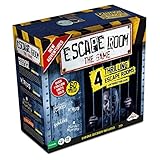
Overview: This comprehensive kit transforms your living room into a high-stakes escape room experience. The set includes four distinct adventures, each structured in three escalating parts, designed for 3-5 players aged 16 and up. The centerpiece is the electronic Chrono Decoder, which provides a 60-minute countdown accompanied by immersive sound effects that heighten tension throughout your mission.
What Makes It Stand Out: The integration of physical and digital elements creates genuine urgency. The Chrono Decoder offers audio feedback when entering codes, while the companion app provides thematic soundtracks tailored to each scenario. The four adventures progressively increase in difficulty, making this ideal for groups that want to build their skills. Expansion packs extend the life of your investment after you’ve conquered the base scenarios.
Value for Money: At a price point equivalent to one or two tickets at a commercial escape room, this kit delivers four complete experiences for up to five people. While each scenario is single-use, the reusable electronic components and availability of expansion packs provide ongoing entertainment value that far exceeds the initial cost.
Strengths and Weaknesses: The immersive audio-visual atmosphere ranks among its strongest assets, along with the progressive difficulty curve and expansion potential. However, the 16+ age recommendation excludes younger family members, and the reliance on a smartphone app may frustrate technophobes. Some puzzle designs feel slightly dated compared to newer escape room games.
Bottom Line: For adult and teen game nights, this delivers exceptional value and authentic escape room tension. Puzzle enthusiasts will appreciate the challenge level and expandability, making it a worthwhile investment for regular gaming groups.
2. Clue Escape: The Midnight Hotel Board Game, Clue Escape Room Game, 1-Time Solve Mystery Games, Family Games for Ages 10+, 1-6 Players, 90 Mins. Avg.

Overview: This innovative fusion merges classic Clue’s murder mystery narrative with escape room puzzle mechanics. Designed as a single-play experience for 1-6 players ages 10 and up, the game unfolds over approximately 90 minutes. Players collaborate to discover who attempted to steal Boddy’s blackmail files, exploring a hotel that physically transforms as puzzles are solved.
What Makes It Stand Out: The dynamic 3D gameboard literally builds up during play, revealing new rooms and clues as you progress—a tactile innovation that mirrors narrative unfolding. The familiar Clue cast provides immediate character investment, while the solo play option makes this accessible for individual puzzle enthusiasts. Evidence collection mechanics create satisfying deductive moments.
Value for Money: As a one-time experience, value depends on your perspective. It’s significantly cheaper than a commercial escape room and can be passed to friends after solving. The 90-minute runtime offers substantial gameplay, though the inability to replay limits long-term value for the original owner.
Strengths and Weaknesses: The evolving board design is genuinely clever, creating visual progress that enhances engagement. The cooperative deduction element strengthens group dynamics, and the flexible player count accommodates various gatherings. However, the single-use nature will disappoint those seeking replayability, and some puzzles lack the complexity hardcore enthusiasts crave.
Bottom Line: Perfect for Clue devotees and families seeking a thematic puzzle experience. Accept its single-play limitation and you’ll find a creatively designed, narratively satisfying adventure that bridges board gaming and escape rooms effectively.
3. ThinkFun Escape The Room Stargazer’s Manor - A Thrilling Escape Room Game in a Box for Ages 10 and Up | Enhances Logical Reasoning | Perfect for Family Game Night | Ideal Gift for Puzzle Lovers

Overview: From the trusted ThinkFun brand comes this puzzle-driven escape room experience designed for 3-8 players aged 10 and up. The game centers around a mysterious manor where players unravel secrets through a series of sealed envelopes, each containing clues and puzzle components. A solution wheel replaces electronic elements, keeping gameplay focused on pure deduction.
What Makes It Stand Out: ThinkFun’s pedigree in educational gaming shines through with intentional skill development in logical reasoning and critical thinking. The sealed envelope system creates natural pacing and dramatic reveals. Accommodating up to eight players makes this exceptionally versatile for larger families or parties. No batteries or apps required ensures immediate, hassle-free setup.
Value for Money: Positioned in the mid-range price bracket, you’re paying for ThinkFun’s renowned quality and educational design. While only one scenario is included, the sturdy components and reusable solution wheel provide lasting utility. For educators or parents prioritizing developmental benefits, the investment is justified.
Strengths and Weaknesses: The brand’s reliability and focus on cognitive skills are major advantages, alongside the generous player capacity and straightforward setup. However, the single scenario limits replayability, and the absence of audio immersion makes it feel less like a “real” escape room. Puzzle difficulty may not satisfy experienced enthusiasts.
Bottom Line: An excellent choice for families and educators who value skill development alongside entertainment. Its larger player capacity and no-tech approach make it accessible and reliable, though puzzle veterans might find it less challenging than electronic alternatives.
4. Identity Games [www.identity games.com] Escape Room The Game, New Family Edition - with 2 New Exciting Escape Rooms | Solve The Mystery Board Game for Family, Kids & Teens (English Version)
![Identity Games [www.identity games.com] Escape Room The Game, New Family Edition - with 2 New Exciting Escape Rooms | Solve The Mystery Board Game for Family, Kids & Teens (English Version)](https://m.media-amazon.com/images/I/61ACHnIffvL._SL160_.jpg)
Overview: This family-oriented edition delivers two escape room adventures—Candy Factory and Super Heroes—specifically designed for younger participants while maintaining engaging gameplay for adults. The electronic Chrono Decoder provides a 60-minute countdown with atmospheric sound effects, supporting 3-5 players through cooperative puzzle-solving challenges.
What Makes It Stand Out: The family-friendly themes avoid darker escape room tropes, making content appropriate for mixed-age groups. An integrated hint system accessed through the decoder helps prevent frustration when younger players get stuck. The emphasis on balanced teamwork ensures everyone contributes meaningfully, regardless of age or experience level.
Value for Money: With two included scenarios at a lower price point than the adult version, this offers accessible entry into escape room gaming. The reusable electronic decoder retains value for potential expansion purchases. For families testing interest in the genre, it’s a financially prudent starting point.
Strengths and Weaknesses: Age-appropriate content and the helpful hint system are standout features that enable genuine family collaboration. The electronic timer creates appropriate urgency without overwhelming younger players. However, experienced adults may find puzzles too simple, and with only two scenarios, content runs out quickly. The 16 keys can be fiddly for small hands.
Bottom Line: The ideal introductory kit for families with children aged 10-14. It successfully balances accessibility with challenge, creating shared problem-solving experiences. If you’re new to escape rooms and want family-appropriate content, this is your best starting point.
5. Identity Games [www.identity games.com] Escape Room The Game, Family Edition - with 3 Exciting Jungle Escape Rooms | Solve The Mystery Board Game for Family, Kids & Teens (English Version)
![Identity Games [www.identity games.com] Escape Room The Game, Family Edition - with 3 Exciting Jungle Escape Rooms | Solve The Mystery Board Game for Family, Kids & Teens (English Version)](https://m.media-amazon.com/images/I/61oetw6KYWL._SL160_.jpg)
Overview: This jungle-themed family edition includes three distinct adventures—Magic Monkey, Snake Bite, and Moon Portal—bringing exotic escape room excitement to your home. Like other Identity Games editions, it features the electronic Chrono Decoder and hint system, designed for cooperative play among family members. The jungle motif provides fresh thematic variety for younger players.
What Makes It Stand Out: The three-scenario package offers better content value than the two-game family edition, while the jungle theme resonates strongly with kids. The note about Jumanji overlap suggests some licensed puzzle designs, potentially adding familiarity and excitement. The same reliable electronic components create atmospheric pressure appropriate for family settings.
Value for Money: Representing the best value in the Family Edition line, you receive three complete adventures for a modest price increase over the two-game version. The reusable decoder and hint system continue delivering value if you purchase additional expansions. For families committed to multiple game nights, this is economically smart.
Strengths and Weaknesses: Having three adventures extends entertainment value significantly, while the jungle theme maintains engagement across sessions. The hint system prevents younger players from disengaging. However, the Jumanji overlap note may confuse buyers expecting exclusive content, and puzzle difficulty varies between scenarios. Component management becomes crucial across three games.
Bottom Line: The top choice for families seeking maximum content in the family-friendly range. The jungle theme adds adventurous appeal, and the third scenario justifies the minimal extra cost. If you have kids aged 10+ and want repeated escape room experiences, this edition delivers exceptional family value.
6. Clue Escape: The Illusionist’s Club Board Game | Escape Room Family Game | 1-Time Solve Mystery | Ages 10+ | 1-6 Players | Difficulty 4 | 90-120 Mins. (Amazon Exclusive)

Overview: The Clue Escape: The Illusionist’s Club reimagines the classic deduction game as a cooperative escape room experience. Players work together to escape a magic club and solve the mystery of a sabotaged magician. Designed for 1-6 players and lasting 90-120 minutes, this one-time adventure targets families and casual gamers with moderate difficulty.
What Makes It Stand Out: This game brilliantly merges Clue’s iconic characters with escape room mechanics. The magic-themed puzzles feel authentic, requiring a secret “magical” tool that adds tactile satisfaction. The dynamic gameboard physically transforms as you progress, revealing new rooms and secrets that heighten immersion. Unlike traditional escape rooms, the integration of WHO, WHERE, and WHAT elements gives it a distinctive Clue identity.
Value for Money: At its price point, you’re investing in a cinematic evening of entertainment for up to six people—costing less per person than a physical escape room. While single-use, the 90-120 minute runtime and high-quality components justify the expense. Compared to digital alternatives, the tangible puzzles and secret tool offer superior engagement.
Strengths and Weaknesses: Strengths include accessible cooperative gameplay, strong thematic integration, and scalable player count. The secret tool is genuinely clever, and the transforming board keeps revelations exciting. Weaknesses center on its one-time nature—enthusiasts may find Difficulty 4 too easy, and you can’t replay or pass it along. Some puzzle steps may feel linear.
Bottom Line: Perfect for families and Clue fans seeking an accessible entry into escape rooms. The thematic magic club setting and cooperative deduction deliver a memorable, if fleeting, experience that bridges classic board gaming with modern puzzle trends.
7. Exit: The Abandoned Cabin - Kennerspiel Des Jahres Winner, Card-Based Family Escape Room Game for 1-4 Players, Ages 12+, Blue

Overview: Exit: The Abandoned Cabin brings the acclaimed escape room series home with this award-winning entry. Trapped in a mysterious cabin, 1-4 players must solve puzzles by marking, folding, and tearing materials to escape within 1-2 hours. This card-based game set the standard for at-home escape experiences.
What Makes It Stand Out: Winning the Kennerspiel des Jahres award validates its exceptional design. The game shines through its ingenious puzzle variety that physically manipulates components in unexpected ways. Each riddle feels distinct, requiring creative thinking rather than simple logic. The compact box belies a densely packed challenge that veteran puzzle solvers respect.
Value for Money: As a single-use experience, the value hinges on puzzle quality rather than replayability. Priced competitively, it delivers 1-2 hours of challenging entertainment for less than a quarter of a physical escape room cost. The series offers multiple titles, making it easy to find fresh adventures without重复投资.
Strengths and Weaknesses: Strengths include award-winning puzzle design, genuine challenge, and the visceral satisfaction of destroying components. The difficulty scales appropriately for ages 12+. Weaknesses are inherent—single-use nature prevents replay or sharing, and some puzzles may frustrate without hint cards. The cabin theme, while solid, lacks narrative depth.
Bottom Line: An essential purchase for escape room enthusiasts and families with teens. While fleeting, the Abandoned Cabin represents the gold standard in card-based escape games, delivering cerebral challenges that justify its one-time design through sheer puzzle craftsmanship.
8. EXIT: The Professor’s Last Riddle | Escape Room| Brainteasers | Mystery Solving | Treasure Hunt | Kosmos Game | at-Home Escape Room

Overview: EXIT: The Professor’s Last Riddle sends players globetrotting to unravel an archaeology professor’s legacy. This 1-2 hour adventure for one or more players combines escape room puzzles with a treasure hunt narrative spanning Paris, New York, and other iconic cities. Like other EXIT titles, it’s a single-use experience requiring component destruction.
What Makes It Stand Out: The travelogue structure distinguishes it from confined-space escape games. Each city presents unique puzzles tied to local landmarks and archaeological lore, creating a sense of adventure. The treasure hunt framework adds narrative urgency beyond simple escape, appealing to fans of Indiana Jones-style mysteries. Multiple mysterious objects in the box enhance tactile discovery.
Value for Money: Positioned similarly to other EXIT games, you’re paying for a premium puzzle experience rather than longevity. The globe-trotting theme adds perceived value through variety, essentially packaging several mini-escapes into one cohesive story. For puzzle fans, the quality justifies the single-use constraint.
Strengths and Weaknesses: Strengths include an engaging travel narrative, diverse puzzle types, and strong thematic integration across locations. The treasure hunt element provides clear motivation. Weaknesses involve linear progression that can stall if one puzzle stumps you, and the destructive single-use model. Some city transitions feel rushed.
Bottom Line: Ideal for adventure seekers wanting more narrative scope than typical escape rooms. While it shares the series’ single-use limitation, the archaeological treasure hunt and international settings create a memorable puzzle journey that stands out in the EXIT lineup.
9. Clue Escape: The World’s Fair Board Game | Escape Room 1-Time Solve Mystery Games | Ages 10+ | 1 to 6 Players | 90 - 120 Mins.| Family Games

Overview: The sixth installment in the Clue Escape series, The World’s Fair transports players to a historic exhibition where a brilliant scientist has been murdered. This cooperative 1-6 player game tasks teams with escaping the fair while solving the classic WHO, WHERE, and WHAT mystery through 90-120 minutes of puzzle-solving.
What Makes It Stand Out: Building on its predecessors, this entry features a dynamic board that evolves as you unlock new exhibit halls. The World’s Fair brochure serves as an integrated clue-finding tool, blending historical flavor with puzzle mechanics. The secret evidence-collection device returns, maintaining series continuity while the scientific murder mystery offers fresh narrative ground.
Value for Money: Following the series’ pricing model, it provides affordable group entertainment. For families already invested in Clue Escape, it delivers familiar mechanics with new content. The 90-120 minute runtime and quality components maintain strong value-per-minute, though single-use nature limits long-term utility.
Strengths and Weaknesses: Strengths include accessible cooperative play, strong thematic ties to the Clue universe, and clever integration of the fair setting. The secret tool and evolving board remain engaging. Weaknesses mirror other entries—one-time playthrough and moderate difficulty may disappoint hardcore puzzlers. Narrative similarity to previous titles can feel formulaic.
Bottom Line: A solid addition for Clue Escape devotees and families wanting historical flavor. While it doesn’t revolutionize the formula, the World’s Fair setting and scientific mystery provide enough novelty to justify another one-time adventure in this accessible escape room series.
10. Thames & Kosmos EXIT: The Enchanted Forest| A Kosmos Escape Room Game in a Box| Family Friendly, Card-Based at-Home Escape Room Experience for 1 to 4 Players, Ages 12+ , Black

Overview: EXIT: The Enchanted Forest plunges players into a whimsical fairy tale nightmare where a peaceful woodland walk becomes a puzzling trap. This family-friendly entry in the award-winning EXIT series accommodates 1-4 players for 1-2 hours of card-based escape room challenges that require marking, folding, and tearing components.
What Makes It Stand Out: The fairytale theme offers a lighter, more imaginative alternative to the series’ often-intense scenarios. Encounters with strange creatures and magical riddles create a storybook atmosphere. The integrated clue card system prevents frustration by offering tiered hints, making it more accessible than other EXIT titles while maintaining puzzle integrity.
Value for Money: As part of the respected EXIT line, it delivers consistent puzzle quality at a standard price point. The family-friendly positioning and clue system increase value for households with mixed skill levels. While single-use, the 1-2 hour experience provides affordable entertainment compared to commercial escape rooms.
Strengths and Weaknesses: Strengths include the charming fantasy theme, helpful clue card system, and balanced difficulty for ages 12+. The whimsical narrative appeals to a broader audience. Weaknesses remain the single-use design and potentially lower difficulty for veteran solvers. Some fairy tale references may feel obscure.
Bottom Line: An excellent choice for families and fantasy fans entering the escape room genre. The Enchanted Forest’s forgiving clue system and magical theme make it one of the most approachable EXIT games, though puzzle purists might crave greater challenge.
Understanding the Escape Room Board Game Genre
Escape room board games distill the essence of physical escape rooms—puzzles, time pressure, and narrative immersion—into tabletop experiences that can be enjoyed repeatedly. Unlike traditional board games focused on competition or resource management, these titles prioritize cooperative problem-solving where players win or lose as a team. The genre has matured significantly, moving beyond simple paper puzzles to incorporate apps, 3D components, and branching storylines that respond to player decisions.
What Differentiates Teen-Focused Games from Adult Versions
Teen-oriented escape room games strike a delicate balance between challenge and accessibility. They avoid overly complex logical deductions that require adult life experience while offering more sophisticated puzzles than children’s versions. The difficulty curve typically allows for “aha moments” without frustrating players into disengagement. Themes are carefully calibrated to be engaging but not inappropriate, often featuring mystery, adventure, or supernatural elements rather than mature horror or intense psychological thriller content.
Age Appropriateness and Cognitive Development
The teenage years represent a critical period for cognitive development, particularly in abstract reasoning, hypothetical thinking, and metacognition. Well-designed escape room games for this demographic align with these developmental milestones by presenting multi-step puzzles that require planning, strategy revision, and pattern recognition across different information types. They respect teens’ growing capacity for handling ambiguity and deferred gratification while providing enough structure to prevent overwhelming frustration.
Key Features to Evaluate Before Purchasing
Difficulty Scaling and Hint Systems
The best teen-focused games incorporate robust hint systems that empower players to seek help on their own terms rather than giving up entirely. Look for titles offering graduated hints—from gentle nudges to detailed solutions—that preserve the satisfaction of solving while preventing stall-outs. Progressive difficulty within a single game session helps maintain engagement, starting with accessible warm-up puzzles that build confidence before introducing more complex challenges.
Optimal Player Count and Group Dynamics
Most escape room games specify a player range, but the “sweet spot” for teens often differs from manufacturer recommendations. Consider how your teen typically socializes—do they prefer intimate one-on-one problem-solving with a best friend, or thrive in larger group settings? Games that function well with 2-4 players offer flexibility for different social situations, while those requiring 4+ players might limit when they can actually play. The ideal game scales smoothly, ensuring everyone stays involved rather than having dominant personalities overshadow quieter participants.
Play Time and Session Length
Attention spans and scheduling realities matter significantly for teens. Games offering 45-90 minute experiences fit perfectly into evening hangouts or weekend afternoons without requiring massive time commitments. Be wary of titles advertising 3+ hour sessions unless they include natural break points, as teen groups may struggle to maintain focus. Conversely, games under 30 minutes might feel unsatisfyingly brief, lacking the narrative depth and puzzle variety that creates memorable experiences.
Educational Benefits Beyond Entertainment
Developing Critical Thinking and Logic Skills
Escape room games naturally exercise deductive reasoning, pattern recognition, and systems thinking. Teens learn to evaluate evidence, test hypotheses, and recognize when to abandon unproductive approaches. These mental processes mirror scientific method principles and logical frameworks they’ll encounter in advanced academics. The immediate feedback loop—either the lock opens or it doesn’t—provides concrete reinforcement of sound reasoning in ways abstract classroom exercises sometimes cannot.
Fostering Collaboration and Communication
Success demands constant information sharing, active listening, and role distribution based on individual strengths. Teens practice articulating observations clearly, questioning assumptions respectfully, and synthesizing disparate clues into coherent theories. Unlike competitive games where communication can be manipulative, cooperative escape rooms build trust and teach constructive disagreement—skills directly transferable to group projects, sports teams, and future workplace dynamics.
Building Resilience Through Productive Failure
Not every puzzle gets solved on the first attempt, and that’s valuable. Teens experience setbacks in low-stakes environments, learning that initial failure isn’t catastrophic but rather information-gathering. They develop persistence, frustration tolerance, and the ability to reset mentally when stuck. Games that allow players to “lose forward”—gaining insights even from mistakes—teach the growth mindset that intelligence and skill develop through challenge rather than being fixed traits.
Themes and Narratives That Captivate Teen Audiences
Mystery and Detective Storylines
Whodunit narratives resonate strongly with teens developing their own moral reasoning and skepticism about authority. These themes allow them to play detective, questioning motives and piecing together evidence to reveal hidden truths. The satisfaction of solving a mystery mirrors the adolescent journey of uncovering complexities in their own social worlds and understanding that surface appearances often mask deeper realities.
Supernatural and Paranormal Adventures
Ghosts, curses, and unexplained phenomena offer safe ways to explore themes of mortality, power, and the unknown. These narratives tap into teen fascination with liminal spaces and “what if” scenarios without requiring the graphic content of mature horror. The supernatural framework also justifies creative puzzle mechanics—spirit boards that spell clues, enchanted objects with hidden compartments—making the impossible feel logically integrated into the gameplay.
Sci-Fi and Technological Thrillers
Futuristic settings appeal to teens’ digital nativity and optimism about innovation. Time travel conundrums, AI rebellions, and space station disasters frame puzzles around hypothetical technologies and scientific principles. These themes naturally incorporate code-breaking, circuit-building, and pattern-seeking that aligns with STEM interests while exploring ethical questions about technology’s role in society—topics increasingly relevant to their generation.
Historical and Archaeological Quests
Treasure hunts through ancient civilizations or historical conspiracies connect gameplay to real-world knowledge. Teens engage with history as active participants rather than passive memorizers, discovering how historical context informs puzzle solutions. This approach makes learning incidental and exciting, potentially sparking interest in topics they’ll encounter in advanced coursework while satisfying the desire for adventure and discovery.
Physical Components and Production Quality
Durability for Repeated Play
Teen handling can be rougher than adult collectors’ careful curation, so component quality matters. Sturdy cards, thick cardboard tiles, and robust plastic mechanisms withstand repeated sessions and transportation to friends’ houses. Laminated puzzle sheets that can be written on with dry-erase markers offer replayability, while perforated paper components suggest single-use experiences that may limit long-term value. Examine user reviews specifically mentioning how well pieces hold up after multiple plays.
Integration of Technology and Apps
Many modern escape room games companion apps for timers, atmospheric soundtracks, or input verification. Evaluate whether the app enhances or distracts from the tabletop experience. The best implementations use technology to reduce setup complexity and provide dynamic feedback without replacing the tactile satisfaction of physical puzzles. Be mindful of app-dependent games that might become unplayable if developers stop supporting them—look for titles offering offline alternatives or print-and-play backups.
Storage and Organization Solutions
Between sessions, games with logical storage systems protect components and simplify setup. Molded inserts, labeled bags, or clever box designs that double as game components demonstrate thoughtful production. For teens managing their own collections, easy organization means they’re more likely to replay rather than abandoning a game after one messy session. Consider how much table space the game requires and whether it can be paused and stored mid-game for longer adventures.
Replayability and Long-Term Value
One-Time Play vs. Replayable Design
The escape room genre includes both “destructible” single-experience games and infinitely replayable titles. Single-play games often offer deeper narrative immersion and unique physical interactions (cutting, folding, marking components) but represent limited value. Replayable games use erasable components or modular puzzle systems, providing better cost-per-play value. For teens on limited budgets, replayability ensures the game remains engaging rather than becoming a shelf trophy after one session.
Expansion Content and Continuity
Some games offer sequels or expansion packs that reuse core components while introducing new narratives and puzzles. This model provides familiarity—teens already understand the rules—while delivering fresh challenges. Investigate whether a game exists within a larger ecosystem; starting with a base game that has expansion potential extends the hobby and gives gift-givers future options. However, ensure the base game feels complete on its own rather than a thinly veiled purchase gateway.
Community and Online Resources
Active player communities create unofficial expansions, alternative puzzle solutions, and troubleshooting advice. Games with strong online followings offer extended value through user-generated content and social connection with other enthusiasts. Teens particularly benefit from seeing how other players approached challenges, learning different problem-solving styles, and potentially connecting with like-minded peers in moderated forums or social media groups dedicated to the hobby.
Budget Considerations and Value Assessment
Price Tiers and What to Expect
Entry-level games ($15-25) typically offer streamlined experiences with fewer components and shorter play times, perfect for testing interest. Mid-range options ($30-50) provide fuller narratives, higher component quality, and more complex puzzle chains. Premium titles ($60+) often include elaborate 3D structures, integrated technology, or multiple interconnected scenarios. For teens just discovering the genre, starting mid-range balances quality with commitment, while enthusiasts might justify premium purchases for exceptional experiences.
Hidden Costs and Accessory Needs
Some games require additional purchases: replacement pads for one-time use components, specific writing instruments, or even batteries for electronic elements. Factor these into the total cost of ownership. Additionally, consider whether you’ll need accessories like timer apps (free vs. paid), protective sleeves for cards, or storage solutions beyond the original box. The most teen-friendly games minimize these hidden costs, packaging everything needed for complete experiences.
Gift-Giving and Group Investment
Escape room games make excellent group gifts for teen friend circles or family presents that facilitate quality time. When multiple people contribute, premium options become more accessible. Some games offer “deluxe editions” with upgraded components that feel special and gift-worthy. For teens buying with their own money, consider games that offer enough content to justify the price—perhaps containing multiple scenarios or promising 6-8 hours of total gameplay across several sessions.
Matching Games to Teen Interests and Abilities
Assessing Puzzle Preferences and Strengths
Teens gravitate toward different puzzle types: wordplay, spatial reasoning, mathematical patterns, or visual illusions. Observing what captivates them in other contexts—Sudoku, video game puzzles, riddles—helps identify games emphasizing their natural strengths while gently challenging weaker areas. The best selections offer puzzle variety, ensuring every player finds moments to shine. For teens new to the genre, games with clear puzzle categorization help them understand their preferences for future purchases.
Solo Play Potential vs. Group Requirement
While most escape room games shine in groups, some offer compelling solo modes for teens who enjoy independent challenge or whose schedules make group coordination difficult. Solo-capable games provide flexibility—practice alone, then showcase skills with friends. However, ensure solo mode isn’t merely a tacked-on variant but a thoughtfully designed experience. For socially-focused teens, prioritize games that actively discourage quarterbacking (one player dominating) and require genuine collaboration.
Difficulty Progression Within Series
If selecting from a series of games, investigate whether difficulty increases with each release. Starting with the most accessible entry prevents early frustration and builds skills for tougher challenges. Some series number their releases explicitly, while others require community knowledge to identify starting points. For teens who enjoy mastery and progression, a well-designed series offers satisfying skill development, but jumping into an advanced entry can create discouraging experiences that turn them away from the hobby entirely.
Setting Up for Success: Environment and Mindset
Creating the Right Atmosphere
The physical environment significantly impacts immersion and focus. Dim lighting, thematic background music (via official apps or curated playlists), and minimizing digital distractions help teens engage deeply. Designate a dedicated play space where components can spread out without interruption. Some games include atmospheric elements like candles or specific lighting recommendations—these details signal that this experience deserves their full attention, differentiating it from casual card games.
Establishing Group Norms and Communication
Before starting, encourage teens to establish simple ground rules: share discoveries immediately, explain reasoning out loud, and rotate who leads each puzzle. These norms prevent common pitfalls like silent individual problem-solving or dismissive criticism of ideas. Teens learning collaborative skills benefit from explicit structure initially; over time, these behaviors become natural. The debrief after finishing—win or lose—reinforces learning and strengthens friendships through shared reflection.
Managing Time Pressure and Anxiety
The ticking clock central to escape rooms can stress some teens, paradoxically reducing their problem-solving effectiveness. Many games include adjustable difficulty settings that extend time limits for anxious players. Others allow pausing or remove timers entirely for a more relaxed experience. For first-timers or teens who struggle with performance anxiety, starting without time pressure lets them enjoy puzzles and build confidence before introducing competitive timing elements.
Frequently Asked Questions
What age range is considered “teen” for these games, and can younger siblings participate?
Most teen-focused escape room games target ages 12-17, but this varies significantly by title. Younger siblings (10-11) often can participate as part of a team, especially if teens are patient mentors. Look for games with flexible difficulty or designated “assistant” roles that let younger players contribute meaningfully without carrying full puzzle responsibility. Always check specific age recommendations, as some themes may be too intense for pre-teens despite puzzle accessibility.
How do we avoid one player dominating the experience?
Choose games with built-in mechanisms that require simultaneous action or divide information among players. Establish a “no touching puzzles until everyone has seen the clue” rule, and encourage rotating leadership. Some groups use a “discovery token” system where players must spend tokens to share findings, ensuring everyone contributes. The key is selecting games where collaboration is mechanically necessary, not just suggested.
Are these games actually replayable, or is it one-and-done?
It depends entirely on design. Games with destructible components (tearing, cutting, marking) are single-use but often provide richer, more surprising experiences. Replayable games use dry-erase boards, resettable puzzles, or randomized elements. For maximum value, look for games advertising multiple scenarios or modular puzzle systems. Even “one-time” games can be replayed with new groups, letting teens host game nights and enjoy others’ discoveries vicariously.
What if my teen gets frustrated and wants to quit mid-game?
Quality games include robust hint systems that let players self-rescue before frustration peaks. Take breaks when needed—many games allow pausing. Reframe the goal from “escaping” to “solving as much as we can” to reduce pressure. Some teens benefit from playing their first game without a timer. If frustration stems from genuine difficulty mismatch, consider switching to a game with adjustable difficulty or more guided puzzle sequences.
Do we need to buy special accessories or can we use household items?
Most games include everything necessary, but a few optional accessories enhance experience: dry-erase markers for reusable components, a smartphone or tablet for companion apps, and notepads for tracking clues. Avoid games requiring proprietary accessories that are expensive to replace. Check reviews for “hidden cost” warnings—some games expect you to print additional materials or buy expansion packs for complete experiences.
How do these games compare to actual escape rooms in terms of value?
A single physical escape room visit costs $25-40 per person for one hour. A $40 board game providing 3-4 sessions with 4 players each time delivers significantly better cost-per-hour value. While tabletop versions lack full physical immersion, they offer flexibility to replay, practice, and enjoy in comfortable settings. For teens who love puzzles, building a small collection provides varied experiences for less than two physical escape room visits.
Can these games be played solo, or do they require a group?
Many modern titles include solo variants, but the experience differs fundamentally. Solo play offers intense concentration and personal satisfaction, while group play emphasizes communication and shared triumph. For teens, having both options provides maximum flexibility. Check reviews specifically mentioning solo mode quality—some are excellent, others feel like afterthoughts. Solo play can be great practice before hosting friends.
How much space do we need to set up these games?
Requirements vary from a small coffee table to a full dining room surface. Most need space to spread cards, arrange puzzle components, and allow all players to reach materials. Games with 3D structures or numerous simultaneous puzzles demand more room. Check “table footprint” in reviews. For teens playing in bedrooms, compact games with vertical stacking or app-based components minimize space needs while maintaining puzzle variety.
Will my teen outgrow these games quickly?
The genre offers enough depth that enthusiasts continue finding challenges into adulthood. However, teens’ interests shift rapidly. Choose games with expansion potential or those belonging to series with increasing difficulty to grow with their skills. Many teens discover they enjoy the hobby enough to replay favorites with new groups, deriving satisfaction from guiding others. The social component often matters more than puzzle novelty, extending a game’s relevance.
How do I know if a game’s theme is appropriate for my teen’s maturity level?
Read detailed reviews beyond age ratings, looking for specific content warnings about horror intensity, psychological themes, or mature story elements. Many teen-focused games use “spooky but not scary” approaches—mysterious atmospheres without gore or trauma. Check parent reviews on family gaming sites. When uncertain, opt for adventure or mystery themes over horror. You can also preview the game yourself, as most allow reading materials without spoiling puzzle solutions.
See Also
- 10 Expert-Recommended Mystery Board Games for Escape Room Fans in 2026
- 10 Expert-Recommended Escape Room Board Games for Team Building in 2026
- 10 Best Escape Room Board Games for Teens in 2026
- Top 10 Best Escape Room Board Games for Family Game Night in 2026
- 10 Must-Have Themed Board Games for Escape Room Lovers in 2026