Table of Contents
Cooperative board games for two players offer a uniquely intimate gaming experience that transforms your living room into a shared adventure space. Unlike competitive titles where you battle for supremacy, these games invite you to sit shoulder-to-shoulder, combining wits and strategy against a common challenge. This shift from rivalry to partnership builds something special: genuine teamwork, deeper communication, and the quiet satisfaction of solving complex puzzles together. Whether you’re navigating treacherous alien landscapes, rebuilding a post-apocalyptic society, or deciphering ancient mysteries, the focus isn’t on who wins, but how you both overcome the odds as a united front. It’s gaming that strengthens bonds, not tests them.
The magic of two-player cooperative play lies in its ability to turn abstract strategy into a deeply personal journey. Without the noise of larger groups, every decision becomes a shared moment of tension and triumph. You’ll find yourselves leaning in, whispering tactics, gasping at unexpected setbacks, and erupting in synchronized cheers when a risky plan pays off. This isn’t just about moving pieces on a board; it’s about creating inside jokes around near-impossible scenarios, learning each other’s problem-solving styles, and discovering patience you didn’t know you had. For couples, roommates, or close friends seeking meaningful connection beyond screens, these games provide a tactile, engaging escape where the real victory is the time spent truly collaborating.
Top 10 Two-Player Cooperative Board Games
Detailed Product Reviews
1. Scorpion Masqué Sky Team | Voted Game of The Year 2024 | Best 2 Player Game | Work Together to Land The Plane | Ages 14+ | 20 Minutes

Overview: Sky Team is an intensely cooperative dice game where two players assume the roles of pilot and co-pilot racing to land a plane safely before it crashes. With only 20 minutes per session, it delivers high-stakes teamwork focused on managing speed, altitude, flaps, and brakes under escalating pressure, leveraging a shared cockpit interface and immersive components like a coffee cup token for focus. What Makes It Stand Out: Its genius lies in asymmetric roles and forced trust: players strategize between rounds but must commit to dice rolls independently, creating palpable tension. The inclusion of 20 unique global airport scenarios and optional modules (like kerosene leaks or icy runways) ensures exceptional replayability while deepening strategic complexity without overwhelming rules. Value for Money: Priced competitively for premium components and depth, it outshines many 2-player games by offering near-perfect pacing and near-endless variety through scenarios. While niche, its focus on pure cooperation justifies the cost compared to less innovative or replayable alternatives in the genre. Strengths and Weaknesses: Strengths: Unmatched tension and communication dynamics; brilliant scenario variety; immersive, tactile components; lightning-fast setup and playtime. Weaknesses: High difficulty curve may frustrate casual gamers; luck-dependent dice rolls can occasionally undermine strategy; limited appeal for non-cooperative enthusiasts. Bottom Line: An essential, award-winning experience for couples or partners seeking intense, focused cooperation. Its ingenious design and relentless excitement make it a must-buy despite minor luck elements, solidifying its Game of the Year status.
2. CGE Codenames: Duet Board Game (2nd Edition) The Top Secret Cooperative Word Association Game for Two Players & Couples Game Nights
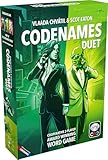
Overview: Codenames: Duet reimagines the classic word-association party game into a tightly woven cooperative challenge for two players. Partners share a single 5x5 grid of words but hold unique key cards revealing which words belong to their shared agents, the assassin, and bystanders, requiring flawless communication to identify all 15 agents before time or disaster strikes. What Makes It Stand Out: Unlike competitive variants, Duet demands true synergy: both players see only half the solution, forcing nuanced one-word clues that bridge their partial knowledge. The ever-present threat of the assassin ending the game instantly amplifies tension, while 400 new words and dual-layered grids ensure fresh, brain-teasing sessions. Value for Money: This edition offers excellent value with double the word cards over the first version, extending longevity significantly. Its compact size and pure replayability outperform similarly priced games, especially for couples seeking deep, screen-free interaction without complex rules. Strengths and Weaknesses: Strengths: Exceptional cooperative puzzle design; simple rules with profound strategic depth; highly portable; massive replayability via new word sets. Weaknesses: Can feel punishingly difficult early on; limited physical components beyond cards; niche appeal for non-word-game fans. Bottom Line: A near-perfect couples’ game that transforms word association into a thrilling partnership test. Its elegant mechanics and high stakes justify the price, making it ideal for date nights or quick, mentally stimulating challenges.
3. ALLPLAY Sail Cooperative Strategy 2 Player Board Game for Adults and Family - Unique Trick Taking Card Game - Communication Limits and Challenging Scenarios in Small, Travel Size Box (5" x 5" x 2")

Overview: Sail reinvents trick-taking for two players through a pirate-themed cooperative adventure where partners navigate a ship across treacherous seas. Without direct communication, players must strategically win or lose tricks using unique pirate abilities to outmaneuver the Kraken—all packed into a remarkably compact travel box. What Makes It Stand Out: The enforced silence during play creates brilliant tension, as players interpret each other’s moves to execute shared strategies. Unique character powers and the dual objective of steering the ship (via trick outcomes) differentiate it from traditional trick-takers, while its tiny footprint belies surprising depth. Value for Money: Its ultra-portable design and innovative mechanics offer exceptional bang for buck. At a lower price point than many strategy games, it delivers robust replayability through variable scenarios and powers, outperforming bulkier, less creative alternatives for on-the-go gaming. Strengths and Weaknesses: Strengths: Ingenious silent-cooperation mechanic; highly portable; fresh twist on trick-taking; strong thematic integration with pirate powers. Weaknesses: Steep learning curve for trick-taking newcomers; limited physical components; scenario variety feels slightly thin over extended play. Bottom Line: A standout travel game that masterfully blends cooperation and trick-taking. Despite minor repetitiveness, its clever constraints and portability make it a top recommendation for strategists on the move.
4. Happy Camper - The Four Doors | Cooperative Game by Pandemic and Forbidden Island Creator | Perfect for Solo Play, Two Players, and Small Groups | Portable Adventure Game
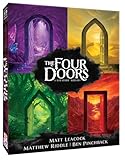
Overview: From Pandemic’s creator Matt Leacock, Happy Camper: The Four Doors is a bite-sized cooperative adventure where players race to recover sacred treasures behind mystical doors before shadows seal them forever. Designed for 1-5 players, it merges strategic tile management with urgent, portable fun in under 30 minutes. What Makes It Stand Out: Its seamless scalability from solo to group play is revolutionary, using a clever modular door system that adjusts difficulty dynamically. The compact size hides surprising depth, with shadow mechanics creating relentless pressure, while the solo mode is fully integrated—not an afterthought. Value for Money: Exceptional for its price, offering Leacock’s signature design in a pocketable format. It competes strongly with larger games by providing genuine strategic richness and multiple difficulty levels, making it ideal for travelers seeking quality over quantity. Strengths and Weaknesses: Strengths: Flawless solo/co-op integration; ultra-portable; elegant, tense gameplay; accessible yet strategic; quick setup. Weaknesses: Limited component durability; treasure variety feels repetitive; less thematic depth than Leacock’s epic titles. Bottom Line: A masterclass in portable cooperative design. Perfect for quick sessions anywhere, its ingenious mechanics and versatility make it an easy buy for puzzle and strategy fans of all group sizes.
5. Gamewright - Forbidden Island - Cooperative Strategy Survival Board Game, 2-4 Players
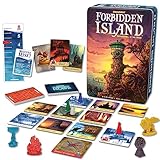
Overview: Forbidden Island, designed by Matt Leacock, is a foundational cooperative game where players race as adventurers to retrieve four treasures from a sinking island before it vanishes beneath the waves. Supporting 2-4 players aged 10+, it emphasizes teamwork to navigate tiles, shore up flooding, and escape via helicopter. What Makes It Stand Out: Its legacy as a gateway cooperative game remains unmatched, with intuitive mechanics that teach shared decision-making through rising water levels and strategic tile management. Stunning artwork immerses players in a vibrant, perilous paradise, while simple rules foster immediate engagement. Value for Money: A benchmark for family-friendly co-ops, offering durable components and near-perfect replayability at an accessible price. It outvalues newer competitors by balancing education (teamwork, planning) with thrilling tension, justifying its status as a genre staple. Strengths and Weaknesses: Strengths: Perfect entry point for new players; strong educational value; beautiful, thematic design; promotes genuine collaboration; highly replayable via variable island layouts. Weaknesses: Can feel luck-dependent with water rise; less challenging for experienced gamers; limited player-count flexibility beyond 4. Bottom Line: An essential, timeless cooperative experience for families and beginners. Its enduring charm, strategic accessibility, and focus on unity make it a worthwhile investment for any game night.
6. Pandasaurus Cooperative Strategy Card Game - Fun Interactive Family Game for Ages 8+, 1-5 Players, 20 Minute Playtime
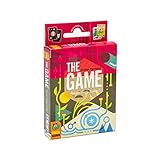
Overview: Pandasaurus’ The Game is a critically acclaimed cooperative card game where players work together to play all cards from shared decks in ascending and descending sequences. Designed for 1-5 players aged 8+, it emphasizes teamwork over competition, with each round lasting approximately 20 minutes. The goal is deceptively simple: discard all cards without breaking sequence rules, but the challenge escalates rapidly as communication is restricted.
What Makes It Stand Out: Its genius lies in silent cooperation—players can discuss strategy only between rounds, forcing creative non-verbal cues during play. With over 1.3 million copies sold and a Spiel des Jahres award, it stands out for universal appeal across ages and its “beat the game” mechanic, where victory is never guaranteed. The compact design and minimal setup make it accessible for impromptu family sessions.
Value for Money: Priced modestly for its replayability, it outshines comparable party games. Unlike competitive titles requiring frequent replacements, The Game’s variable difficulty ensures longevity. While simpler than complex strategy games, its focus on social dynamics offers exceptional value for casual and family gamers seeking inclusive fun without steep learning curves.
Strengths and Weaknesses: Strengths: Effortless to learn, highly replayable, fosters teamwork, award-winning design, and portable. Weaknesses: Limited strategic depth for hardcore gamers; the “no communication during play” rule can frustrate competitive players; repetitive after extended sessions.
Bottom Line: An essential family game that masterfully blends simplicity with engaging cooperation. Its awards and global success are well-earned—ideal for building teamwork skills while delivering consistent, lighthearted fun. Highly recommended for casual and family gamers.
7. The Ultimate 2 Player Game

Overview: The Ultimate 2 Player Game positions itself as a streamlined, head-to-head experience designed exclusively for two participants. While specific mechanics aren’t detailed in the listing, its title suggests a focus on intense, balanced dueling dynamics suitable for quick or strategic sessions. It targets couples, friends, or competitive pairs seeking dedicated two-player engagement without scalability compromises.
What Makes It Stand Out: Its sole focus on two-player interaction eliminates compromises inherent in multi-player games, promising optimized pacing and direct rivalry or cooperation. The minimalist title implies versatility—potentially adapting to various genres (strategy, bluffing, or dexterity). This niche specialization is rare, as most games prioritize larger groups.
Value for Money: If executed well, it offers strong value for duos tired of games that feel “watered down” with two players. However, the lack of concrete features or brand recognition raises uncertainty. Compared to established two-player classics (e.g., 7 Wonders Duel), it must justify its price through innovation alone—a gamble without verifiable depth.
Strengths and Weaknesses: Strengths: Dedicated two-player design ensures tailored mechanics; likely quick setup and playtime; potential for high replayability if modular. Weaknesses: Vague description lacks credibility; unproven quality without awards or specs; risks being overshadowed by genre leaders; limited audience appeal.
Bottom Line: An intriguing concept hampered by insufficient details. Without evidence of unique mechanics or proven quality, it’s hard to endorse over trusted alternatives. Wait for verified reviews—this feels like a placeholder title needing substance to earn its “ultimate” claim.
8. The Crew - Mission Deep Sea | Card Game | Cooperative | 2 to 5 Players | Ages 10+ | Trick-Taking | 32 Levels of Difficulty | Endless Replayability
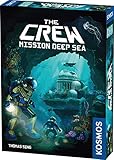
Overview: The Crew: Mission Deep Sea is a cooperative trick-taking card game and sequel to the Kennerspiel des Jahres winner. Players become submarine crewmates completing 50+ scripted missions (across 32 difficulty levels) by winning specific tricks. Communication is restricted via signal tokens, simulating underwater coordination challenges for 2-5 players aged 10+.
What Makes It Stand Out: It reinvents classic trick-taking by replacing competition with shared objectives. The mission-based campaign mode, escalating difficulty, and underwater theme (with signal-token limitations) create a fresh narrative-driven experience. Its ingenious “no free talk” rule forces creative, constrained communication—unlike any traditional card game.
Value for Money: At its price point, it delivers exceptional replayability through structured missions and variable difficulty. Compared to standalone trick-taking games, its cooperative campaign offers far more longevity. While expansions enhance it, the base game’s 50+ missions provide hours of content, making it a standout investment for strategy enthusiasts.
Strengths and Weaknesses: Strengths: Brilliant cooperative twist on trick-taking; addictive campaign progression; scalable difficulty; compact and portable; highly replayable. Weaknesses: Scripted missions reduce emergent storytelling; signal-token system can feel restrictive; less intuitive for trick-taking newcomers.
Bottom Line: A masterclass in cooperative design that revitalizes a classic genre. Its clever constraints and mission structure make it essential for card-game fans seeking teamwork-driven challenges. Highly recommended for groups craving strategic depth with a fresh narrative angle.
9. Zero Strategy Games Shuffle Dungeons Board Game – Solo and Co-op Dungeon Crawler for 1–4 Players
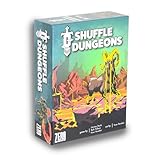
Overview: Shuffle Dungeons is a compact, modular dungeon crawler for 1-4 players where heroes battle through ever-changing labyrinths. Using double-sided cards (for rooms or gear) and modular tiles, it generates unique layouts each session. Players select from 8 distinct heroes, sharing loot and abilities to defeat bosses in 30-45 minute sessions.
What Makes It Stand Out: Its dual-use card system—where every card expands the dungeon or powers heroes—creates constant tactical trade-offs with only three cards in hand. The seamless solo/co-op integration and “shuffle-built” dungeon ensure no two adventures repeat, all packed into a travel-friendly box without sacrificing depth.
Value for Money: Exceptional for its portability and versatility. Unlike bulky dungeon crawlers (e.g., Gloomhaven), it offers deep strategy in a small footprint at a lower cost. The solo mode is fully integrated, not an afterthought, and replayability is virtually endless—ideal for gamers seeking substantial experiences without storage hassles.
Strengths and Weaknesses: Strengths: Ingenious dual-card mechanics; perfect solo/co-op balance; lightning-fast setup; high replayability; accessible yet strategic. Weaknesses: Limited enemy variety may reduce long-term novelty; boss encounters can feel repetitive; minimal narrative depth.
Bottom Line: A near-perfect blend of accessibility and strategic richness. Its innovative design makes dungeon crawling practical for any setting—whether a lunch break or game night. An unreserved recommendation for solo adventurers and cooperative groups alike.
10. Spin Master Games, SolidRoots Escaping Extinction, Cooperative Strategy Board Game from The Makers of Mind The Gap, Easter Gift, 1-4 Players, for Ages 12 & Up

Overview: In Escaping Extinction, players become dinosaurs racing to build a 3D rocket before a meteor strikes. This cooperative strategy game tasks 1-4 players (ages 12+) with gathering scattered rocket parts across a modular prehistoric board while surviving earthquakes and environmental threats. Tile-based exploration drives the narrative as extinction looms.
What Makes It Stand Out: The charming dino-rocket premise and 3D rocket assembly inject whimsy into tense cooperation. Earthquake cards dynamically shift the board mid-game, adding chaos and replayability. Thematic integration is strong—from tile-laying exploration to the urgent “beat-the-clock” tension, making family strategy sessions delightfully immersive.
Value for Money: Solid for Spin Master’s family-game tier, but niche compared to deep strategy titles. The 3D rocket and tile system offer tactile engagement, yet component quality may not match premium games. As an accessible cooperative gateway (especially for kids), it justifies its cost—though hardcore gamers might find it light.
Strengths and Weaknesses: Strengths: Engaging theme with humor; dynamic earthquake mechanic; easy to learn; strong family appeal; Easter/gift-ready presentation. Weaknesses: Shallow strategy for experienced gamers; 3D rocket assembly can feel gimmicky; replayability limited by fixed objectives.
Bottom Line: A fun, lighthearted cooperative experience perfect for families or casual groups. While not revolutionary, its charm and accessible mechanics make it a worthy addition to game nights—especially for younger strategists. Recommended for thematic fun over strategic depth.
Understanding the Core Appeal of Two-Player Coop
Why Collaboration Beats Competition for Duos
Playing cooperatively with just one other person eliminates the social complexity of larger groups, creating a pure, focused partnership. You’re not diluted among multiple players; every action directly impacts your shared goal, making contributions feel significant and immediate. This dynamic fosters trust and mutual reliance, as success hinges entirely on how well you communicate, anticipate each other’s moves, and support weaknesses. It transforms gaming from a casual pastime into a shared intellectual and emotional investment, where celebrating a hard-won victory feels profoundly personal.
The Unique Problem-Solving Dynamic
Two-player cooperative games often demand a distinct kind of strategic synergy. With only two minds working in tandem, the game systems frequently require role specialization or complementary skill sets to be effective. One player might manage resources while the other handles exploration, or you might need to split attention across different board areas simultaneously. This creates a constant, engaging dance of coordination where miscommunication leads directly to failure, but seamless teamwork unlocks elegant solutions. The challenge isn’t just beating the game’s mechanics—it’s mastering the unspoken language of your partnership.
Emotional Payoff of Shared Struggle
The emotional resonance of overcoming adversity together is unparalleled in two-player coop. Facing a cunning AI opponent or a relentless scenario deck creates genuine shared tension. When the game pushes you to the brink—resources depleted, time running out—the collective sigh of relief after a narrow escape, or the explosive joy of a last-minute victory, forges powerful memories. This shared vulnerability and subsequent triumph build emotional intimacy that competitive games rarely achieve, turning a simple game session into a meaningful relational touchstone.
Key Game Mechanics to Evaluate
Communication Constraints and Their Impact
Some cooperative games intentionally limit how you can share information, adding layers of strategic depth and tension. This might involve hidden roles where only one player sees certain threats, restricted communication phases, or asymmetric information where each player holds unique knowledge critical to success. While challenging, these mechanics force creative problem-solving and deeper non-verbal understanding between partners. Consider whether such constraints enhance your enjoyment (adding thrilling suspense) or cause unnecessary frustration before choosing a title.
Player Agency and Meaningful Choices
A great two-player coop ensures both participants feel consistently impactful. Avoid games where one player dominates decision-making or where turns feel like filler while waiting for a “real” move. Look for designs that offer parallel actions, simultaneous planning phases, or distinct roles that give each player significant, ongoing responsibilities. When both partners are constantly engaged in making critical choices that shape the outcome, the experience remains dynamic and prevents one person from becoming passive.
The Role of the Game’s “Opponent” (AI or Scenario System)
The quality of the artificial opponent or scenario engine is crucial. A good system should feel dynamic and responsive, not predictable or purely random. It needs to escalate tension intelligently, presenting escalating challenges that demand adaptation. Does it create memorable “oh no!” moments through clever mechanics, or does it rely on dice-heavy luck that feels unsatisfying? A strong opponent system provides the satisfying resistance necessary for true cooperative triumph, making victories feel earned rather than arbitrary.
Assessing Player Experience Factors
Complexity and Learning Curve Balance
Honesty about your and your partner’s comfort with rules density is essential. Some two-player coops offer streamlined, almost meditative experiences perfect for winding down, while others present intricate systems demanding significant mental energy. Consider whether you seek a quick, accessible game for frequent play or a deep, complex challenge for dedicated gaming sessions. A mismatch here—like diving into a highly strategic title when you both prefer lighter fare—can lead to frustration overshadowing fun. Look for clear, well-organized rulebooks that facilitate a smooth onboarding process.
Replayability Through Variable Setups
True longevity in cooperative games comes from variability. Seek titles featuring modular boards, randomized scenario decks, multiple difficulty levels, or asymmetric objectives that change the core challenge with each playthrough. Does the game offer distinct narrative paths, different starting conditions, or evolving rule sets that prevent it from feeling solved? High replayability ensures your investment remains fresh, encouraging repeated sessions as you tackle new configurations and refine your teamwork strategies over time.
Session Length and Pacing
Be realistic about the time you can consistently dedicate. A game promising epic 90-minute sessions might gather dust if your typical window is 30 minutes. Conversely, a very short game might feel unsatisfying if you crave deeper engagement. Pay attention to pacing within the session too—does the game build tension effectively, or does it drag in the middle? The best two-player coops maintain a compelling rhythm, offering meaningful decisions throughout without unnecessary downtime, ensuring every minute feels invested in the shared journey.
Practical Considerations for Your Duo
Physical Space and Component Management
Two-player coops vary significantly in their physical footprint. Some require sprawling boards and countless tokens, demanding a large, stable table, while others are remarkably compact, fitting neatly on a small coffee table. Consider your typical play environment. Also, evaluate component organization—do cards and tokens have dedicated slots, or will you spend setup time hunting for pieces? Games with intuitive component layout reduce friction, making it easier to dive into the game and stay immersed without constant logistical hassles.
Thematic Immersion and Shared Interest
The game’s theme significantly influences engagement. A compelling narrative or richly realized world can transform abstract mechanics into a captivating story you both inhabit. Discuss your shared interests: do you crave high-stakes sci-fi survival, whimsical fantasy quests, historical reconstruction, or tense political intrigue? When the theme resonates with both players, it deepens investment, fuels imaginative play, and provides common ground for discussion beyond the mechanics, enriching the overall experience.
Accessibility for Different Skill Levels
Ideally, the game should accommodate potential differences in experience or cognitive load between partners. Look for adjustable difficulty settings or scalable challenges that prevent one player from feeling overwhelmed or the other under-challenged. Some games include optional “training wheels” rules or solo variants that help less experienced players build confidence. A good cooperative design allows partners to grow together, gradually mastering the system without either feeling held back or left behind, fostering a supportive learning environment.
Building Your Cooperative Mindset
Cultivating Effective In-Game Communication
Success hinges on how you talk (or choose not to talk) during play. Establish ground rules early: Will you debate aloud constantly, or use quiet planning phases? Is speculative “what if” thinking encouraged, or does it cause analysis paralysis? Practice active listening—truly hearing your partner’s suggestions without immediately countering. The goal isn’t just to share information, but to build consensus efficiently under pressure, turning communication from a chore into a strategic asset that enhances your collective decision-making.
Embracing the Learning Curve Together
Accepting that early losses are part of the journey is vital. View failed attempts not as defeats, but as shared data points for improvement. After a loss, discuss why you think the game beat you—was it a rules misunderstanding, a strategic misstep, or simply the scenario’s difficulty? Approach each replay as a collaborative experiment: “Last time we struggled with resource X; let’s try prioritizing Y this round.” This growth mindset transforms frustration into motivation, turning the game into a joint project you refine over multiple sessions.
Managing Frustration and Maintaining Positivity
Even the best-designed games can test your patience. Recognize when tension is building and have strategies ready: a mandatory 5-minute break, switching who handles the scenario deck, or simply acknowledging, “This part is really tough; let’s focus on one step at a time.” Celebrate small wins during play (“Great call moving that piece!”), not just the final victory. Remember, the primary goal is enjoying each other’s company; if the game stops being fun, it’s perfectly okay to pause or shelve it for another day. Protecting the relationship is always more important than beating the board.
Frequently Asked Questions
How do I know if a two-player cooperative game is right for my partner and me?
Consider your shared preferences: Do you enjoy solving puzzles together? Can you handle joint decision-making under pressure? Start with a moderately complex game to gauge compatibility before investing in deeper strategic titles. The best indicator is willingness to communicate openly during play and view setbacks as shared learning opportunities.
Can cooperative games work well for introverts or those who dislike heavy social pressure?
Absolutely. Many two-player coops minimize direct social pressure, focusing instead on quiet problem-solving with your partner. Look for games emphasizing thoughtful planning over rapid-fire discussion, or those with limited communication rules that provide structure. The intimate, low-stakes nature of duo play is often ideal for introverts seeking meaningful connection without large-group dynamics.
How important is theme versus mechanics when choosing a game?
Both matter significantly but serve different purposes. Strong mechanics ensure engaging, balanced gameplay, while a compelling theme enhances immersion and emotional investment. Prioritize mechanics first—if the core loop isn’t satisfying, theme won’t save it—but a theme that genuinely excites both players will significantly boost replay motivation and shared enjoyment.
What’s a reasonable budget for a quality two-player cooperative board game?
Expect to invest between $30-$70 for most standalone titles. Higher-quality components, larger box sizes, or extensive expansions can push prices higher. View it as an investment in shared experiences; a $50 game played 20 times costs less per hour of quality time than many other entertainment options. Focus on value through replayability rather than just initial cost.
Are there cooperative games suitable for playing with a significant age gap (e.g., adult and child)?
Yes, but complexity is key. Seek games specifically designed for family play with adjustable difficulty, clear visual components, and lighter rulesets (30-45 minute playtimes). Avoid heavy text reliance or punishing mechanics. Games with strong tactile elements or imaginative themes often bridge age gaps effectively, allowing the adult to subtly guide strategy without dominating play.
How can we avoid one partner dominating decisions in cooperative play?
Address it proactively. Assign specific, rotating roles with clear decision-making authority (“You manage resources this game, I handle movement”). Use “think-aloud” protocols where both verbally process options before choosing. If domination persists, pause and discuss equitable partnership strategies—it’s about balancing the experience, not just winning.
Do cooperative games take longer to learn than competitive two-player games?
Not necessarily. While some coops have intricate systems, many are designed with intuitive, narrative-driven rules that ease learning. The shared goal often simplifies initial strategy discussion compared to anticipating an opponent’s moves in competitive games. Start with titles known for accessible rulesets to build confidence before tackling complex systems.
Can I effectively learn a two-player cooperative game by playing solo first?
Some games offer solo variants specifically for learning, which can be helpful. However, the true cooperative dynamic—communication, shared pressure, complementary roles—is lost solo. If possible, learn together using tutorial scenarios or beginner modes. Watching a detailed “how to play” video together beforehand often proves more valuable than solo practice for grasping the partnership aspect.
What are the most common reasons two-player cooperative games fail to meet expectations?
Mismatched complexity expectations, insufficient replayability leading to quick burnout, poorly designed AI/scenario systems that feel unfair or random, and communication mechanics that cause frustration rather than engagement. Thoroughly research gameplay videos and detailed reviews focusing on the duo experience before purchasing.
How do I determine if a game’s difficulty level is appropriate for us?
Look beyond publisher ratings; seek player reviews specifically mentioning “two-player” experience. Does the game offer multiple difficulty tiers or adjustable parameters? Start on the lowest setting—even if it seems too easy—to master mechanics before increasing challenge. A good sign is if early wins feel earned but require focus, while losses provide clear lessons for next time.
See Also
- Best Cooperative Board Games for Seniors: 10 Expert Picks for 2026
- Best Cooperative Board Games for Kids: 10 Expert Picks for 2026
- Best Cooperative Board Games for Couples: 10 Expert Picks for 2026
- Best Cooperative Board Games for Game Designers: 10 Expert Picks for 2026
- Solving Group Paralysis in Thematic Cooperative Board Games: Smart Solutions for 2026