Table of Contents
Imagine the scene: your group huddled around the table, hearts pounding as you collectively strategize to outwit a dragon’s ambush. One player sacrifices their character to buy time, another frantically rolls dice to heal the wounded, and a third whispers a triumphant “We did it!” as you barely escape the collapsing dungeon. This isn’t just gaming; it’s shared storytelling, mutual reliance, and the electric thrill of victory (or the groans of a spectacular, united defeat). Cooperative board games transform your living room into a realm where teamwork isn’t just encouraged—it’s the only path to survival, forging bonds stronger than any solo victory.
The magic of fantasy cooperative play lies in its unique alchemy. Unlike competitive games where you battle friends, here you unite against the game itself. You debate tactics, pool resources, and celebrate each other’s clever moves. But with countless options promising epic quests, how do you find the perfect adventure for your group? Choosing poorly can lead to frustration, imbalance, or sessions that drag on endlessly. Fear not—this guide cuts through the noise. We’ll explore the essential elements that transform a simple board game into a legendary cooperative fantasy experience, focusing solely on what truly matters for your next game night triumph.
Top 10 Fantasy Cooperative Board Games
Detailed Product Reviews
1. Slay The Spire: The Board Game - Cooperative Fantasy Board Game

Overview: This board game adaptation translates the beloved digital deckbuilder into a tangible, cooperative tabletop experience. Designed for 1-4 players aged 12+, it challenges teams to ascend a perilous spire by strategically building decks and battling foes within a 45-minute learning curve. What Makes It Stand Out: Boasting over 650 meticulously designed cards (including 112 small and 26 large cards) and high-quality components like 4 detailed miniatures and dual main boards, it captures the digital game’s depth. The true standout is its deep, accessible deckbuilding that retains strategic complexity while enabling genuine teamwork against escalating challenges. Value for Money: Priced competitively for its component volume and replayability, it offers significant value. The sheer card count and modular encounters provide hundreds of hours of varied gameplay, outpacing many similarly priced strategy games that lack its cooperative focus and strategic richness. Strengths and Weaknesses: Strengths: Exceptional component quality; deeply strategic yet accessible deckbuilding; high replayability through varied characters and encounters; seamless cooperative design. Weaknesses: Setup can be time-consuming; the large card count may overwhelm absolute beginners; limited player count (max 4) compared to some competitors. Bottom Line: An outstanding adaptation that successfully brings a digital phenomenon to the table. Its strategic depth, quality components, and true cooperative spirit make it a must-have for deckbuilding fans and a strong recommendation for strategic gamers seeking a challenging shared experience.
2. Funforge Runemasters Fantasy Cooperative Board Game - Strategy, Dice Adventure for Adults & Families - 1-4 Players, Ages 8+, 45 Min Playtime

Overview: Runemasters plunges 1-4 players (aged 8+) into a tense 30-45 minute cooperative tower defense scenario within a dark fantasy setting. As rune guardians, players must collectively fend off relentless evil forces assaulting a temple until dawn breaks, using dice and strategic positioning. What Makes It Stand Out: Its unique blend of dice-driven defense mechanics and variable difficulty levels creates immediate tension. The ability to play solo controlling multiple characters or with a full group, coupled with the thematic urgency of surviving until dawn, delivers a consistently engaging, accessible experience perfect for families and casual gamers. Value for Money: Excellent value for its target audience. The streamlined rules, quick playtime, and high replayability through adjustable difficulty offer substantial entertainment without a high price tag. It outperforms many entry-level strategy games by providing genuine strategic depth within its accessible framework. Strengths and Weaknesses: Strengths: Highly accessible rules for young players; quick setup and playtime; strong solo mode flexibility; excellent difficulty scaling; family-friendly tension. Weaknesses: Relatively light strategic depth for hardcore gamers; component quality (e.g., dice reliance) may feel less substantial than premium games; limited long-term replayability for experienced players. Bottom Line: A superb, accessible cooperative gateway game ideal for families and casual game nights. Its simplicity, adjustable challenge, and thematic urgency deliver consistent fun, making it a highly recommended, budget-friendly choice for introducing cooperative strategy.
3. The Lord of The Rings: Adventure to Mount Doom | Family Game | Cooperative Game | Strategy Game

Overview: This cooperative strategy game tasks 1-4 players with guiding Frodo through Middle-earth to destroy the One Ring within approximately 50 minutes. Players work together, rolling dice and drawing cards to evade Ringwraiths and overcome obstacles in Tolkien’s iconic world. What Makes It Stand Out: Its greatest strength is the powerful thematic immersion within Tolkien’s universe, leveraging recognizable locations and threats. The cooperative race-against-time mechanic, where players jointly manage Frodo’s journey while countering Nazgûl, creates genuine shared tension rooted in the source material’s narrative. Value for Money: Solid value for Tolkien fans seeking a thematic cooperative experience. While component quality may not match premium licensed games, the focused 50-minute playtime and strong narrative integration provide satisfying engagement at a family-game price point, justifying the cost for fans. Strengths and Weaknesses: Strengths: Strong thematic connection to LOTR; accessible cooperative mechanics ideal for families; clear win/loss condition creates tension; decent solo play option. Weaknesses: Gameplay can feel overly reliant on dice luck; limited strategic depth beyond basic card management; component quality is functional but unremarkable; not officially licensed (impacting authenticity). Bottom Line: A recommendable entry for Tolkien enthusiasts and families wanting a thematic, cooperative adventure. While not the deepest strategy game, its immersive setting and accessible teamwork mechanics deliver enjoyable, focused sessions, especially for fans of the books.
4. Castle Panic 2nd Edition | Cooperative Board Game for Adults and Family | Ages 8+ | for 1 to 6 Players | Average Playtime 45 Minutes | Made by Fireside Games

Overview: Castle Panic charges 1-6 players (aged 8+) with cooperatively defending Castle Bravehold from relentless monster hordes in a tense 45-minute tower defense battle. Players must strategically use cards to target enemies, rebuild towers, and prevent total annihilation. What Makes It Stand Out: Its exceptional scalability (1-6 players) and multiple play modes (Co-op, Solo, competitive Master Slayer, Overlord) offer unmatched versatility. The tangible 3D towers, vibrant monster tokens, and constant pressure from advancing foes create an immediate, edge-of-your-seat experience focused purely on urgent teamwork. Value for Money: Outstanding value due to player count flexibility and high replayability. The robust component set (including 3D towers) and varied game modes provide immense bang for the buck, easily justifying its price against less adaptable cooperative games targeting smaller groups. Strengths and Weaknesses: Strengths: Unbeatable player count range (1-6); incredibly easy to learn; high replayability via multiple modes; strong tactile components; consistently tense, engaging gameplay. Weaknesses: Can suffer from “alpha player” syndrome in large groups; strategy depth is moderate; component storage can be awkward; boss monsters sometimes feel overly punishing. Bottom Line: A near-essential cooperative gateway game, especially for groups of varying sizes. Its accessibility, frantic fun, and exceptional versatility make it a top recommendation for family game nights and casual gatherings seeking immediate, cooperative excitement.
5. Gamewright - Forbidden Island - Cooperative Strategy Survival Board Game, 2-4 Players
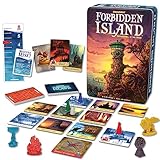
Overview: Created by Matt Leacock (Pandemic), Forbidden Island challenges 2-4 players (aged 10+) to work together as adventurers racing to retrieve sacred treasures from a sinking island before it vanishes beneath the waves in this 30-45 minute cooperative survival game. What Makes It Stand Out: It pioneered accessible cooperative gameplay with its simple yet deeply strategic “race against the board” mechanic. The innovative flooding system, where the island shrinks as players move, creates escalating tension and forces constant, meaningful teamwork and shared planning within a visually stunning perilous paradise. Value for Money: Excellent value as a foundational cooperative game. Its compact size, high-quality components, and immense replayability (through variable island layouts and treasure placements) offer far more strategic depth and longevity than its modest price suggests, outperforming many bulkier, less engaging alternatives. Strengths and Weaknesses: Strengths: Perfect introduction to cooperative gaming; brilliant, intuitive mechanics; fosters genuine communication and joint decision-making; compact and portable; strong educational value for strategic thinking. Weaknesses: Limited player count (max 4); replayability diminishes slightly after mastering core strategies; thematic depth is lighter than some narrative-driven co-ops. Bottom Line: A timeless, essential cooperative game that remains a gold standard for accessibility and strategic teamwork. Highly recommended as a first co-op purchase or for any group seeking a consistently engaging, thought-provoking, and affordable shared challenge.
6. Avalon Hill Talisman: The Magical Quest Board Game, 5th Edition | Fantasy Tabletop Adventure Games | Ages 12 and Up | 2 to 6 Players | Roleplaying Strategy Games

Overview: Talisman: The Magical Quest 5th Edition revives the classic fantasy adventure board game where players race through a magical realm to claim the Crown of Command. This edition refines the core experience with modernized components and streamlined rules while retaining the luck-driven, strategic exploration that defined the original. What Makes It Stand Out: Stunning, thematic artwork and redesigned character miniatures elevate immersion. The 12 unique characters (like Prophetess and Wizard) each offer distinct abilities, and the modular board—layered with Adventure cards—creates dynamic, replayable journeys through three distinct regions. The blend of dice-driven movement, spell-casting, and tactical item management provides accessible yet deep gameplay for both newcomers and veterans. Value for Money: Priced mid-to-high for board games, it justifies cost through exceptional component quality, high replayability (thanks to variable boards and character choices), and support for up to six players—rare in strategy-focused titles. It outshines cheaper alternatives with its production value and enduring appeal. Strengths and Weaknesses: Strengths: High player count capacity, beautiful components, strong replayability, balanced accessibility for casual and experienced gamers. Weaknesses: Luck-heavy mechanics can frustrate strategy-focused players; playtime (2-3 hours) may feel long for some; setup is moderately complex. Bottom Line: An excellent, visually rich reboot that captures the magic of the original. Ideal for groups seeking a thematic, variable-length adventure, though less suited for those preferring pure strategy over luck.
7. Hasbro Gaming Dungeons & Dragons Adventure Begins, Cooperative Fantasy Board Game, Fast Entry to The World of D&D, Family Game for 2-4 Players, 10 and Up

Overview: Adventure Begins serves as a streamlined gateway into Dungeons & Dragons, designed specifically for families and new players. This cooperative game pits 2-4 players against D&D’s iconic monsters as they journey through Neverwinter, focusing on teamwork rather than competition. What Makes It Stand Out: Its greatest strength is accessibility—simple rules, quick setup (under 10 minutes), and intuitive card-driven combat lower the barrier to entry for D&D novices. Choosing from four pre-built heroes (each with unique abilities) and battling bosses like a Green Dragon or Kraken delivers authentic D&D flavor without overwhelming complexity. The included plastic miniatures enhance immersion. Value for Money: Excellent value for beginners seeking a D&D introduction. At its price point, it offers more thematic depth and cooperative fun than generic family games, though veterans may find it shallow. It’s a cost-effective first step before investing in full D&D rulebooks. Strengths and Weaknesses: Strengths: Effortless learning curve, strong cooperative focus, captures D&D essence for kids, durable miniatures, replayable with different boss choices. Weaknesses: Limited strategic depth; character customization is minimal; adventures feel linear compared to true RPGs. Bottom Line: A near-perfect entry point for families and young players. Highly recommended to spark interest in D&D, but not a substitute for the full roleplaying experience.
8. Hasbro Gaming Dungeons & Dragons: Bedlam in Neverwinter Board Game, Escape Room, Cooperative Strategy Games for Ages 12+, 2-6 Players, 3 Acts Approx. 90 Mins Each (Amazon Exclusive)

Overview: Bedlam in Neverwinter transforms D&D into a three-act escape room experience. Players cooperatively solve puzzles across 90-minute sessions to unravel a mystery involving disappearances and an evil cult, culminating in a showdown with iconic D&D villains. What Makes It Stand Out: The modular, evolving gameboard—where solving puzzles physically unlocks new locations—is brilliantly immersive. Deep integration of D&D lore (races, classes, monsters) and diverse puzzles (visual riddles, wordplay) create a narrative-rich adventure. The three-act structure ensures escalating tension and replayability across multiple playthroughs. Value for Money: Premium-priced but justified by the substantial content: three distinct acts, high-quality components, and near-3-hour total playtime. It offers far more depth than single-session escape games, though the Amazon exclusivity may limit accessibility. Strengths and Weaknesses: Strengths: Exceptional puzzle variety, strong D&D authenticity, dynamic board, cooperative depth, high replay value with different strategies. Weaknesses: Steep learning curve for non-puzzle fans; setup between acts can disrupt flow; Amazon exclusivity complicates purchases. Bottom Line: A must-buy for D&D enthusiasts and escape room lovers seeking a challenging, narrative-driven cooperative experience. Less ideal for casual or competitive gamers.
9. DragonIsles – Fantasy Adventure Family Board Game for 2-5 Players, Ages 10+ – A Journey of Far-Shores and Fortunes!
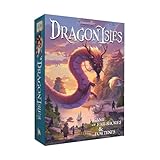
Overview: DragonIsles expands the acclaimed Dragon series (Dragonwood, Dragon Realm) with a Japanese mythology-inspired adventure. Players explore vibrant isles, evolving unique characters through encounters while competing for trophies and points in a strategic race to mastery. What Makes It Stand Out: Character progression is the standout feature—abilities unlock dynamically as you complete challenges, enabling deep customization. The fusion of dice rolls, treasure/potion management, and multiple scoring paths (locations, encounters, battles) creates rich tactical decisions. Whimsical art rooted in Japanese traditions sets it apart visually. Value for Money: Strong value for strategy-focused families. Its replayability (via variable character builds and scoring) outshines many mid-priced games. While newcomers can jump in, series veterans gain extra appreciation, enhancing longevity without mandatory prior purchases. Strengths and Weaknesses: Strengths: Innovative character evolution, beautiful thematic art, multiple winning strategies, excellent balance of luck/skill, high re-playability. Weaknesses: Initial setup is fiddly; newer players may feel overwhelmed by options early on. Bottom Line: A captivating, strategic upgrade to the Dragon series. Highly recommended for families and gamers aged 10+ seeking depth and thematic richness without excessive complexity.
10. Dragon Hoard Board Game, Fantasy Adventure for Kids and Family, Fight Dragons to Win Gold, Fun and Easy Strategy, Semi-cooperative gameplay, Ideal for Family Game Nights, Ages 8+, 30 mins, 2-5 Players

Overview: Dragon Hoard delivers a quick, family-friendly adventure where players initially cooperate to battle dragons for treasure, then compete to hoard the most gold. Its semi-cooperative twist and 30-minute playtime make it ideal for casual game nights. Overview: Dragon Hoard delivers a quick, family-friendly adventure where players initially cooperate to battle dragons for treasure, then compete to hoard the most gold. Its semi-cooperative twist and 30-minute playtime make it ideal for casual game nights. What Makes It Stand Out: The shifting dynamic—from teamwork against dragons to cutthroat competition for treasure—is brilliantly executed and keeps all players engaged. Vibrant, hand-drawn art depicting magical forests and dragons enhances charm, while eco-friendly components add sustainability appeal. Resource management (potion tokens, treasure cards) introduces light strategy without complexity. Value for Money: Outstanding for its target audience. The quick playtime, durable components, and blend of cooperation/competition offer more engagement than similarly priced kids’ games. It’s a reliable staple for family game nights at its accessible price point. Strengths and Weaknesses: Strengths: Engaging semi-coop mechanic, fast setup/play, stunning artwork, eco-conscious materials, perfect for mixed-age groups. Weaknesses: Strategy depth is limited; dragon battles can feel RNG-dependent; may become repetitive after many plays. Bottom Line: A joyful, visually delightful game that excels as a family gateway title. Highly recommended for parents seeking accessible, interactive fun with kids aged 8+.
Understanding the Cooperative Fantasy Appeal
Why Teamwork Makes the Dream Work
Cooperative fantasy games tap into a fundamental human desire: shared accomplishment. There’s a unique satisfaction in overcoming a seemingly insurmountable challenge together, fostering communication, trust, and collective problem-solving. The narrative isn’t just read; it’s actively shaped by your group’s decisions, making every session a personalized epic. This shared narrative journey, where success or failure belongs to everyone, creates memories far deeper than individual wins and losses.
Escaping the Competitive Grind
For many groups, the constant pressure of head-to-head competition can feel draining. Cooperative games offer a refreshing respite. The focus shifts from exploiting opponents’ weaknesses to strengthening your collective strategy. This environment is often more welcoming for newer gamers or those who prefer collaborative creation over cutthroat tactics, reducing potential friction and opening the door to more inclusive game nights.
Core Mechanics That Define the Experience
The Game Master Dilemma: App vs. Solo Mode vs. Human
A critical structural choice is how the game presents its challenges. Some utilize dedicated apps that dynamically control enemies and events, offering high production value and evolving narratives. Others rely on intricate “legacy” systems or sophisticated solo modes using rulebooks and AI decks. A few still thrive with a human game master (GM) narrating and controlling opposition. Consider your group’s tech comfort, desire for narrative flexibility, and whether you prefer the impartiality of an app or the improvisational flair of a human GM.
Resource Management Under Pressure
True cooperative tension often stems from scarce resources. Will you spend that powerful healing token now, or save it for the boss fight? Do you split your dwindling torchlight to explore two paths, risking getting lost? Effective resource management—balancing health, mana, time, equipment, and even narrative choices—creates constant, meaningful decisions. Games where resources feel plentiful or inconsequential often lack the nail-biting urgency that defines the best cooperative struggles.
Variable Player Powers and Asymmetry
Not all heroes are created equal, and that’s a good thing! Games featuring distinct character roles with unique abilities force genuine interdependence. The tank needs the healer, the rogue relies on the mage’s spells. This asymmetry prevents “alpha gaming” (one player dictating all moves) by making each role indispensable. Look for powers that synergize meaningfully, where combining abilities creates emergent strategies greater than the sum of their parts.
Crafting the Perfect Fantasy Atmosphere
Theme Integration Beyond Skin-Deep
A compelling fantasy theme shouldn’t just be window dressing; it needs to be woven into the core mechanics. Does the spellcasting system feel magical and require thoughtful resource allocation? Do the monster behaviors reflect their lore (e.g., a troll regenerating unless burned)? When the rules and the narrative reinforce each other seamlessly, immersion deepens significantly, making the world feel alive and consistent.
Narrative Depth and Player Agency
The best cooperative fantasies offer more than just tactical combat. Do your choices during the quest influence the story’s direction, unlock hidden paths, or alter future scenarios? Games with branching narratives, meaningful consequences for failure (beyond just “try again”), and opportunities for role-playing within the framework create a rich, evolving saga. Player agency—feeling like your decisions matter to the unfolding story—is paramount for sustained engagement.
Component Quality and Table Presence
Let’s be honest: fantasy is about immersion, and flimsy cards or bland miniatures break the spell. High-quality components—durable boards, detailed miniatures, evocative artwork, and thematic tokens—enhance the experience significantly. Consider how the game looks and feels on your table. Does it command attention and spark the imagination, or does it feel like a spreadsheet disguised as a dungeon? The tactile and visual elements are crucial for selling the fantasy.
Practical Considerations for Your Group
Player Count Sweet Spots
Cooperative games rarely work perfectly across all player counts. Some shine with 3 players but become chaotic with 5; others need a full party to balance roles effectively. Always check the recommended range, not just the minimum/maximum. A game that supports 1-5 players might only truly excel with 2-4. Consider your typical group size—forcing an awkward player count is a surefire way to diminish enjoyment.
Session Length and Commitment Level
Be brutally honest about your group’s time availability and attention spans. Epic sagas spanning multiple sessions (legacy or campaign-based) require significant commitment. Do you have the stamina for multi-hour sessions, or do you prefer contained adventures that wrap up in 60-90 minutes? Factor in setup and teardown time too; a game with 20 minutes of prep for a 45-minute play session is rarely sustainable. Match the game’s time demands to your group’s reality.
Complexity and Learning Curve
Fantasy co-ops range from accessible gateway games to complex strategic behemoths. An overly complex game can overwhelm new players and bog down decision-making. Conversely, a game too simplistic might bore experienced strategists. Assess your group’s collective experience and patience. Does the rulebook explain concepts clearly? Are there good tutorials or introductory scenarios? A smooth learning curve is essential for keeping everyone engaged and preventing analysis paralysis.
Ensuring Long-Term Replayability
Randomization vs. Scripted Events
Replayability often hinges on how the game introduces variety. Heavy randomization (dice, card draws, modular boards) ensures no two sessions play exactly alike but can sometimes lead to frustratingly unfair scenarios. Scripted events (like in many app-driven or legacy games) offer curated, balanced challenges but might feel less surprising on subsequent plays. The ideal blend provides meaningful variability without sacrificing narrative cohesion or balance—look for games where randomness influences how you overcome challenges, not if you can.
Legacy Elements and Evolving Campaigns
Legacy systems, where the game physically changes based on your decisions (unlocking new content, altering rules, or even destroying components), offer unparalleled long-term engagement. They create a deeply personal story unique to your group. However, they represent a significant investment in time and money with no “reset” button. Consider if your group is ready for this level of commitment versus games offering high replayability through modular setups or robust scenario packs without permanent changes.
Expansions and Community Support
A vibrant community and a healthy expansion pipeline can extend a game’s life immensely. Check if the publisher actively supports the game with new scenarios, alternative rules, or narrative expansions. A strong player base often creates unofficial variants, FAQs, and troubleshooting resources, helping to refine the experience and address potential balance issues long after release.
Navigating Potential Pitfalls
The Alpha Player Problem
This is the arch-nemesis of cooperative play: one dominant player making all the decisions for the group, turning others into passive spectators. Games combat this through role asymmetry (making input necessary), hidden information (forcing discussion), or mechanics that limit who can act when. Be mindful of your group dynamics; sometimes the solution is as simple as gently encouraging quieter members or using a “speaker” role that rotates each turn.
Analysis Paralysis and Session Pacing
Deep strategic games can lead to endless deliberation, slowing the game to a crawl. Look for mechanics that encourage timely decisions: time pressure (in-game or via timers), simultaneous planning phases, or clear action limits per turn. A good rule of thumb: if decisions consistently take longer than the actual execution, the pacing might be off for your group. Session length warnings in reviews often hint at potential AP issues.
Difficulty Balance and Scalability
A game that’s trivially easy on the lowest setting but crushingly hard on medium isn’t well-scaled. The best cooperative games offer nuanced difficulty adjustments—tweaking enemy stats, resource availability, or event frequency—that meaningfully change the challenge without breaking core mechanics. Avoid games where difficulty is solely modified by adding more identical enemies; look for smarter, thematic scaling that preserves the intended experience across levels.
Frequently Asked Questions
What’s the biggest advantage of cooperative fantasy board games over competitive ones?
The primary advantage is fostering shared accomplishment and reducing interpersonal conflict. Players work together towards a common goal, strengthening group bonds through collective problem-solving and creating a more inclusive environment, especially for newer gamers who might feel intimidated by competitive settings.
How can I prevent one person from dominating all the decisions (alpha gaming)?
Choose games with strong role asymmetry where each player has unique, essential powers requiring input. Implement group norms like “no kingmaking” (one player dictating moves) and use mechanics like timed discussions or rotating a “speaker” role to ensure everyone contributes equally to decisions.
Are cooperative games suitable for playing with just two people?
Many modern cooperative games include robust two-player modes or scaling rules. Look for titles explicitly stating strong two-player suitability, often achieved through split roles, companion mechanics, or adjusted difficulty. Avoid games where the core design inherently requires 3+ distinct roles to function smoothly.
What makes a cooperative game truly replayable?
Replayability stems from meaningful variability—modular boards, randomized encounters, branching narratives, or legacy elements—combined with deep strategic decisions. Games where player choices significantly impact outcomes and where no two sessions play identically due to dynamic systems (not just random luck) offer the best longevity.
How important is component quality in a cooperative fantasy game?
Extremely important for immersion. High-quality miniatures, durable cards, thematic artwork, and well-designed boards significantly enhance the fantasy atmosphere and tactile enjoyment. Flimsy components can break immersion and frustrate players during repeated plays, diminishing the overall experience.
Can cooperative games be too hard or too easy? How do I find the right balance?
Yes, balance is crucial. A good cooperative game offers nuanced difficulty scaling beyond just adding enemies—adjusting resource scarcity, enemy behavior, or event frequency. Read reviews focusing on difficulty curves and choose games known for thoughtful scaling that matches your group’s desired challenge level without feeling unfair or trivial.
What’s the difference between a legacy game and a standard cooperative campaign?
Legacy games feature permanent changes to components (stickers, sealed envelopes,撕毁 cards) based on game outcomes, creating a unique, evolving narrative specific to your group over 10-20+ sessions. Standard campaigns typically use reusable components with branching scenarios but reset between plays, offering replayability without permanent alteration.
How long should a typical cooperative fantasy game session last?
Session length varies widely. Aim for games matching your group’s attention span: 60-90 minutes for casual groups, 90-120 minutes for standard adventures, and 2+ hours for epic legacy campaigns. Always factor in setup and teardown time; a game promising “90-minute playtime” might require 30 minutes of prep, making it a 2-hour commitment.
Do I need a strong knowledge of fantasy lore to enjoy these games?
Not at all. While thematic immersion is enhanced by familiarity with tropes, the best cooperative fantasy games explain their world and mechanics clearly within the rules. Core enjoyment comes from teamwork and strategy, not pre-existing lore knowledge. Accessible entry points often use universal fantasy archetypes (tank, healer, mage) that are easy to grasp.
How do I know if a cooperative game will work with my specific group dynamic?
Consider your group’s size, patience for complexity, time availability, and tolerance for randomness. Play a digital tutorial version if available, watch detailed “how to play” videos focusing on group interaction, and read reviews specifically mentioning group dynamics (e.g., “great for families” or “best with analytical players”). Start with highly-rated gateway co-ops known for accessibility.
See Also
- The 10 Ultimate Best Fantasy Cooperative Board Games for Epic Adventures in 2026
- 10 Essential Fantasy Cooperative Board Games Every Enthusiast Needs in 2026
- 10 Game-Changing Fantasy Cooperative Board Games for Immersive Worlds in 2026
- 10 Must-Have Adventure Cooperative Board Games for Epic Storytelling in 2026
- 10 Most Durable Cooperative Board Games Based on Real User Reviews in 2026