Table of Contents
Looking for a fresh way to spice up your date nights in 2026? Escape room board games offer the perfect blend of intellectual stimulation, collaborative fun, and immersive storytelling that can transform an ordinary evening into an unforgettable adventure. Unlike passive activities like watching movies, these games require you and your partner to actively work together, strengthening your communication skills and creating those satisfying “we did it!” moments that build lasting connections. The market has exploded with innovative options designed specifically for intimate gaming experiences, making it easier than ever to bring the thrill of escape rooms into the comfort of your home.
The beauty of choosing an escape room board game for date night lies in its versatility. Whether you’re celebrating a milestone anniversary or just trying to break the weekly routine, these games adapt to your mood and preferences. Some offer quick, 30-minute brain teasers perfect for weeknight decompression, while others provide multi-hour epic narratives that become the centerpiece of your entire evening. With themes ranging from haunted mansions to futuristic space stations, you can travel to different worlds without leaving your living room. Let’s explore what makes these games so perfect for couples and how to select the ideal experience for your unique relationship dynamic.
Top 10 Escape Room Board Games for Date Nights
Detailed Product Reviews
1. PROFILER - Missing in the Caribbean: John LeBlanc Reported Missing – Murder Mystery Games for Adults – Individuals, Date Night, Family Night - Escape Room Board Game - Find Clues and Solve the Mystery

Overview: Set sail on a deadly Caribbean cruise where passenger John LeBlanc vanishes without a trace. This murder mystery game transforms players into detectives investigating a complex disappearance aboard the Colossus of the Seas. With a rich narrative and authentic case file materials, you’ll establish timelines, interrogate suspects, and uncover dark secrets hidden beneath the tropical paradise veneer.
What Makes It Stand Out: The game’s digital integration sets it apart—requiring players to access the “Dark Web,” hack emails, and open virtual cabins, blending physical evidence with online sleuthing. Four sealed envelopes progressively unlock through puzzle-solving, creating a tangible sense of discovery. The comprehensive case file includes witness statements, deck plans, and cruise brochures that feel genuinely sourced from a real investigation.
Value for Money: Priced competitively with premium mystery games, the 1.5-2 hour runtime delivers dense, layered gameplay. Unlike simpler card-based mysteries, the hybrid physical-digital format and high-quality props justify the cost. For groups of 1-6, the per-player value is excellent, though the single-use nature means no replayability.
Strengths and Weaknesses: Pros: Immersive storytelling, clever internet-based puzzles, excellent component quality, flexible player count. Cons: Requires stable internet access, one-time play only, some puzzles may feel obtuse without hint system, setup can be time-consuming.
Bottom Line: Ideal for true crime enthusiasts who enjoy tech-enhanced investigations. Best suited for couples or small groups seeking a deep, narrative-driven evening. The digital elements feel fresh, but prepare for a single, satisfying playthrough.
2. Escape Room The Game, Version 2 - with 4 Thrilling Escape Rooms | Solve The Mystery Board Game for Adults and Teens
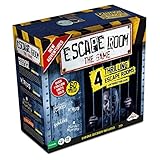
Overview: Transform your living room into a high-stakes escape room with this comprehensive kit featuring four distinct scenarios. The Chrono Decoder device creates authentic pressure with its 60-minute countdown, while players work together to solve three-part puzzles and enter correct key codes. Each adventure escalates in difficulty, providing a progressive challenge for teams ready to test their wits.
What Makes It Stand Out: The electronic Chrono Decoder is the star—a physical device with sound effects and a digital timer that validates your solutions in real-time. The companion app adds atmospheric soundtracks, while the four included adventures offer substantial variety. Expansion packs extend the life of your investment, making this a platform rather than a single experience.
Value for Money: With four full adventures included, this delivers 4-6 hours of gameplay out of the box. The reusable decoder and potential for expansions provide better long-term value than most one-and-done mystery games. For 3-5 players, the cost per hour of entertainment is highly competitive with commercial escape rooms.
Strengths and Weaknesses: Pros: Reusable hardware, app integration, escalating difficulty, expansion potential, creates genuine urgency. Cons: Higher upfront cost, limited to 3-5 players (not ideal for couples), some puzzles may feel linear, requires device management.
Bottom Line: A premium choice for regular game nights. The hardware elevates the experience beyond paper-based alternatives, making it worth the investment for groups who’ll use expansions. Perfect for teens and adults who thrive under pressure.
3. Hunt A Killer Murder at The Motel - an Immersive Murder Mystery Experience - for True Crime Fans with Evidence & Puzzles - Solve Crimes at Date Night or Family Game Night - Age 14+

Overview: Investigate a gritty murder at the Sunset Motel where a housekeeper finds her partner dead and a convict on the loose. This standalone entry in the acclaimed Hunt A Killer series delivers a compact yet compelling true crime experience. Players analyze forensic files, crime scene photos, and personal artifacts to piece together the narrative and identify the killer.
What Makes It Stand Out: Hunt A Killer’s signature evidence-based approach shines here—every item feels authentic, from motel receipts to personal letters. The moderate difficulty (4/5) hits the sweet spot between accessible and challenging. The game’s modular structure allows play in one intense 90-minute session or spaced across multiple evenings, accommodating different play styles.
Value for Money: At a mid-range price point with 45-90 minutes of gameplay, it sits comfortably in the mystery game market. While single-use, the production quality and narrative depth rival more expensive alternatives. For solo players or couples, it’s an excellent value; larger groups might find the experience brief.
Strengths and Weaknesses: Pros: Exceptional prop quality, realistic evidence, flexible session length, strong narrative hook, great for true crime fans. Cons: Single-play only, limited replay value, may feel too short for some groups, difficulty spikes can frustrate.
Bottom Line: Perfect for date nights or solo detectives who appreciate meticulous detail. The Hunt A Killer pedigree ensures quality, making it a reliable gift for true crime enthusiasts seeking a focused, atmospheric investigation without digital complexity.
4. Clue Escape: The Midnight Hotel Board Game, Clue Escape Room Game, 1-Time Solve Mystery Games, Family Games for Ages 10+, 1-6 Players, 90 Mins. Avg.

Overview: This innovative twist on the classic Clue formula extends the story beyond Boddy’s murder, tasking players with escaping a hotel while identifying who stole the blackmail files. The gameboard physically builds upward as you solve puzzles, revealing new rooms and clues in a dynamic 3D landscape. It’s a cooperative, one-time experience for 1-6 players.
What Makes It Stand Out: The evolving 3D gameboard is genuinely innovative—rooms literally rise from the flat surface as puzzles are solved, creating visual and tactile progression. The familiar Clue characters add nostalgic appeal while the escape room mechanics modernize the experience. The cooperative nature encourages true teamwork rather than competitive suspicion.
Value for Money: Offering 90 minutes of gameplay for up to six players, the per-person cost is quite reasonable. The unique board construction adds production value that justifies the price tag. However, as a single-play game, the value diminishes if you regularly host game nights unless you rotate new players through.
Strengths and Weaknesses: Pros: Innovative 3D board, strong brand recognition, excellent player count flexibility, clear rulebook, satisfying progression. Cons: One-time use only, less challenging for experienced puzzlers, Clue theme may feel gimmicky to some, component storage after assembly is awkward.
Bottom Line: A fantastic family-friendly option that bridges classic board gaming and modern escape rooms. Best for families with teens or casual gamers. The 3D board creates memorable moments, though seasoned enthusiasts may find the puzzles straightforward.
5. The Sentinel. Escape Room Puzzle Game. Puzzle Solving Murder Mystery Crime Strategy Challenge for Adults, Teens, Couples, Date Nights or Solo. 1-4 Players

Overview: Embark on a covert counter-terrorism mission in this high-stakes puzzle game where saving the world is the objective. With over 18 pieces of classified intelligence—including blueprints, photos, maps, and microdots—players must decode messages and physically manipulate materials to prevent disaster. Designed for 1-4 players, it delivers a tense 1-2 hour experience.
What Makes It Stand Out: The Sentinel demands physical interaction with components—marking, folding, and tearing materials—which creates an authentic spy experience absent in digital-only games. The sheer volume of intel props (30 cards, booklets, microdots) builds immersion. The moderate-high difficulty (3.5/5) challenges without overwhelming, and the terrorism plotline offers mature thematic depth.
Value for Money: The extensive physical components and multi-layered puzzles provide solid value for a 1-2 hour game. While single-use, the tactile nature of the experience feels substantial. For couples or small groups, the per-player cost is fair, though larger groups might find the 4-player limit restrictive compared to competitors.
Strengths and Weaknesses: Pros: Highly tactile puzzles, extensive prop variety, mature narrative, clear instruction flow, strong solo play. Cons: Permanent component alteration limits resale/trade, 4-player max, theme may not suit all audiences, some puzzles require precise execution.
Bottom Line: Excellent for couples’ date nights or solo players craving a hands-on espionage thriller. The physical manipulation of materials creates memorable moments. Best suited for those who prioritize immersive props over replayability and enjoy modern spy narratives.
6. Clue Escape: The World’s Fair Board Game | Escape Room 1-Time Solve Mystery Games | Ages 10+ | 1 to 6 Players | 90 - 120 Mins.| Family Games

Overview: Clue Escape: The World’s Fair reimagines the classic whodunit as a cinematic, one-time escape room experience. Set against a 19th-century World’s Fair backdrop, players collaborate to solve a scientist’s murder by decoding puzzles, unlocking exhibit halls, and gathering evidence. Designed for 1-6 participants ages ten and up, this 90-120 minute cooperative game transforms familiar Clue characters into suspects within a dynamic, evolving board that reveals itself as you progress.
What Makes It Stand Out: The dynamic board mechanic sets this apart—rooms materialize as puzzles are solved, creating genuine discovery. The included secret evidence-collection tool adds tactile satisfaction absent in purely card-based games. Unlike traditional Clue’s competitive deduction, this version emphasizes teamwork through shared puzzle-solving. The World’s Fair theme provides rich visual storytelling, while the single-play design allows for tightly woven narrative surprises without concern for replay spoilers.
Value for Money: At approximately $20-25, it aligns with premium escape room board games. While single-use designs inherently limit replay value, the 2-hour cinematic experience rivals commercial escape rooms costing $30+ per person. Compared to digital alternatives, the physical components and secret tool deliver tangible engagement that justifies the price for a memorable game night.
Strengths and Weaknesses: Strengths include immersive theming, clever puzzle integration, and scalable difficulty for varied group sizes. The cooperative format eliminates player elimination. Weaknesses center on its one-time nature—once solved, it becomes a collector’s item. Some puzzles may feel either too straightforward for enthusiasts or too obtuse for casual players. The 90-120 minute runtime can feel lengthy for younger participants.
Bottom Line: Perfect for Clue devotees and escape room fans seeking a narrative-driven, cooperative challenge. The production quality and innovative board mechanics make it an excellent centerpiece for family game night, provided you accept its single-serving nature.
7. Finders Seekers Mystery Game | National Parks Trail of Secrets – Be a Detective and Investigate an Unsolved case, Escape Room Puzzle Game, for Date Night, Family Night or Solo.

Overview: Finders Seekers’ National Parks Trail of Secrets delivers a family-friendly mystery investigation without violence or murder. Having sold over 700,000 units, this game “transports” players through America’s national parks via beautifully designed case documents, puzzles, and travel posters. Suitable for date nights, family gatherings, or solo play, it combines escape room mechanics with educational exploration in a non-competitive format.
What Makes It Stand Out: The family-conscious content removes graphic elements while maintaining adult-level challenge. Stunning artwork and physical souvenirs create tangible immersion beyond typical paper puzzles. Unique extras—authentic recipes and curated music playlists—elevate atmosphere remarkably. Unlike location-bound escape rooms, this plays anywhere without setup. The National Parks theme offers educational value alongside entertainment.
Value for Money: Priced around $25-30, it competes with premium puzzle subscriptions. While single-use, the high-quality components and multi-sensory experience justify the cost. Compared to family outings or escape rooms, it provides comparable engagement at a fraction per-person cost. The lack of murder makes it reusable for younger siblings once older family members complete it.
Strengths and Weaknesses: Strengths include gorgeous production values, genuinely challenging puzzles, and exceptional family accessibility. The recipe and music integration creates memorable themed nights. Weaknesses include moderate replayability—once solved, puzzles are memorized. Expert puzzlers might find difficulty uneven, with some challenges too simple. The non-violent premise, while refreshing, may disappoint those seeking traditional murder mysteries.
Bottom Line: An outstanding choice for families wanting sophisticated puzzles without dark themes. The production quality and thoughtful extras make it worth every penny for a memorable, repeatable experience across different age groups.
8. Escape Room: Puzzle Adventures - Secret of The Scientist Jigsaw Puzzle & Escape Room Board | 1-2 Players - Games for Family Game Night | for Kids and Adults Ages 16+ | English Version

Overview: Escape Room: Puzzle Adventures merges jigsaw puzzling with escape room mystery in a unique hybrid format. Players unravel “The Scientist’s Secret” by solving riddles to earn pieces for five interconnected puzzles that ultimately form one mansion image. Designed for 1-2 players ages 16+, this 5-in-1 puzzle structure unfolds via advent calendar-style packaging, allowing self-paced play with optional time pressure.
What Makes It Stand Out: The dual-layer gameplay—solving riddles to earn physical puzzle pieces—is genuinely innovative. The advent calendar presentation builds anticipation with each revealed section. Players control pacing, choosing between timed intensity or leisurely deduction. The 16+ rating allows for sophisticated narrative and challenging puzzles rarely seen in family-oriented games. Completing five puzzles creates tangible progress beyond abstract clue collection.
Value for Money: At $25-30, it offers strong value compared to buying separate 500-piece puzzles and escape games. The hybrid design essentially bundles two hobbies into one product. While the escape element is single-use, the completed jigsaw remains display-worthy. For puzzle enthusiasts, this represents a cost-effective way to enjoy both activities simultaneously.
Strengths and Weaknesses: Strengths include creative format fusion, adjustable difficulty, and high-quality puzzle pieces. The story-driven mystery maintains engagement throughout. Weaknesses include limited player count—1-2 participants feels restrictive for families. The 16+ rating excludes younger teens who might enjoy the concept. Some may find the riddle-to-piece ratio either too puzzle-heavy or too riddle-dense.
Bottom Line: Ideal for couples or solo puzzlers seeking narrative depth with their jigsaw. The innovative mechanics and flexible pacing make it a standout, though families should note the player limitation and age restriction.
9. Hasbro Gaming Clue Board Game Robbery at The Museum, Escape Room Game, Murder Mystery Games, 1-6 Players, 10+ (Amazon Exclusive)

Overview: Clue Robbery at the Museum adapts the classic deduction formula into a cooperative escape room experience centered on a museum heist rather than murder. This Amazon Exclusive supports 1-6 players ages ten and up in a 90-minute cinematic mystery. Players explore dynamic exhibits, solve puzzles to reveal new rooms, and collect evidence to identify the traitor among them in this one-time narrative adventure.
What Makes It Stand Out: The heist theme offers refreshing departure from murder mysteries, appealing to families preferring less violent narratives. As an Amazon Exclusive, it features unique components not found in standard Clue Escape titles. The dynamic board mechanic remains engaging, with rooms physically materializing during play. The traitor angle adds narrative tension without competitive backstabbing, maintaining cooperative spirit.
Value for Money: Positioned at $20-25, it matches other Clue Escape entries while offering exclusive content. The single-play design provides 90 minutes of structured entertainment comparable to entry-level escape rooms. For Clue completists, the exclusive status adds collectible value. Compared to digital escape games, the tactile board and pieces deliver superior physical engagement.
Strengths and Weaknesses: Strengths include accessible heist theme, solid production values, and effective scaling for different group sizes. The museum setting provides educational undertones. Weaknesses mirror other one-time escape games—zero replay value post-solution. Puzzle difficulty may skew easy for experienced enthusiasts. The traitor concept, while interesting, lacks mechanical depth compared to dedicated social deduction games.
Bottom Line: A worthy addition for Clue collectors and families seeking cooperative mystery without murder themes. The exclusive content and polished mechanics justify purchase, though seasoned puzzle-solvers should expect moderate challenge.
10. Escape Mail: Starter Bundle - Episodes 1 & 2 [2nd Edition]. Gripping Escape Room Game in an Envelope, Immersive Storyline The Family Will Love Or for Date Night, Age 10+
![Escape Mail: Starter Bundle - Episodes 1 & 2 [2nd Edition]. Gripping Escape Room Game in an Envelope, Immersive Storyline The Family Will Love Or for Date Night, Age 10+](https://m.media-amazon.com/images/I/41X0v6ARLWL._SL160_.jpg)
Overview: Escape Mail’s Starter Bundle delivers the first two episodes of a 12-part Family Secrets series in envelope-sized packages. This episodic tabletop escape game brings narrative-driven puzzles directly to your home without setup or printing. Designed for ages ten and up, Episode 1 ends with a deliberate cliffhanger, compelling continuation. Play solo or in groups at your own pace—no timers enforce pressure.
What Makes It Stand Out: The serialized storytelling format mirrors television dramas, creating ongoing engagement rare in board games. Each envelope contains self-contained puzzles that connect to a larger meta-mystery. The zero-prep design contrasts sharply with print-and-play alternatives. Paper-based components feel premium, not cheap. The cliffhanger structure transforms a single game night into a months-long hobby.
Value for Money: The starter bundle (around $20-25) functions as a low-risk trial for the $120+ full series. Two episodes provide 3-4 hours of gameplay, making it comparable to standalone escape games. For families, the per-hour entertainment cost beats movies or outings. However, committing to ten more episodes represents significant long-term investment.
Strengths and Weaknesses: Strengths include brilliant narrative pacing, premium tactile components, and flexible player count. The lack of timers accommodates all skill levels. Weaknesses include mandatory series commitment—the cliffhanger may frustrate those unwilling to continue. Paper puzzles, while elegant, lack the spectacle of 3D escape room components. Episode length varies, potentially feeling short for larger groups.
Bottom Line: An excellent entry point for mystery lovers seeking serialized storytelling. The high-quality design and compelling narrative outweigh the series commitment concern, making it perfect for date nights or ongoing family projects.
Why Choose Escape Room Board Games for Date Night?
They Encourage Teamwork and Communication
Escape room board games naturally foster collaboration by presenting challenges that require two minds working in sync. You’ll find yourself verbalizing thoughts you normally keep internal, explaining your reasoning, and learning how your partner approaches problem-solving. This process builds empathy and helps you appreciate each other’s strengths—whether that’s logical deduction, pattern recognition, or creative thinking. The shared victory feels more meaningful because you truly earned it together.
They Create Shared Memories
Unlike digital games where screens create distance, physical board games occupy shared space and create tangible memories. You’ll remember the moment you both stared at a cipher for twenty minutes before the solution suddenly clicked, or how you celebrated solving the final puzzle with a high-five that turned into a spontaneous dance. These stories become part of your relationship’s lore, referenced in future conversations with phrases like “Remember that time we decoded the ancient manuscript?”
They Offer Variety and Replayability
Modern escape room games come in countless formats, ensuring you’ll never run out of new experiences. Some feature modular designs that allow you to adjust difficulty or change story paths, while others offer expansion packs that build upon your favorite narratives. This variety means you can tailor each date night to your current energy levels and interests, preventing the dreaded “date night rut” that plagues many long-term relationships.
Key Features to Look for in Date Night Escape Room Games
Difficulty Level and Complexity
When selecting a game for two players, consider the complexity curve carefully. Games designed for larger groups often become overwhelming for just two people, while those built specifically for couples typically balance challenge with achievability. Look for titles that offer scalable difficulty settings or hint systems that prevent frustration without making solutions too obvious. The sweet spot lies in games that make you work for the answer but don’t leave you feeling defeated.
Game Duration and Pacing
Date night timing matters immensely. A game that runs too long might leave you exhausted rather than exhilarated, while one that’s too brief could feel anticlimactic. Most couples find that 60-90 minute experiences hit the perfect balance, allowing time for setup, gameplay, and post-game discussion over drinks. Check estimated playtimes on packaging, but remember that two-player sessions often run faster than advertised since there’s less table talk and faster decision-making.
Theme and Storyline Appeal
The narrative wrapper around the puzzles can make or break your experience. Horror themes might be perfect for thrill-seeking couples but could overwhelm those who prefer lighter fare. Mystery, adventure, and sci-fi themes tend to have broad appeal, while historical settings offer educational value alongside entertainment. Discuss your shared interests beforehand and choose a story that excites both of you equally—nothing kills the mood faster than one partner being visibly uninterested in the premise.
Physical Components vs. Digital Integration
Some modern escape room games incorporate smartphone apps that provide atmospheric soundtracks, timer functions, and digital puzzles. These hybrid experiences can feel incredibly immersive but require you to manage screen time carefully. Traditional box-only games offer a more analog, distraction-free experience that some couples prefer for maintaining focus and intimacy. Consider your tech boundaries as a couple when making this choice.
Player Count and Scalability
While you’re buying for two, consider whether you might occasionally want to invite another couple for a double date. Games that scale well from 2-4 players offer more flexibility and better long-term value. Pay attention to how the puzzle distribution works at different player counts—some games become too easy with fewer players, while others maintain their challenge regardless of group size.
Types of Escape Room Board Games for Couples
Linear vs. Non-Linear Puzzle Paths
Linear games present puzzles in a strict sequence, where each solution unlocks the next challenge. This format works beautifully for couples who prefer focused, step-by-step progression and want to avoid the paralysis of too many open options. Non-linear games offer multiple simultaneous puzzles, allowing each partner to work on different problems before collaborating on the final solution. This style suits couples who enjoy independence within their teamwork and want to leverage their individual strengths.
One-Time Use vs. Replayable Experiences
Many escape room games involve destructible components that make them single-play experiences. While this might seem limiting, these games often deliver more intense, memorable narratives precisely because you can’t peek ahead on subsequent plays. Replayable games use dry-erase boards, resettable puzzles, or modular designs that let you revisit the experience or share it with friends. Decide whether you value a premium one-time story or ongoing entertainment value more.
App-Enhanced Games
The newest generation of escape room games integrates with mobile apps to create dynamic, evolving experiences. These might include augmented reality elements, branching storylines based on your choices, or sound design that reacts to your progress. The technology allows for puzzles impossible in purely physical formats, like manipulating virtual 3D objects or decoding audio messages. Just ensure you both agree on the level of tech immersion you’re comfortable with for date night.
Print-and-Play Options
For budget-conscious couples or those who enjoy crafting, print-and-play escape room games offer incredible value. These downloadable kits let you print components at home, often for a fraction of the cost of boxed games. Many include decorative elements to enhance atmosphere, and the DIY aspect can become a fun pre-date activity. The quality varies significantly, so read reviews carefully before purchasing digital files.
Legacy and Campaign-Style Games
These multi-session experiences unfold over several date nights, with each chapter revealing more of an overarching story. Your decisions in early sessions affect later outcomes, creating a truly personalized narrative. This format builds incredible anticipation between sessions and gives you both something to theorize about during the week. The commitment is significant—typically 10-15 hours total—but the payoff in shared investment is unmatched.
Setting the Perfect Date Night Atmosphere
Creating the Right Ambiance
Transform your gaming space from ordinary living room to immersive escape zone with simple atmospheric touches. Dim the lights and use candles or smart bulbs set to thematic colors. A soundtrack matching your game’s theme—easily found on streaming services—can dramatically increase immersion. Clear your table of everyday clutter and set up a dedicated gaming surface that feels special and separate from daily life. Some couples even dress up in theme-appropriate attire to fully commit to the experience.
Snack and Beverage Pairings
Choose foods that won’t grease up cards or components—finger foods served with napkins are ideal. Thematic cocktails or mocktails can elevate the experience; a “mystery potion” for a fantasy game or “laboratory samples” for a sci-fi theme adds playful detail. Avoid heavy meals before playing, as mental puzzles feel more challenging on a full stomach. Instead, plan a light dinner beforehand and a celebratory dessert afterward to discuss your adventure.
Managing Distractions and Tech Interruptions
Establish ground rules before starting: phones go on silent and face-down unless needed for the game itself. Let housemates know you’re unavailable for the next hour, and consider putting pets in another room with their favorite toys. The goal is creating a bubble where the game world feels more immediate than outside concerns. Some couples use a “do not disturb” sign on their door to signal this sacred time.
Making the Most of Your Gaming Experience
Pre-Game Preparation Tips
Read the rulebook together before diving in—never have one person explain while the other listens passively. This ensures you both understand the mechanics and can spot potential confusion early. Organize components by type using small bowls or baggies, which prevents mid-game frustration when you can’t find that one crucial piece. Set up your hint system in advance, agreeing on when you’ll allow yourselves to use it.
During-Game Best Practices
Adopt a “think out loud” policy where you verbalize every observation, even if it seems obvious. Your partner might connect dots you can’t see. Take breaks if frustration mounts—stepping away for five minutes often provides the mental reset needed to see a puzzle differently. Celebrate small victories enthusiastically; these micro-moments of joy keep energy high through challenging sections. Keep a notepad handy for jotting down clues and theories.
Post-Game Discussion and Debriefing
After the final puzzle, spend at least fifteen minutes debriefing. What was your favorite moment? Which puzzle made you feel smartest? How did you work well together, and where could you improve? This reflection transforms the activity from mere entertainment into relationship development. Some couples rate each game on factors like fun, difficulty, and romance factor, creating a personal database for future purchases.
Common Challenges and How to Overcome Them
When You Get Stuck on a Puzzle
Every couple hits a wall eventually. Rather than letting frustration spiral, implement a “three-strike” rule: after three failed attempts at a puzzle, you automatically take a hint. This removes the stigma of “giving up” and keeps the experience positive. Sometimes, simply switching who leads the puzzle attempt provides a fresh perspective. Remember that the goal is enjoying time together, not proving your intellectual superiority.
Balancing Competition and Cooperation
While escape room games are cooperative by design, competitive couples might feel tempted to race each other or show off their puzzle-solving speed. Channel this energy positively by setting team goals rather than individual ones. Acknowledge each other’s contributions explicitly: “I never would have seen that pattern without your observation.” If competitiveness becomes toxic, consider games with built-in team scoring that rewards collaboration over individual brilliance.
Dealing with Different Skill Levels
It’s common for one partner to excel at certain puzzle types while the other shines elsewhere. Rather than letting this create imbalance, frame it as complementary strengths. The stronger puzzler should practice patience and resist the urge to dominate, instead asking guiding questions that help their partner reach solutions independently. Games with diverse puzzle types ensure both people feel equally valuable to the team’s success.
Planning Your 2026 Date Night Gaming Calendar
Seasonal Themes and Timing
Align your game choices with the calendar for added thematic resonance. Spooky mysteries feel perfect during autumn months, while tropical adventure games brighten winter evenings. Romantic or relationship-themed puzzles work beautifully around anniversaries or Valentine’s Day. Planning ahead lets you purchase games during sales and build anticipation for special sessions. Some couples create a shared calendar where they schedule their next escape room night immediately after finishing the current one.
Rotating Game Types to Keep Things Fresh
Avoid playing similar formats back-to-back. Follow a complex, serious narrative game with a light, humorous one-shot experience. Alternate between app-enhanced and purely analog games to vary the tech level. This rotation prevents burnout and keeps each session feeling distinct. You might dedicate one month to trying different print-and-play games, then splurge on a premium campaign-style game for the next month.
Incorporating Friends for Double Dates
Many couples’ games scale beautifully to four players, making them perfect for double dates. This format changes the dynamic in interesting ways—you’ll see how your relationship’s communication style compares to others, and you might discover new puzzle-solving strategies by observing different approaches. Just ensure both couples have similar expectations about difficulty and time commitment before inviting them over.
Frequently Asked Questions
How much should we expect to spend on a quality escape room board game for two players?
Prices typically range from $15 for print-and-play options to $40-50 for premium boxed experiences with extensive components. Campaign-style games that span multiple sessions cost more upfront—often $60-80—but provide better value per hour of entertainment. Consider your budget in terms of cost-per-date-night rather than initial price.
Can we really have fun with just two players, or do these games need larger groups?
Absolutely! Many modern escape room games are specifically designed for 1-2 players and offer scaled puzzles that feel satisfying without being overwhelming. Two-player sessions often move faster and allow for deeper collaboration since you’re not managing group dynamics. The intimacy of solving puzzles together can actually make the experience more romantic.
What if we’re not particularly good at puzzles? Will we still enjoy these games?
Most games include robust hint systems that let you adjust the difficulty in real-time. Start with entry-level experiences rated for beginners, and view the puzzles as a fun challenge rather than an intelligence test. The joy comes from the journey together, not from being puzzle masters. Many games also offer online walkthroughs if you get truly stuck.
How do we avoid damaging our relationship if we get frustrated during gameplay?
Establish ground rules before starting: no blaming, take breaks when tension rises, and remember that you’re on the same team. Frame challenges as “the puzzle is hard” rather than “you’re not getting it.” Some couples even create a safe word that means “let’s pause and switch to a different activity for tonight.”
Are there escape room games specifically designed for romantic date nights?
While most focus on mystery or adventure themes, some incorporate romantic subplots or relationship-testing scenarios that can spark meaningful conversations. Look for games with storylines about partnership, trust, or shared goals. The romance often comes from the collaborative experience itself rather than explicit romantic content.
How do we store and organize multiple escape room games?
Many enthusiasts use dedicated storage boxes with dividers for components, keeping each game’s pieces in labeled baggies. For games you haven’t played yet, store them horizontally to prevent pieces from shifting. Keep a digital spreadsheet of your collection, noting which are unplayed, which you’ve completed, and your ratings.
Can we replay escape room games after we’ve solved them once?
Single-use games with destructible components generally can’t be replayed, though some couples enjoy running through them again months later when memories have faded. Replayable games with resettable puzzles offer genuine repeat value. Consider lending solved games to friends as a way to extend their lifecycle.
What’s the ideal difficulty level for a couple’s first escape room game?
Look for games rated “beginner to intermediate” or those specifically marketed as family-friendly. These typically have gentler learning curves and more intuitive puzzle logic. Avoid “expert” level games initially, as the steep difficulty might discourage you from trying others. Your first game should make you feel clever, not defeated.
How much table space do we need for these games?
Most require a space roughly the size of a standard dinner table—about 3x4 feet. Some sprawling campaign games need more room for map boards and component trays. Always check the box for space requirements, and consider playing on the floor with a large tray if table space is limited.
Are digital escape room apps a good alternative to physical board games?
Apps can complement physical games but rarely replace the tactile satisfaction of handling real components. However, they’re excellent for spontaneous game nights or travel. Many couples use apps for quick weekday sessions and save elaborate physical games for weekend date nights. The best experiences often blend both worlds.
See Also
- Top 10 Best Escape Room Board Games for Family Game Night in 2026
- 10 Must-Have Themed Board Games for Escape Room Lovers in 2026
- 10 Expert-Recommended Escape Room Board Games for Teens in 2026
- 10 Best Escape Room Board Games for Classroom Learning in 2026
- 10 Best Value Escape Room Board Games for Replayability in 2026