Table of Contents
Imagine the collective gasp around the table as the timer ticks down, the shared groan when a critical card gets drawn, and the explosive high-fives when your team narrowly averts disaster. Cooperative board games have transformed living rooms into hubs of shared strategy and genuine connection, moving far beyond simple competition. In a world often dominated by digital isolation, these experiences offer something increasingly precious: the chance to solve problems, celebrate victories, and even laugh at shared failures together, fostering real-world bonds through imaginative play. They’re not just games; they’re collaborative adventures where everyone wins or loses as one unit, making every session a unique social experiment.
You’ve probably felt that collective energy – the intense focus, the whispered debates, the unified sigh of relief. This magic happens because cooperative games shift the focus from beating your friends to working with them against the game system itself. It’s a powerful dynamic that builds communication skills, nurtures empathy, and creates memorable moments far richer than any solo victory. Whether you’re seeking a fun family night activity, a team-building exercise for colleagues, or simply a deeper way to connect with your partner, understanding what makes these games tick is the first step to unlocking their full potential. Let’s dive into the essential elements that turn a simple box of cards and components into a catalyst for unforgettable teamwork and fun.
Top 10 Cooperative Board Games
Detailed Product Reviews
1. Gamewright - Forbidden Island - Cooperative Strategy Survival Board Game, 2-4 Players
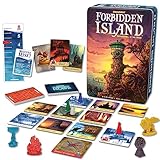
Overview: Forbidden Island, designed by Matt Leacock, is a cooperative board game where 2-4 players work together as a team of adventurers racing to retrieve sacred treasures from a sinking island before it disappears entirely. Aimed at ages 10+, it emphasizes teamwork and strategic planning under pressure. What Makes It Stand Out: Its innovative “sinking island” board mechanic, where tiles are progressively removed, creates dynamic, escalating tension. Rich thematic artwork immerses players, while the pure cooperative structure fosters genuine collaboration without player elimination, making every decision critical for collective survival. Value for Money: Priced competitively for a high-quality, durable board game, it offers exceptional replayability through variable island layouts and difficulty levels. It outperforms many similarly priced competitive games by providing a consistently engaging, social experience focused on shared problem-solving. Strengths and Weaknesses: Strengths: Highly accessible rules, stunning visual design, excellent teamwork development, scalable difficulty, and compact storage. Weaknesses: Limited player count (max 4), shorter playtime may feel brief for some, and the sinking mechanism can occasionally lead to perceived “runaway loss” if unlucky early tiles sink. Bottom Line: Forbidden Island is a near-perfect entry-point cooperative game, blending thrilling strategy, beautiful design, and essential teamwork. It’s highly recommended for families and new gamers seeking an accessible, replayable, and genuinely collaborative adventure.
2. Flow: The Official Cooperative Board Game | Strategy Game for 1–4 Players Ages 8+ | Based on The Award-Winning Animated Film | Family & Solo Play | Survive The Flood, Rescue Allies
Overview: Flow translates the emotional journey of the acclaimed animated film into a real-time cooperative board game. Players work together to navigate a shifting, modular board representing a flooded world, rescuing allies and reaching safety before the rising water overwhelms them. Suitable for ages 8+ and 1-6 players. What Makes It Stand Out: The dynamic “rising water” mechanic creates genuine urgency, requiring quick, synchronized decisions. The modular board ensures unique layouts each game, while the direct tie-in to the film’s evocative art and themes adds significant emotional depth and visual appeal beyond typical strategy games. Value for Money: Offering robust solo and multi-player versatility with high replayability through scenario cards, it justifies its price point. It provides more strategic depth and thematic immersion than many entry-level cooperative games, especially considering its strong solo mode and family accessibility. Strengths and Weaknesses: Strengths: Compelling real-time pressure, beautiful thematic integration, excellent solo play, high replayability via scenarios, and accessible rules. Weaknesses: Real-time element may stress younger players, component quality (like water markers) can feel basic, and the emotional theme might not resonate with all audiences. Bottom Line: Flow delivers a uniquely tense, visually captivating cooperative experience that successfully bridges film and gameplay. Its blend of urgency, thematic depth, and strong solo suitability makes it a standout recommendation for families and fans of immersive strategy.
3. Pandasaurus Cooperative Strategy Card Game - Fun Interactive Family Game for Ages 8+, 1-5 Players, 20 Minute Playtime
Overview: “The Game” is a minimalist, cooperative card game where players work together to play all cards from two sequential decks (1-100) following strict numerical rules. Despite its simple components, it demands intense communication, deduction, and trust, accommodating 1-5 players in just 20 minutes. What Makes It Stand Out: Its brilliance lies in extreme simplicity yielding profound depth. Players cannot discuss specific cards, forcing creative non-verbal communication and deep strategic foresight. Winning requires near-perfect synergy, creating incredibly tense and rewarding moments despite using only cards. Value for Money: As a Spiel Des Jahres winner, its low component cost (just cards) is justified by immense strategic value and virtually endless replayability. It offers unparalleled depth-to-price ratio compared to heavier strategy games, functioning as both a quick filler and a serious brain-teaser. Strengths and Weaknesses: Strengths: Exceptional depth from minimal rules, highly portable, fast setup/play, universally accessible (ages 8+), fosters incredible communication skills, and award-winning design. Weaknesses: Strict communication limits can frustrate some, pure card format lacks visual appeal, and win/loss streaks can feel punishing due to hidden information. Bottom Line: “The Game” is a masterclass in elegant game design, transforming simple cards into a profoundly engaging cooperative challenge. Its unique communication constraints and high replayability make it an essential, budget-friendly addition to any family or strategy game collection.
4. Pressman The Oregon Trail Card Game - Cooperative Gameplay Based on The Classic Computer Game, Ages 12 and Up, 2-6 Players

Overview: This card game adaptation captures the darkly humorous spirit of the iconic computer game. Players cooperatively manage a wagon train heading west, drawing cards representing resources, events, and inevitable misfortunes like dysentery or broken axles, striving to reach Oregon with at least one survivor. What Makes It Stand Out: The game excels with its cheeky, self-aware humor, leaning into the absurdity of pioneer hardships (“You have died of dysentery” in 8-bit art). Cooperative resource management is laced with constant, often hilarious setbacks, perfectly evoking the nostalgia and morbidity of the original digital experience. Value for Money: A compact, affordable game delivering significant nostalgic value and laugh-out-loud moments. While lighter on deep strategy than some co-ops, its unique theme execution and quick playtime offer excellent entertainment value, especially for fans of the franchise or casual game nights. Strengths and Weaknesses: Strengths: Hilarious theme execution, strong nostalgic appeal, simple cooperative rules, fast setup/play, great for larger groups (2-6 players). Weaknesses: Strategy depth is minimal, reliance on luck can frustrate, theme might not resonate with non-fans, and component quality is basic cardboard. Bottom Line: The Oregon Trail Card Game is a fun, laugh-filled homage that successfully translates the computer classic’s charm into a social card game. Recommended primarily for fans seeking nostalgia and lighthearted, chaotic cooperative fun, rather than strategic depth.
5. Castle Panic 2nd Edition | Cooperative Board Game for Adults and Family | Ages 8+ | for 1 to 6 Players | Average Playtime 45 Minutes | Made by Fireside Games

Overview: Castle Panic plunges players into a cooperative tower defense battle where 1-6 defenders must work together to fend off waves of monsters advancing from the forest towards their castle’s 3D towers. Using unique character cards, players strategically attack, trade, and repair to protect the keep within a tight 45-minute timeframe. What Makes It Stand Out: The vibrant 3D castle towers and monster tokens create immediate visual engagement. Its accessible yet strategic card-based combat system, combined with multiple play modes (including competitive “Master Slayer”), offers significant versatility. The constant threat from multiple board edges generates genuine, shared tension. Value for Money: With high-quality components, multiple game modes, and scalability for large groups, it provides excellent longevity. It competes well against pricier strategy games by offering a satisfying blend of simplicity for families and tactical depth for experienced gamers, all within a standard play session. Strengths and Weaknesses: Strengths: Engaging 3D components, easy to learn but strategically rich, exceptional player count flexibility (1-6), multiple replayable modes, strong family appeal. Weaknesses: Can become chaotic with max players, “alpha gamer” issue possible, box storage for 3D pieces is bulky, and boss monsters may feel overly punishing. Bottom Line: Castle Panic 2nd Edition is a top-tier cooperative gateway game, masterfully blending accessibility, tense teamwork, and physical components. Its versatility and consistent fun make it a highly recommended staple for family game nights and cooperative strategy enthusiasts alike.
6. The Lord of The Rings: Adventure to Mount Doom | Family Game | Cooperative Game | Strategy Game

Overview: This cooperative board game immerses players in Tolkien’s Middle-earth, challenging 1-4 participants to guide Frodo safely to Mount Doom within 50 minutes. Players roll dice and draw cards to navigate hazards while evading Ringwraiths, blending narrative adventure with accessible mechanics for family audiences. What Makes It Stand Out: Its authentic Tolkien atmosphere and pure cooperative structure shine, requiring players to strategize together against the game’s mechanics rather than each other. The balance of dice-driven tension and card-based decision-making captures the epic quest’s urgency without overwhelming complexity. Value for Money: Priced competitively for licensed games, it offers strong replayability through variable paths and threat levels. While lacking deep strategic layers of premium adult games, it justifies cost as a thematic, stress-free family experience that avoids player elimination. Strengths and Weaknesses: Strengths: Engaging theme execution; intuitive rules for ages 8+; no player conflict; solid solo mode. Weaknesses: Limited strategic depth; high luck dependency; components feel lightweight compared to price point; repetitive after multiple plays. Bottom Line: An excellent entry-point cooperative game for Tolkien fans and families seeking a light, narrative-driven adventure. Ideal for casual play but lacks depth for hardcore strategy enthusiasts; recommended for thematic immersion over mechanical innovation.
7. Peaceable Kingdom Race to the Treasure! Cooperative Path Building Game for 2 to 4 Kids Ages 5+

Overview: This award-winning children’s game tasks 2-4 players (ages 5+) with collaboratively building a path from start to finish to reach treasure before the Ogre, all within 15-20 minutes. Designed with zero reading requirements, it focuses on color matching and spatial reasoning for early learners. What Makes It Stand Out: Its seamless integration of social skill development—like communication and shared decision-making—within a simple path-building framework is exceptional. Frustration-free packaging and the absence of player elimination make it uniquely accessible for young children. Value for Money: Exceptional value for its target demographic. At a modest price point, it delivers durable components, award-winning design (including Oppenheim Platinum), and repeated educational play. Outperforms many similarly priced competitive kids’ games in fostering teamwork. Strengths and Weaknesses: Strengths: Perfectly scaled for preschoolers; promotes cooperation without competition; quick setup/play; multiple awards validate quality; eco-friendly packaging. Weaknesses: Very simplistic for older kids; limited strategic depth; path randomness may frustrate detail-oriented players. Bottom Line: A must-have for parents and educators seeking to teach cooperation to young children. Its thoughtful design, educational value, and durability justify every penny; highly recommended as a foundational cooperative game for ages 5-8.
8. Slay The Spire: The Board Game - Cooperative Fantasy Board Game

Overview: Adapting the popular video game, this 1-4 player cooperative board game challenges teams to navigate procedurally generated floors, battling monsters and collecting relics using customizable decks. With 650+ cards and high-quality miniatures, it targets strategy enthusiasts aged 12+ in 60-90 minute sessions. What Makes It Stand Out: The staggering card variety (112 small, 26 large) enables near-infinite deck combinations, while the dual-board system elegantly replicates the video game’s roguelike structure. Premium components like player-specific miniatures enhance immersion in its quirky fantasy world. Value for Money: Justified for deckbuilding fans despite a premium price. The sheer volume of content and replayability (dozens of unique runs) surpasses most competitive games in its tier. However, beginners may find the learning curve steep relative to cost. Strengths and Weaknesses: Strengths: Deep, customizable strategy; exceptional component quality; faithful video game adaptation; strong solo viability; scalable difficulty. Weaknesses: Overwhelming initial setup; 45-minute teach time; limited physical space for cards during intense runs; niche appeal beyond deckbuilding fans. Bottom Line: A triumph for Slay the Spire devotees and deckbuilding veterans, offering unparalleled strategic depth. Newcomers should borrow before buying due to complexity; recommended primarily for experienced gamers seeking a challenging co-op experience.
9. Happy Camper - The Four Doors | New Cooperative Game by Creator of Forbidden Island and Pandemic | Super Portable | Great for Solo Play, Two Players, and Groups
Overview: From Pandemic’s designer Matt Leacock, this 1-5 player game (ages 10+) challenges teams to retrieve four treasures behind mystical doors before shadows seal them. Completing in 30 minutes, its pocket-sized design emphasizes quick, portable cooperative play centered on set collection and timing. What Makes It Stand Out: Leacock’s signature streamlined mechanics shine here, with intuitive “door exploration” and shadow mechanics creating urgent, accessible decisions. Its super-portable format—fitting in a small box—makes it unparalleled for travel while supporting solo to group play seamlessly. Value for Money: Excellent value for frequent travelers or casual gamers. The compact size (under $25) belies robust replayability through variable shadow placements and treasure combinations, outperforming bulkier games in convenience-focused scenarios. Strengths and Weaknesses: Strengths: Extremely portable; lightning-fast setup/play; elegant rules; strong solo mode; Leacock’s reliable design philosophy. Weaknesses: Limited strategic depth compared to Pandemic; treasures feel underdeveloped; minimal theme integration; short playtime may dissatisfy hardcore gamers. Bottom Line: The ideal travel companion for cooperative gameplay—simple, engaging, and reliably fun. While not Leacock’s deepest work, it excels as an accessible, portable filler game; highly recommended for on-the-go casual gaming sessions.
10. The Night Cage by Smirk and Dagger | Cooperative Candlelit Horror Strategy Game | Tile Laying Labyrinth Escape Adventure for 1 to 5 Players Ages 14 Plus

Overview: This atmospheric 1-5 player game uses a real candle to illuminate a shifting tile-laid labyrinth as players race to escape before darkness consumes them. Lasting 45-60 minutes, it merges physical tension (flickering candlelight) with strategic tile placement to evade lurking Wax Eaters. What Makes It Stand Out: The innovative candle mechanic—where light literally reveals paths while wax drips to track time—is revolutionary. This creates unparalleled real-time tension and teamwork, as players must constantly adapt to the labyrinth’s collapse behind them. Value for Money: Justifies its premium price through groundbreaking immersion and award-winning design. The included candle, high-quality tiles, and adjustable difficulty modes offer unique replayability. However, candle replacement costs add long-term expense. Strengths and Weaknesses: Strengths: Unmatched atmospheric tension; brilliant candle integration; dynamic tile-laying; scalable difficulty; strong horror theme execution. Weaknesses: Candle dependency risks fire hazards; wax residue maintenance; limited player interaction depth; theme may overwhelm strategy-focused gamers. Bottom Line: A genre-defining experience for horror and innovation seekers. Despite minor practical quirks, its emotional intensity and novel mechanics make it essential for co-op enthusiasts; recommended for mature groups prioritizing immersive storytelling over pure strategy.
Understanding the Cooperative Game Experience
What Truly Defines a Cooperative Game
At its core, a cooperative game is one where players work together as a unified team against the mechanics and challenges presented by the game itself, rather than competing against each other. The victory or defeat condition applies to the entire group simultaneously. This fundamental shift creates a unique social dynamic, replacing adversarial tension with shared problem-solving pressure. It’s crucial to distinguish true cooperation from semi-cooperative games, which often include hidden traitors or individual win conditions that can undermine the pure collaborative spirit. True cooperative play demands collective strategy and mutual support from start to finish.
The Social Alchemy of Team Play
The magic of these games lies in the social interaction they foster. Players must communicate effectively, listen actively, debate strategies respectfully, and compromise to overcome the game’s hurdles. This environment naturally builds essential soft skills like active listening, clear articulation of ideas, and constructive conflict resolution. Unlike competitive settings where players might withhold information, cooperation thrives on transparency and shared knowledge, creating a psychologically safer space for participation, especially for newer or more hesitant gamers. The shared narrative of the challenge becomes the focus, strengthening group cohesion.
Why Cooperation Resonates Now More Than Ever
In an era marked by digital saturation and fragmented attention spans, the demand for meaningful, focused face-to-face interaction has surged. Cooperative games directly address this need by requiring players to be fully present and engaged with each other. They offer a structured yet flexible framework for social connection, free from the pressure of individual performance metrics common in competitive play. This makes them particularly appealing for families seeking quality time, educators fostering classroom collaboration, or corporate teams aiming to improve communication – they provide a low-stakes, high-reward environment for practicing real-world teamwork skills.
Key Features to Evaluate When Choosing
Player Count and Group Dynamics
Carefully consider the typical size of your gaming group. Some cooperative experiences shine with just two players, offering intense, intimate strategy sessions, while others are specifically designed for larger teams of five or six, creating a vibrant, almost party-game atmosphere of shared discussion. Pay close attention to the manufacturer’s recommended player count range; exceeding it can lead to analysis paralysis or disengagement, while playing below the minimum might make the game too easy or unbalanced. Also, think about the dynamics: will this be mostly family play, mixed-age groups, or dedicated adult gamers? The ideal game complements your specific social context.
Complexity and Cognitive Load
Games span a vast spectrum from instantly accessible “learn-in-minutes” designs perfect for young children or casual gatherings, to deeply strategic experiences demanding significant mental investment and planning. Honestly assess the patience and strategic appetite of your intended players. A game with excessive rules overhead can frustrate newcomers, while one lacking depth might bore experienced strategists. Look for clear, well-structured rulebooks and consider the mental demands: does it require constant calculation, complex spatial reasoning, or extensive memory? Matching the cognitive load to your group is vital for sustained enjoyment.
Theme Integration and Immersion Factor
The theme isn’t just window dressing; it’s the vessel that carries the mechanics. A strong cooperative game seamlessly integrates its narrative or setting with its core gameplay loop, making the challenges feel meaningful within the story. Does the theme resonate with your group’s interests? Saving the world from mythical beasts, solving intricate heists, or managing a bustling space station – the right theme significantly boosts engagement and provides context for the decisions players make. Poorly integrated themes feel tacked on and can make abstract mechanics confusing or unmotivating.
Replayability Mechanics
Since you’re investing in a single game experience for multiple plays, how does it stay fresh? Look for elements like variable setup (different board layouts, shuffled decks, or modular components), multiple difficulty levels, distinct player roles with unique abilities, or even legacy-style campaigns that evolve over numerous sessions. Games relying solely on fixed scenarios can become predictable quickly. High replayability often comes from systems where the game itself presents dynamic, unpredictable challenges each time, ensuring no two victories feel identical.
Navigating Different Challenge Levels
Scalability: Adapting to Your Group’s Skill
A great cooperative game often includes built-in mechanisms to adjust its difficulty, ensuring it remains challenging but not frustrating. This might involve adjustable threat levels, customizable enemy strength, or optional rules that increase complexity. Look for games where scaling feels organic – adding more zombies shouldn’t just mean “do the same thing but longer,” but should fundamentally alter the strategic landscape. Effective scalability allows the same game to grow with your group, providing a satisfying curve from first-time play to master level.
Managing Frustration: The Fine Line of Challenge
The best cooperative challenges are tough but fair. Be wary of games relying heavily on “gotcha” moments, excessive randomness that negates planning, or punishing mechanics that feel unfair after significant investment. A well-designed challenge provides clear feedback: players should understand why they failed and feel empowered to adjust their strategy for next time. Look for games that encourage learning from losses rather than inducing despair. The goal is productive struggle, not helplessness.
The Role of Time Pressure and Tension
Many cooperative games utilize timers, countdown decks, or escalating threats to create urgency and prevent over-analysis. This mechanic is powerful but needs careful calibration. Too little pressure leads to slow, tedious gameplay; too much creates panic and stifles thoughtful discussion. Consider your group’s tolerance for time stress. Some players thrive under the ticking clock, while others prefer a more contemplative, strategic pace. The ideal game matches your group’s preferred intensity level for sustained enjoyment.
Optimizing the Gameplay Experience
Facilitation and Communication Styles
Someone often naturally emerges as a facilitator in cooperative play, helping organize thoughts and keep the group focused. However, be mindful of “alpha gaming,” where one dominant player dictates all decisions, sidelining others. Discuss communication norms beforehand: Will you use open discussion where all ideas are voiced, or limited communication to increase challenge? Establishing ground rules for respectful dialogue ensures everyone feels heard and contributes meaningfully, maximizing the inclusive potential of the format.
Physical Setup and Component Quality
Consider the practicalities. How long does setup and teardown take? Bulky games or those requiring intricate initial arrangements can eat into playtime. Component quality matters significantly for longevity and immersion – flimsy cards or unclear tokens hinder the experience. Also, evaluate table space requirements; sprawling games might not suit smaller environments. Games with clever storage solutions or quick setup procedures enhance re-playability by lowering the barrier to starting a session.
Solo Play Viability
Many cooperative games translate surprisingly well to solo play, functioning as engaging puzzle challenges. If playing alone is a consideration, check if the game system inherently supports it (many do) or if there are established solo variants created by the community. Solo play offers a different, often more contemplative, experience focused on optimizing strategy against the system without group dynamics, providing valuable flexibility.
Long-Term Value and Considerations
Expansion Potential and Ecosystem
Some cooperative games exist within a larger ecosystem, offering expansions that introduce new scenarios, characters, mechanics, or even entirely new campaigns. This can significantly extend the game’s lifespan and value. Consider whether the base game provides a satisfying standalone experience or if expansions feel necessary to reach its full potential. Research the expansion roadmap if long-term investment is important to you, ensuring future content aligns with your interests.
Community Support and Resources
A vibrant player community can be a huge asset. Look for games with active online forums, strategy guides, fan-created scenarios, or even official digital companion apps that enhance setup or tracking. Community resources can breathe new life into a game, provide solutions to balance issues, or offer fresh challenges long after the initial purchase. Strong community engagement often signals a well-supported and enduring title.
Storage and Space Management
Be realistic about where and how you’ll store the game. Games with numerous small components require robust organization to avoid losing pieces or dreading setup. Consider storage solutions – some games include excellent inserts, while others might need third-party organizers. Factor in the physical footprint; a massive box might not fit your shelf, and a game requiring significant table space might not suit your regular play area, impacting how often you actually get it to the table.
Frequently Asked Questions
What is the main difference between cooperative and competitive board games?
Cooperative games require all players to work together as a team to overcome challenges set by the game system itself, aiming for a shared victory or defeat. Competitive games involve players or teams directly opposing each other to achieve individual or faction-based victory conditions.
Are cooperative games suitable for young children?
Many cooperative games are specifically designed for younger audiences, featuring simpler rules, vibrant themes, and mechanics that encourage sharing and basic decision-making. Look for age recommendations and prioritize games emphasizing visual cues and short playtimes for early learners.
Can cooperative games be too difficult or frustrating?
Yes, if the challenge level isn’t well-matched to the group’s skill or the mechanics rely too heavily on luck or opaque rules. Choose games known for fair difficulty curves and clear feedback, and utilize adjustable difficulty settings if available to find the right balance.
How do I prevent one person from dominating decisions (“alpha gaming”)?
Establish communication guidelines before starting, such as requiring all players to voice their thoughts or using a round-robin discussion format. Some games incorporate mechanics that limit individual control, naturally distributing decision-making power among the team.
Do cooperative games work well for large groups, like parties?
Certain cooperative titles excel with larger groups (5-8 players), fostering a lively, discussion-heavy atmosphere. However, games not designed for big groups can lead to downtime and disengagement; always check the recommended player count range for optimal experience.
Can I play cooperative games by myself?
Many cooperative games function effectively as solo experiences, essentially becoming intricate puzzles. The game system provides the opposition, allowing for strategic planning without group dynamics. Check if the rules explicitly support solo play or if popular community variants exist.
How important is the theme in a cooperative game?
Theme is crucial for immersion and providing context for the mechanics. A strong theme makes the challenges feel meaningful and enhances player engagement, while a weak or disconnected theme can make abstract rules feel confusing or uninteresting.
What makes a cooperative game replayable?
Key factors include variable setup (different maps, shuffled decks, randomized events), multiple difficulty levels, distinct character roles, branching scenarios, or legacy/campaign systems that evolve over multiple sessions, ensuring each playthrough feels fresh.
Are cooperative games good for team building in workplaces?
Absolutely. They provide a neutral, low-stakes environment to practice communication, active listening, strategic planning, and collaborative problem-solving – all essential workplace skills – while fostering positive group dynamics through shared goals.
How do cooperative games for kids differ from those for adults?
Kids’ cooperative games typically feature simpler rules, shorter playtimes, more visual components, less punishing mechanics, and themes centered around familiar concepts like animals or adventures. Adult-focused games often involve deeper strategy, complex systems, longer sessions, and more mature themes.
See Also
- 10 Best Cooperative Board Games for Teaching Teamwork in 2026
- How Two-Player Cooperative Board Games Redefine Teamwork at the Table in 2026
- 10 Best Cooperative Board Games for Building Teamwork Skills in 2026
- 10 Best Cooperative Board Games for Kids That Encourage Teamwork in 2026
- 10 Must-Have Cooperative Board Games for Building Teamwork in 2026