Table of Contents
Imagine a room filled with people leaning in, heads almost touching, whispering strategies as they collectively hold their breath. The clock is ticking down, a shared objective hangs in the balance, and the only path to victory lies in truly listening, adapting, and trusting each other’s insights. This isn’t a high-stakes corporate meeting room; it’s the magic unfolding around a tabletop during a cooperative board game session. In our increasingly fragmented world, where digital interactions often replace deep connection, the simple act of gathering around a shared challenge has become a powerful antidote. These games offer more than just fun – they create a unique, low-stakes laboratory where communication, empathy, and collective problem-solving aren’t just encouraged, they’re absolutely essential for success.
Why does this matter more than ever? Modern workplaces and social dynamics constantly demand seamless collaboration, yet opportunities to genuinely practice and refine these nuanced skills are surprisingly rare. Traditional competitive games, while enjoyable, often foster individual achievement over group cohesion. Cooperative board games flip the script entirely. They dissolve the “me vs. you” dynamic, replacing it with a unified “us vs. the game.” This subtle but profound shift creates fertile ground for building trust, navigating conflict constructively, and experiencing the tangible rewards of true teamwork. Stepping into this shared space, players discover that the journey of figuring things out together is often just as rewarding as the victory itself, fostering bonds that extend far beyond the final turn.
Top 10 Cooperative Board Games
Detailed Product Reviews
1. Gamewright - Forbidden Island - Cooperative Strategy Survival Board Game, 2-4 Players
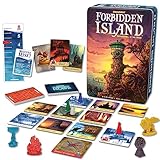
Overview: Forbidden Island, designed by Matt Leacock (of Pandemic fame), is a cooperative adventure where players race against time to retrieve sacred treasures from a sinking island. Players adopt unique roles, strategize together to collect artifacts, and escape before the island vanishes beneath the waves, all within 30 minutes for ages 10+.
What Makes It Stand Out: Its brilliant cooperative mechanics foster genuine teamwork, eliminating player elimination anxiety. Rich thematic illustrations immerse players in a perilous paradise, while the dynamic “sinking” board creates escalating tension. It uniquely balances accessibility for families with strategic depth, enhancing problem-solving and communication skills through urgent, shared objectives.
Value for Money: Priced moderately, it offers exceptional replayability through variable island layouts and role combinations. Compared to competitive family games, its cooperative focus provides distinct value by nurturing positive social interaction without winner-takes-all frustration, making it a worthwhile investment for regular game nights.
Strengths and Weaknesses:
Strengths: Intuitive rules, strong theme integration, promotes collaboration, manageable playtime, high-quality components.
Weaknesses: Limited player count (max 4), replayability can feel constrained after many plays without expansions, luck factor in card draws occasionally dominates strategy.
Bottom Line: Forbidden Island remains a near-perfect entry-point into cooperative gaming. Its engaging theme, accessible yet strategic gameplay, and emphasis on teamwork make it a highly recommended, enduring classic for families and casual gamers seeking shared victories.
2. Scorpion Masqué Sky Team | Voted Game of The Year 2024 | Best 2 Player Game | Work Together to Land The Plane | Ages 14+ | 20 Minutes

Overview: Sky Team delivers an intense, cooperative two-player experience where you and a partner act as pilot and co-pilot racing to land a commercial airliner safely. With only dice to communicate actions and manage systems under strict time pressure, every decision feels critical within its tight 20-minute session.
What Makes It Stand Out: The ingenious “dice as communication” mechanic forces absolute trust and precise coordination between players. Immersive cockpit components, like a physical descent tracker and coffee cup focus tool, heighten tension. Its 20 unique global airport scenarios and optional modules (e.g., ice, fuel leaks) provide remarkable depth and variability for such a compact game.
Value for Money: As a dedicated two-player gem, Sky Team justifies its price through unparalleled intensity and replayability. The sheer number of scenarios and modules far exceeds expectations for its category, offering significantly more strategic variety than most competitive two-player games at a similar cost.
Strengths and Weaknesses:
Strengths: Unmatched cooperative tension, innovative dice communication, exceptional scenario variety, high-quality tactile components, perfect session length.
Weaknesses: Steep learning curve for non-gamers, high stress may not suit all players, limited to exactly two players, component storage could be improved.
Bottom Line: Sky Team earns its 2024 Game of the Year title with a masterclass in two-player cooperation. Its unique mechanics, relentless tension, and vast replayability make it an essential, premium purchase for couples or partners seeking a deeply engaging, shared challenge.
3. Pandasaurus Cooperative Strategy Card Game - Fun Interactive Family Game for Ages 8+, 1-5 Players, 20 Minute Playtime
Overview: Simply titled The Game, this award-winning card game challenges 1-5 players to cooperatively play all cards from two decks in ascending and descending numerical order. With strict communication limits and a constantly shifting hand, players must strategize silently to avoid ending the game prematurely, all within 20 minutes.
What Makes It Stand Out: Its deceptive simplicity – easy to learn but fiendishly difficult to master – drives addictive replayability. The strict “no signaling” rule forces profound non-verbal teamwork and deduction, creating intense, memorable moments. With over 1.3 million copies sold and a Spiel Des Jahres award, its global appeal lies in pure, accessible cooperative puzzle-solving.
Value for Money: The Game offers extraordinary value. Its minimal components (just cards) belie deep strategic potential and near-infinite replayability through variable card distributions. Priced accessibly, it outperforms many larger, more expensive family games by delivering consistent, high-engagement experiences without setup or complex rules.
Strengths and Weaknesses:
Strengths: Extremely portable, quick setup/play, scales perfectly for 1-5 players, brilliantly simple yet deep, fosters genuine teamwork under constraints.
Weaknesses: High randomness can frustrate some, minimal theme/presentation, communication restrictions may feel restrictive to new players, lacks physical components beyond cards.
Bottom Line: The Game is a must-have cooperative staple. Its elegant design, addictive challenge, and flawless scalability for any group size make it an exceptional value and a top recommendation for families and casual gamers seeking pure, strategic fun.
4. Happy Camper - The Four Doors | Cooperative Game by Pandemic and Forbidden Island Creator | Perfect for Solo Play, Two Players, and Small Groups | Portable Adventure Game
Overview: Created by Matt Leacock (Pandemic) with Matthew Riddle and Ben Pinchback, Happy Camper: The Four Doors is a portable cooperative adventure. Players explore a mystical light tower, seeking four sacred treasures behind magical doors before sinister shadows seal them forever. It supports 1-5 players in 30-minute sessions for ages 10+.
What Makes It Stand Out: Leacock’s signature cooperative design shines with streamlined rules perfect for on-the-go play. The modular door system creates dynamic puzzles, while the solo mode is fully integrated and robust—not an afterthought. Its super-portable design (fits in a small box) makes it ideal for travel without sacrificing strategic depth or thematic adventure.
Value for Money: Priced competitively, its exceptional portability and strong solo/co-op versatility deliver excellent value. Compared to Leacock’s larger games, it offers a more accessible, quicker experience ideal for smaller groups or travel, justifying its cost as a highly functional pocket-sized strategy game.
Strengths and Weaknesses:
Strengths: Truly portable, seamless solo mode, engaging treasure-hunt theme, quick setup/play, Leacock’s polished cooperative mechanics.
Weaknesses: Less thematic depth than Pandemic/Forbidden Island, component quality modest for portability, limited player interaction compared to some co-ops, fewer unique roles.
Bottom Line: Happy Camper: The Four Doors is a superb travel-friendly cooperative game. While simpler than Leacock’s epics, its portability, solid solo play, and engaging puzzle-solving make it a highly recommended pick for gamers on the move or smaller groups.
5. Flow: The Official Cooperative Board Game | Strategy Game for 1–4 Players Ages 8+ | Based on The Award-Winning Animated Film | Family & Solo Play | Survive The Flood, Rescue Allies
Overview: Flow translates the emotional animated film into a real-time cooperative board game. Players navigate a rising flood on a modular map, rescuing animal allies and reaching safety. With a dynamic water level mechanic forcing constant adaptation, it accommodates 1-6 players in thematic 30-45 minute sessions for ages 8+.
What Makes It Stand Out: The ingenious “rising water” system physically reshapes the board, creating urgent, evolving challenges that demand quick, collective decisions. Beautiful art captures the film’s serene yet perilous world. Eleven scenario cards and modular tiles ensure high replayability, while real-time pressure (using a sand timer) amplifies tension uniquely within the cooperative genre.
Value for Money: Offering robust solo and family play alongside deep strategic engagement, Flow provides strong value. Its high component quality (detailed miniatures, art) and exceptional replayability through scenarios/modules surpass many games in its price range, especially as a licensed title with genuine gameplay depth.
Strengths and Weaknesses:
Strengths: Innovative rising water mechanic, stunning thematic integration, excellent replayability, scales well for 1-6 players, accessible yet strategic.
Weaknesses: Real-time element may overwhelm younger players, setup slightly complex for “easy entry”, timer pressure not to all tastes, limited character differentiation.
Bottom Line: Flow masterfully blends film narrative with compelling cooperative mechanics. Its dynamic board, emotional resonance, and high replayability make it a standout recommendation for families and fans seeking a beautiful, strategically rich shared adventure.
6. The Night Cage by Smirk and Dagger | Cooperative Candlelit Horror Strategy Game | Tile Laying Labyrinth Escape Adventure | for 1 to 5 Players | Ages 14+

Overview:
The Night Cage delivers an intensely atmospheric cooperative experience where players navigate a constantly shifting tile-laid labyrinth illuminated solely by a flickering candle. Designed for 1–5 players aged 14+, it merges strategic tile placement with palpable tension as darkness reclaims explored paths, forcing teams to collect keys and escape before the maze collapses under the threat of lurking Wax Eaters.
What Makes It Stand Out:
Its groundbreaking candlelit mechanic is revolutionary: the candle’s limited light radius dynamically reveals new tiles while plunging previously explored areas into darkness, physically altering the board state each turn. This creates genuine dread and forces adaptive teamwork. Award-winning for its innovative tile system and immersive horror narrative, it uniquely ties environmental tension to core gameplay.
Value for Money:
Priced competitively against premium strategy games, it offers exceptional depth through adjustable difficulty settings and an Advanced Game mode with new monsters. While niche, its replayability far exceeds most cooperative titles, justifying the cost for horror and strategy enthusiasts seeking long-term engagement.
Strengths and Weaknesses:
Strengths: Unmatched atmospheric tension; intuitive rules with strategic depth; highly replayable via difficulty modes; fosters genuine collaboration. Weaknesses: Candle mechanics require careful setup/maintenance; low-light play can frustrate some; limited player count flexibility beyond 4.
Bottom Line:
A masterclass in thematic integration, The Night Cage transforms cooperative strategy into a visceral, candlelit nightmare. Its innovative mechanics and award-winning design make it a must-buy for horror fans and strategy gamers seeking an unforgettable, replayable experience—despite minor setup quirks.
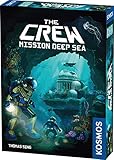
7. The Crew - Mission Deep Sea | Card Game | Cooperative | 2 to 5 Players | Ages 10+ | Trick-Taking | 32 Levels of Difficulty | Endless Replayability
Overview:
Mission Deep Sea builds on the Kennerspiel des Jahres-winning foundation of The Crew with an underwater adventure, challenging 2–5 players to master cooperative trick-taking. Players must win specific tricks guided by mission cards while navigating strict communication limits that simulate the challenges of deep-sea exploration, scaling from beginner to expert across 32 progressively complex levels.
What Makes It Stand Out:
It brilliantly subverts traditional trick-taking by making communication the core puzzle: players can only signal limited information, forcing creative non-verbal strategy. The underwater narrative and mission-based structure provide clear objectives, while the 32-tiered difficulty curve ensures continuous growth, making it uniquely accessible yet deeply strategic.
Value for Money:
With 50+ missions included, it offers extraordinary replayability at a budget-friendly price. It outperforms most trick-taking games in longevity and educational value for learning collaboration under constraints, providing superior depth per dollar compared to competitive alternatives.
Strengths and Weaknesses:
Strengths: Genius cooperative twist on classic mechanics; perfect difficulty progression; highly replayable; fosters strategic communication skills. Weaknesses: Strict communication rules may frustrate casual players; limited physical components; mission-solving can feel restrictive for traditional card-game fans.
Bottom Line:
Mission Deep Sea is an essential cooperative card game that revitalizes trick-taking with clever mission design and escalating challenges. Its ingenious communication limits and exceptional replayability make it a standout recommendation for families and strategy gamers seeking meaningful, collaborative play.
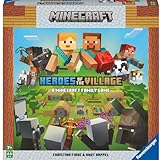
8. Ravensburger Minecraft Heroes of The Village | Cooperative Board Game | Exciting & Unpredictable | Perfect for Families and Minecraft Enthusiasts | Suitable for Kids & Adults
Overview:
Ravensburger brings the beloved Minecraft universe to life in this cooperative board game for 2–4 players aged 7+. Teams work together to defend a procedurally generated village map from mobs using wooden blocks and resource cards, blending familiar Minecraft aesthetics with accessible strategy perfect for family game nights.
What Makes It Stand Out:
The ever-changing modular map ensures no two games play alike, while the cooperative structure eliminates player elimination—critical for young audiences. High-quality wooden components (25 blocks, 18 tiles) and faithful Minecraft theming create instant engagement, leveraging the franchise’s universal appeal to teach teamwork.
Value for Money:
Ravensburger’s premium build quality justifies the price, especially given the included components (buildings, mob tokens, inventory boards). It outshines cheaper alternatives with durable materials and genuine replayability, making it a smart investment for Minecraft fans seeking screen-free family interaction.
Strengths and Weaknesses:
Strengths: Exceptional component quality; high replay value via modular boards; perfectly balanced for ages 7+; encourages cooperative problem-solving; frustration-free packaging. Weaknesses: Strategy depth may bore experienced gamers; limited thematic depth beyond surface-level Minecraft references.
Bottom Line:
A brilliantly executed family game that captures Minecraft’s charm while promoting collaboration. Its durable design, replayable mechanics, and age-appropriate challenge make it an easy recommendation for parents and young fans—though hardcore gamers may crave more complexity.
9. Peaceable Kingdom Race to the Treasure! Cooperative Path Building Game for 2 to 4 Kids Ages 5+

Overview:
Race to the Treasure! is an award-winning cooperative game where 2–4 children (ages 5+) race against an Ogre to build a path from start to finish and claim treasure. Players work together flipping tiles to create a route, learning foundational strategy without reading—ideal for early childhood development.
What Makes It Stand Out:
Its pure cooperative design eliminates competition among young players, focusing on shared problem-solving. The simple tile-flipping mechanic teaches spatial reasoning and planning, while the looming Ogre (moved by dice) injects gentle urgency. Frustration-free packaging and intuitive play make it exceptionally child-friendly.
Value for Money:
As a budget-friendly gateway game, it delivers remarkable educational value. Winning four major awards (including Oppenheim Platinum), it outperforms pricier alternatives in teaching social skills and basic strategy, offering years of play for under $20—perfect for classrooms or family collections.
Strengths and Weaknesses:
Strengths: Zero reading required; teaches teamwork and planning; quick setup/play (15 mins); award-winning simplicity; inclusive win/loss condition. Weaknesses: Limited strategic depth for older kids; repetitive after extended play; minimal component variety.
Bottom Line:
An essential first cooperative game that turns early strategy into joyful collaboration. Its educational merits, accessibility, and award-winning design make it a top recommendation for parents and educators seeking to nurture social development in young children.
10. The Lord of The Rings: Adventure to Mount Doom | Family Game | Cooperative Game | Strategy Game

Overview:
Adventure to Mount Doom transports 1–4 players into Tolkien’s Middle-earth as they cooperatively guide Frodo toward Mount Doom. This strategy game combines dice rolling and card management to evade Ringwraiths and overcome obstacles, aiming to destroy the One Ring before Sauron’s forces prevail—all within a tense 50-minute playtime.
What Makes It Stand Out:
It masterfully distills Tolkien’s epic narrative into accessible mechanics, with thematic card effects (e.g., “Elven Cloak” for evasion) and escalating peril as the Ringwraith tracker advances. The solo mode adds versatility, while the compact design maintains narrative immersion without overwhelming complexity.
Value for Money:
Priced moderately for a licensed game, it offers strong thematic depth and solid replayability through variable setup and difficulty. While component quality is functional rather than luxurious, the immersive experience justifies the cost for LOTR fans compared to generic strategy alternatives.
Strengths and Weaknesses:
Strengths: Rich Tolkien atmosphere; intuitive cooperative mechanics; excellent solo suitability; tense, narrative-driven pacing; accessible for casual gamers. Weaknesses: Luck-dependent dice/card draws; limited strategic depth for hardcore gamers; minimal component variety.
Bottom Line:
A compelling, accessible journey through Middle-earth that captures LOTR’s spirit with engaging cooperative play. Ideal for fans and families seeking thematic storytelling, though strategy purists may desire more mechanical depth—still, a worthy recommendation for its immersive charm.
Understanding Cooperative Game Mechanics
Core Principles of True Cooperation
True cooperative games eliminate individual winners and losers. Everyone wins together, or the game system wins. This fundamental structure forces players to prioritize the group’s success above personal strategies or glory. It creates a safe environment where suggesting ideas, admitting mistakes, and asking for help aren’t weaknesses but vital contributions. The shared stake in the outcome naturally cultivates a sense of collective responsibility and mutual support that competitive formats simply cannot replicate.
Distinguishing Semi-Cooperative Experiences
Not all games labeled “cooperative” deliver pure teamwork. Semi-cooperative games often introduce hidden individual objectives or potential for betrayal alongside the main group goal. While intriguing, these mechanics can inadvertently foster suspicion and undermine the core trust-building experience. For genuine teamwork development, focus on games where the challenge is exclusively external – the game itself is the opponent, demanding unwavering collaboration without hidden agendas or secret win conditions clouding the group dynamic.
The Role of the Game System as the Adversary
The brilliance of well-designed cooperative games lies in how the system itself becomes the intelligent, evolving opponent. Through mechanics like escalating threats, hidden information, or unpredictable event decks, the game actively challenges the group’s cohesion. This dynamic adversary doesn’t get tired, hold grudges, or play favorites; it consistently applies pressure that requires the team to adapt, communicate clearly under stress, and leverage each other’s perceived strengths to overcome increasingly complex obstacles.
Key Features to Evaluate for Teamwork Development
Communication Requirements and Constraints
Pay close attention to how the game forces or limits communication. Some games impose strict “no talking” rules during certain phases, requiring non-verbal cues or written notes, which builds creative communication skills. Others might restrict what can be said, pushing players to be precise and concise. The ideal level of constraint depends on your group’s goals: heavy constraints build intense non-verbal and strategic communication, while open discussion focuses on active listening and synthesizing diverse viewpoints effectively.
Shared Decision-Making Processes
How are critical choices made? Does the game require unanimous agreement, voting, or does one player temporarily take a leadership role with defined limits? Observe how the mechanics structure group deliberation. Games that naturally encourage brainstorming, weighing pros and cons collectively, and reaching consensus (even if imperfect) provide the richest soil for developing practical teamwork skills. Avoid games where decision-making consistently defaults to a single dominant player without systemic checks.
Player Agency and Role Specialization
Effective cooperative games balance individual contribution with collective action. Consider whether players have unique roles or abilities that are genuinely necessary for success. Specialized roles prevent “alpha player” syndrome (where one person dictates all moves) by making every participant feel indispensable. However, roles shouldn’t be so siloed that players disengage from the broader strategy. Look for systems where specialization encourages consultation and interdependence, not isolation.
Matching Games to Player Age and Experience
Engaging Younger Participants (Ages 8-12)
For younger players, prioritize games with vibrant components, clear visual cues, and relatively short playtimes (20-45 minutes). Mechanics should be intuitive, focusing on simple shared goals like collecting matching items or escaping a straightforward scenario. The challenge level should be moderate – difficult enough to require teamwork but not so frustrating it leads to disengagement. Bright artwork and thematic elements (like fantastical adventures or animal rescues) significantly boost appeal and investment for this age group.
Building Complexity for Teens and Adults
As players mature, they can handle deeper strategic layers, longer sessions (60-120 minutes), and more intricate rule sets. Look for games introducing elements like resource management under pressure, multi-stage objectives, or legacy mechanics that evolve over multiple sessions. The communication challenges should become more nuanced, requiring players to articulate complex strategies, anticipate future game states, and navigate subtle trade-offs as a group, mirroring real-world collaborative problem-solving scenarios.
Accommodating Mixed-Age Groups
Bridging age gaps requires careful selection. Choose games with adjustable difficulty settings or scalable challenges. Simpler core mechanics that allow younger players to contribute meaningfully (e.g., matching symbols, moving pieces) while offering strategic depth for older players (e.g., optimizing sequences, managing hidden threats) work best. Avoid overly complex rulebooks; visual aids and quick-start guides are essential. The theme should resonate across ages – adventure or mystery themes often have broad appeal.
Essential Teamwork Skills Cultivated Through Play
Active Listening and Information Synthesis
Cooperative games demand that players truly hear and process what others are saying, especially under time pressure. With multiple perspectives on the board state or available actions, success hinges on synthesizing fragmented information shared by teammates. Players learn to filter relevant details from noise, confirm understanding (“So, you’re saying we should focus on the red threat first?”), and integrate diverse inputs into a cohesive plan, directly translating to better meeting participation and project collaboration.
Constructive Conflict Resolution
Disagreements on strategy are inevitable. Well-designed cooperative games provide a safe space to practice resolving these conflicts productarily. Players learn to articulate reasoning clearly (“If we neglect the left path, the storm will block it next turn”), consider alternatives respectfully, and find compromises that leverage the group’s collective wisdom. The shared goal reframes conflict from “winning an argument” to “finding the best solution for the team,” a crucial skill for any collaborative environment.
Adaptive Planning and Flexibility
Rigid plans often crumble in the face of the game’s unpredictable challenges. Players must constantly reassess situations, pivot strategies when the game throws a curveball, and adjust roles on the fly. This cultivates mental agility and the ability to let go of sunk costs in favor of the group’s evolving needs. Learning to adapt without blame fosters resilience and a growth mindset, showing that changing course based on new information is a strength, not a failure.
Trust Building and Relinquishing Control
True cooperation requires trusting teammates to handle their responsibilities. Games where players manage hidden information or specialized tasks force individuals to rely on others’ reports and actions. Letting go of the urge to control every move and trusting others to execute their part of the plan is a profound lesson. Successfully navigating moments where a teammate’s action (based on information you lack) saves the game builds deep interpersonal trust that strengthens any team dynamic.
Design Elements That Enhance the Collaborative Experience
Time Pressure and Shared Tension
Many effective cooperative games incorporate timers, countdown tracks, or escalating threats that create shared urgency. This time pressure mirrors real-world deadlines and forces efficient communication and decisive action. The collective experience of racing against the clock – the shared sighs of relief or groans of near-miss – creates powerful bonding moments and highlights how calm, coordinated action under stress leads to better outcomes than frantic individual efforts.
Asymmetric Information and Perspective Sharing
Games where players have different knowledge (e.g., one sees a map others don’t, or holds crucial hidden cards) brilliantly simulate real-world information silos. Success depends on players accurately describing their unique viewpoint and teammates correctly interpreting it. This mechanic directly trains the ability to share context effectively, ask clarifying questions, and understand that everyone’s perspective is a vital piece of the larger puzzle, combating assumptions and fostering empathy.
Meaningful Consequences and Learning from Failure
The best cooperative games make failure informative, not just frustrating. When the group loses, the reasons should be clear and tied to specific breakdowns in communication or strategy (“We didn’t check the weather track,” “We argued too long about the first move”). This allows for productive post-game analysis: “What could we have done differently?” Framing losses as learning opportunities, rather than individual blame, builds psychological safety and a culture of continuous improvement within the team.
Implementing Cooperative Games Effectively
Setting the Right Environment and Expectations
Before starting, clearly state the goal: “We’re here to work together to beat the game. There are no individual winners.” Encourage open dialogue and emphasize that all ideas are welcome. Minimize distractions – put phones away. Acknowledge that the first game might be challenging and that losing is part of learning. Setting this collaborative tone upfront prevents competitive instincts from taking over and ensures everyone engages with the right mindset.
Facilitating Productive Post-Game Discussions
The real teamwork learning often happens after the final move. Dedicate 5-10 minutes to reflect: “What communication worked well?”, “Where did we get stuck?”, “How did we handle disagreements?”, “What would we change next time?” Guide the discussion to focus on group dynamics and processes, not individual mistakes. This metacognition solidifies the skills practiced and helps the group consciously apply them in future sessions or real-world situations.
Avoiding Common Pitfalls Like Alpha Gaming
“Alpha gaming” – where one dominant player takes over decision-making – is the kryptonite of cooperative play. Counter this proactively: assign rotating facilitators for discussions, use games with mechanics that prevent solo play (e.g., simultaneous action selection), or gently remind the group, “Let’s hear from someone who hasn’t spoken yet.” The facilitator (if not part of the game) should intervene early if one voice drowns out others, ensuring all participants remain engaged and feel their contribution matters.
Long-Term Benefits Beyond the Tabletop
Transferring Skills to Workplace Dynamics
The communication clarity, conflict resolution strategies, and trust built during cooperative gaming directly translate to office environments. Teams that play together often find improved meeting efficiency, better brainstorming sessions, and a greater willingness to seek cross-departmental input. The practice of focusing on a shared objective (“beating the game” vs. “completing the project”) fosters a collaborative mindset that breaks down silos and encourages support over competition in professional settings.
Strengthening Personal Relationships
Cooperative play is a powerful relationship builder. Successfully navigating a challenging scenario together creates shared positive memories and reinforces interdependence. It provides a neutral, enjoyable context to practice patience, empathy, and supportive communication with friends, family, or partners. Overcoming the game’s obstacles as a unified front can deepen bonds and provide a template for handling real-life disagreements constructively, reminding participants that they are ultimately on the same team.
Frequently Asked Questions
How many players are ideal for cooperative board games?
Most cooperative games shine with 3-5 players. This range provides enough diverse perspectives for rich discussion without making consensus impossible or causing players to disengage during downtime. Always check the specific game’s recommended player count, as some are optimized for pairs or larger groups of 6+.
Can competitive players still enjoy cooperative games?
Absolutely. The key is shifting the competitive drive towards the game system itself. Many competitive players relish the intellectual challenge of conquering a tough shared puzzle. Framing it as “beating the game” together taps into their competitive spirit in a collaborative way, often revealing surprising teamwork potential.
How long do typical cooperative game sessions last?
Session length varies widely. Family-friendly games often run 20-45 minutes. Medium complexity games typically take 60-90 minutes. Heavier strategic or legacy games can span 90-120+ minutes per session. Always consider your group’s attention span and choose accordingly; a game that overstays its welcome hinders the teamwork experience.
Are cooperative games suitable for large groups, like team-building events?
Yes, but carefully. Games specifically designed for 6+ players work best, often using team-vs-team cooperative structures or modular setups. Avoid standard 4-player co-ops with 8 people; this usually leads to disengagement. Look for games with clear roles that allow everyone meaningful participation simultaneously in larger settings.
How do I prevent one person from dominating the game (alpha gaming)?
Choose games with mechanics that naturally discourage it (e.g., hidden roles requiring input, simultaneous planning). Assign a rotating “discussion moderator” role. As a group, agree to actively solicit quieter members’ opinions (“What do you think, [Name]?”). Post-game reflection should gently address dominance patterns as a team learning opportunity.
What if our group keeps losing? Does it mean we’re not good at teamwork?
Frequent losses often indicate the game’s difficulty is mismatched, not poor teamwork. Start with easier scenarios or use game-specific difficulty sliders. Focus on how you lost: Did communication break down? Did you ignore a key rule? Use losses as specific learning points. Success often comes after understanding the game’s core challenge.
Do cooperative games work well for remote or online play?
Many translate surprisingly well! Dedicated digital versions (like those on Board Game Arena) or using video calls with physical copies work. However, the tactile, face-to-face energy is harder to replicate. Prioritize games with clear digital interfaces or strong visual components shared via screen share for the best remote cooperative experience.
How do I explain the appeal of cooperative games to someone skeptical?
Focus on the shared experience: “It’s not about beating each other; it’s about solving a puzzle together and celebrating as a team when we win. It’s like tackling a real challenge where everyone’s brainpower is needed.” Emphasize the lack of interpersonal conflict and the unique satisfaction of collective victory.
Are cooperative games educational for children?
Extremely. They foster communication, critical thinking, emotional regulation (handling losses together), and perspective-taking in an engaging, non-academic setting. Children learn that listening and helping others leads to shared success, building foundational social-emotional skills crucial for school and life.
How often should a team play cooperative games to see benefits?
Consistency matters more than frequency. Playing together meaningfully once a month provides more value than sporadic sessions. The key is focused play followed by brief reflection on the teamwork aspects. Quality interaction and intentional discussion about the collaborative process yield the strongest skill development over time.
See Also
- 10 Best Cooperative Board Games for Building Communication Skills in 2026
- 10 Must-Have Cooperative Board Games for Building Teamwork in 2026
- 10 Best Cooperative Board Games for Building Teamwork in Families in 2026
- 10 Best Cooperative Board Games for Teaching Teamwork in 2026
- How Two-Player Cooperative Board Games Redefine Teamwork at the Table in 2026