Table of Contents
Imagine the thrill of leaning across the table, eyes locked with your teammates, as you collectively hold your breath before making a critical decision. That shared tension, the collaborative problem-solving, and the triumphant high-fives when your group narrowly averts disaster—this is the magic of cooperative board gaming. For strategy enthusiasts, it’s not just about winning; it’s about the intricate dance of minds working in unison against the game itself. In an era where digital interactions often feel isolating, these analog experiences foster genuine connection, demanding clear communication, strategic foresight, and mutual trust. They transform playtime into a powerful exercise in teamwork, making every victory feel deeply earned and every loss a learning opportunity for the next attempt.
The landscape of cooperative board gaming continues to evolve, moving far beyond simple dice rolls or luck-based mechanics. Modern designs emphasize deep strategic layers, meaningful player agency, and dynamic challenges that adapt to group skill levels. For lovers of team strategy, the appeal lies in the sophisticated puzzles presented—not as solo endeavors, but as collective intellectual challenges. Choosing the right game, however, requires careful consideration beyond just the theme. It demands understanding how mechanics facilitate (or hinder) teamwork, how complexity impacts group dynamics, and what truly creates that elusive “just one more turn” feeling that keeps players coming back for repeated sessions. Let’s explore what makes a cooperative game truly shine for strategic team players.
Top 10 Cooperative Board Games
Detailed Product Reviews
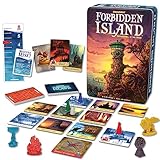
1. Gamewright - Forbidden Island - Cooperative Strategy Survival Board Game, 2-4 Players
Overview:
Forbidden Island, designed by Matt Leacock, is a cooperative board game where 2-4 players race against time to retrieve four sacred treasures from a sinking island before it disappears. Aimed at ages 10+, it combines strategic planning with urgent teamwork in a visually rich, perilous paradise setting.
What Makes It Stand Out:
Its innovative tile-based board dynamically floods as the game progresses, creating escalating tension and forcing adaptive strategies. The rich illustrations immerse players in a thematic adventure, while the pure cooperative nature—no winners or losers, only collective success or failure—fosters genuine collaboration and problem-solving without player elimination.
Value for Money:
Priced moderately for a high-quality board game, it offers exceptional replayability through variable island layouts and difficulty adjustments. Compared to competitive alternatives, its focus on teamwork provides unique family bonding value, making it a cost-effective staple for regular game nights.
Strengths and Weaknesses:
Strengths: Engaging, easy-to-learn mechanics; promotes critical thinking and communication; stunning artwork; scalable difficulty. Weaknesses: Limited player count (max 4); younger children may struggle with strategic depth; component durability could be improved for frequent use.
Bottom Line:
Forbidden Island is a near-perfect entry into cooperative gaming, masterfully blending strategy, theme, and accessibility. Highly recommended for families and strategy enthusiasts seeking a rewarding, collaborative challenge that consistently delivers thrilling adventures.
2. Spin Master Games, SolidRoots Escaping Extinction, Cooperative Strategy Board Game from The Makers of Mind The Gap, Easter Gift, 1-4 Players, for Ages 12 & Up

Overview:
In Escaping Extinction, 1-4 players become clever dinosaurs racing to assemble a 3D rocket and flee an impending meteor strike. This cooperative strategy game, for ages 12+, tasks teams with navigating a prehistoric world, gathering rocket parts, and surviving dynamic environmental threats before time runs out.
What Makes It Stand Out:
The standout 3D rocket assembly adds tangible, hands-on excitement, while earthquake cards dynamically reshape the tile-based board mid-game, ensuring no two plays are identical. The prehistoric escape narrative and thematic integration of survival mechanics create a uniquely engaging, high-stakes cooperative experience.
Value for Money:
Its moderate price is justified by the innovative 3D components, high replayability from modular boards, and durable construction. While slightly niche in theme, it delivers more interactive depth than many entry-level cooperative games, offering solid long-term entertainment per dollar spent.
Strengths and Weaknesses:
Strengths: Highly replayable modular board; exciting 3D rocket element; dynamic earthquake mechanic; strong theme integration. Weaknesses: Age recommendation (12+) may exclude younger fans; rocket assembly can feel fiddly; strategy depth might overwhelm casual players.
Bottom Line:
Escaping Extinction excels with its inventive mechanics and thrilling narrative, making cooperative play feel fresh and urgent. It’s a compelling choice for families seeking strategic depth and physical interaction, though best suited for slightly older players ready for its challenges.
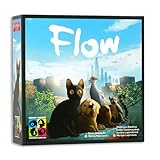
3. Flow: The Official Cooperative Board Game | Strategy Game for 1–4 Players Ages 8+ | Based on The Award-Winning Animated Film | Family & Solo Play | Survive The Flood, Rescue Allies
Overview:
Flow translates the emotional journey of the acclaimed animated film into a real-time cooperative board game for 1–6 players (ages 8+). Teams navigate a modular, flooding landscape to rescue allies and survive rising waters, emphasizing quick decisions and synchronized teamwork under pressure.
What Makes It Stand Out:
The real-time mechanic creates intense, cinematic urgency rarely seen in family board games, while the dynamic “rising water” system physically alters the board, forcing constant adaptation. Its seamless adaptation of the film’s poignant story and oceanic visuals enhances immersion, especially for fans.
Value for Money:
Priced accessibly, it offers remarkable versatility with robust solo and group play support, high-quality components, and 11 scenario cards ensuring near-limitless replayability. It outperforms similarly priced games by delivering both emotional storytelling and strategic depth in one package.
Strengths and Weaknesses:
Strengths: Gripping real-time pressure; beautiful thematic integration; exceptional replayability; smooth solo mode; easy to learn. Weaknesses: Real-time element may stress younger players; component storage could be optimized; limited player interaction beyond coordination.
Bottom Line:
Flow masterfully captures its source material’s heart while innovating with real-time cooperative play. It’s an essential pick for families and film fans wanting emotionally resonant, strategically rich gameplay that’s equally thrilling solo or with friends.
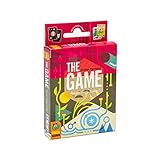
4. Pandasaurus Cooperative Strategy Card Game - Fun Interactive Family Game for Ages 8+, 1-5 Players, 20 Minute Playtime
Overview:
The Game is a lightning-fast cooperative card game where 1–5 players work together to play descending and ascending number sequences from two central decks. Despite its minimalist design (ages 8+), this Spiel Des Jahres winner delivers intense strategic depth in just 20 minutes, challenging teams to “beat the game” by clearing all cards.
What Makes It Stand Out:
Its genius lies in extreme simplicity masking profound strategy: players must communicate only through card plays, fostering non-verbal teamwork and deduction. The addictive “just one more game” quality, coupled with global acclaim (1.3M+ copies sold), sets it apart as a pure, distilled cooperative puzzle.
Value for Money:
Exceptionally affordable, it punches far above its weight with award-winning design and near-perfect portability. Compared to bulkier board games, its compact size and replayability make it an unbeatable value for spontaneous, brain-teasing fun that scales effortlessly for any group size.
Strengths and Weaknesses:
Strengths: Ultra-portable; quick setup/play; deeply strategic yet simple; highly inclusive for all ages; massive replayability. Weaknesses: Minimal theme may deter narrative lovers; reliance on silent communication can frustrate some; limited physical components.
Bottom Line:
The Game is a minimalist masterpiece that redefines cooperative play through elegant mechanics and relentless engagement. An absolute must-have for any game library—ideal for families, travelers, or anyone craving clever, accessible fun that never overstays its welcome.
5. Ravensburger Horrified Games - Greek Monsters - Strategy Board Game - Boost Critical Thinking & Teamwork - Cooperative Gameplay - Unique Monster Challenges - 1 to 5 Players - Adults & Kids 10+

Overview:
Horrified: Greek Monsters challenges 1–5 players to protect the mythical realm of Elysium from six iconic Greek horrors (like Medusa and Cerberus) in a cooperative strategy game for ages 10+. Each monster requires distinct tactics to defeat, blending thematic storytelling with critical problem-solving.
What Makes It Stand Out:
The game’s brilliance is in its six unique monster mechanics—each with tailored weaknesses and behaviors—demanding fresh strategies per playthrough. Stunning artwork and thematic components (e.g., the Underworld Door) immerse players in a cohesive, terrifying world far beyond typical monster-bashing fare.
Value for Money:
Its mid-range price delivers impressive scope: diverse monster challenges, high-quality miniatures, and variable setups justify the cost. Compared to single-mechanic cooperative games, Horrified offers exponentially more content and replayability, making it a strategic investment for frequent game nights.
Strengths and Weaknesses:
Strengths: Six distinct monster challenges; rich thematic immersion; beautiful components; excellent critical thinking focus; scales well for 1-5 players. Weaknesses: Setup time increases with complexity; younger players might find some monsters overwhelming; limited player interaction beyond planning.
Bottom Line:
Horrified: Greek Monsters is a triumph of thematic cooperative design, offering varied, brain-teasing challenges wrapped in captivating mythology. Highly recommended for families and strategy fans seeking depth, replayability, and a truly heroic team experience.
6. Happy Camper - The Four Doors | Cooperative Game by Pandemic and Forbidden Island Creator | Super Portable | Great for Solo Play, Two Players, and Groups
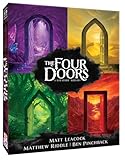
Overview: Designed by Matt Leacock (Pandemic, Forbidden Island), Happy Camper: The Four Doors is a compact cooperative adventure for 1-5 players (ages 10+). Players race against time to retrieve sacred treasures from a mystical light tower before shadows seal the doors permanently in 30-minute sessions.
What Makes It Stand Out: Leacock’s signature tension shines through streamlined mechanics that balance accessibility with strategic depth. Its super-portable design and seamless scaling from solo to group play are exceptional, while the light-tower theme offers fresh narrative energy distinct from his other hits.
Value for Money: Priced competitively for its component quality and replayability, it outshines bulkier co-ops requiring similar playtime. The solo-mode refinement justifies the cost for travelers or casual gamers seeking quality without complexity.
Strengths and Weaknesses: Strengths: Intuitive rules, brilliant solo adaptation, lightning-fast setup, and relentless pacing. Weaknesses: Limited thematic immersion, minimal player interaction beyond basic coordination, and repetitive treasure mechanics after multiple plays.
Bottom Line: An essential portable co-op for Leacock fans or newcomers seeking quick, engaging teamwork; ideal for travel despite minor thematic thinness. Highly recommended for its elegance and versatility.
7. Castle Panic 2nd Edition | Cooperative Board Game for Adults and Family | Ages 8+ | for 1 to 6 Players | Average Playtime 45 Minutes | Made by Fireside Games

Overview: Castle Panic 2nd Edition challenges 1-6 players (ages 8+) to collaboratively defend Castle Bravehold from monster hordes. Using card-based tower defense mechanics, teams must strategically coordinate attacks to keep at least one tower standing during 45-minute sieges.
What Makes It Stand Out: Its four distinct modes (including competitive Master Slayer and Overlord) dramatically boost replayability. The tactile 3D towers and vibrant monster tokens create immersive, edge-of-your-seat tension, while streamlined rules welcome family and mixed-skill groups effortlessly.
Value for Money: Excellent bang for buck with high-quality components and versatile play modes. It surpasses similar-priced games in accessibility and longevity, especially for larger groups where few co-ops accommodate six players smoothly.
Strengths and Weaknesses: Strengths: Effortless learning curve, thrilling multi-mode variety, strong family appeal, and satisfying physical components. Weaknesses: High luck dependency on card draws, limited strategic depth for veterans, and boss mechanics can feel unbalanced.
Bottom Line: A near-perfect family co-op that blends accessibility with thrilling teamwork. Essential for game nights with kids or casual groups, though hardcore strategists may crave more depth.
8. The Lord of The Rings: Adventure to Mount Doom | Family Game | Cooperative Game | Strategy Game

Overview: This cooperative LOTR-themed game tasks 1-4 players with guiding Frodo to Mount Doom within 50 minutes. Players roll dice and draw cards to evade Ringwraiths while navigating Middle-earth, aiming to destroy the One Ring through shared strategy.
What Makes It Stand Out: Tolkien’s iconic world provides strong thematic immersion, differentiating it from abstract co-ops. The solo-play option is robust, and dice/card mechanics offer accessible risk management that appeals to casual fans of the franchise.
Value for Money: Fairly priced for LOTR devotees, though component quality is modest compared to premium strategy games. Its niche appeal justifies cost for fans, but generalists might find better value in deeper mechanics elsewhere.
Strengths and Weaknesses: Strengths: Strong franchise integration, simple rules for newcomers, effective solo mode, and engaging narrative tension. Weaknesses: Luck-heavy dice reliance, shallow strategy, inconsistent theme-mechanics synergy, and limited replayability post-initial plays.
Bottom Line: A decent entry for LOTR fans seeking light co-op fun, but lacking strategic depth for seasoned gamers. Recommended primarily for thematic enthusiasts, not mechanics-focused players.
9. Gamewright - Forbidden Jungle - Cooperative Board Game

Overview: Forbidden Jungle (for 2-5 players, ages 10+) is Matt Leacock’s cooperative adventure where teams explore a lush jungle to recover ancient artifacts before the temple collapses. This 30-45 minute game emphasizes teamwork and tactical resource management.
What Makes It Stand Out: Leacock’s refined co-op formula shines with stunning jungle-themed artwork and innovative “landslide” mechanics that dynamically alter the board. The 47 miniatures and detailed components create immediate visual appeal, enhancing immersion beyond typical card-driven co-ops.
Value for Money: Outstanding for its price, offering premium components and high replayability through varied objectives. It outperforms many games in its class with near-perfect family-friendly balance and durability.
Strengths and Weaknesses: Strengths: Gorgeous visuals, intuitive yet strategic gameplay, exceptional component quality, and seamless scalability. Weaknesses: Limited player agency in later stages, occasional “alpha gamer” issues, and artifact retrieval can feel repetitive.
Bottom Line: A top-tier family co-op that marries beauty with brains. Essential for Leacock collectors and ideal for game nights—minor flaws can’t overshadow its polished, engaging experience.
10. The Crew - Mission Deep Sea | Card Game | Cooperative | 2 to 5 Players | Ages 10+ | Trick-Taking | 32 Levels of Difficulty | Endless Replayability
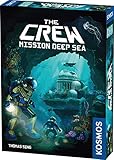
Overview: This Kennerspiel des Jahres-winning sequel (The Crew: Mission Deep Sea) reinvents trick-taking for 2-5 players (ages 10+). Teams complete 50 underwater missions by winning specific tricks with constrained communication, escalating from 32 difficulty levels in 20-minute sessions.
What Makes It Stand Out: Its genius lies in cooperative trick-taking—players must strategize silently using limited tokens, creating intense “aha!” moments. The mission-based campaign structure and underwater narrative deliver unmatched replayability, evolving far beyond traditional card games.
Value for Money: Exceptional longevity justifies the cost, with 50+ hours of content. It outvalues most card games through sheer mission variety and skill progression, though component simplicity may disappoint some.
Strengths and Weaknesses: Strengths: Revolutionary communication mechanics, brilliant difficulty curve, high replayability, and perfect pacing. Weaknesses: Minimal physical components, steep learning curve for trick-taking novices, and limited player count flexibility.
Bottom Line: A masterpiece of cooperative design that redefines card games. Mandatory for strategy fans—despite niche appeal, its ingenuity makes it a must-own for modern board game libraries.
Understanding Cooperative Game Fundamentals
Defining True Cooperation Versus Multiplayer Solitaire
True cooperative games require constant interaction and shared decision-making, where every player’s choices directly impact the group’s overall strategy and chance of success. This differs fundamentally from “multiplayer solitaire” experiences, where players operate largely independently on parallel paths with minimal meaningful interaction. In genuine cooperation, the game state is a shared resource, and victory or defeat hinges entirely on the collective effort, fostering a sense of shared responsibility and accountability among all participants.
The Critical Role of Shared Information and Communication
Effective communication is the lifeblood of successful cooperative play. Games designed for strategic depth often feature hidden information or asymmetric player roles, making the exchange of critical data essential. However, the most compelling designs impose thoughtful constraints on communication—perhaps through limited actions, specific phases, or thematic restrictions—to prevent analysis paralysis and encourage strategic discussion rather than one dominant player dictating moves. This balance ensures all participants remain actively engaged in the decision-making process.
Player Agency and Meaningful Contributions
A key frustration in poorly designed co-ops is the “quarterbacking” problem, where one player directs everyone else’s moves, reducing others to passive executors. High-quality strategic cooperative games mitigate this by ensuring each participant has distinct, impactful roles or abilities that demand their unique input. Every player should feel their decisions carry significant weight in the group’s strategy, preventing any individual from becoming superfluous and maintaining engagement throughout the session.
Essential Features for Strategic Team Players
Strategic Depth and Layered Decision-Making
Look for games offering multiple viable paths to victory and complex resource management systems. Strategic depth manifests in meaningful trade-offs: Do you allocate limited actions to immediate threats or long-term objectives? Do you conserve resources for a critical moment or spend them to gain a tactical advantage now? Games with layered decisions force teams to constantly reevaluate priorities, simulate potential outcomes, and adapt strategies based on evolving game states and group consensus.
Dynamic Difficulty and Adaptive Challenges
The best cooperative experiences avoid static difficulty curves. Instead, they incorporate systems that respond intelligently to player actions, creating a dynamic push-and-pull. This might involve escalation mechanics that intensify pressure as the game progresses, variable setup options that alter the initial challenge level, or modular components that change the nature of threats. This adaptability ensures the game remains engaging across multiple plays and scales effectively with group skill, preventing it from becoming either trivially easy or hopelessly frustrating.
Replayability Through Modular Design and Variability
High replay value is non-negotiable for strategic gamers. Seek titles utilizing modular boards, randomized scenario decks, variable player powers, or legacy-like progression systems that fundamentally alter the gameplay experience with each session. True strategic depth emerges when teams must develop flexible strategies capable of handling unexpected combinations of challenges, rather than memorizing a single optimal solution. This variability keeps the mental challenge fresh and encourages iterative strategic refinement over numerous plays.
Evaluating Game Complexity and Accessibility
Balancing Complexity with Approachability
While deep strategy is desirable, excessive complexity can hinder teamwork. The ideal game presents a manageable ruleset that facilitates, rather than obstructs, communication and collective planning. Look for intuitive core mechanics with strategic depth emerging from interactions between systems, not from convoluted individual rules. A good test: Can new players grasp the fundamental objectives and actions within the first 15 minutes, allowing the group to focus on strategy rather than rulebook consultation?
Session Length and Pacing Considerations
Strategic cooperative games often demand significant time investment, but duration must align with the depth offered. A three-hour game needs sustained strategic engagement throughout; avoid titles where the middle section becomes repetitive or filler. Effective pacing involves clear phases of escalating tension, meaningful mid-game milestones, and an endgame that feels like a natural, intense culmination of earlier decisions. Consider your group’s attention span and commitment level when evaluating potential time commitments.
Onboarding New Players Effectively
The best cooperative games facilitate smooth integration of newcomers without derailing the experience for veterans. This involves clear role differentiation, intuitive iconography, and tutorial-friendly mechanics that allow new players to contribute meaningfully even while learning. Games that rely heavily on obscure terminology or require deep meta-knowledge to play competently create barriers to entry and disrupt team cohesion. Prioritize designs where the learning curve enhances, rather than impedes, the collaborative process.
Design Elements That Enhance Team Strategy
Asymmetric Player Roles and Specialized Abilities
Thoughtfully designed asymmetry is a powerful tool for fostering teamwork. When players have unique capabilities or information sets, it necessitates communication and interdependence. The key is ensuring all roles feel equally vital and powerful at every stage of the game, avoiding situations where certain abilities become irrelevant or overpowered in specific scenarios. This design encourages players to advocate for their perspective and leverage their strengths within the collective strategy.
Time Pressure and Action Economy Mechanics
Strategic tension often arises from constrained resources, particularly time or actions. Games incorporating real-time elements (like sand timers) or strict action limits force teams to prioritize ruthlessly and make difficult trade-offs under pressure. This simulates high-stakes decision-making environments and prevents endless deliberation. However, the pressure should enhance strategy, not induce panic; well-designed time mechanics create urgency that sharpens focus rather than causing frustration.
Hidden Information and Deductive Reasoning Components
Incorporating elements of incomplete information—such as face-down threat cards, obscured objectives, or limited visibility—adds a compelling layer of deductive reasoning. Teams must pool observations, share hypotheses, and collectively interpret clues to form an accurate picture of the challenge. This transforms gameplay into a shared investigative process, strengthening communication skills and rewarding careful observation and logical inference as critical strategic tools.
Building Long-Term Engagement
Progressive Difficulty and Skill Development
The most enduring cooperative games offer a clear trajectory for skill development. Early sessions might focus on understanding core mechanics and surviving basic threats, while later plays reveal deeper strategic nuances, advanced synergies, and more complex challenge configurations. This progression mirrors team development, allowing groups to celebrate mastery of increasingly sophisticated tactics and fostering a sense of shared growth and accomplishment over multiple sessions.
Legacy Mechanics and Narrative Progression
For groups seeking long-term investment, legacy-style cooperative games provide evolving narratives and persistent changes based on session outcomes. These systems create powerful emotional connections as teams collectively shape the game’s story and world through their strategic choices. The evolving rule sets and解锁ed components continually refresh the strategic landscape, demanding adaptation and reinforcing the significance of past decisions in future play.
Community and Shared Knowledge Building
Vibrant cooperative games often cultivate active player communities where strategies are discussed, theories tested, and novel approaches shared. Consider whether a game has potential for this organic knowledge exchange. Titles with deep strategic puzzles naturally encourage post-game analysis and theorycrafting, extending the engagement beyond the physical play session and fostering a sense of belonging within a larger community of strategic thinkers.
Practical Considerations for Group Play
Group Size Dynamics and Table Presence
Cooperative games behave differently based on player count. Some excel with 2-3 players, fostering intense focus, while others truly shine with 4-5 participants, leveraging diverse perspectives. Consider your typical group size and how the game scales—does adding players dilute individual impact or create communication bottlenecks? Also, assess the physical footprint; a game requiring significant table space might hinder interaction in smaller settings, disrupting the collaborative atmosphere.
Component Quality and Table Readability
Durable components and clear visual design are crucial for smooth strategic play. Cards with easily distinguishable icons, boards with intuitive layouts, and tokens that remain visible prevent constant rulebook checks and misinterpretations. High-quality components withstand repeated plays and ensure that critical information is instantly accessible during tense decision-making moments, keeping the focus on strategy rather than component management.
Storage Solutions and Setup Time Efficiency
Frequent players quickly appreciate games with thoughtful storage integration and streamlined setup. Excessive setup time eats into valuable playtime and discourages impromptu sessions. Look for games with organized trays, clear setup diagrams, and minimal component sorting requirements. Efficient teardown is equally important; a game that takes 20 minutes to set up but only 10 minutes to pack away significantly enhances its usability for regular strategic team gatherings.
Frequently Asked Questions
What’s the main difference between cooperative and competitive board games for strategy lovers?
Cooperative games shift the strategic focus from outmaneuvering opponents to collectively solving complex puzzles presented by the game system itself, emphasizing communication, shared risk assessment, and unified decision-making over individual victory.
How do I prevent one person from dominating decision-making in a cooperative game?
Choose games with strong asymmetric roles or communication restrictions, establish group norms for discussion before playing, and actively encourage quieter players by asking for their input specifically during planning phases.
Are cooperative games suitable for serious strategy enthusiasts who usually play competitive games?
Absolutely. Many modern cooperative designs offer profound strategic depth, complex resource management, and adaptive challenges that rival competitive strategy games, often providing a uniquely satisfying intellectual challenge through collective problem-solving.
What makes a cooperative game have high replay value?
Key factors include modular boards, variable setup options, randomized scenario decks, legacy progression systems, and mechanics that create significantly different strategic landscapes with each playthrough, preventing memorization of optimal paths.
How important is theme in a strategic cooperative game?
While mechanics are paramount for strategy, a strong thematic integration enhances immersion and makes abstract decisions feel meaningful. The best games weave theme and mechanics together so that strategic choices directly reflect the narrative context, deepening engagement.
Can cooperative games effectively teach strategic thinking skills?
Yes, they excel at developing skills like risk assessment, resource allocation, long-term planning, adaptive thinking, and collaborative problem-solving in a low-stakes environment where failure becomes a shared learning opportunity.
What’s the biggest mistake new cooperative game groups make?
Allowing excessive analysis paralysis by debating every minor decision; set time limits for discussions, encourage proposing clear action plans, and remember that imperfect execution of a good strategy often beats perfect planning that never materializes.
How do I know if a game’s difficulty level is right for my group?
Look for adjustable difficulty settings, scalable threat levels, or variable setup options. Start at the lowest level to learn mechanics, then gradually increase complexity as your group’s strategic coordination improves, ensuring challenges remain engaging but not overwhelming.
Why do some cooperative games feel unsatisfying even when you win?
This often stems from lack of player agency, excessive luck dependence, or unclear cause-and-effect between decisions and outcomes. Seek games where victory feels directly attributable to the team’s strategic choices and coordinated execution.
What should I prioritize when choosing a cooperative game for a mixed-skill group?
Focus on accessibility of core mechanics, clear role differentiation that allows varying contribution levels, and a game state that remains comprehensible to all players. Avoid titles requiring deep meta-knowledge or where新手 players feel consistently irrelevant.
See Also
- 10 Essential Cooperative Strategy Games Every Board Game Group Needs in 2026
- How to Choose the 10 Best Strategy Cooperative Board Games for Game Nights in 2026
- The 10 Best Cooperative Board Games for Team Building in 2026
- 10 Best Value Cooperative Board Games for Team Building in 2026
- 10 Expert-Recommended Cooperative Board Games for Team Building in 2026