Table of Contents
Imagine gathering around a table where everyone shares the same goal, working together against the game itself rather than competing against each other. That’s the magic of cooperative board gaming—a space where communication, shared strategy, and collective problem-solving replace cutthroat rivalry. In a world often defined by individual achievement, these experiences offer a refreshing counterpoint, fostering genuine connection and teamwork. Whether you’re unwinding after a long week or seeking a meaningful activity for family game night, cooperative games transform playtime into a shared adventure where victory feels earned together.
There’s something uniquely rewarding about staring down a common challenge with your friends or family, pooling your wits to overcome obstacles the game throws your way. It’s not just about winning; it’s about the laughter during near-misses, the triumphant high-fives after a clever solution, and the stories you’ll recount long after the pieces are put away. Cooperative games excel at building empathy and communication skills, making them perfect for strengthening bonds or introducing newcomers to the hobby without the pressure of direct competition. Ready to discover what makes these collaborative experiences tick and how to find the perfect fit for your group? Let’s dive into the essentials.
Top 10 Cooperative Board Games
Detailed Product Reviews
1. Gamewright - Forbidden Island - Cooperative Strategy Survival Board Game, 2-4 Players
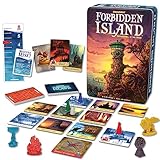
Overview: Forbidden Island, designed by Matt Leacock, is a foundational cooperative board game where players race against sinking terrain to recover four sacred treasures before the island vanishes. Aimed at ages 10+, it supports 2-4 players in intense, short sessions focused on teamwork and strategic planning under pressure. What Makes It Stand Out: Its pioneering cooperative design eliminates player competition, fostering genuine collaboration. The dynamic board, where tiles physically sink after actions, creates tangible tension. Rich thematic visuals immerse players in a perilous adventure, while adjustable difficulty ensures accessibility without sacrificing strategic depth for families or casual gamers. Value for Money: Priced accessibly for its quality components and replayability, it outshines many competitive games in its bracket. The focus on shared problem-solving offers exceptional educational value for developing critical thinking, making it a worthwhile investment for family game nights compared to purely luck-based alternatives. Strengths and Weaknesses: Strengths: Intuitive rules, strong replayability via variable setups, excellent teamwork focus, durable components. Weaknesses: Limited player count (max 4), simpler strategy may not satisfy hardcore gamers long-term, and the “sinking” mechanism can feel punishing with inexperienced groups. Bottom Line: Forbidden Island remains a must-have cooperative gateway game. Its blend of tension, teamwork, and approachability delivers outstanding value, earning its status as a modern classic for families and new strategy enthusiasts.
2. Flow: The Official Cooperative Board Game | Strategy Game for 1–4 Players Ages 8+ | Based on The Award-Winning Animated Film | Family & Solo Play | Survive The Flood, Rescue Allies
Overview: Flow translates the emotional depth of the acclaimed animated short into a real-time cooperative board game. Players navigate a modular, flooding world to rescue allies before rising waters trap them, supporting 1-6 players aged 8+. Its unique pressure mechanic drives urgent, collaborative decision-making. What Makes It Stand Out: The real-time “rising water” system, where players race against a physical water level marker, injects unparalleled urgency absent in most board games. Modular tiles create varied landscapes each play, while the direct tie-in to the film’s poignant narrative enhances thematic immersion beyond typical mechanics. Value for Money: Offering robust solo and group play in one box justifies its cost. The dynamic board and scenario cards provide significant replayability, outperforming static cooperative games at similar price points. It’s a compelling choice for fans seeking narrative depth combined with tangible tension. Strengths and Weaknesses: Strengths: Innovative real-time pressure, strong solo mode, high replayability via scenarios, emotionally resonant theme. Weaknesses: Real-time element may overwhelm younger players, setup can be fiddly with all components, and the flood mechanic occasionally feels too punishing. Bottom Line: Flow delivers a uniquely immersive, heart-pounding cooperative experience. Its thematic integration and real-time challenge make it a standout recommendation for families and solo players seeking emotionally engaging strategy with high replay value.
3. Pandasaurus Cooperative Strategy Card Game - Fun Interactive Family Game for Ages 8+, 1-5 Players, 20 Minute Playtime
Overview: “The Game” is a minimalist, award-winning cooperative card challenge where players work together to play sequential number cards from shared decks under strict communication limits. Designed for 1-5 players aged 8+, it turns simple mechanics into a deeply strategic, tension-filled race against limited moves. What Makes It Stand Out: Its deceptive simplicity—using only two decks of numbered cards—creates profound strategic depth. The enforced silence and strict rules on card plays (only ascending or descending sequences) foster intense non-verbal teamwork. Winning requires perfect coordination, making victories incredibly satisfying despite the minimalist design. Value for Money: Exceptional for its compact size and low component count. With over 1.3 million copies sold and a Spiel Des Jahres award, it offers immense replayability at a modest price, easily outperforming bulkier games that lack its pure strategic focus and portability. Strengths and Weaknesses: Strengths: Brilliantly simple yet challenging, highly portable, fast setup/play, exceptional replayability, award-winning design. Weaknesses: Communication restrictions can frustrate some groups, minimal theme, and luck of the draw occasionally dominates strategy. Bottom Line: “The Game” is a masterclass in elegant design. Its fierce challenge, portability, and pure cooperative puzzle make it an essential, high-value addition to any game collection, especially for fans of brain-teasing strategy.
4. Pressman The Oregon Trail Card Game - Cooperative Gameplay Based on The Classic Computer Game, Ages 12 and Up, 2-6 Players

Overview: This card game reimagines the iconic computer game’s perilous journey as a cooperative survival challenge. Players manage resources, avoid disasters like dysentery, and navigate river crossings to reach Oregon, blending dark humor with strategic deck-building for ages 12+. What Makes It Stand Out: It masterfully captures the original’s bleak charm through cheeky 8-bit art and self-aware humor, turning grim outcomes (like cholera) into lighthearted moments. The cooperative/resource-management blend, where players share limited cards to overcome shared threats, stays true to the source while feeling fresh. Value for Money: A nostalgic yet inventive adaptation at a budget-friendly price. It delivers more thematic depth and strategic interaction than many party games in its range, making it a strong value for fans of the franchise or casual cooperative play. Strengths and Weaknesses: Strengths: Strong nostalgic appeal, excellent humor, accessible rules, great for 2-6 players, fast-paced. Weaknesses: Luck-heavy in card draws, shallow strategy for hardcore gamers, limited replayability after mastering patterns. Bottom Line: A fun, faithful tribute that excels as a casual group game. While not deep strategically, its humor and nostalgia make it a worthwhile, affordable pick for fans and families seeking lighthearted cooperative fun.
5. Castle Panic 2nd Edition | Cooperative Board Game for Adults and Family | Ages 8+ | for 1 to 6 Players | Average Playtime 45 Minutes | Made by Fireside Games

Overview: Castle Panic challenges players to cooperatively defend a hexagonal castle from advancing fantasy monsters using card-based attacks. With 1-6 players working as a team, it combines accessible strategy with tangible 3D towers that can be rebuilt or destroyed during the 45-minute siege. What Makes It Stand Out: The 3D cardboard towers provide satisfying physical stakes, while the modular game modes (including competitive Overlord) dramatically extend replayability. The intuitive card-play system—where color-matching determines attack zones—makes it easy to learn but layered in tactics, perfect for mixed-age groups. Value for Money: Packed with high-quality components (tokens, towers, boards) and multiple play modes, it offers superior longevity per dollar compared to simpler cooperative games. The 1-6 player count ensures versatility for small families or larger gatherings without added cost. Strengths and Weaknesses: Strengths: Engaging 3D components, scalable difficulty, diverse game modes, quick to teach, excellent group dynamics. Weaknesses: Tower assembly required, boss monsters can feel unbalanced, and the board may become cluttered with 6 players. Bottom Line: Castle Panic 2nd Edition is a top-tier cooperative gateway game. Its blend of physicality, strategic depth, and replayability makes it a highly recommended investment for families and casual gamers seeking inclusive, thrilling teamwork.
6. The Lord of The Rings: Adventure to Mount Doom | Family Game | Cooperative Game | Strategy Game

Overview: This cooperative strategy game plunges players into J.R.R. Tolkien’s Middle-earth, where teams unite to guide Frodo toward Mount Doom. Designed for 1-4 players, it combines dice rolling and card draws to evade Ringwraiths and overcome perils, capturing the epic tension of the source material in a 50-minute session.
What Makes It Stand Out: Its authentic immersion in Tolkien’s lore is unparalleled, transforming iconic narrative moments into tangible gameplay. The cooperative mechanics force strategic planning under pressure, mirroring Frodo’s race against time, while adjustable difficulty caters to both families and hardcore fans.
Value for Money: Priced competitively against mid-tier board games, it offers substantial replayability through varied quest paths and threat levels. Though less component-rich than premium titles, its narrative depth justifies the cost for LOTR enthusiasts seeking collaborative storytelling.
Strengths and Weaknesses: Strengths: Deep thematic integration; intuitive rules for ages 10+; strong replay value via multiple outcomes. Weaknesses: Dice reliance can frustrate strategy-focused players; limited player agency in critical moments; art style may feel generic to some.
Bottom Line: A compelling entry for Tolkien fans craving cooperative adventure, though luck-dependent mechanics may deter hardcore strategists. Highly recommended for thematic immersion over crunch.
7. Peaceable Kingdom Race to the Treasure! Cooperative Path Building Game for 2 to 4 Kids Ages 5+

Overview: An award-winning cooperative game where children (ages 5+) collaborate to build a path to treasure before an Ogre claims it. With no reading required, it’s designed for 2-4 players to strategize collectively in under 20 minutes, fostering early social and critical-thinking skills.
What Makes It Stand Out: Its brilliance lies in simplicity—players place path tiles face-up, making decisions transparent and teaching cause-effect logic. The “everyone wins or loses together” ethos eliminates competition, while frustration-free packaging ensures hassle-free setup for young kids.
Value for Money: Exceptional for its price point, offering durable components and four prestigious awards (including Oppenheim Platinum). It outperforms similarly priced games by prioritizing developmental benefits over complexity, making it ideal for preschoolers.
Strengths and Weaknesses: Strengths: Perfectly paced for ages 5+; zero reading needed; builds teamwork and spatial reasoning; eco-friendly packaging. Weaknesses: Limited longevity for older kids; minimal strategic depth; path randomness may frustrate perfectionists.
Bottom Line: A must-have first cooperative game that nails educational play. Unbeatable for nurturing collaboration in young children—worth every penny for parents and educators.
8. Slay The Spire: The Board Game - Cooperative Fantasy Board Game

Overview: Adapted from the hit video game, this cooperative board game tasks 1-4 players with deckbuilding adventures in a fantasy realm. Featuring over 650 cards, miniatures, and dual boards, it challenges teams to strategize through encounters, relics, and boss battles in sessions lasting 60-90 minutes (ages 12+).
What Makes It Stand Out: Its staggering card variety enables near-infinite deck customization, while high-quality miniatures and boards elevate immersion. The seamless translation of digital mechanics—like energy management and relic synergies—into physical play is masterful, offering deep tactical layers.
Value for Money: Priced premium but justified by component volume and replayability. Though costlier than entry-level games, it rivals $100+ titles with its card count and production quality, especially for fans of the video game or deckbuilding genre.
Strengths and Weaknesses: Strengths: Unmatched deckbuilding depth; stunning components; smooth cooperative flow; scalable difficulty. Weaknesses: Steep learning curve despite “accessible” claims; setup/storage is cumbersome; card organization headaches.
Bottom Line: A triumph for deckbuilding devotees, though its complexity may overwhelm casual groups. Invest if you crave strategic richness; skip if seeking quick, light entertainment.
9. Happy Camper - The Four Doors | New Cooperative Game by Creator of Forbidden Island and Pandemic | Super Portable | Great for Solo Play, Two Players, and Groups
Overview: From Pandemic’s designer Matt Leacock, this ultra-portable game (ages 10+) challenges 1-5 players to collect sacred treasures behind four doors before shadows seal them. With a 30-minute runtime, it blends exploration, resource management, and urgent teamwork in a compact travel-friendly box.
What Makes It Stand Out: Leacock’s signature cooperative tension shines here, but portability is the game-changer—folding into a pocket-sized kit without sacrificing depth. Solo mode is exceptionally polished, and the “light tower” theme innovates on classic escape-room mechanics with elegant simplicity.
Value for Money: Slightly premium but reasonable for the replayability and pedigree. Outshines similarly sized travel games with its robust solo/co-op flexibility and Leacock’s refined design, making it ideal for on-the-go strategists.
Strengths and Weaknesses: Strengths: Best-in-class portability; flawless solo adaptation; intuitive yet strategic; quick setup. Weaknesses: Limited thematic immersion; treasure-collection mechanic feels abstract; minimal component variety.
Bottom Line: An essential travel game that proves depth needn’t require bulk. Perfect for couples, solo players, or families—Leacock’s genius makes every minute count.
10. The Night Cage by Smirk and Dagger | Cooperative Candlelit Horror Strategy Game | Tile Laying Labyrinth Escape Adventure for 1 to 5 Players Ages 14 Plus

Overview: A candlelit horror experience where 1-5 players navigate a shifting labyrinth by literal candlelight, racing to escape before Wax Eaters or collapsing walls trap them. This award-winning game (ages 14+) uses real-time darkness to create unparalleled tension in 60-90 minute sessions.
What Makes It Stand Out: The physical candle mechanic is revolutionary—light reveals tiles while extinguishing others, forcing dynamic path planning. Atmospheric storytelling through flickering shadows and thematic obstacles (e.g., noise-based monster movement) crafts visceral, shared dread unmatched in board gaming.
Value for Money: High price reflects innovative components (candle, specialized tiles) and award-winning design. Though costly, its unique horror immersion and adjustable difficulty modes offer exceptional longevity compared to static escape-room games.
Strengths and Weaknesses: Strengths: Unforgettable candlelit tension; deeply collaborative; award-winning theme integration; scalable replayability. Weaknesses: Fire hazard concerns; candle maintenance interrupts flow; complex rules for horror newbies.
Bottom Line: A groundbreaking horror masterpiece that justifies its price through sheer innovation. Mandatory for thrill-seekers—but keep a fire extinguisher handy.
Understanding Cooperative Game Dynamics
Defining True Collaboration Versus Semi-Cooperation
Not all games labeled “cooperative” are created equal. True cooperative games require players to work as a unified team against the game system itself, with no hidden roles or secret objectives undermining the shared goal. Beware of semi-cooperative titles, which often include a potential traitor mechanic or individual win conditions that can fracture the group dynamic. For pure teamwork, prioritize games where every player’s success or failure is completely intertwined, ensuring the focus stays on collective strategy rather than suspicion or backstabbing.
The Role of the Game as the Antagonist
The heart of a great cooperative experience lies in how the game system actively challenges the team. This “artificial opponent” should feel dynamic and responsive, not merely a static set of rules. Look for mechanisms where the game scales its difficulty based on player actions or introduces unpredictable events that force adaptation. A well-designed antagonist system creates tension and narrative momentum, making the group feel like they’re battling a living, breathing challenge rather than ticking off a checklist.
Communication Rules and Teamwork Mechanics
How a game structures communication profoundly impacts the experience. Some enforce strict “no-sharing” rules during specific phases to heighten tension, while others encourage open discussion throughout. Consider whether your group enjoys the puzzle-like deduction of limited communication or thrives on free-flowing strategy sessions. Additionally, examine how the game mechanics require teamwork—do players have unique, complementary abilities that necessitate coordination, or can one dominant player easily take control? Games that distribute meaningful decision-making among all participants foster deeper engagement.
Key Features to Evaluate Before You Buy
Player Count Sweet Spots and Flexibility
Cooperative games often have very specific player count ranges where they shine brightest. A game designed for 3-4 players might become chaotic with 6, while one built for larger groups could feel sparse with only two. Pay close attention to the manufacturer’s recommended range and seek out reviews mentioning how the game scales. Also, consider flexibility: does it offer official solo modes or variants for different group sizes? This adaptability ensures the game stays relevant as your regular playgroup fluctuates.
Session Length and Pacing Considerations
Time investment is crucial. Some cooperative experiences deliver intense, tightly-paced sessions under 60 minutes, perfect for casual nights. Others are epic, multi-hour sagas demanding deep commitment. Honestly assess your group’s typical attention spans and scheduling realities. Also, examine the game’s pacing—does tension build steadily, or are there lulls where players disengage? Games with clear phases, escalating threats, or timed rounds often maintain engagement better than those with repetitive, drawn-out turns.
Complexity and Learning Curve Realities
Don’t be fooled by simple box art. Cooperative games span a vast complexity spectrum, from intuitive gateway titles to intricate strategy beasts. Consider your group’s collective experience: are you mostly newcomers, seasoned gamers, or a mixed crowd? A game with a gentle learning curve and modular rules (starting simple, adding complexity later) is ideal for diverse groups. Crucially, evaluate how rules are taught—games with strong narrative integration or intuitive iconography often feel less daunting than those relying heavily on dense rulebooks, even at similar complexity levels.
Matching Games to Your Group’s Personality
Balancing Challenge Levels for Enjoyment
The ideal difficulty creates a “sweet spot” of tension—challenging enough to feel earned, but not so punishing it breeds frustration. Some groups relish near-impossible odds and frequent near-misses, while others prefer a higher baseline chance of success to focus on the narrative. Look for games offering adjustable difficulty sliders, optional rules for tuning challenge, or clear pathways to improve through repeated plays. Remember, consistent stomping defeats or trivial victories both undermine the cooperative spirit; the goal is a shared struggle that makes victory meaningful.
Theme Integration and Immersion Factors
A compelling theme isn’t just window dressing—it actively shapes the cooperative experience. Does the narrative make logical sense for the mechanics? (e.g., working together to defuse bombs in a time-sensitive crisis). Strong theme integration enhances immersion, making decisions feel weightier and failures more narratively justified. Consider whether your group prefers lighthearted, family-friendly adventures, gritty survival scenarios, or intricate puzzle-box narratives. The best thematic cohesion turns abstract mechanics into meaningful story moments your team will remember.
Replayability Through Variable Setups and Outcomes
Since you’re often playing against the system, repetition can become predictable. Seek games with high replayability drivers: modular boards that change the map, randomized event decks that alter challenges, or multiple win/loss conditions creating different endgame scenarios. Games featuring legacy elements (permanent changes over sessions) or scenario packs also extend longevity. Crucially, the core puzzle or challenge should feel different enough with each playthrough to avoid solving it once and mastering it forever, keeping the teamwork fresh.
Practical Considerations for Long-Term Play
Setup and Takedown Efficiency
Nothing kills the cooperative spirit faster than spending 20 minutes just getting the game ready. Evaluate the physical footprint and component organization. Does it use intuitive tray setups, clear labeling, or clever storage solutions? Games with quick setup often use minimal, well-sorted components or offer “return to box” guides. Similarly, consider takedown time—complex token placement or intricate board states can make packing away tedious. Streamlined logistics mean more time actually playing and bonding.
Component Quality and Table Presence
Durability matters when games see frequent use. Thick cardstock, sturdy miniatures, and清晰 (clear) iconography withstand repeated plays. Assess the visual clarity of the board and cards—can players easily see critical information from all angles? A game with strong “table presence” (visually engaging components that draw people in) enhances the experience, but shouldn’t sacrifice functionality for flash. Ensure player aids are readily available and legible, reducing rule lookups that disrupt collaborative flow.
Space Requirements and Storage Solutions
Be brutally honest about your play space. Some cooperative games sprawl across multiple large boards with dozens of tokens, demanding serious table real estate. Others are compact, fitting neatly on a coffee table. Consider not just play space but storage—will the game fit back in its box without component squishing? Some benefit from third-party organizers, but factor in that extra cost and space. If space is limited, prioritize games known for efficient component layout or compact designs that don’t sacrifice playability.
Navigating Common Cooperative Pitfalls
Avoiding Alpha Gaming Dominance
The “alpha gamer” problem—where one player dictates all moves—can destroy the collaborative intent. Look for games with mechanics that actively prevent this: simultaneous action selection, hidden information requiring input from all players, or roles with exclusive responsibilities. Games where discussion is necessary but no single player has complete oversight of the board state encourage balanced participation. During play, encourage quieter members by directly asking for their input on decisions within their role’s expertise.
Managing Player Downtime and Engagement
Long stretches between meaningful player actions lead to disengagement, especially in games with sequential turns. Prioritize titles with parallel play phases, constant player interaction, or mechanisms where everyone contributes to resolving each challenge. Games incorporating real-time elements (like sand timers) or cooperative action economies (where players pool resources/actions) often minimize downtime. The goal is ensuring every participant feels continuously involved in the collective effort, not just waiting for their “turn” to matter.
Handling Loss Constructively
Losing collectively can be frustrating. The best cooperative games make defeat feel like a setup for the next attempt—a narrative hurdle overcome through learning, not just random punishment. Look for games where losses provide clear insights (“Ah, we should have prioritized the infection deck sooner!”) rather than opaque, swingy outcomes. Post-game analysis should feel constructive: discuss what strategies worked, where communication broke down, and how to adapt next time. Framing losses as learning opportunities keeps the team spirit positive.
Building Your Cooperative Library Strategically
Starting with Gateway Titles for New Groups
Introducing cooperative play to novices requires accessible entry points. Prioritize games with simple core rules, strong visual guides, and forgiving learning curves. Look for titles that teach mechanics organically through the first scenario, often using a “learn as you play” structure. Gateway games should emphasize communication and light strategy over complex calculations, allowing new players to grasp the cooperative dynamic before tackling heavier challenges. A positive first experience is key to fostering long-term interest.
Progressing to Deeper Strategic Experiences
Once your group masters the basics, seek games offering richer strategic layers. These often feature interconnected systems, resource management depth, and meaningful long-term planning. Look for titles where player roles have significant impact, requiring thoughtful coordination beyond basic task completion. The progression should feel natural—building on communication skills while introducing elements like set collection, engine building, or spatial reasoning within the cooperative framework. Ensure the added complexity serves the teamwork, not just individual puzzle-solving.
Curating for Diverse Tastes and Occasions
A versatile cooperative library caters to different moods and group compositions. Balance intense strategy sessions with lighter, narrative-driven experiences. Include options for small intimate groups (2-3 players) and larger gatherings (5+). Have quick-play options for tired weeknights alongside epic campaigns for special occasions. Consider thematic variety too—mixing dungeon crawls, social deduction hybrids, and abstract puzzles keeps your rotation exciting. The goal is always having a suitable cooperative option ready, regardless of who shows up or what energy level the group brings.
Frequently Asked Questions
How many players do most cooperative games support?
Most cooperative games specify an ideal range, commonly 2-5 players, though some excel with larger groups up to 6-8. Always check the recommended count, as play experience can degrade significantly outside this range due to pacing or balance issues.
Can cooperative games be played solo?
Many modern cooperative titles include official solo variants designed specifically for one player, often adjusting mechanics to compensate for the lack of teammates. Always verify if a solo mode is officially supported rather than assuming standard rules will work.
What’s the difference between cooperative and team-based games?
True cooperative games have all players working as a single team against the game system. Team-based games split players into competing factions (e.g., 2v2), which introduces direct player conflict, unlike pure cooperative dynamics.
How do I prevent one person from controlling the game?
Choose games with mechanics that distribute decision-making (like unique role powers) or enforce limited communication. Encourage group discussion by asking quieter players for input and setting norms where major decisions require consensus.
Are cooperative games good for families with children?
Absolutely! Many cooperative games are designed specifically for family play, featuring accessible rules, engaging themes, and adjustable difficulty. They teach teamwork and communication without the frustration of direct competition among kids.
What makes a cooperative game replayable?
High replayability comes from variable setups (modular boards, shuffled decks), multiple scenarios or difficulty levels, legacy elements that change over time, and emergent gameplay where player choices create unique outcomes each session.
How long should a typical cooperative game session last?
Sessions range widely: gateway games often run 30-60 minutes, medium complexity games 60-90 minutes, and heavy strategic or campaign games can take 90+ minutes. Always check playtime estimates and consider your group’s attention span.
Do cooperative games require a lot of table space?
Space needs vary significantly. Some compact games fit on a small table, while larger strategy games with many components may require a 3x3 foot surface or more. Component layout and board size are key factors to consider.
Are cooperative games more expensive than competitive ones?
Price correlates more with component quality and complexity than cooperation style. However, some cooperative games include extensive content (like multiple scenarios) that can offer better long-term value per session.
How do I know if a cooperative game matches my group’s skill level?
Review complexity ratings (like those on hobby databases), watch learn-to-play videos, and read about the learning curve. Gateway games often have intuitive rules taught during play, while heavier games may require significant upfront rule study.
See Also
- 10 Best Budget Cooperative Board Games Under $30 for New Players in 2026
- We Tested 50 Cooperative Board Games - Here are the 10 Best for Team Building
- 10 Best Cooperative Board Games for New Players in 2026
- Stop Boring Game Nights with the 10 Best Horror Cooperative Board Games This Year
- 10 Best Cooperative Board Games for Team Strategy Lovers in 2026