Table of Contents
Imagine gathering around a table where the goal isn’t to crush your opponents, but to lift each other up. In our increasingly digital and often isolating world, the simple act of shared problem-solving face-to-face has become a powerful antidote. Cooperative board games offer this unique magic: they transform the gaming table into a collaborative workshop where communication, trust, and collective strategy reign supreme. Forget the cutthroat competition; 2026 is seeing a surge in games designed to build bridges, not burn them, making every victory a shared triumph celebrated by the whole group.
This shift towards meaningful connection through play isn’t just a trend; it’s a response to our deep-seated need for genuine interaction. Cooperative games foster empathy as players navigate challenges together, learning to read cues, articulate ideas clearly, and support teammates under pressure. They’re perfect for families strengthening bonds, friends deepening connections, or even workplaces building team cohesion. Choosing the right game, however, is crucial – the wrong mechanics or difficulty level can turn collaboration into frustration. That’s why understanding the core elements that make cooperative play truly shine is the first step to unlocking unforgettable, unifying game nights where everyone wins, or learns, together.
Top 10 Cooperative Board Games
Detailed Product Reviews
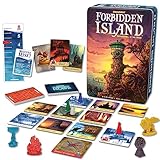
1. Gamewright - Forbidden Island - Cooperative Strategy Survival Board Game, 2-4 Players
Overview:
Forbidden Island, designed by Matt Leacock, immerses 2-4 players (ages 10+) in a race against time to retrieve four sacred treasures from a sinking island before it vanishes beneath the waves.
What Makes It Stand Out:
Its brilliant cooperative mechanics force genuine teamwork—players must strategize card usage, share limited actions, and dynamically adapt as the island tiles sink. Stunning artwork and intuitive rules create immediate engagement, while the escalating tension of the flooding board delivers consistent, heart-pounding fun without player elimination.
Value for Money:
Priced accessibly, it offers exceptional replayability through variable island layouts and adjustable difficulty. It outperforms many competitive family games by fostering collaboration, making it a smarter investment than disposable party games or similarly priced titles lacking its strategic depth.
Strengths and Weaknesses:
Strengths: Effortless setup/learning; promotes critical thinking; high-quality components; perfect for family bonding. Weaknesses: Simplicity may underwhelm veteran strategy gamers; limited player count caps social scalability; treasure locations lack thematic narrative depth.
Bottom Line:
An essential, brilliantly executed gateway to cooperative gaming. Its blend of tension, teamwork, and elegance makes it a must-own for families and casual gamers seeking meaningful shared experiences.
2. Flow: The Official Cooperative Board Game | Strategy Game for 1–4 Players Ages 8+ | Based on The Award-Winning Animated Film | Family & Solo Play | Survive The Flood, Rescue Allies
Overview:
Flow translates the emotional journey of the acclaimed animated short into a real-time cooperative board game where 1-6 players (ages 8+) navigate a modular, flooding landscape to rescue animal allies before rising waters overwhelm them.
What Makes It Stand Out:
The ingenious rising water mechanic creates urgent, pulse-pounding decisions as the board physically transforms each turn. Its seamless solo playability, emotional storytelling, and modular tile system ensure no two games feel alike, while the film’s artistic aesthetic elevates the visual experience beyond typical family games.
Value for Money:
Competitively priced, Flow delivers remarkable versatility—equally compelling solo or with six players. It surpasses niche solo games by offering robust multiplayer depth, and its replayability (via 11 scenarios) justifies the cost better than static narrative games with limited paths.
Strengths and Weaknesses:
Strengths: Exceptional real-time tension; beautiful thematic integration; highly adaptable player count; endless scenario-driven replayability. Weaknesses: Real-time pressure may frustrate casual players; setup complexity slightly higher than entry-level games; art style, while lovely, isn’t universally appealing.
Bottom Line:
A masterclass in translating film to gameplay. Flow’s emotional resonance, dynamic mechanics, and solo/multiplayer flexibility make it a standout cooperative experience worthy of any modern board game collection.
3. Pandasaurus Cooperative Strategy Card Game - Fun Interactive Family Game for Ages 8+, 1-5 Players, 20 Minute Playtime
Overview:
“The Game” challenges 1-5 players (ages 8+) to cooperatively play descending and ascending number sequences from two shared decks—a deceptively simple premise that evolves into a profound test of non-verbal communication and strategic sacrifice within 20 minutes.
What Makes It Stand Out:
Its minimalist design—just cards and rules—belies extraordinary depth. Players must silently coordinate plays while managing limited information, creating intense, laughter-filled moments of triumph and despair. Global acclaim (1.3M+ copies sold) and the Spiel Des Jahres award highlight its unique, universally accessible challenge.
Value for Money:
An outstanding bargain given its compact size, award-winning design, and near-infinite replayability. It outperforms pricier games with complex components by delivering pure, replayable gameplay. The lack of theme-focused expansions also means no hidden costs—everything needed is in the box.
Strengths and Weaknesses:
Strengths: Incredibly portable; profound depth from simple rules; brilliantly fosters non-verbal teamwork; perfect for mixed-age groups; award-winning elegance. Weaknesses: Zero theme may alienate story-driven players; losses can feel punishing due to strict communication rules; lacks physical component satisfaction.
Bottom Line:
A modern classic that proves simplicity breeds genius. “The Game” is an essential, affordable addition for anyone seeking a brutally clever, endlessly replayable cooperative card challenge.
4. Pressman The Oregon Trail Card Game - Cooperative Gameplay Based on The Classic Computer Game, Ages 12 and Up, 2-6 Players

Overview:
This card game distills the iconic computer game’s perilous 19th-century pioneer journey into a 2-6 player (ages 12+) cooperative experience where your wagon train battles dysentery, broken axles, and river crossings to reach Oregon.
What Makes It Stand Out:
Its cheeky humor transforms grim historical hardships into darkly comedic moments—dying of dysentery has never been so entertaining. The retro 8-bit art style pays nostalgic homage, while simple card-driven mechanics (resource management, event resolution) perfectly capture the original game’s spirit in a streamlined, social format.
Value for Money:
A niche but brilliant adaptation at a modest price. It offers more thematic charm and humor than generic deck-builders, though replayability lags behind deeper strategy games. Ideal for Oregon Trail fans seeking a portable, party-friendly twist on nostalgia.
Strengths and Weaknesses:
Strengths: Hilarious theme execution; strong nostalgia factor; easy to learn; excellent for casual groups; compact and travel-friendly. Weaknesses: Limited strategic depth for hardcore gamers; replayability constrained by theme; humor may not resonate with all; minimal component quality.
Bottom Line:
A lovingly crafted, laugh-out-loud tribute that excels as a casual party game. Best for Oregon Trail devotees or groups wanting lighthearted, thematic cooperation—not for those seeking complex strategy.
5. Castle Panic 2nd Edition | Cooperative Board Game for Adults and Family | Ages 8+ | for 1 to 6 Players | Average Playtime 45 Minutes | Made by Fireside Games

Overview:
Castle Panic 2nd Edition tasks 1-6 players (ages 8+) with defending Castle Bravehold from hordes of advancing monsters across six color-coded paths, using card-based attacks and strategic tower placements in 45-minute sessions of frantic teamwork.
What Makes It Stand Out:
The vivid 3D cardboard towers (which crumble when destroyed) and vibrant monster tokens create immersive, tactile drama. Four distinct game modes—including competitive “Master Slayer”—cater to diverse groups, while boss monsters and event cards inject relentless tension, ensuring every siege feels urgent and unique.
Value for Money:
Priced fairly for its high-quality components and versatility. It surpasses many cooperative games by accommodating up to six players without bloat, and the multiple modes extend longevity far beyond single-mission titles, offering better group value than most family strategy games.
Strengths and Weaknesses:
Strengths: Stunning visual component quality; highly accessible rules; exceptional player-count flexibility; engaging tower-defense mechanics; multiple replay modes. Weaknesses: Can feel chaotic with max players; limited strategic depth for veterans; monster AI occasionally predictable.
Bottom Line:
A near-perfect blend of accessibility, visual appeal, and cooperative tension. Castle Panic 2nd Edition is a top-tier choice for families and casual gamers seeking an exciting, inclusive tower-defense adventure.
6. The Lord of The Rings: Adventure to Mount Doom | Family Game | Cooperative Game | Strategy Game

Overview: This cooperative strategy game tasks 1-4 players with guiding Frodo across Middle-earth to destroy the One Ring within 50 minutes. Drawing on Tolkien’s iconic lore, it blends dice rolling and card draws to evade Ringwraiths and overcome obstacles in a race against time.
What Makes It Stand Out: Authentic Middle-earth immersion is its core strength, leveraging beloved characters and settings to create an engaging narrative-driven experience. The cooperative mechanic—where all players win or lose together—fosters teamwork, while variable objectives ensure replayability across solo or small-group sessions.
Value for Money: Priced competitively for licensed board games, it offers solid value with thematic components and a tight playtime. While niche compared to generic strategy games, Tolkien fans will find the premium justified by the rich storytelling and shared adventure.
Strengths and Weaknesses: Strengths: Strong thematic integration; accessible rules for families; effective cooperative tension. Weaknesses: Limited player count (max 4); strategy depth may feel shallow for hardcore gamers; dice reliance can lead to frustrating randomness.
Bottom Line: An excellent entry point into cooperative gaming for Tolkien enthusiasts and families seeking a thematic, shared quest. Its narrative charm outweighs minor mechanical limitations, making it a worthwhile addition for casual and intermediate players.
7. Peaceable Kingdom Race to the Treasure! Cooperative Path Building Game for 2 to 4 Kids Ages 5+

Overview: Designed for children aged 5+, this award-winning game challenges 2-4 players to collaboratively build a path from start to finish before the Ogre claims the treasure. With no reading required, it emphasizes teamwork over competition in a vibrant, frustration-free package.
What Makes It Stand Out: Its pure cooperative design—where all players win together—teaches early strategy and social skills like communication and shared decision-making. The award-winning simplicity (Oppenheim Platinum, PAL Seal) and eco-friendly packaging make it ideal for young children’s first board game experience.
Value for Money: Exceptional value under $25, offering durable components and educational benefits that surpass many entry-level children’s games. The replayability through variable path layouts and quick 15-20 minute sessions justify its price for parents seeking developmental play.
Strengths and Weaknesses: Strengths: Teaches cooperation without elimination; intuitive rules; promotes social development; inclusive for non-readers. Weaknesses: Limited strategic depth for older kids; small components pose a choking hazard for under-3s; artwork may feel simplistic to some.
Bottom Line: A near-perfect cooperative starter game for preschoolers, fostering essential social skills while delivering genuine fun. Its educational merit and ease of play make it a must-buy for families with young children.
8. Slay The Spire: The Board Game - Cooperative Fantasy Board Game

Overview: Adapting the acclaimed digital roguelike, this 1-4 player cooperative game drops teams into a fantasy realm where deckbuilding is key to surviving encounters. Players craft unique decks from over 650 cards to conquer challenges across 45-minute sessions, targeting ages 12+.
What Makes It Stand Out: The staggering card variety (112 small, 26 large) enables deep strategic customization, while high-quality miniatures and dual boards enhance immersion. Its seamless translation of the video game’s addictive “just one more run” loop into physical form sets it apart in the cooperative genre.
Value for Money: Justified at its $60-$70 price point given the component volume and replayability. Though pricier than entry-level games, the depth and production quality rival premium titles, offering long-term engagement for deckbuilding enthusiasts.
Strengths and Weaknesses: Strengths: Massive strategic depth; exceptional component quality; faithful adaptation; scales smoothly for solo to group play. Weaknesses: Steep learning curve for beginners; setup time can be lengthy; card organization requires diligence.
Bottom Line: A standout for deckbuilding fans seeking rich cooperation, though its complexity may overwhelm casual players. Highly recommended for strategic gamers willing to invest time in mastering its systems.
9. Happy Camper - The Four Doors | New Cooperative Game by Creator of Forbidden Island and Pandemic | Super Portable | Great for Solo Play, Two Players, and Groups
Overview: From Pandemic’s designer Matt Leacock, this 1-5 player game (ages 10+) challenges teams to retrieve four sacred treasures from a light tower within 30 minutes. Its super-portable design makes it ideal for travel, emphasizing cooperative puzzle-solving against encroaching shadows.
What Makes It Stand Out: Leacock’s pedigree ensures tight, intuitive mechanics where players balance exploration and resource management. The compact size—paired with a 30-minute runtime—creates a perfect “lunch break” or travel game, while the light-tower theme offers fresh spatial strategy.
Value for Money: Priced around $25, it delivers remarkable portability and designer credibility. Compared to similar Leacock titles, it offers comparable depth at a lower cost, making it accessible for newcomers to cooperative gaming without sacrificing quality.
Strengths and Weaknesses: Strengths: Extremely portable; quick setup/play; elegant Leacock-designed mechanics; scales perfectly from solo to 5 players. Weaknesses: Limited component variety; theme feels less immersive than Pandemic; minimal long-term replay hooks.
Bottom Line: An essential travel game for cooperative fans, especially those familiar with Leacock’s work. Its simplicity, portability, and reliable fun earn a strong recommendation for on-the-go gaming.
10. The Night Cage by Smirk and Dagger | Cooperative Candlelit Horror Strategy Game | Tile Laying Labyrinth Escape Adventure for 1 to 5 Players Ages 14 Plus

Overview: This award-winning horror game traps 1-5 players in a candlelit labyrinth where shifting tiles and encroaching darkness dictate survival. Using an actual candle to illuminate paths, teams must collect keys and escape before Wax Eaters or collapsing maze walls claim them in 60-90 minute sessions.
What Makes It Stand Out: The revolutionary candle mechanic creates unparalleled tension—light literally vanishes as wax burns, forcing urgent teamwork. Tile-laying unpredictability and adjustable difficulty (including advanced modes) offer evolving challenges, while award-winning atmosphere immerses players in palpable dread.
Value for Money: At $50-$60, it’s a premium investment justified by unique components (candle, specialized tiles) and exceptional replayability. Though costly, its innovative design and emotional intensity surpass generic horror games, especially for groups valuing thematic depth.
Strengths and Weaknesses: Strengths: Unmatched atmospheric tension; brilliant candle-driven mechanics; high replay value via difficulty modes; truly cooperative pressure. Weaknesses: Candle setup limits play locations; fire hazard concerns; niche appeal for non-horror fans.
Bottom Line: A groundbreaking, must-play for horror and strategy enthusiasts seeking visceral cooperative thrills. Despite niche constraints, its inventive execution earns a definitive recommendation for mature groups.
Understanding Cooperative Gameplay Mechanics
Defining True Cooperation vs. Solo-Light Experiences
True cooperative games eliminate the possibility of individual victory; success or failure is collective. Beware of “multiplayer solitaire” disguised as coop, where players operate in isolation with minimal meaningful interaction. The best designs force constant communication and interdependent decision-making, ensuring every player feels essential to the outcome, not just along for the ride. Look for mechanics where one player’s action directly enables or impacts another’s possibilities.
The Role of the Game System as the Antagonist
In effective cooperative design, the game system itself – its rules, timers, event decks, or modular boards – acts as the intelligent opponent. This “enemy” shouldn’t be arbitrary luck; it needs predictable patterns or escalating challenges that players can strategize against. The system should provide tension and obstacles that feel fair and surmountable through teamwork, not insurmountable walls of randomness that breed helplessness.
Communication Constraints and Their Impact
Some of the most engaging cooperative experiences intentionally limit how players can share information. Games might restrict verbal communication, hide critical information from certain players, or impose time pressure on discussions. These constraints aren’t gimmicks; they simulate real-world collaboration challenges and force creative problem-solving and non-verbal cues, deepening the strategic and social experience when used thoughtfully.
Matching Games to Your Group Dynamics
Assessing Player Count Flexibility and Sweet Spots
Not all cooperative games scale equally well. A game perfect for 3 players might feel chaotic with 6, or sparse with 2. Pay close attention to the manufacturer’s suggested range and reviews discussing real-world scalability. Consider your typical group size: if you often have 4-5 people, prioritize games where that count is the “sweet spot” rather than the upper or lower limit, ensuring balanced engagement for everyone.
Navigating Complexity for Mixed Experience Levels
Introducing complex strategy to new players while keeping veterans engaged is a common hurdle. Seek games with adjustable difficulty levels or modular complexity. Some offer streamlined “introductory” scenarios that gradually introduce advanced rules, or allow experienced players to take on subtle handicaps. The key is finding a game where the learning curve feels manageable for newcomers without becoming tedious for experts during the crucial first plays.
Considering Time Commitment and Pacing
Be brutally honest about your group’s available time and attention spans. Cooperative games can range from 20-minute brain teasers to 3-hour epic campaigns. Consider the game’s pacing: does it maintain engagement throughout, or does it drag in the middle? Look for clear phases, escalating tension, or satisfying mini-milestones within longer games to prevent fatigue. A game perfectly matched to your typical session length is far more likely to get repeated plays.
Key Features That Elevate the Cooperative Experience
Meaningful Player Roles and Asymmetry
Generic roles where everyone does the same thing often lead to “quarterbacking” (one dominant player directing others). Truly engaging asymmetry gives each player unique abilities, resources, or objectives that are equally vital but require different strategic thinking. This ensures everyone has agency, reduces downtime, and makes communication about specific capabilities essential, fostering true interdependence rather than redundancy.
Replayability Through Variable Setup and Narrative
Avoid games that feel solved after one or two plays. High replayability often comes from modular boards, randomized event decks, multiple scenario paths, or legacy elements that change the game state permanently. Strong narrative hooks, even subtle ones, also enhance replayability – knowing the story or challenge can unfold differently each time encourages groups to return to see new outcomes shaped by their collective choices.
The Balance of Challenge: Avoiding the Sucker’s Bet
The “Sucker’s Bet” is a critical pitfall: a game that feels winnable early on but becomes mathematically impossible to win later, leaving players feeling their earlier efforts were pointless. Great cooperative design maintains a credible path to victory (or a meaningful near-win) almost until the very end, even in defeat. The challenge should feel dynamic and responsive to player actions, not predetermined by hidden setup flaws.
Design Elements for Inclusive and Engaging Play
Minimizing Player Elimination and Downtime
True cooperative spirit means no one should be sidelined. Games where players can be “eliminated” early often fracture the group dynamic, turning active participants into spectators. Similarly, excessive downtime between turns kills momentum. Prioritize designs where all players remain actively involved throughout the round, whether through simultaneous action selection, shared resource pools requiring constant input, or phases where everyone contributes even outside their strict turn.
Accessibility Through Clear Components and Rules
Frustration with fiddly components or opaque rules destroys the cooperative vibe. Look for intuitive iconography, high-quality, distinct components that are easy to manipulate, and rulebooks with excellent examples of play. Games with a clean, uncluttered board state and straightforward core mechanics allow the group to focus on collaboration and strategy, not deciphering how the game works. Accessibility features like colorblind modes or adjustable text size are increasingly important considerations.
Fostering Positive Social Interaction
The best cooperative games are designed to elicit laughter, groans of shared frustration (quickly turned into problem-solving), and moments of collective triumph. Mechanics that encourage storytelling, light role-playing, or creative interpretation of game events can deepen the social bond. Avoid designs that inherently breed blame or finger-pointing; the focus should always be on the team overcoming the system, not players faulting each other.
Practical Considerations for Long-Term Enjoyment
Storage and Component Management
Cooperative games often feature numerous cards, tokens, and miniatures. Consider how components are stored within the box. Are there adequate trays or bags? Will setup and teardown be a chore that discourages playing? Games with streamlined setup (like card-drafting instead of complex board assembly) or clever nested storage often see more frequent use, especially for groups who value convenience.
Expansion and Longevity Potential
Some cooperative systems are built with expansions in mind, offering new scenarios, characters, or mechanics that refresh the core experience. Research if a game has a healthy ecosystem of expansions that add meaningful content without becoming prohibitively expensive or complex. However, ensure the base game stands strongly on its own; don’t rely on future purchases to make it enjoyable.
Physical and Mental Space Requirements
Be realistic about where you play. Does the game sprawl across a huge table, making communication difficult? Does it require players to be seated in a specific way that hinders natural interaction? Consider the physical footprint and whether it suits your common play environment. Similarly, assess the cognitive load – some intense strategy coops demand high concentration, which might not suit a relaxed social evening with background chatter.
Evaluating Difficulty and Learning Curve
Deciphering “Weight” Ratings Beyond the Surface
Publisher “complexity” or “weight” ratings (like on major retail sites) are a starting point but can be misleading. A game rated “medium” might have simple rules but incredibly deep strategy, or vice-versa. Read detailed rule summaries focusing on the core decision loops and interaction points. Consider if the complexity lies in setup (often a barrier) or in the active gameplay decisions (which can be engaging).
First Play Experience: Setting Up for Success
The initial playthrough is critical for adoption. Games requiring lengthy setup or complex rule explanations before the first meaningful decision often lose new players. Prioritize games with strong “on-rails” introductory scenarios or excellent tutorial modes that gradually introduce mechanics through guided play. A smooth first experience builds confidence and excitement for deeper dives later.
Scaling Difficulty for Consistent Challenge
The ideal cooperative game grows with your group. Look for robust difficulty adjustments beyond just “add more enemies.” The best systems offer nuanced tweaks: modifying event decks, adjusting starting resources, changing win conditions slightly, or introducing advanced rules modules. This allows the game to remain challenging and engaging as your team’s skills improve, extending its lifespan significantly.
Frequently Asked Questions
Frequently Asked Questions
What exactly makes a board game “cooperative” versus just multiplayer? How can I prevent one person from dominating all the decisions (quarterbacking)? Are cooperative games suitable for young children, and how do I choose an appropriate one? What should I do if our group keeps losing to the game consistently? Can cooperative games work well with remote or hybrid (some players in-person, some online) setups? How important is theme versus mechanics in a cooperative game? What are common red flags that a cooperative game might not be well-designed? How do I introduce cooperative gaming to a group used to competitive games? Are there cooperative games that work well for large groups (6+ players)? How can I tell if a game’s difficulty is adjustable in meaningful ways?
See Also
- The 10 Ultimate Best Thematic Cooperative Board Games for Immersive Play in 2026
- 10 Best Cooperative Board Games for Team Strategy Lovers in 2026
- The 10 Best Cooperative Board Games for Team Building in 2026
- 10 Best Value Cooperative Board Games for Team Building in 2026
- How to Choose the 10 Best Cooperative Board Games for Party Play in 2026