Table of Contents
Ever tried explaining a complex idea to a group only to watch confusion ripple across the room? Or worse, witnessed a team project derail because critical information never made it from one person to another? In our hyper-connected yet often misaligned world, genuine team communication remains one of the toughest professional and personal skills to master. Board games, surprisingly, offer a uniquely powerful sandbox to practice this. They strip away real-world stakes while creating controlled environments where clear communication isn’t just helpful—it’s the absolute key to victory. Forget awkward icebreakers; these experiences reveal communication breakdowns instantly and reward collaborative clarity in tangible, engaging ways.
Why do traditional team-building exercises often fall flat? They can feel forced, artificial, or disconnected from actual workplace dynamics. Cooperative board games, however, immerse players in shared objectives with tangible consequences for poor communication. When the timer is ticking down on a simulated crisis or crucial information is fragmented among team members, the pressure to articulate clearly, listen actively, and synthesize ideas becomes immediate and visceral. It’s experiential learning at its finest—transforming abstract concepts like “active listening” or “concise briefing” into concrete actions that directly determine success or failure within the game’s narrative. This isn’t just play; it’s communication muscle-building disguised as fun.
Top 10 Cooperative Board Games
Detailed Product Reviews
1. Gamewright - Forbidden Island - Cooperative Strategy Survival Board Game, 2-4 Players
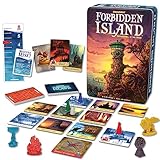
Overview: Forbidden Island is a critically acclaimed cooperative board game designed by Matt Leacock, where 2-4 players race against time to retrieve four sacred treasures from a sinking island before it vanishes. Aimed at ages 10+, it combines strategic planning with tangible tension as the island literally shrinks during play, demanding teamwork to succeed or fail together.
What Makes It Stand Out: Its innovative “sinking tile” mechanic creates dynamic, high-stakes gameplay where every move matters. Beautifully illustrated tiles and clear component design immerse players in a perilous paradise. Unlike competitive games, it fosters genuine collaboration, requiring constant communication and shared strategy to overcome the island’s escalating collapse, making it ideal for building problem-solving skills.
Value for Money: Priced affordably for its quality, it delivers exceptional replayability through variable island layouts and adjustable difficulty. Compared to similar strategy games, it offers more tangible interaction than story-driven coops and deeper mechanics than pure family games, justifying its cost as a cornerstone for game nights.
Strengths and Weaknesses:
Strengths: Intuitive rules, strong replay value, promotes teamwork, high-quality components, accessible yet strategically rich.
Weaknesses: Fixed island layout limits long-term novelty; advanced players may master it quickly; player elimination possible in early games.
Bottom Line: A near-perfect entry into cooperative strategy gaming—engaging, educational, and packed with tense moments. Highly recommended for families and new strategy gamers seeking collaborative fun.
2. Ravensburger Horrified Games - Greek Monsters - Strategy Board Game - Boost Critical Thinking & Teamwork - Cooperative Gameplay - Unique Monster Challenges - 1 to 5 Players - Adults & Kids 10+

Overview: Horrified: Greek Monsters pits 1-5 players against six iconic Greek mythological threats like Medusa and Cerberus in a cooperative strategy game. Set on the Isle of Elysium, players must use unique hero abilities to banish each monster through distinct, thematic victory conditions, all while navigating a shared board.
What Makes It Stand Out: Each monster introduces entirely unique mechanics—defeating Medusa requires avoiding her gaze, while Cerberus demands simultaneous confrontations. This ensures no two games feel alike. Stunning artwork and thematic components deepen immersion, transforming mythological challenges into tangible puzzles that evolve with every session.
Value for Money: With six diverse monsters and modular gameplay, it offers remarkable depth for its price. Though slightly pricier than simpler coops, the sheer variety of challenges and 60-minute play sessions provide outstanding longevity compared to single-mechanic alternatives.
Strengths and Weaknesses:
Strengths: Exceptional monster variety, strong thematic integration, scales well for solo to 5 players, beautiful components, replayable.
Weaknesses: Rulebook can be confusing initially; some monster mechanics feel unbalanced; high component count requires careful setup.
Bottom Line: A visually captivating and mechanically inventive coop game that masterfully blends mythology with strategy. Ideal for groups craving varied, thematic challenges and willing to navigate a steeper learning curve.
3. Flow: The Official Cooperative Board Game | Strategy Game for 1–4 Players Ages 8+ | Based on The Award-Winning Animated Film | Family & Solo Play | Survive The Flood, Rescue Allies
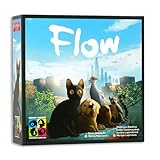
Overview: Flow translates the emotional depth of the acclaimed animated short into a real-time cooperative board game for 1–6 players. Players guide animal characters across a modular board while managing a rising flood, rescuing allies, and surviving environmental threats within a tight time limit.
What Makes It Stand Out: The real-time “rising water” mechanic creates urgent, heart-pounding decisions—players must physically move a water level marker while discussing strategy, eliminating downtime. The modular board and 11 scenario cards ensure each flood feels fresh, while the film’s poignant theme adds narrative weight uncommon in strategy games.
Value for Money: Its blend of solo and group play, high replayability, and emotional resonance justify the cost. It outperforms many pure strategy games by offering both accessibility for families and depth for enthusiasts, though component quality is modest compared to premium titles.
Strengths and Weaknesses:
Strengths: Innovative real-time pressure, strong replayability, emotional engagement, seamless solo/coop integration, easy setup.
Weaknesses: Time pressure may frustrate younger players; minimal theme integration beyond aesthetics; cardboard tokens feel flimsy.
Bottom Line: A tense, beautifully thematic experience that excels in cooperative urgency. Highly recommended for families and fans of the film seeking immersive, ever-changing challenges.
4. Pressman The Oregon Trail Card Game - Cooperative Gameplay Based on The Classic Computer Game, Ages 12 and Up, 2-6 Players

Overview: This card game reimagines the iconic computer game as a lighthearted cooperative deck-builder where 2-6 players guide a wagon train from Independence to Oregon. Managing resources, illnesses, and river crossings, players must work together to survive the trail’s perils without succumbing to dysentery—or each other’s poor decisions.
What Makes It Stand Out: Its cheeky humor and nostalgic 8-bit art transform grim historical challenges into laugh-out-loud moments (e.g., “You have died of dysentery. Again.”). The simple card-driven mechanics prioritize quick, social interaction over crunch, making historical hardship surprisingly fun and accessible.
Value for Money: An affordable, fast-paced option for casual gamers. While less strategically deep than heavier coops, its novelty and humor provide excellent value for game nights focused on laughs rather than complexity, especially for fans of the original software.
Strengths and Weaknesses:
Strengths: Hilarious theme execution, rapid gameplay (20-30 mins), strong nostalgia factor, easy to learn, great group laughter.
Weaknesses: Shallow strategy; luck-dependent outcomes; limited replayability; humor may wear thin after repeated plays.
Bottom Line: A perfect palate cleanser for game nights—silly, nostalgic, and effortlessly fun. Best for groups prioritizing humor over depth; skip if seeking serious strategy.
5. Pandasaurus Cooperative Strategy Card Game - Fun Interactive Family Game for Ages 8+, 1-5 Players, 20 Minute Playtime
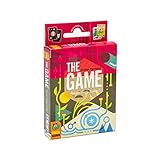
Overview: Simply titled The Game, this award-winning card game challenges 1-5 players to cooperatively play all cards from two shared decks in ascending and descending sequences. With strict communication limits, players must strategize silently to avoid ending the game prematurely—a blend of tension and teamwork in just 20 minutes.
What Makes It Stand Out: Its genius lies in minimalist rules with profound depth: players can only state a card’s value when playing it, forcing clever deduction and nonverbal synergy. Winning requires near-perfect coordination, creating “aha!” moments that cement its global appeal (1.3M+ copies sold).
Value for Money: Exceptional for its price—compact, durable cards deliver endless strategic variety through shifting deck combinations. It outperforms bulkier games by offering Spiel des Jahres-winning depth in a pocket-sized package, ideal for quick yet challenging sessions.
Strengths and Weaknesses:
Strengths: Brilliant communication constraints, highly replayable, portable, quick setup, fosters deep teamwork, award-winning design.
Weaknesses: Frustrating luck swings; steep learning curve for new players; limited physical components.
Bottom Line: A masterclass in cooperative design—simple to grasp but fiendishly challenging. Essential for strategy fans seeking intense, communication-focused fun in minimal time.
6. Spin Master Games, SolidRoots Escaping Extinction, Cooperative Strategy Board Game from The Makers of Mind The Gap, for Kids & Family, 1-4 Players, for Ages 12 & Up

Overview: SolidRoots Escaping Extinction casts players as clever dinosaurs racing to assemble a 3D rocket before a meteor strikes. This cooperative strategy game tasks families with exploring a dynamic, tile-based prehistoric world to find rocket pieces while navigating earthquake disruptions. Designed for 1-4 players aged 12+, it transforms family game night into a survival adventure. What Makes It Stand Out: The game excels with its ever-changing tile layout, ensuring no two playthroughs are identical. Earthquake cards dynamically alter the board mid-game, injecting thrilling unpredictability and demanding adaptive teamwork. The tangible 3D rocket assembly provides satisfying physical engagement beyond standard board mechanics. Value for Money: Priced competitively within the family strategy genre, its high replayability through variable setups and cooperative tension offers strong value. While component quality is solid, it lacks the premium feel of some higher-priced alternatives, though the unique theme and Spin Master’s reliability justify the cost for regular family gamers. Strengths and Weaknesses: Strengths include exceptional replayability, intuitive cooperative mechanics, engaging theme integration, and accessible rules for teens. Weaknesses involve slightly simplistic strategy for hardcore gamers and the 3D rocket assembly potentially frustrating younger players. The age recommendation (12+) feels accurate for optimal enjoyment. Bottom Line: A vibrant, replayable cooperative game perfect for families seeking fresh, thematic adventures. Its dynamic board and teamwork focus make it a standout for regular game nights, though veteran strategists may desire deeper mechanics. Highly recommended for its fun factor and re-play value.
7. The Lord of The Rings: Adventure to Mount Doom | Family Game | Cooperative Game | Strategy Game

Overview: Adventure to Mount Doom immerses players in Tolkien’s epic as they cooperatively guide Frodo toward Mount Doom to destroy the One Ring. Designed for 1-4 players, this strategy game uses dice rolls and card draws to navigate encounters, evade Ringwraiths, and save Middle-earth within a tight 50-minute playtime. What Makes It Stand Out: Its greatest strength is authentic Tolkien immersion, leveraging iconic lore to drive gameplay. The cooperative dice-and-card mechanism effectively translates the perilous journey into tangible tension, while solo compatibility broadens its appeal beyond group settings. The thematic narrative is woven seamlessly into objectives. Value for Money: Offering solid value for fans of the franchise, its component quality matches mid-range family games. While not as mechanically complex as premium strategy titles, the strong thematic execution and consistent playtime provide fair worth, especially compared to pricier LOTR board games with longer setup times. Strengths and Weaknesses: Strengths are strong thematic resonance, accessible rules, efficient playtime, and excellent solo mode. Weaknesses include limited strategic depth for experienced gamers, potential luck dependency from dice rolls, and minimal player interaction beyond shared objectives. Artwork, while functional, lacks standout detail. Bottom Line: An accessible, faithful adaptation ideal for Tolkien enthusiasts and casual families. It delivers a concise, cooperative adventure but may underwhelm strategy purists. Worthwhile for its niche appeal and smooth gameplay, though depth seekers should look elsewhere.
8. Castle Panic 2nd Edition | Cooperative Board Game for Adults and Family | Ages 8+ | for 1 to 6 Players | Average Playtime 45 Minutes | Made by Fireside Games

Overview: Castle Panic 2nd Edition challenges 1-6 players to collaboratively defend Castle Bravehold from relentless monster hordes. Using hand management and strategic card play, teams must coordinate tower defenses across a vibrant 3D board within a brisk 45-minute session, suitable for ages 8 and up. What Makes It Stand Out: Its inclusivity shines with support for up to six players and multiple game modes (co-op, solo, competitive Master Slayer, and Overlord). The 3D towers and thematic tokens create immediate visual appeal, while plague and boulder mechanics introduce dynamic, heart-pounding disruptions that demand constant adaptation. Value for Money: Exceptional value given its player count flexibility, robust component set, and four distinct modes enhancing longevity. Priced accessibly, it outperforms many competitors in replayability per dollar. The 2nd Edition refinements justify upgrades for veterans, while newcomers get a complete, polished experience. Strengths and Weaknesses: Strengths include seamless scalability (1-6 players), high replayability, intuitive rules, and engaging teamwork. Weaknesses involve potential analysis paralysis with larger groups and simpler strategy that may bore seasoned gamers. The competitive modes feel slightly tacked on compared to the core co-op. Bottom Line: A near-perfect gateway cooperative game for mixed-age groups, blending accessibility with tense strategy. Its versatility and component quality make it a must-have for family collections, though depth-focused players might crave more complexity. Highly recommended for its crowd-pleasing design.
9. Ravensburger Alien: Fate of The Nostromo Board Game for Ages 10 & Up – A Cooperative Strategy Game of Suspense
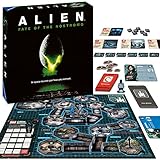
Overview: Recreating the iconic horror of Alien, this cooperative game has 1-4 players as Nostromo crew members navigating the ship’s claustrophobic corridors. Objectives involve gathering supplies, crafting items, and evading the lurking Xenomorph—all while managing morale—before completing one of five final missions to escape. What Makes It Stand Out: Exceptional thematic immersion through detailed miniatures, gorgeous artwork, and tense mechanics mirroring the film’s suspense. Variable objectives and the inclusion of Ash as a challenging expansion significantly boost replayability, while the self-destruct sequence adds nail-biting climaxes. Value for Money: Premium components (notably miniatures and art) justify its higher price point compared to standard family games. The depth of scenarios and high production quality offer strong value for horror fans, though casual players might find it steep versus lighter co-op titles with fewer parts. Strengths and Weaknesses: Strengths are stunning components, deep thematic integration, high replayability, and excellent solo suitability. Weaknesses include setup time, steep learning curve for new players, and potential imbalance with fewer participants. Morale mechanics can feel punishingly opaque initially. Bottom Line: A masterclass in licensed board games that delivers genuine suspense and stunning visuals. Ideal for Alien fans and co-op veterans, but its intensity and complexity may overwhelm younger or casual gamers. Worth the investment for atmosphere and craftsmanship.
10. Happy Camper - The Four Doors | New Cooperative Game by Creator of Forbidden Island and Pandemic | Super Portable | Great for Solo Play, Two Players, and Groups
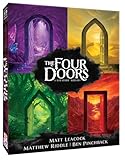
Overview: Created by Matt Leacock (Pandemic), Happy Camper: The Four Doors is a compact cooperative game where 1-5 players race to retrieve sacred treasures from a light tower before shadows seal the doors. Designed for ages 10+, it delivers strategic depth in just 30 minutes, emphasizing portability and accessibility. What Makes It Stand Out: Leacock’s signature co-op design shines through intuitive mechanics and elegant tension. Its super-portable size (perfect for travel) and seamless scaling from solo to 5 players are unmatched. The “shadow swarm” threat creates escalating urgency without overwhelming complexity, ideal for quick sessions. Value for Money: Excellent value given its portability, Leacock’s pedigree, and consistent replayability. While component simplicity (cardboard tokens) reflects its travel focus, the refined gameplay and low price point make it a steal compared to bulkier strategy games requiring similar time investment. Strengths and Weaknesses: Strengths include brilliant portability, accessible yet strategic gameplay, flawless solo/co-op balance, and quick setup. Weaknesses are minimalist components (no miniatures) and slightly repetitive scenarios after extended play. The theme, while pleasant, lacks deep narrative hooks. Bottom Line: An essential travel-friendly co-op game that proves depth doesn’t require bulk. Perfect for on-the-go strategists or families needing a quick, engaging challenge. Highly recommended for its clever design and unmatched convenience, despite minor thematic blandness.
Understanding Cooperative Game Dynamics for Communication Growth
The Core Principle: Shared Objectives Over Individual Glory
Unlike competitive games where players vie against each other, cooperative titles require everyone to work towards a single win condition. This fundamental shift eliminates “me versus you” dynamics, forcing the group to focus entirely on “us versus the challenge.” This shared purpose is the bedrock for developing communication skills, as players must constantly align their strategies and share insights without the distraction of personal victory points.
Why Communication Becomes Non-Negotiable
In well-designed cooperative games, the challenge is intentionally structured so that no single player possesses all the necessary information or capabilities. Critical data might be hidden, roles might grant unique but limited perspectives, or the problem might be too complex for one mind to solve alone. This deliberate design flaw requires players to communicate effectively—vagueness leads to failure, while precision and active listening pave the path to success.
Distinguishing Cooperative from Semi-Cooperative Experiences
True cooperative games lack hidden traitors or individual win conditions. Semi-cooperative variants introduce elements of betrayal or personal agendas, which can muddy the communication waters. For pure team communication building, focus on games where the only path to victory is collective action. This ensures all communication efforts are genuinely directed toward the shared goal, without suspicion or hidden motives complicating interactions.
Key Communication Mechanics to Look For
Asymmetric Information: The Power of Shared Discovery
Many effective communication-builders distribute information unevenly. One player might see card details others can’t, or hold unique role abilities that reveal specific aspects of the challenge. Success hinges on players accurately describing what they know and actively seeking the missing pieces from teammates. This mirrors real-world scenarios where specialists hold crucial data others lack, demanding clear knowledge transfer.
Time Pressure: Refining Clarity Under Stress
Introducing a timer or escalating threat level simulates real-world deadlines and urgency. Under pressure, communication often degrades—people ramble, omit key details, or misinterpret instructions. Games with time constraints train teams to prioritize essential information, speak concisely, and confirm understanding rapidly, building resilience for high-stakes workplace situations.
Limited Communication Channels: Mastering Constraints
Some games restrict how players can share information—perhaps through gestures only, limited keywords, or specific phases of play. These constraints force players to innovate, become more precise with their language, and actively listen for nuance. It highlights how communication barriers exist in real teams (jargon, remote work, hierarchy) and develops adaptability in overcoming them.
Consequence-Based Feedback: Learning from Breakdowns
The magic lies in immediate, visible feedback. If a team miscommunicates about a critical step, the game state visibly deteriorates—a threat advances, resources deplete, or a timer runs out. This creates a powerful, low-risk learning loop: attempt communication, observe the outcome, adjust the approach. It transforms abstract communication theory into concrete cause-and-effect lessons.
Evaluating Player Count and Group Dynamics
Optimal Group Sizes for Communication Depth
While many games support 2-5 players, the communication dynamics shift significantly with group size. Smaller groups (2-3 players) foster deep, direct dialogue but offer fewer perspectives. Larger groups (4-5+) better simulate real team meetings, requiring more structure to ensure everyone is heard and information flows efficiently. Consider your typical team size when choosing a game.
Managing Dominant and Passive Personalities
Cooperative games naturally reveal communication imbalances. Dominant speakers might inadvertently drown out quieter members, while passive players may disengage. Look for games with mechanics that encourage equal participation—like requiring specific roles to take actions or structured discussion phases. These features help build inclusive communication habits essential for healthy teams.
The Role of Facilitation in Larger Groups
With 4 or more players, an informal facilitator often emerges to guide discussion and decision-making. Games that subtly encourage this role (e.g., through a rotating leader mechanic or clear discussion phases) provide excellent practice for meeting management skills. Observing how natural facilitation develops within the game offers insights into improving real-world team coordination.
Balancing Challenge and Accessibility
Avoiding Frustration Through Appropriate Difficulty
A game too difficult leads to repeated failure and demoralization, killing engagement. One too easy removes the necessity for deep communication. Seek titles with adjustable difficulty levels or modular challenges. Starting at a manageable level allows teams to focus on how they communicate before ramping up complexity, building confidence alongside skills.
The Learning Curve: Onboarding New Players Smoothly
Games with intuitive core mechanics allow teams to dive into communication practice quickly, rather than getting bogged down in complex rules. Prioritize titles where the basic actions are easy to grasp, but strategic depth emerges through team interaction. Smooth onboarding ensures the focus stays on communication dynamics, not rulebook confusion.
Replayability Through Variable Setups
Look for games that change significantly with each play—different maps, shuffled objectives, or random events. This variability prevents players from relying on memorized solutions and forces fresh communication and problem-solving every session. It mimics real-world unpredictability, where teams must adapt communication strategies to novel challenges.
Thematic Immersion and Psychological Safety
How Narrative Enhances Engagement and Vulnerability
A compelling theme (saving a city, exploring a dungeon, managing a crisis) creates psychological investment. When players care about the outcome, they’re more willing to take communication risks—admitting confusion, proposing untested ideas, or challenging assumptions. The narrative provides context that makes communication feel purposeful, not abstract.
Creating Safe Spaces for Practice
The fictional setting provides crucial psychological safety. Failed communication leads to fictional consequences (a monster advances, not a project fails), reducing fear of embarrassment. This safety net encourages experimentation with new communication styles, active listening techniques, and constructive conflict resolution—behaviors harder to practice in high-stakes work environments.
Thematic Relevance to Real-World Contexts
While not essential, themes that loosely mirror workplace scenarios (logistics, emergency response, scientific collaboration) can make the transfer of communication skills to real jobs more intuitive. The parallels help players consciously reflect on how game strategies apply to their daily interactions.
Practical Considerations for Implementation
Session Length and Focus Maintenance
Respect attention spans. Games lasting 30-60 minutes are often ideal for communication practice, allowing time for focused play and a brief debrief without causing fatigue. Marathon sessions can lead to communication breakdowns simply from exhaustion, masking the skills you’re trying to develop.
Physical Setup and Accessibility Needs
Ensure the game components (boards, cards, tokens) are easy for all players to see and interact with, especially in diverse groups. Consider colorblind-friendly designs or components large enough for readability. Smooth physical interaction prevents unnecessary friction that distracts from communication practice.
The Critical Debrief: Translating Game Insights to Real Work
The real value emerges after the game ends. Dedicate 10-15 minutes to discuss: What communication strategies worked? Where did misunderstandings happen? How did the team adapt? Explicitly connecting in-game moments to workplace scenarios cements the learning and ensures skills transfer beyond the table.
Frequently Asked Questions
Frequently Asked Questions
What age group benefits most from these communication-focused games?
These games are effective for teens and adults, typically ages 14+. Younger players may grasp basic cooperation, but the nuanced communication strategies resonate most with mature audiences capable of reflection.
Can these games work effectively for remote or hybrid teams?
Yes, many modern cooperative games have official digital adaptations or are easily playable via video call using shared screen tools. The core communication dynamics translate well, though physical components may require creative sharing via camera.
How much time should we allocate for a session including setup and debrief?
Plan for 60-90 minutes total: 10-15 minutes for setup/rules, 30-60 minutes for gameplay, and 10-15 minutes for structured debriefing. This ensures depth without overwhelming schedules.
Is prior board game experience necessary for participants?
Not at all. Choose titles with simple core mechanics. The focus is on team interaction, not gaming expertise. Clear rule explanations at the start level the playing field for newcomers.
What if our team experiences repeated failure in the game?
This is valuable data! Analyze why communication broke down during debriefing. Consistent failure often highlights specific team weaknesses (e.g., not confirming understanding) to address in future sessions.
Can these games replace traditional communication training?
They’re powerful supplements, not replacements. Use them to practice and reinforce skills taught in workshops, providing experiential context that lectures alone cannot offer.
How do we handle competitive personalities in a cooperative setting?
Frame competition as “beating the game’s challenge,” not individual performance. Choose games with mechanics that reward helping others succeed, shifting focus to collective achievement.
Are there specific communication skills these games target most effectively?
They excel at practicing active listening, concise information sharing, conflict resolution within constraints, synthesizing multiple perspectives, and adapting communication styles under pressure.
How frequently should teams play to see real communication improvement?
Monthly sessions with focused debriefs yield better results than infrequent marathons. Consistency allows teams to build on previous insights and track progress in their communication patterns.
Can the lessons from these games translate to high-stakes workplace conflicts?
Absolutely. The controlled environment builds foundational skills and psychological safety. Teams learn to navigate disagreement constructively, making them better equipped to handle real tensions with established communication protocols.
See Also
- The 10 Best Cooperative Board Games for Team Building in 2026
- 10 Best Value Cooperative Board Games for Team Building in 2026
- 10 Expert-Recommended Cooperative Board Games for Team Building in 2026
- 10 Best Cooperative Board Games for Building Communication Skills in 2026
- The 10 Ultimate Best Cooperative Board Games for Team Building in 2026