Table of Contents
Imagine a room where laughter mingles with intense whispers, hands hover over shared maps, and a collective gasp erupts as the group narrowly avoids disaster. This isn’t a corporate retreat—it’s your living room or classroom, powered by cooperative board games. In a world increasingly demanding collaboration across borders and disciplines, the ability to work effectively as a team isn’t just nice to have; it’s essential. Board games offer a uniquely accessible, low-stakes arena to practice these critical skills. They transform abstract concepts like communication, trust, and strategic compromise into tangible, engaging challenges where success hinges entirely on the group’s ability to function as one unit.
Unlike competitive games that pit players against each other, cooperative titles dissolve the “me vs. you” barrier, replacing it with a unifying “us vs. the game” dynamic. This subtle but powerful shift creates a psychologically safe space for experimentation. There’s no fear of letting down an individual opponent—only the shared responsibility of overcoming a designed challenge. Whether you’re guiding students through complex problem-solving, strengthening family bonds, or building cohesion in a workplace team, these games provide immediate feedback on group dynamics. Every decision, every miscommunication, and every brilliant moment of synergy becomes a teachable moment, all wrapped in the irresistible package of play.
Top 10 Cooperative Board Games
Detailed Product Reviews
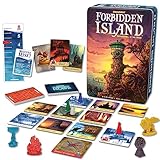
1. Gamewright - Forbidden Island - Cooperative Strategy Survival Board Game, 2-4 Players
Overview:
Forbidden Island, designed by Matt Leacock, is a foundational cooperative board game where players race against sinking tiles to retrieve four sacred treasures before the island vanishes. Aimed at ages 10+, it combines strategic planning with tangible tension as the board dynamically collapses during play.
What Makes It Stand Out:
Its innovative “rising water” mechanic—where cards progressively sink the island—creates relentless urgency. The game excels in promoting genuine teamwork; players share limited actions to move, shore up tiles, or collect treasures, making every decision impactful. Stunning thematic artwork and accessible rules further elevate the immersive pirate-adventure narrative.
Value for Money:
Priced moderately for a strategy-focused game, it offers exceptional replayability through variable difficulty levels and randomized island layouts. Compared to similar cooperative titles, its compact size, durability, and consistent engagement justify the cost, especially for families seeking meaningful interaction over passive entertainment.
Strengths and Weaknesses:
Strengths: Intuitive rules for beginners; fosters communication and adaptive problem-solving; high-quality components with vibrant art; scalable difficulty extends longevity.
Weaknesses: Limited player count (max 4); repeated plays may reveal predictable tile-sinking patterns; less thematic depth than narrative-driven successors like Pandemic.
Bottom Line:
A timeless, accessible entry into cooperative gaming that brilliantly balances challenge and fun. Ideal for families and new strategy gamers, it remains a must-own for its elegant design and replay value, despite minor limitations in player scalability.
2. Ravensburger Horrified Games - Greek Monsters - Strategy Board Game - Boost Critical Thinking & Teamwork - Cooperative Gameplay - Unique Monster Challenges - 1 to 5 Players - Adults & Kids 10+

Overview:
Horrified: Greek Monsters pits 1–5 players as heroes defending Elysium from six distinct mythical threats, including Medusa and Cerberus. This cooperative strategy game tasks teams with mastering unique monster weaknesses while navigating a shared board, blending Greek mythology with tactical puzzle-solving for ages 10+.
What Makes It Stand Out:
Each monster operates under entirely separate mechanics—Medusa requires avoiding eye contact, while Cerberus demands simultaneous multi-path navigation—ensuring no two games feel alike. The thematic integration is exceptional: artwork, tokens, and the “Labyrinth” board immerse players in a cohesive mythological crisis without horror elements overwhelming family appeal.
Value for Money:
With six monsters included, component density outshines competitors at its price point. The 60-minute sessions and high replayability (due to variable monster combinations) offer better longevity than single-mechanic games. It’s a premium investment for families prioritizing strategic depth over sheer luck.
Strengths and Weaknesses:
Strengths: Ingenious monster-specific challenges; visually rich and thematic; scales perfectly from solo to 5 players; rules are easy to grasp but layered in execution.
Weaknesses: Setup complexity increases with more monsters; some strategies feel overly prescriptive once mastered; limited player interaction beyond coordinated movement.
Bottom Line:
A standout cooperative experience that transforms mythological battles into engaging tactical puzzles. Highly recommended for families and strategy fans seeking variety and depth, though veterans may desire more emergent storytelling.
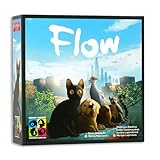
3. Flow: The Official Cooperative Board Game | Strategy Game for 1–4 Players Ages 8+ | Based on The Award-Winning Animated Film | Family & Solo Play | Survive The Flood, Rescue Allies
Overview:
Flow adapts the emotional animated short into a real-time cooperative strategy game where players guide tiny creatures through a flooding modular board. With rising water levels and rescue objectives, it captures the film’s serene-yet-urgent tone for 1–4 players aged 8+.
What Makes It Stand Out:
The real-time “rising water” mechanic—using a physical water-level tracker—creates palpable pressure, forcing quick, synchronized decisions. Modular board tiles and 11 scenarios ensure high replayability, while the film’s artistic aesthetic is beautifully translated into watercolor-style components that enhance immersion.
Value for Money:
Its niche theme and real-time innovation justify a mid-range price. Compared to similar cooperative games, the solo-play viability and scenario-driven variety provide superior longevity. Families gain significant value through emotional storytelling rarely seen in strategy-focused titles.
Strengths and Weaknesses:
Strengths: Unique real-time tension; seamless solo/co-op transition; stunning visual design; scenarios cater to all skill levels; deeply thematic rescue mechanics.
Weaknesses: Real-time element may frustrate casual players; limited strategic depth for hardcore gamers; component durability concerns with frequent water-level adjustments.
Bottom Line:
A poignant, visually arresting experience that masterfully merges narrative with mechanics. Perfect for families and film fans seeking heartfelt strategy, though purists may prefer more complex tactical layers.
4. Pressman The Oregon Trail Card Game - Cooperative Gameplay Based on The Classic Computer Game, Ages 12 and Up, 2-6 Players

Overview:
This card game reimagines the iconic computer game as a lighthearted cooperative survival challenge. Players manage resources, avoid dysentery, and navigate river crossings while striving to reach Oregon—all wrapped in nostalgic 8-bit aesthetics for ages 12+.
What Makes It Stand Out:
Its cheeky humor transforms grim historical hardships into laugh-out-loud moments (e.g., “You died of dysentery… again!”). The 8-bit art style pays witty homage to the original digital game, while simple card drafting and shared goal mechanics keep play accessible yet engaging for groups of 2–6.
Value for Money:
As a compact, low-cost card game, it delivers exceptional entertainment per dollar. The rapid 20–30 minute sessions and party-game versatility make it a steal compared to heavier strategy games, especially for fans of the franchise seeking casual fun.
Strengths and Weaknesses:
Strengths: Hilarious theme execution; quick to learn and play; accommodates large groups; strong nostalgia factor; minimal setup.
Weaknesses: Shallow strategy; high luck dependency; repetitive after multiple plays; limited appeal to non-franchise fans.
Bottom Line:
A joyful, accessible party game that nails nostalgic humor and group dynamics. Highly recommended for Oregon Trail devotees and casual gamers, but strategy enthusiasts should look elsewhere.
5. Pandasaurus Cooperative Strategy Card Game - Fun Interactive Family Game for Ages 8+, 1-5 Players, 20 Minute Playtime
Overview:
“The Game” is an award-winning cooperative card game where players collaboratively play descending and ascending number sequences from two central decks. With a 20-minute runtime and extreme simplicity, it challenges 1–5 players to communicate strategically under strict constraints.
What Makes It Stand Out:
Its genius lies in severe communication limits: players can only state card numbers, forcing creative non-verbal teamwork. Despite minimalist rules, the game generates intense “near-win” tension. Winning requires perfect synergy, making victories deeply satisfying—a rarity in such compact designs.
Value for Money:
Priced affordably, it offers disproportionate replayability through emergent strategies and variable difficulty (adjustable via card counts). With 1.3M+ copies sold and a Spiel Des Jahres nomination, it outperforms pricier games in pure engagement density, especially for frequent game nights.
Strengths and Weaknesses:
Strengths: Incredibly fast setup/play; profound depth from simple rules; exceptional replayability; scales flawlessly for 1–5 players; award-winning accessibility.
Weaknesses: Communication restrictions frustrate some; luck-heavy early-game draws; lacks thematic immersion; minimal component appeal.
Bottom Line:
A masterclass in elegant design that proves complexity isn’t necessary for compelling cooperation. Essential for families and casual groups seeking quick, brain-teasing fun, though theme-seekers may find it too abstract.
6. Spin Master Games, SolidRoots Escaping Extinction, Cooperative Strategy Board Game from The Makers of Mind The Gap, for Kids & Family, 1-4 Players, for Ages 12 & Up

Overview: SolidRoots Escaping Extinction is a cooperative board game where players become clever dinosaurs racing to build a 3D rocket and flee an incoming meteor. Designed for families and older kids, it emphasizes teamwork through tile-based exploration and dynamic challenges on a prehistoric island.
What Makes It Stand Out: The game’s standout features include a modular tile board ensuring unique layouts each playthrough, earthquake cards that dramatically shift pathways mid-game, and the tactile 3D rocket assembly. This blend of physical interaction and ever-changing strategy creates high replayability and immersive family engagement.
Value for Money: Priced competitively for its component quality and 45-minute play sessions, it offers excellent value. The reusable tiles and cooperative nature reduce frustration compared to competitive alternatives, making repeated plays feel fresh without needing expansions.
Strengths and Weaknesses: Strengths: Highly replayable due to modular board; engaging 3D element; fosters genuine teamwork; age-appropriate strategy for 12+. Weaknesses: Some younger players might find the strategy overwhelming; rocket assembly can feel fiddly; limited depth for hardcore strategy gamers.
Bottom Line: A vibrant, inventive family game that successfully merges tactile fun with strategic cooperation. Ideal for game nights seeking variety and teamwork, though best suited for players aged 12 and up due to moderate complexity. Highly recommended for collaborative play.
7. The Lord of The Rings: Adventure to Mount Doom | Family Game | Cooperative Game | Strategy Game

Overview: Adventure to Mount Doom immerses players in Tolkien’s Middle-earth as they cooperatively guide Frodo toward Mount Doom to destroy the One Ring. Designed for 1–4 players, this accessible strategy game distills the epic saga into a focused 50-minute quest filled with dice rolls and card draws.
What Makes It Stand Out: Its authentic Lord of the Rings atmosphere is the key draw, leveraging iconic lore to drive mechanics like evading Ringwraiths through card management. The solo-play compatibility and streamlined rules make it uniquely approachable while preserving thematic tension.
Value for Money: At its price point, it delivers solid value for Tolkien fans seeking a quick, thematic experience. While lighter than complex strategy games, its strong narrative integration and solo mode justify the cost for casual or IP-focused gamers.
Strengths and Weaknesses: Strengths: Captures LOTR’s essence effectively; simple rules ideal for new gamers; excellent solo play option; compact and easy setup. Weaknesses: Lacks deep strategic depth; high luck dependency with dice/cards; limited replayability after mastering patterns.
Bottom Line: A charming, entry-level cooperative game perfect for LOTR enthusiasts or families wanting a narrative-driven adventure. It excels as a gateway game but may disappoint those seeking intricate strategy. Worth buying for thematic immersion alone.
8. Castle Panic 2nd Edition | Cooperative Board Game for Adults and Family | Ages 8+ | for 1 to 6 Players | Average Playtime 45 Minutes | Made by Fireside Games

Overview: Castle Panic 2nd Edition challenges 1–6 players to cooperatively defend Castle Bravehold from encroaching monsters. Using card-based tactics, teams must strategically position archers, knights, and walls to protect towers before they crumble in this accessible 45-minute siege.
What Makes It Stand Out: Its standout versatility shines through four distinct modes (including competitive Master Slayer), 3D towers that physically collapse, and high player count flexibility. The constant threat of plagues and boss monsters ensures tense, dynamic teamwork every session.
Value for Money: Exceptional value given its robust components, 6-player capacity, and mode variety. It outperforms many similarly priced games in replayability and group inclusivity, making it a staple-worthy investment for family or social gaming.
Strengths and Weaknesses: Strengths: Scales perfectly for large groups; multiple play modes boost longevity; intuitive rules; dramatic 3D tower mechanics. Weaknesses: Artwork feels dated; luck-heavy with card draws; younger kids (8+) may need guidance with strategy.
Bottom Line: A near-perfect cooperative gateway game offering thrilling teamwork and high replayability. Its flexibility for groups of all sizes and skill levels makes it a must-own for family game shelves. Highly recommended despite minor thematic simplicity.
9. Happy Camper - The Four Doors | New Cooperative Game by Creator of Forbidden Island and Pandemic | Super Portable | Great for Solo Play, Two Players, and Groups
Overview: Happy Camper: The Four Doors, designed by Pandemic’s Matt Leacock, tasks 1–5 players with recovering sacred treasures from a light tower before sinister shadows seal them away. This compact cooperative game delivers strategic depth in just 30 minutes, emphasizing accessibility and portability.
What Makes It Stand Out: Its super-portable design (fits in a pocket) and expert-level cooperative mechanics from Leacock’s pedigree are unmatched. The elegant door-exploration system and variable shadow threats create intense, bite-sized strategy sessions ideal for travel or quick game nights.
Value for Money: Priced fairly for its innovation and portability, it outshines bulkier games by offering Pandemic-level design in a travel-friendly package. The solo and group versatility ensures constant use, maximizing cost-per-play value.
Strengths and Weaknesses: Strengths: Ultra-portable; brilliant solo/co-op balance; quick setup/playtime; Leacock’s refined mechanics. Weaknesses: Minimal component quality (cardboard tokens); limited thematic depth; treasures feel abstract.
Bottom Line: An essential travel game that proves depth doesn’t require bulk. Perfect for commuters or casual gamers seeking a polished, portable cooperative challenge. A top recommendation for its niche, despite modest physical presentation.
10. Ravensburger Alien: Fate of The Nostromo Board Game for Ages 10 & Up – A Cooperative Strategy Game of Suspense
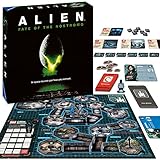
Overview: Alien: Fate of The Nostromo plunges 1–5 players into the iconic sci-fi horror film, where they must evade a hidden Alien while completing objectives aboard the Nostromo. This cooperative strategy game emphasizes tension, resource management, and cinematic storytelling for ages 10+.
What Makes It Stand Out: The game masterfully replicates the film’s dread through hidden movement, detailed miniatures, and modular objectives. The optional Ash traitor mechanic and five distinct final missions inject high replayability and narrative nuance rarely seen in thematic adaptations.
Value for Money: Premium-priced but justified by exceptional components (detailed miniatures, art-rich cards) and deep immersion. It surpasses cheaper alternatives in atmosphere, though casual gamers might prefer lighter options at this cost.
Strengths and Weaknesses: Strengths: Unparalleled Alien theme integration; high-quality miniatures; strong replayability via missions; effective tension mechanics. Weaknesses: Setup time lengthy for 50-minute play; complex rules for age 10+; Alien’s randomness can frustrate.
Bottom Line: A must-have for Alien fans seeking a faithful, suspenseful board game experience. While demanding setup and rules may deter beginners, its atmospheric execution delivers outstanding value for horror and strategy enthusiasts. Highly recommended for dedicated fans.
Understanding Cooperative Game Fundamentals
Defining True Cooperation vs. Semi-Cooperative Play
Not all games labeled “cooperative” deliver genuine teamwork experiences. True cooperative games feature a single, shared win/loss condition for all players. There are no hidden individual objectives, secret roles that create conflict (beyond necessary game mechanics), or backstabbing elements. Semi-cooperative games often include traitor mechanics or individual victory paths, which can undermine the core lesson of unified effort. For pure teamwork development, prioritize games where the group only wins or loses together, eliminating any incentive for self-serving actions.
The Critical Role of Shared Objectives
The heart of any effective teamwork-teaching game is a compelling, unifying goal that requires collective effort. This objective must be clear enough to focus the group but complex enough to demand diverse contributions. Look for scenarios where the goal evolves or presents multiple simultaneous threats, preventing any single player from dominating strategy. The objective should feel urgent and meaningful within the game’s narrative, motivating players to invest emotionally in the shared outcome and fostering genuine commitment to the team’s success.
Why Interdependence is Non-Negotiable
Games that teach real teamwork force players into interdependence. This means no single person possesses all the information, resources, or abilities needed to win. Mechanics should require players to rely on each other’s unique perspectives, skills, or in-game roles. If one player can effectively make all the decisions or “carry” the group, the game fails as a teamwork tool. True interdependence ensures every participant feels valued and necessary, mirroring real-world collaborative environments where diverse strengths are essential.
Key Teamwork Skills Developed Through Gameplay
Cultivating Active Listening and Clear Communication
Cooperative games are communication crucibles. Players must articulate thoughts concisely under pressure, actively listen to others’ ideas, and ask clarifying questions to avoid costly misunderstandings. Games requiring precise information sharing—like describing hidden elements or coordinating simultaneous actions—sharpen verbal precision. Observing how communication breaks down (e.g., assumptions leading to errors) provides immediate, concrete feedback, making abstract communication concepts tangible and improvable.
Navigating Conflict and Reaching Consensus
Disagreements on strategy are inevitable and valuable. Effective cooperative games present scenarios where multiple valid approaches exist, forcing the group to debate options, weigh pros and cons, and ultimately reach a unified decision. This process teaches negotiation, respectful disagreement, and the importance of buy-in. The game acts as a neutral third party; when a group’s chosen strategy fails, it’s the game’s fault, not an individual’s, allowing for constructive post-mortems without blame.
Building Trust Through Shared Vulnerability
True collaboration requires trust—trusting others to fulfill their roles, make sound decisions, and contribute fairly. Cooperative games create controlled vulnerability: players must rely on teammates to manage specific tasks or hold critical information. When the group succeeds because someone trusted a teammate’s judgment, or recovers from a mistake through collective effort, it reinforces the value of mutual reliance. This builds psychological safety, a cornerstone of high-performing real-world teams.
Practicing Strategic Planning and Adaptability
Successful groups anticipate challenges and adapt plans on the fly. Games with escalating difficulty or unpredictable elements (like random event decks) teach teams to develop flexible strategies, prioritize threats, and pivot when initial plans fail. Observing how the group allocates resources, sequences actions, and responds to setbacks reveals strengths and weaknesses in collective strategic thinking—lessons directly transferable to project management or crisis response.
Selecting the Right Game for Your Group
Matching Complexity to Skill Level and Age
Overwhelming complexity frustrates beginners, while oversimplified games bore experienced players. Consider cognitive load: younger groups or novices need clear rules, limited choices, and shorter playtimes (20-45 minutes). Advanced groups can handle intricate mechanics, deeper strategy, and longer sessions (60-90+ minutes). Crucially, the game’s cognitive demands should align with the teamwork focus—not so high that players fixate solely on individual puzzles, neglecting group coordination.
Group Size Dynamics and Inclusivity
Game mechanics must scale meaningfully with player count. A game for 2-4 players might fail with 5+ if roles become too diluted. Ensure every player has meaningful actions and feels engaged throughout, especially in larger groups. Avoid games where quieter participants can be easily sidelined; look for structures that mandate input from all (e.g., round-robin planning phases). Inclusivity also means considering physical accessibility (component size, dexterity requirements) and thematic sensitivity.
Time Investment and Session Structure
Realistic time commitment is crucial for adoption. Games exceeding 90 minutes often lose younger players or become impractical for classroom use. Consider setup/cleanup time too—simplicity encourages repeated play. For educational settings, games with natural “pause points” or modular scenarios allow integration into tight schedules. Shorter, replayable games often build skills more effectively than epic one-off sessions, as consistent practice reinforces behaviors.
Thematic Resonance and Engagement
Theme isn’t just flavor—it’s a powerful engagement tool. A theme relevant to your group (e.g., environmental conservation for science classes, historical problem-solving for history lessons) increases investment. However, avoid themes so complex they distract from mechanics, or so childish they alienate older players. The best themes create emotional stakes that naturally motivate collaboration, making the teamwork feel purposeful rather than forced.
Game Mechanics That Foster Collaboration
Asymmetric Roles with Complementary Strengths
Assigning distinct roles prevents “groupthink” and leverages diverse thinking. Effective roles have unique abilities essential to victory, requiring players to understand and advocate for their role’s value while respecting others’. Avoid roles that feel tokenistic or overly powerful; balance ensures no single player dominates. This mirrors real teams where specialized expertise must integrate seamlessly for collective success.
Limited Communication Constraints
Some games restrict how players share information (e.g., no showing cards, whispering only, using only specific terms). These constraints simulate real-world communication barriers (time pressure, jargon, remote work) and force teams to develop efficient, precise communication protocols. Overcoming these limitations builds active listening and the ability to convey complex ideas simply—critical professional skills.
Shared Resource Management Systems
Games where the group controls a single pool of resources (time, money, energy tokens) teach collective prioritization and sacrifice. Players must negotiate allocation, understand opportunity costs, and accept that individual desires may be sidelined for the greater good. This directly models budgeting, time management, and ethical decision-making in team projects where resources are finite.
Simultaneous Action Selection
Requiring all players to commit to actions secretly before revealing them together fosters trust and strategic alignment. It prevents one dominant player from dictating moves and encourages discussion about probable group actions (“What do you think others will do?”). This mechanic highlights the consequences of misaligned expectations and the value of implicit coordination.
Progressive Difficulty and Escalating Stakes
Games that start simply but intensify as play continues (e.g., adding more threats each round) teach teams to build foundational communication habits before tackling complex coordination. The rising pressure simulates real project timelines, revealing how stress impacts group dynamics. Successfully navigating this escalation builds confidence in the team’s evolving capabilities.
Avoiding Common Pitfalls
Steering Clear of Alpha Gamer Dominance
The “alpha gamer” syndrome—where one player takes over decision-making—undermines teamwork. Counter this with mechanics requiring hidden information each player must share, or formal discussion structures (e.g., timed turns to speak). Facilitators should gently intervene: “What does [quiet player] think?” Explicitly praising collaborative moments (“Great job incorporating Maria’s idea!”) reinforces desired behavior.
Preventing Analysis Paralysis
Overwhelming choices can stall gameplay. Choose games with clear action structures or time limits per turn. Teach groups to set internal deadlines (“We’ll decide in 2 minutes”) and practice “good enough” decisions under pressure. Frame analysis paralysis as a teamwork issue: “How can we streamline this discussion next time?”
Managing Frustration After Collective Failure
Losing together can build resilience—or fracture the group. Normalize failure as part of learning: “What did the game teach us this time?” Focus debriefs on process (“How did we communicate during the crisis?”) not just outcomes. Games with adjustable difficulty let groups calibrate challenge to avoid constant demoralizing losses.
Implementing Games Effectively in Different Settings
Classroom Integration Strategies
Align games with curriculum goals (e.g., a logic puzzle game for math reasoning). Use short post-game reflections: “How did we solve the toughest problem?” Assign rotating roles like “note-taker” to document group decisions. Start with very short, simple games to build norms before complex ones. Always prioritize the teamwork lesson over game mastery.
Workplace Team Building Applications
Move beyond forced fun by linking games to real projects. After playing, discuss parallels: “How was resource allocation here like our last client project?” Use debriefs to identify communication patterns to replicate or avoid. Choose professional themes (logistics, crisis management) and keep sessions focused—50 minutes max, with clear takeaways for daily work.
Family Game Night for Skill Building
Keep it light but intentional. Parents should model good teamwork: “I need your help deciding this—what’s your view?” Rotate who explains rules to practice leadership. After playing, casually connect to real life: “Remember how we all had to listen during that game? That’s like when we plan vacations.” Avoid over-coaching; let organic lessons emerge.
Frequently Asked Questions
Frequently Asked Questions
How young can children start benefiting from cooperative board games? Children as young as 4-5 can engage with very simple cooperative games featuring visual cues and short playtimes (10-15 minutes). Focus shifts from complex strategy to basic turn-taking, shared goal recognition, and verbal encouragement. Look for games with minimal reading and tactile components.
Can cooperative games work for large groups, like 8+ players? Yes, but game selection is critical. Prioritize titles specifically designed for 6-8 players with mechanics that prevent downtime (e.g., simultaneous actions, team subgroups). Avoid games requiring intense discussion per turn, as large groups struggle with this. Consider splitting into smaller teams competing to solve the same cooperative challenge.
What if someone refuses to participate fully or “plays dead”? Address this gently but directly: “Your role is essential—we need your input to have a chance!” If disengagement persists, shorten the session or switch to a faster-paced game. For recurring issues, have a private chat about group expectations. Sometimes assigning a specific, manageable task re-engages passive players.
How do I debrief after a game without making it feel like a lecture? Keep it conversational and brief (5 minutes max). Ask open questions: “What was the hardest part to coordinate?” or “When did you feel the team worked best?” Focus on observations (“I noticed we all spoke during the crisis”) not criticism. Let players share “aha” moments first.
Are there cooperative games suitable for remote or hybrid teams? Absolutely. Many digital adaptations of physical games work well (check official apps). For hybrid setups, use a central camera showing the board and digital tools for private info. Prioritize games with clear visual components and avoid those requiring physical dexterity. Test tech beforehand to minimize friction.
How long should a session last for optimal learning? For skill development, 30-60 minutes is ideal. This allows time for 1-2 full plays with a short debrief. Longer sessions risk fatigue diminishing collaboration quality. Consistency matters more than duration—playing a 20-minute game weekly builds habits better than a rare 2-hour marathon.
Can these games help with conflict resolution skills? Definitely. Games create safe spaces to practice navigating disagreements. When strategy debates arise, guide players to use “I” statements (“I think we should save resources for X because…”) and seek common ground. Post-game reflection on how conflicts were resolved reinforces constructive techniques.
What’s the biggest sign a game isn’t teaching teamwork effectively? If one player consistently makes all decisions while others watch, or if players routinely blame each other for losses (“You messed up!”), the game mechanics or facilitation aren’t fostering true collaboration. The focus should stay on the game as the opponent, not interpersonal fault-finding.
How do I choose between theme-heavy and abstract cooperative games? Prioritize theme if engagement is your main hurdle—stories motivate participation. Choose abstract games (using colors, shapes, symbols) if your goal is pure skill transfer without thematic distraction, or for groups with diverse cultural backgrounds where themes might not resonate. Both can be effective; match to your group’s preferences.
Is it okay to modify game rules to better suit our teamwork goals? Yes, thoughtful modifications can enhance learning. Simplify rules for beginners, adjust difficulty for frustration tolerance, or add communication constraints to target specific skills. Just ensure changes maintain the core “shared fate” mechanic. Document what you change and why to assess impact.
See Also
- How Two-Player Cooperative Board Games Redefine Teamwork at the Table in 2026
- 10 Best Cooperative Board Games for Building Teamwork Skills in 2026
- 10 Best Cooperative Board Games for Teaching Problem-Solving Skills in 2026
- 10 Best Cooperative Board Games for Kids That Encourage Teamwork in 2026
- The 10 Best Cooperative Board Games for Teamwork and Fun in 2026