Table of Contents
Imagine the warmth of family gathered around a table, laughter bubbling up as everyone works together toward a common goal. For many seniors, this isn’t just a nostalgic memory; it’s a vibrant, accessible reality waiting to be rediscovered through the world of cooperative board games. Unlike traditional competitive games that can sometimes spark frustration or feelings of isolation, cooperative play fosters connection, shared accomplishment, and genuine enjoyment. It transforms the gaming experience into a supportive journey where the group wins or learns together, eliminating the pressure of individual victory and creating a space where every participant, regardless of age or experience, feels truly valued and included in the adventure.
This shift towards collaborative play is particularly powerful for older adults. As we age, maintaining cognitive sharpness, social bonds, and emotional well-being becomes increasingly important, and cooperative board games offer a uniquely engaging way to address all three. They provide gentle mental stimulation through problem-solving and strategy, encourage meaningful conversation and teamwork, and create joyful moments of shared success that combat loneliness. Forget the misconception that board games are just for the young; the right cooperative experience can be a source of profound satisfaction, mental agility, and heartwarming connection for seasoned players, proving that fun, learning, and community have no age limit.
Top 10 Cooperative Board Games for Seniors
Detailed Product Reviews
1. Gamewright - Forbidden Island - Cooperative Strategy Survival Board Game, 2-4 Players
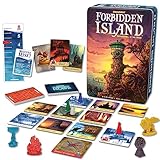
Overview:
Matt Leacock’s Forbidden Island delivers a tense cooperative adventure where players race to retrieve four sacred treasures from a sinking island before it vanishes. Designed for 2-4 players aged 10+, it emphasizes teamwork over competition, challenging groups to strategize under escalating pressure as the island tiles submerge.
What Makes It Stand Out:
Its brilliant cooperative mechanics force genuine collaboration—players share actions and discuss tactics constantly, avoiding “alpha gamer” pitfalls. The dynamic sinking-board mechanic, where tiles disappear mid-game, creates unpredictable tension. Vibrant artwork and intuitive rules make complex strategy accessible, turning each session into a shared narrative of near-disasters and narrow victories.
Value for Money:
Priced competitively against family board games, it offers exceptional replayability through variable island layouts and difficulty scaling. Unlike disposable party games, its durable components and deep strategy justify the cost, outperforming similar-priced competitive games by fostering meaningful interaction.
Strengths and Weaknesses:
Strengths: Masterful tension-building; teaches planning and communication; quick setup/teardown; highly replayable. Weaknesses: Luck-dependent tile draws can frustrate; limited player count flexibility; younger kids may struggle with strategic depth.
Bottom Line:
A cornerstone of modern cooperative gaming, Forbidden Island excels as a family-night essential that builds teamwork skills. Its perfect blend of challenge and accessibility earns a strong recommendation for households seeking collaborative fun.
2. A Gentle Rain – Calming Tile-Laying Puzzle Game – Mindful Solo, 2-Player, or Cooperative Play in 15 Minutes – Soft-Touch Tiles & Wooden Blossoms – Compact, Giftable, Family-Friendly Board Game
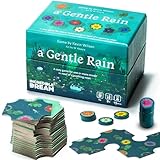
Overview:
A Gentle Rain redefines board gaming as a mindful, meditative experience. Players collaboratively place 28 soft-touch tiles to form a serene lake, guiding eight wooden blossoms to bloom. Designed for solo or duo play (ages 8+), it prioritizes tranquility over competition, completing in just 15 minutes with zero scoring.
What Makes It Stand Out:
It uniquely eliminates stress by removing points, timers, and conflict. The sensory-rich components—textured tiles, glossy blossoms, and soothing artwork—create a tactile escape. The “draw-and-place” rhythm induces flow state, making it ideal for unwinding after screen-heavy days or fostering quiet connection.
Value for Money:
While premium-priced for its scale, the investment is justified by heirloom-quality materials and therapeutic value. It outshines digital mindfulness apps by offering tangible, screen-free respite. As a compact, giftable item (e.g., for stressed professionals), its emotional ROI surpasses cheaper, less immersive alternatives.
Strengths and Weaknesses:
Strengths: Exceptional stress-relief tool; universally accessible rules; beautiful craftsmanship; travel-friendly. Weaknesses: Minimal strategic depth may disappoint hardcore gamers; limited replayability per session; niche appeal for competitive players.
Bottom Line:
A revelation for mindfulness seekers, A Gentle Rain succeeds as a pocket-sized sanctuary. Highly recommended for gifting or personal use when seeking calm—though best paired with traditional games for strategy enthusiasts.
3. Happy Camper - The Four Doors | Cooperative Game by Pandemic and Forbidden Island Creator | Perfect for Solo Play, Two Players, and Small Groups | Portable Adventure Game
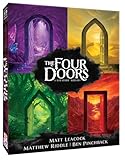
Overview:
From Pandemic’s Matt Leacock comes Happy Camper: The Four Doors, a portable cooperative adventure for 1-5 players (ages 10+). Teams explore a mystical tower to recover four treasures before shadows seal the doors, blending narrative urgency with accessible strategy in 30-minute sessions.
What Makes It Stand Out:
Leacock’s signature tension shines through its “rising threat” mechanic—expanding shadow tiles force dynamic adaptation. Its standout feature is seamless solo mode, rare for cooperative games, while compact size makes it ideal for travel. The whimsical art contrasts darker themes, creating approachable stakes.
Value for Money:
Priced mid-range, it delivers disproportionate value via solo capability and portability. Compared to Leacock’s heavier titles (e.g., Pandemic), it’s a streamlined entry point for newcomers. Frequent expansions aren’t needed, as scenario variations ensure lasting freshness.
Strengths and Weaknesses:
Strengths: Brilliant solo implementation; highly portable; intuitive rules; strong replayability. Weaknesses: Lighter strategy than Leacock’s classics; component quality slightly less robust; max player count feels tight with 5.
Bottom Line:
A near-perfect travel-friendly cooperative game, Happy Camper excels for on-the-go bonding or solo challenges. Fans of Forbidden Island will adore it, though veterans may crave deeper complexity.
4. TDC Games Senior Moments Memory Game for Adults

Overview:
Senior Moments humorously tests memory with zany lists (e.g., “lost keys” or “grandkids’ names”), targeting adults celebrating milestone birthdays. This lighthearted party game for 2+ players leans into aging stereotypes with cheeky charm, framing memory lapses as communal fun.
What Makes It Stand Out:
Its niche focus on senior humor—complete with props like “lost keys”—creates relatable comedy for 40+ audiences. Unlike generic memory games, it weaponizes generational in-jokes, making it a standout gag gift for birthdays or holidays where shared laughter trumps strategy.
Value for Money:
Budget-friendly pricing aligns with its simple design, but value hinges on audience fit. It’s a steal as a novelty gift (e.g., 60th birthdays) yet poor value for non-demographic players. Lacks depth compared to premium memory games, but excels as a low-stakes icebreaker.
Strengths and Weaknesses:
Strengths: Hilarious for target audience; effortless setup; sparks nostalgia; affordable. Weaknesses: Shallow gameplay; repetitive after few plays; humor may offend some; flimsy components.
Bottom Line:
A situational hit for gifting to seniors who appreciate self-deprecating humor, but avoid for serious gamers. Recommended solely as a birthday gag—otherwise, skip.
5. Flow: The Official Cooperative Board Game | Strategy Game for 1–4 Players Ages 8+ | Based on The Award-Winning Animated Film | Family & Solo Play | Survive The Flood, Rescue Allies
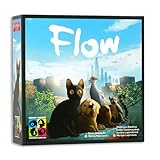
Overview:
Flow translates the acclaimed animated film into a real-time cooperative strategy game for 1–6 players (ages 8+). Teams navigate a modular, flooding board to rescue allies and survive rising waters, capturing the film’s emotional depth through urgent, collaborative play.
What Makes It Stand Out:
The ingenious “rising water” mechanic physically reshapes the board, demanding split-second teamwork. Real-time pressure—tracked by a sand timer—creates heart-pounding moments absent in turn-based games. Stunning art and scenario variety ensure each flood feels uniquely cinematic.
Value for Money:
Priced moderately, it offers immense scope: 11 scenarios, modular tiles, and solo compatibility justify cost. Surpasses similar-priced games (e.g., Forbidden Island) in emotional engagement, though component quality slightly lags behind premium titles.
Strengths and Weaknesses:
Strengths: Immersive real-time tension; beautiful thematic integration; high replayability; scales perfectly for 1-6 players. Weaknesses: Timer stress may overwhelm casual players; setup complexity for newbies; limited strategic depth at higher difficulties.
Bottom Line:
A triumphant adaptation that balances accessibility with thrilling urgency. Essential for film fans and cooperative gamers seeking emotional resonance—just ensure your group enjoys high-pressure play.
6. Asmodee Pandemic Board Game (Base Game) - A Cooperative Battle to Save Humanity, Strategy Game for Kids and Adults, Ages 8+, 2-4 Players, 45 Minute Playtime

Overview: Pandemic challenges players to collaborate as disease-fighting specialists racing to cure four deadly outbreaks before time runs out. This iconic cooperative strategy game requires joint decision-making, resource management, and adaptive planning across a global map, making victory or defeat a shared outcome. It’s accessible for families yet deep enough for hardcore strategists.
What Makes It Stand Out: Unlike competitive games, Pandemic’s pure cooperation eliminates player rivalry, fostering genuine teamwork. Unique character roles (like the Medic or Scientist) create strategic diversity, while escalating epidemic mechanics ensure high tension. Its 45-minute runtime and intuitive rules make complex strategy surprisingly approachable for ages 8+.
Value for Money: At $40, it delivers exceptional replayability through variable setups and difficulty scaling. Cheaper than most 60+ minute strategy games, it outperforms rivals like Forbidden Island in depth while avoiding the $70+ price tag of expansions. A cornerstone for any game library.
Strengths and Weaknesses: Strengths: Brilliant cooperative design; teaches critical thinking; high-quality components; inclusive win/lose dynamic. Weaknesses: Can feel chaotic with 2 players; “alpha player” syndrome may dominate inexperienced groups; limited solo potential without apps.
Bottom Line: An essential purchase for families and strategy enthusiasts. Pandemic masterfully balances accessibility with depth, turning teamwork into thrilling drama. Its enduring popularity is well-earned—ideal for game nights seeking meaningful connection over cutthroat competition.
7. Peaceable Kingdom Space Escape – Cooperative Strategy Space Adventure Game by The Inventor of Pandemic – Use Teamwork to Win! – Great for Families with Kids Ages 7 & up

Overview: Space Escape casts players as mole rats frantically gathering gear while evading space snakes in a cooperative race against time. Designed by Pandemic’s creator, this 15-minute game simplifies complex strategy for young children (ages 7+), emphasizing communication and shared problem-solving without reading demands.
What Makes It Stand Out: Its brilliant dual-action card system—where one move helps players and another advances snakes—creates constant negotiation. The whimsical mole rat/snake theme delights kids, while adjustable difficulty (via challenge rules) scales for older players. Pure cooperation eliminates frustration for early learners.
Value for Money: Priced at $22, it’s a steal for fostering emotional intelligence. Outshines pricier educational games by embedding teamwork organically, not as a lecture. Though shorter than Pandemic, its focus on foundational skills justifies the cost for classrooms or young families.
Strengths and Weaknesses: Strengths: Perfect intro to cooperation; minimal setup; strong educational value; snake movement teaches consequence anticipation. Weaknesses: Limited replay depth for adults; theme may feel juvenile to teens; token quality is functional but not premium.
Bottom Line: A must-have for parents or educators seeking to nurture empathy and strategy in children. Space Escape transforms abstract “teamwork” lessons into tangible, joyful play. While not for seasoned gamers, it’s a near-perfect stepping stone to complex co-ops like Pandemic.
8. ThinkPsych Golden Memories - Conversation & Memory Game for Seniors | 160 Topics | Reminiscence Therapy | Dementia Activities for Seniors & Alzheimer Support
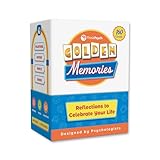
Overview: Golden Memories uses psychologist-designed cards to spark meaningful conversations through reminiscence therapy, targeting seniors with prompts like “first job” or “favorite holiday.” Created to combat isolation in dementia care, it gently guides storytelling to improve mood and cognitive engagement across settings from nursing homes to family reunions.
What Makes It Stand Out: Its evidence-based approach—developed with geriatric specialists—sets it apart from generic trivia games. Large-print, durable cards avoid overstimulation, while 160 thoughtfully curated prompts prioritize positivity (e.g., “a kindness you received”). The focus on emotional connection over recall accuracy reduces pressure.
Value for Money: At $25, it’s cheaper than therapy sessions yet clinically validated for therapeutic impact. Surpasses budget alternatives with professional design and versatility—usable for 1-on-1 care or groups of 20. A worthy investment versus disposable activity calendars.
Strengths and Weaknesses: Strengths: Scientifically grounded; builds intergenerational bonds; portable and intuitive; preserves personal histories. Weaknesses: Less engaging for advanced dementia stages; prompts may trigger sadness if misused; no digital companion for remote sharing.
Bottom Line: An indispensable tool for caregivers. Golden Memories transforms reminiscence into dignified, joyful interaction—proving profound impact doesn’t require complexity. Highly recommended for families navigating aging or memory care.
9. Peaceable Kingdom Ghost in The Attic - Cooperative Board Game for Family Game Night – Unique Glow-in-The-Dark Board Game - Great for Kids Ages 5 & Up

Overview: Ghost in the Attic tasks players with trapping a glowing specter in a haunted mansion before it escapes—using only camera flashes in near-darkness. This cooperative game for ages 5+ blends physical play (spinning to “dodge” the ghost) with strategic card management, creating immersive, low-stress fun for early gamers.
What Makes It Stand Out: The glow-in-the-dark board and light-up ghost mover deliver unmatched sensory engagement, turning dimmed rooms into thrilling theaters. Simple rules (move explorers, collect flash tokens) make it accessible to kindergarteners, while teamwork mechanics prevent competitive meltdowns common in kids’ games.
Value for Money: Priced at $25, it justifies cost through sheer novelty and durability. Unlike screen-based alternatives, it encourages physical interaction and imagination. Outperforms cheaper “haunted house” games with its clever darkness mechanic and emotional learning focus.
Strengths and Weaknesses: Strengths: Brilliant atmospheric design; builds spatial reasoning; zero reading required; fosters quiet cooperation. Weaknesses: Glow elements fade after 10 mins (needs recharging); limited strategy depth for ages 10+; spinner mechanism occasionally jams.
Bottom Line: A standout family game night pick for young children. Ghost in the Attic’s magical presentation and gentle teamwork make it worth every penny—ideal for bedtime play or developing emotional resilience through play.
10. ALLPLAY Sail Cooperative Strategy 2 Player Board Game for Adults and Family - Unique Trick Taking Card Game - Communication Limits and Challenging Scenarios in Small, Travel Size Box (5" x 5" x 2")

Overview: Sail reimagines trick-taking for two players as pirates navigating treacherous seas. Partners must silently strategize to “win” or “lose” tricks using unique abilities (e.g., redirecting kraken attacks), all within a compact travel box. This 20-minute game merges classic card mechanics with innovative cooperative tension.
What Makes It Stand Out: The strict “no communication” rule forces intuitive synergy, while pirate-themed powers (like swapping cards mid-trick) add fresh twists to traditional trick-taking. Its ultra-portable design—fitting in a pocket—makes it ideal for trips, yet it delivers depth rivaling larger games.
Value for Money: At $18, it’s a steal for quality two-player strategy. Cheaper than most dedicated duos games (e.g., The Mind), it offers higher replayability through scenario variations. The durable box and cards ensure longevity, outperforming pricier travel games with simpler mechanics.
Strengths and Weaknesses: Strengths: Brilliant silent-cooperation twist; exceptional portability; quick setup; elegant use of limited moves. Weaknesses: Steep learning curve for trick-taking novices; limited player count; scenario variety feels thin after extended play.
Bottom Line: A must-pack for couples or road trips seeking brain-teasing collaboration. Sail’s inventive constraints transform a familiar genre into something thrillingly fresh—proof that the best partnerships speak through actions, not words.
Understanding the Unique Appeal of Cooperative Play for Older Adults
Why Competition Can Sometimes Fall Short
Traditional competitive board games, while enjoyable for many, can inadvertently create barriers for some seniors. The pressure to win, the potential for perceived failure, or the frustration of losing repeatedly can lead to disengagement or reluctance to participate. For individuals managing cognitive changes, the fast pace or complex scoring of competitive games might feel overwhelming. Cooperative games remove this individual pressure cooker, replacing it with a shared objective. The focus shifts from “beating others” to “solving the puzzle together,” fostering patience, mutual support, and collective triumph, which often feels more rewarding and less stressful.
Building Cognitive Resilience Through Team Strategy
Engaging in cooperative gameplay provides a gentle yet effective workout for the brain. Players must communicate clearly, remember shared information, plan several steps ahead as a group, and adapt strategies when the game throws unexpected challenges. This collaborative problem-solving stimulates memory, enhances executive function (like planning and flexible thinking), and encourages logical reasoning – all crucial cognitive domains for healthy aging. The supportive group environment reduces anxiety, allowing players to tackle mental challenges with confidence, knowing teammates are there to offer reminders or alternative perspectives.
Nurturing Social Bonds and Combating Isolation
Loneliness is a significant concern for many seniors, and cooperative games are a powerful antidote. They require active communication, active listening, and shared decision-making, naturally fostering deeper social interaction than passive activities. Discussing strategies, celebrating small victories, and navigating setbacks together builds camaraderie and trust. This shared experience strengthens existing relationships within families or senior groups and can even be a wonderful icebreaker for forming new friendships in community centers or senior living facilities, creating a vital sense of belonging.
Essential Physical Considerations for Accessible Gameplay
Prioritizing Component Size and Tactility
Small, fiddly pieces can be incredibly frustrating for players with arthritis, reduced dexterity, or tremors. Look for games featuring larger, easier-to-grasp components like chunky wooden tokens, oversized cards, or thick, sturdy tiles. Textured elements or distinct shapes can also aid players with low vision or tactile sensitivity. The physical act of handling game pieces should feel comfortable and manageable, not a source of strain or anxiety, ensuring the focus stays on the fun and strategy.
Ensuring Clear, Readable Visual Design
Vision changes are common with age, making small fonts, low-contrast text, or intricate, busy artwork difficult to decipher. Prioritize games with large, bold fonts on cards and boards, high color contrast (like dark text on light backgrounds), and uncluttered graphic design. Icons should be intuitive and distinct. Consider if the game might benefit from simple, homemade modifications like applying matte laminate to reduce glare or using a magnifying sheet – though the ideal game minimizes the need for such adaptations right out of the box.
Minimizing Setup and Physical Demands
A game that takes ten minutes to set up intricate boards and sort dozens of tiny pieces can quickly dampen enthusiasm before play even begins. Opt for cooperative games known for quick, straightforward setup – ideally under five minutes. Games that require minimal physical manipulation during play (like avoiding excessive shuffling, precise stacking, or constant movement around a large table) are also preferable. The goal is to spend energy on the engaging gameplay, not on the physical logistics of preparing for it or managing components during play.
Cognitive and Emotional Factors for Enjoyable Sessions
Mastering Rule Simplicity and Gradual Complexity
While mental stimulation is desirable, overly complex rulebooks are a major barrier. The best cooperative games for seniors introduce mechanics gradually, often through a natural progression within the game itself or a well-structured “learning game” variant. Clear, concise rulebooks with excellent visual examples are essential. Start with games featuring one or two core mechanics that are easy to grasp (like matching symbols or simple movement), allowing players to build confidence before potentially exploring slightly deeper strategic layers. Avoid games reliant on obscure terminology or convoluted turn sequences.
Embracing Forgiving Mechanics and Low Stress
Games should feel challenging but not punishing. Look for cooperative experiences with built-in “forgiveness” – mechanisms that allow the group to recover from minor mistakes without immediate, catastrophic failure. Games that progress steadily, offering small wins along the way (like completing a section of a map or rescuing one character), maintain motivation better than those with a single, distant, high-stakes goal. The difficulty curve should be manageable, and the game should avoid creating intense time pressure or overwhelming information dumps that trigger anxiety.
Valuing Thematic Engagement and Positive Narratives
A compelling theme can significantly boost enjoyment and investment. Themes like restoring a garden, solving a gentle mystery, exploring ancient ruins, or caring for animals often resonate well, offering positive, uplifting narratives. Avoid themes centered on intense conflict, horror, or high-stakes survival that might cause discomfort. The story should provide context for the actions, making the problem-solving feel meaningful and enjoyable, adding an extra layer of immersion that keeps players engaged session after session.
Optimizing the Social Experience for Group Dynamics
Determining Ideal Player Count Flexibility
Consider the typical group size. Some cooperative games shine with 2 players, perfect for a quiet duo, while others truly come alive with 4-5 participants, ideal for family gatherings or senior center groups. Crucially, check how well the game scales – does it feel equally engaging and challenging whether played with 2 or 5 people? Games that offer adjustable difficulty settings based on player count are particularly valuable, ensuring the experience remains balanced and fun regardless of the group size.
Fostering Inclusive Communication and Equal Participation
The best cooperative games prevent “alpha gaming,” where one dominant player makes all the decisions. Mechanics that encourage discussion – like requiring group consensus on actions, having hidden information each player must share, or incorporating roles that give everyone a specific responsibility – ensure all voices are heard. The game should naturally facilitate conversation and make every participant feel their contribution is essential to the team’s success, preventing quieter individuals from being sidelined.
Managing Session Length for Comfort and Focus
Respect attention spans and physical comfort. Games with defined, manageable playtimes (ideally 30-60 minutes) are often ideal. Look for natural stopping points within the game structure. Marathon sessions can lead to fatigue, reducing enjoyment and cognitive engagement. Consider the energy level of the group; a brisk, satisfying game that ends while everyone is still having fun is far better than one that overstays its welcome and becomes tedious or physically uncomfortable.
Practical Tips for Introducing and Sustaining the Hobby
Starting Small: The Power of Short, Simple Sessions
Don’t overwhelm newcomers. Begin with a single, very simple cooperative game. Play just one short scenario or a truncated version of the first few rounds to demonstrate the core concept. Focus on the fun of collaboration rather than mastering all rules immediately. A positive first experience is crucial; it builds confidence and excitement for future sessions far more effectively than struggling through a complex game from the outset.
Creating the Right Environment for Success
Set the stage for enjoyment. Choose a comfortable, well-lit space with a table at a suitable height. Ensure seating is supportive. Minimize distractions like loud TV or phone notifications. Have reading glasses or magnifiers readily available if needed. Most importantly, cultivate a patient, encouraging atmosphere where asking questions, making mistakes, and taking time to think are completely normalized and welcomed. The social connection is the primary goal.
Leveraging Community Resources and Learning Aids
Many senior centers, libraries, and community groups now host board game nights or have game libraries. Tapping into these resources provides access to try different games before purchasing and connects players with others who share the interest. Online video tutorials (search for “how to play [game name] cooperative”) can be excellent visual learning tools, often clearer than reading dense rulebooks. Don’t hesitate to use reference cards or create simple cheat sheets for recurring actions.
Frequently Asked Questions
Frequently Asked Questions
What makes a cooperative board game better for seniors than competitive ones? Cooperative games eliminate the pressure of individual competition, fostering teamwork, shared accomplishment, and reduced frustration. They encourage supportive communication and collective problem-solving, which often feels more inclusive and less stressful, especially for those managing cognitive changes or simply preferring collaborative fun over head-to-head rivalry.
How can I find games suitable for players with mild memory challenges? Look for games with simple, repetitive core mechanics, clear visual cues, and minimal rules to remember during play. Games that use physical components to track progress (like moving tokens along a path) are helpful. Avoid games requiring players to hold multiple hidden pieces of information. Starting with very short play sessions and using reference aids can also support memory.
Are cooperative games actually good for brain health in older adults? Yes, engaging in cooperative gameplay provides valuable cognitive exercise. It stimulates memory (recalling rules, shared information), enhances executive function (planning group strategy, adapting to changes), and encourages logical reasoning and problem-solving, all within a low-stress, socially supportive environment that promotes overall mental well-being.
What should I do if someone in the group gets easily frustrated during gameplay? Focus on creating a relaxed atmosphere where mistakes are expected and part of learning. Choose games known for being forgiving with mechanics that allow recovery. Emphasize the fun of the shared experience over “winning.” If frustration arises, pause the game, take a break, and gently refocus on the collaborative aspect: “We’re all figuring this out together.” Adjust difficulty if the game allows.
How important is the game’s theme for senior enjoyment? Theme is very important as it provides context and emotional engagement. Uplifting, positive themes like gardening, exploration, gentle mysteries, or community building are often more appealing than dark or violent themes. A relatable or inspiring theme makes the problem-solving feel meaningful and increases investment in the shared goal.
Can cooperative games work well for just two players? Absolutely. Many excellent cooperative games are specifically designed or scale perfectly for two players. They offer a wonderful opportunity for quiet connection, deep conversation, and shared focus between partners, spouses, or close friends, providing a different but equally rewarding dynamic compared to larger groups.
What’s a reasonable budget for a good senior-friendly cooperative game? Quality cooperative games typically range from $25 to $50. Focus on value: a well-made game with durable, accessible components and engaging gameplay that gets played repeatedly is worth the investment. Check libraries, community centers, or online marketplaces for borrowing or finding gently used copies before purchasing new.
How long should a typical game session last for optimal enjoyment? Aim for sessions between 30 and 60 minutes. This duration respects attention spans and physical comfort, allowing players to stay engaged without fatigue. Games with natural stopping points or adjustable length are ideal. Ending on a high note while everyone is still having fun is key to wanting to play again.
Are there cooperative games that specifically help with fine motor skills? While not their primary purpose, games requiring manipulation of larger, chunky components (like placing substantial tiles, moving thick tokens, or handling oversized cards) can provide gentle practice for fine motor skills and hand-eye coordination in a low-pressure, enjoyable context.
Where is the best place to learn the rules before teaching others? Short, well-produced “how to play” video tutorials found on major video platforms are often the clearest and most efficient way to learn, especially for visual learners. Manufacturer websites sometimes offer simplified rule summaries or reference sheets. Reading the rulebook after watching a video can also solidify understanding. Always practice setting up and playing a few turns yourself first.
See Also
- Best Cooperative Board Games for Kids: 10 Expert Picks for 2026
- Best Cooperative Board Games for Couples: 10 Expert Picks for 2026
- Best Cooperative Board Games for Game Designers: 10 Expert Picks for 2026
- Best Two-Player Cooperative Board Games: 10 Expert Picks for 2026
- Best Escape Room Board Games for Couples: 10 Expert Picks for 2026