Table of Contents
Imagine the scene: laughter echoing from the dining room table as your ten-year-old strategizes with Grandma, your teenager patiently explains rules to their younger sibling, and even the usually screen-obsessed cousin is fully present, eyes glued to the game board. Cooperative board games transform family game night from a potential battleground of competition into a shared adventure where everyone wins – or loses – together. In today’s fast-paced world, carving out meaningful, device-free connection feels increasingly precious. These unique games provide the perfect catalyst, fostering communication, empathy, and genuine teamwork in a way that feels less like an activity and more like pure, collaborative fun. They turn “me” into “we” without anyone realizing they’re building crucial life skills.
Cooperative gaming isn’t just about avoiding arguments over who stole whose card; it’s a powerful tool for nurturing the family unit. When players work towards a common goal against the game itself, natural barriers melt away. Shy children find their voice contributing ideas, competitive spirits learn the joy of supporting others, and collective problem-solving replaces individual triumphs. This shift is especially vital for modern families juggling busy schedules and digital distractions. Choosing the right cooperative experience creates a safe space to practice patience, articulate thoughts clearly, and celebrate each other’s contributions – turning a simple game into a cornerstone of family bonding that resonates far beyond the final turn. Let’s explore how to find the perfect shared journey for your unique crew.
Top 10 Cooperative Board Games
Detailed Product Reviews
1. Gamewright - Forbidden Island - Cooperative Strategy Survival Board Game, 2-4 Players
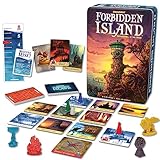
Overview: Forbidden Island, designed by Matt Leacock, is a seminal cooperative board game where 2-4 players race against time to retrieve four sacred treasures from a sinking island before it vanishes. Aimed at ages 10+, it emphasizes teamwork over competition, making it ideal for family game nights focused on shared problem-solving. What Makes It Stand Out: Its innovative “sinking tile” mechanic creates escalating tension as the island literally disappears beneath players’ feet. Rich thematic illustrations immerse players in the perilous adventure, while the necessity for constant strategic communication sets it apart from traditional competitive games. The elegant balance between urgency and planning fosters genuine collaboration. Value for Money: Priced accessibly, it delivers exceptional replayability through variable island layouts and adjustable difficulty. Compared to similar strategy games, its compact size, durable components, and timeless design offer superior longevity. The educational boost in critical thinking justifies the cost for families seeking meaningful screen-free engagement. Strengths and Weaknesses: Strengths: Highly engaging cooperative mechanics; intuitive rules for quick setup; promotes teamwork and adaptive strategy; visually appealing board. Weaknesses: Limited player count (max 4); replay value slightly constrained by fixed treasure objectives; younger children may struggle with strategic depth despite the age rating. Bottom Line: A near-perfect introduction to cooperative gaming. Forbidden Island remains a must-have for families and strategy enthusiasts seeking an affordable, replayable experience that consistently delivers thrilling, collaborative adventures. Highly recommended as a gateway game.
2. Ravensburger Horrified Games - Greek Monsters - Strategy Board Game - Boost Critical Thinking & Teamwork - Cooperative Gameplay - Unique Monster Challenges - 1 to 5 Players - Adults & Kids 10+

Overview: Horrified: Greek Monsters plunges 1-5 players into ancient Elysium, where they must cooperatively defeat six iconic Greek mythological threats like Medusa and Cerberus. This strategic game tasks players with navigating a thematic board, managing unique hero abilities, and overcoming distinct monster mechanics within a 60-minute session. What Makes It Stand Out: The game’s brilliance lies in each monster having entirely unique victory conditions and behaviors, ensuring vastly different experiences per playthrough. Stunning, thematic artwork and high-quality miniatures immerse players in the mythological horror, while the adjustable difficulty caters seamlessly to both families and seasoned gamers. Value for Money: With components supporting 1-5 players and multiple distinct challenges per monster, it offers remarkable replayability for its price point. Compared to niche horror games, Horrified provides broader family appeal without sacrificing strategic depth, making it a versatile investment for regular game nights. Strengths and Weaknesses: Strengths: Exceptional variety through diverse monster mechanics; beautiful thematic components; easy to learn but challenging to master; scales perfectly for solo or group play. Weaknesses: Setup can be time-consuming with multiple monsters; some monster rules add complexity that may overwhelm younger players; board layout limits spatial strategy depth. Bottom Line: Horrified: Greek Monsters excels as a visually rich, highly replayable cooperative experience. Its unique monster challenges and family-friendly horror make it an outstanding choice for groups seeking strategic depth with minimal downtime. A top-tier recommendation for cooperative game libraries.
3. Flow: The Official Cooperative Board Game | Strategy Game for 1–4 Players Ages 8+ | Based on The Award-Winning Animated Film | Family & Solo Play | Survive The Flood, Rescue Allies
Overview: Flow translates the beloved animated film into a real-time cooperative board game where 1-4 players navigate a modular, flooding landscape to rescue allies and survive rising waters. Players must make rapid, synchronized decisions under pressure, capturing the film’s emotional urgency in a tangible, strategic experience for ages 8+. What Makes It Stand Out: The dynamic “rising water” mechanic creates intense, real-time pressure as the board physically floods, demanding constant adaptation. Modular tiles and 11 scenario cards ensure high replayability, while the film’s poignant themes of connection and survival are woven seamlessly into gameplay, enhancing emotional engagement beyond typical strategy games. Value for Money: Its compact design belies impressive depth and replay value through variable scenarios and solo compatibility. Compared to narrative-driven cooperatives, Flow offers a unique real-time element at a competitive price, justifying its cost for families wanting cinematic immersion and strategic challenge without excessive complexity. Strengths and Weaknesses: Strengths: Innovative real-time flooding mechanic; strong thematic integration with the film; excellent solo mode; high replayability via scenarios; accessible yet strategically rich. Weaknesses: Real-time pressure may frustrate casual players; component durability concerns with frequent water token use; limited player count (max 4). Bottom Line: Flow masterfully blends emotional storytelling with tense, cooperative strategy. Its unique mechanics and strong replayability make it an essential pick for fans of the film and families seeking an engaging, thought-provoking game night. Highly recommended for its originality and heart.
4. Pressman The Oregon Trail Card Game - Cooperative Gameplay Based on The Classic Computer Game, Ages 12 and Up, 2-6 Players

Overview: This card game reimagines the iconic computer game as a lighthearted, cooperative survival experience for 2-6 players aged 12+. Players manage a wagon party’s resources while battling dysentery and other trail hardships, all rendered with cheeky 8-bit art that embraces the franchise’s nostalgic humor and grim charm. What Makes It Stand Out: Its genius lies in transforming the computer game’s infamous “You died of dysentery” moments into humorous, collaborative challenges. The retro aesthetic is consistently applied, and the cooperative twist (unlike the original’s solo play) fosters teamwork. Quick 30-minute sessions make it perfect for casual game nights. Value for Money: As a compact, low-cost card game, it delivers exceptional nostalgia and replayability. Compared to full board games, its simplicity and portability offer great value for spontaneous play, though component depth is naturally limited. The humor and shared misery provide outsized entertainment for the price. Strengths and Weaknesses: Strengths: Hilarious, faithful adaptation of the classic; effortless setup and rules; strong group interaction; excellent portability; perfect for fans of retro gaming. Weaknesses: Limited strategic depth; repetitive after many plays; humor may not resonate with non-fans; card-only format lacks tactile components. Bottom Line: A delightful, nostalgic romp that captures The Oregon Trail’s spirit with wit and cooperative fun. Ideal for casual groups and retro enthusiasts seeking quick, laughter-filled sessions. Recommended for its charm and accessibility, though not for deep strategists.
5. Pandasaurus Cooperative Strategy Card Game - Fun Interactive Family Game for Ages 8+, 1-5 Players, 20 Minute Playtime
Overview: The Game is a minimalist, cooperative card challenge where 1-5 players work together to play descending and ascending number sequences from two central decks. Despite its simplicity, this award-winning game creates intense, interactive pressure as players race against limited communication rules to clear the decks before time runs out. What Makes It Stand Out: Its pure cooperative design demands profound non-verbal teamwork, as players can only state numerical values—not card suits or positions. The 20-minute playtime, global acclaim (1.3M+ copies sold), and Spiel Des Jahres recognition highlight its universal appeal. It transforms basic card play into a masterclass in communication and trust. Value for Money: Exceptionally high value given its compact size, low price, and virtually endless replayability. Compared to heavier strategy games, The Game offers unparalleled depth-to-cost ratio, functioning as both a standalone experience and a perfect warm-up. Its durability and portability enhance long-term utility. Strengths and Weaknesses: Strengths: Brilliantly simple yet deeply strategic; fosters exceptional teamwork and communication; lightning-fast setup/play; highly portable; award-winning design. Weaknesses: Minimalist components lack visual flair; communication restrictions can frustrate new players; limited theme may not appeal to narrative-focused gamers. Bottom Line: The Game is a cooperative masterpiece that proves profound depth can emerge from simplicity. Its accessibility, replayability, and focus on human connection make it an essential, budget-friendly addition to any game collection. Unreservedly recommended for all ages seeking pure, engaging strategy.
6. Spin Master Games, SolidRoots Escaping Extinction, Cooperative Strategy Board Game from The Makers of Mind The Gap, for Kids & Family, 1-4 Players, for Ages 12 & Up

Overview: SolidRoots Escaping Extinction casts players as clever dinosaurs racing to build a 3D rocket and escape an impending meteor strike. This cooperative strategy game tasks families with exploring a dynamic prehistoric board, gathering rocket parts, and surviving environmental hazards together before time runs out.
What Makes It Stand Out: Its tile-based modular board ensures high replayability, while earthquake cards dynamically reshape the playing field mid-game, adding thrilling unpredictability. The tangible 3D rocket assembly provides a satisfying physical goal, distinguishing it from purely card-driven competitors. The dinosaur-meets-science-fiction theme also offers unique family appeal.
Value for Money: Priced competitively against similar cooperative titles, it delivers robust components and substantial strategic depth for its target age group. While slightly niche in theme, the reconfigurable board and cooperative tension justify the cost better than static alternatives like basic trivia games.
Strengths and Weaknesses: Strengths include exceptional replay value, seamless family-friendly cooperation, and engaging physical components. Weaknesses involve a steeper learning curve for younger players (despite the 12+ rating) and potential frustration if the meteor timer feels too aggressive in early plays.
Bottom Line: A vibrant, innovative addition to family game nights that masterfully blends theme, strategy, and replayability. Highly recommended for families seeking cooperative play with tangible excitement and minimal downtime.
7. The Lord of The Rings: Adventure to Mount Doom | Family Game | Cooperative Game | Strategy Game

Overview: Adventure to Mount Doom challenges 1-4 players to guide Frodo through Middle-earth toward Mount Doom in a race against time. This cooperative dice-and-card-driven game tasks players with navigating perils, evading Ringwraiths, and ultimately destroying the One Ring to save Middle-earth.
What Makes It Stand Out: Its immersive Tolkien theme is the core strength, leveraging familiar lore to create immediate engagement. The blend of dice resolution for movement and card management for encounters efficiently captures the saga’s tension within a concise 50-minute frame, making it accessible for casual fans.
Value for Money: While component quality is functional rather than lavish, the focused 50-minute playtime and strong thematic execution offer fair value. It undercuts pricier LOTR strategy games but lacks the depth of heavier titles like Journey to Cirith Ungol, positioning it as a solid entry-point.
Strengths and Weaknesses: Strengths are its swift setup, authentic atmosphere, and perfect length for introductory strategy. Weaknesses include reliance on dice luck potentially overriding strategy and limited mechanical innovation compared to genre standards like Pandemic.
Bottom Line: An enjoyable, thematically rich gateway game that captures Tolkien’s spirit efficiently. Best for casual fans or families new to cooperative play, though veterans may find it simplistic.
8. Castle Panic 2nd Edition | Cooperative Board Game for Adults and Family | Ages 8+ | for 1 to 6 Players | Average Playtime 45 Minutes | Made by Fireside Games

Overview: Castle Panic 2nd Edition is a streamlined tower defense game where 1-6 players unite to protect Castle Bravehold from relentless monster hordes. Players strategically play cards to attack creatures, repair towers, and coordinate defenses before all towers fall in this 45-minute cooperative siege.
What Makes It Stand Out: Unmatched player count flexibility (1-6) and four distinct modes—especially competitive “Master Slayer” and asymmetric “Overlord”—deliver extraordinary replay value. The vivid 3D cardboard towers and accessible card-play mechanics create immediate, tactile engagement ideal for mixed-age groups.
Value for Money: Exceptional for its scalability and component durability. At its price point, few cooperative games support six players without complexity bloat. It outperforms niche adult-only titles by serving as a true family heirloom, justifying its cost through years of adaptable play.
Strengths and Weaknesses: Strengths encompass intuitive rules, thrilling real-time pressure, and versatile play modes. Weaknesses include potential “alpha player” dominance in large groups and limited strategic depth for hardcore gamers seeking intricate systems.
Bottom Line: A near-perfect family cooperative game that balances simplicity with strategic urgency. Essential for group gaming due to its inclusivity, replayability, and sheer fun factor.
9. Happy Camper - The Four Doors | New Cooperative Game by Creator of Forbidden Island and Pandemic | Super Portable | Great for Solo Play, Two Players, and Groups
Overview: Happy Camper: The Four Doors, designed by Pandemic’s Matt Leacock, challenges 1-5 players to recover sacred treasures from a mystical tower before shadowy forces seal the exits. This compact cooperative game emphasizes quick decision-making and resource sharing within a tight 30-minute play session.
What Makes It Stand Out: Leacock’s signature cooperative design shines in its elegant simplicity and superb portability—the entire game fits in a small box, making it ideal for travel. The “four doors” spatial puzzle creates intuitive yet escalating tension, while solo mode is seamlessly integrated, not an afterthought.
Value for Money: Outstanding for its size and pedigree. Though smaller in scope than Pandemic, its $25-$30 price reflects thoughtful design over component extravagance. It surpasses similarly priced travel games by offering genuine strategic depth without sacrificing accessibility.
Strengths and Weaknesses: Strengths are its lightning-fast setup, brilliant portability, and polished mechanics. Weaknesses involve a slightly abstract theme that lacks immersion compared to Leacock’s earlier work, and limited long-term replayability for veteran players.
Bottom Line: A masterclass in portable cooperative design. Highly recommended for travelers, couples, or as a gateway game—though best paired with deeper titles for seasoned strategists.
10. Ravensburger Alien: Fate of The Nostromo Board Game for Ages 10 & Up – A Cooperative Strategy Game of Suspense
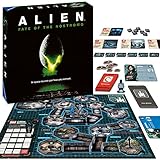
Overview: Alien: Fate of The Nostromo plunges 1-5 players into the iconic sci-fi horror film, where they control crew members racing to repair the Nostromo, gather supplies, and escape before the Xenomorph claims them all. This cooperative thriller emphasizes tension through hidden movement and critical resource management.
What Makes It Stand Out: Exquisite thematic immersion is its crowning achievement—the detailed miniatures, moody board art, and “Ash as potential traitor” mechanic authentically recreate the film’s paranoia. The dual-layered movement (crew vs. alien) generates relentless suspense unmatched in most family-weight games.
Value for Money: Premium components justify its higher price tag ($40-$50), but replayability hinges on varied missions. It’s costlier than abstract strategy games yet offers superior atmosphere and production value compared to most mid-tier cooperatives, especially for film fans.
Strengths and Weaknesses: Strengths include stunning visuals, brilliant tension mechanics, and strong solo suitability. Weaknesses are the steep learning curve for newcomers and potential frustration from the alien’s overpowered early-game presence in some scenarios.
Bottom Line: A must-have for Alien enthusiasts and cooperative veterans seeking intense, thematic gameplay. Less ideal for casual families due to complexity, but worth the investment for its unmatched atmosphere.
Why Cooperative Games Are Family Connection Gold
Shifting From Competition to Shared Purpose
Traditional competitive games often highlight individual skill gaps, which can frustrate younger or less experienced players. Cooperative games eliminate this pressure by pitting the group against the game mechanics. This fundamental shift encourages players to pool knowledge, discuss strategies openly, and support each other’s growth. Instead of focusing on beating siblings, the focus becomes solving the puzzle or overcoming the challenge as a united front. This shared purpose fosters inclusivity, ensuring every family member, regardless of age or gaming experience, feels valued and essential to the team’s success. The collective sigh of relief after narrowly avoiding a game loss is often as bonding as the cheer of victory.
Building Essential Soft Skills Naturally
The magic of cooperative play lies in its ability to cultivate critical life skills without feeling like a lesson. Players constantly practice active listening as they absorb teammates’ suggestions. They learn persuasive communication to advocate for their strategies while respecting others’ input. Negotiation skills emerge naturally when the group debates the best course of action under time pressure. Patience is developed when waiting for a younger player to formulate their idea, and empathy grows as players recognize when a teammate might be struggling and offer quiet support. These aren’t abstract concepts; they’re concrete experiences repeated turn after turn, solidifying skills that benefit family dynamics and beyond.
Creating Memorable Collective Experiences
Shared victories in cooperative games generate unique, lasting family memories. Overcoming a difficult scenario together – like escaping a sinking ship or saving a magical forest – creates a powerful “we did it!” narrative that becomes family lore. Even losses become positive stories (“Remember when the dragon totally wiped us out three times in a row?”). These shared narratives strengthen family identity and provide touchstones for connection. The emotional investment in the shared goal makes the experience more impactful than individual wins in competitive settings, fostering a deeper sense of belonging and mutual accomplishment that resonates long after the pieces are put away.
Key Features to Prioritize for Family Play
Age Appropriateness Beyond the Box Number
While manufacturer age ranges are a starting point, consider your family’s specific dynamics. A game rated “8+” might involve complex rule interpretation challenging for a young eight-year-old but perfect for an older sibling. Look for adjustable difficulty settings – many modern cooperative games include “scaling” mechanics where you can tweak challenge level based on player age or experience. Crucially, assess the cognitive demands: Does it require advanced reading, abstract strategic planning, or fine motor skills that might frustrate younger members? Prioritize games where rules can be explained simply, and core actions (like moving pieces, matching symbols, or cooperative dice rolling) are intuitive for the youngest intended player.
Balancing Cognitive Load for Diverse Ages
The ideal family cooperative game accommodates varying cognitive abilities without leaving anyone bored or overwhelmed. Seek mechanics that allow different contribution levels: younger players might handle simple action tokens or resource gathering, while older members manage complex strategy or rule arbitration. Games with modular setups or role-based special abilities are excellent, as each player can engage at their own level within the shared framework. Avoid games requiring deep, silent strategic planning where younger players become passive observers. Look for structures encouraging constant interaction and discussion, ensuring everyone remains an active participant throughout the game session.
Engagement Span and Session Length Sweet Spot
Respect the shrinking attention spans, especially with younger children. Opt for games with clear, achievable phases within a 20-45 minute timeframe for most family groups. Games that offer quick setup, immediate player engagement (minimal downtime between turns), and visible progress towards the goal help maintain interest. Look for mechanics that create natural “mini-wins” during play – successfully completing a small objective provides momentum and keeps motivation high. Avoid overly complex setup procedures or games requiring lengthy rule explanations before the first turn; the barrier to starting play should be low to maximize actual gameplay time and minimize pre-game frustration.
Understanding Cooperative Mechanics for Family Success
Shared Information vs. Hidden Information Dynamics
A critical choice is whether the game uses fully open information (everyone sees everything) or incorporates hidden elements (like certain card games where players know only their own cards). For families with young children or those new to cooperation, fully open information games are vastly superior. They eliminate confusion about “what do you know?” and allow truly collaborative decision-making where the group discusses all available options openly. Hidden information games, while adding tension, often lead to arguments (“Why didn’t you tell me you had that card?!”) or dominant players dictating moves, undermining the cooperative spirit. Start simple with open information before exploring hidden mechanics.
Player Roles: Equal Contributors or Specialized Heroes?
Games handle player roles differently. Some assign unique, asymmetric abilities (e.g., one player is the “navigator,” another the “engineer”), while others have identical starting positions where roles emerge organically through play. For family integration, symmetric roles or very simple asymmetric roles are often best initially. Complex unique roles can overwhelm younger players or lead to disputes over “best” roles. Look for games where roles are easy to understand (“You’re the healer, you fix things!”), provide clear, actionable contributions, and where no single role feels disproportionately powerful or essential. The goal is balanced contribution, not spotlighting one player.
The Pacing Puzzle: Turn Structure Matters
How turns flow significantly impacts family enjoyment. Games with simultaneous action selection (everyone plans moves at once) or free-form discussion phases keep all players engaged constantly, minimizing downtime frustration. Strictly sequential turn-based cooperative games can lead to younger players losing focus during others’ turns. Look for mechanics that encourage continuous interaction – perhaps a shared timer, a constantly advancing threat, or a need for frequent group consensus. The best family cooperative games feel like a dynamic conversation punctuated by game actions, not a series of isolated individual turns waiting for your moment.
Difficulty Calibration: Avoiding Frustration Traps
A game that’s consistently too easy becomes boring; one that’s perpetually too hard breeds frustration and quitting. The ideal family cooperative game offers clear pathways to adjust difficulty. This could be through a simple slider (starting with fewer threat tokens), optional rule modules to add complexity as the family masters the base game, or variable setup based on player count. Crucially, the difficulty should feel fair – losses should stem from strategic choices or bad luck within understood rules, not from opaque mechanics or unavoidable “gotcha” moments that feel cheap. Look for games where you learn from a loss and feel compelled to try again immediately.
Beyond the Box: Setting Up for Family Success
Pre-Game Preparation: Setting the Cooperative Mindset
Before opening the box, frame the experience correctly. Briefly explain, “This isn’t about who wins; it’s about us winning together. We’re a team against the game!” Emphasize that sharing ideas and helping each other is not just allowed, it’s required. For families used to competitive games, explicitly state that “solving the puzzle as a group” is the primary goal, separate from the game’s win condition. A quick reminder like, “Remember, we all lose if we argue – let’s figure this out as a team!” sets the collaborative tone and manages expectations from the outset.
Facilitating Play: The Gentle Guide Role
With mixed-age families, one adult (or mature teen) often needs to act as a gentle facilitator, not a dictator. Their role is to: ensure rules are followed consistently, gently steer discussions back on track if they stall, clarify mechanics without solving the puzzle, and actively draw quieter members into the conversation (“What do you think we should try next?”). Crucially, they must resist the urge to make all the decisions. The facilitator enables the group’s collaboration; they don’t replace it. Rotate this role occasionally so different family members practice supporting the team.
Navigating Conflict: When Teamwork Hits a Snag
Disagreements are inevitable. The key is framing conflict as part of the cooperative process, not a breakdown. Encourage using “I” statements (“I think we should save the resource for later because…”) instead of accusatory language. If arguments escalate, suggest a quick vote or a “let’s try your idea first, and if it doesn’t work, we try the other.” Normalize that losing due to a group decision is a learning opportunity, not a failure. A simple reset phrase like “Okay, let’s take a deep breath and figure this out together” can diffuse tension and refocus on the shared goal. How the family handles in-game conflict often mirrors and improves real-world communication.
Post-Game Debrief: Cementing the Lessons
Don’t just pack up immediately after winning (or losing). Take 2-3 minutes to chat: “What was the hardest part for us?” “Who had that great idea that saved us?” “What could we try differently next time?” This reinforces the collaborative effort and highlights individual contributions. For losses, focus on what the group learned: “We saw that ignoring the timer early caused problems – let’s remember that next game!” This reflection transforms the game from mere entertainment into a shared learning experience, strengthening the team-bonding effect and making future sessions even more productive.
Troubleshooting Common Family Game Night Hurdles
The Overwhelmed Newbie: Simplifying Onboarding
Introducing cooperative games to non-gamers (or very young players) can be daunting. Start with the absolute core objective and 1-2 essential mechanics. Play the first round with heavy guidance: “Okay, everyone, for this first turn, we just need to move to the blue spaces. Let’s decide together where two of us should go.” Use physical aids – point to the board, demonstrate actions clearly. Allow “practice turns” where the facilitator makes a move and explains the why. The goal for the first play is understanding the cooperative spirit and basic flow, not mastering all rules. Complexity can be layered in during subsequent plays.
The Hyper-Competitive Child: Redirecting Energy
Some kids naturally gravitate towards competition. Acknowledge their desire to “win” but reframe it: “You’re right, winning is fun! But here’s the cool part: everyone gets to feel that win together because we all did it as a team. Isn’t that better than just one person winning?” Give them visible, impactful roles within the team structure – perhaps managing the timer or being the “rule checker” for simple mechanics. Highlight how their strategic thinking helps the whole group succeed. If they try to dominate, gently remind the group, “Remember, the best solutions come from everyone sharing ideas. [Child’s name], what do you think [younger sibling] should suggest?”
The Short Attention Span Challenge: Keeping Momentum
For restless players, prioritize games with high tactile engagement (lots of moving pieces, cards, tokens) and rapid decision points. Break longer games into natural segments (“Let’s play until we reach the mountain pass, then take a quick snack break”). Use physical timers for discussion phases to prevent analysis paralysis. Incorporate movement if possible – stand up to move a piece, do a quick stretch between rounds. If a player disengages, assign them a specific, manageable mini-task within the team effort (“You’re in charge of remembering to draw a card each turn – can you do that?”). The key is constant micro-engagement.
Scaling for Large Family Gatherings
Games designed for 2-4 players often falter with 6+ family members. Look for cooperative titles explicitly supporting higher player counts (5-8+). If your favorite game has a lower max, consider splitting into two smaller teams playing identical setups, fostering friendly intra-family competition within the cooperative structure. Alternatively, assign “assistant” roles to extra players – one could manage the threat tracker, another could be the designated note-taker for group decisions. For very large groups, prioritize games with simultaneous action phases where discussion happens in smaller sub-groups that then report back, preventing total chaos.
Frequently Asked Questions
Can cooperative games really work with a big age gap between kids?
Absolutely. The key is selecting games with simple core mechanics that scale. Younger kids can handle basic actions like moving tokens or matching symbols, while older kids manage strategy. Focus on games where contribution levels vary naturally, ensuring everyone has a clear, achievable role. Facilitate by explaining younger players’ actions in the context of the team goal (“Great job moving the boat, Maya! Now it’s ready for Alex to use the map”).
What if we keep losing? Won’t that frustrate the kids?
Consistent losses often signal the game is too hard for your group right now. First, check if you’re using all the recommended difficulty settings for your player mix – many games have beginner modes. Focus on why you lost: “We ran out of time because we argued about paths – next time, let’s agree faster!” Celebrate small wins within the loss (“We saved three villagers!”). If frustration peaks, take a break and return later, or switch to an easier game to rebuild confidence.
How do I stop one person (often an adult) from taking over all the decisions?
Gently enforce “no quarterbacking.” The facilitator should ask open questions to the whole group: “Okay team, we have two paths. What does everyone think?” Directly invite quieter members: “Ben, you haven’t shared an idea yet – what’s your take?” Assign specific, essential tasks to others (managing resources, tracking threats). If needed, play a round where only the kids make the final decisions (with adult guidance on rules only). The goal is collaborative decision-making, not one leader.
Are cooperative games suitable for very young children, like ages 4-6?
Yes, but choose carefully. Look for games with heavy visual components, minimal reading, very short playtimes (10-15 mins), and simple cooperative actions like “all move the dragon to the cave together.” Games involving pattern matching, cooperative memory, or shared dexterity (stacking blocks as a team) work well. Avoid complex rules or hidden information. Adult facilitation is crucial, turning it into a guided group activity rather than expecting independent play.
How can we make game nights feel special and encourage participation?
Treat it like an event! Dim the lights, use themed snacks, or have a special “game master” hat that rotates. Start with a quick check-in (“What’s one thing you’re excited to try in the game?”). Ensure devices are away. Most importantly, focus on the laughter and connection, not just the game outcome. A special mug for hot cocoa during play or playing background music fitting the game’s theme can elevate it from routine to ritual.
What’s the biggest mistake families make when trying cooperative games?
Trying to play a game that’s too complex right from the start. Jumping into a 90-minute strategy game with hidden roles and intricate mechanics is a recipe for frustration. Begin with ultra-simple, fully open-information games featuring bright visuals and quick play. Master the feeling of cooperation first – the shared tension, the group discussion, the collective victory – before adding layers of complexity. Build confidence and positive associations early.
How do I handle it when a child gets upset during a loss?
Acknowledge their feeling first: “I see you’re really disappointed we didn’t save the kingdom.” Then reframe: “Remember, the cool thing is we all tried our best together. What’s one thing we did really well as a team, even though we lost?” Focus on effort and collaboration, not the outcome. Keep the mood light: “The game beat us this time, but we learned so much! Let’s show it who’s boss next week.” Avoid dismissing their feelings (“It’s just a game!”).
Can cooperative games help with sibling rivalry outside of game night?
Indirectly, yes. The structured, safe environment of cooperative play provides repeated positive experiences of teamwork and mutual support between siblings. They practice communication, compromise, and celebrating each other’s contributions in a low-stakes setting. Over time, these practiced skills and positive associations can translate to real-world interactions, giving them a shared language (“Remember how we figured out the puzzle together? Let’s try that with cleaning your room!”).
Are there cooperative games that work well with extended family (grandparents, cousins)?
Definitely. Look for games emphasizing communication and pattern recognition over speed or complex strategy, which often suit multi-generational groups well. Games with physical components (like stacking or dexterity elements) or strong narrative themes (“storytelling” cooperatives) can engage diverse players. Avoid games reliant on pop culture knowledge or very fast-paced mechanics. The shared challenge becomes a great conversation starter across generations.
How often should we play to see real benefits for family bonding?
Consistency matters more than frequency. Even a dedicated 30-minute slot once a week creates a reliable ritual. The key is prioritizing quality interaction during that time – full presence, active participation, and focusing on the collaborative experience. Shorter, more frequent sessions (e.g., every Sunday evening) often build stronger habits than infrequent marathon sessions. Let the enjoyment of the connection, not a rigid schedule, be the driver.
See Also
- Top 10 Best Cooperative Board Games for Family Game Night in 2026
- How to Choose the Best Family Cooperative Board Games for Game Night in 2026
- Top 10 Best Escape Room Board Games for Family Game Night in 2026
- 10 Most Durable Cooperative Board Games Based on Real User Reviews in 2026
- The 10 Most Revolutionary Horror Cooperative Board Games of 2026