Table of Contents
Imagine the energy of a room where everyone leans forward together, eyes locked on a common challenge, voices buzzing with shared strategy instead of rivalry. Cooperative board games transform the gaming table into a collaborative hub where victory belongs to the group, not just one player. For newcomers, this shift from head-to-head competition to unified problem-solving offers a uniquely welcoming entry point into the hobby. There’s no one to “beat” except the game system itself, fostering teamwork, reducing cutthroat tension, and creating memorable moments built on collective triumph—or the hilarious chaos of a shared defeat. It’s pure social synergy, perfect for bonding with friends or family without anyone feeling sidelined.
Stepping into the world of cooperative play can feel incredibly inviting, yet overwhelming with so many options available. How do you know which game strikes the right balance between accessible rules and engaging depth? What features actually make a cooperative experience shine for players who are just getting their feet wet? Forget scouring endless “best of” lists that quickly become outdated; the real key lies in understanding the principles behind a great beginner-friendly cooperative game. This guide cuts through the noise, focusing on the essential elements that create smooth onboarding, sustained enjoyment, and genuine replayability, empowering you to make confident choices tailored to your group’s unique dynamics and preferences.
Top 10 Cooperative Board Games for New Players
Detailed Product Reviews
1. Gamewright - Forbidden Island - Cooperative Strategy Survival Board Game, 2-4 Players
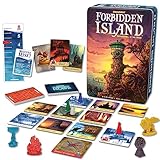
Overview: Forbidden Island plunges 2-4 players into a thrilling race against time on a sinking island. Created by Matt Leacock, this cooperative game tasks teams with retrieving four sacred treasures before the island vanishes beneath the waves, demanding strategic planning and teamwork from ages 10 and up.
What Makes It Stand Out: Its brilliance lies in accessible yet deeply strategic cooperative gameplay. Players assume unique roles with special abilities, forcing meaningful collaboration. Dynamic island tiles that sink as the game progresses create escalating tension and replayability, while vibrant artwork immerses players in the perilous adventure, making it a standout family-friendly strategy experience.
Value for Money: Priced accessibly, it delivers exceptional value. The compact box houses high-quality components and offers near-limitless replayability due to variable island layouts and difficulty levels. It’s significantly more affordable than many complex strategy games while providing comparable depth and engagement for family game nights.
Strengths and Weaknesses: Strengths: Intuitive rules, perfect balance of challenge and accessibility, fosters genuine teamwork, stunning visuals, highly replayable. Weaknesses: Difficulty can feel overwhelming for very young players (despite the 10+ age), limited player count range (max 4), and components, while good, aren’t premium.
Bottom Line: Forbidden Island remains a near-perfect entry into cooperative gaming. It masterfully teaches teamwork and strategic thinking without excessive complexity, offering thrilling, tense fun night after night. Highly recommended as a foundational family or casual strategy game.
2. Scorpion Masqué Sky Team | Voted Game of The Year 2024 | Best 2 Player Game | Work Together to Land The Plane | Ages 14+ | 20 Minutes

Overview: Sky Team delivers an intense, 20-minute cooperative simulation where two players become a pilot and co-pilot racing to land a plane safely at a specific airport. Voted Game of the Year 2024, it masterfully translates high-stakes aviation into a compact, dice-driven tabletop experience for ages 14+.
What Makes It Stand Out: Sky Team’s brilliance is its unparalleled tension and role-specific mechanics. Players secretly assign dice to critical tasks (speed, flaps, brakes) each round, creating nail-biting moments of trust and miscommunication. The immersive cockpit board, thematic scenarios for global airports, and optional modules (like kerosene leaks) add incredible depth and replayability within a lightning-fast playtime.
Value for Money: Justifying its price, Sky Team offers exceptional replay value through 20 distinct scenarios and modular challenges. The production quality (detailed board, custom dice) feels premium, and the unique, deeply engaging experience for exactly two players is rare. It outshines many pricier games in pure intensity per minute.
Strengths and Weaknesses: Strengths: Unmatched 2-player tension, innovative dice assignment, high replayability via scenarios/modules, immersive theme, quick setup/play. Weaknesses: Steep learning curve for non-gamers, potential for frustration with dice luck, limited to only 2 players, components (like coffee cup) are thematic but fragile.
Bottom Line: Sky Team is a masterpiece of 2-player cooperative design. Its heart-pounding simulation, clever mechanics, and constant replayability make it an essential purchase for couples or dedicated duos seeking a truly unique and thrilling shared challenge.
3. ALLPLAY Sail Cooperative Strategy 2 Player Board Game for Adults and Family - Unique Trick Taking Card Game - Communication Limits and Challenging Scenarios in Small, Travel Size Box (5" x 5" x 2")

Overview: Sail reimagines trick-taking for two players in a tiny box. Partners, cast as pirates navigating treacherous seas, must cooperatively win and lose specific tricks to steer their ship while evading the Kraken—all under strict communication limits, making it ideal for travel or quick sessions.
What Makes It Stand Out: Sail innovates by flipping traditional trick-taking on its head. The core challenge isn’t just winning tricks, but strategically losing them to meet navigation goals, all while partners cannot discuss strategy. Unique pirate-themed player powers and the looming Kraken threat create constant, engaging puzzles within its remarkably portable footprint.
Value for Money: Its ultra-compact size (5"x5"x2") packs a surprising punch. The clever, deeply strategic 2-player experience justifies the price, especially as a travel game. It offers significant replayability through varied scenarios and the constant puzzle of silent coordination, providing far more depth than its size suggests compared to other small-box games.
Strengths and Weaknesses: Strengths: Brilliant communication constraint mechanic, innovative trick-taking goals, highly portable, strong replayability, unique pirate theme. Weaknesses: Communication rule can frustrate some players, theme integration is light, limited strategic depth compared to heavier games, small components may be fiddly.
Bottom Line: Sail is a gem for 2-player enthusiasts seeking a portable, brain-burning challenge. Its fresh take on trick-taking and enforced silent teamwork create a uniquely satisfying and tense cooperative puzzle, making it an excellent travel companion or stocking stuffer.
4. Asmodee Pandemic Board Game (Base Game) - A Cooperative Battle to Save Humanity, Strategy Game for Kids and Adults, Ages 8+, 2-4 Players, 45 Minute Playtime

Overview: Pandemic is the seminal cooperative board game where 2-4 players become disease-fighting specialists racing to cure four deadly outbreaks before they cripple the world. This foundational game, playable in 45 minutes for ages 8+, defines the genre with its urgent, team-based strategy.
What Makes It Stand Out: Pandemic’s genius is its pure, unforgiving cooperation. Every player’s unique role is vital, fostering genuine teamwork as players strategize collective moves to treat infections and discover cures. The escalating tension from infection cards and outbreak chains creates a relentlessly challenging and immersive “save the world” narrative unmatched in accessibility for its depth.
Value for Money: As the genre-defining cooperative game, Pandemic offers immense value. Its robust components, high replayability (due to variable player roles and infection draws), and enduring popularity over a decade make it a benchmark. While expansions exist, the base game provides a complete, deeply satisfying experience justifying its price point easily.
Strengths and Weaknesses: Strengths: Pure cooperative spirit, highly strategic yet accessible, strong theme integration, excellent replayability, iconic status. Weaknesses: Potential for “alpha player” dominance, analysis paralysis in larger groups, luck-dependent infection draws can lead to unwinnable starts, basic component quality.
Bottom Line: Pandemic remains an essential board game purchase. Its perfect blend of tension, strategy, and true teamwork creates unforgettable shared victories (and defeats). Despite minor flaws, it’s a must-have cornerstone for any game collection, especially for families and strategy fans.
5. Spin Master Games, SolidRoots Escaping Extinction, Cooperative Strategy Board Game from The Makers of Mind The Gap, for Kids & Family, 1-4 Players, for Ages 12 & Up

Overview: Escaping Extinction casts 1-4 players as clever dinosaurs racing against a meteor to build a rocket and escape prehistoric doom. This cooperative game blends exploration, tile-laying, and mission-based challenges on a dynamic board, targeting ages 12+ with family-friendly strategy.
What Makes It Stand Out: The game shines with its charming dinosaur-meets-science theme and the tangible 3D rocket assembly. The tile-based board ensures unique layouts each game, while earthquake cards dynamically shift the landscape mid-play, adding exciting unpredictability. Finding scattered rocket pieces creates a clear, thematic objective that drives the cooperative mission forward engagingly.
Value for Money: Offering solid value, it provides a fresh theme in the cooperative space at a reasonable price. The dynamic board and 3D rocket component enhance replayability significantly. While not the deepest strategy game, its family focus, variable setup, and Spin Master’s reliable production quality make it a worthwhile addition for casual gamers seeking novelty.
Strengths and Weaknesses: Strengths: Unique and fun dinosaur/rocket theme, dynamic tile-based board, satisfying 3D rocket assembly, accessible rules, good replayability via variable setup. Weaknesses: Strategy can feel light for experienced gamers, theme-to-mechanics integration is occasionally superficial, potential for player inactivity in larger groups, “earthquake” mechanic may feel disruptive.
Bottom Line: Escaping Extinction is a delightful, accessible cooperative game perfect for families seeking a lighter, thematic adventure. Its charming concept, dynamic board, and tangible goal make it a fun and replayable choice, especially for younger players or those new to cooperative gaming.
6. Flow: The Official Cooperative Board Game | Strategy Game for 1–4 Players Ages 8+ | Based on The Award-Winning Animated Film | Family & Solo Play | Survive The Flood, Rescue Allies
Overview: Flow translates the poignant animated film into a real-time cooperative board game where players navigate a shifting, flooded landscape to rescue allies and survive rising waters. Designed for 1–6 players (ages 8+), it emphasizes teamwork under pressure with a modular board that dynamically evolves each session.
What Makes It Stand Out: Its immersive, emotionally resonant theme directly tied to the film creates a unique narrative depth uncommon in family games. The real-time rising water mechanic forces urgent, collective decision-making, while the modular board and 11 scenario cards ensure no two games play alike. Solo compatibility adds significant versatility.
Value for Money: Priced competitively for a premium cooperative experience, Flow offers exceptional replayability through its scenario system and adaptability across player counts. It surpasses similar-priced games by integrating film storytelling with tense gameplay, making it ideal for families seeking meaningful shared challenges.
Strengths and Weaknesses: Strengths: Deeply thematic integration; accessible yet strategic; exceptional replay value; smooth solo mode; visually engaging components. Weaknesses: Real-time pressure may overwhelm younger players; scenario setup can be fiddly; limited player interaction beyond collective problem-solving.
Bottom Line: Flow is a beautifully crafted, emotionally engaging cooperative gem that excels in replayability and thematic immersion. Highly recommended for families and film fans seeking a collaborative, ever-changing challenge, despite minor setup complexities.
7. Happy Camper - The Four Doors | New Cooperative Game by Creator of Forbidden Island and Pandemic | Super Portable | Great for Solo Play, Two Players, and Groups
Overview: Created by Matt Leacock (Pandemic) with Matthew Riddle and Ben Pinchback, Happy Camper casts players as adventurers retrieving sacred treasures from a mystical tower before sinister shadows seal the doors. This portable gem supports 1–5 players (ages 10+) in 30-minute sessions of tense, cooperative puzzle-solving.
What Makes It Stand Out: Leacock’s signature cooperative design shines through streamlined mechanics focused on resource management and spatial strategy. The “light tower” modular board and treasure-unlocking system create elegant, escalating tension. Its super-portable size (noted in packaging dimensions) makes it a travel essential without sacrificing depth.
Value for Money: At its price point, Happy Camper delivers remarkable value through Leacock’s refined design pedigree and extreme portability. It outperforms bulkier games in convenience while offering comparable strategic satisfaction, especially for couples or solo players seeking bite-sized cooperative thrills.
Strengths and Weaknesses: Strengths: Brilliantly compact design; intuitive yet strategic; seamless solo/partner play; high-quality components; quick setup. Weaknesses: Limited thematic depth; shorter gameplay may feel insubstantial for groups; minimal player interaction beyond shared planning.
Bottom Line: Happy Camper is a masterclass in portable cooperative gaming—perfect for quick sessions or travel. Its elegant mechanics and Leacock’s expertise make it an easy recommendation for fans of strategic, accessible co-ops, despite its lighter narrative.
8. Avalon Hill Hasbro Gaming Betrayal at The House on The Hill 3rd Edition Cooperative Board Game,Ages 12 and Up,3-6 Players,50 Chilling Scenarios

Overview: This 3rd Edition revitalizes the classic haunted house traitor game, where players explore a modular mansion together until one betrays the group. Featuring 50 scenarios, diverse characters, and horror-themed components, it caters to ages 12+ with enhanced accessibility and fresh content absent in prior versions.
What Makes It Stand Out: The game’s defining trait—the mid-game betrayal twist—creates unparalleled social tension. This edition excels with improved artwork, clearer rulebooks, and 12 new characters. The modular board ensures high replayability, while finely detailed miniatures heighten immersion during each spine-chilling scenario.
Value for Money: Justified by its massive scenario count, premium miniatures, and robust component upgrades, it offers more longevity than most mid-priced strategy games. While pricier than older editions, the refined accessibility and expanded content deliver strong value for horror and strategy enthusiasts.
Strengths and Weaknesses: Strengths: Iconic betrayal mechanic; exceptional replayability; stunning miniatures; beginner-friendly updates; rich thematic atmosphere. Weaknesses: Setup time can deter casual play; traitor phase may imbalance games with uneven strategy; scenario quality varies.
Bottom Line: Betrayal at House on the Hill 3rd Edition is a must-have for horror and strategy fans, offering thrilling, narrative-driven sessions. Its polished design and expanded content make it the definitive version, despite occasional pacing hiccups.
9. Castle Panic 2nd Edition | Cooperative Board Game for Adults and Family | Ages 8+ | for 1 to 6 Players | Average Playtime 45 Minutes | Made by Fireside Games

Overview: Castle Panic 2nd Edition tasks players with defending Castle Bravehold from monster sieges using card-driven teamwork. Supporting 1–6 players (ages 8+) in 45-minute sessions, it blends tower defense strategy with accessible cooperative mechanics, featuring 3D towers and vibrant monster tokens on an illustrated board.
What Makes It Stand Out: Its emphasis on collaborative communication—trading cards and strategizing under pressure—creates intense, inclusive gameplay. Four distinct modes (Co-op, Solo, competitive Master Slayer, and Overlord) dramatically extend replayability. The 3D towers and boss monsters add tactile excitement rarely seen in family co-ops.
Value for Money: With multiple play modes, high-quality components, and broad age appeal, it outperforms similarly priced games in versatility. The 45-minute runtime ensures consistent value per session, making it ideal for game nights where time or experience levels vary.
Strengths and Weaknesses: Strengths: Highly accessible rules; engaging team dynamics; modular play modes; excellent component quality; family-friendly tension. Weaknesses: Can devolve into “alpha gamer” dominance; competitive modes disrupt co-op purity; minimal strategic depth for veterans.
Bottom Line: Castle Panic 2nd Edition is a near-perfect family co-op, offering thrilling teamwork and exceptional replayability. Highly recommended for groups seeking accessible, high-energy strategy—just ensure balanced player input.
10. Asmodee Choose Your Own Adventure: House of Danger Board Game - Embark on a Perilous Journey in this Cooperative Narrative Adventure, Ages 10+, 1+ Players, 1+ Hour Playtime
Overview: House of Danger adapts the beloved book series into a cooperative narrative board game where players explore a haunted mansion through branching story paths. Designed for 1+ players (ages 10+), it features app-assisted storytelling, puzzle-solving, and perilous choices in 60+ minute sessions, packaged in a compact 6.4x21.8x14.0cm box.
What Makes It Stand Out: Its app-driven narrative creates immersive, cinematic storytelling with seamless integration of physical components. Players collectively make choices that alter the story, fostering true cooperation. The compact size belies its depth, offering a rich solo/co-op experience rarely matched in portable narrative games.
Value for Money: Priced fairly for its innovative app integration and high replayability (multiple endings), it outshines traditional board books. The included accessories and sturdy packaging enhance value, though the player count discrepancy (title says “1+” but features list “8”) slightly undermines clarity.
Strengths and Weaknesses: Strengths: Compelling interactive narrative; exceptional solo/co-op flexibility; intuitive app guidance; excellent component quality; high re-play value. Weaknesses: Player count confusion (max likely 4-5, not 8); app dependency; limited physical board interaction.
Bottom Line: House of Danger is a groundbreaking narrative adventure that masterfully blends physical and digital play. Despite minor packaging ambiguities, it’s essential for story-driven gamers seeking immersive, replayable co-op fun.
Understanding Cooperative Game Fundamentals
Defining the Cooperative Experience
At its core, a cooperative board game requires all players to work together as a unified team against the game’s built-in mechanics or scenarios. Unlike competitive games where players vie for individual victory, success here hinges entirely on collective decision-making and shared strategy. The “opponent” is the game system itself, which often features mechanics like escalating threats, hidden information, or time pressure designed to challenge the group. This fundamental shift creates a distinct social atmosphere focused on discussion, consensus-building, and mutual support, making it an ideal gateway for those new to modern board gaming.
Why Cooperative Play Appeals to Newcomers
For players unfamiliar with complex rule sets or intimidated by direct competition, cooperative games offer a remarkably low-pressure environment. There’s no fear of “ganging up” or being targeted by other players, which significantly lowers the barrier to entry. Mistakes become learning opportunities for the whole group rather than personal failures, fostering patience and encouragement. Furthermore, the shared narrative journey—working together to save a city, solve a mystery, or explore an unknown world—creates strong emotional investment and memorable stories that resonate long after the pieces are put away, solidifying the appeal for casual and first-time gamers.
Essential Features for Beginner-Friendly Titles
Streamlined Rule Sets and Intuitive Flow
The most accessible cooperative games for new players feature rule sets that can be explained in under 15 minutes. Look for clear, logical turn structures and mechanics that feel intuitive once demonstrated. Games avoiding excessive jargon, complicated action economies, or convoluted subroutines prevent early frustration. A smooth gameplay flow, where players understand their options and the consequences of actions without constant rulebook checks, keeps the focus on fun collaboration rather than rule arbitration, crucial for maintaining engagement during the learning phase.
Manageable Player Count and Inclusive Roles
Ideal beginner cooperative games typically support 2-4 players, though some scale well to 5 or 6. Critically, the game should ensure every participant feels consistently involved and valuable, regardless of player count. Avoid games where one player can dominate decision-making (“quarterbacking”) or where players might feel sidelined during others’ turns. Mechanisms like simultaneous action selection, distinct but balanced roles with unique abilities, or phases where every player contributes actively per round are hallmarks of inclusive design that keeps newcomers engaged and prevents downtime.
Adjustable Difficulty for Gradual Mastery
A standout feature for new players is built-in difficulty scaling. Games offering multiple difficulty levels or modular challenges allow groups to start simple, building confidence with basic rules before introducing more complex mechanics or tougher scenarios. This “on-ramp” approach prevents overwhelming beginners while providing a clear path for growth. Look for games where difficulty adjustments feel meaningful—altering threat levels, adding new mechanics incrementally, or modifying victory conditions—rather than just making the game arbitrarily harder, ensuring the challenge remains fair and engaging as skills develop.
Practical Considerations for First-Time Buyers
Setup Time and Component Management
New players often appreciate games that get to the action quickly. Excessive setup time—sorting numerous cards, placing dozens of tokens, or building complex boards—can dampen initial enthusiasm before play even begins. Beginner-friendly cooperative games typically feature streamlined setup: clearly labeled components, minimal sorting, and intuitive board layouts. Well-organized rulebooks with illustrated setup diagrams and component trays (if included) significantly reduce frustration. A setup process under 5-7 minutes helps maintain momentum and excitement, especially for those new to the hobby.
Play Duration Aligned with Attention Spans
For newcomers, session length is critical. Games consistently running over 90 minutes, especially with complex rules, can lead to fatigue and disengagement. Optimal beginner cooperative experiences often fall in the 30-60 minute range. This duration provides enough time to learn mechanics, experience meaningful collaboration, and reach a satisfying conclusion without testing patience. Shorter playtimes also make it easier to schedule game sessions and encourage repeated plays in a single evening, accelerating the learning curve through practice without commitment fatigue.
Visual Clarity and Component Quality
Clear, uncluttered graphic design is non-negotiable for accessibility. Icons should be intuitive and consistently used; rulebooks benefit immensely from excellent visual examples and step-by-step illustrations. Components like cards, tokens, and player boards need legible text and distinct colors/patterns to avoid confusion during play. While premium components are nice, durability and functional clarity matter most for beginners—thick cardstock that doesn’t bend easily, tokens with clear symbols, and boards with well-defined spaces prevent constant misinterpretation and keep the game flowing smoothly.
Navigating Gameplay Dynamics
Communication Rules and Team Strategy
Cooperative games vary significantly in how they handle player discussion. Some encourage open negotiation and free planning (“semi-cooperative”), while others impose strict communication limits (e.g., “hidden hand” games where players can’t show cards). For absolute beginners, games with open communication are generally preferable, as they allow the group to learn mechanics collaboratively through discussion. As players gain confidence, introducing limited communication mechanics can add strategic depth and excitement, but starting with transparency reduces cognitive load and prevents early frustration over misunderstood restrictions.
Balancing Luck and Player Agency
A common pitfall for new cooperative games is excessive reliance on luck, making player decisions feel meaningless. The best beginner titles strike a careful balance: randomness (like dice rolls or card draws) creates tension and variability, but players retain significant control over mitigating risks and shaping outcomes through smart choices. Look for mechanics where skillful planning, resource management, and strategic adaptation demonstrably influence success. Avoid games where victory or defeat hinges overwhelmingly on a single die roll; player agency is key to feeling invested and capable.
Handling Failure and Learning from Defeat
How a game manages loss is crucial for newcomers. Punishing, opaque failures that leave players confused about why they lost (“analysis paralysis” or unclear cause-and-effect) can be demoralizing. Beginner-friendly cooperative games provide clear feedback loops: showing how specific threats escalated, which decisions led to critical failures, or how the game’s systems interacted to cause defeat. This transparency turns losses into valuable learning experiences, encouraging the group to discuss improvements and try again immediately, fostering resilience and deeper understanding rather than frustration.
Building Long-Term Engagement
Replay Value Through Variable Setups
True longevity comes from inherent variability. Games utilizing randomized elements—like modular board sections, shuffled encounter decks, variable player powers, or scenario books—ensure no two sessions play identically. For beginners, this variability should be structured and manageable; overwhelming randomness without clear patterns hinders learning. Look for systems where replayability stems from meaningful combinations (e.g., different objectives mixed with unique roles) rather than pure chaos, allowing players to recognize core mechanics while enjoying fresh challenges each time.
Thematic Integration Enhancing the Experience
A strong, cohesive theme isn’t just window dressing; it actively aids comprehension and engagement for new players. When mechanics directly reflect the game’s narrative (e.g., healing tokens representing medical aid in a plague scenario), it provides intuitive context for rules. Immersive themes—whether exploring ancient temples, managing a spaceship, or baking a cake—create emotional stakes and make abstract decisions feel meaningful. For newcomers, a well-integrated theme acts as a cognitive scaffold, making complex systems easier to grasp and remember by connecting them to a relatable story.
Scalable Complexity for Future Growth
The ideal beginner cooperative game isn’t just simple—it’s a foundation. Consider titles with optional advanced rules, modular expansions, or inherent systems that reveal deeper strategic layers after mastering the basics. This “depth horizon” ensures the game remains engaging as players’ skills evolve, preventing quick obsolescence. Avoid games that are only simple; they often lack the substance to hold interest beyond a few plays. Instead, seek those where initial plays focus on core cooperative survival, with subsequent sessions exploring nuanced tactics and optimization as the group becomes proficient.
Making Your Informed Choice
Evaluating Rulebook Quality and Learning Resources
A well-written rulebook is arguably more important for a cooperative game than a competitive one, as the entire group must interpret it together. Prioritize rulebooks known for logical organization, comprehensive examples of play, and clear visual aids. Supplemental resources like official tutorial videos, quick-reference sheets, or even a well-designed app companion can significantly ease the learning curve. Before purchasing, seek out rulebook previews online; dense text blocks or poorly illustrated examples are red flags for newcomer accessibility, while step-by-step guides signal thoughtful design.
Assessing Group Compatibility and Social Fit
No single game suits every group. Consider your typical players: Do they enjoy intense problem-solving or prefer lighter, narrative-driven fun? How do they handle time pressure or loss? A game perfect for a group of puzzle enthusiasts might overwhelm those seeking casual storytelling. Observe how your friends communicate and make decisions together. Matching the game’s social dynamics—whether it demands constant discussion, allows quieter strategic planning, or thrives on lighthearted chaos—to your group’s natural style is paramount for a positive first experience and sustained enjoyment.
Understanding Expansion and Longevity Potential
While expansions shouldn’t be necessary for a satisfying core experience, knowing if a game has well-regarded expansions can indicate long-term value. Reputable publishers often design base games to be complete but expandable. Research whether expansions primarily add meaningful new mechanics, scenarios, or roles that deepen the core experience, rather than just more of the same content. For beginners, focus first on a strong standalone base game; expansions are best explored once the group is thoroughly comfortable with the fundamentals and hungry for more.
Frequently Asked Questions
How many players do most beginner cooperative games support?
Most beginner-friendly cooperative games are designed for 2-4 players, as this range balances engagement with manageable complexity. Some scale well to 5 or 6, but larger groups can sometimes lead to downtime or difficulty coordinating strategy for new players.
What’s a typical playtime I should expect for a first cooperative game?
Aim for games with advertised playtimes of 30-60 minutes. This duration is long enough to learn mechanics and experience collaborative wins but short enough to avoid fatigue, making it ideal for building confidence and encouraging repeated plays.
How can I tell if a game’s rules are too complex before buying?
Check for rulebooks with clear visual examples, step-by-step setup guides, and “examples of play” sections online. Look for reviews mentioning “streamlined,” “intuitive,” or “easy to teach.” Avoid games described as having “lots of exceptions” or “complex subsystems” for your first cooperative experience.
Can cooperative games be played solo?
Many modern cooperative games include official solo rules or variants specifically designed for single-player use. If solo play is important, verify this feature exists before purchasing, as not all cooperative mechanics translate well to solo without adaptation.
What does “communication restrictions” mean in cooperative games?
This refers to rules limiting how players can share information, such as not being able to show cards or discuss plans openly. Beginner games often have open communication; restricted communication adds challenge but can frustrate new players still learning the core mechanics.
How important is adjustable difficulty for new players?
Extremely important. Adjustable difficulty allows groups to start at a manageable level, build confidence, and gradually increase challenge. It prevents early overwhelming defeats and extends the game’s lifespan as your group’s skills improve.
Should theme matter when choosing my first cooperative game?
Yes, a strong, well-integrated theme makes rules easier to understand and remember for newcomers. Choose a theme your group finds genuinely interesting—whether fantasy, sci-fi, or everyday scenarios—as it enhances engagement and provides context for the mechanics.
How do I know if a game has good replay value?
Look for elements like modular boards, randomized objectives, variable player roles, or scenario decks. Games where setup changes significantly each time or where player choices lead to different outcomes offer higher replayability, keeping the experience fresh beyond the first few plays.
What’s the best way to teach a cooperative game to a new group?
Start by setting up the game while explaining core goals and win/loss conditions. Focus on the first few turns, demonstrating key actions. Encourage open discussion and prioritize understanding the flow over strict rules mastery initially; clarify nuances as they arise during play.
Are expansions worth getting for a beginner cooperative game?
Only after you’ve thoroughly mastered and enjoyed the base game. Expansions add complexity, so ensure your group is comfortable with the core experience first. Prioritize expansions that introduce meaningful new mechanics or scenarios rather than just additional components of the same type.
See Also
- The 10 Best Escape Room Board Games Every New Player Needs This Year
- 10 Essential Family Cooperative Board Games Every Household Needs This Year
- The 10 Best Cooperative Board Games for Team Players This Year
- 10 Best Budget Cooperative Board Games Under $30 for New Players in 2026
- 10 Essential Sci-Fi Cooperative Board Games Every Nerd Needs in 2026