Table of Contents
Escape room board games have exploded in popularity, transforming living rooms into mysterious laboratories, ancient temples, and haunted mansions. For casual players who want the thrill of solving puzzles without the expense of monthly subscription boxes or premium collector’s editions, the budget market offers incredible value. These affordable alternatives capture the essence of their real-world counterparts—cooperative problem-solving, time pressure, and narrative immersion—while respecting your wallet.
Finding quality escape room experiences under $30 requires knowing what features matter most for casual play. The landscape in 2026 includes innovative hybrid games that blend physical components with smartphone apps, replayable systems that generate new puzzles from the same box, and quick-play options perfect for weeknight entertainment. This guide walks you through everything you need to identify hidden gems, avoid disappointing purchases, and build a collection that delivers endless mystery-solving fun without breaking your entertainment budget.
Top 10 Escape Room Board Games
Detailed Product Reviews
1. Exit: The Abandoned Cabin - Kennerspiel Des Jahres Winner, Card-Based Family Escape Room Game for 1-4 Players, Ages 12+, Blue

Overview: Exit: The Abandoned Cabin delivers an authentic escape room experience in a compact card-based format. Designed for 1-4 players and lasting 1-2 hours, this Kennerspiel Des Jahres winner traps you in a mysterious cabin where clever puzzles and riddles block your path to freedom. The game requires you to physically alter components—folding, tearing, and marking materials—creating a tactile, immersive journey that mirrors real escape room intensity.
What Makes It Stand Out: This game’s pedigree as a Kennerspiel Des Jahres winner signals exceptional design quality. The destructible components aren’t a gimmick; they create genuine tension and investment as you permanently alter materials to uncover clues. The puzzle variety is outstanding, blending logic, spatial reasoning, and creative thinking in ways that feel organic to the narrative. The hint system is elegantly integrated, preventing frustration while preserving challenge.
Value for Money: At approximately $15-20, it significantly undercuts real escape room pricing while delivering comparable mental stimulation. The single-use nature is offset by the premium puzzle design and the trophy value of completion. For puzzle enthusiasts, it’s a worthwhile investment, though budget-conscious buyers might hesitate at the disposable aspect compared to replayable games.
Strengths and Weaknesses: Strengths include award-winning puzzle design, excellent scalability for different group sizes, and high-quality components. The progressive difficulty curve keeps everyone engaged. Weaknesses center on its single-play limitation and the fact that you must destroy components, making it impossible to share with other groups or replay. The 12+ age rating may be optimistic for solo younger players.
Bottom Line: Exit: The Abandoned Cabin is essential for escape room purists who value puzzle quality over replayability. Its disposable design is a feature, not a bug, creating urgency that elevates the experience. Perfect for date nights or small family gatherings, though you’ll need a fresh copy for new players.
2. Clue Escape: The Midnight Hotel Board Game, Clue Escape Room Game, 1-Time Solve Mystery Games, Family Games for Ages 10+, 1-6 Players, 90 Mins. Avg.

Overview: Clue Escape: The Midnight Hotel reimagines the classic murder mystery as a cooperative escape room experience. Continuing the story after Mr. Boddy’s murder, 1-6 players work together to identify which suspect is stealing blackmail files. Over 90 minutes, you’ll decode puzzles that physically transform the board, creating a narrative-driven mystery that blends deduction with escape room mechanics. The familiar Clue cast provides immediate thematic recognition for franchise fans.
What Makes It Stand Out: The dynamic 3D gameboard is genuinely innovative—it literally builds upward as you progress, revealing new rooms and clues. This tangible evolution creates a visual representation of your investigative success that’s deeply satisfying. The integration of classic Clue characters into an escape format offers nostalgic appeal while the cooperative gameplay modernizes the experience. The puzzle-to-story connection feels more cohesive than many competitors.
Value for Money: Priced around $25-30, the 1-6 player range offers excellent per-person value. The board’s construction quality and replay potential for different groups (before solving) justifies the premium over single-deck escape games. However, as a one-time solve, it still lacks true replayability, making it more of an event purchase than a library addition.
Strengths and Weaknesses: Strengths include the expandable board mechanism, broad player count flexibility, and strong narrative integration with the Clue universe. The 90-minute runtime allows for depth without overstaying its welcome. Weaknesses include requiring familiarity with Clue lore for full appreciation and puzzles that occasionally prioritize theme over pure logic. The component storage after partial play can be awkward.
Bottom Line: An excellent bridge between traditional board gaming and escape rooms, particularly for Clue devotees. The 3D board innovation alone warrants attention. Best suited for families and casual gamers who value thematic immersion over brutal puzzle difficulty. A solid group activity for game nights.
3. Escape Room The Game, Version 2 - with 4 Thrilling Escape Rooms | Solve The Mystery Board Game for Adults and Teens
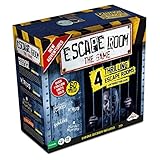
Overview: Escape Room The Game, Version 2 delivers a comprehensive package with four distinct scenarios and electronic integration. Designed for 3-5 players ages 16+, each 60-minute adventure uses a Chrono Decoder device that provides auditory feedback and a digital countdown, while a companion app supplies thematic soundtracks. The kit includes Prison Break, Virus, Nuclear Countdown, and Temple of the Aztec—each escalating in difficulty across three parts, creating a substantial content library in one box.
What Makes It Stand Out: The Chrono Decoder is a game-changer, replacing traditional paper-based verification with electronic validation that heightens tension through sound effects and time pressure. The companion app integration adds cinematic audio without complicating setup. Offering four complete adventures with expansion pack support provides longevity rare in the genre. The progressive difficulty system helps groups develop skills naturally.
Value for Money: At $40-50, it’s the best value proposition in the category—effectively $10-12 per escape room. The reusable decoder and app infrastructure means expansion packs deliver more content without redundant components. The 16+ rating suggests complexity that justifies the investment for serious puzzlers, though it limits family accessibility.
Strengths and Weaknesses: Strengths include the electronic decoder’s immersion, four varied scenarios, expansion compatibility, and escalating difficulty. The tech integration feels modern and engaging. Weaknesses involve mandatory app dependency, complex setup compared to card-only games, and the higher age rating restricting younger players. Some puzzles require precise component handling that can be finicky.
Bottom Line: The premier choice for dedicated escape room enthusiasts seeking variety and technological enhancement. The upfront cost is offset by substantial content and expandability. Ideal for adult game groups who appreciate gadget integration and don’t mind app-based gameplay. Less suitable for casual families or tech-averse players.
4. Thames & Kosmos EXIT: The Enchanted Forest| A Kosmos Escape Room Game in a Box| Family Friendly, Card-Based at-Home Escape Room Experience for 1 to 4 Players, Ages 12+ , Black

Overview: EXIT: The Enchanted Forest offers a whimsical twist on the escape room genre, trapping players among fairytale creatures after a leisurely walk goes awry. This card-based adventure supports 1-4 players and employs the signature EXIT mechanism where you physically manipulate components—marking, folding, and tearing—to reveal solutions. The family-friendly theme and integrated clue card system make it accessible while maintaining the series’ reputation for clever puzzle design, established when the series won Kennerspiel des Jahres.
What Makes It Stand Out: The fairytale theme provides a refreshing alternative to horror or thriller motifs, making it approachable for younger players or those preferring lighter narratives. The clue card system is thoughtfully structured, offering tiered hints that preserve puzzle integrity while preventing deadlock. As part of an award-winning series, it inherits proven design philosophy where puzzles feel organic rather than arbitrary, with solutions that inspire “aha!” moments rather than frustration.
Value for Money: Positioned at $15-18, it matches other EXIT titles in value. The single-use design is mitigated by high puzzle density and quality. For families, the accessible theme means broader appeal and better ROI than darker alternatives. However, experienced escapists might find it less challenging than other entries, slightly diminishing value for expert groups.
Strengths and Weaknesses: Strengths include the welcoming theme, robust hint system, and consistent puzzle quality. It works exceptionally well as an introduction to escape rooms. Weaknesses mirror the EXIT series: single-play limitation and destructive components prevent sharing. The difficulty may skew easier than the series’ reputation suggests, potentially disappointing veteran players seeking brutal challenges.
Bottom Line: An ideal entry point for families and casual puzzlers who find traditional escape themes too intense. The Enchanted Forest maintains EXIT’s design excellence while broadening accessibility. Perfect for introducing teens to the genre, though seasoned enthusiasts should expect moderate difficulty. A charming, well-crafted single-session experience.
5. ThinkFun Escape The Room Stargazer’s Manor - A Thrilling Escape Room Game in a Box for Ages 10 and Up | Enhances Logical Reasoning | Perfect for Family Game Night | Ideal Gift for Puzzle Lovers

Overview: ThinkFun’s Stargazer’s Manor brings the publisher’s educational game expertise to the escape room format. Designed for 3-8 players ages 10+, this game emphasizes logical reasoning development while delivering a mysterious narrative about an astronomer’s disappearance. The package includes a scenic manor card, five sealed envelopes containing puzzle components, and a solution wheel for verification. ThinkFun’s reputation for clear instruction manuals ensures smooth onboarding for groups new to escape rooms.
What Makes It Stand Out: The 3-8 player range is exceptionally broad, accommodating larger gatherings than most competitors. ThinkFun’s intentional focus on skill development—critical reasoning, logical deduction—adds educational value that parents and teachers appreciate. The solution wheel mechanism provides tactile feedback without requiring app downloads or battery-powered devices, keeping gameplay analog and accessible. The sealed envelope structure creates natural progression and dramatic reveals.
Value for Money: At $20-25, it’s competitively priced for the category. The higher player count spreads cost effectively across groups, and the brand’s educational credibility adds intangible value. While single-use like most competitors, the quality components and puzzle variety justify the investment for family game nights or classroom settings. The reusable solution wheel could theoretically support future expansions.
Strengths and Weaknesses: Strengths include the flexible player count, educational focus, trusted brand quality, and analog simplicity. The instruction clarity is exemplary. Weaknesses include puzzles that sometimes prioritize teaching moments over pure challenge, potentially feeling less immersive than narrative-driven competitors. The manor theme, while solid, lacks the distinctive hook of EXIT’s destructible components or Clue’s 3D board.
Bottom Line: A reliable, educationally-minded choice for larger families and novice puzzlers. ThinkFun delivers a polished, accessible experience that prioritizes learning alongside entertainment. Best for those valuing clear logic puzzles over intense thematic immersion. While not the most innovative, it’s arguably the most dependable and broadly applicable option in the category.
6. EXIT: The Game - Adventures on Catan | Interactive Escape Room Experience| Cooperative | 1-4 Players | 10+ | Kosmos | Game for Kids and Adults

Overview: This unique crossover blends the EXIT escape room series with the Catan universe, creating a cooperative puzzle adventure for 1-4 players. Lasting 1-2 hours, you physically build Catan’s island while solving puzzles and trading resources to establish a new life. Mysterious objects in the box serve as tactile puzzle components, merging board gaming with immersive escape room mechanics in an unprecedented franchise fusion.
What Makes It Stand Out: The marriage of two beloved gaming properties offers genuine novelty. Building the island piece-by-piece provides tangible progression, while trading adds strategic depth beyond typical escape rooms. The mysterious objects enable hands-on problem-solving that digital alternatives can’t match. Cooperative gameplay encourages true teamwork, making it ideal for families seeking shared narrative experiences rather than competition.
Value for Money: Priced similarly to other EXIT games, this delivers 1-2 hours of entertainment for up to four people. The quality components and dual licensing justify the premium over generic alternatives. While single-use, sharing with different groups extends value. Catan fans gain extra appreciation, and the physical pieces might inspire creative reuse, though the primary experience remains one-time-only.
Strengths and Weaknesses: Strengths include the innovative crossover, tangible puzzles, and accessible cooperative design. Integrating Catan’s mechanics adds welcome strategy. However, veteran puzzlers may find difficulty moderate, and Catan familiarity enhances enjoyment significantly. The single-play nature requires gifting afterward, and setup demands careful attention to preserve mystery elements for first-time players.
Bottom Line: EXIT: Adventures on Catan brilliantly bridges board gaming and escape rooms, perfect for families and franchise fans. The one-time-play limitation is standard for the genre, but the creative execution and quality make it a memorable investment. Gift it to puzzle-loving Catan enthusiasts for guaranteed satisfaction.
7. Clue Escape: The Illusionist’s Club Board Game | Escape Room Family Game | 1-Time Solve Mystery | Ages 10+ | 1-6 Players | Difficulty 4 | 90-120 Mins. (Amazon Exclusive)

Overview: This magic-infused entry in the Clue Escape series transforms the classic murder mystery into a cinematic escape room experience for 1-6 players. Over 90-120 minutes, you’ll investigate a sabotaged magician within an enchanted club. The dynamic gameboard reveals new rooms and secrets as you solve magic-themed puzzles using a secret “magical” tool, blending classic Clue characters with immersive escape room mechanics in a single-play cooperative adventure.
What Makes It Stand Out: The evolving gameboard creates genuine discovery, physically changing to reflect your progress. The secret magical tool adds tactile intrigue, requiring creative thinking beyond paper puzzles. Classic Clue characters in a fresh magic setting provide narrative familiarity with novel gameplay. Magic trick-inspired puzzles feel thematically integrated rather than tacked-on, offering a cohesive experience that stands apart from generic escape room games.
Value for Money: Positioned as an Amazon Exclusive, this offers comparable value to other Clue Escape titles. The 90-120 minute runtime for 1-6 players spreads cost across multiple participants. Single-play design means planning ahead for maximum value, but the cinematic experience and quality components justify the price. Consider it against a family movie night—interactive engagement often proves more memorable.
Strengths and Weaknesses: Strengths include the dynamic board’s physical transformation, thematically rich magic puzzles, and versatile player count. The secret tool enhances immersion. However, setup is intricate and requires careful component management. Single-use nature limits replayability, and difficulty may vary—some puzzles might frustrate younger players while leaving veterans wanting more challenge. The exclusive availability could limit discount opportunities.
Bottom Line: Clue Escape: The Illusionist’s Club delivers a spellbinding experience for magic fans and families. While the one-time play and moderate difficulty may not satisfy hardcore puzzlers, the innovative board mechanics and thematic cohesion make it an excellent choice for game nights. Approach it as a shared event rather than a permanent collection piece.
8. Hunt A Killer: Death At The Dive Bar, Solve a Murder at Old Scratch Tavern, Immersive Murder Mystery Game, Play Detective in Unsolved Mysteries, Great Gift For True Crime Fans, Designed for Ages 14+

Overview: This true crime murder mystery immerses players in the death of Nick Webster, a small-town bar owner whose “accident” seems suspicious. Designed for ages 14+ and rated 1/5 difficulty, this beginner-friendly investigation takes 45-60 minutes solo or cooperatively. You examine forensic files, eliminate suspects, and piece together evidence to catch a killer, offering an authentic detective experience in a compact, single-sitting format.
What Makes It Stand Out: The realistic forensic documentation and authentic true crime atmosphere distinguish it from puzzle-light party games. The dive bar setting feels gritty and grounded, appealing to true crime enthusiasts. At 1/5 difficulty, it serves as a perfect entry point without overwhelming newcomers. The 45-60 minute runtime respects busy schedules, delivering a complete narrative arc without the multi-hour commitment typical of the genre.
Value for Money: As a shorter experience, it’s typically priced lower than premium escape room boxes. The condensed runtime and beginner focus offer excellent value for true crime fans testing the waters. While single-use, the realistic evidence quality justifies cost. Compare favorably to a true crime documentary—interactive participation adds engagement. For experienced puzzlers, the low difficulty may limit perceived value.
Strengths and Weaknesses: Strengths include authentic true crime presentation, accessible difficulty, and manageable time commitment. The narrative feels cohesive and the evidence realistic. However, veteran investigators will find it too simple, craving more complex deductions. The single-use nature is standard but still a limitation. At only 45-60 minutes, some may want more content for the price, and the 14+ rating restricts younger family play.
Bottom Line: Hunt A Killer: Death at the Dive Bar is the ideal gateway drug for true crime fans curious about mystery games. Its beginner-friendly design and realistic presentation make it a compelling introduction, though experienced players should seek higher difficulty. Perfect as a gift for podcast listeners or armchair detectives wanting to get hands-on with a case.
9. Escape From the Museum Escape Room Game

Overview: Professor Puzzle’s museum-themed escape room challenges 1-4 players to solve brain-busting puzzles after being locked in after hours. This compact game emphasizes deductive reasoning and problem-solving to crack codes and find your way out. Part of the established Escape Room Collection, it delivers a mini escape room experience designed for game nights, focusing purely on puzzle-solving mechanics rather than heavy narrative.
What Makes It Stand Out: The museum setting provides a classic, relatable backdrop that sparks imagination without requiring complex world-building. Its compact design makes it highly portable and accessible for smaller gatherings. As part of Professor Puzzle’s collection, it benefits from refined puzzle design principles. The emphasis on pure problem-solving over story appeals to puzzle purists who prefer logic challenges to theatrical elements, creating a focused, brain-teasing experience.
Value for Money: Typically priced in the mid-range for entry-level escape games, it offers solid value for 1-4 players. The shorter playtime compared to premium titles reflects in the price, making it an accessible entry point. While single-use, the puzzle quality justifies cost for casual players. However, experienced enthusiasts might find better value in more elaborate, longer games. Consider it a puzzle appetizer rather than a main course.
Strengths and Weaknesses: Strengths include focused puzzle design, accessible difficulty, and compact packaging. It plays quickly and travels easily. However, the minimal narrative may disappoint those seeking immersive storytelling. Limited to four players, it’s less versatile than larger-group alternatives. Puzzle veterans might find it too straightforward, and the Professor Puzzle branding, while reliable, doesn’t carry the cachet of some competitors. Setup is simple but lacks dramatic flair.
Bottom Line: Escape From the Museum serves casual puzzlers and smaller groups admirably, delivering solid logic challenges without complexity. While it won’t satisfy narrative-driven players or veteran escapists, its accessibility and focused design make it a reliable choice for family game nights or introducing newcomers to escape room concepts. A dependable, if unremarkable, addition to the genre.
10. Clue Escape: The World’s Fair Board Game | Escape Room 1-Time Solve Mystery Games | Ages 10+ | 1 to 6 Players | 90 - 120 Mins.| Family Games

Overview: The sixth installment in the Clue Escape series transports players to a World’s Fair where a brilliant scientist has been murdered. Designed for 1-6 players and lasting 90-120 minutes, this single-play cooperative game tasks you with escaping the fair while solving the crime. Players decode puzzles using a secret tool, explore dynamic exhibit halls that change as they progress, and collect evidence to deduce the killer, weapon, and location in a cinematic, historically-themed mystery.
What Makes It Stand Out: The World’s Fair setting provides rich historical flavor that distinguishes it from generic mansion mysteries. As the sixth game in the series, it demonstrates refined puzzle design and smoother integration of mechanics. The dynamic board builds progressively, creating visual satisfaction as fairgrounds expand. The secret tool feels more sophisticated than earlier entries, and the brochure-based hints offer elegant clue delivery. The historical theme adds educational texture without sacrificing fun.
Value for Money: Consistently priced with other Clue Escape titles, it offers strong value for 1-6 players across its 90-120 minute runtime. The improved production quality and refined mechanics justify the investment for series fans. Single-play design remains the primary limitation, but the cinematic experience rivals a themed entertainment outing at a fraction of the cost. For newcomers, it’s a polished entry point; for veterans, it shows welcome evolution.
Strengths and Weaknesses: Strengths include the immersive historical theme, refined puzzle integration, and versatile player count. The dynamic board creates engaging progression, and production values are high. However, the single-use nature persists as a drawback, and series veterans may recognize structural patterns, reducing surprise. Setup requires organization to avoid spoilers. Some puzzles may feel familiar if you’ve played multiple Clue Escape games, potentially limiting novelty.
Bottom Line: Clue Escape: The World’s Fair represents the series at its most polished, delivering a compelling historical mystery that balances accessibility with engagement. While the one-time-play format remains, the refined mechanics and rich theming make it a standout choice for families and Clue enthusiasts. Treat it as a special game night event, and it will reward you with a memorable, cinematic puzzle experience.
What Makes a Great Budget Escape Room Game?
Core Puzzle Mechanics
The heart of any escape room game lies in its puzzles. Budget titles should offer varied challenge types—logic grids, pattern recognition, cipher decoding, and spatial reasoning—without relying on cheap tricks or obscure knowledge. Look for games that provide satisfying “aha!” moments where solutions feel earned rather than guessed. The best designs integrate multiple puzzle layers that connect to a central mystery, creating a cohesive experience rather than a random assortment of brain teasers.
Narrative Integration
Even at lower price points, compelling storytelling separates memorable games from forgettable puzzle collections. Strong narratives give context to why you’re solving puzzles and create emotional investment in escaping. Quality budget games weave story elements into every component—clue cards, solution envelopes, and even the rulebook itself. The plot should unfold naturally as you progress, with each solved puzzle revealing new story beats that motivate you to reach the conclusion.
Key Features to Look for Under $30
Price vs. Value Balance
A $25 game with ten one-hour scenarios delivers better value than a $15 single-play experience. Calculate the cost-per-hour of entertainment when evaluating purchases. Many budget games now include multiple scenarios, expansions, or community-created content that extends their lifespan. Check whether the base game includes enough content for several sessions or if you’ll need immediate expansions, which can quickly inflate the true cost.
Component Durability
Budget pricing shouldn’t mean flimsy components. Cards should have linen finishes to withstand repeated shuffling, and paper elements should be thick enough to resist tearing during enthusiastic puzzle-solving. While you might not get wooden tokens or metal keys at this price point, durable cardboard and quality printing are reasonable expectations. Games that require writing or drawing should include dry-erase surfaces or provide printable replacement components online.
Digital Integration Options
Modern budget escape games often pair physical components with free companion apps. These digital elements can provide atmospheric soundtracks, countdown timers, hint systems, and input verification without adding manufacturing costs. App integration should feel essential rather than tacked-on, offering features impossible to replicate physically. Ensure the app works offline and will remain supported for years to come, protecting your investment from becoming obsolete.
Different Types of Escape Room Board Games
Card-Based Systems
Card-driven games represent the most common budget-friendly format, using decks of numbered cards to represent clues, puzzles, and solutions. Players progress by solving puzzles that grant access to new card numbers, creating a branching narrative path. These systems excel at portability and setup speed, often playable on a small coffee table. The best implementations include clever card combinations where multiple cards interact to form new puzzles, maximizing content from minimal components.
App-Assisted Adventures
Hybrid physical-digital games leverage smartphone technology to deliver complex puzzles without expensive physical components. The app might display 3D rooms to explore, handle inventory management, or provide voice-acted narrative segments. This approach allows for dynamic puzzle generation and immediate feedback on solution attempts. For casual players, app assistance reduces rulebook reading and automates tedious tracking, letting you focus on the fun parts of solving.
Legacy-Style Campaigns
Some budget titles adopt legacy mechanics where your group plays through a connected series of scenarios with persistent consequences. While traditional legacy games are expensive, budget versions might use sticker sheets, destructible components, or simple tracking sheets to create continuity. These campaigns offer excellent value for regular gaming groups, providing months of entertainment from one purchase. The key is finding campaigns that remain replayable or offer reset kits.
Player Count Considerations for Casual Gaming
Solo Play Potential
Even if you primarily game with friends, solo compatibility adds tremendous value. The best budget escape games include official solo variants that adjust puzzle complexity or provide parallel investigation paths. Solo modes should maintain the cooperative feel by letting you control multiple characters or offering a focused, single-protagonist narrative. This flexibility means you can enjoy your purchase even when schedules don’t align for group sessions.
Large Group Adaptations
Casual game nights often involve fluctuating player counts. Quality budget games accommodate 1-6 players without sacrificing experience. Look for titles that divide responsibilities among players—some might handle cipher decoding while others search for hidden patterns. Games that support parallel puzzle-solving prevent downtime in large groups, keeping everyone engaged simultaneously rather than waiting for their turn to contribute.
Replayability vs. One-Time Experiences
Resettable Game Mechanics
The debate between replayable and single-use games intensifies at budget price points. Resettable games use dry-erase boards, resealable components, or puzzle randomization to offer fresh experiences. While single-play games can provide incredible value for one unforgettable session, resettable titles deliver ongoing entertainment. Consider your gaming frequency—occasional players might prefer one-and-done experiences, while weekly groups need replayability.
Destructive vs. Non-Destructive Play
Some budget games require cutting, folding, or writing on components to solve puzzles. This destructive design creates immersive, tactile experiences but limits resale and replay value. Non-destructive games use clever workarounds like transparent overlays or component placement puzzles. For casual play, non-destructive designs often prove more practical, letting you share the game with friends or trade it after completion.
Difficulty Levels and Casual Play
Beginner-Friendly Indicators
Casual players need games that teach puzzle-solving concepts gradually. Look for titles with clear difficulty ratings on scenarios, comprehensive tutorial puzzles, and layered hint systems. The best budget games include “easy mode” variants that reduce complexity without dumbing down the experience. They might offer more time, simpler ciphers, or additional starting clues to prevent frustration and ensure everyone reaches the satisfying conclusion.
Scaling Difficulty Systems
Advanced groups want challenge, while beginners need accessibility. Clever budget games include adjustable difficulty through optional expert puzzles, time pressure variations, or hidden challenge layers. Some titles use a star rating system where you can attempt harder versions of completed scenarios. This scaling ensures the game grows with your group, remaining engaging across multiple playthroughs as your skills improve.
Game Duration and Session Planning
Time Commitment Transparency
Budget escape games should clearly state expected playtimes on the box—typically 45-90 minutes for casual titles. This helps you plan game nights and set appropriate expectations. Beware of games with vague “variable” timing that might run too long for casual sessions. The best titles include save mechanisms or natural break points, letting you pause and resume without losing progress when real life interrupts your escape.
Save Mechanisms
Life happens during game night, and quality budget games account for this. Look for titles with save systems—component baggies labeled with progress markers, app-based bookmarking, or simple note-taking guides. These features let you pack away mid-game and resume later without forgetting crucial clues or losing your place in complex multi-step puzzles. For casual players who can’t always commit to uninterrupted sessions, this flexibility is invaluable.
Component Quality on a Budget
Print-and-Play Options
The ultimate budget hack involves print-and-play games available for under $10. These downloadable PDFs let you print cards, boards, and components at home. While requiring ink and cardstock investment, they offer incredible value and instant access. Many designers provide professional-quality files with clear cutting guides and assembly instructions. For crafty casual players, this opens up hundreds of affordable escape experiences beyond retail offerings.
DIY Component Upgrades
Budget games can be enhanced with simple DIY improvements. Laminate reference sheets, store cards in better-quality boxes, or create custom organizers from recycled materials. These upgrades cost pennies but dramatically improve the tactile experience. Some games even encourage personalization—adding your own stickers, creating custom clue envelopes, or building simple props from household items to increase immersion without voiding the warranty.
Theme Variety in Affordable Escape Games
Popular Genre Themes
Budget escape games cover every imaginable theme: noir detective mysteries, sci-fi space station disasters, fantasy dungeon crawls, and historical time-travel adventures. For casual play, familiar themes reduce setup time since players instantly understand the setting. Look for genres your group loves—horror fans will appreciate spooky atmospheres, while comedy enthusiasts might prefer lighthearted, puzzle-filled capers. Theme consistency across scenarios adds value to campaign-style games.
Age-Appropriate Content
Family-friendly budget games avoid mature themes while maintaining engaging puzzles. They might feature cartoon art, simplified narratives, and cooperative win conditions that prevent player elimination. For adult casual groups, mature themes can add depth, but ensure the content matches your group’s comfort level. Many budget titles include content warnings or adjustable thematic elements, letting you tone down scary or complex story points for mixed-age gatherings.
Where to Find Budget Escape Room Games
Online Marketplaces
Major retailers offer extensive budget selections, but niche online board game stores often curate better escape room collections with detailed filters for player count, difficulty, and playtime. These specialized sites provide expert reviews and bundle deals. Watch for seasonal sales—Black Friday, Amazon Prime Day, and post-holiday clearances frequently discount puzzle games. Set price alerts for titles on your wishlist to snag them when they drop under your budget threshold.
Local Game Store Finds
Don’t overlook brick-and-mortar game stores for budget treasures. Many carry overstock or previous year’s titles at steep discounts. Store owners can offer personalized recommendations based on your group’s preferences. Some shops host demo nights where you can try before buying. Building relationships with local stores might unlock loyalty discounts or early access to sales, stretching your budget further while supporting community hubs.
How to Evaluate Reviews and Ratings
Red Flags in Reviews
When researching budget games, watch for review patterns that suggest quality issues. Multiple complaints about unclear rules, broken puzzles, or poor component quality warrant caution. However, distinguish between legitimate problems and mismatched expectations—someone rating a casual game poorly because it’s “too easy” might actually be describing exactly what you’re seeking. Focus on reviews from players with similar gaming habits and group sizes to your own.
Community Recommendations
Board game forums and social media groups offer unfiltered opinions from passionate players. Search for threads specifically about budget escape games or casual gaming recommendations. These communities often share playthrough reports, puzzle solutions (with spoiler warnings), and comparisons between similar titles. Engaging with these groups lets you ask direct questions about specific features important to your gaming style before committing to a purchase.
Storage and Organization Tips
Preserving Game Components
Budget games need protection to last. Store cards in deck boxes, use binder clips to keep scenario booklets flat, and keep small tokens in resealable bags. Create a “game-saving kit” with extra envelopes, replacement pencils, and small containers for organizing pieces during play. Proper storage prevents component loss and makes setup faster, encouraging more frequent casual play sessions since you’re not hunting for missing pieces.
Digital Backup Strategies
For games with paper components, take photos of setup layouts and key cards before your first play. This creates a digital backup if pieces get damaged or lost. Some players scan rulebooks and clue sheets to reference on tablets, preserving originals. For app-assisted games, screenshot important information in case the app gets updated and changes content. These digital safeguards protect your budget investment from accidents and wear.
Expanding Your Collection Strategically
Mixing Game Types
Build a diverse collection by alternating between quick 30-minute micro-escapes and epic 2-hour adventures. Include both card-based and app-assisted titles to vary the experience. Having different difficulty levels lets you match games to your group’s energy—easy puzzles for weeknights, challenging campaigns for weekend marathons. This variety prevents burnout and ensures you always have the right game for any casual gaming opportunity.
Trading and Reselling
Single-play escape games retain resale value if completed non-destructively. Online marketplaces and local gaming groups facilitate trades, letting you swap completed games for new experiences. Some collectors buy used budget games, complete them carefully, and resell them at minimal loss. This “rental” approach lets you experience more titles than your budget would otherwise allow, though it requires careful handling and honesty about component condition.
Hosting the Perfect Casual Game Night
Creating the Right Atmosphere
Transform your space with simple ambiance tricks: dim lighting, background music from the game’s app or theme-appropriate playlists, and thematic snacks. Use blackout curtains and LED candles for spooky games, or create a “mission control” vibe with sci-fi soundtracks for space themes. These low-cost additions dramatically increase immersion, making budget games feel premium. Set up a dedicated puzzle-solving station with good lighting and comfortable seating to keep everyone focused.
Snack and Break Strategies
Escape games require concentration, so plan snack breaks between puzzles rather than during intense moments. Choose non-greasy foods that won’t damage components—pretzels over chips, cookies over saucy appetizers. Keep drinks in sealed containers away from the play area. Schedule natural pause points between scenarios or chapters for bathroom breaks and socializing. This structure prevents mid-puzzle interruptions that can derail your group’s momentum and enjoyment.
Future Trends in Budget Escape Gaming
Emerging Technologies
Expect more augmented reality features in 2026 budget titles, where phone cameras overlay digital clues onto physical components. Voice-activated puzzle assistants and AI-driven hint systems will personalize difficulty in real-time. These technologies reduce manufacturing costs while enhancing gameplay, making sophisticated experiences accessible at lower prices. Watch for games that use QR codes to unlock rotating online content, extending their lifespan without physical expansions.
Sustainability in Game Design
Eco-conscious budget games are emerging with recyclable components, minimalist packaging, and digital-only expansions. Some companies offer “component-lite” designs where most content lives in apps, reducing waste. Refill packs for destructive games let you replay them without rebuying entire boxes. These sustainable approaches often lower costs while appealing to environmentally aware casual players who want guilt-free entertainment.
Frequently Asked Questions
What should I prioritize when buying my first budget escape room game? Focus on player count compatibility with your regular group, clear difficulty ratings, and positive reviews specifically mentioning beginner-friendliness. A game with multiple scenarios offers better initial value than a single-play experience, letting you learn the system and replay with new players.
Can escape room games under $30 really provide a full experience? Absolutely. Many budget titles deliver 60-90 minutes of immersive gameplay through clever design that maximizes minimal components. The constraint often drives creativity, resulting in elegant puzzle systems. App integration and print-and-play options further stretch what developers can offer at this price point.
How do I know if a game is truly replayable or just marketing fluff? Check reviews for mentions of procedural generation, random puzzle elements, or community-created content. Games with scenario books containing multiple distinct adventures offer genuine replayability. Be wary of titles that only claim “you can play again with new people”—that’s not true replay value.
Are app-assisted games worth it or just a gimmick? When done well, apps transform budget games by providing atmospheric audio, dynamic hints, and puzzle verification without adding manufacturing costs. The key is ensuring the app enhances rather than replaces physical interaction. Read reviews focusing on app stability and whether it works offline.
What’s the ideal difficulty for casual game nights? Look for games rated 2-3 out of 5 in difficulty, or those with robust hint systems. These provide satisfying challenges without causing frustration. Many budget titles include “family” or “casual” modes that streamline complex puzzles while preserving the core experience.
How can I make a single-play game feel less wasteful? Host a game night where friends contribute a few dollars toward the purchase, treating it like a movie ticket. After playing, carefully preserve components and gift or resell the game. Some players frame particularly clever puzzle cards as souvenirs, transforming the game into lasting art.
Do budget escape games work well for team-building events? Yes, their cooperative nature and time pressure make them excellent for small team building. Choose titles with parallel puzzle paths so everyone stays engaged. Non-destructive games allow multiple teams to run the same scenario sequentially for comparison and discussion.
Should I buy expansions for budget games or just new base games? It depends on how much you loved the base system. If the core mechanics clicked with your group and the expansion offers 50%+ new content, it’s often worth it. However, many players prefer exploring different design philosophies by buying new base games, especially when both options cost similar amounts.
How do I store multiple escape room games efficiently? Remove boxes and store components in labeled plastic containers with the rulebooks. Keep scenario cards in card boxes organized by game. Create a master index of your collection noting player count, difficulty, and playtime for easy selection. This saves shelf space and makes setup faster.
Will my budget escape games become obsolete as new ones release? Quality puzzle design is timeless. While new games introduce fresh mechanics, a well-designed budget title from five years ago remains just as enjoyable. Focus on collecting games with strong fundamentals rather than chasing trends. Classic puzzle types like ciphers and logic grids never go out of style.
See Also
- 10 Best Budget Escape Room Board Games Under $30 for Home Play
- Top 10 Best Escape Room Board Games for Family Game Night in 2026
- 10 Best Budget Cooperative Board Games Under $30 for New Players in 2026
- 10 Must-Have Themed Board Games for Escape Room Lovers in 2026
- 10 Expert-Recommended Escape Room Board Games for Teens in 2026