Table of Contents
Ever feel like game night ends with bruised egos and someone sulking in the kitchen? You’re not alone. For many casual players, traditional competitive board games can accidentally turn friendly gatherings into tense battlegrounds. That’s where cooperative adventures shine—they transform the table into a shared mission space where everyone wins or loses together. No blame games, no sore losers, just pure teamwork and laughter. And the best part? You don’t need to drain your wallet to experience this magic. With budget-friendly cooperative games under $30 flooding the market, accessible fun is finally within reach for weekend warriors and family game nights alike.
Forget the myth that great board games demand hundreds of dollars and hours of rulebook deciphering. Today’s cooperative landscape is bursting with clever, approachable designs that prioritize enjoyment over complexity. These aren’t watered-down experiences—they’re thoughtfully crafted to engage casual players with intuitive mechanics, vibrant themes, and just the right amount of challenge. Whether you’re hosting a relaxed Friday evening with neighbors or seeking a screen-free activity for your kids, affordable cooperative games deliver connection without the competitive pressure. Let’s explore how to find your perfect match without breaking the bank.
Top 10 Cooperative Board Games
Detailed Product Reviews
1. Gamewright - Forbidden Island - Cooperative Strategy Survival Board Game, 2-4 Players
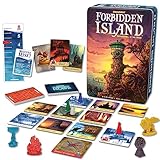
Overview: Forbidden Island, designed by Matt Leacock, is a cornerstone cooperative board game where 2-4 players race against time to retrieve sacred treasures from a sinking island. Players work as a team to collect artifacts before the island vanishes beneath the waves, emphasizing shared strategy over competition.
What Makes It Stand Out: Its pioneering cooperative mechanics set it apart; players win or lose together, fostering genuine teamwork. The dynamic island board physically shrinks as tiles sink, creating tangible urgency. Rich thematic artwork immerses players in a perilous adventure, while streamlined rules (ages 10+) make complex strategy accessible for family game nights.
Value for Money: Priced accessibly, it delivers exceptional replayability through variable island layouts and treasure combinations. Compared to competitive games, its focus on collective problem-solving offers unique educational value in decision-making, justifying its cost as a long-term family investment.
Strengths and Weaknesses: Strengths: Intuitive rules, high engagement, promotes communication, compact storage. Weaknesses: Limited player count (max 4), difficulty scaling for younger kids under 10, minimal player elimination once tiles sink. Replay depth relies on strategic adaptation rather than expansions.
Bottom Line: A must-play cooperative classic that masterfully blends tension, teamwork, and accessibility. Its enduring popularity and skill-building benefits make it an essential addition to any family or casual gamer’s collection.
2. Ravensburger Horrified Games - Greek Monsters - Strategy Board Game - Boost Critical Thinking & Teamwork - Cooperative Gameplay - Unique Monster Challenges - 1 to 5 Players - Adults & Kids 10+

Overview: Horrified: Greek Monsters casts 1-5 players as heroes defending Elysium from six iconic Greek myths, including Medusa and Cerberus. This cooperative strategy game tasks teams with using unique hero abilities to banish monsters using distinct, lore-accurate methods—no two threats play alike.
What Makes It Stand Out: The game shines through its thematic depth; each monster requires a completely different strategy (e.g., avoiding Medusa’s gaze, luring Cerberus). Stunning artwork and modular board elements like the Labyrinth create a vivid, immersive experience. The 60-minute playtime ensures tight, focused sessions.
Value for Money: With high-quality components and six unique monster scenarios, it offers immense variety per purchase. It competes well against pricier narrative games by delivering consistent novelty—each monster reshapes gameplay, maximizing replay value without expansions.
Strengths and Weaknesses: Strengths: Exceptional theme integration, scalable player count, strong visual design, promotes adaptive tactics. Weaknesses: Steeper learning curve due to multiple rule sets per monster, setup can be lengthy, limited solo-play optimization compared to dedicated solo games.
Bottom Line: A brilliantly thematic and replayable cooperative experience that excels in variety and strategic depth. Ideal for fans of Greek mythology seeking challenging, team-based problem-solving, it’s a standout for game nights.
3. Flow: The Official Cooperative Board Game | Strategy Game for 1–4 Players Ages 8+ | Based on The Award-Winning Animated Film | Family & Solo Play | Survive The Flood, Rescue Allies
Overview: Flow translates the emotional animated film into a real-time cooperative board game where 1-6 players guide animal characters across a modular, flooding landscape. Players must rescue allies and reach safety before rising waters trap them, blending narrative depth with urgent teamwork.
What Makes It Stand Out: The dynamic “rising water” mechanic physically reshapes the board, forcing rapid adaptation. Real-time pressure (using a sand timer) creates intense, cinematic moments. Modular tiles and 11 scenarios ensure no two games feel identical, while solo mode extends its versatility.
Value for Money: Its strong replayability through scenario variety and modular design justifies the price. Compared to similar cooperative games, it offers a unique real-time element and emotional storytelling that enhances family engagement without requiring expansions.
Strengths and Weaknesses: Strengths: Innovative real-time mechanics, high replayability, seamless solo/family play, beautiful thematic art. Weaknesses: Real-time pressure may overwhelm younger players, scenario setup complexity varies, limited strategic depth for hardcore gamers.
Bottom Line: A captivating, emotionally resonant cooperative adventure that excels in atmosphere and replay value. Perfect for families seeking a tense yet accessible narrative experience, it’s a worthy tribute to the film.
4. Pressman The Oregon Trail Card Game - Cooperative Gameplay Based on The Classic Computer Game, Ages 12 and Up, 2-6 Players

Overview: This card game reimagines the iconic computer game as a cooperative survival challenge where 2-6 players manage a wagon party braving the Oregon Trail. Players draw cards representing resources, events, and infamous perils like dysentery, aiming to reach Oregon with at least one survivor.
What Makes It Stand Out: Its cheeky humor and nostalgic 8-bit art transform grim historical challenges into lighthearted fun. Cooperative gameplay requires strategic resource sharing, while “death cards” (e.g., cholera) add dark comedy. The compact design captures the essence of the digital original in a portable format.
Value for Money: As a low-cost, quick-playing card game, it offers excellent value for nostalgia-driven game nights. It outperforms similarly priced party games with its unique theme and cooperative twist, though depth is lighter than legacy board games.
Strengths and Weaknesses: Strengths: Strong nostalgia factor, fast setup/play (20-30 mins), humorous tone, great group interaction. Weaknesses: Limited strategic depth, high luck dependency, repetitive after multiple plays, not ideal for serious strategy gamers.
Bottom Line: A fun, accessible tribute to a gaming classic that shines in casual settings. While light on strategy, its humor and cooperative chaos make it a solid choice for fans of the original or lighthearted group play.
5. Pandasaurus Cooperative Strategy Card Game - Fun Interactive Family Game for Ages 8+, 1-5 Players, 20 Minute Playtime
Overview: “The Game” is a minimalist cooperative card game where 1-5 players work together to play all cards from two shared decks in ascending and descending sequences. Despite simple rules, it demands intense communication and foresight to avoid stalling the critical countdown.
What Makes It Stand Out: Its deceptive simplicity—using only number cards—belies deep strategic communication challenges. The “no talking” rule (except for specific constraints) forces creative non-verbal teamwork. With 1.3 million copies sold and a Spiel Des Jahres nomination, its addictive replayability is proven.
Value for Money: Exceptionally high for its low price point; the compact box delivers endless sessions through varied card distributions. It surpasses many full-priced board games in replay value and portability, ideal for quick, brain-teasing breaks.
Strengths and Weaknesses: Strengths: Superb replayability, quick setup/play (20 mins), universally appealing, award-winning design. Weaknesses: Communication restrictions can frustrate new players, minimal theme, limited visual appeal compared to illustrated games.
Bottom Line: A brilliantly elegant, highly replayable cooperative gem that excels in pure strategic interaction. Its accessibility and depth make it a top recommendation for families and casual gamers seeking a quick, engaging challenge.
6. Spin Master Games, SolidRoots Escaping Extinction, Cooperative Strategy Board Game from The Makers of Mind The Gap, for Kids & Family, 1-4 Players, for Ages 12 & Up

Overview: SolidRoots Escaping Extinction casts players as clever dinosaurs racing against a meteor impact to build a 3D rocket and escape extinction. This cooperative tile-based strategy game tasks families with exploring a dynamically shifting prehistoric world, gathering rocket components while surviving environmental hazards. Designed for 1-4 players aged 12+, it transforms survival into a collaborative puzzle perfect for game nights.
What Makes It Stand Out: Its standout feature is the earthquake mechanic, which randomly rearranges the modular board mid-game, forcing adaptive strategy. The 3D rocket assembly adds tactile engagement, while the ever-changing layout ensures high replayability. Unlike many kids’ games, it balances accessibility with meaningful decision-making, avoiding oversimplification.
Value for Money: Priced competitively against family strategy games, it justifies cost through durable components and near-infinite replayability. While cheaper alternatives exist, few offer this level of emergent storytelling and physical interaction. The inclusion of Spin Master’s broader game ecosystem (e.g., Mind The Gap) adds cross-game appeal.
Strengths and Weaknesses: Strengths: Highly replayable due to modular board; innovative earthquake mechanic; promotes teamwork without player elimination; vibrant, thematic art. Weaknesses: Age 12+ may frustrate younger kids despite family branding; rocket assembly can feel fiddly; limited strategic depth for hardcore gamers.
Bottom Line: A inventive, replayable cooperative experience that excels in family strategy. Its dynamic board and tactile rocket-building justify the price, though younger players may need guidance. Highly recommended for families seeking engaging, non-competitive adventures.
7. The Lord of The Rings: Adventure to Mount Doom | Family Game | Cooperative Game | Strategy Game

Overview: Adventure to Mount Doom immerses players in Tolkien’s Middle-earth as they cooperatively guide Frodo toward Mount Doom to destroy the One Ring. This streamlined strategy game pits 1-4 players against ring wraiths using dice rolls and card draws, blending narrative tension with accessible mechanics in roughly 50 minutes of play.
What Makes It Stand Out: It masterfully distills LOTR’s epic stakes into a compact experience, leveraging iconic lore for immediate emotional engagement. The cooperative dice/carve system creates palpable urgency as ring wraiths close in, while solo compatibility broadens its appeal. Few licensed games capture a franchise’s essence so authentically at this complexity level.
Value for Money: Positioned as a mid-tier family game, it delivers strong value through thematic depth and efficient gameplay. Compared to sprawling LOTR board games, it offers a focused, affordable entry point. However,lite mechanics may disappoint strategy enthusiasts seeking deeper systems, making it best for casual fans.
Strengths and Weaknesses: Strengths: Authentic Tolkien atmosphere; intuitive rules ideal for newcomers; excellent solo mode; compact setup; strong narrative drive. Weaknesses: Luck-dependent dice mechanics can undermine strategy; minimal player agency in critical moments; limited replayability after mastering the pattern.
Bottom Line: A charming, accessible gateway into cooperative gaming for LOTR fans, prioritizing theme over tactical depth. Worthwhile for casual players and families, but seasoned gamers may find mechanics too simplistic. Solid for thematic immersion within its runtime.
8. Castle Panic 2nd Edition | Cooperative Board Game for Adults and Family | Ages 8+ | for 1 to 6 Players | Average Playtime 45 Minutes | Made by Fireside Games

Overview: Castle Panic 2nd Edition challenges 1-6 players to collaboratively defend Castle Bravehold from relentless monster sieges. Using card-driven tactics, teams must strategically position archers, knights, and mages across a circular board to protect towers—blending tower defense with cooperative planning in a brisk 45-minute session.
What Makes It Stand Out: Its genius lies in scalability: seamless adaptation from solo to 6-player chaos without rule changes. The 4D tower system (physical 3D structures) and disruptive events like plagues create visceral tension. Four distinct modes—including competitive Overlord—offer extraordinary versatility, making it a rare “one-size-fits-all” family game.
Value for Money: Exceptional value given its player range and replayability. The robust components (vibrant monsters, 3D towers) outlast cheaper alternatives, while the modular difficulty caters to mixed-age groups. Priced moderately, it pays for itself through countless game nights—especially for large households.
Strengths and Weaknesses: Strengths: Unmatched player count flexibility; intuitive yet strategic; thrilling high-stakes moments; multiple game modes extend longevity; inclusive design for varied skill levels. Weaknesses: Tower assembly can be cumbersome; competitive modes disrupt pure cooperation; art style may feel dated to some.
Bottom Line: A near-perfect cooperative cornerstone for families and groups. Its adaptability, tense gameplay, and durability make it a must-own. Highly recommended for anyone seeking accessible teamwork with surprising strategic heft.
9. Happy Camper - The Four Doors | New Cooperative Game by Creator of Forbidden Island and Pandemic | Super Portable | Great for Solo Play, Two Players, and Groups
Overview: Happy Camper: The Four Doors, designed by Pandemic’s Matt Leacock, condenses cooperative strategy into a pocket-sized adventure. Players race to light a mystical beacon by retrieving treasures behind four doors before shadows seal them—all in 30 minutes. Ideal for 1-5 players aged 10+, it’s built for travel without sacrificing depth.
What Makes It Stand Out: Its super-portable design (tiny box, minimal components) defies expectations for strategic richness. Leacock’s signature “escalating pressure” mechanic shines as shadow threats multiply, demanding clever card management. The solo mode is exceptionally polished, rare for portable games, and the door-based puzzle creates elegant tension.
Value for Money: A steal for its portability and pedigree. While cheaper travel games exist, none match its strategic pedigree or solo viability. It lacks the component heft of bigger games but justifies cost through ingenious design—think of it as a “strategy snack” for on-the-go.
Strengths and Weaknesses: Strengths: Ultra-portable yet deeply strategic; flawless solo implementation; quick setup/teardown; intuitive Pandemic-style mechanics; high replayability via variable setups. Weaknesses: Less thematic immersion than Leacock’s epics; treasures/doors can feel abstract; limited player interaction at higher counts.
Bottom Line: An essential travel companion for co-op fans. Its brilliance lies in distilling complex strategy into a compact package. Perfect for casual or solo play, though veterans may crave more narrative depth. Unreservedly recommended for its niche.
10. Ravensburger Alien: Fate of The Nostromo Board Game for Ages 10 & Up – A Cooperative Strategy Game of Suspense
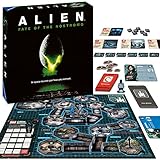
Overview: Alien: Fate of The Nostromo plunges 1-5 players into the iconic horror classic as Nostromo crew members evading a deadly xenomorph. This cooperative game emphasizes tension through movement, item crafting, and objective completion aboard a claustrophobic ship board—mirroring the film’s suspense in 60-90 minute sessions.
What Makes It Stand Out: Unparalleled thematic immersion: detailed miniatures, atmospheric art, and the Alien’s hidden movement system generate genuine dread. Variable objectives and the treacherous Ash expansion deepen strategy, while the self-destruct countdown injects cinematic urgency unmatched in most co-ops.
Value for Money: Premium-priced but justified by exceptional components (miniatures, art) and high replayability via multiple missions. Cheaper alternatives lack its production quality, though the steep learning curve may deter casual players. A worthy investment for film fans seeking intense, narrative-driven gameplay.
Strengths and Weaknesses: Strengths: Stunning thematic execution; high-quality miniatures/art; strategic depth with item crafting; Ash adds fiendish variability; excellent tension-building. Weaknesses: Complex setup/rules for co-ops; Alien AI can feel random; lengthy playtime may frustrate; steep difficulty curve.
Bottom Line: A masterclass in licensed board games that honors the film’s legacy. Best for horror enthusiasts and experienced gamers willing to navigate its complexity. Highly recommended despite the price—just ensure your group loves intense, thematic challenges.
Why Cooperative Games Are Perfect for Casual Gatherings
Building Shared Experiences, Not Rivalries
Cooperative games eliminate the “winner vs. loser” dynamic that often sidelines less competitive players. Instead, the group faces a common challenge, fostering communication and collective problem-solving. This shift creates a supportive environment where everyone contributes meaningfully, making it ideal for mixed-skill groups or sensitive personalities who might feel excluded in cutthroat games. The focus becomes the journey, not the scoreboard.
Lowering the Stress Threshold
Without the pressure to outmaneuver friends, casual players can relax and engage more deeply. Cooperative mechanics often encourage discussion (“Should we save this card for later?”), reducing analysis paralysis since decisions are group-driven. This collaborative safety net makes trying new games less intimidating, especially for newcomers hesitant about complex strategy.
Creating Memorable Moments Through Teamwork
The shared triumph of overcoming a tough scenario—like defusing a final bomb or escaping a collapsing temple—builds stronger social bonds than solo victories. These “we did it!” moments become inside jokes and cherished stories, turning game night into something people genuinely look forward to week after week.
Key Features to Prioritize for Casual Play
Approachable Rules Complexity
Look for games where core mechanics can be explained in under five minutes. Ideal titles use intuitive actions like “draw two cards” or “move one space” without nested exceptions. Visual aids on components (icons, color-coding) help players grasp rules faster, minimizing mid-game rulebook dives that kill momentum. Avoid systems requiring memorization of special abilities or intricate turn sequences.
Manageable Playtime Under 60 Minutes
Casual players rarely commit to marathon sessions. Games designed to wrap up in 30-45 minutes respect modern attention spans and fit neatly into evening schedules. Shorter durations also lower the stakes—no one feels “stuck” if the game drags, and replayability increases since groups can easily squeeze in multiple rounds.
Forgiving Difficulty Curves
The sweet spot for casual play is “challenging but not punishing.” Games with adjustable difficulty (like fewer threat tokens for beginners) let groups grow into the experience. Avoid titles where early mistakes guarantee failure; instead, seek designs that allow creative recovery paths, keeping frustration levels low even during losses.
Inclusive Player Counts
Prioritize games scaling smoothly from 2 to 4 players—the most common casual group size. Watch for titles where adding players doesn’t drastically extend turns or dilute individual impact. Solo-friendly options are a bonus for practicing before group play, but shouldn’t compromise the core social experience.
Theme That Enhances Gameplay
A compelling narrative (solving mysteries, surviving disasters) shouldn’t feel tacked on. The best casual co-ops weave theme into mechanics—like using a “fog of war” map to create tension in exploration games. Avoid overly niche themes (e.g., obscure historical events) that might alienate players unfamiliar with the subject.
Evaluating Value Within Your Budget
Component Quality That Lasts
Don’t assume cheap means flimsy. Prioritize games with thick cardboard tokens, linen-finish cards, and clear storage solutions. Check if rulebooks include illustrated examples—this often indicates thoughtful design that reduces confusion. A $28 game with durable parts outperforms a $35 title with flimsy cards that degrade after three plays.
Replayability Through Variability
Budget-friendly gems often use modular boards, randomized events, or scenario decks to keep experiences fresh. Look for “legacy-lite” elements like hidden objectives or changing rules that create distinct playthroughs without requiring expansions. Avoid games relying solely on memorization for replay value—casual players won’t replay identical scenarios often.
Learning Curve Versus Longevity
Balance is key: a game too simple might bore repeat players, while excessive depth could overwhelm newcomers. Ideal budget titles offer “on-ramp” simplicity (playable immediately) with subtle strategic layers emerging over time. Think “easy to learn, satisfying to master” rather than “easy to master.”
Hidden Costs to Watch For
Some low-priced games require app integration, which adds device dependency and potential tech hiccups. Others skimp on essential components (like player aids), forcing you to print replacements. Factor these into your value assessment—true affordability means everything you need is in the box.
Making the Most of Your Cooperative Game Night
Setting Clear Expectations Upfront
Before starting, clarify if the group allows “alpha gaming” (one player directing others). For pure casual fun, encourage discussion but set boundaries like “no takebacks” after group decisions. Briefly explain the loss conditions—knowing how the game can end prevents mid-game surprises that derail enjoyment.
Adapting Rules for Your Group
Don’t treat rulebooks as sacred texts. If a mechanic frustrates your crew (like complex resource tracking), simplify it on the fly. Many co-ops have unofficial “casual mode” house rules shared online—search for community tweaks that enhance accessibility without breaking balance.
Celebrating the Journey, Not Just Victory
Normalize losing as part of the fun! After a defeat, ask “What was our favorite moment?” or “What strategy should we try next time?” This reframes failure as a setup for future attempts, keeping morale high. Remember: the goal is connection, not a perfect win rate.
Frequently Asked Questions
How do I explain cooperative rules quickly to new players?
Focus on the shared objective first (“We all lose if the villain deck runs out”), then demonstrate one turn using physical components. Skip edge cases initially—address them only if they come up during play. Most casual co-ops have “teach in 5 minutes” promise if you stick to core actions.
Can these games work for mixed-age groups, like kids and adults?
Absolutely. Prioritize titles with cooperative mechanics that don’t rely on reading-heavy text or abstract strategy. Games using visual clues (color matching, symbol recognition) or physical dexterity (placing tiles carefully) often bridge age gaps naturally. Adjust difficulty to match the youngest player’s attention span.
What if one person dominates decision-making?
Gently enforce “round-robin” input: go around the table asking each player’s suggestion before finalizing moves. For hesitant groups, assign temporary roles (“You’re the resource manager this round!”). The goal is balanced participation, not silencing strong voices.
Are shorter playtimes really possible under $30?
Yes—many modern co-ops design specifically for 20-40 minute sessions. Look for compact box sizes (indicating fewer components) and rulebooks under 8 pages. Games emphasizing quick turns (simultaneous actions) or timer mechanics often hit this sweet spot.
How do I avoid games that feel “cheap” at this price point?
Check component reviews mentioning card thickness and token quality. Avoid titles with excessive “cardboard chaff” (redundant tokens). A smaller box with purposeful components often signals better value than a bloated package with flimsy extras.
Can cooperative games handle 5+ players casually?
Most sub-$30 co-ops cap at 4 players to maintain tight design. Larger groups risk downtime between turns. If you regularly play with 5+, seek titles explicitly stating smooth scaling to 5+ without adding expansions—rare but possible in this budget tier.
What makes a cooperative game truly “beginner-friendly”?
Three signs: win/loss conditions visible at a glance (no hidden trackers), minimal setup (under 2 minutes), and “teachable” rules where players can intuit actions from component design. Avoid games requiring setup phases or complex resource engines.
Do I need special apps or technology to play these?
Most budget co-ops are app-free. If an app is required, it’s usually for atmospheric soundtracks—not core mechanics. Always verify “physical-only” playability in descriptions, as mandatory apps add friction for casual groups.
How important is physical space for these games?
Look for compact footprint requirements (under 24x24 inches). Many casual co-ops use card-driven play or small modular boards that fit on coffee tables. Avoid tile-laying games needing expansive setups unless your space accommodates it.
What if we lose a component? Can replacements be cheaply sourced?
Prioritize games with standard components (poker-size cards, generic cubes). Publishers often offer free replacement PDFs for cards or simple tokens—check their websites. Avoid titles relying on unique miniatures or custom dice at this price point.
See Also
- 10 Best Budget Cooperative Board Games Under $30 for New Players in 2026
- 10 Best Budget Escape Room Board Games Under $30 for Casual Play in 2026
- The 10 Best Cooperative Board Games for Team Players This Year
- 10 Best Cooperative Board Games for New Players in 2026
- We Tested 50 Cooperative Board Games - Here are the 10 Best for Two Players in 2026